
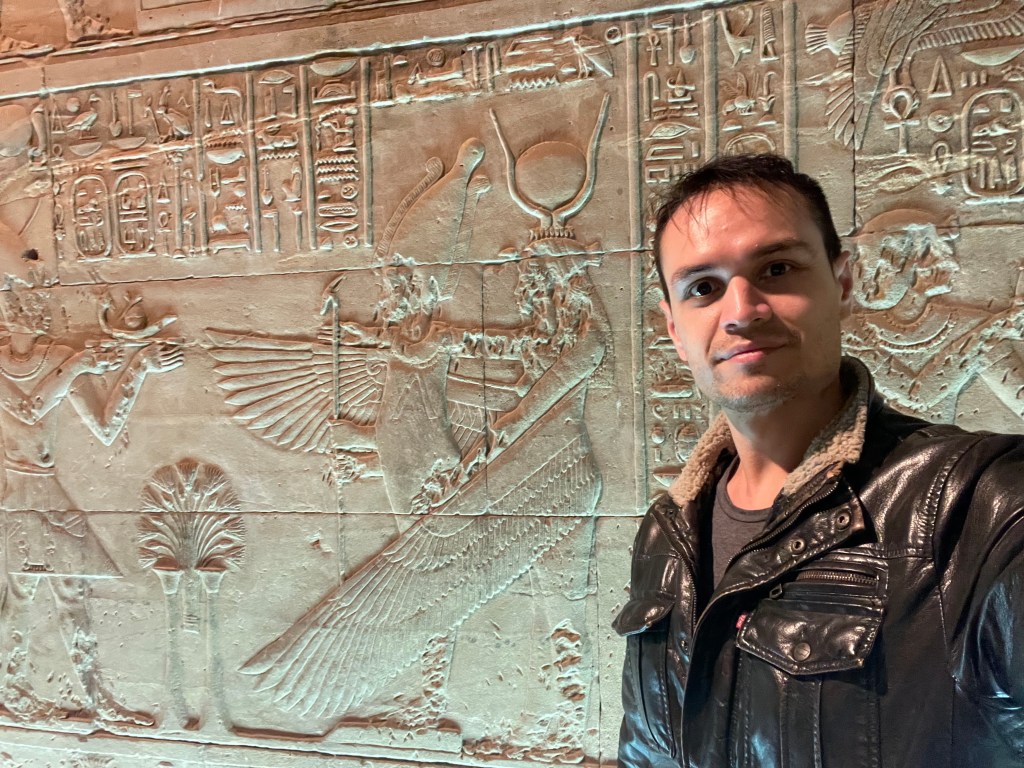
Traveling through the ruins of the earliest civilization in history had been a dream of mine for as long as I can remember. I had set out to visit Egypt in 2020, but earth-shattering events delayed me by 2 years. As has been the story of my life: better late than never. People have many choices when traveling to Egypt. Some want to see a little history, then spend the majority of their time along the coast of the Red Sea at either Hurghada or Sharm El Shaik. Others enjoy the educational experience of diving deep into the history of Ancient Egypt while touring all the major UNESCO hot spots. Either way, itineraries can be set up to accommodate short week-long visits or longer visits that last one month or more. This particular trip lasted 8 days and 7 nights at the height of a desert winter.
When thinking of Egypt, people think of Mesopotamia. Flashbulb memories of afterschool evenings watching Discovery, National Geographic, PBS, or reading Ranger Rick resurface and serve as reminders to when imagination hit the temporal lobe for the first time. The Ancient Egyptians were one of, if not THE first civilizations to inhabit planet earth. Such a title begets increased attention and popularity. Not to mention, the unraveling of King Tutankhamun’s Tomb by Howard Carter in 1922. The only tomb left nearly intact, King Tut has exhibited the Ancient Egyptians in a powerful light; one that yields more questions and answers about their society, lifestyle, and ideology.
Before the dynastic period, there was upper and lower Egypt. Upper Egypt was symbolized by the lotus flower to represent healing and spiritual rebirth while lower Egypt was symbolized by the papyrus plant. The unification of upper and lower Egypt helped strengthen the kingdom and made it more difficult for the Sudanese and Libyan Empires to challenge the Ancient Egyptians for their territory. Bring the Nubians into the picture, and a diaspora emerges throughout Northeast Africa, Southern, and Eastern Europe, and Asia. Each populace was connected by trade routes as they tried to protect their monarch. There were 30 dynasties, and Ancient Egypt thrived for over 2,500 years.
The mind enters a fugue when pondering the succession of kings and queens within Ancient Egypt. The twists and turns within each of the Ancient Egyptian Dynasties bring on a realization that territorial rule is a carnal, if not animalistic desire; uncontrollable and begging to be tamed. What’s even more disturbing is the battle between the discoverers of the archaeological remains themselves. The French and English battled for the ruins which in turn caused numerous disagreements as each country sought ownership over the stone-carved wonders. The Ancients sought sovereignty, power, recognition, and honor. The colonials sought ownership and control; not too much different from one another at the end of the day.
There are two ways of looking at tourism: As opportunity and a crutch. Tourists themselves are the opportunists and the locals are the crutch who rely on tourism to survive. The locals must wear a vibrant smile and welcome foreigners into their culture with exceptional customer service. Although the customer service part doesn’t always meet expectations, visitors to a country like Egypt must realize that their lives are most likely privileged by comparison. Checking one’s privilege will help maintain a positive outlook despite the jarring chasm of living standards. Making purchases at the local markets, travelers will notice students who embody the drive and determination it takes to lift themselves up and out of their current situation if they choose to do so. These moments of understanding between two human beings bring hope to the overall harsh reality of the world and definitely enhance a tourist’s perspective. One of the reasons travel benefits the mind as much as the body is because of the added perspective of the world that someone adds to their hippocampus (the area of the brain responsible for memory storage and mapping). It can weigh heavily on the heart but with each new interaction the improved mindset helps to bridge the gaps between the ideas of “them” versus “us.”
From the multicultural point of view of an Asian American, a quality education helps grant people the right to choose. That freedom takes dedication and understanding and seeing teens act and speak in a courteous, altruistic way engenders hope. It signals that there are indeed pathways to success amidst a sea of desperation. Hopefully, the government won’t interfere in a child’s right to achieve a better future and help those who have been mistreated. Looking out into the dense smog a dusty realization settles on the conscience: A visitor has the ability to bring joy to those within the country they visit. There’s a reassuring thought. There were 8 days in which to make positive interactions and seek as much understanding as possible while looking through the ancient eye of Osiris.
For future travelers, vendor harassment and tour operators attempting to up-sell is a common occurrence and is something to watch out for. They are located at every major historical site, cruise port, local city market, and bazaar. With each “no thank you” a part of one’s nerves and sinew strips away with guilt, but it pays to remember that responsible tourism isn’t giving freely. Although the grass may be greener on the other side, it takes integrity and commitment to keep it green; not manipulative ploys to trick visitors into handing over their cash. The world already has marketing schemes within the web pages of Amazon and Shopify’s add-on features. Egypt is meant for historical preservation and education. Visitors will have to learn to stomach the plethora of local vendors attempting to use sympathy or friendship as a sort of collateral. Here were the phrases I heard most often:
“Where are you from my friend?”
“I will wait for you. I’m your best friend.”
“I will not push you to buy anything, I’m different.”
Previous budgeting and ascetic financial habits help people afford trips like Egypt and are the very reason traveling is possible. Teaching in the classroom 50 hours a week is “Robin Hood” enough.
Looking through the artifacts and temples, the mind wonders what treasures and notable structures will be looked upon 2,000 years from now. Do the Eiffel tower, space needle, space station, and Burge Khalifa have the same appeal? What “era” or “age” will the early 2,000’s be known for?
When studying history, considering multiple sides to a story is crucial to closing in on the truth. Although many dynastic periods have been accounted for, there are holes in some stories because of conspiring noblemen who wanted to dethrone Kings and queens. For example, Thutmose III was a phenomenal Military leader and as the 6th Pharaoh of the 18th Dynasty, he is often credited as being the mightiest military leader in Ancient Egypt. His family lineage however remains uncertain due to the numerous bouts of thievery that had penetrated the courts of Kings, stolen valuable secrets of royalty, tyrants, and skilled enemies alike.
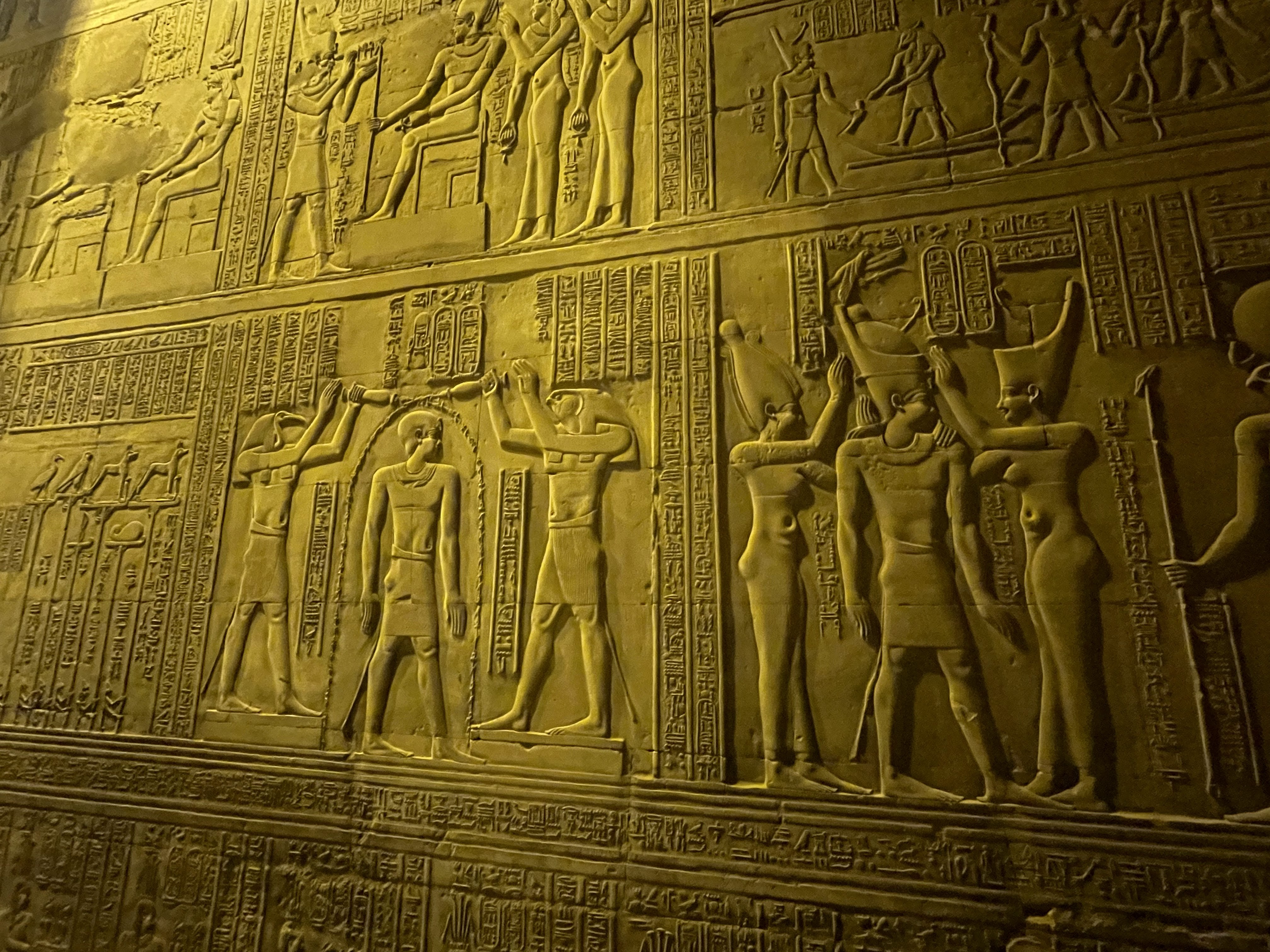
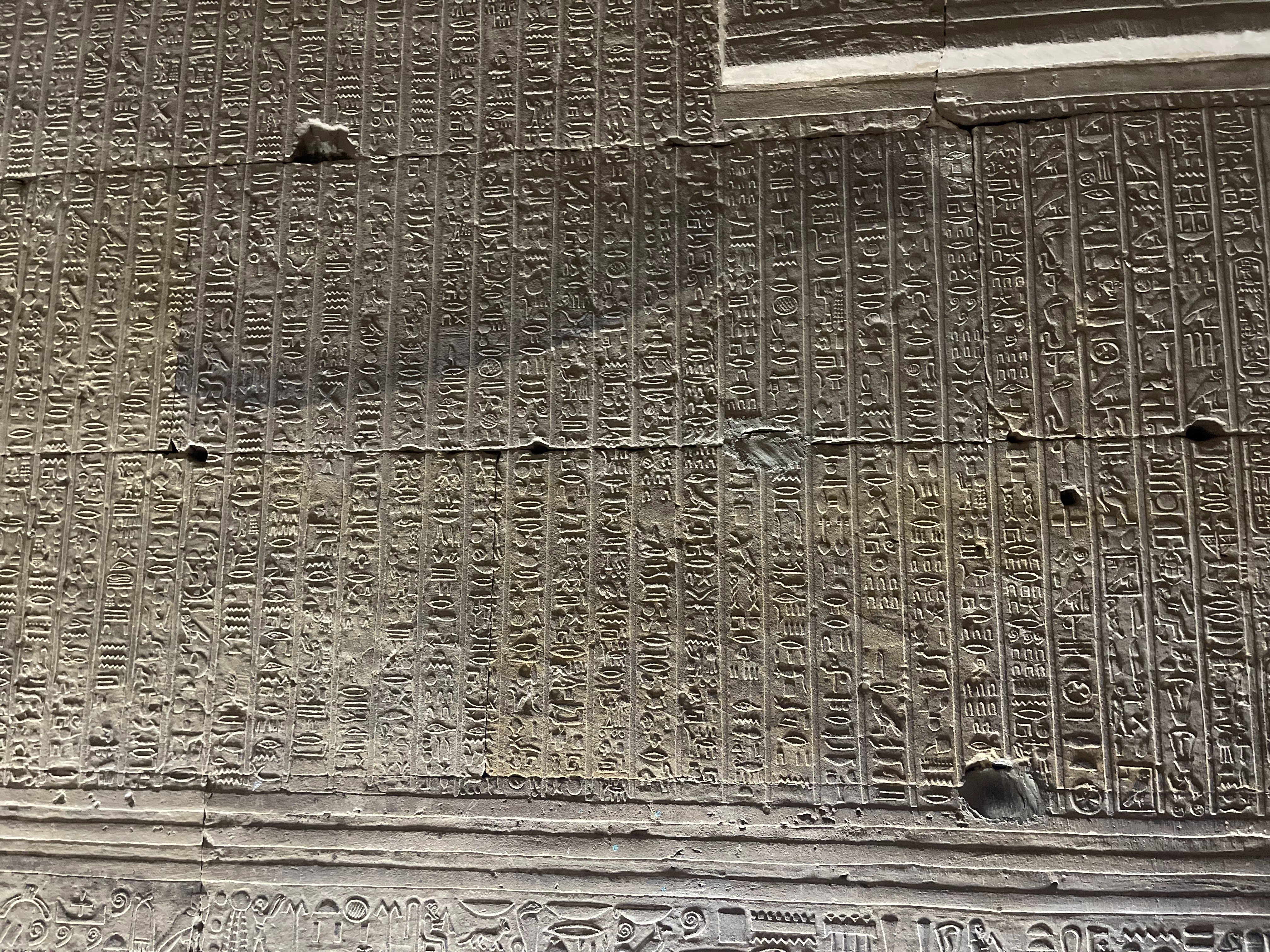
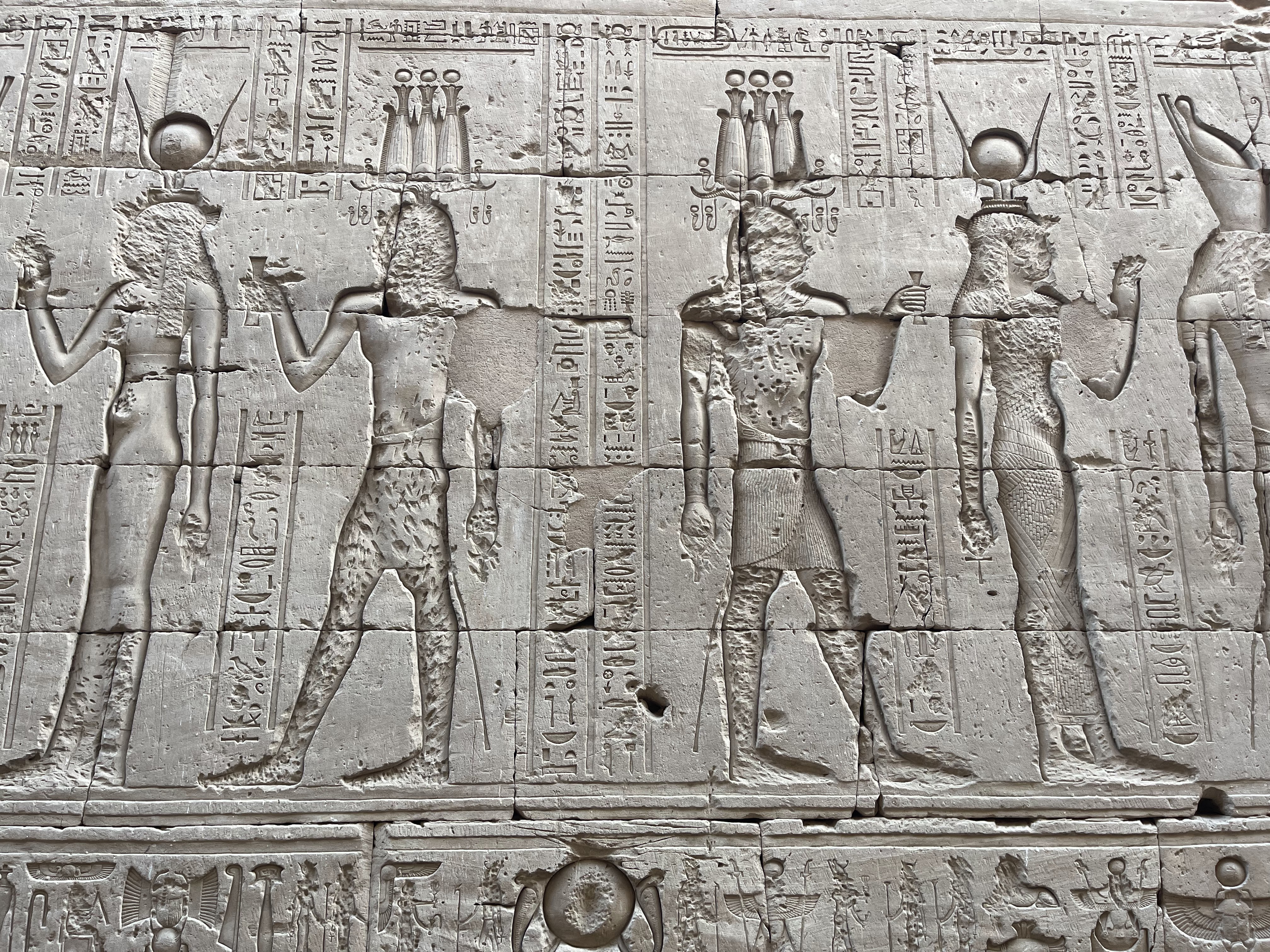
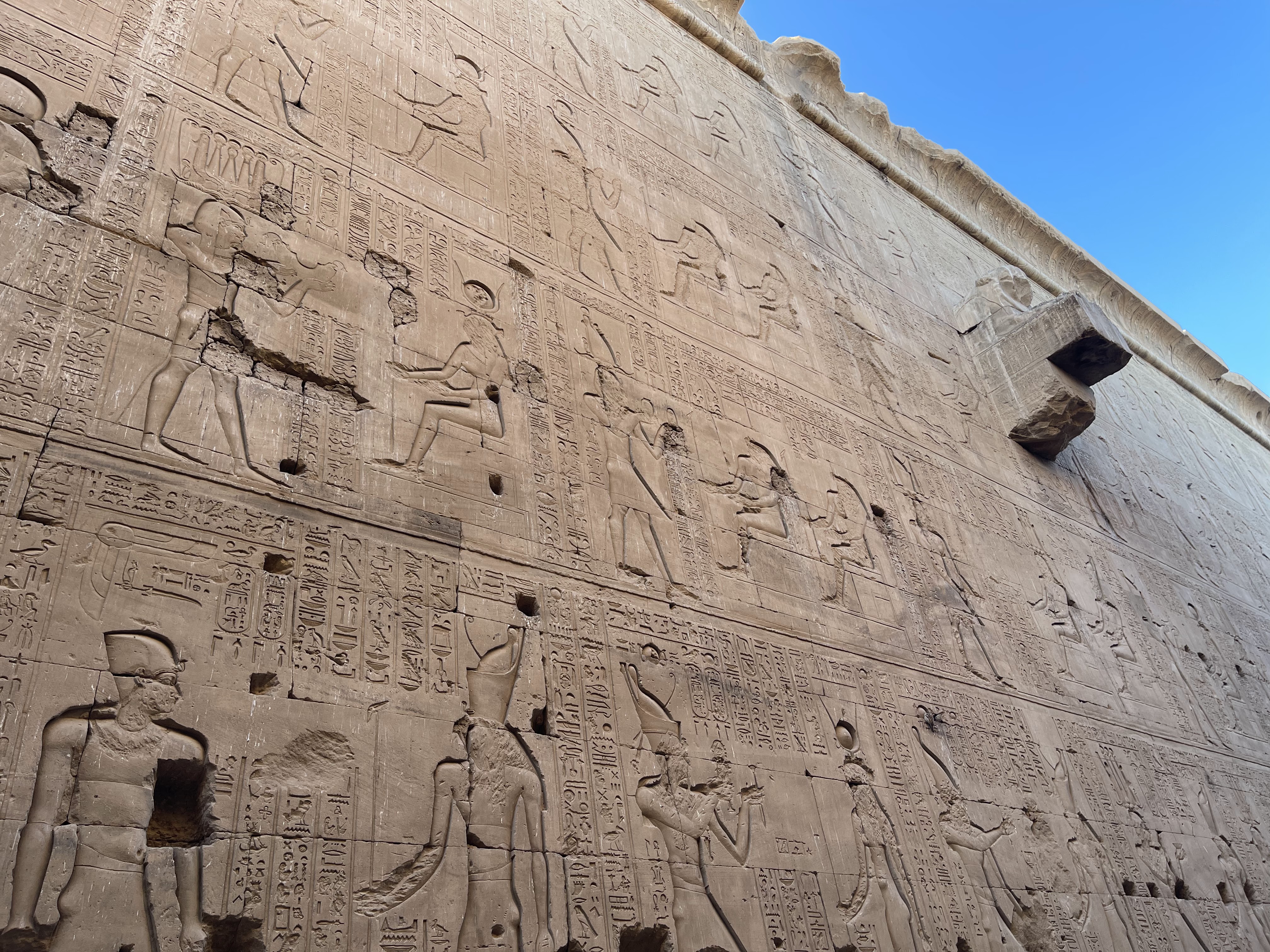
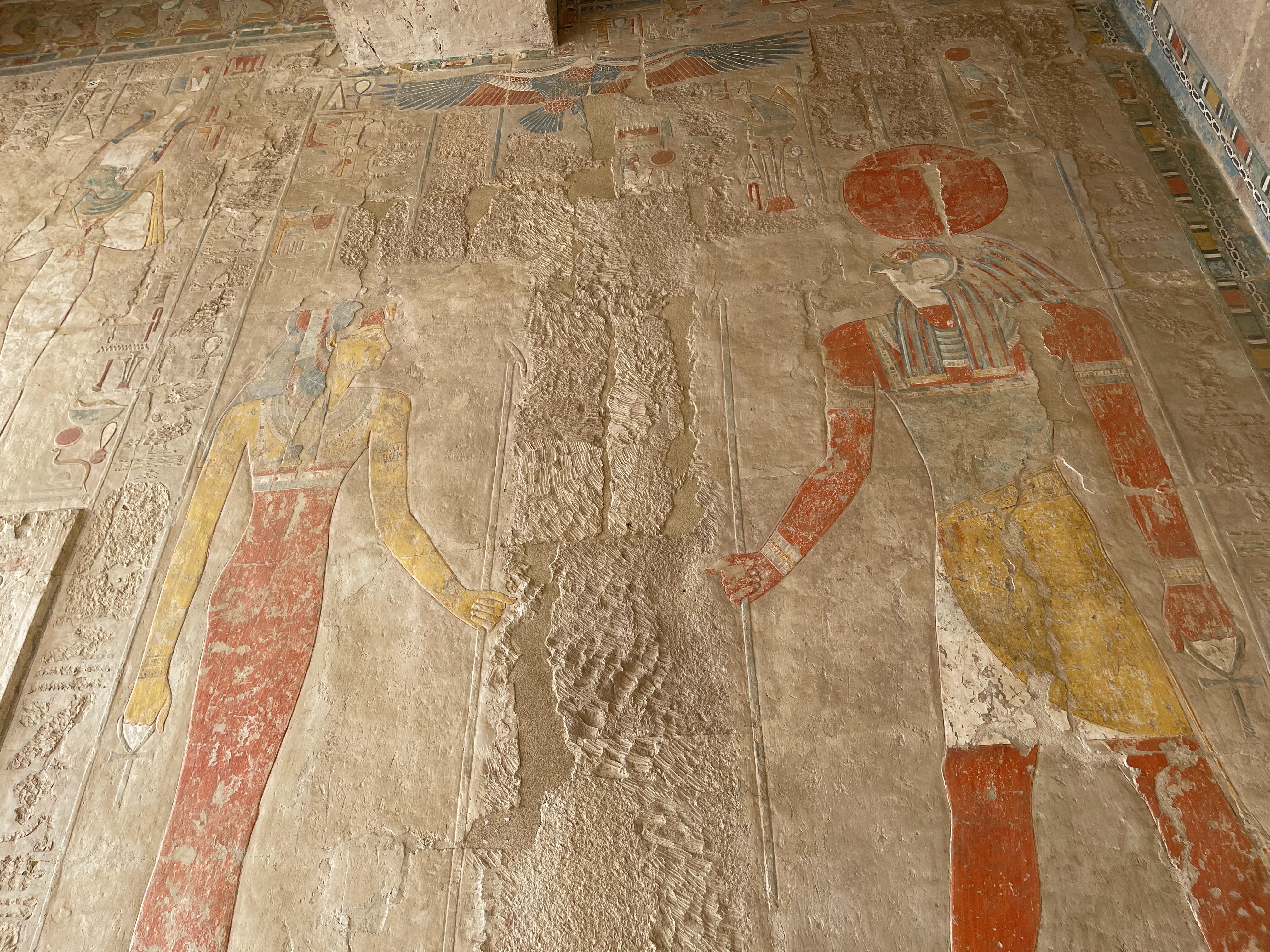
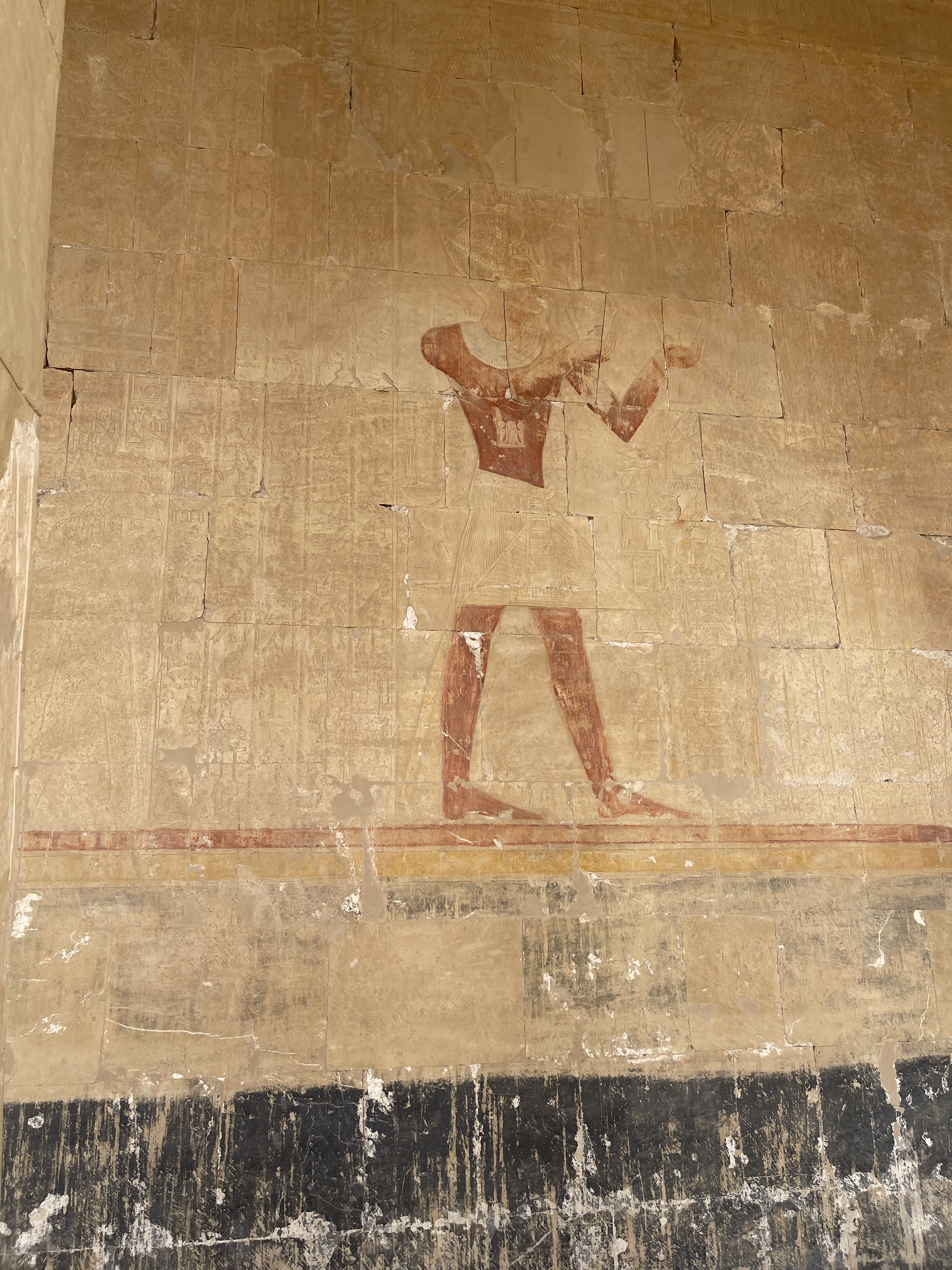
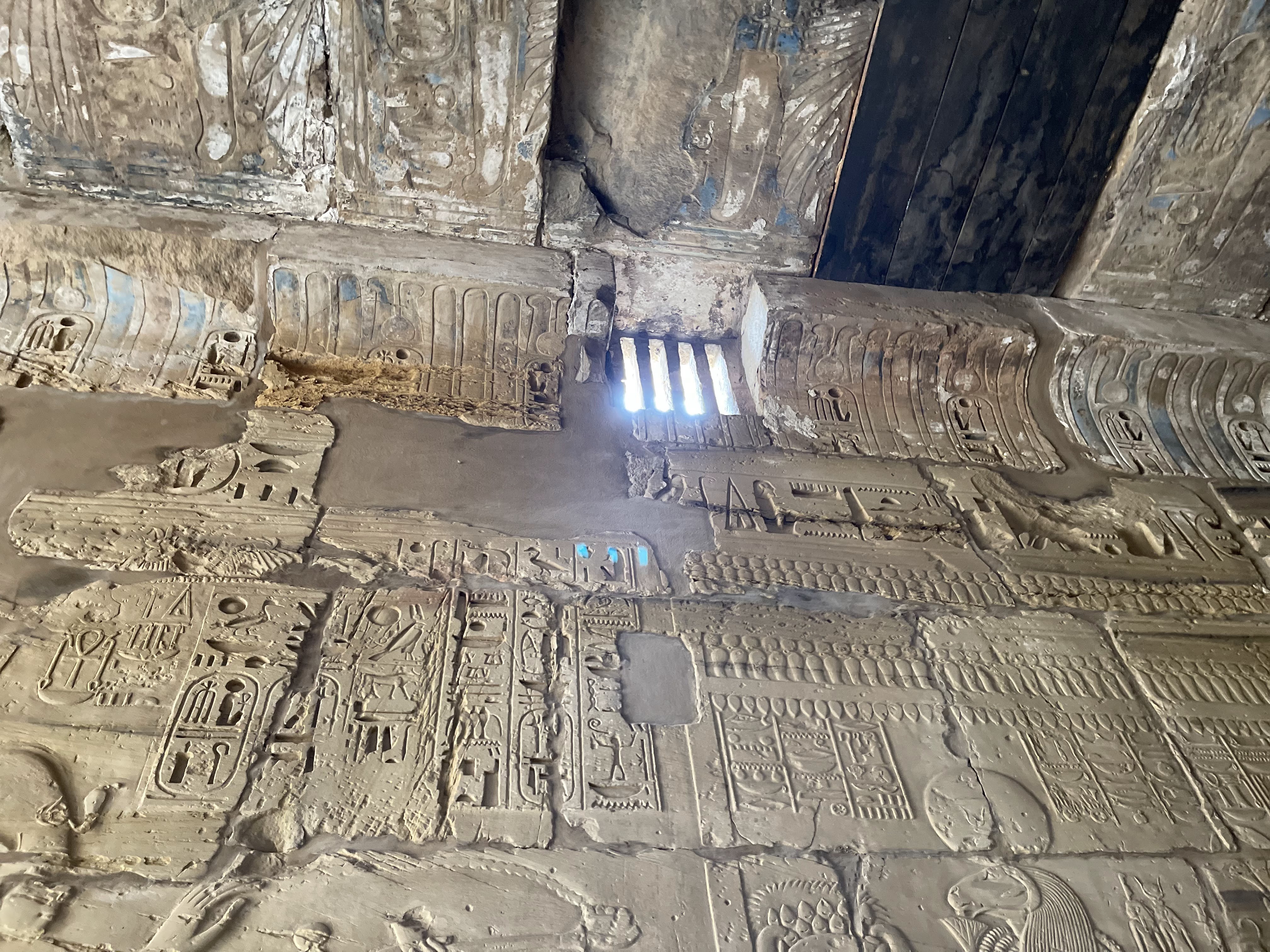
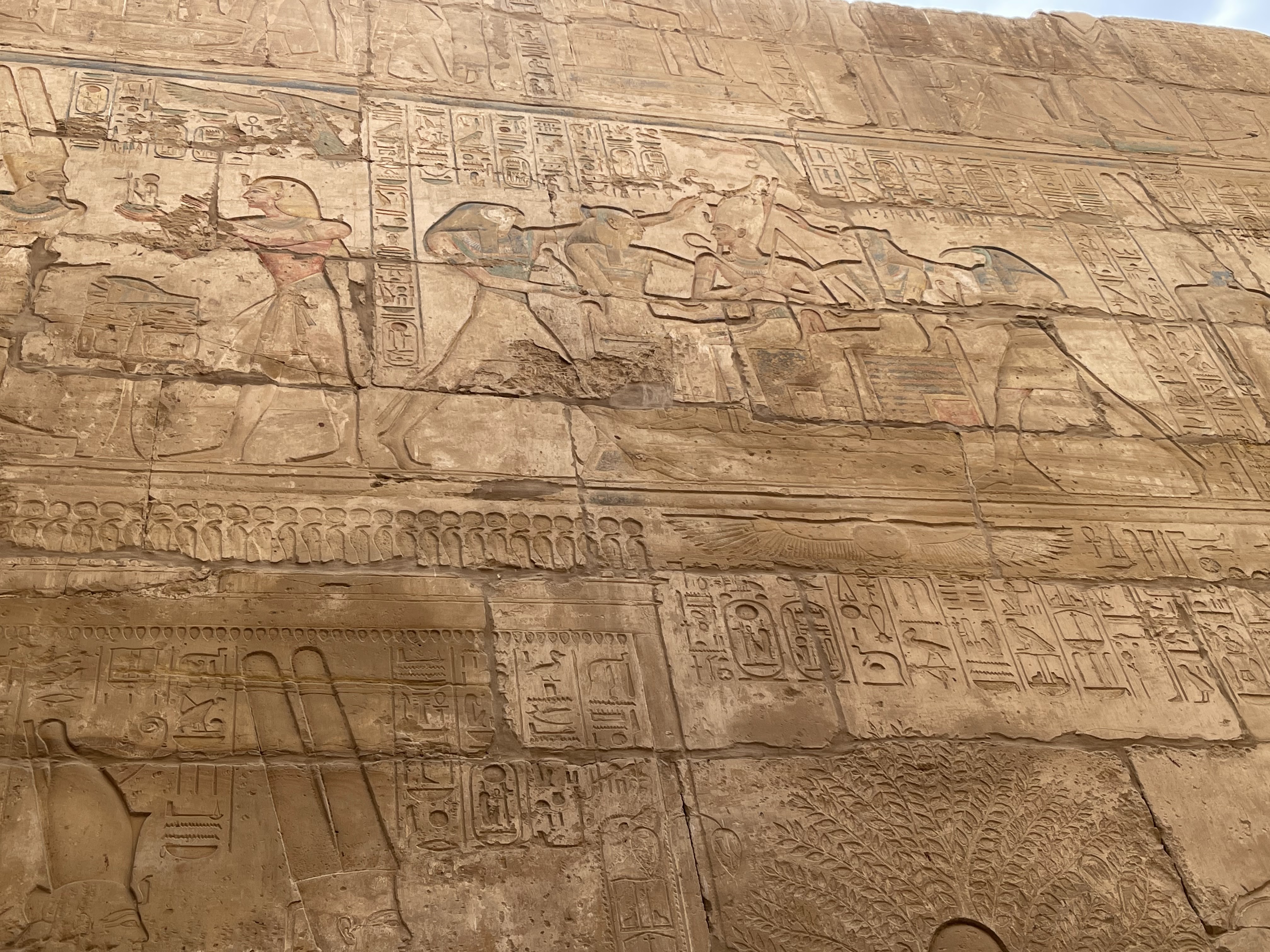
On the archaic walls of Ancient Egyptian temples, there are scenes of loss, love, forgiveness, war, protection, fear, and power. Emotions are carved into the limestone walk in the form of ritual offerings and sacrifice. Each god is shrouded in jewelry and clothing befitting their stature in ancient times.
Without further ado, here are some fond memories of the recent week-long trip through ancient times.
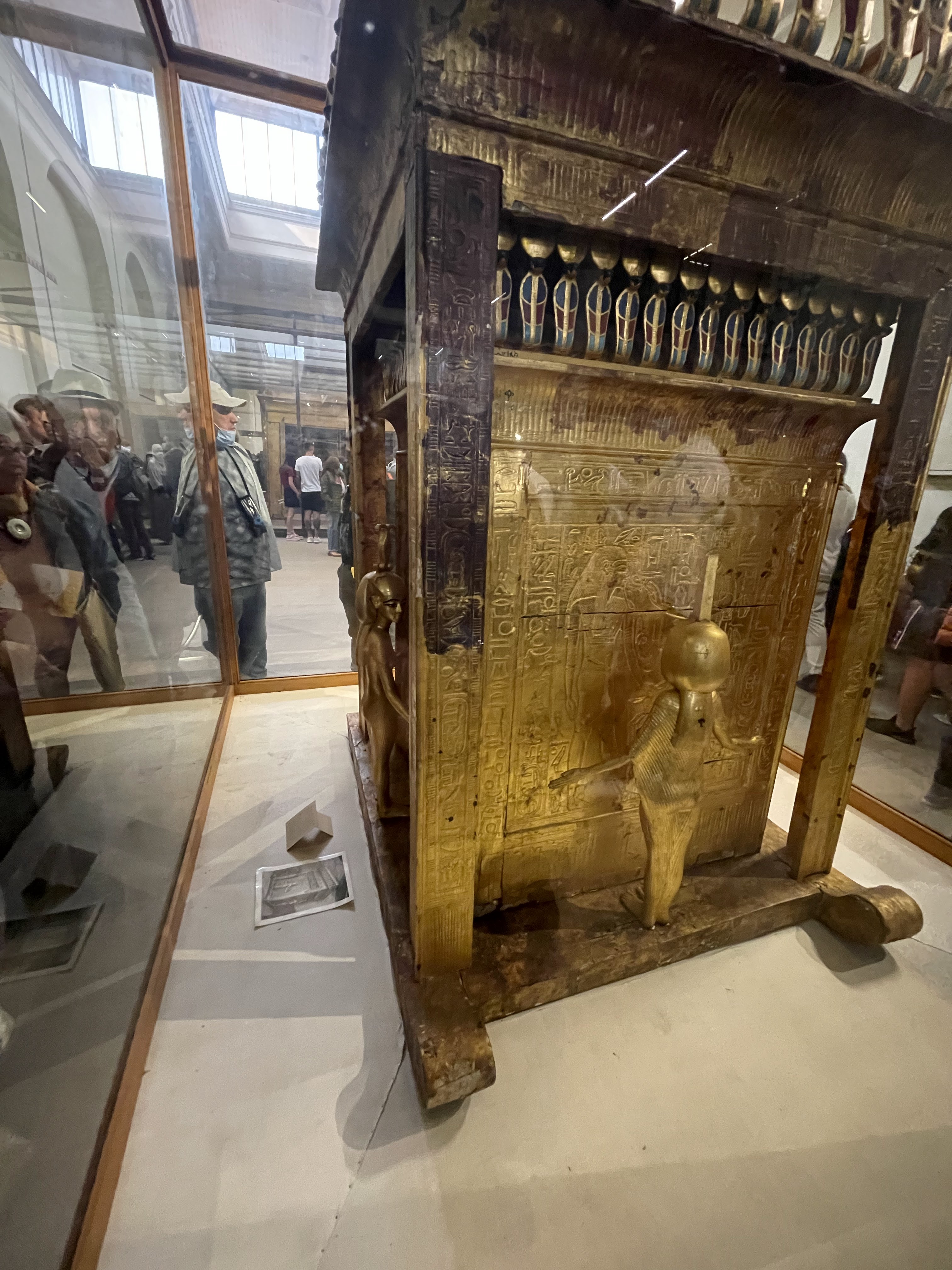
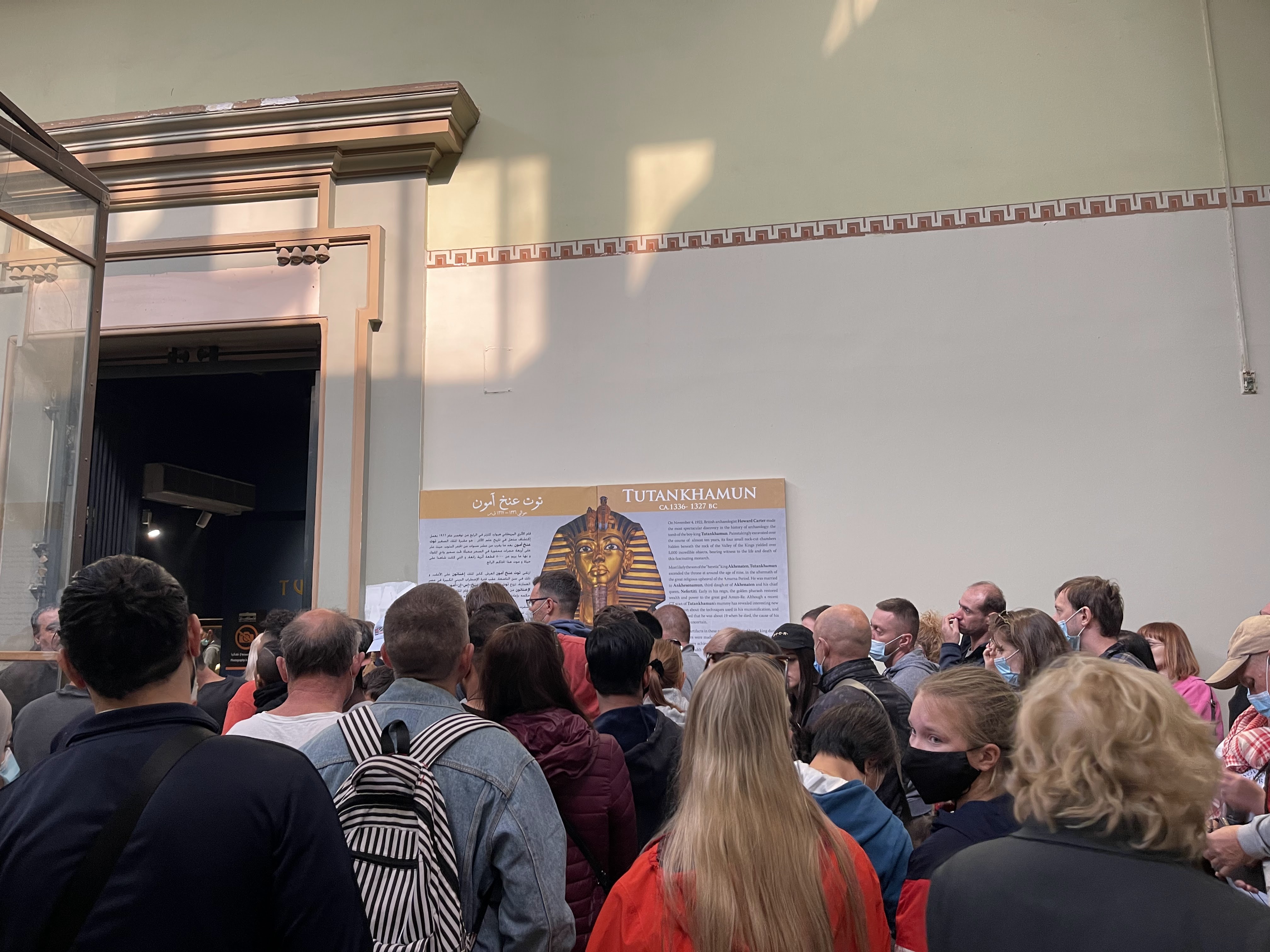
January 7th: Egyptian Museum. Reliefs, treasures found within King Tut’s tomb, the gold box itself, and numerous significant statues that were bestowed upon kings, queens, noblemen, and their valuable servants of yore. As tuk-tuks zoom past and farmers wipe away their sweat and grime while urging their donkey onwards to make ends meet, the first stop was the Egyptian Museum where over 4,000 years of artifacts are stored for the world to see. Take note: throughout this blog post, you will find many statues with their left leg forward. This was a power stance that signified strength and fortitude. Click on the highlighted link in blue for more inspiring detail. The Winter season is also the peak of tourism so be advised and plan accordingly. The trade-off is: sweltering heat or crowds, especially in Cairo.


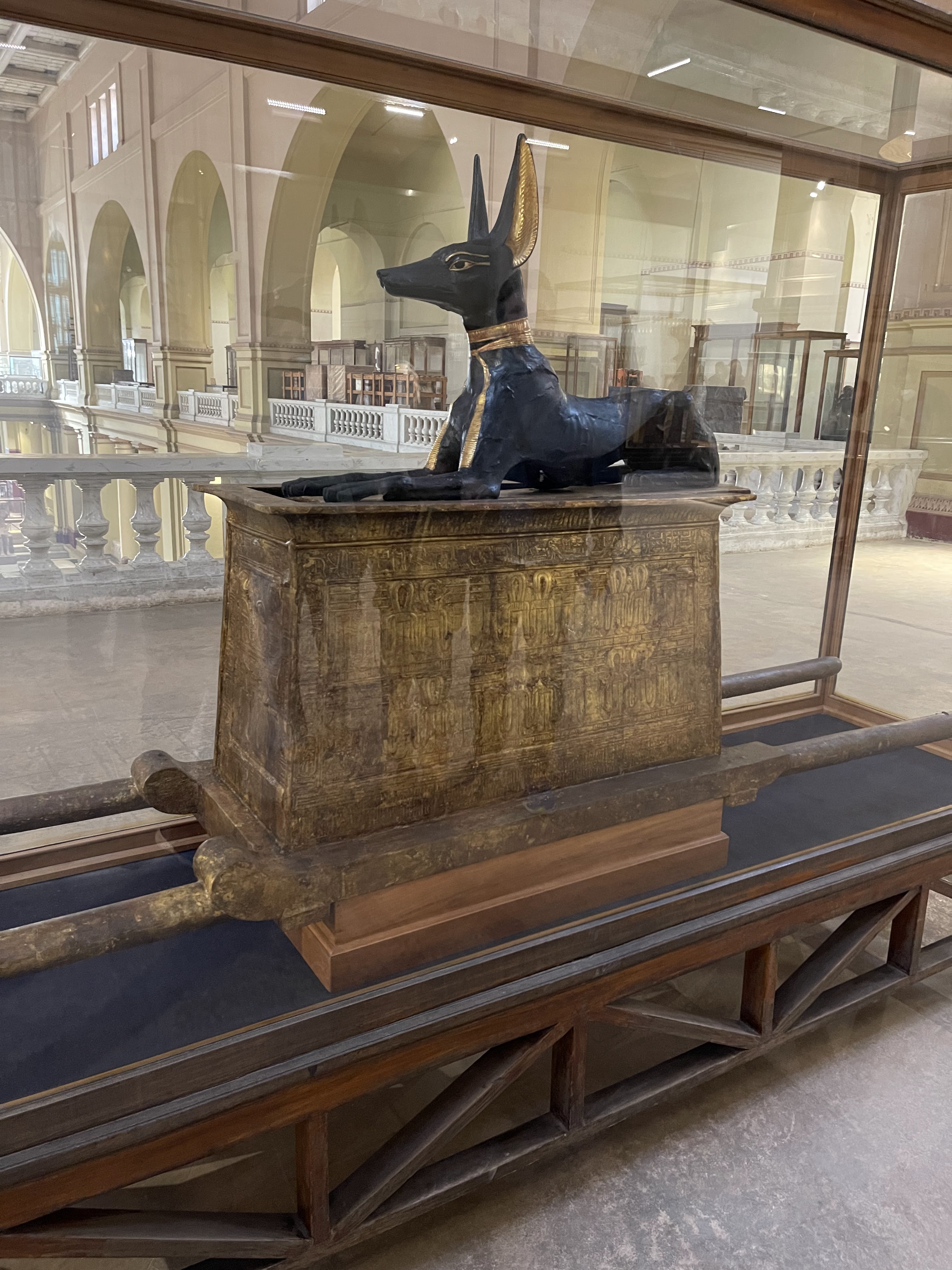


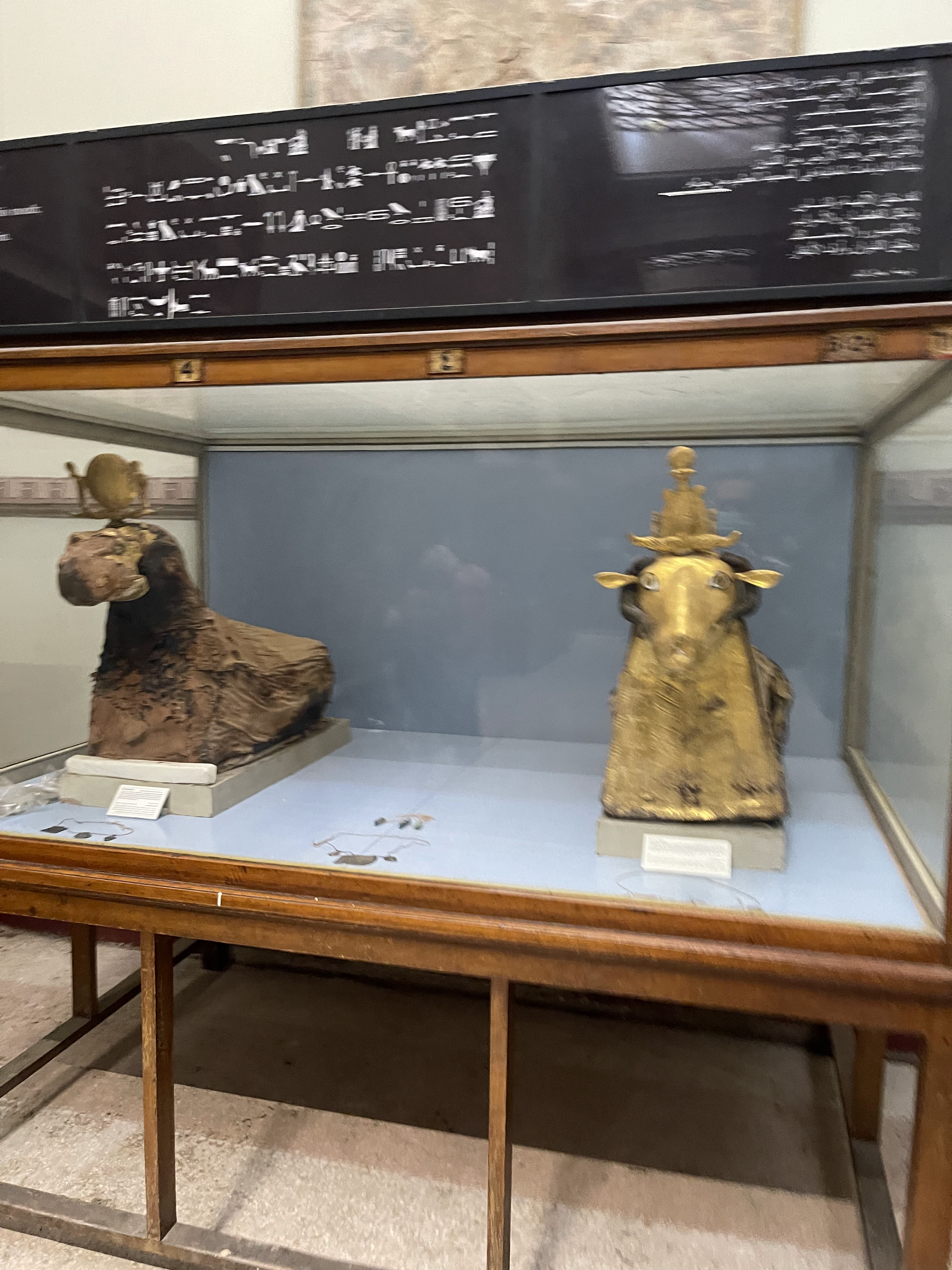

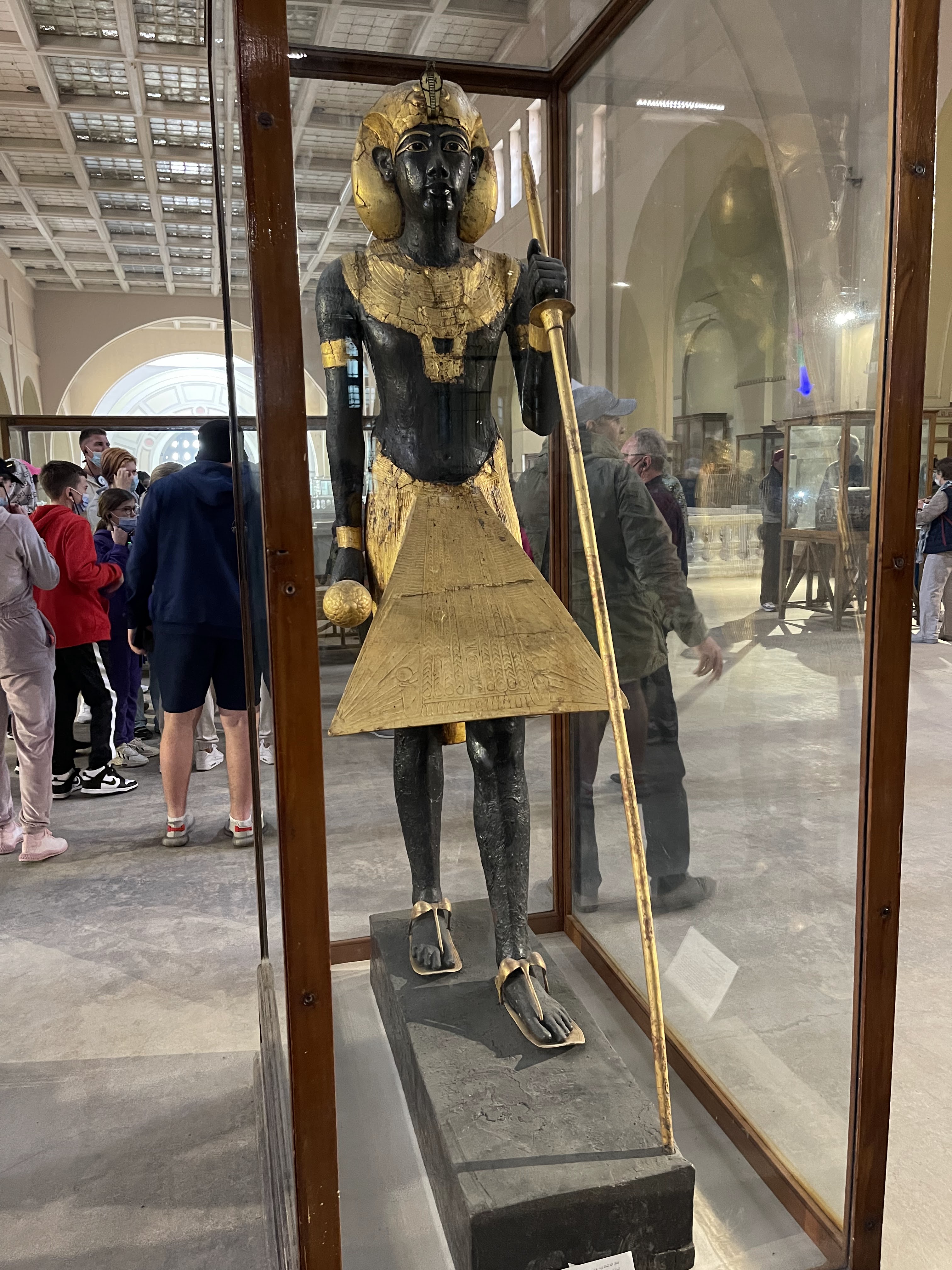



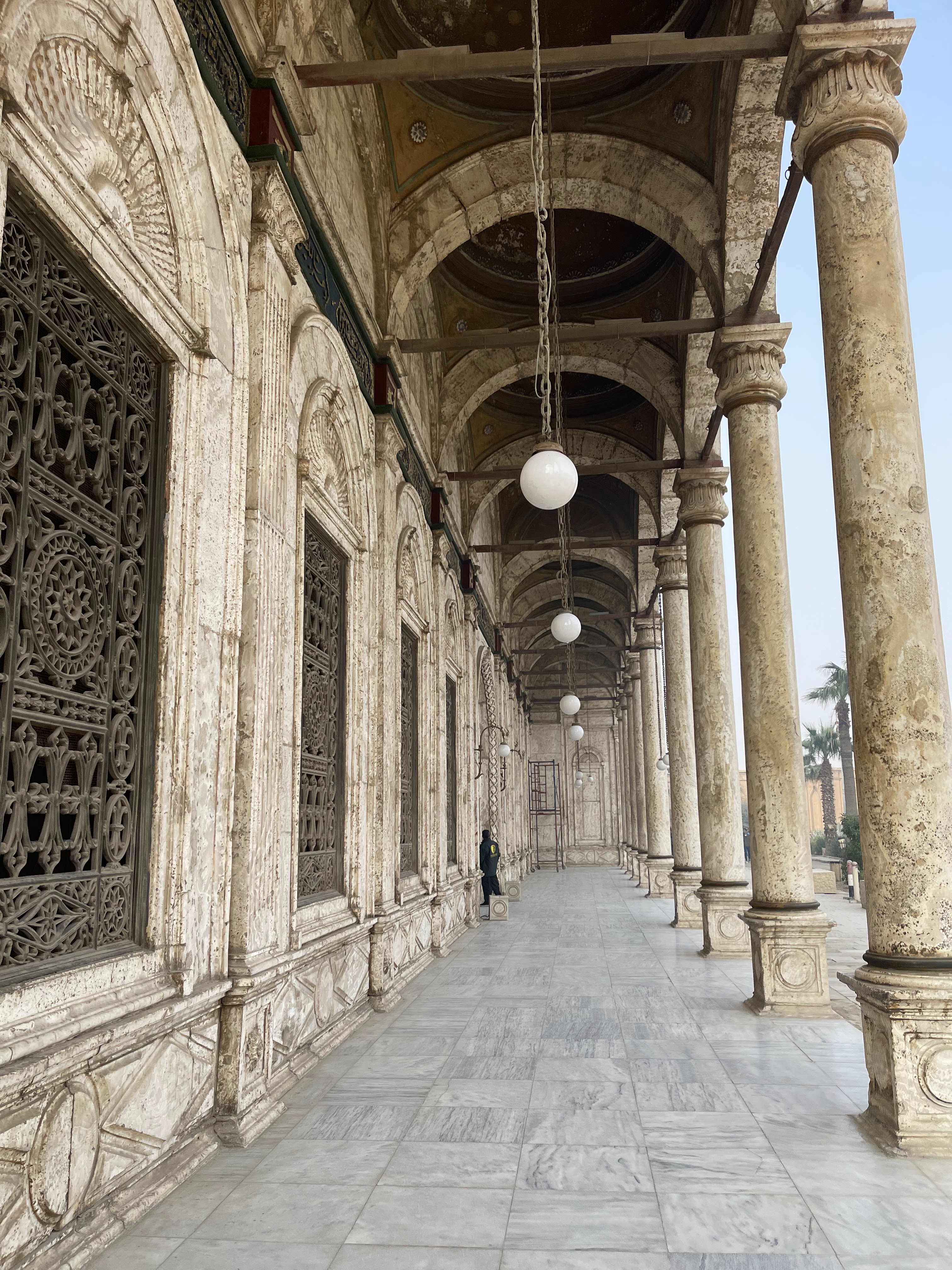
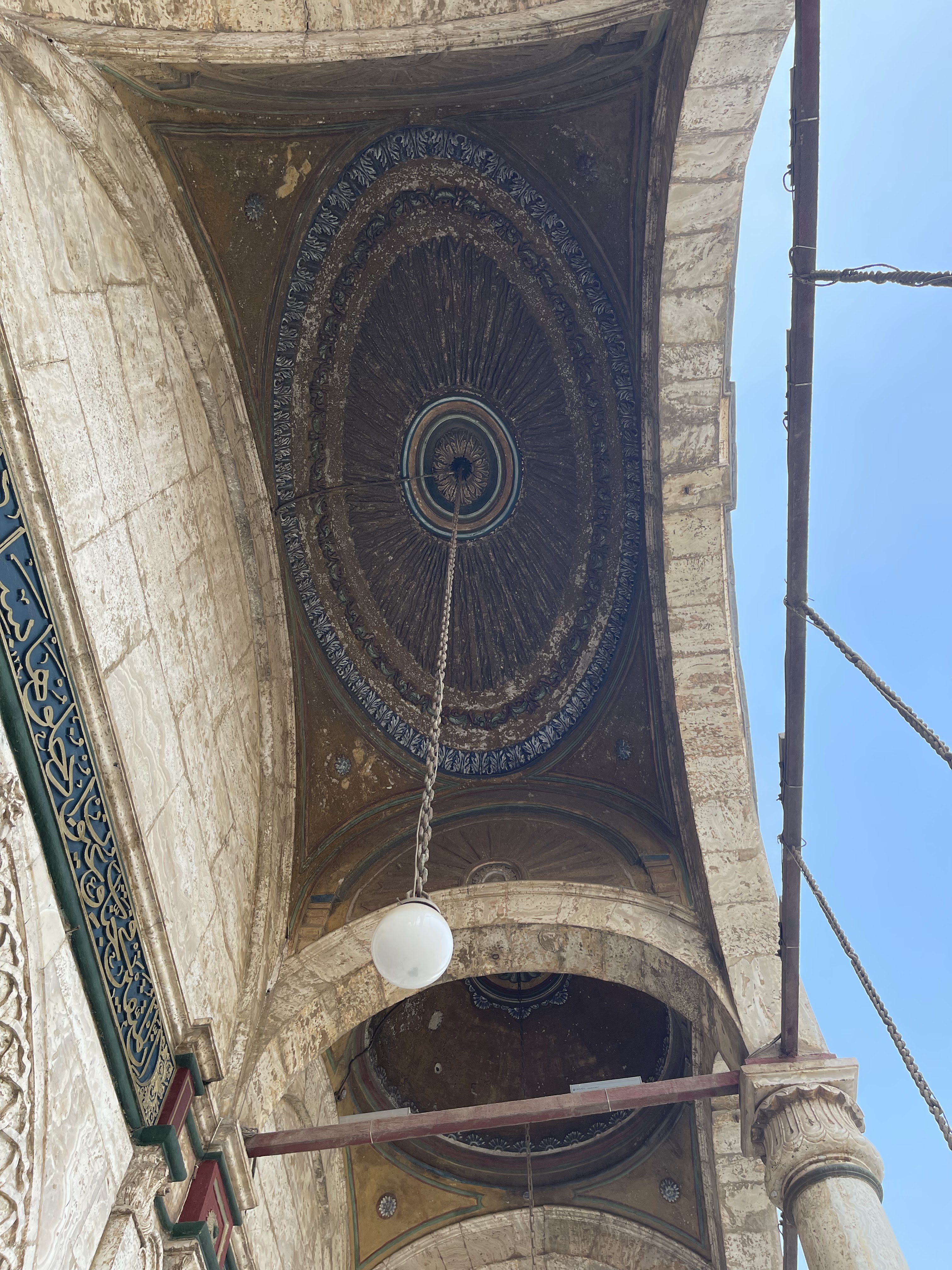
Mohammad Ali Mosque was constructed inside the citadel of Sala-Adin Ibn Aub. This is an Ottoman masterpiece. Also pictured: My personal Egyptologist from Cairo, Ahmed Eletter. شكرا جزيلا لك Ahmed. I learned a LOT!

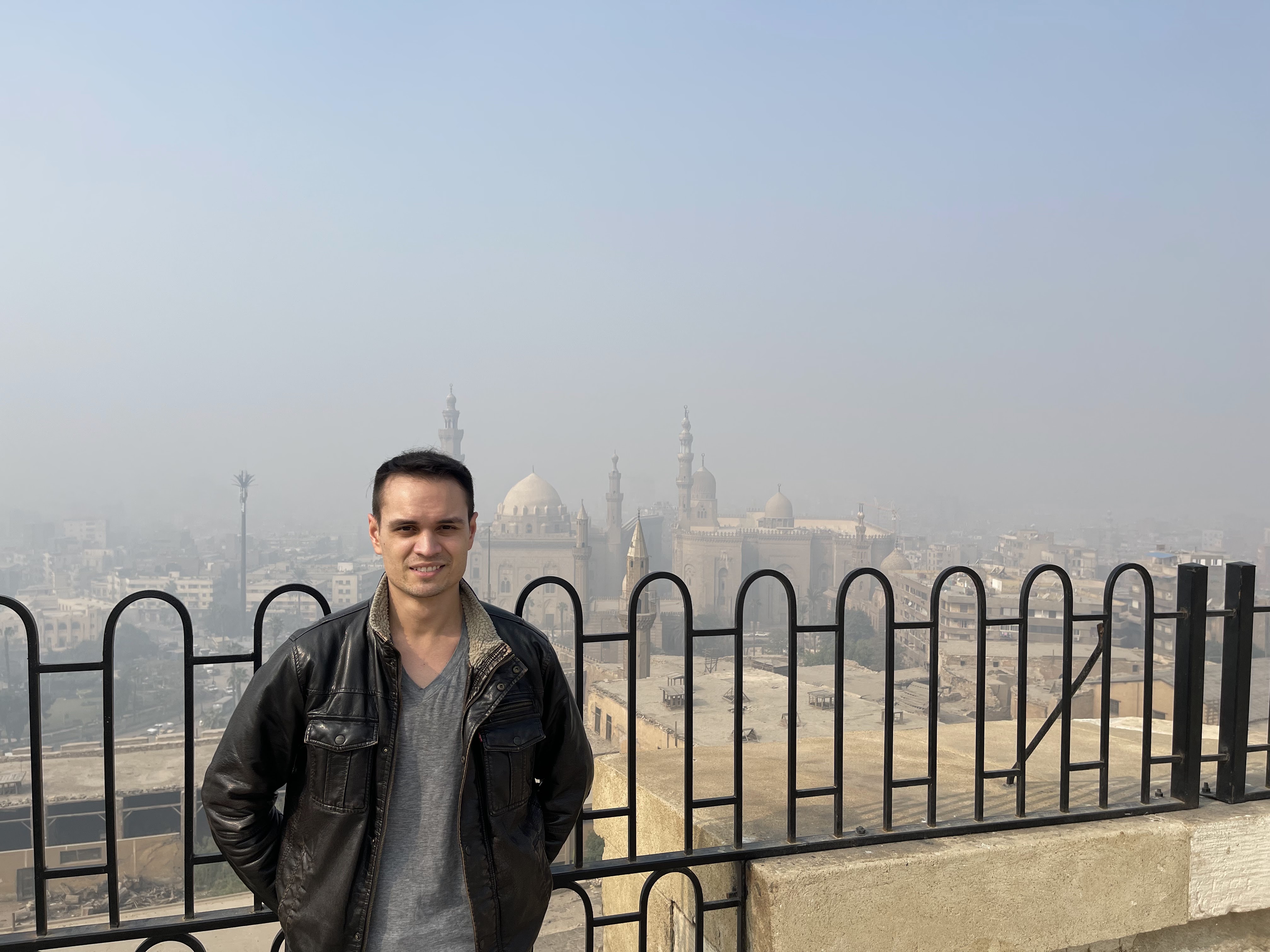

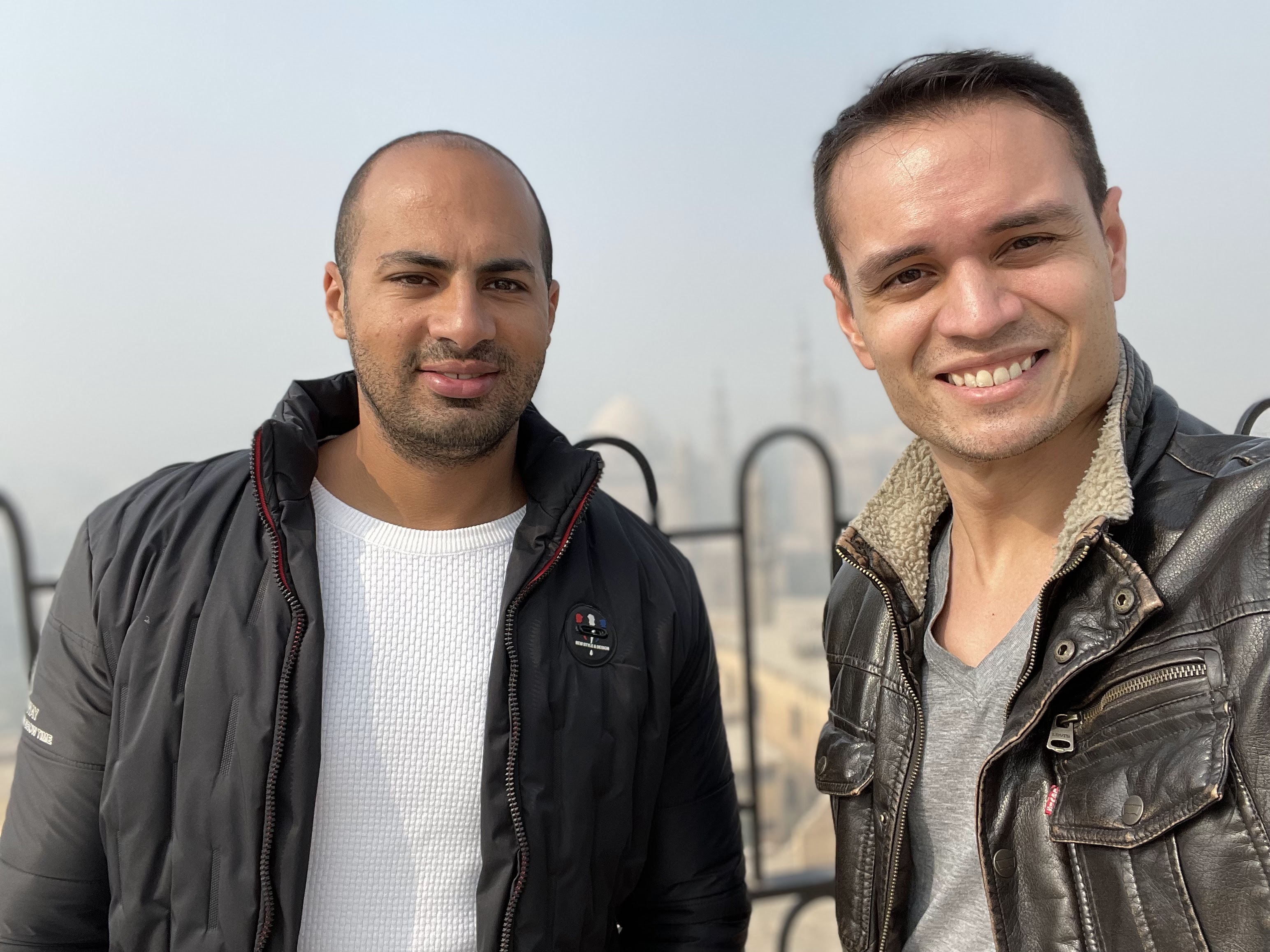


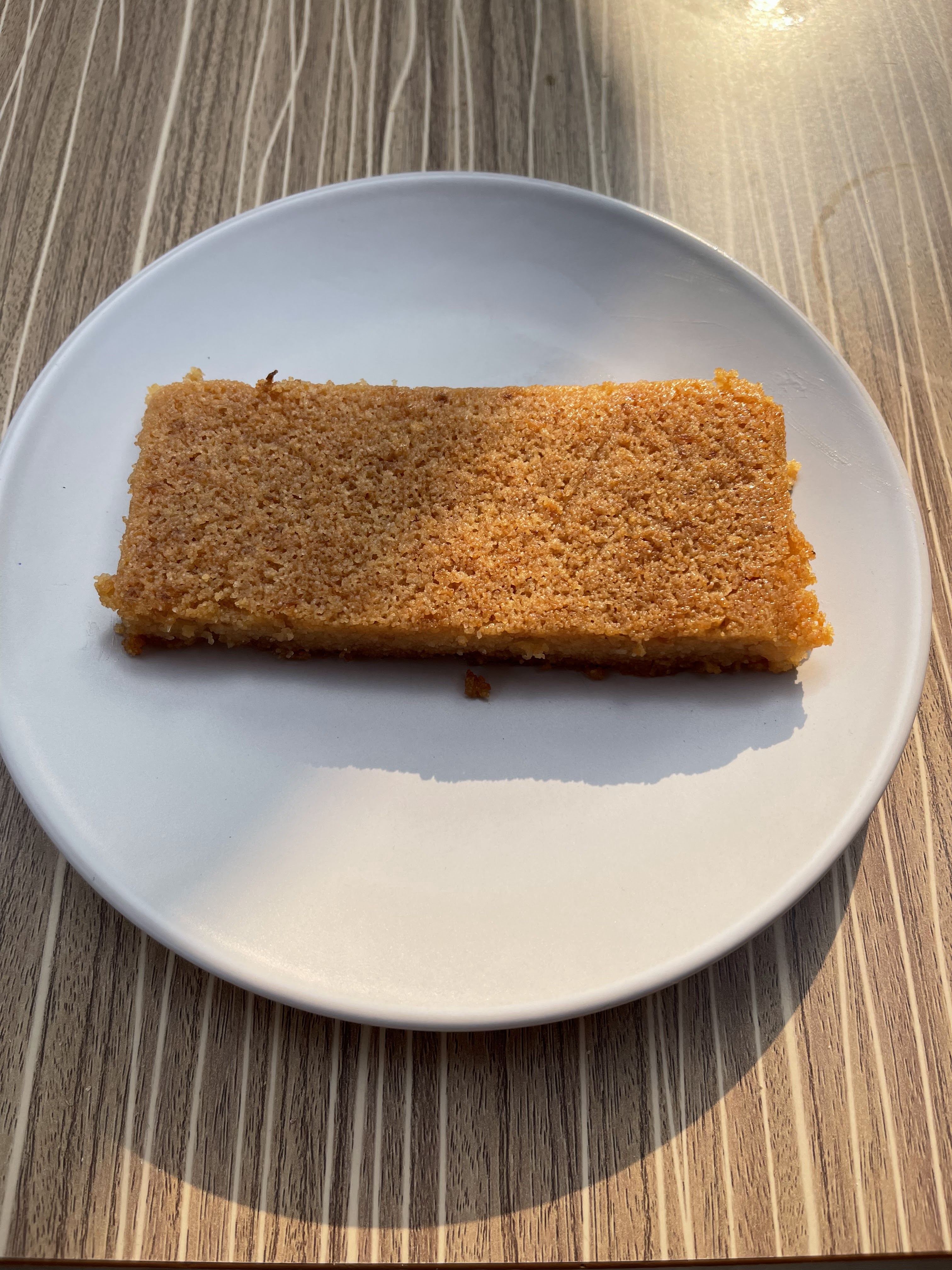
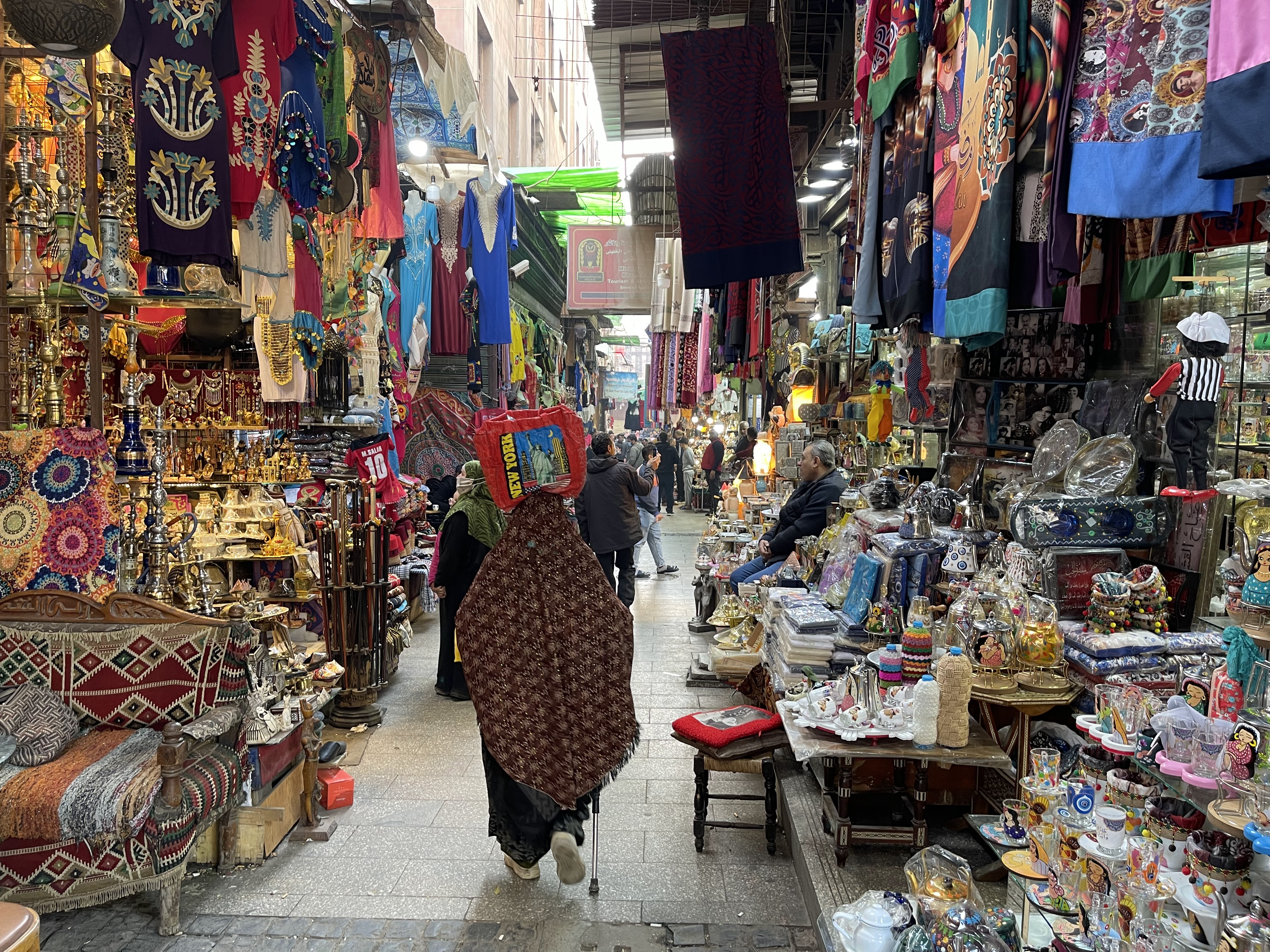
Kahn Al Kalili Bazaar and various mosques and mausoleums. Also, an Egyptian dessert named: Basbousa. Many colors, hairdos, and fragrances. This area of Cairo was first established around the 14th century and there were numerous medieval structures since the beginning of the Mumluk period.





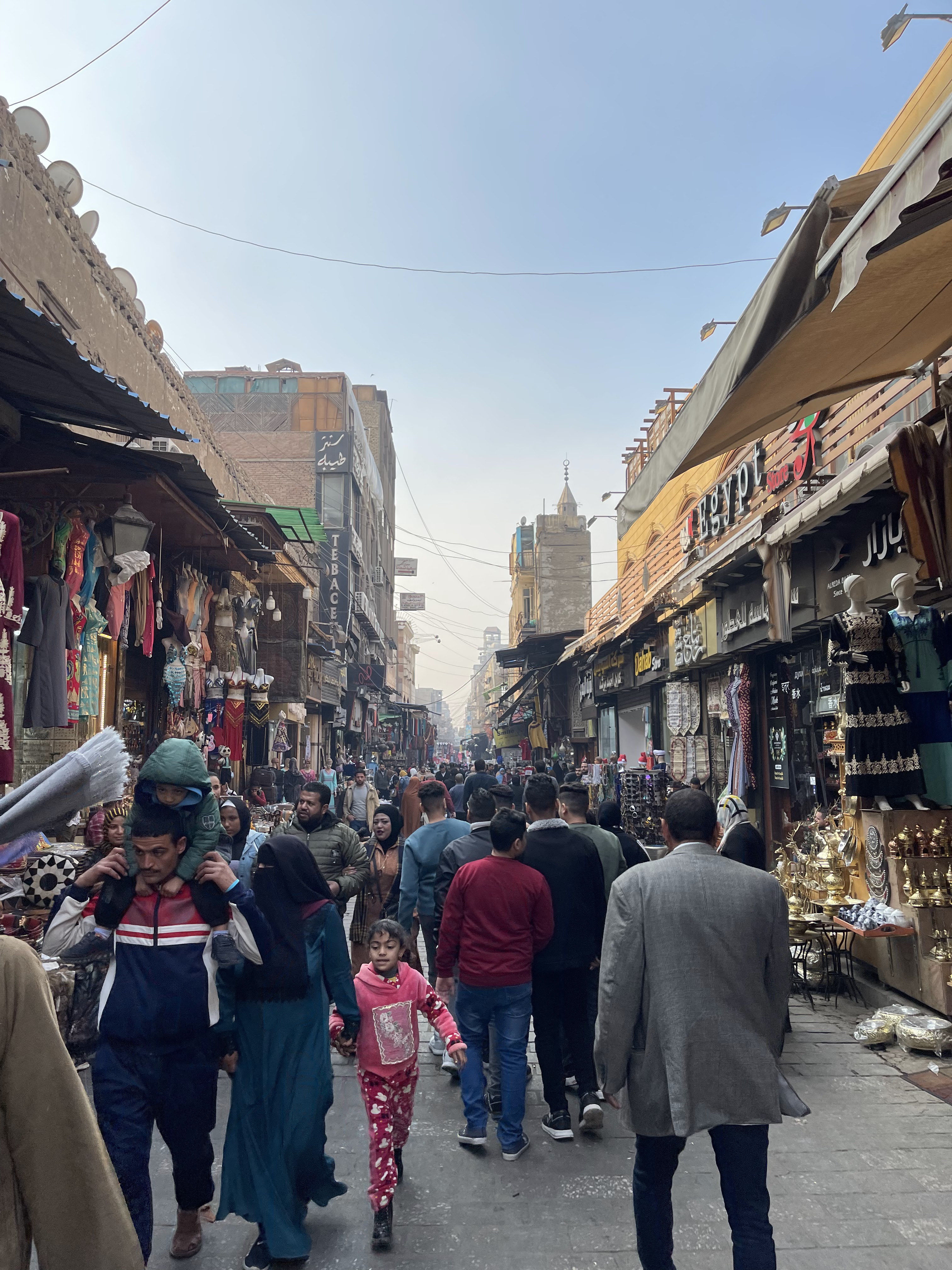

January 8th:
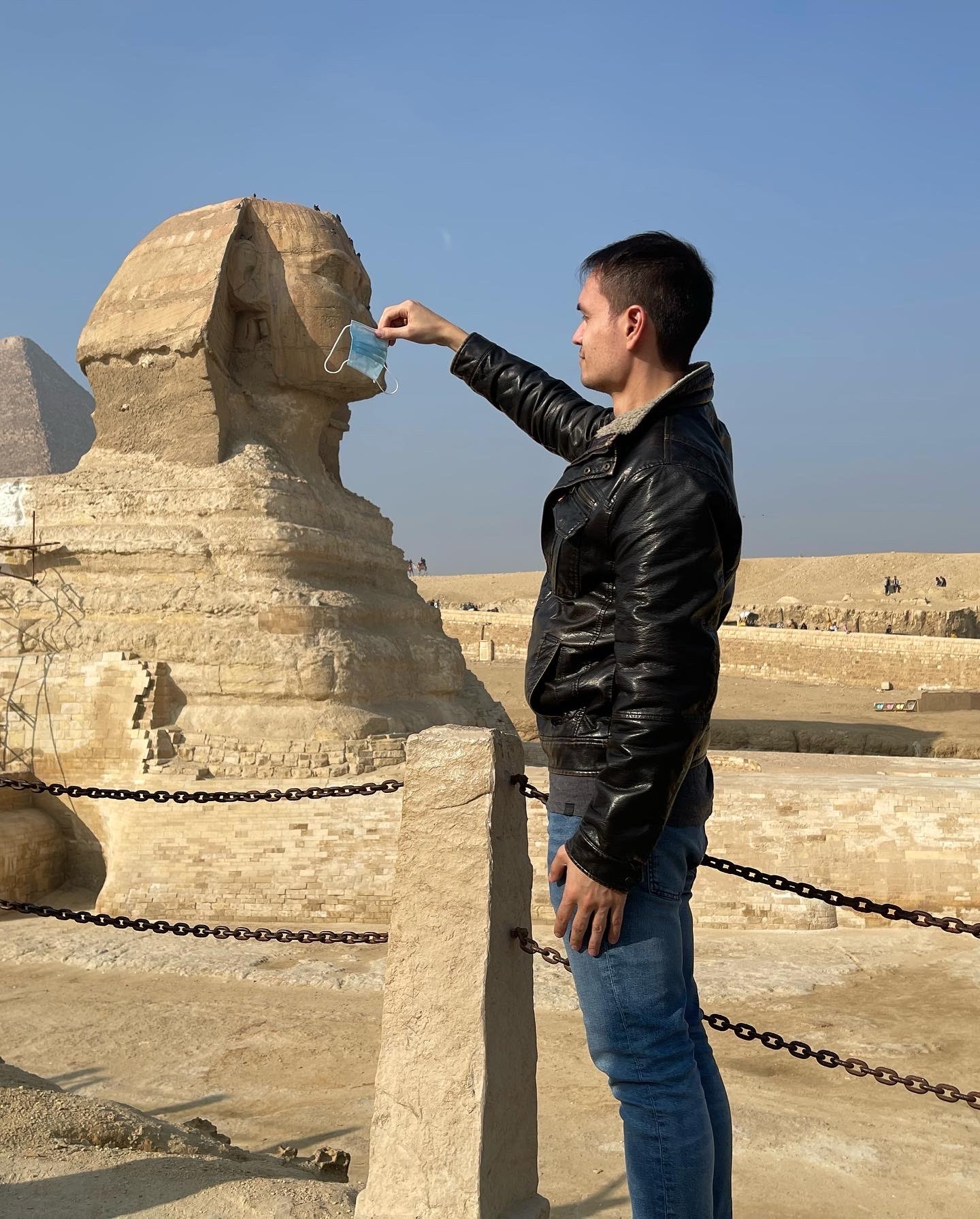
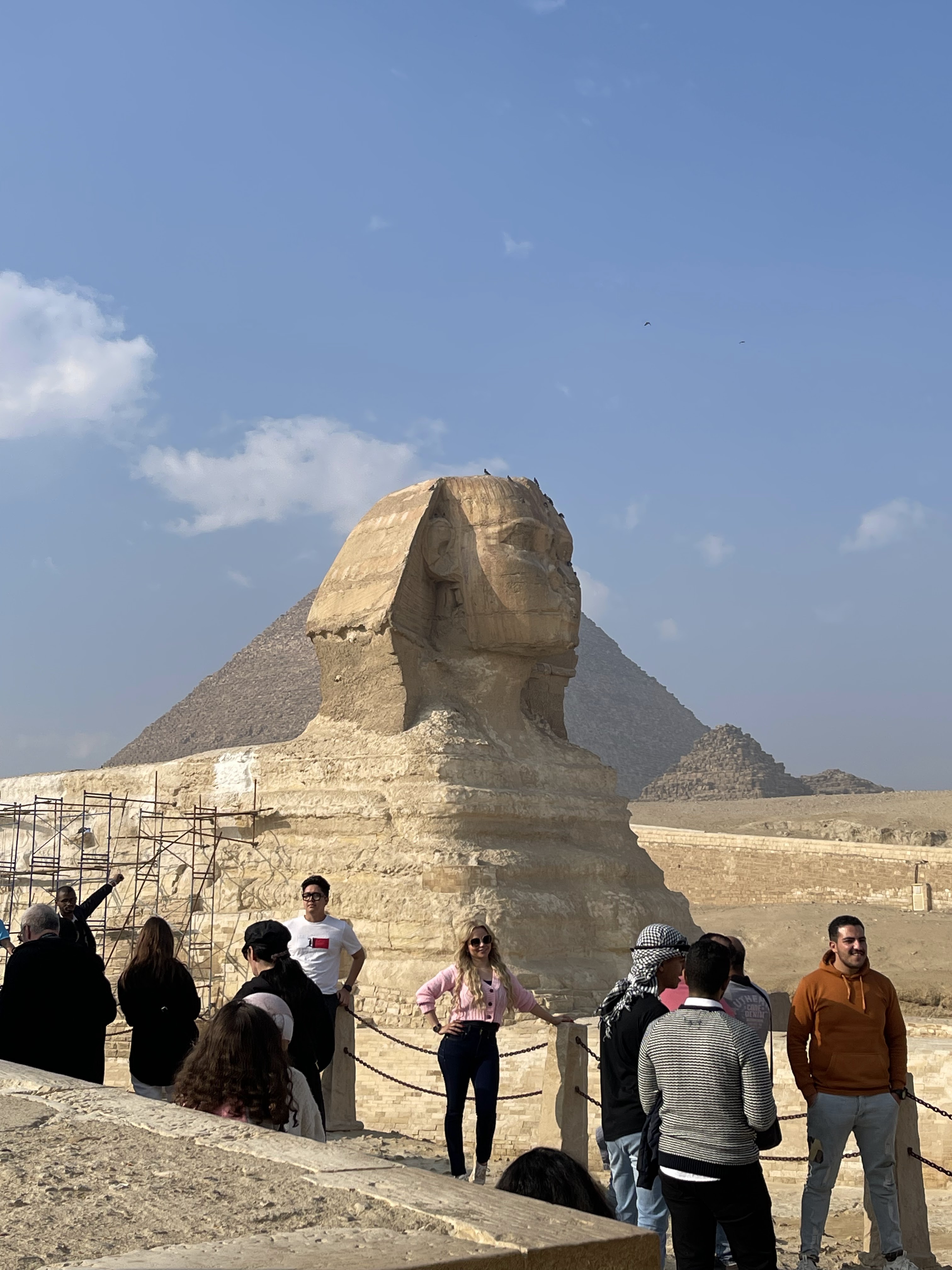
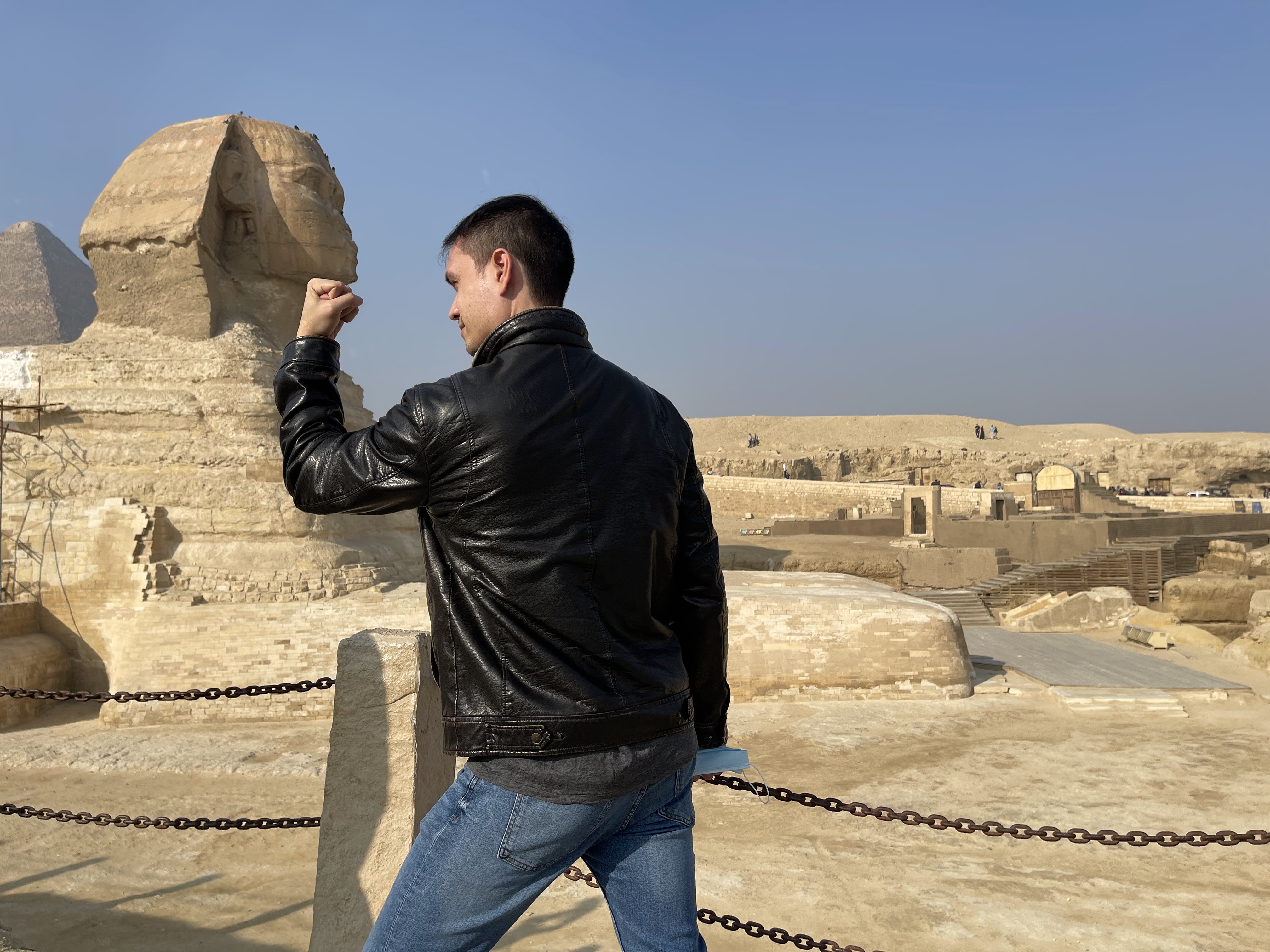
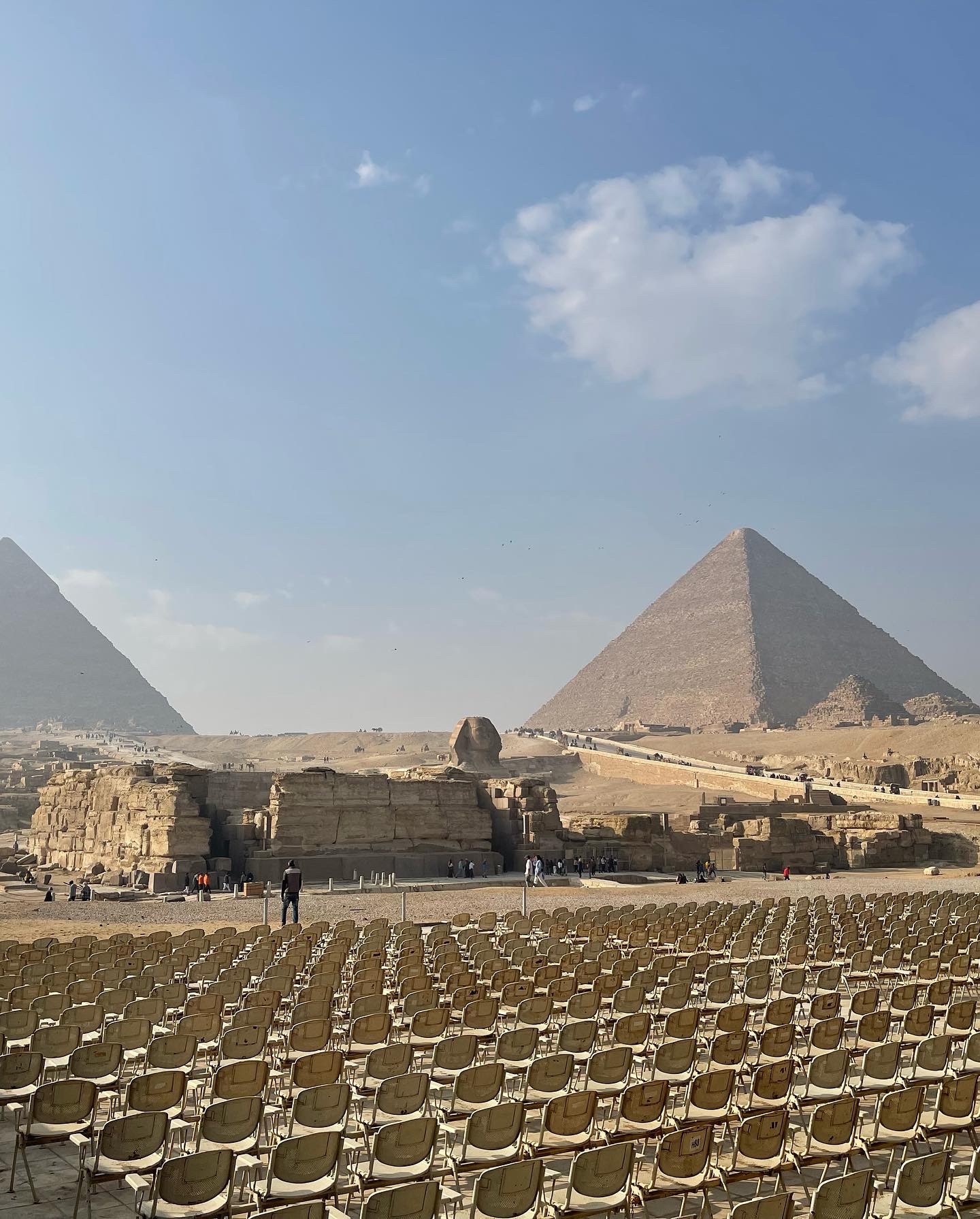
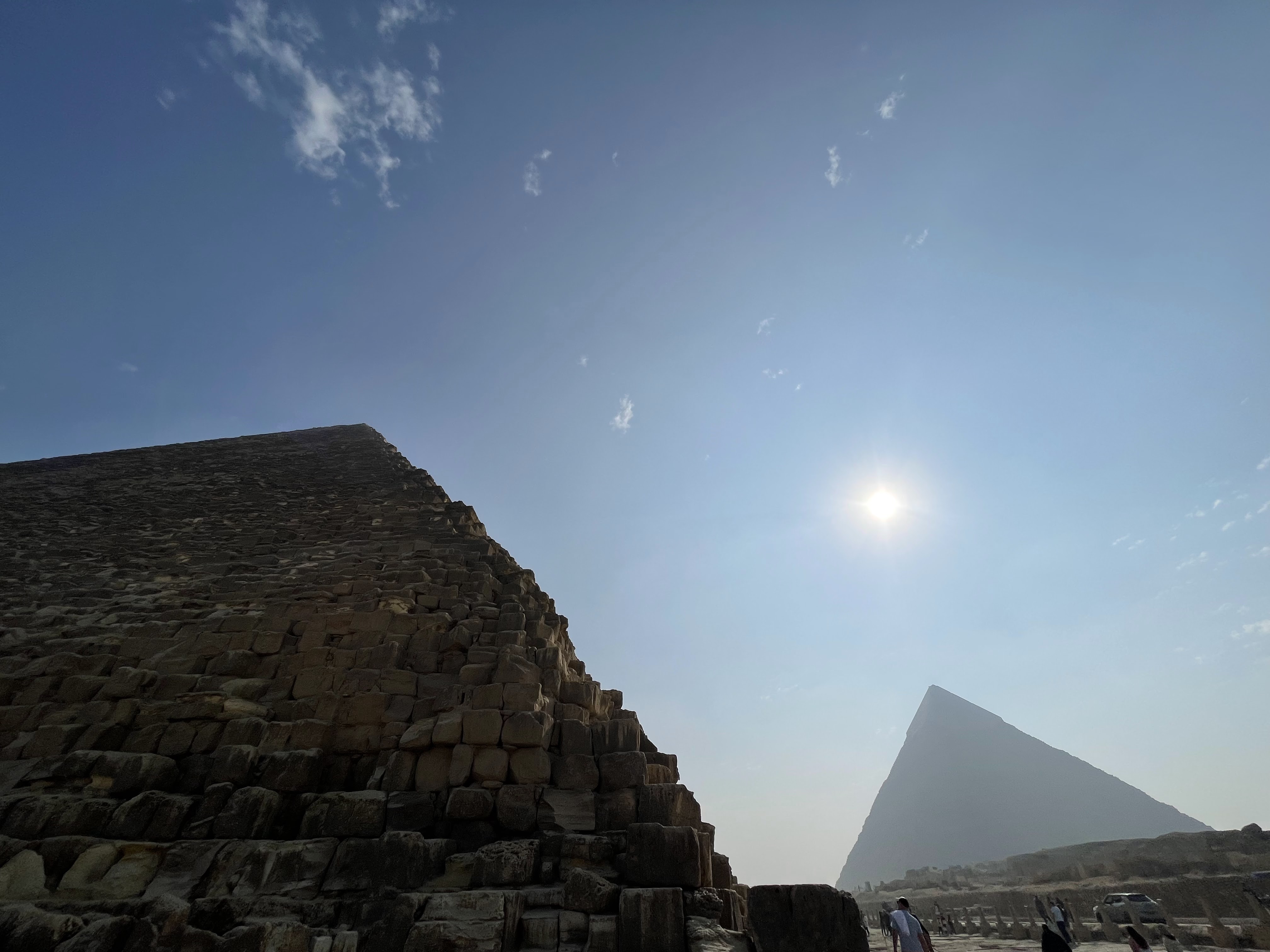
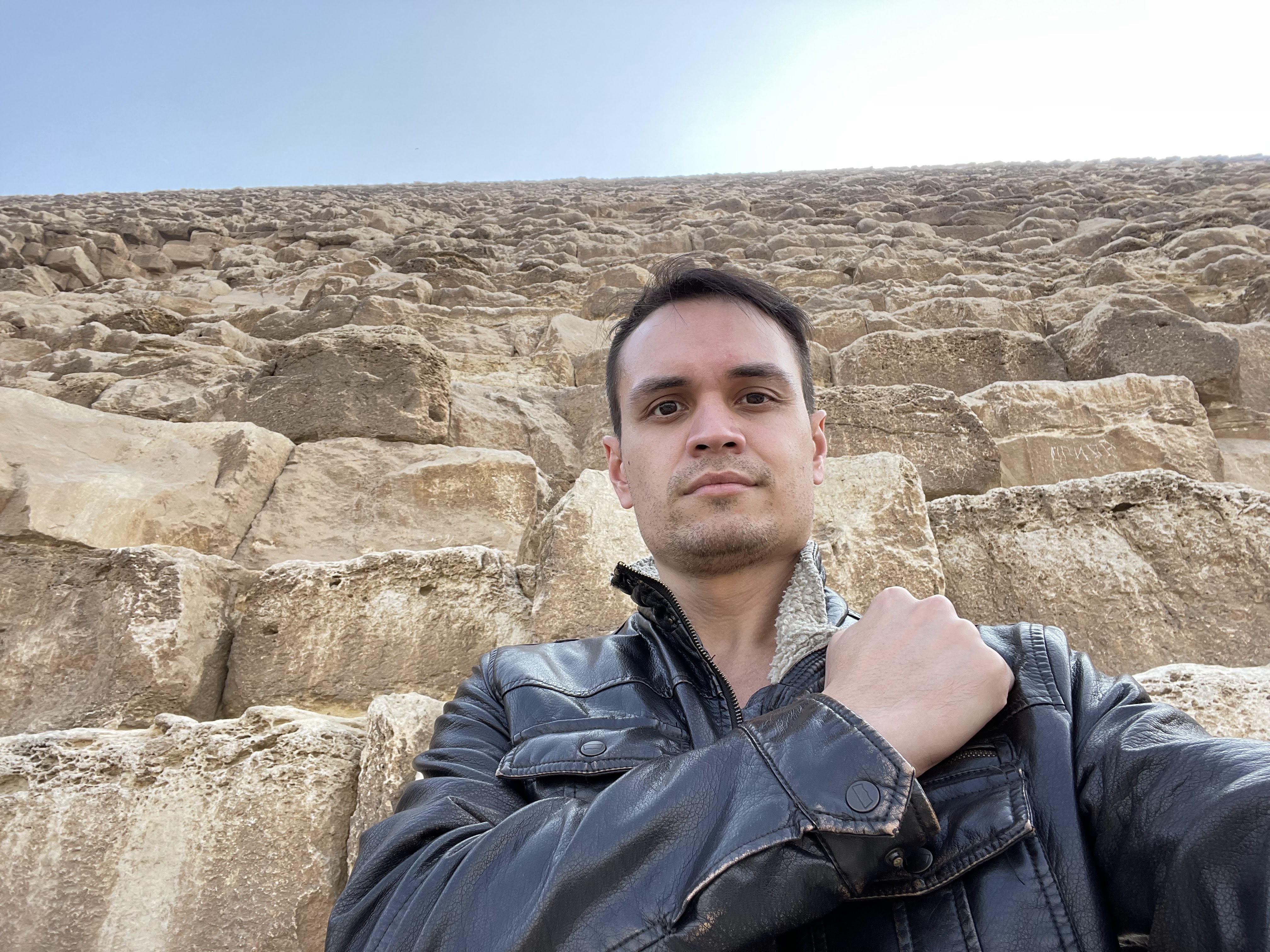
Pyramids of Giza: All three of Giza’s famed pyramids and their elaborate burial complexes were built during a frenetic period of construction, from roughly 2550 to 2490 B.C. The pyramids were built by Pharaohs Khufu (tallest), Khafre (background), and Menkaure (front). The Sphinx was carved out of a granite stone slab that the pharaoh king decided to use as an added embellishment to the Necropolis because it was too heavy to move. Clever.


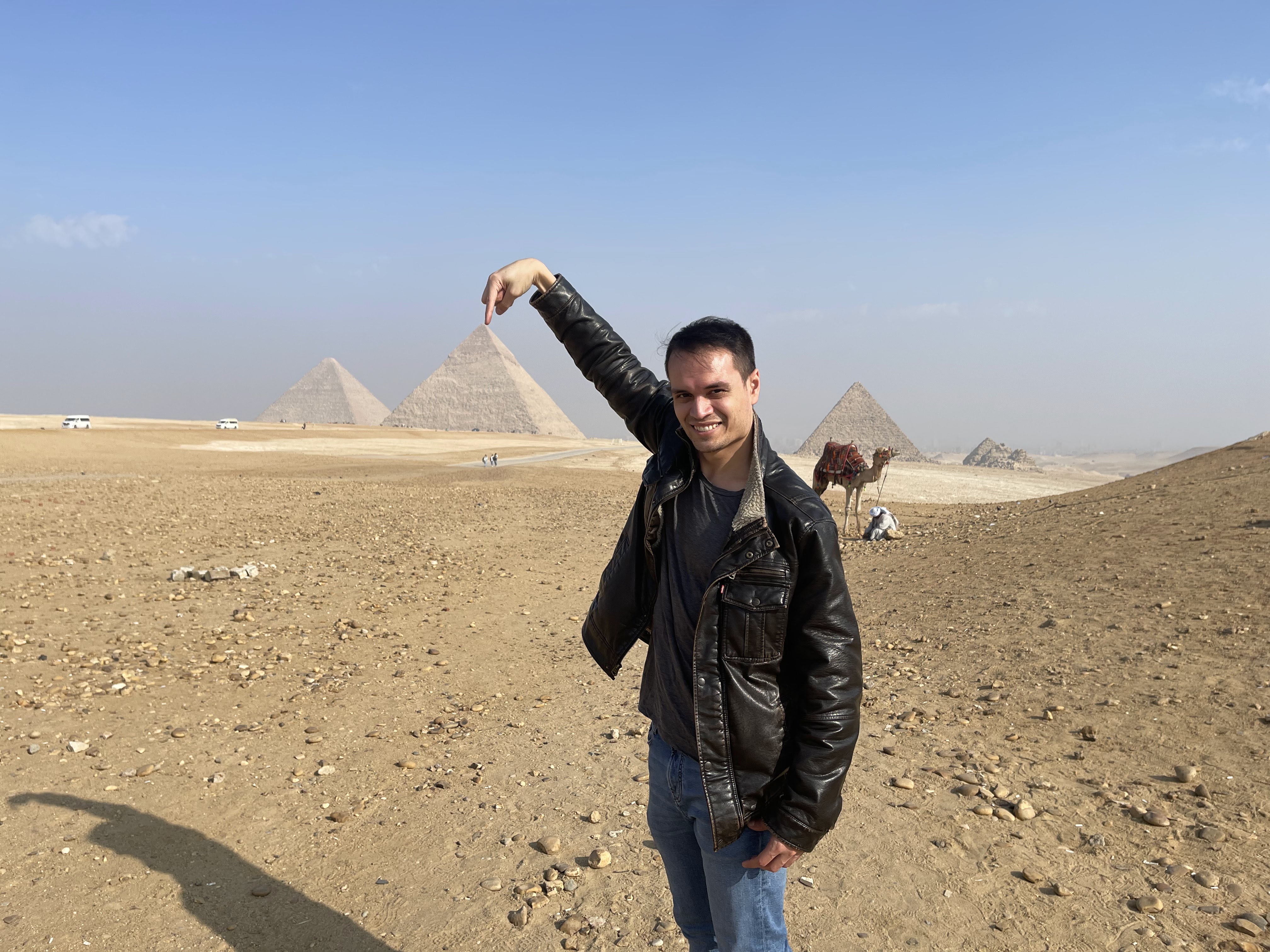

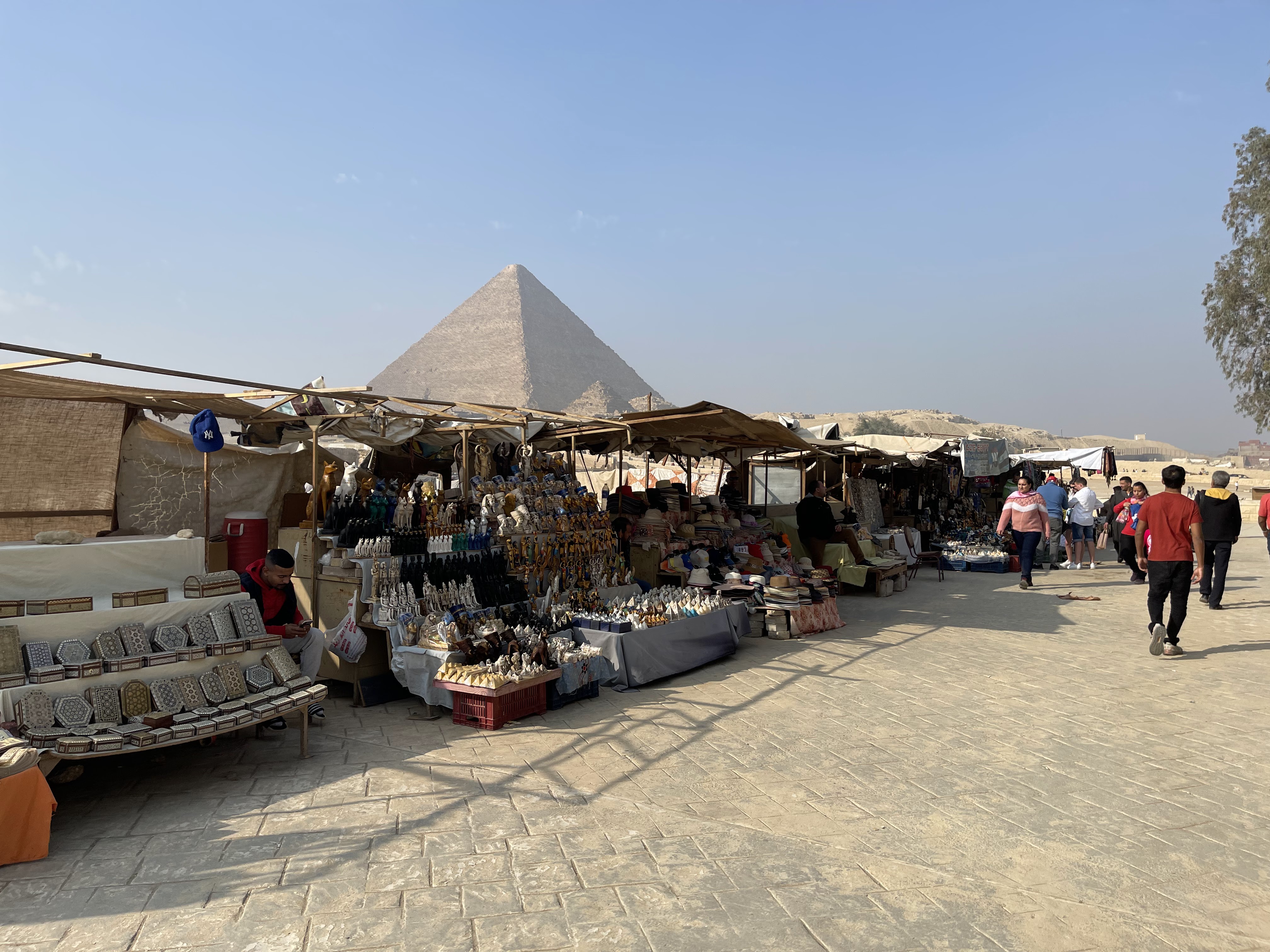
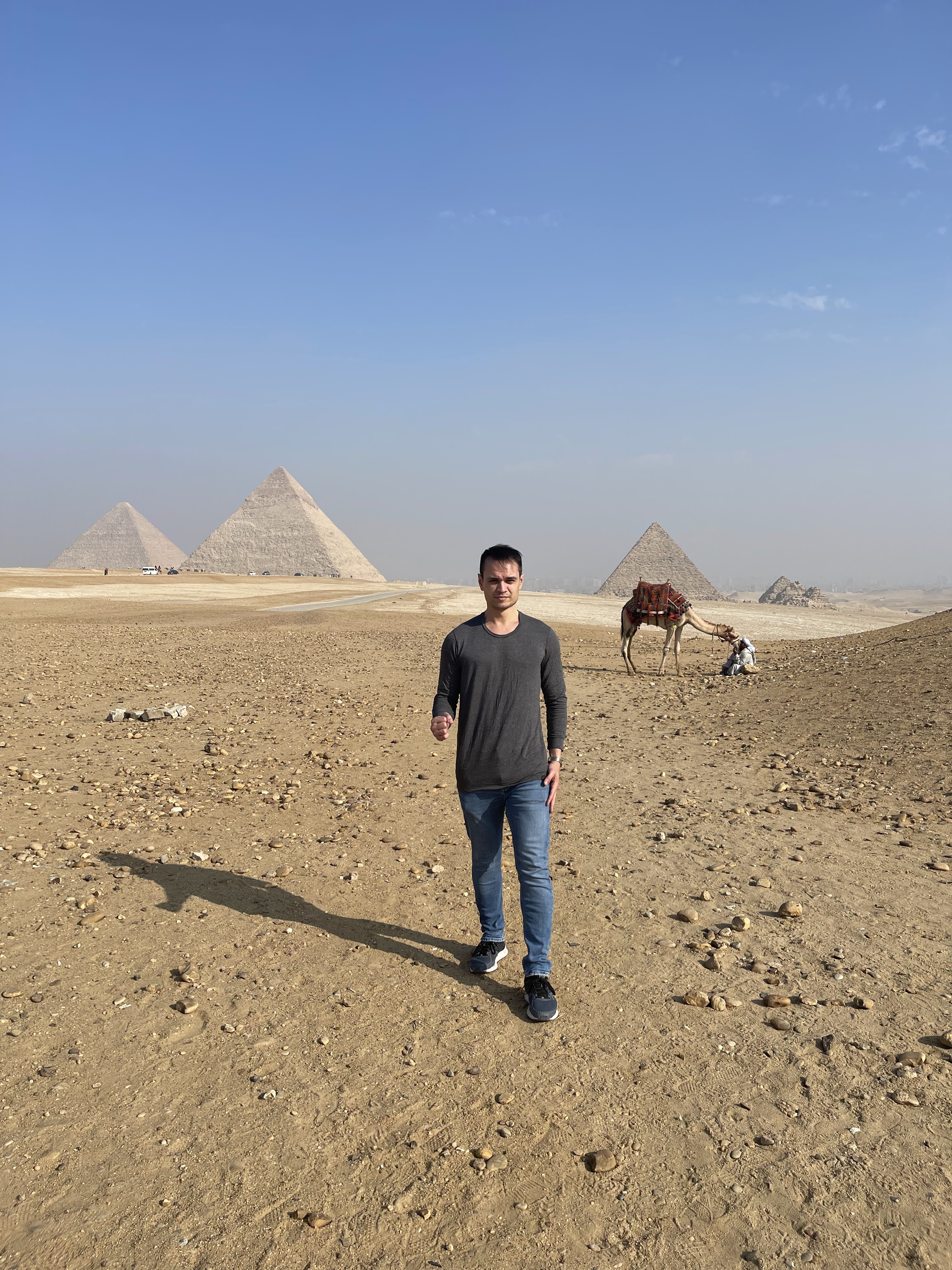







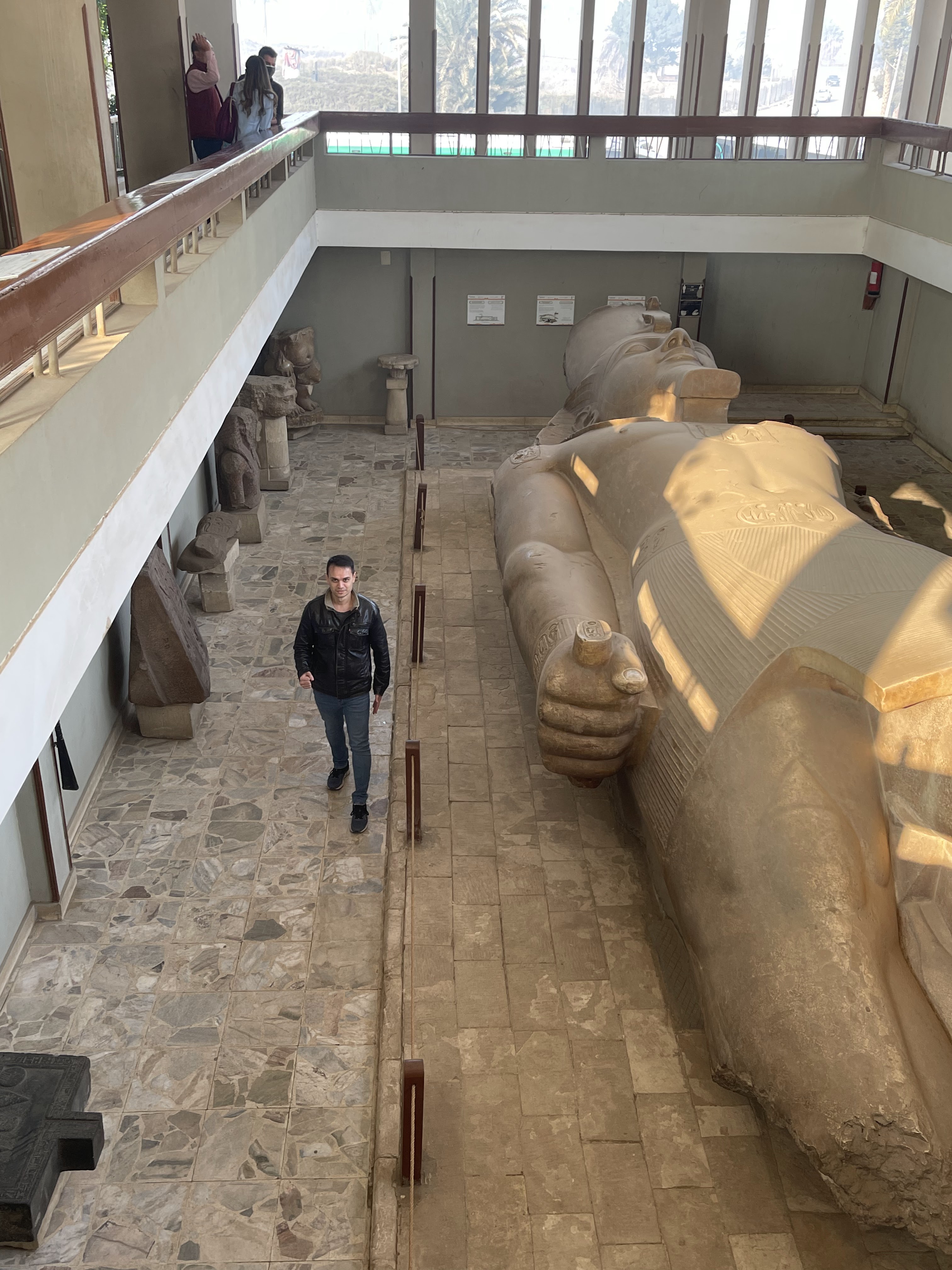
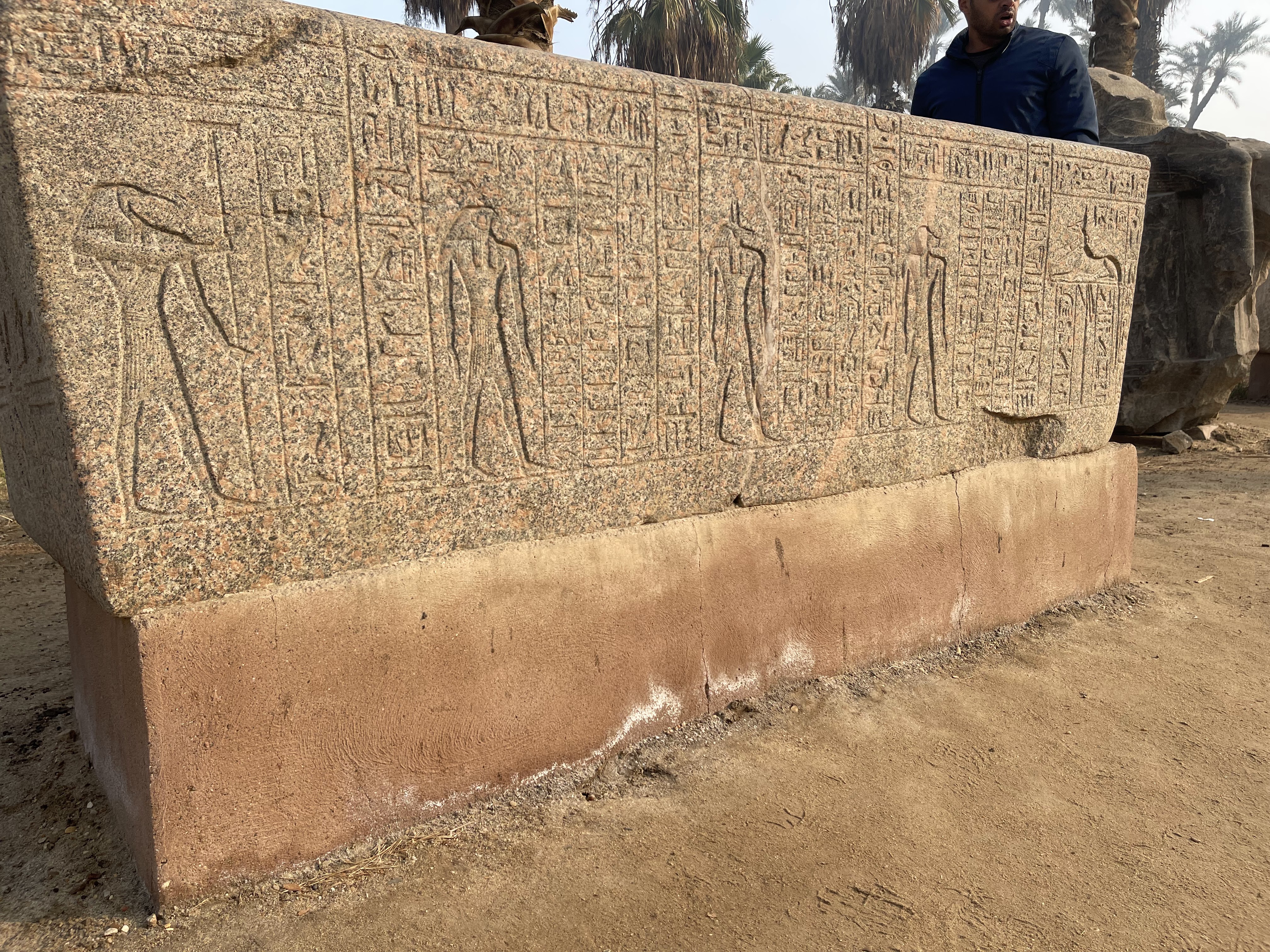
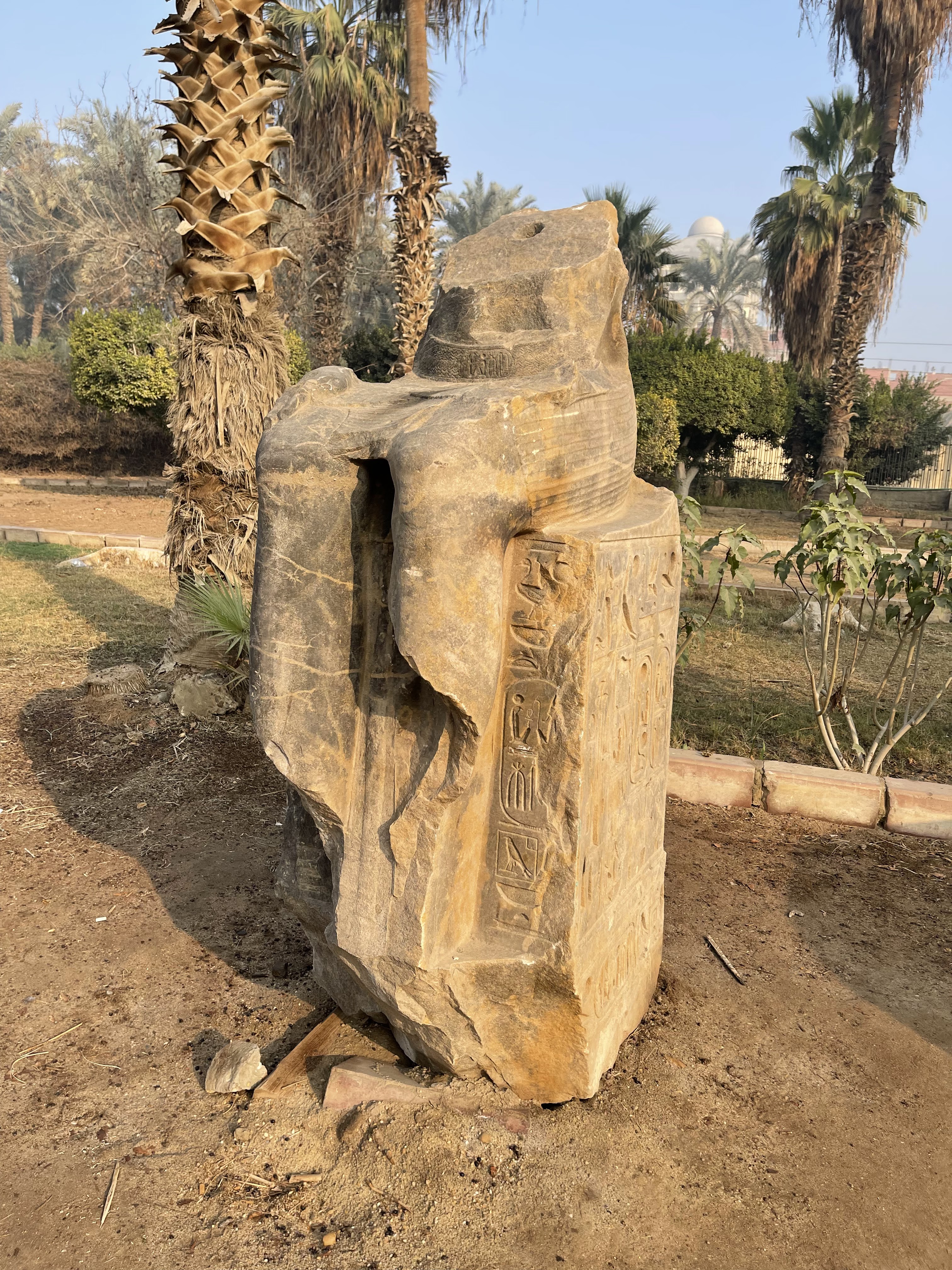
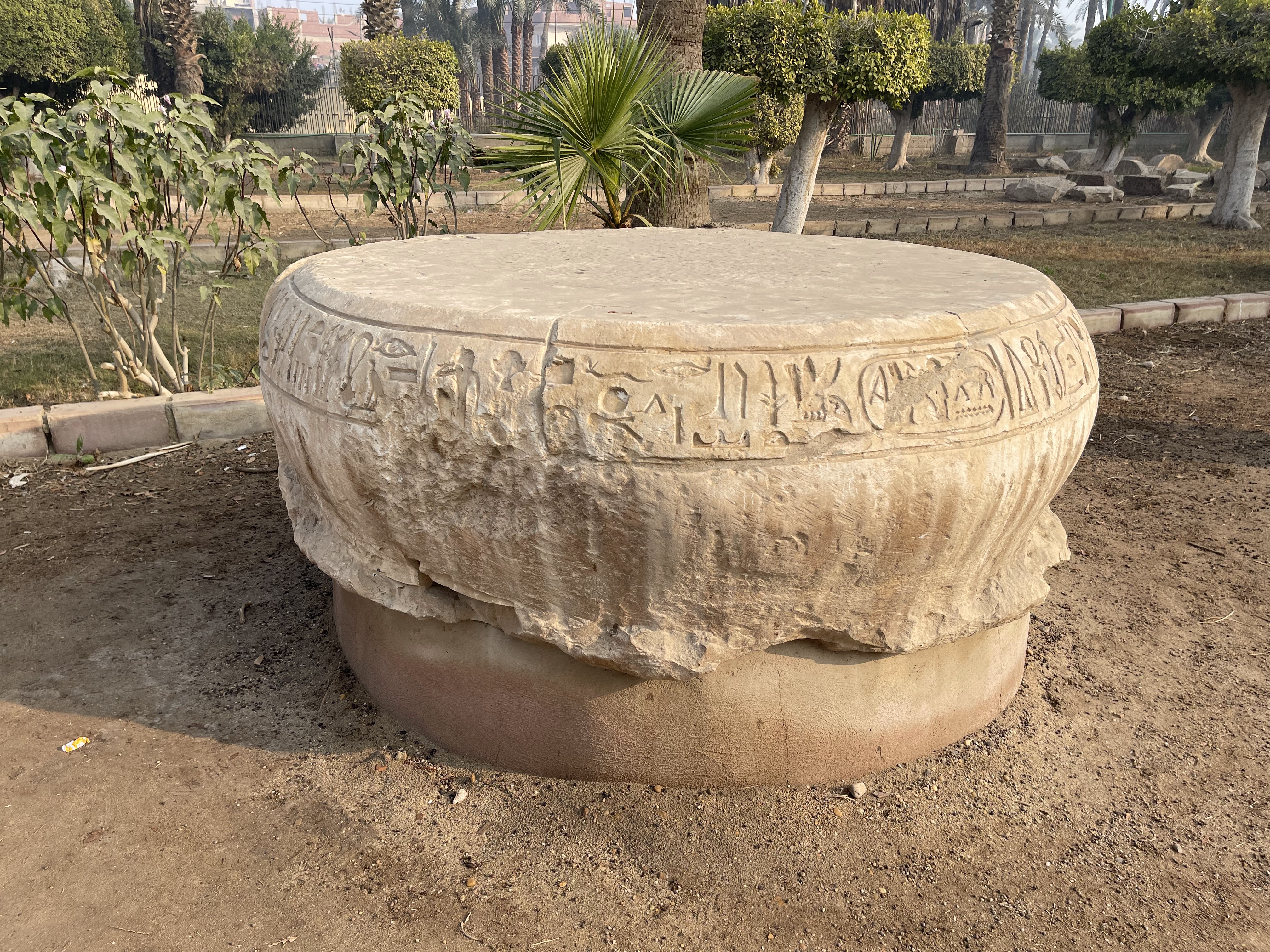
Memphis: One of the first cities in the early dynastic period of Ancient Egypt. Memphis was initially built for King Menes, who united upper and lower Egypt during the early dynastic period. Many statues are depicting powerful rulers such as Ramses and symbolic animals like the Baboon and hawk (Horus). Food for thought: A symbol of Upper Egypt, the lotus flower, along with the papyrus flower, was shown throughout Egypt in tombs and temples to symbolize the union of Upper (lotus) and Lower (papyrus) Egypt. The lotus is a symbol of the sun, of creation and rebirth because at night the flower closes and sinks underwater, at dawn it rises and opens again. The papyrus was a symbol of youth, freshness, and all things growing.


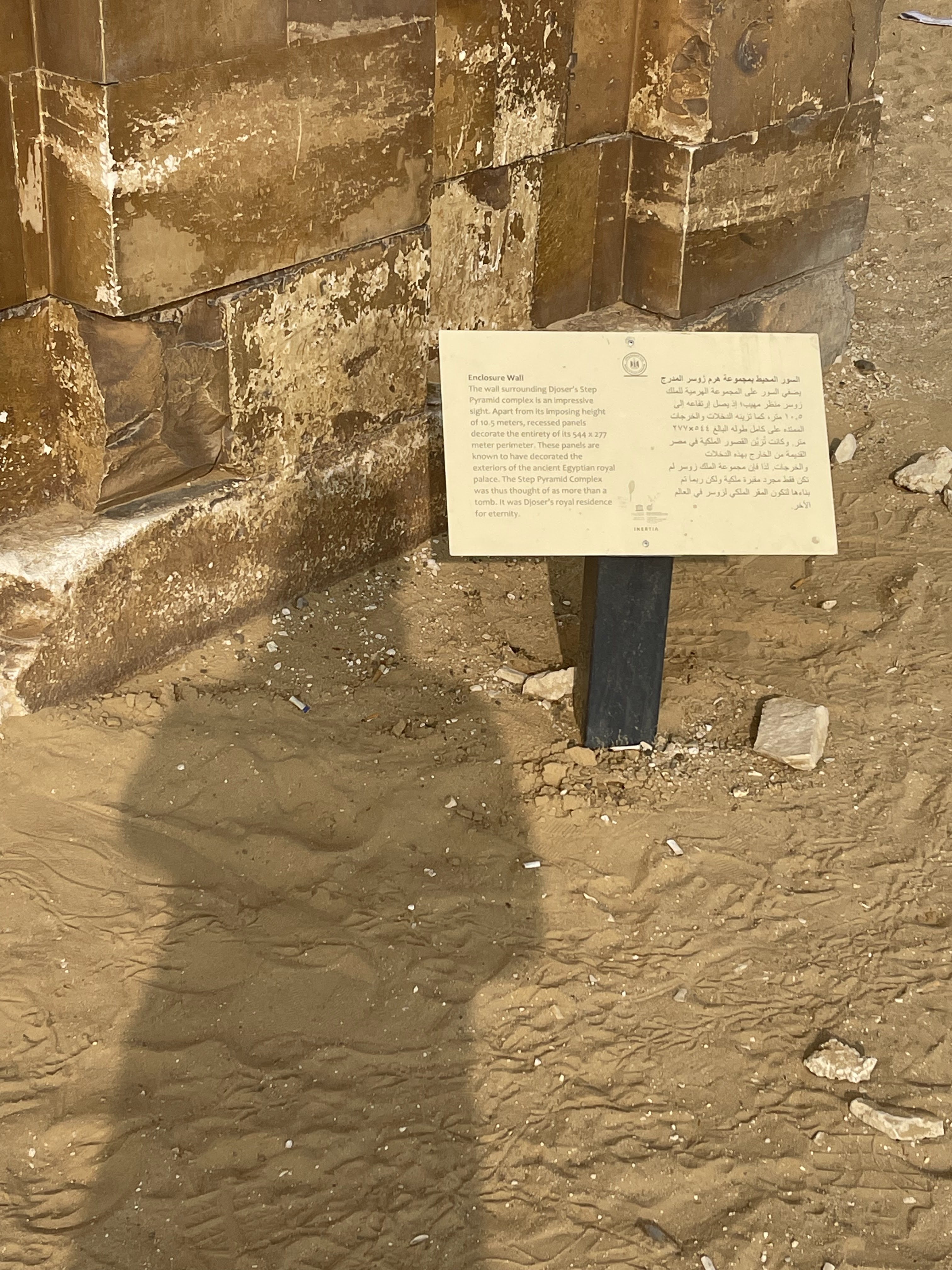



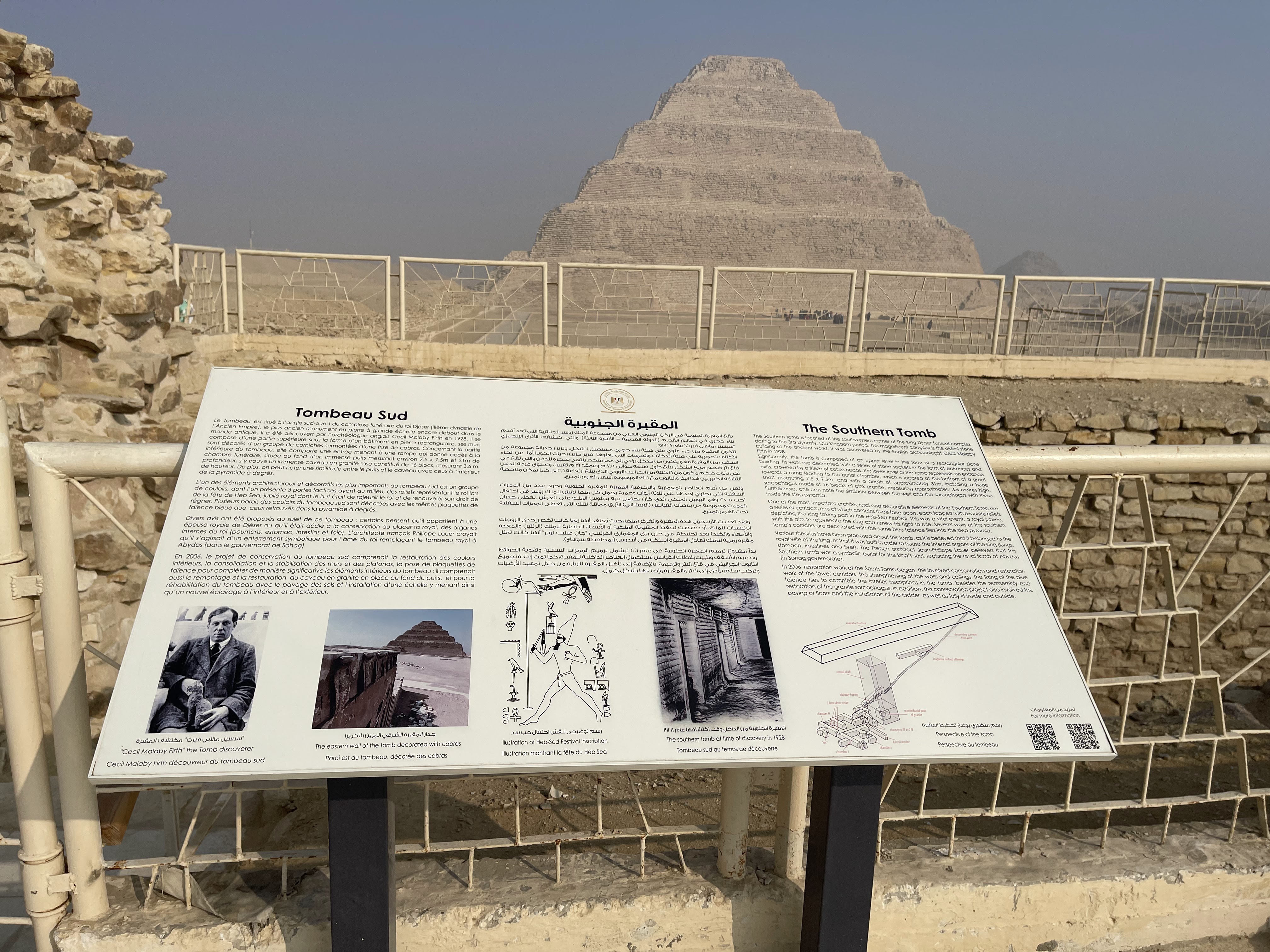
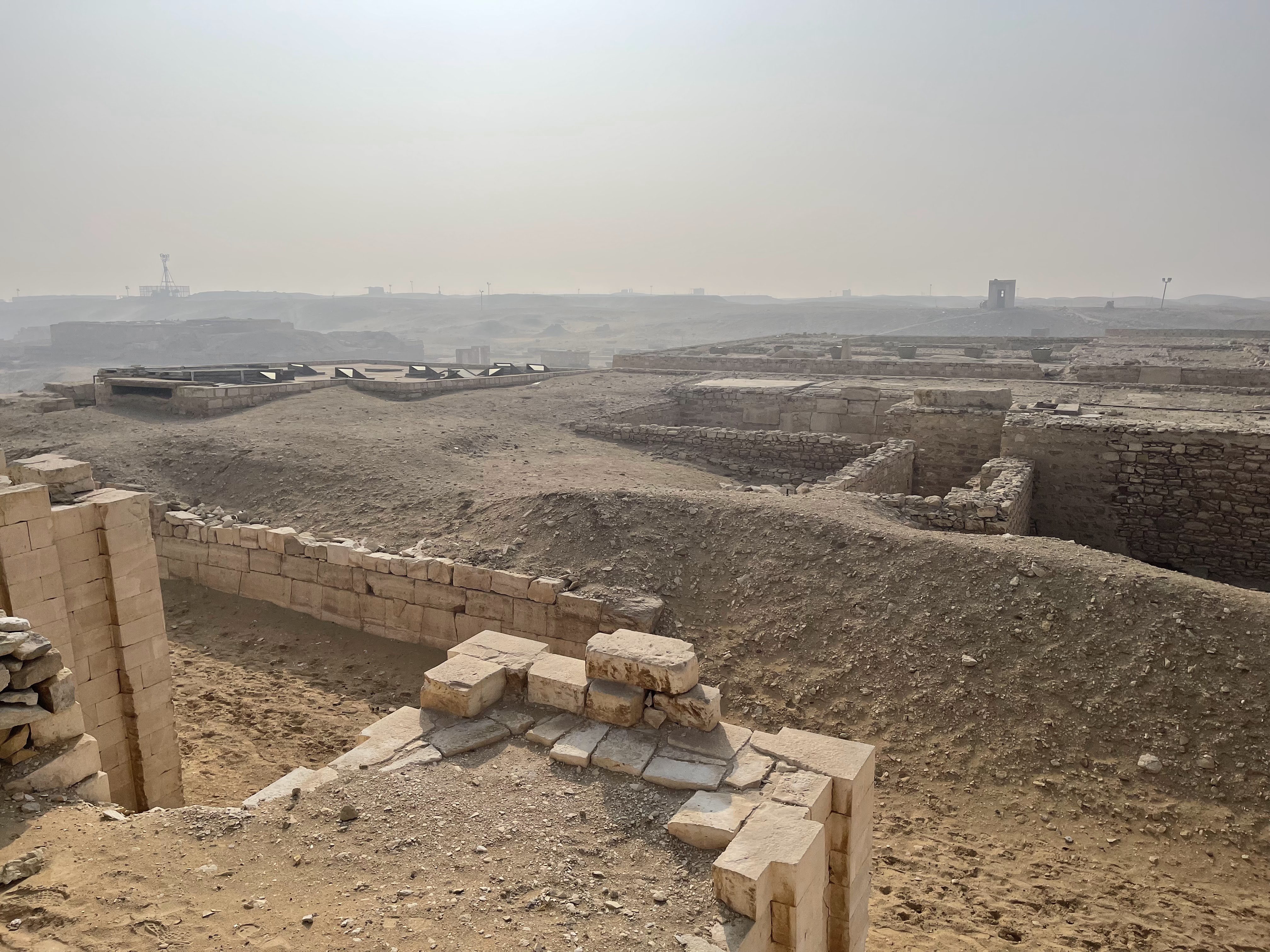
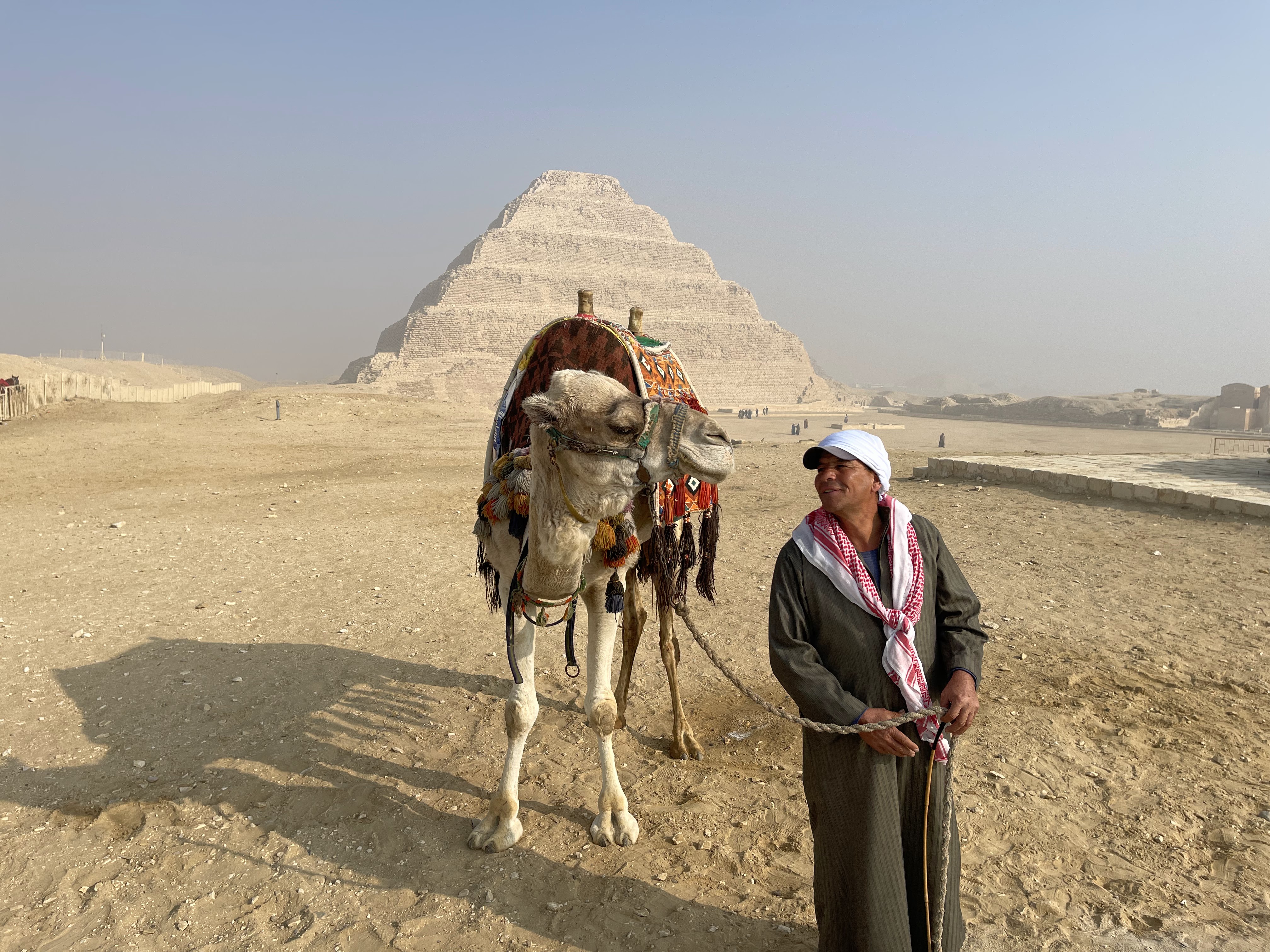
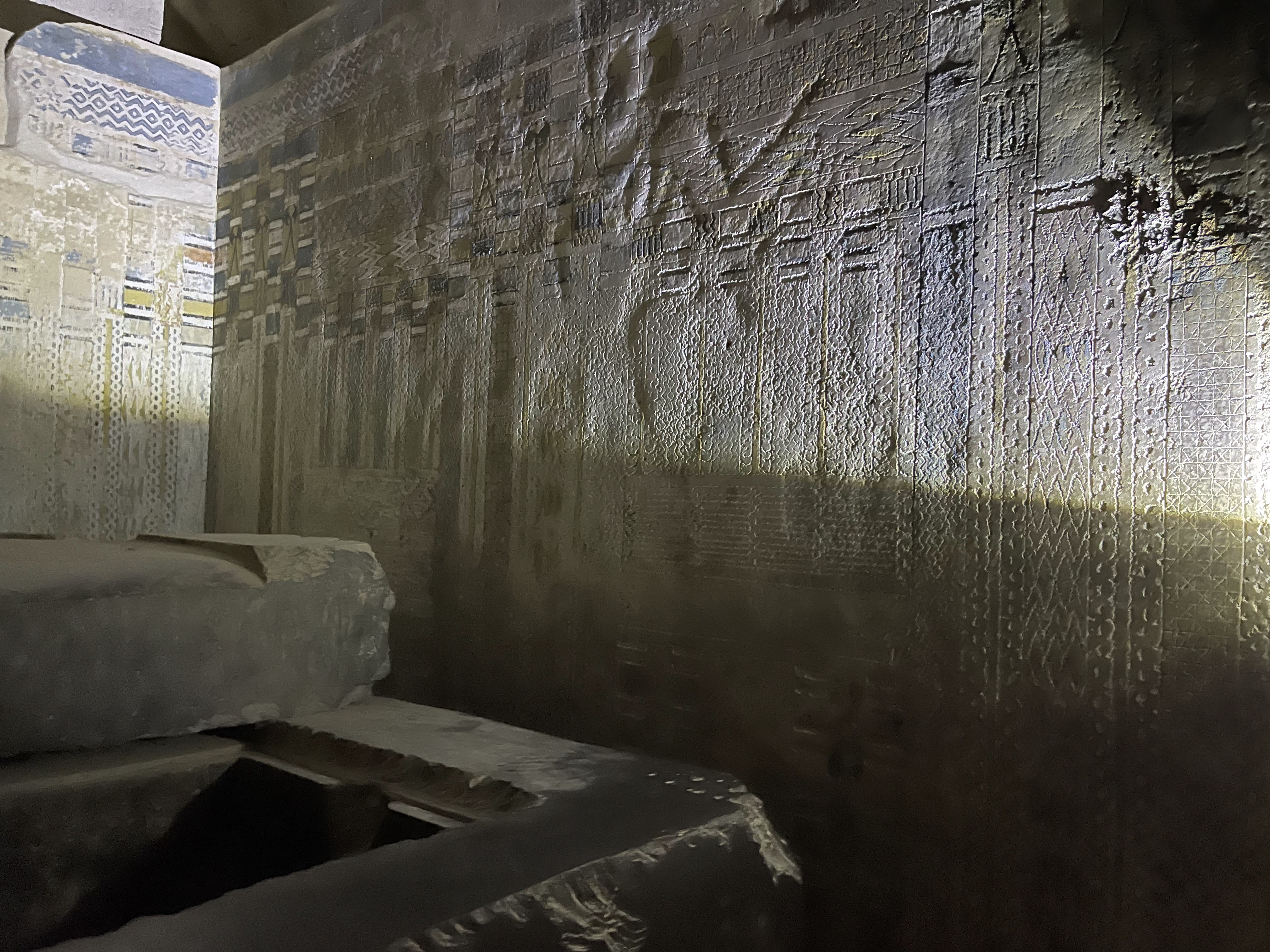
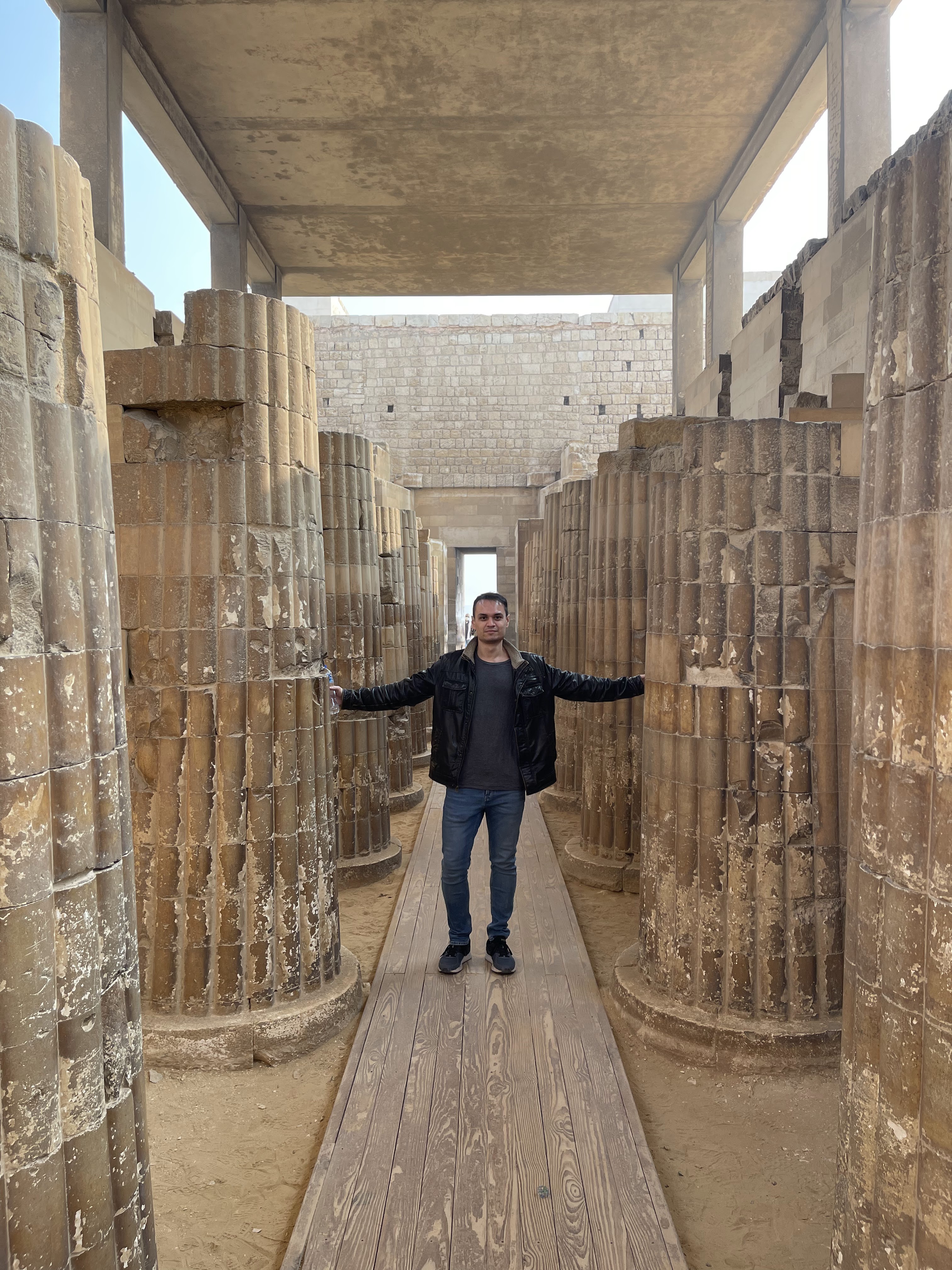
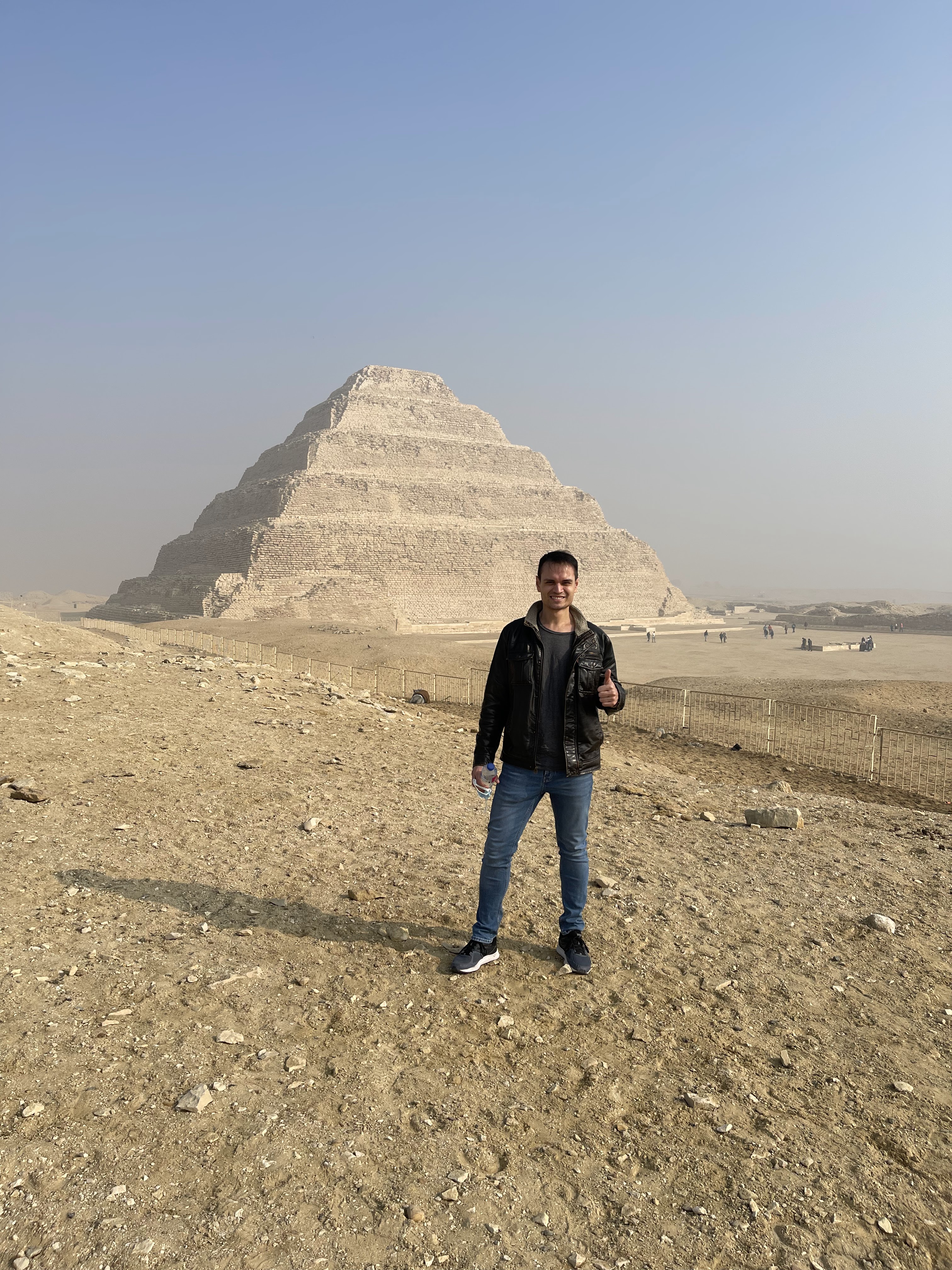
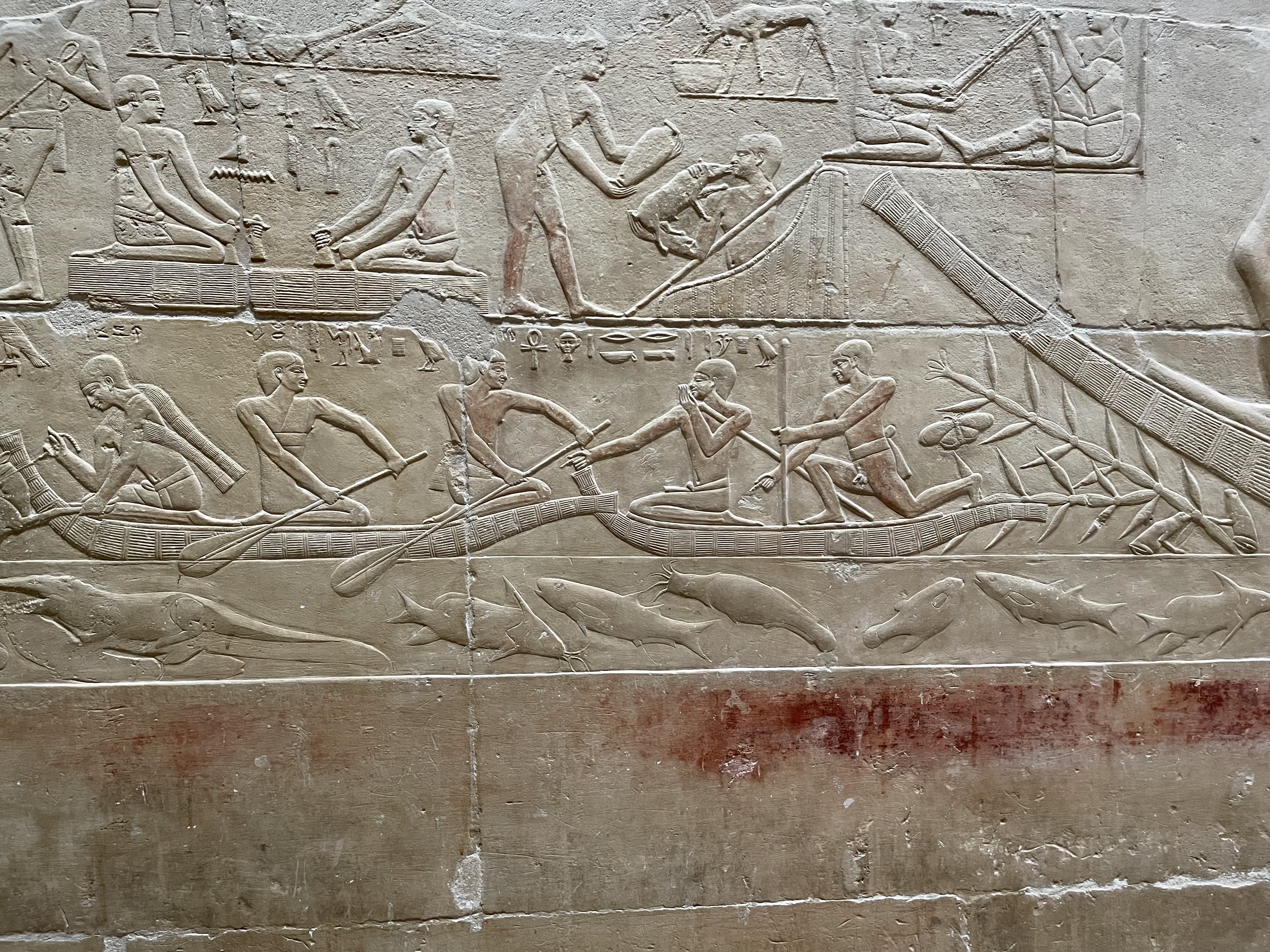
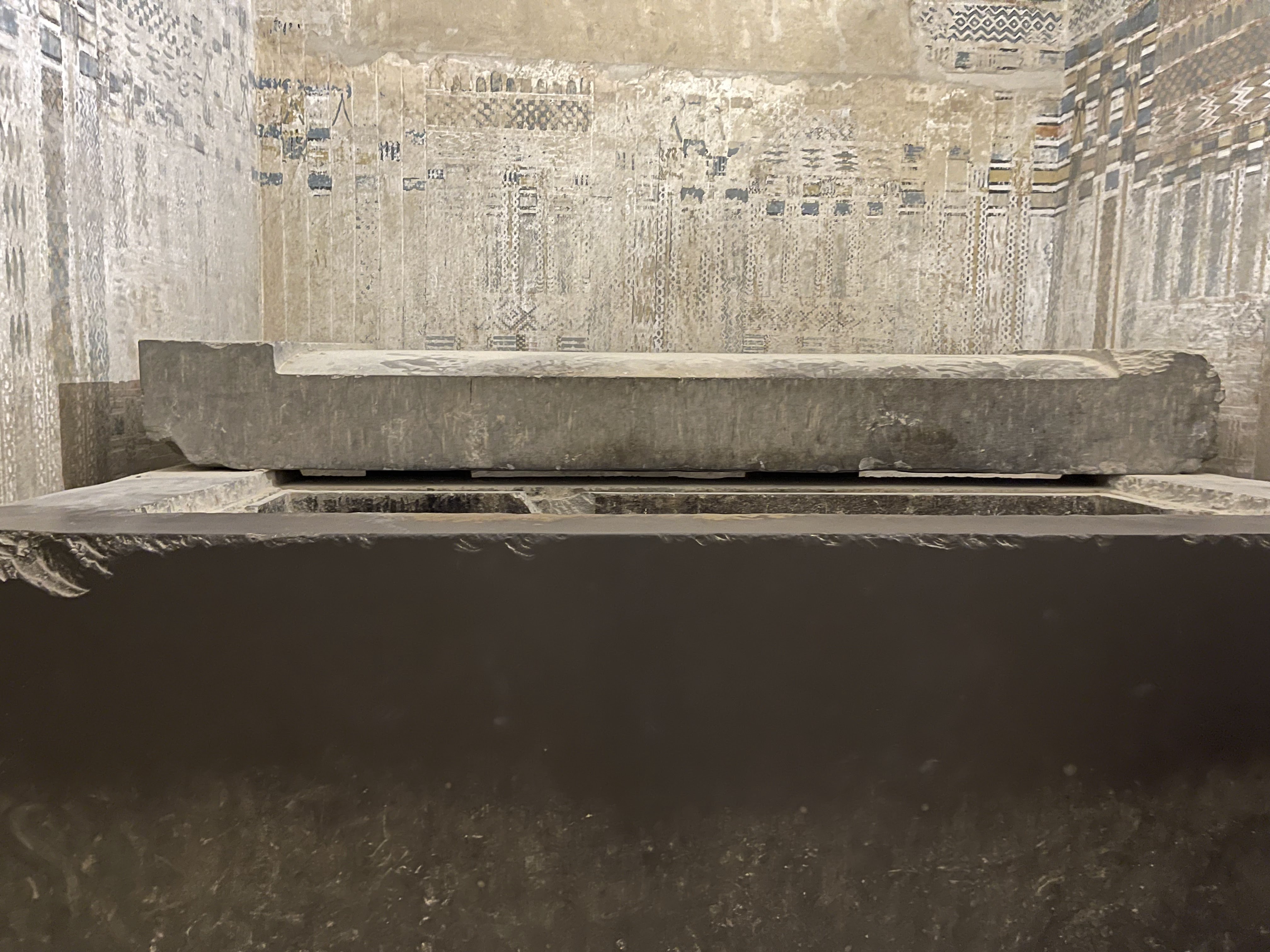
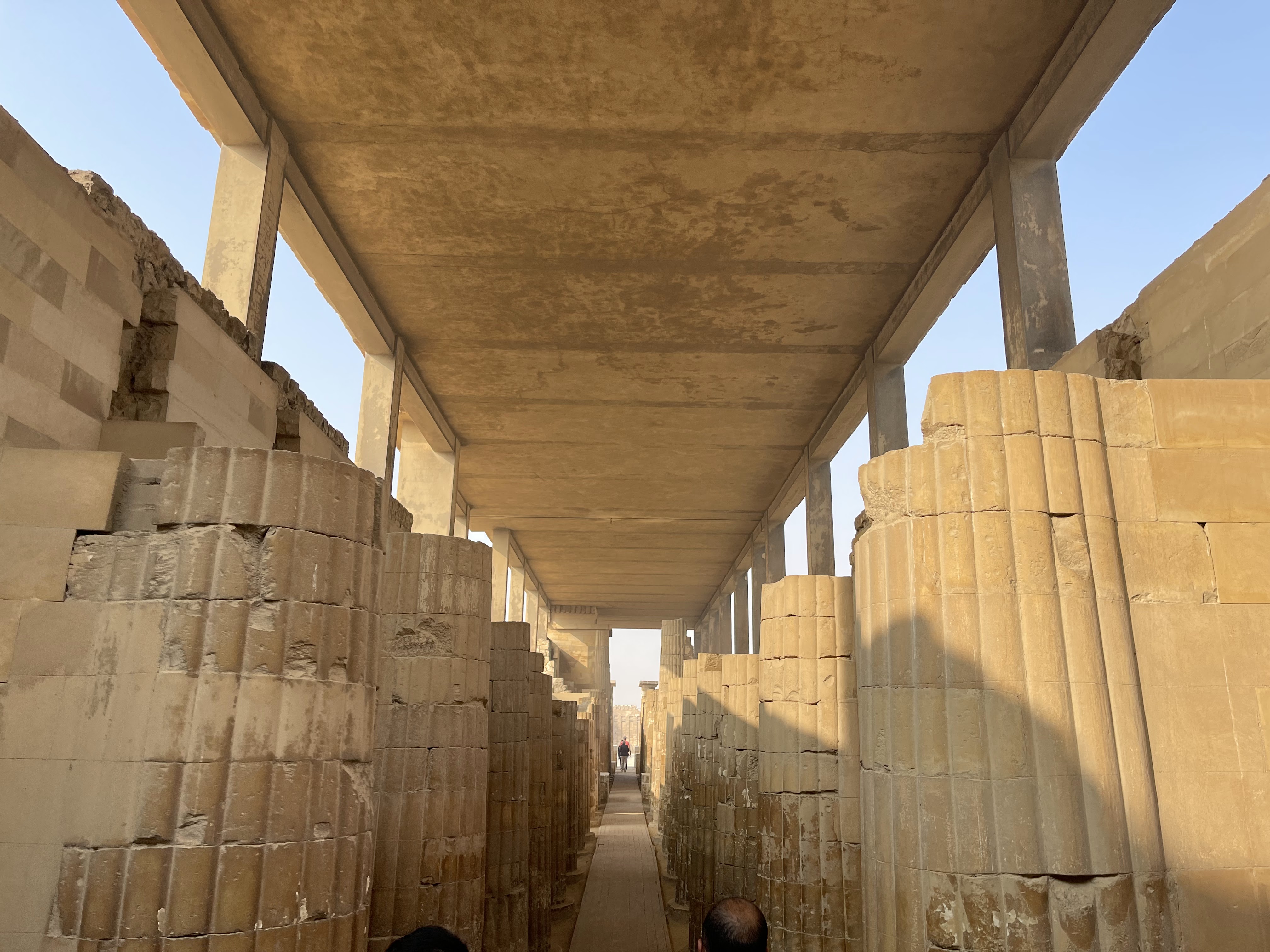
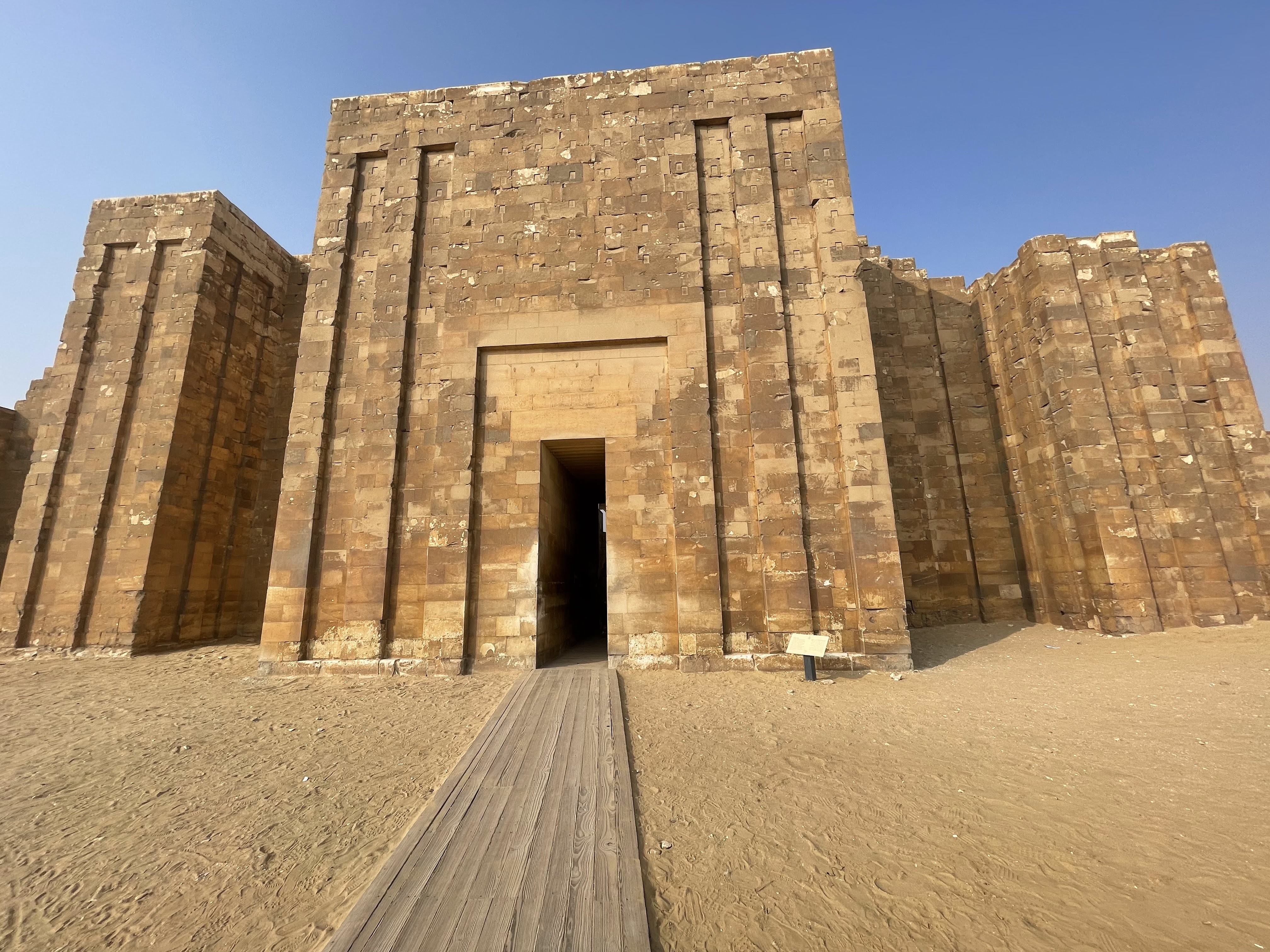
The Step Pyramid of Djoser at Saqqara and adjacent Temple. Constructed by the infamous architect, Imhotep who was also a poet, physician, mathematician, astronomer, priest, and vizier to King Djoser. “Rennaissance men” apparently existed way before the Rennaisance. There were also two courts for the Sed Festival which took place to celebrate the continued rule of the pharaoh. The Egyptologist mentioned that viziers and priests were held in the highest regard and had the final say during such ceremonies about the quality and/or benefit of the pharaoh to his people. Sidenote: After the 6th Dynasty, pharaohs stopped creating tombs in such gargantuan style, because they were often looted (the reason why King Tut is the only good, complete reference we have to the whole entombing and mummification process. Since the 6th dynasty of Ancient Egypt, tombs were created underground. This is why Tutenkamun, Rameses IX (9th) etc. were buried in fashionable style in the Valley of the Kings (posted later in this blog).








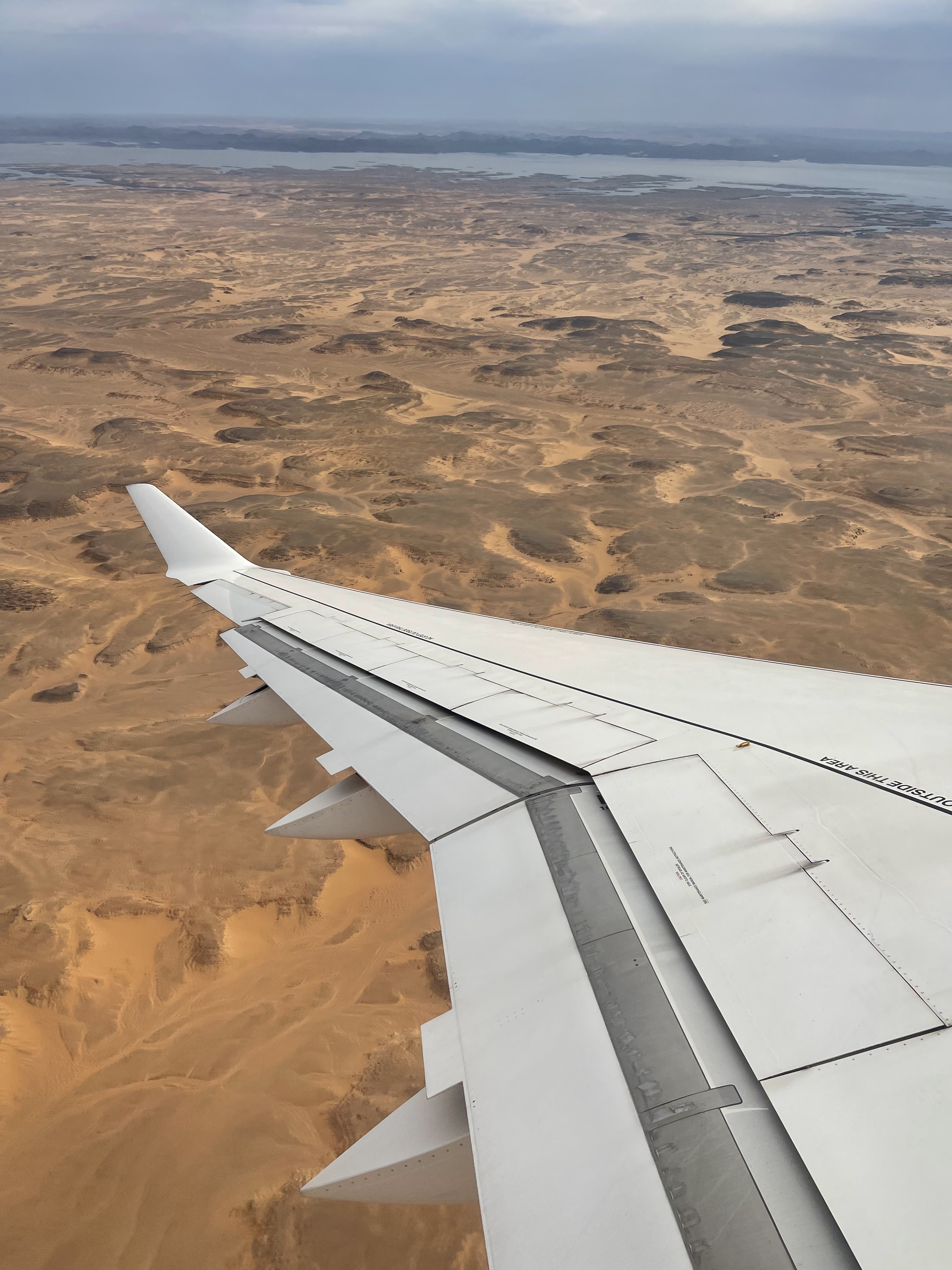
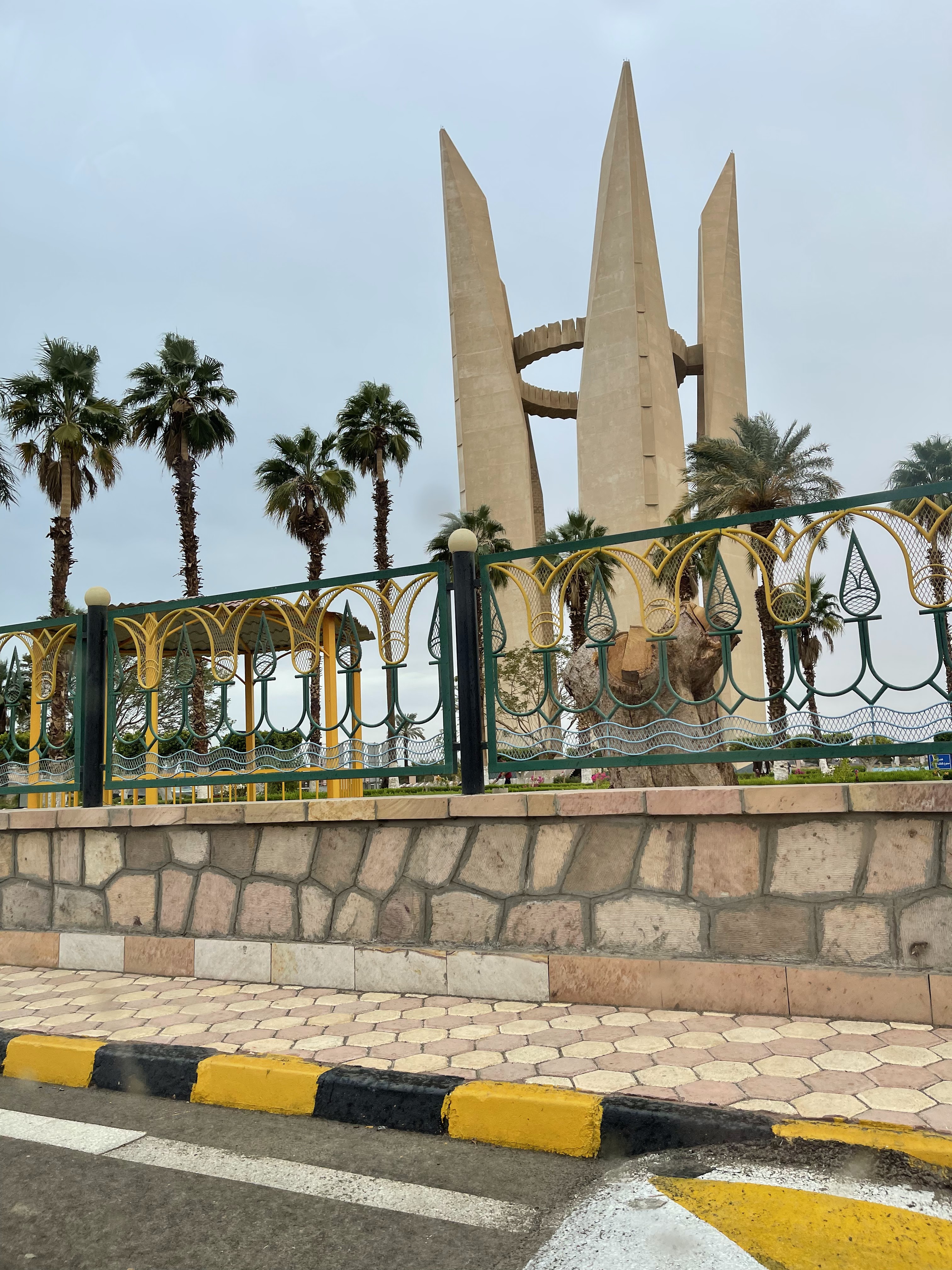
January 9th: Flight to Aswan, then up first: The High Dam and the Unfinished Obelisk (which would have been the tallest, but due to fissures and cracks, Nefertiti decided to abandon it). Smart decision. It provided a lot of insight into the Ancient Egyptian’s stonemasonry methods which mostly consisted of stone balls, chisels, wood, water, and copper. That’s why such amazing architectural accomplishments are incredible because even by today’s standards, obelisks would be incredibly difficult to construct.

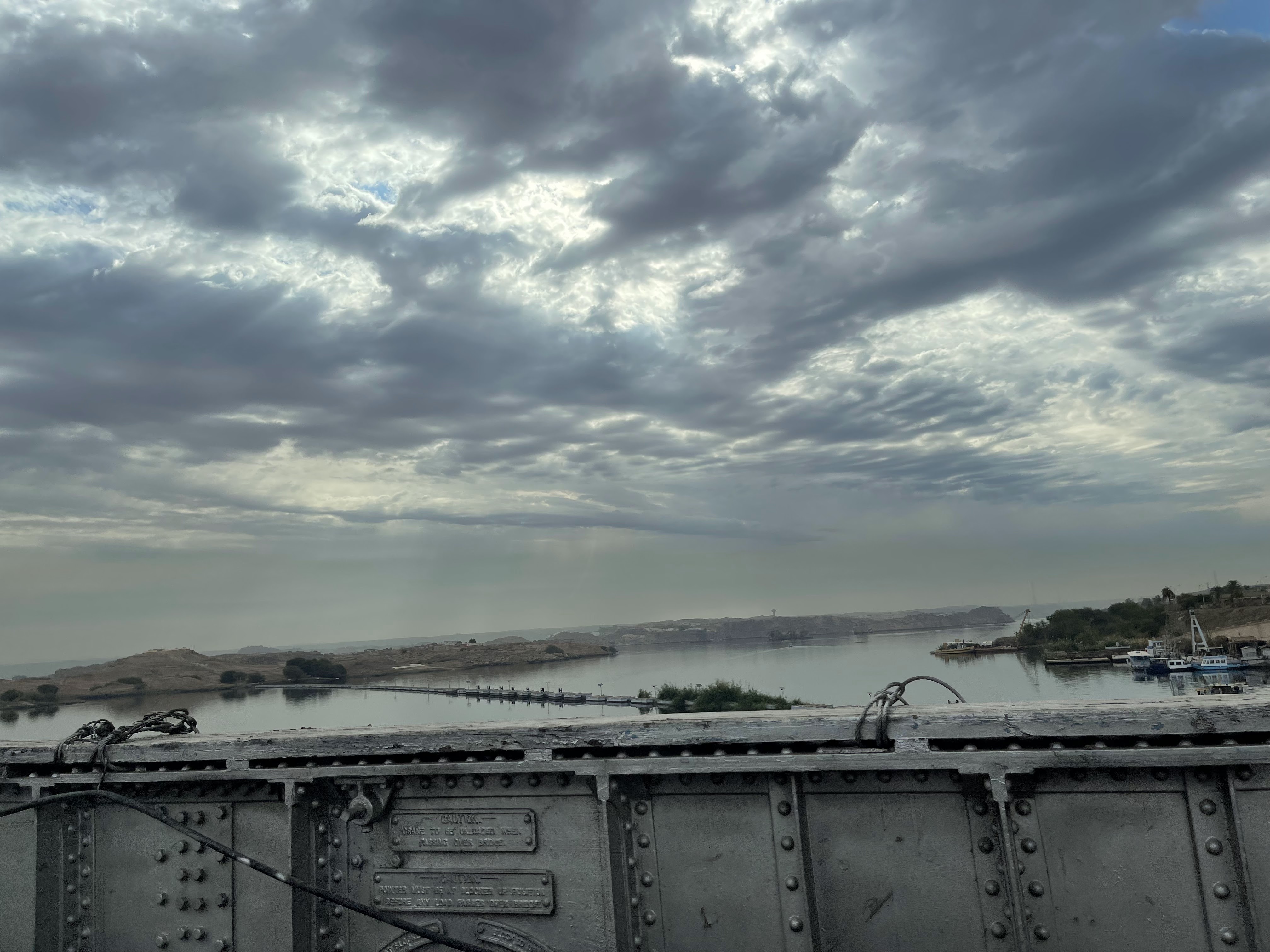

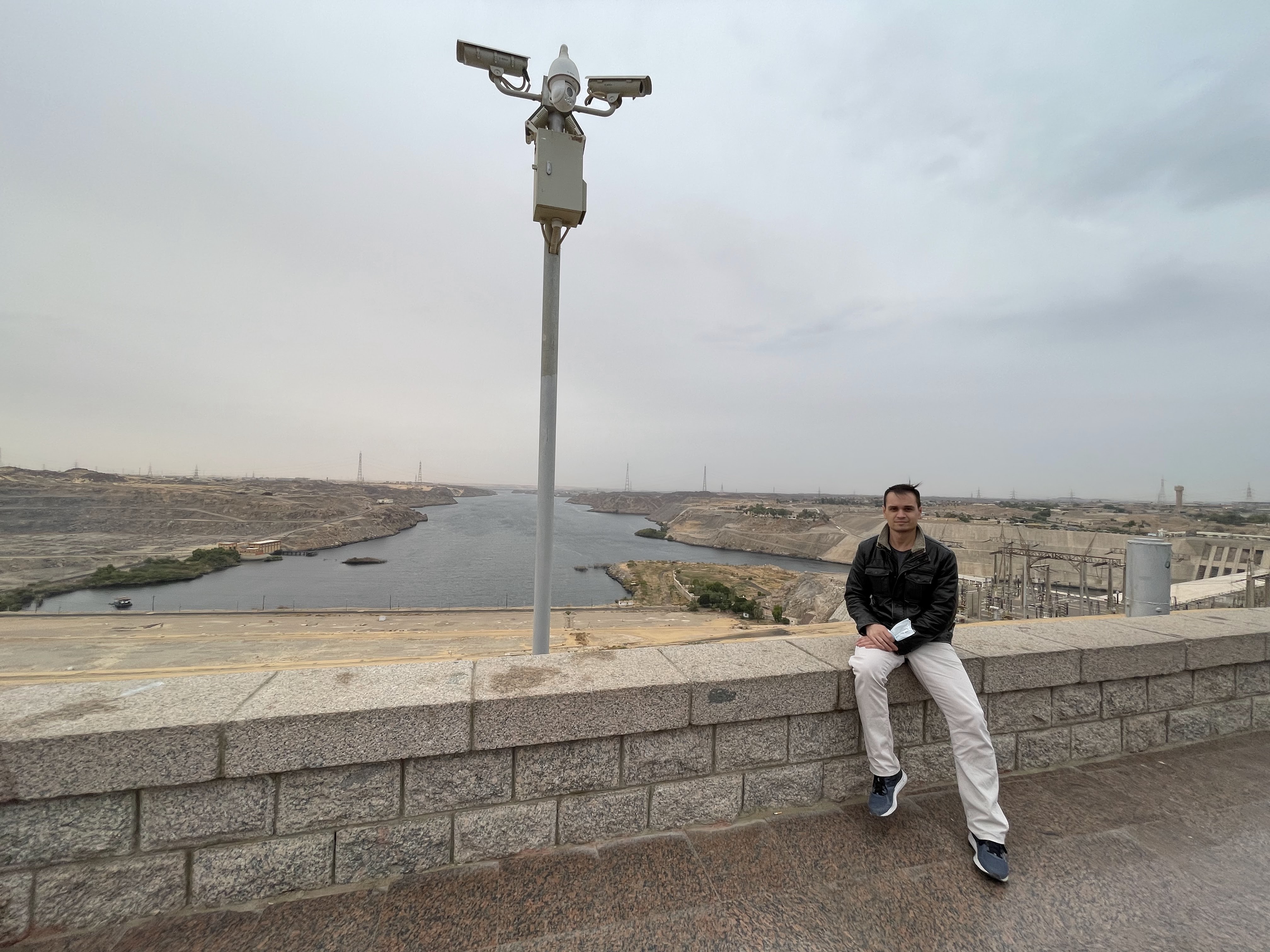
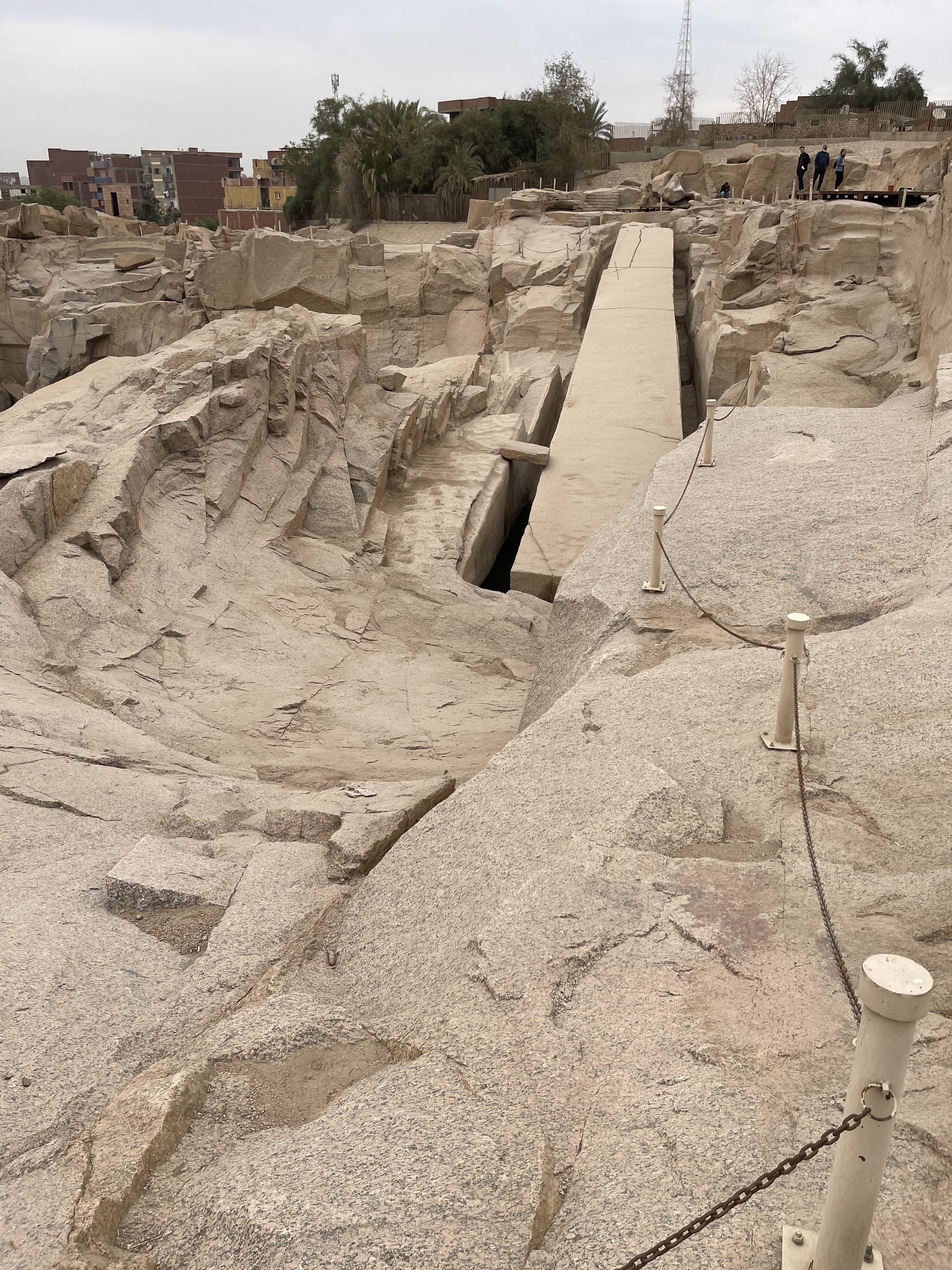
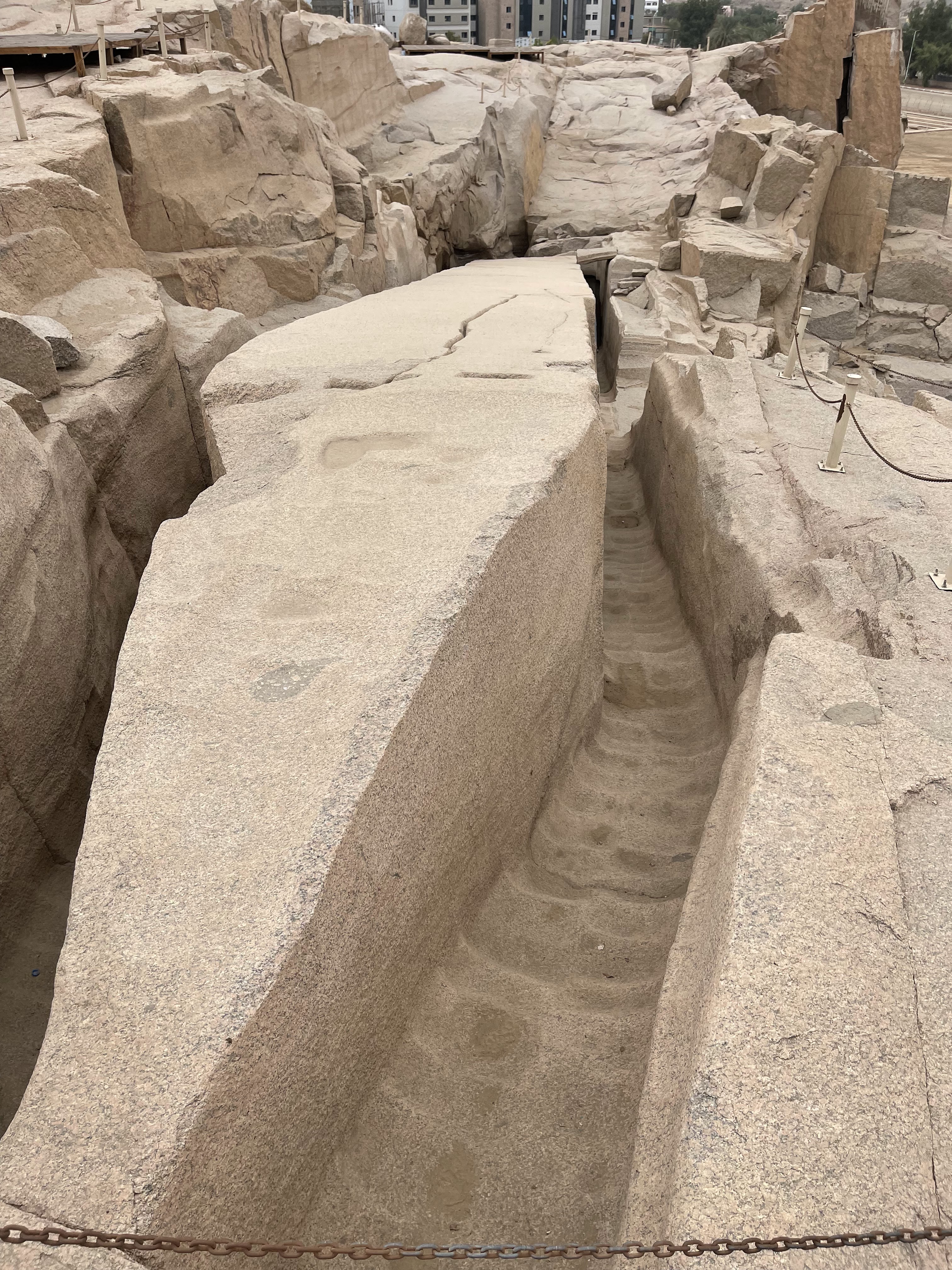
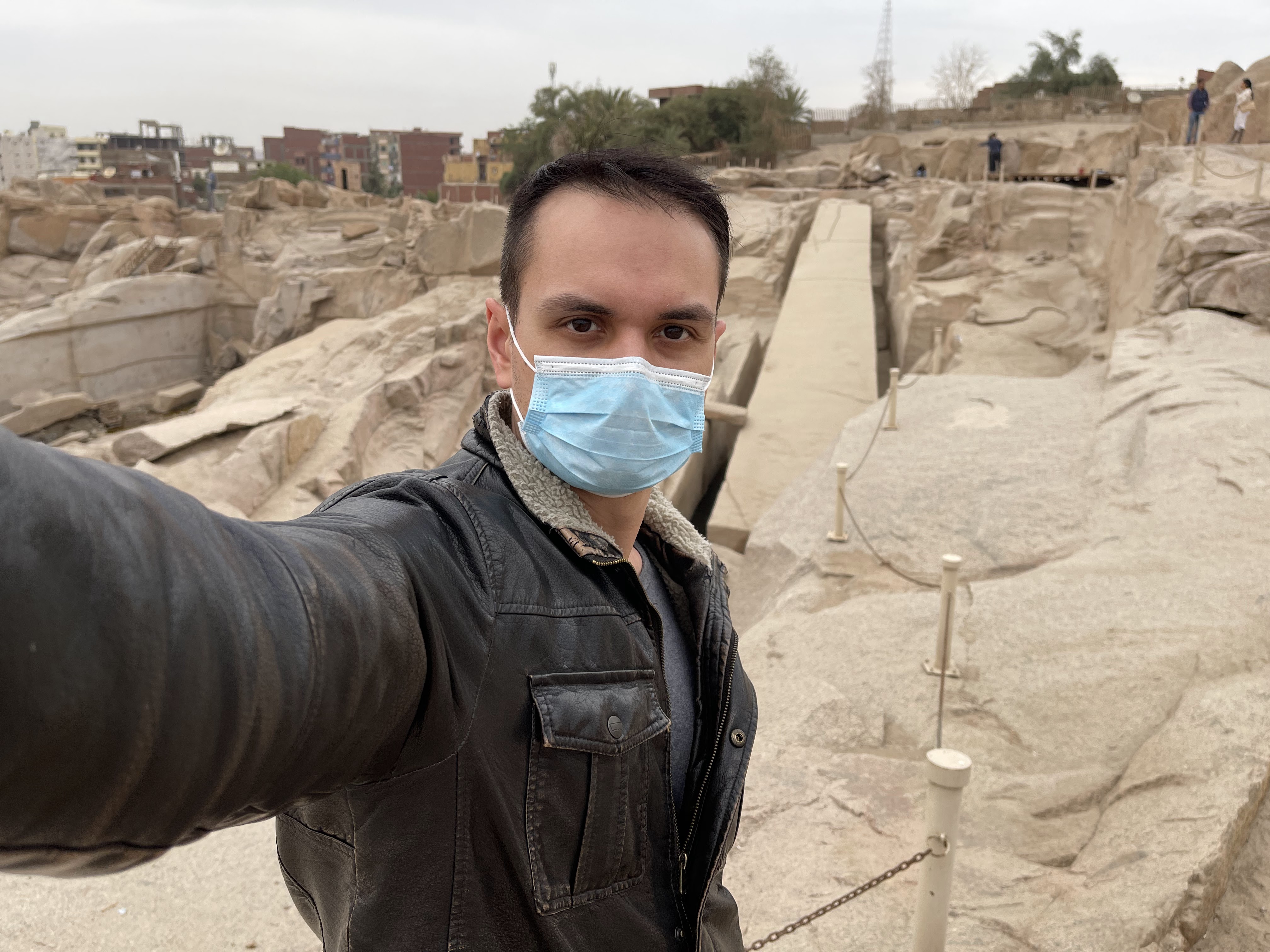
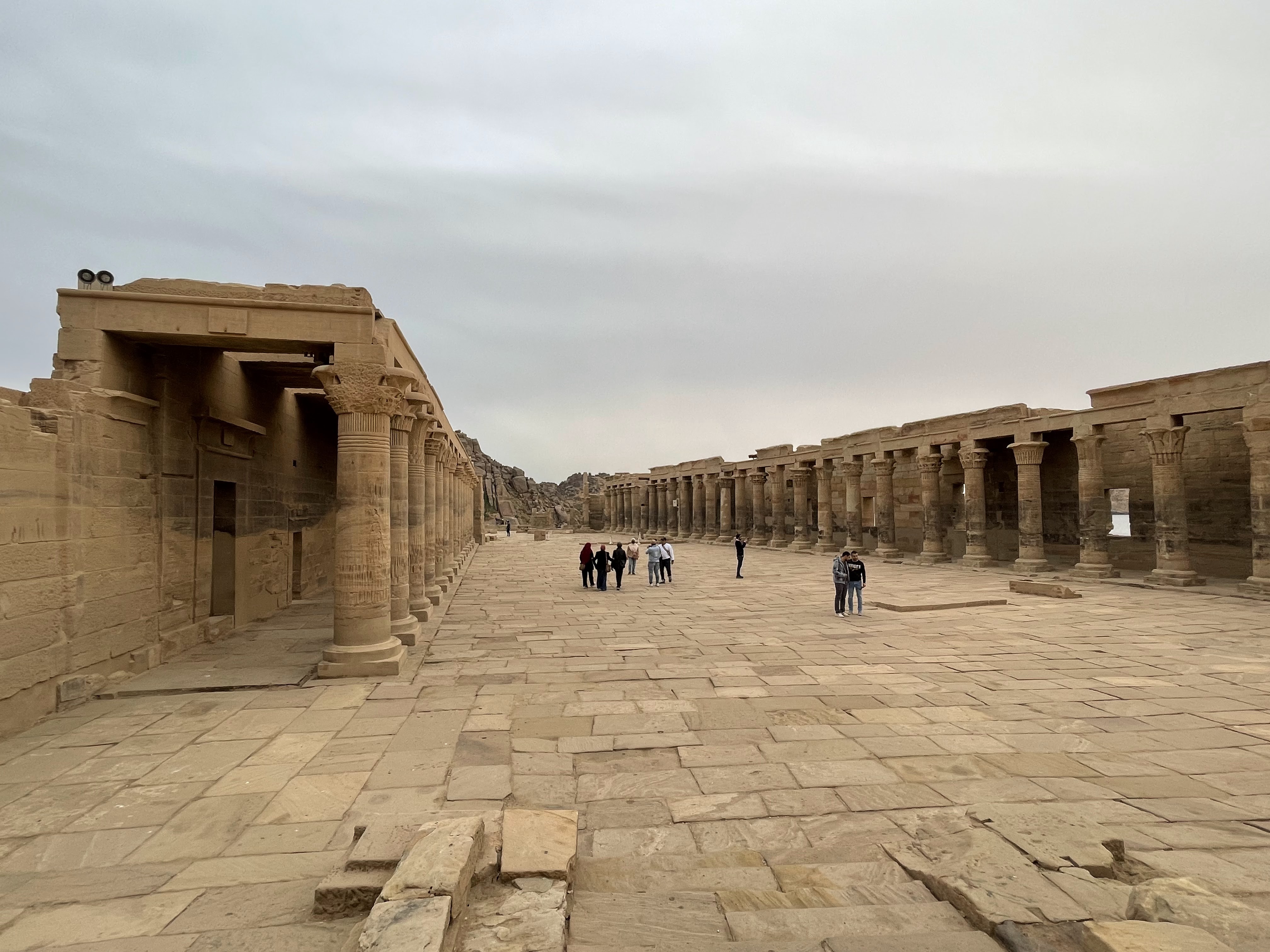
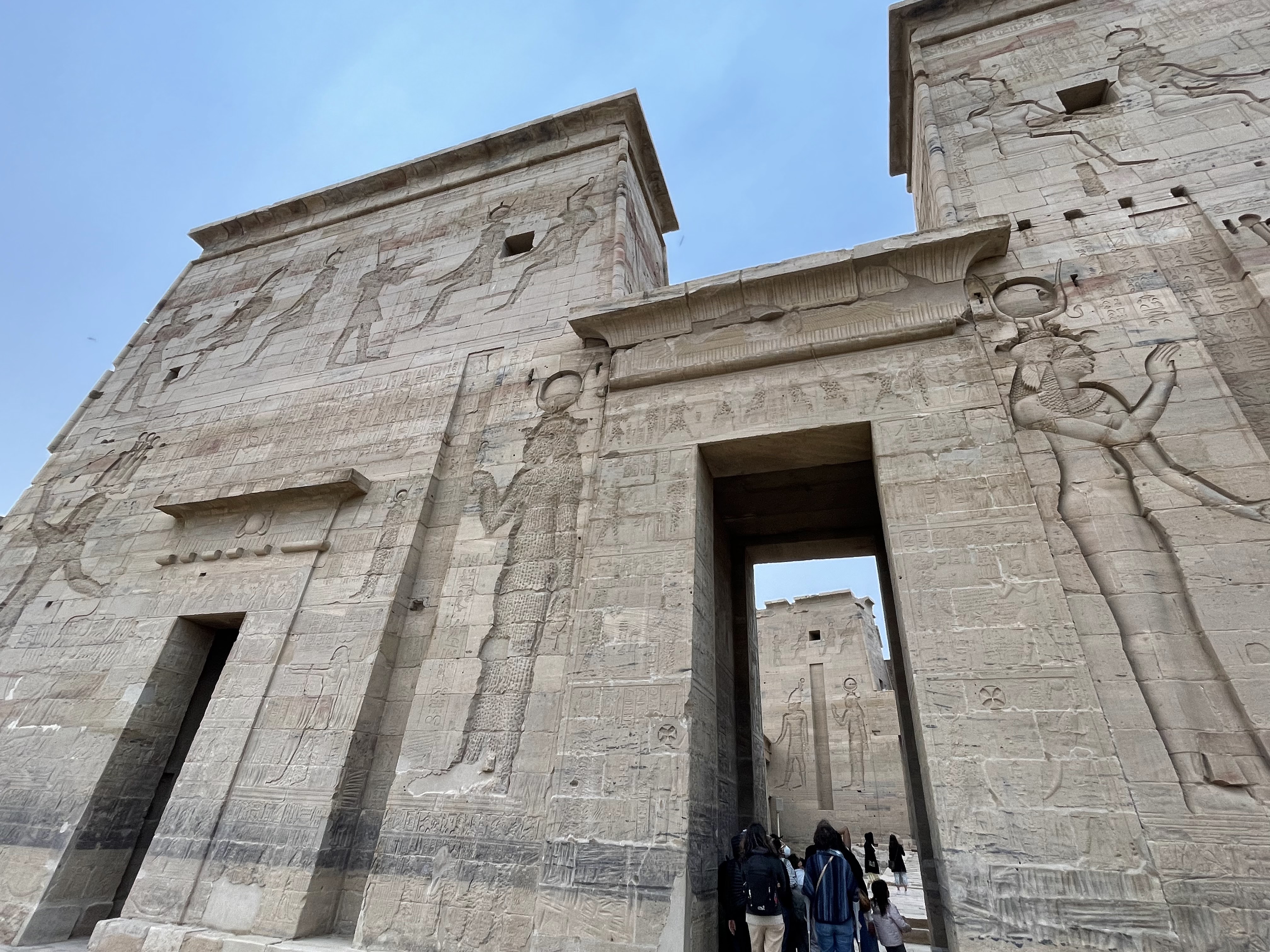
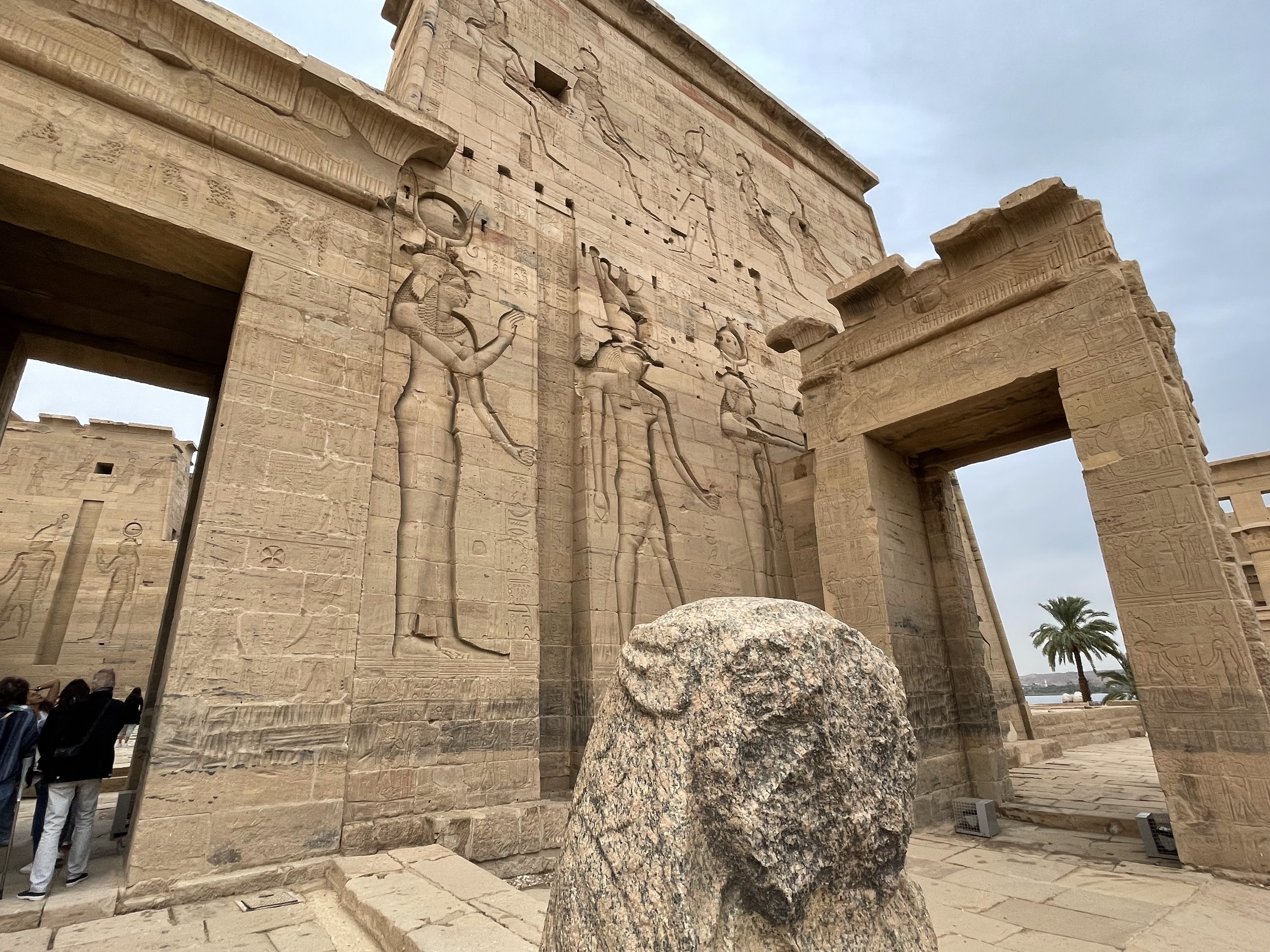
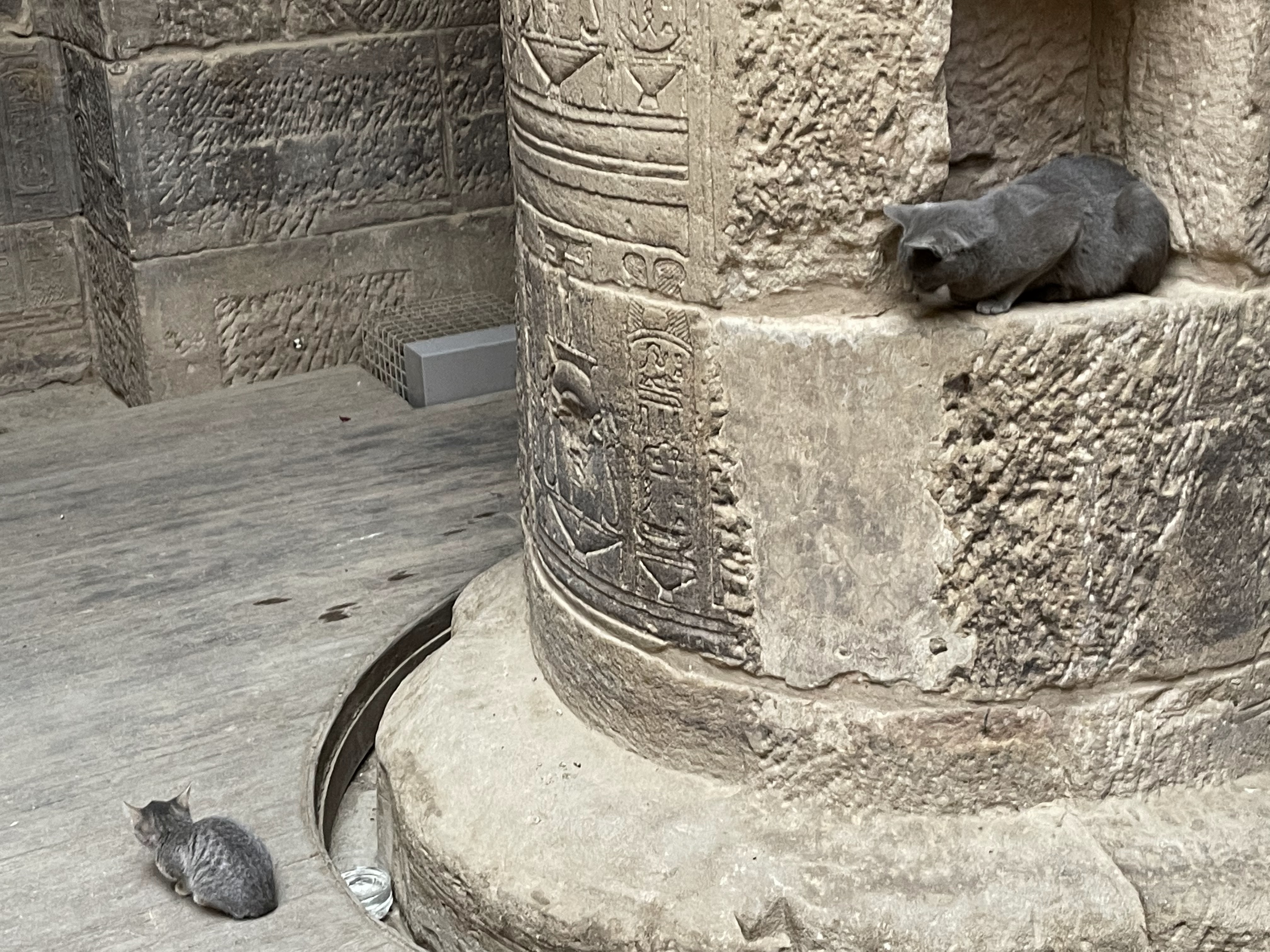
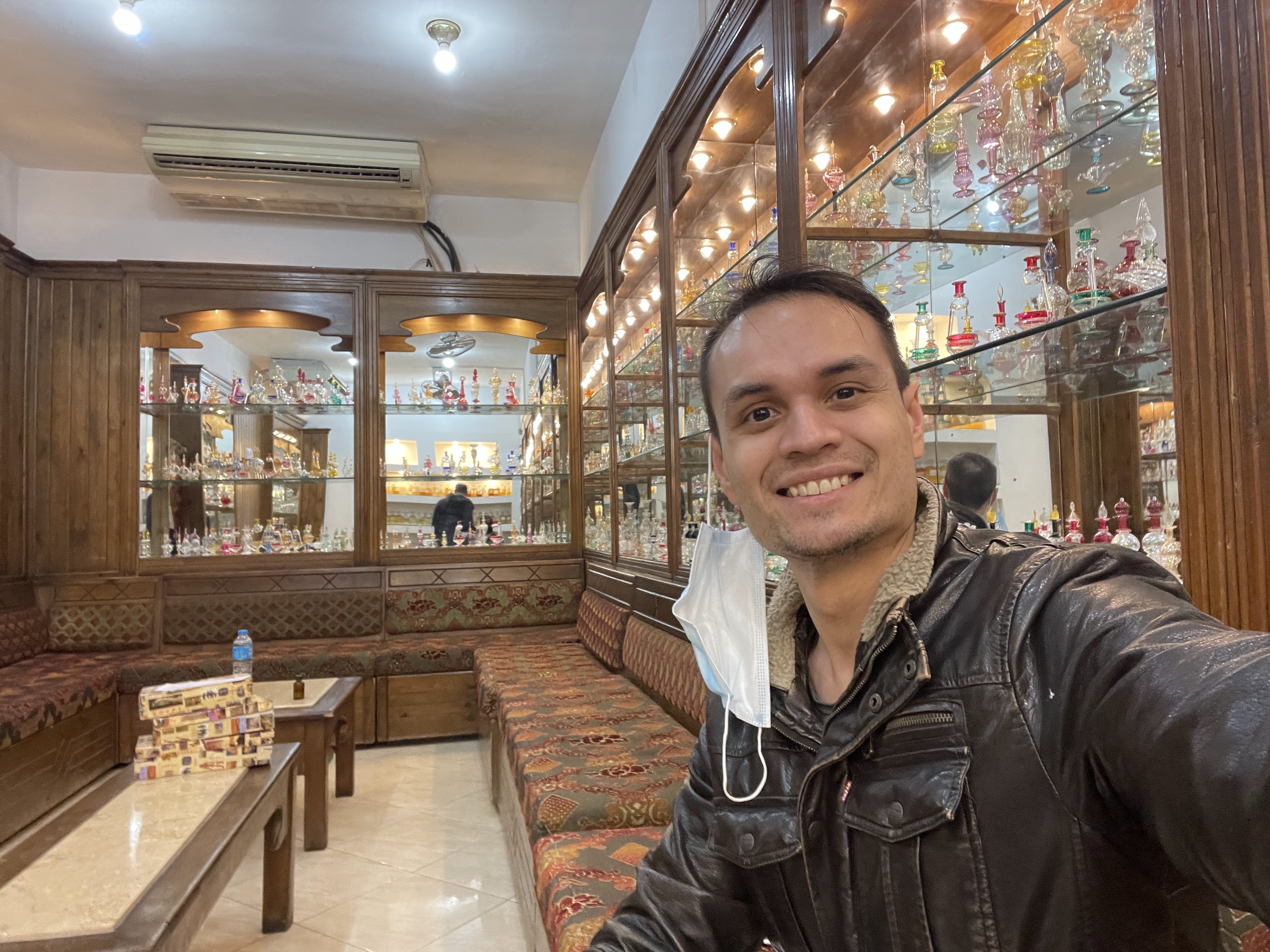
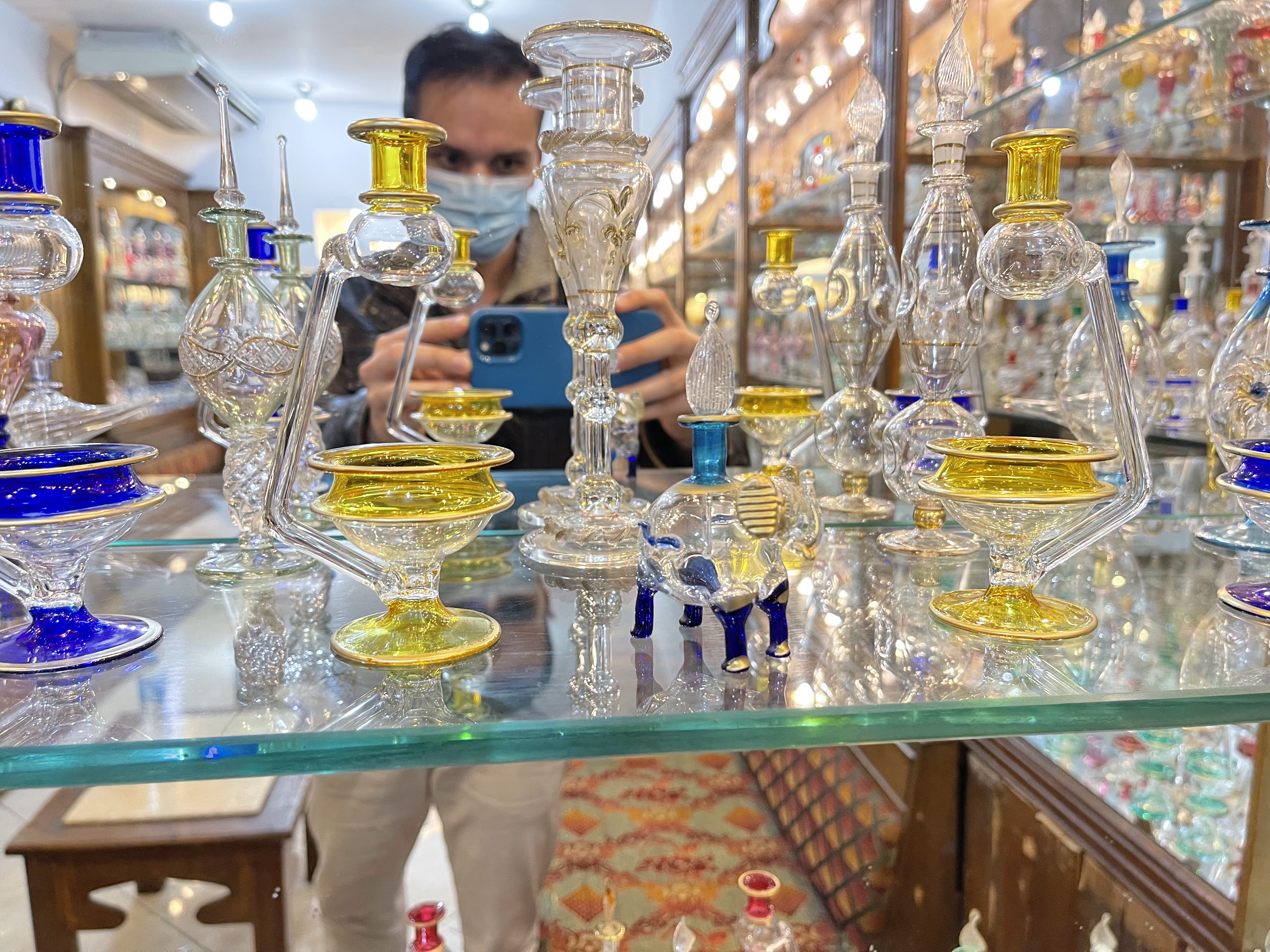
Then on the same day, I took a boat ride to Philae Temple in Aswan. This beautiful temple located on a secluded island was dedicated to Isis, Osiris, and Horus. At the end of this group of photos is a photo of an essence shop in Aswan. Ancient Egyptians used essential oils to lure one another into lustful romance. Rawr.

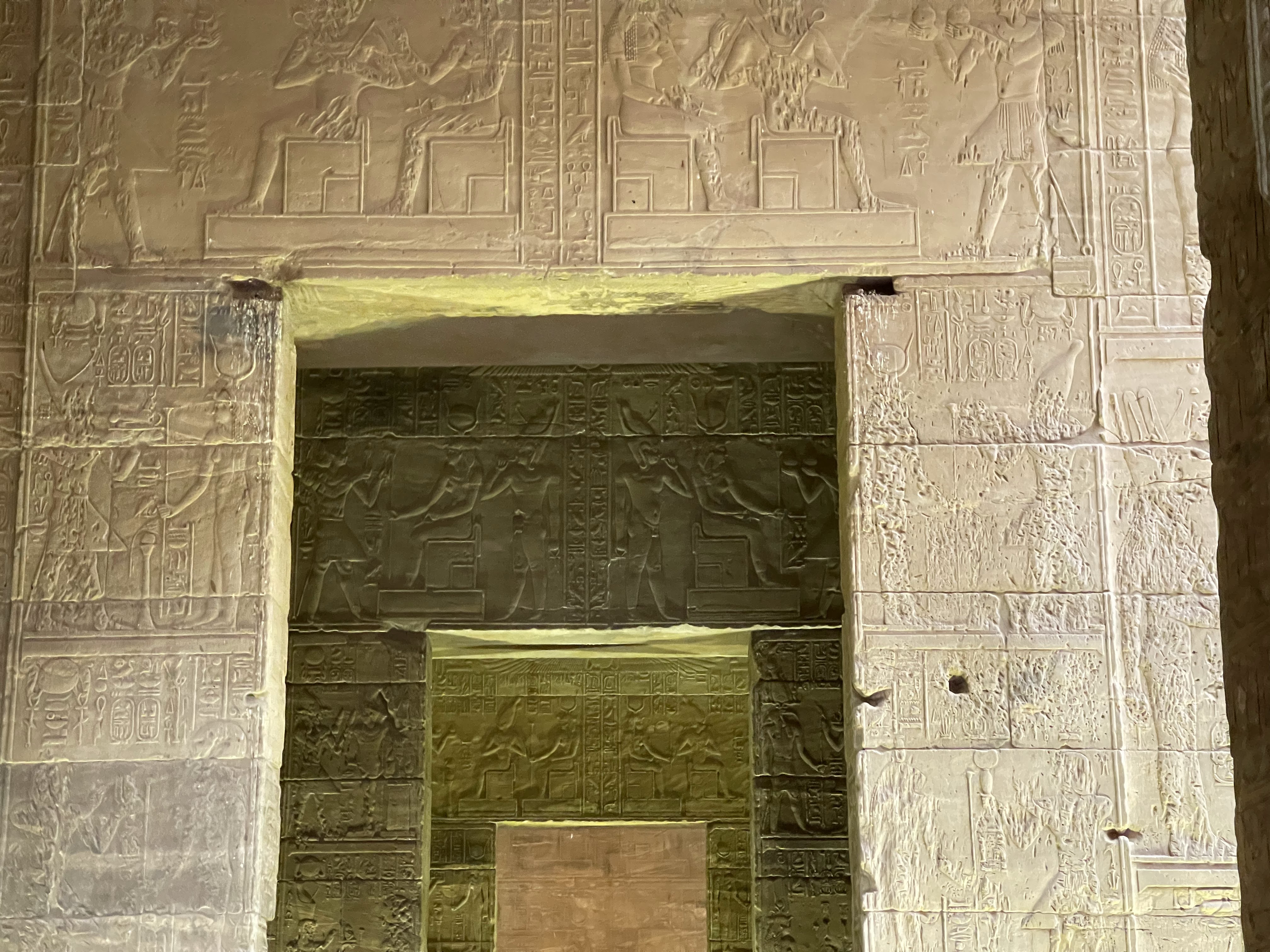
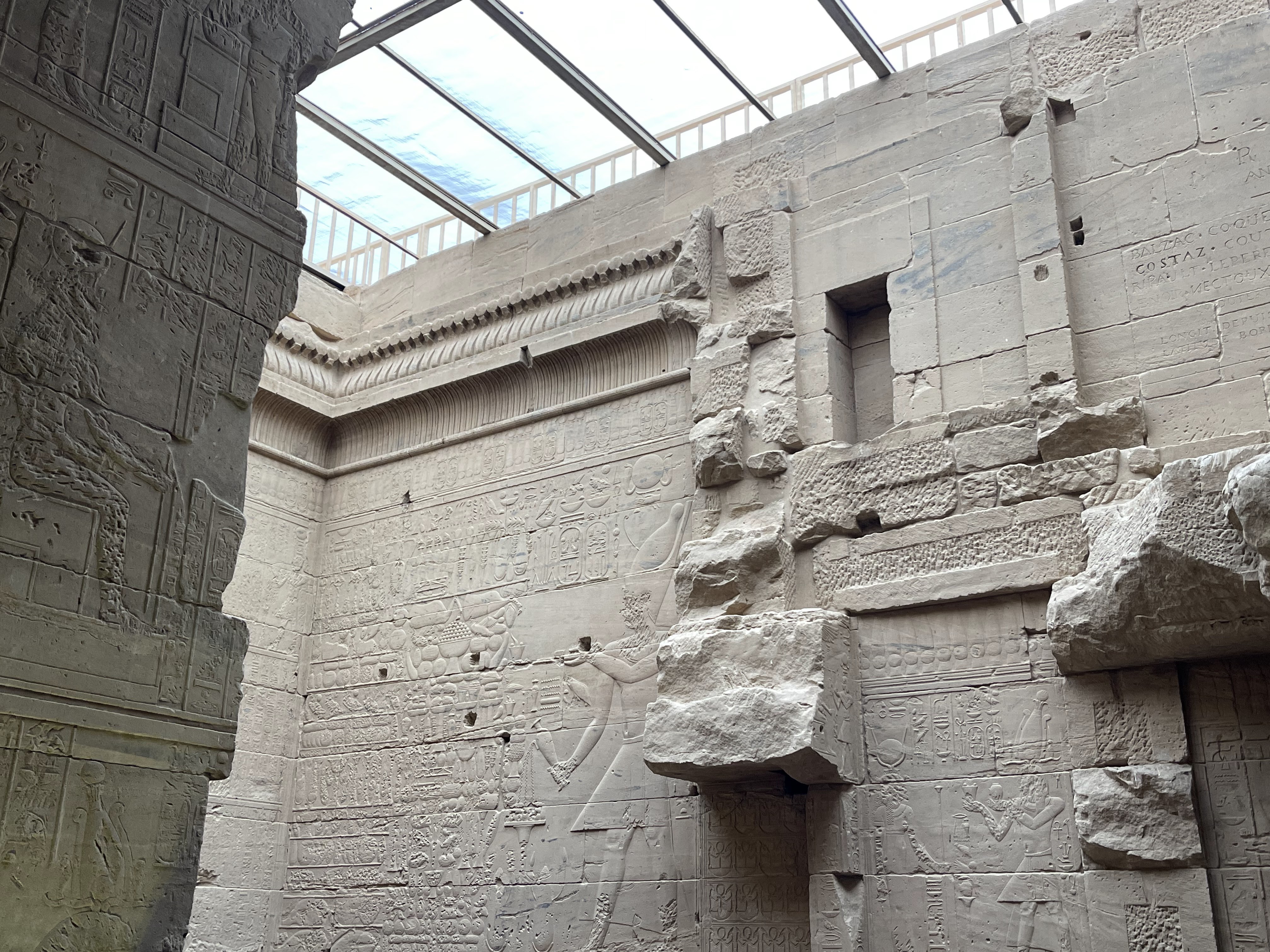
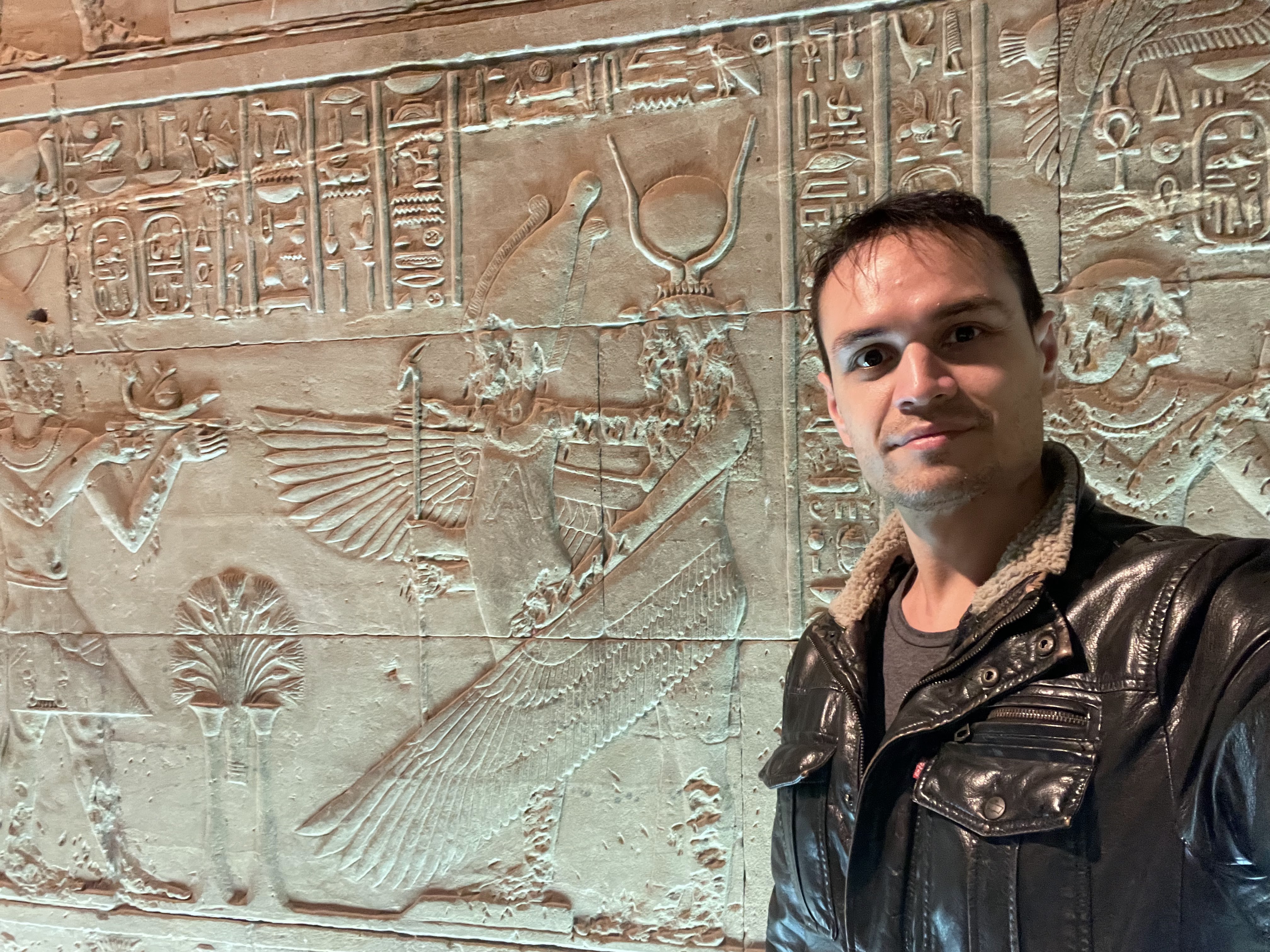
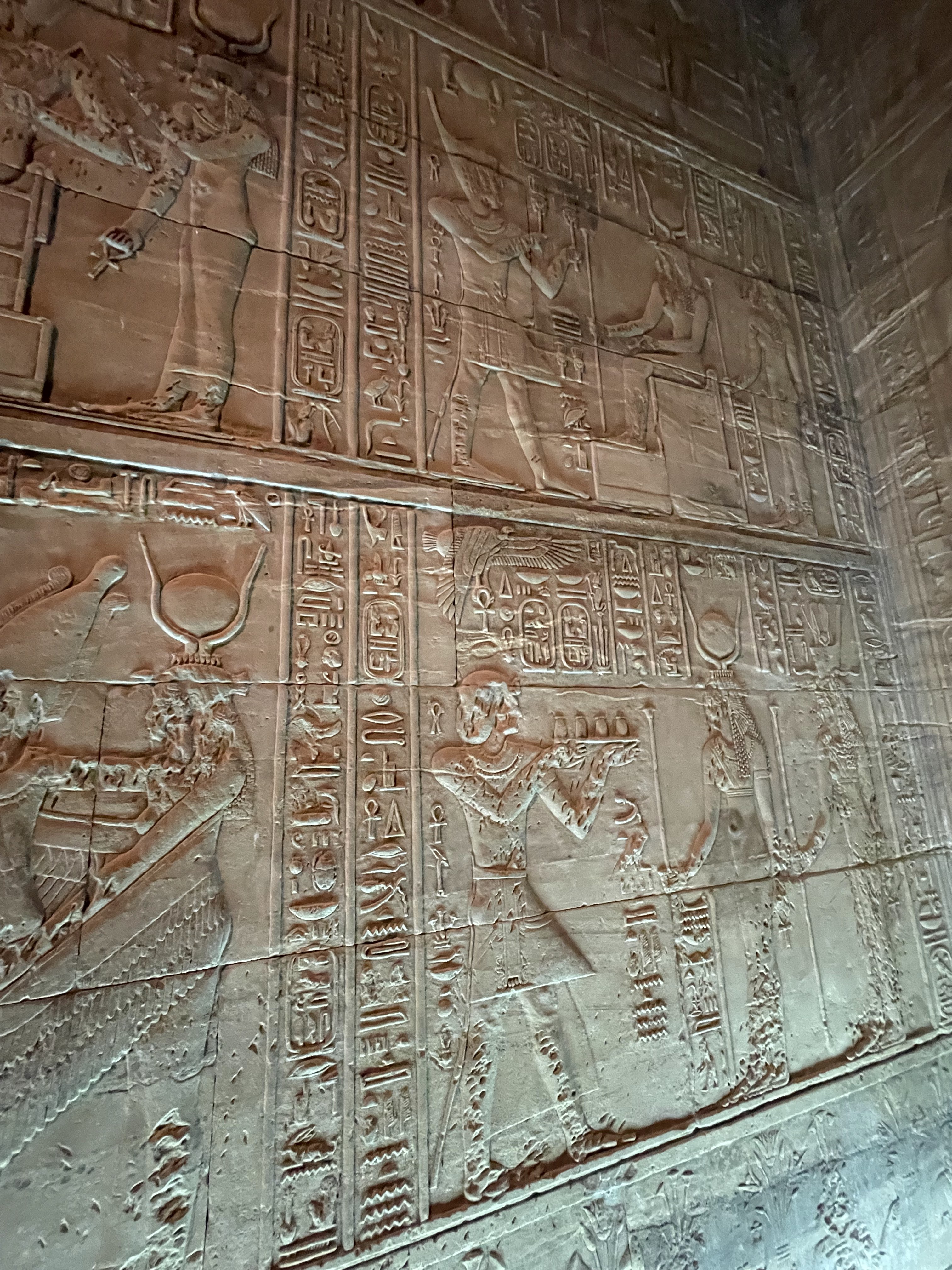


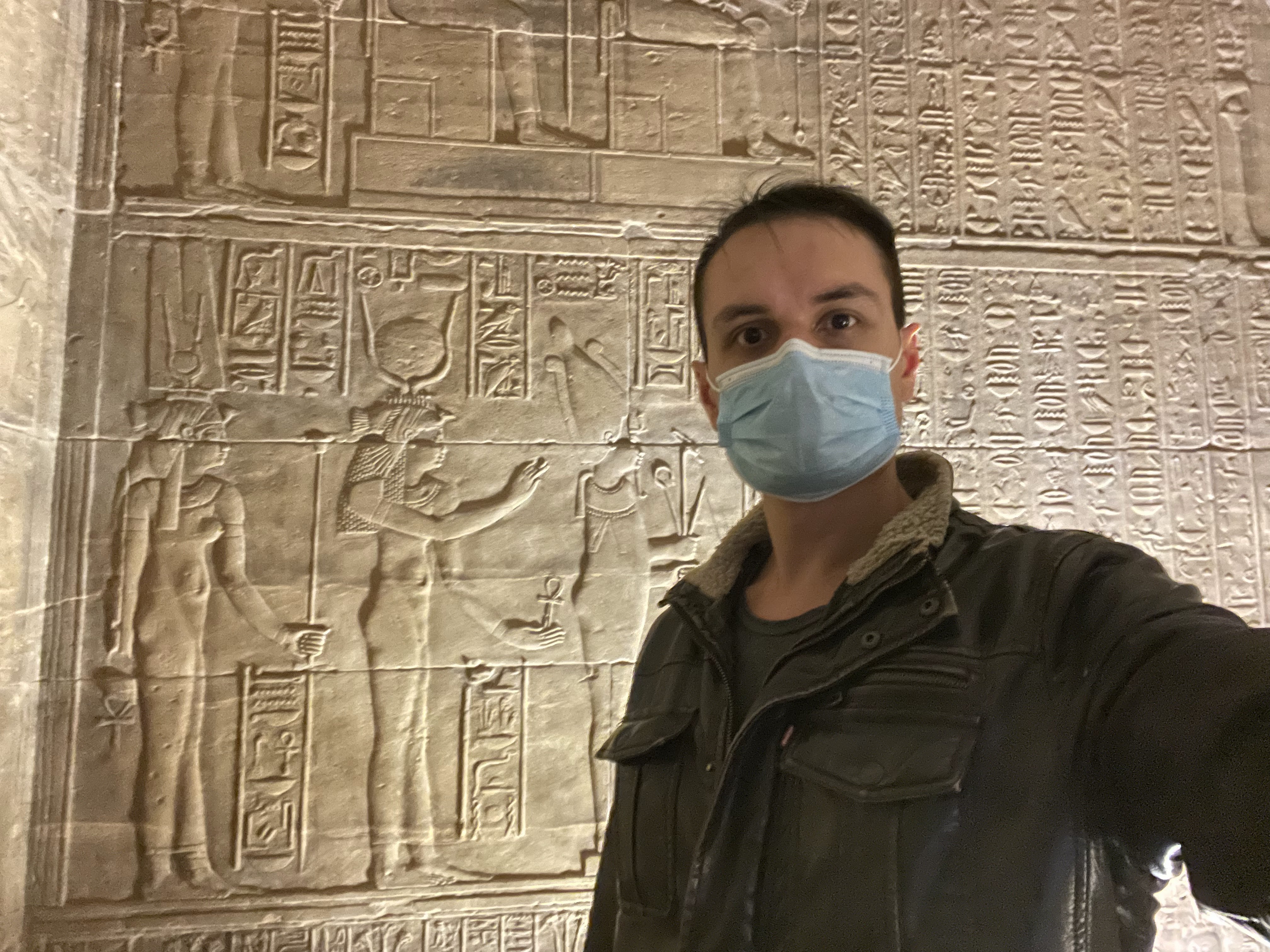
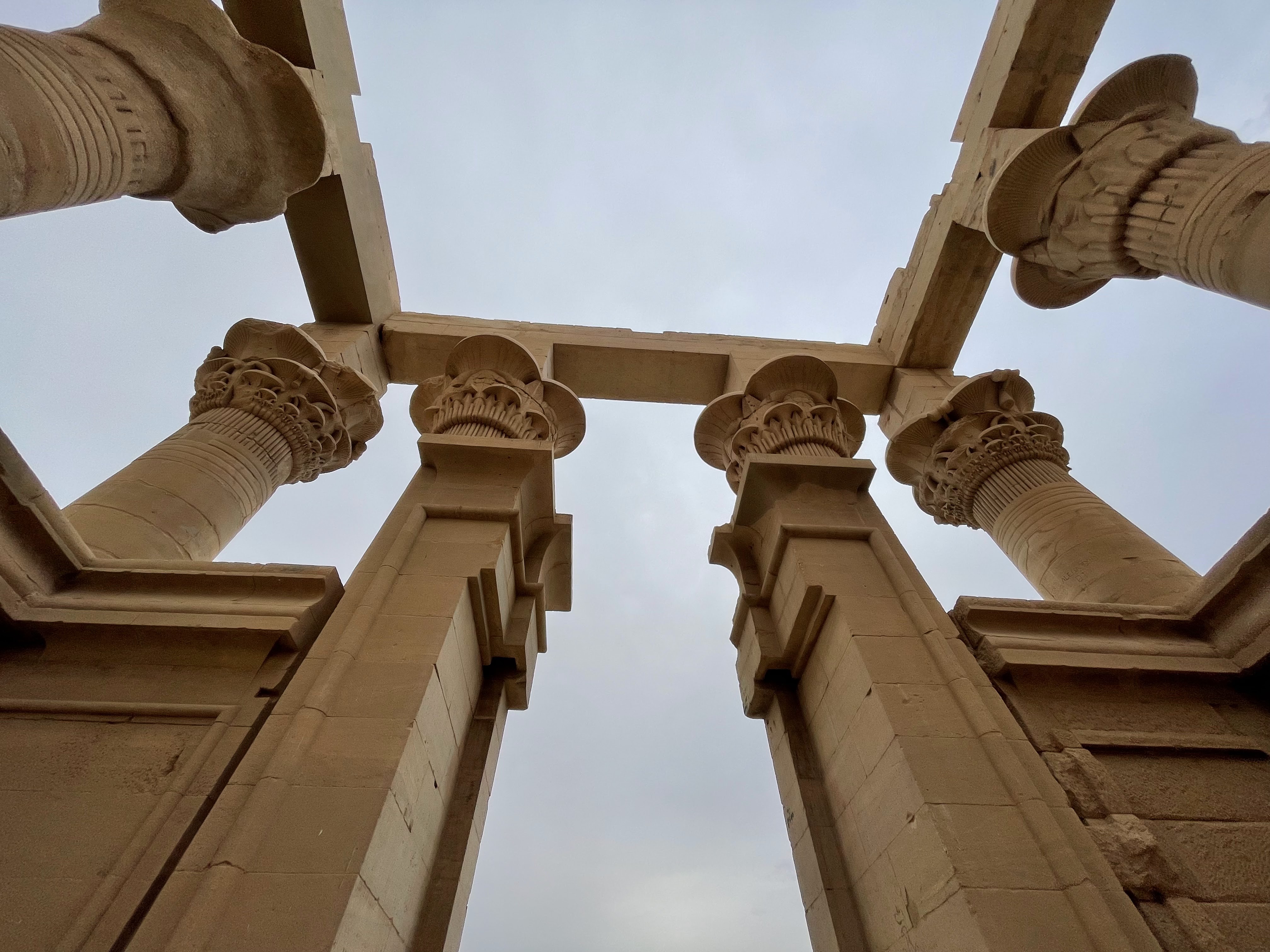


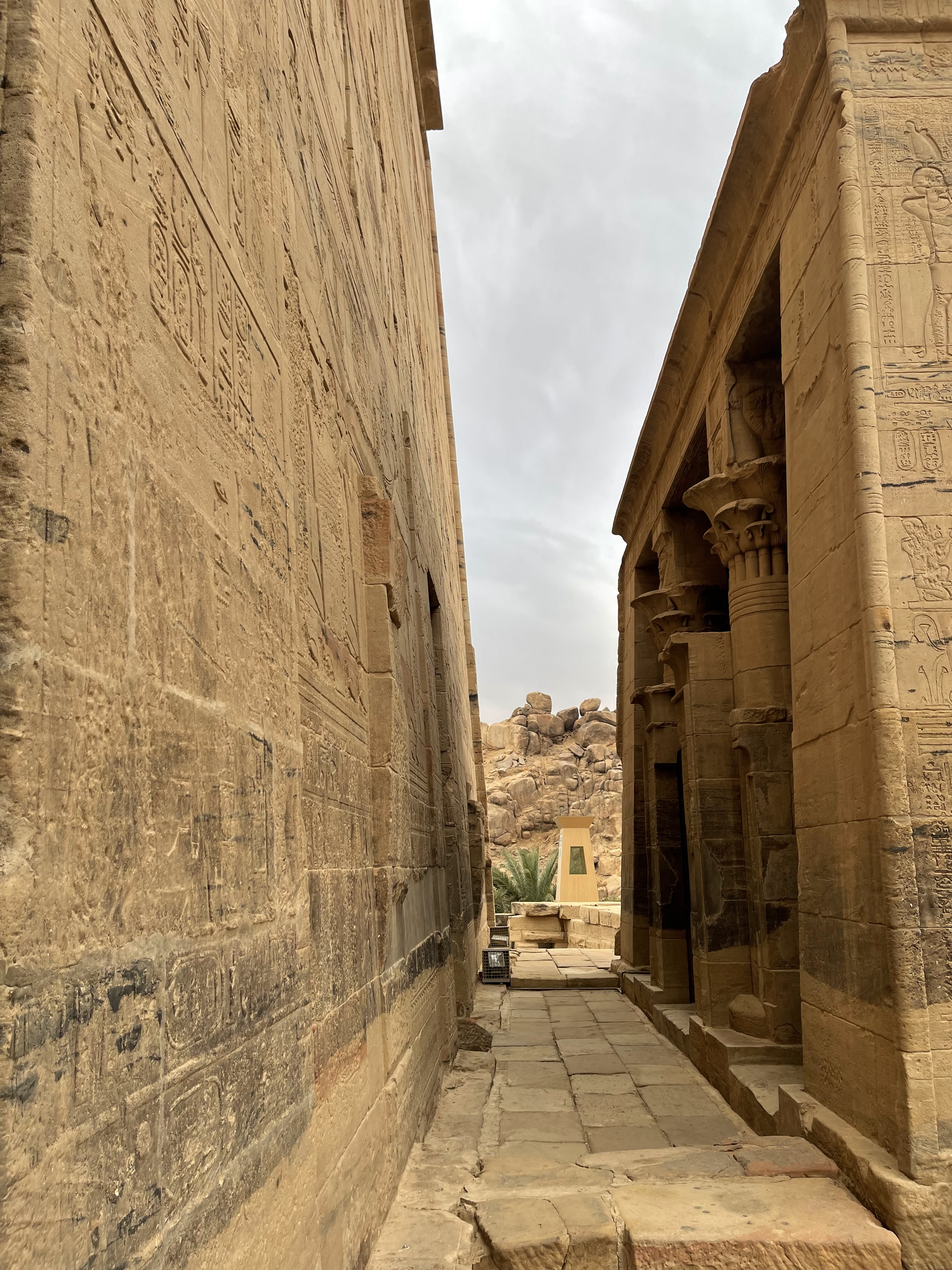

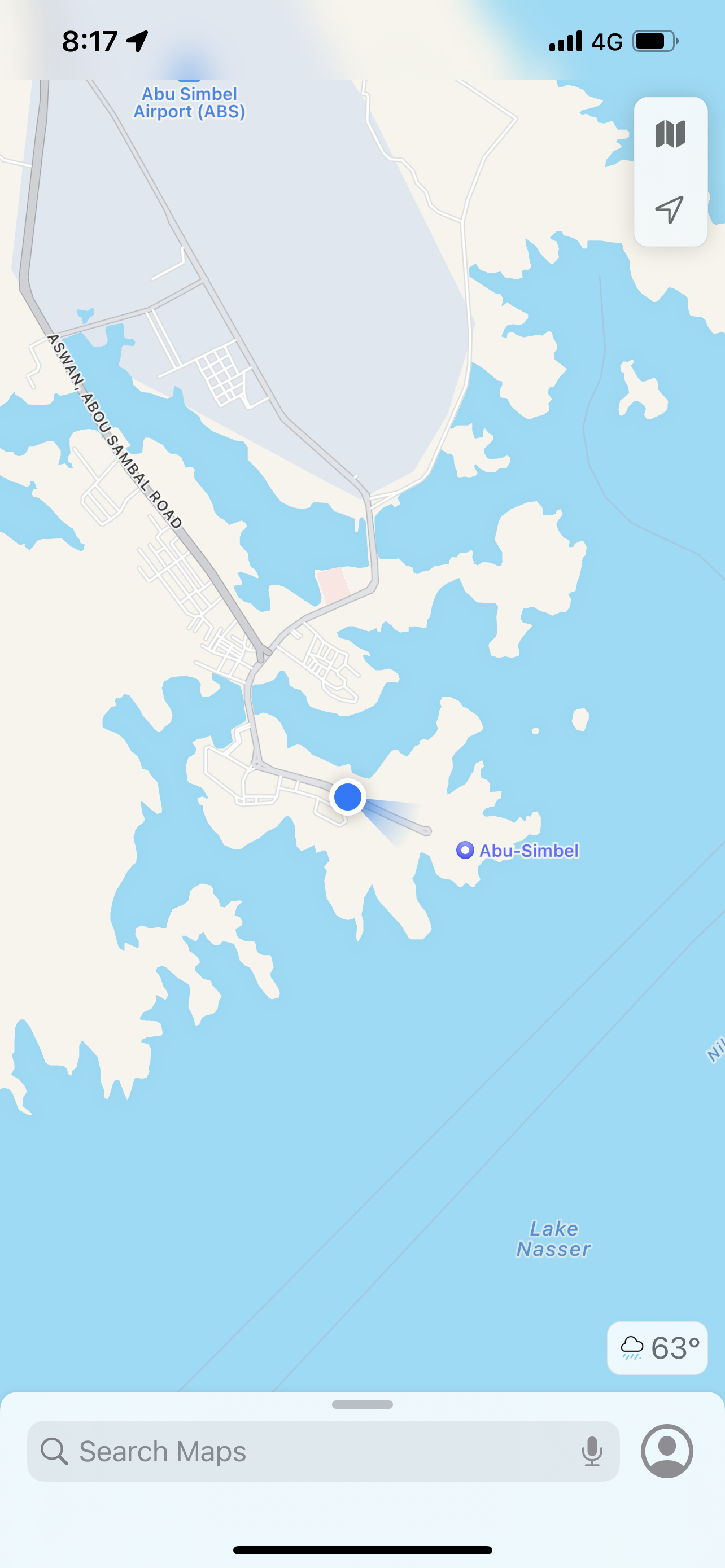
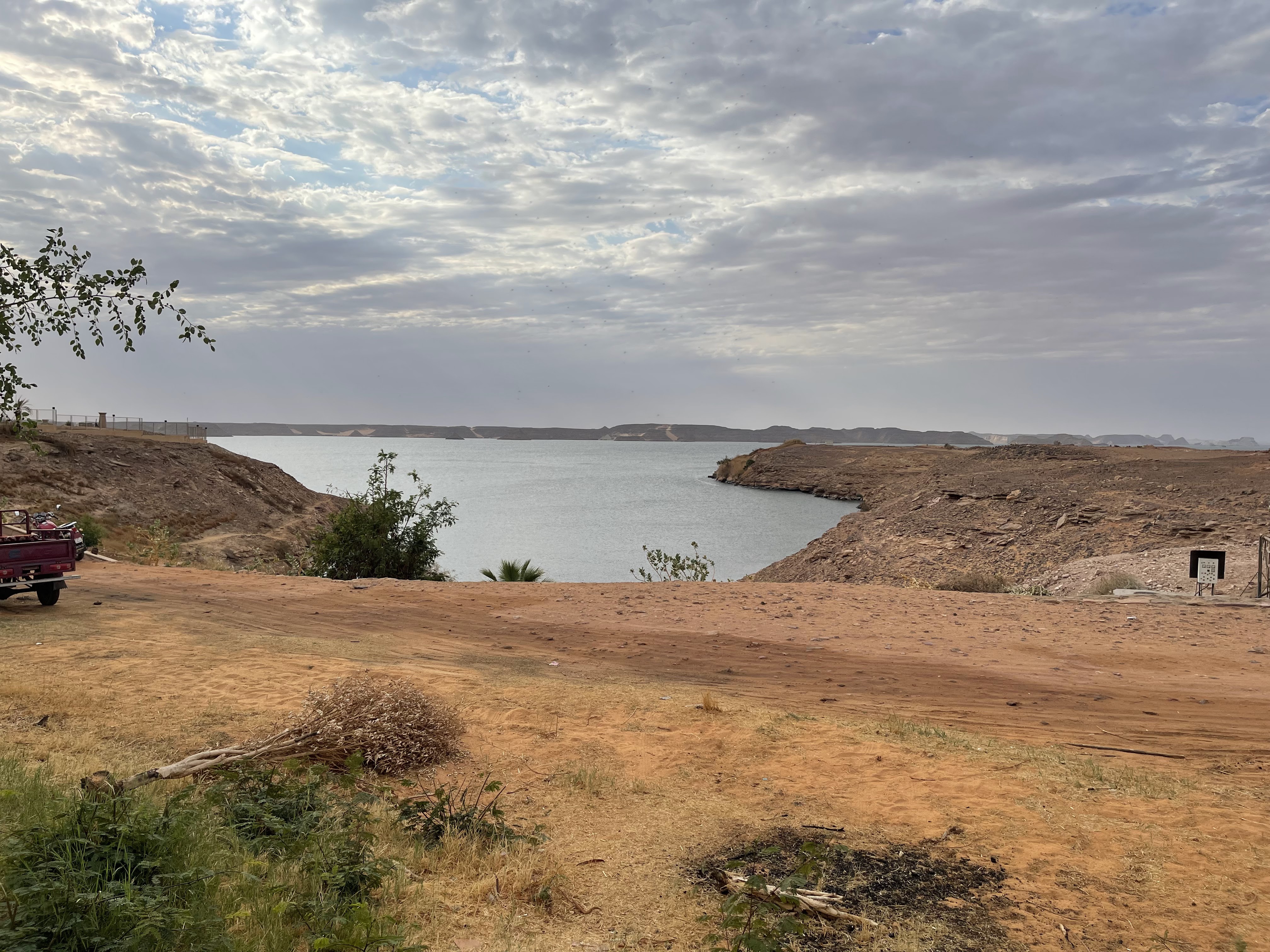
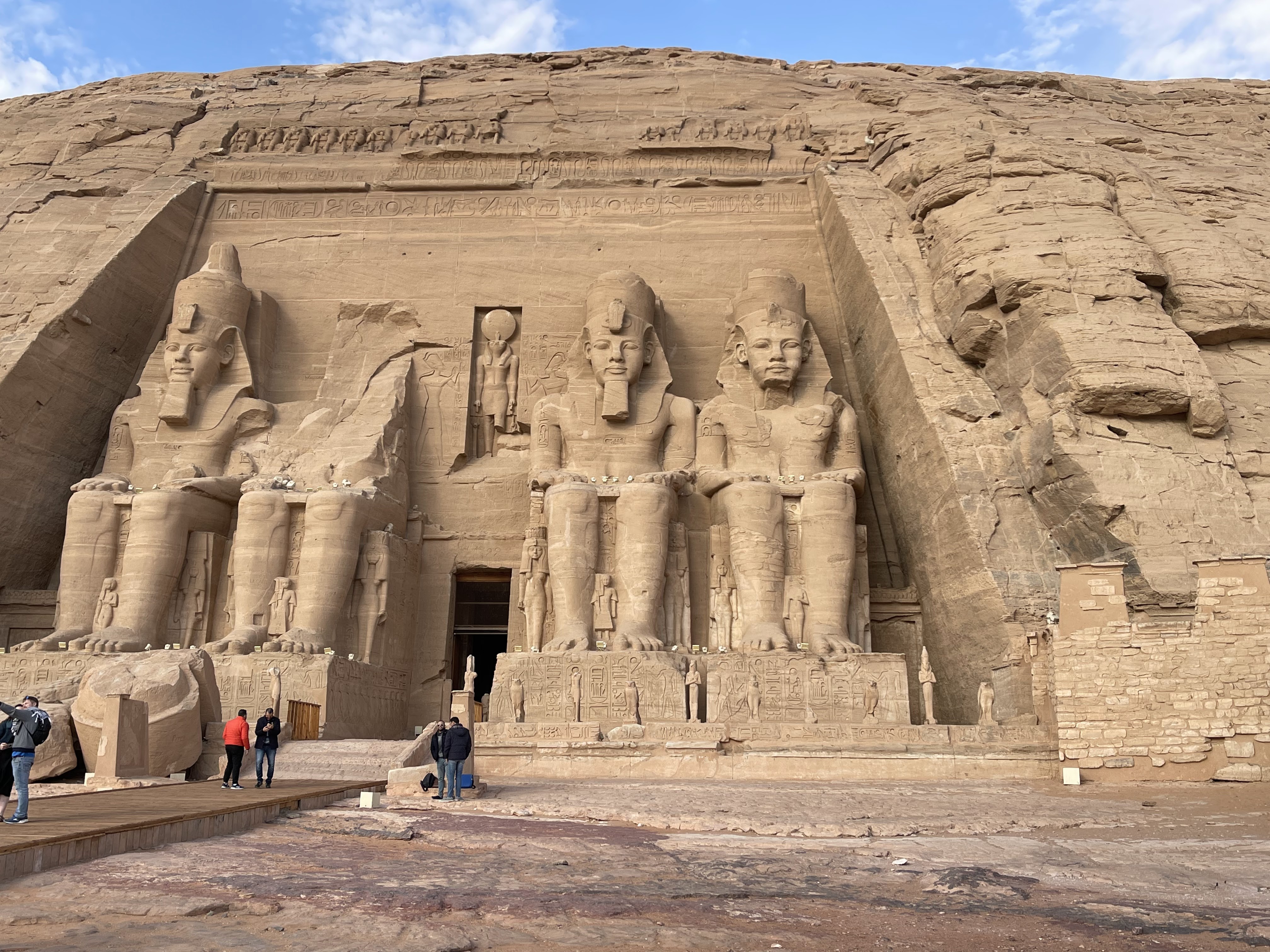
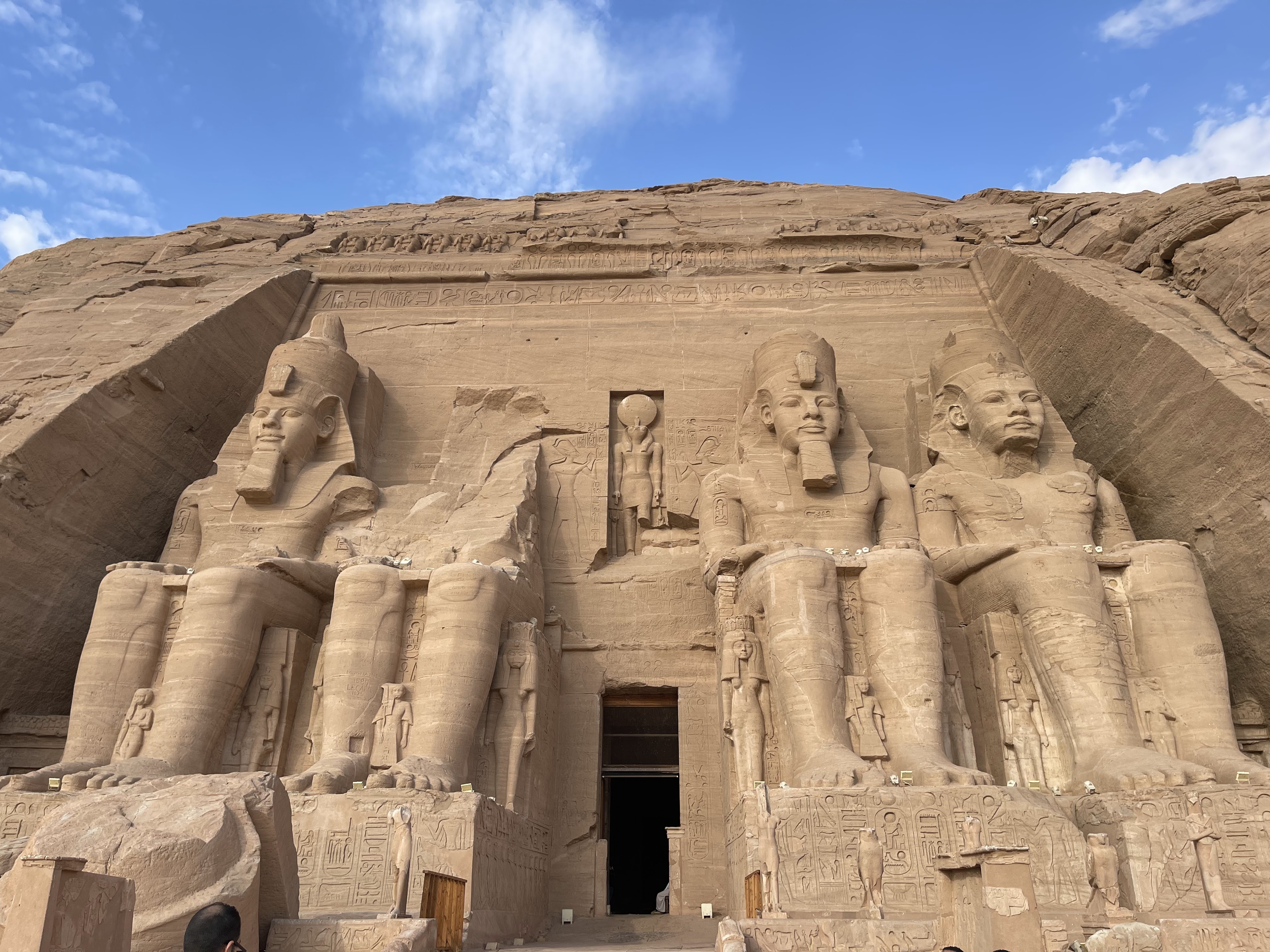
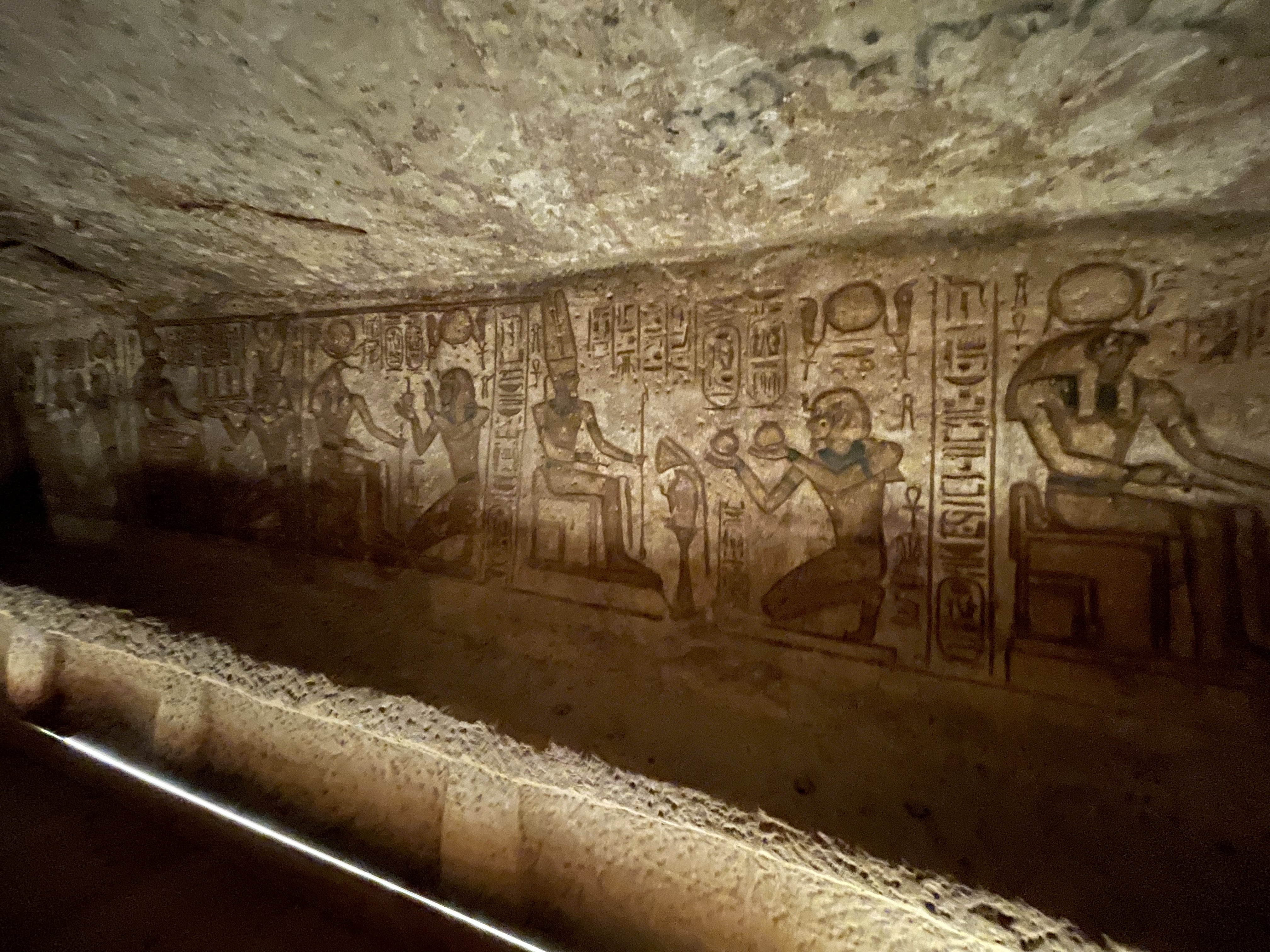
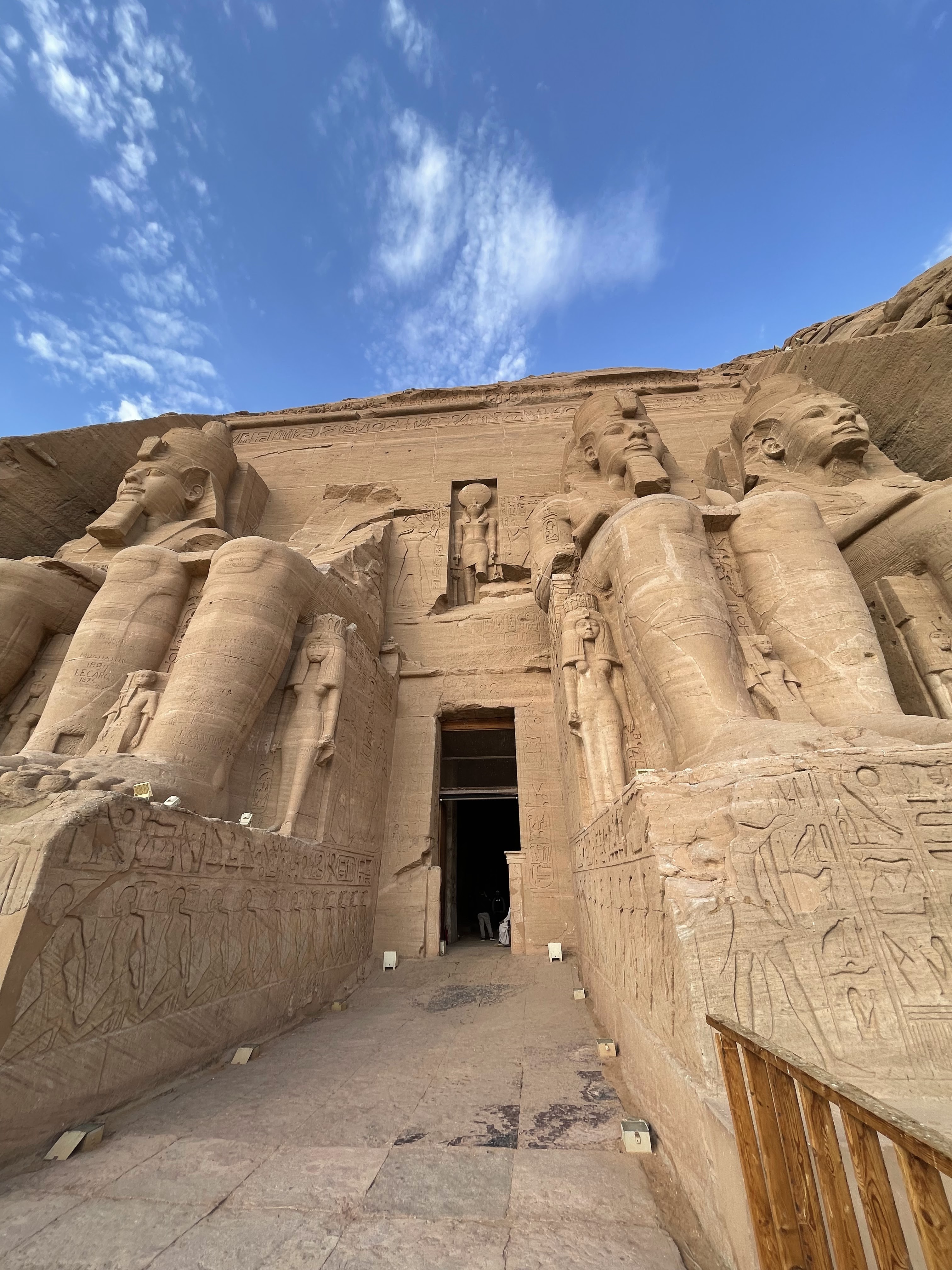
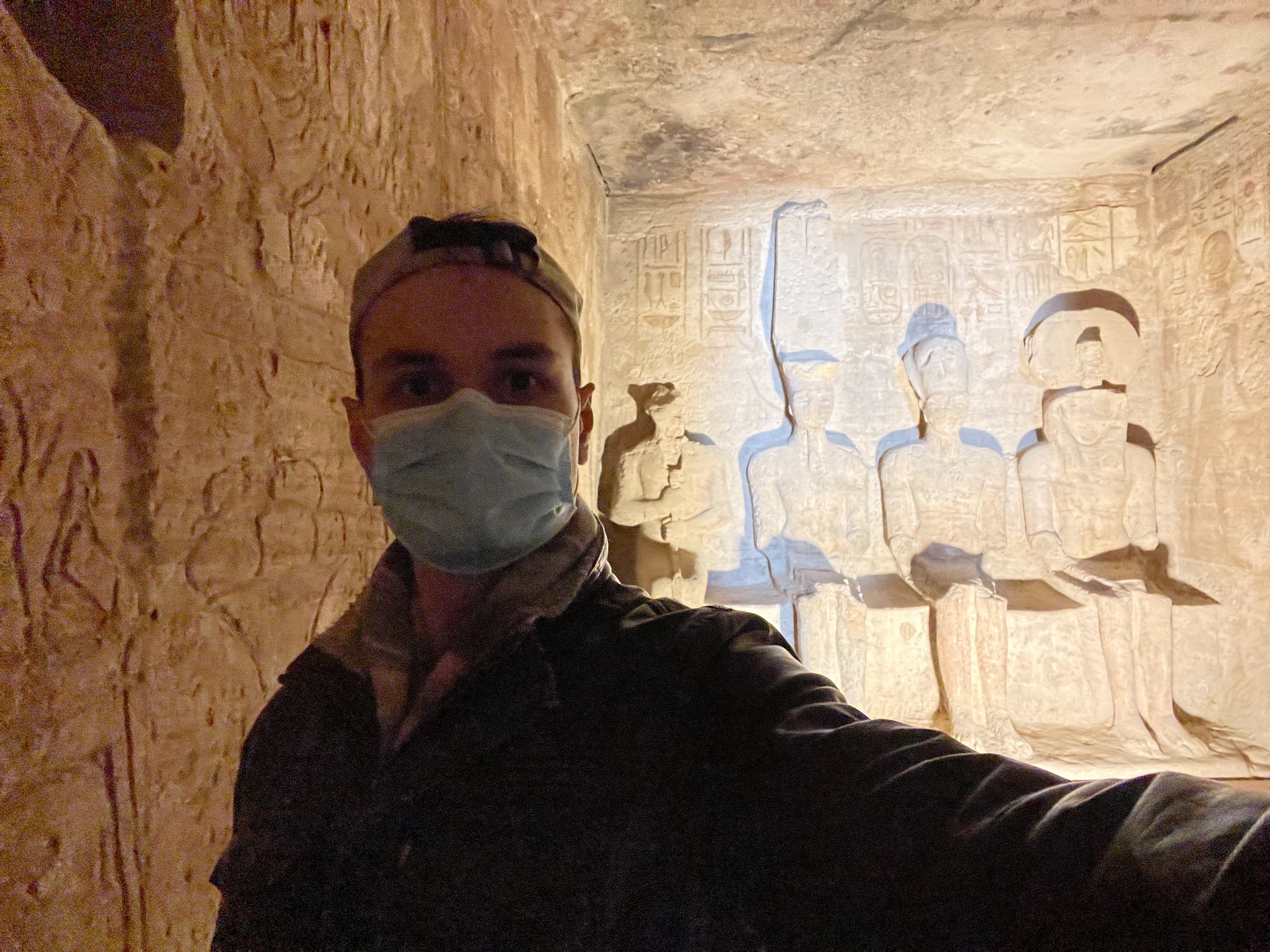
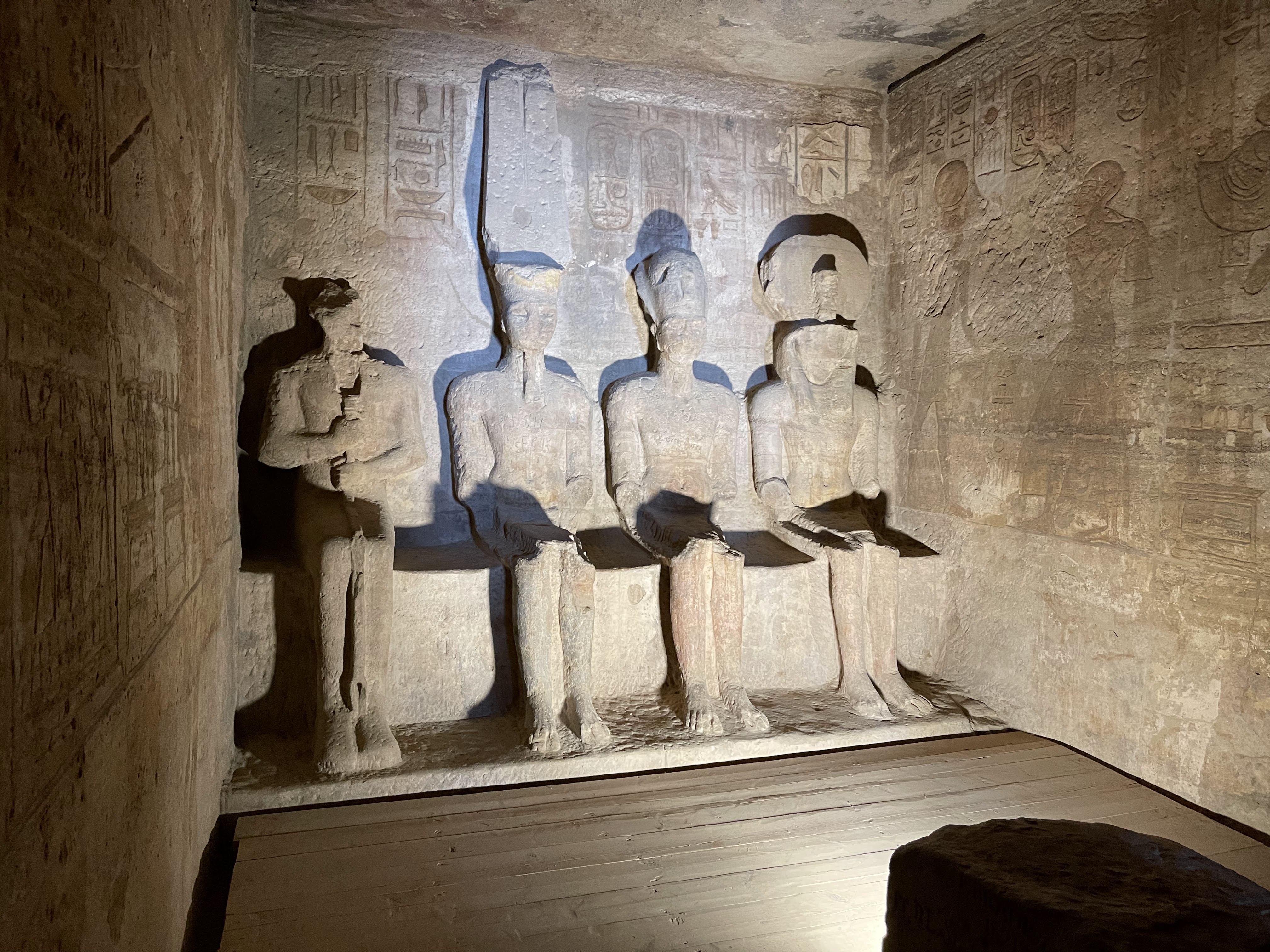
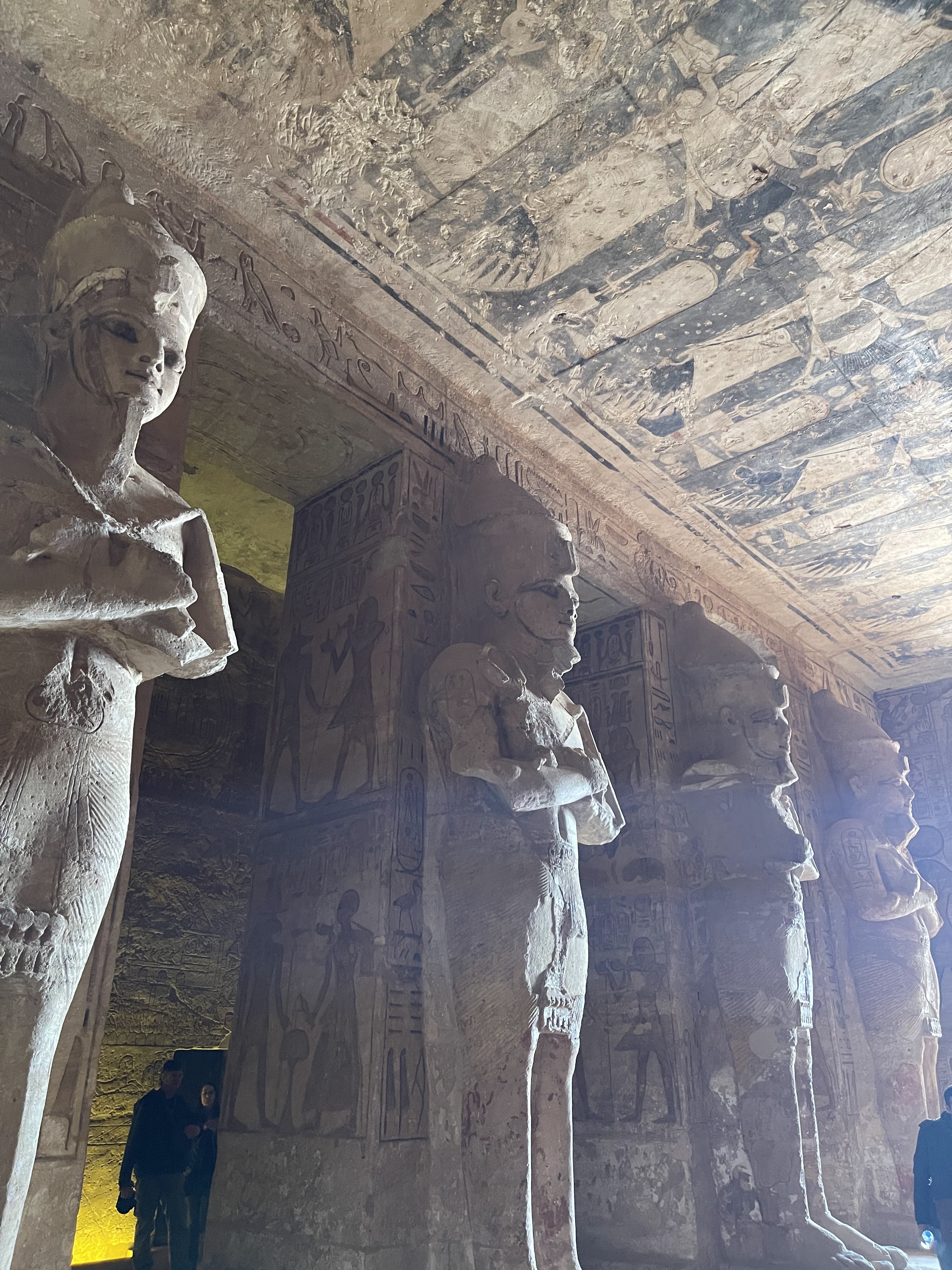
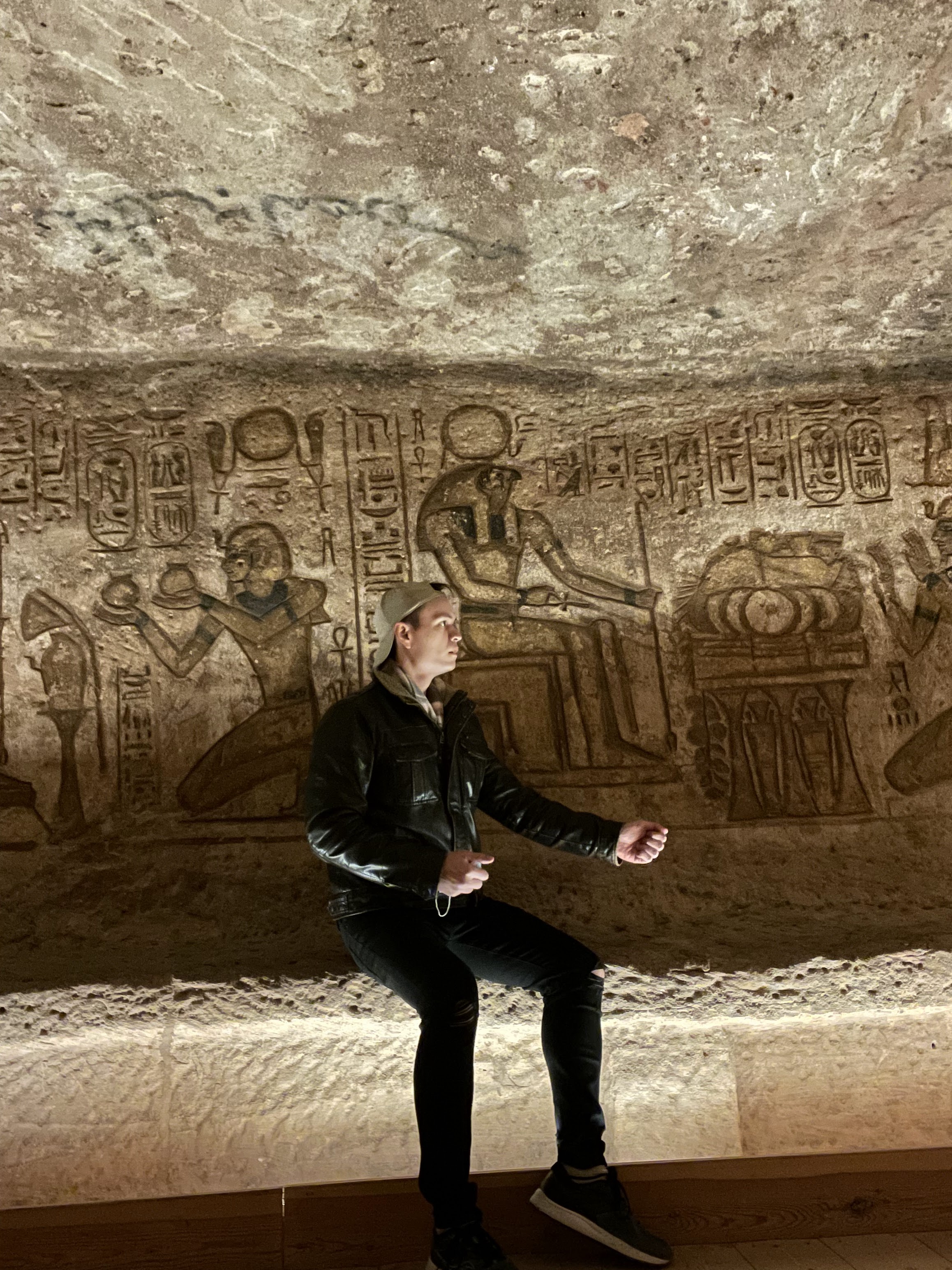
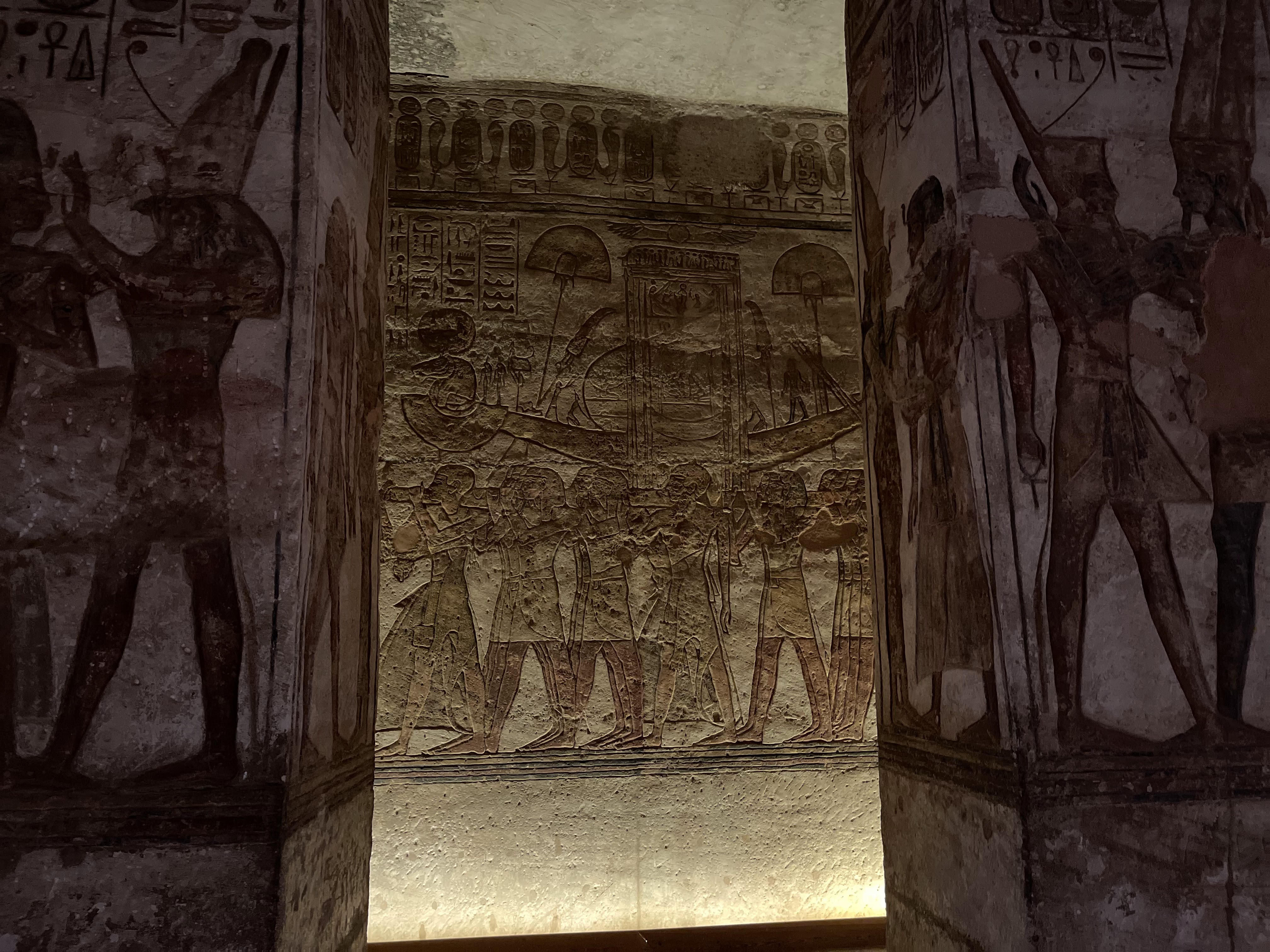
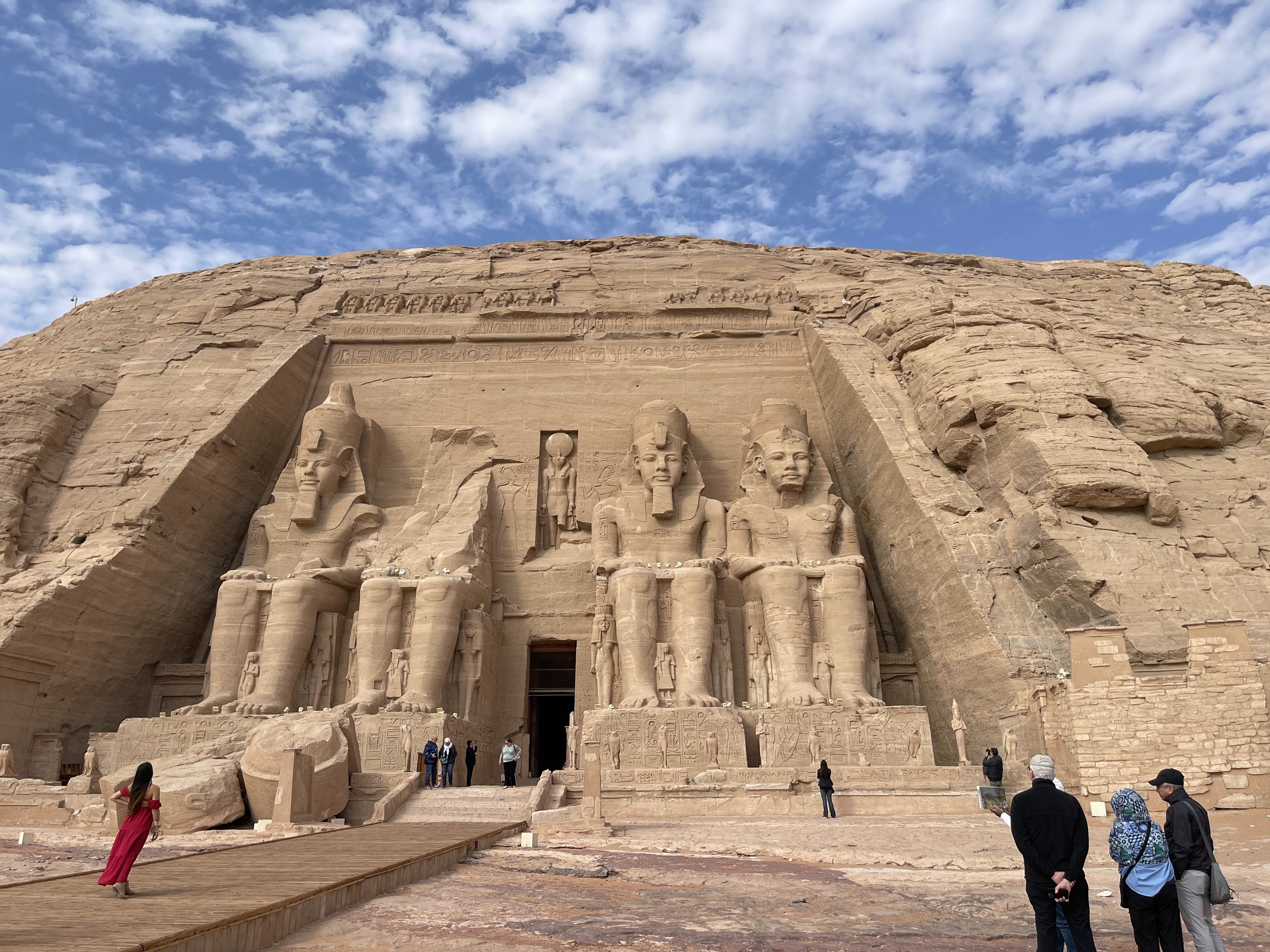
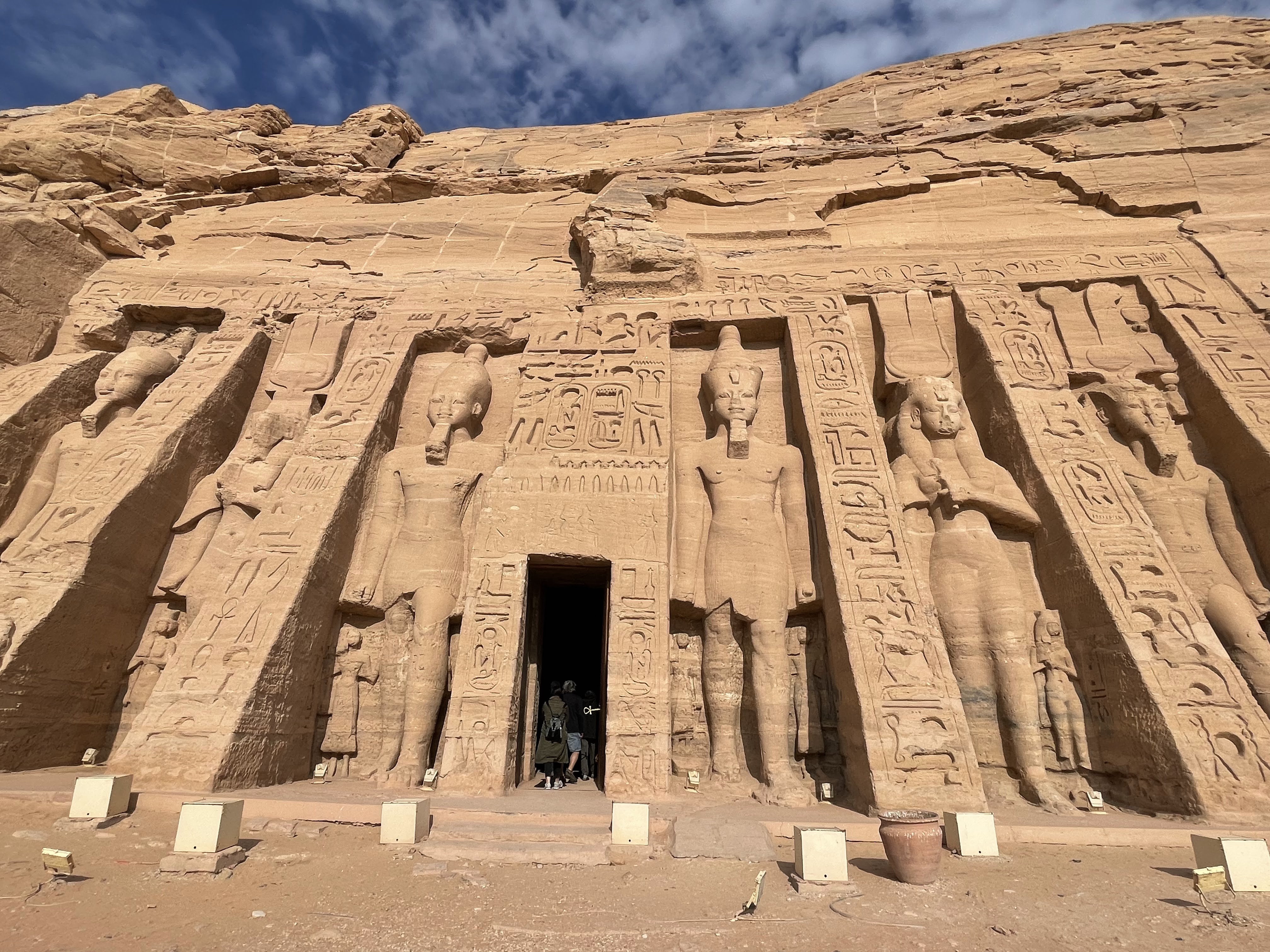
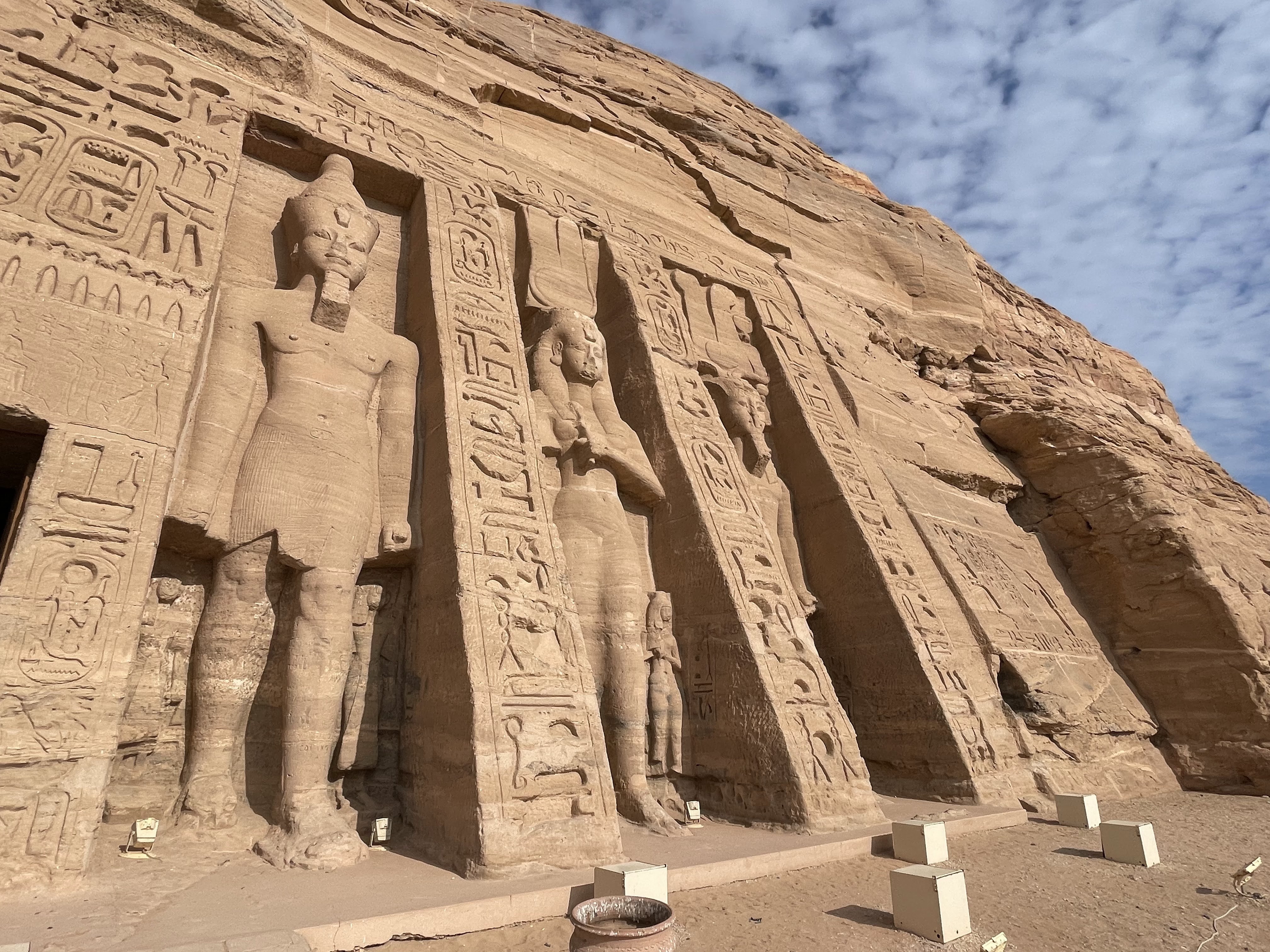
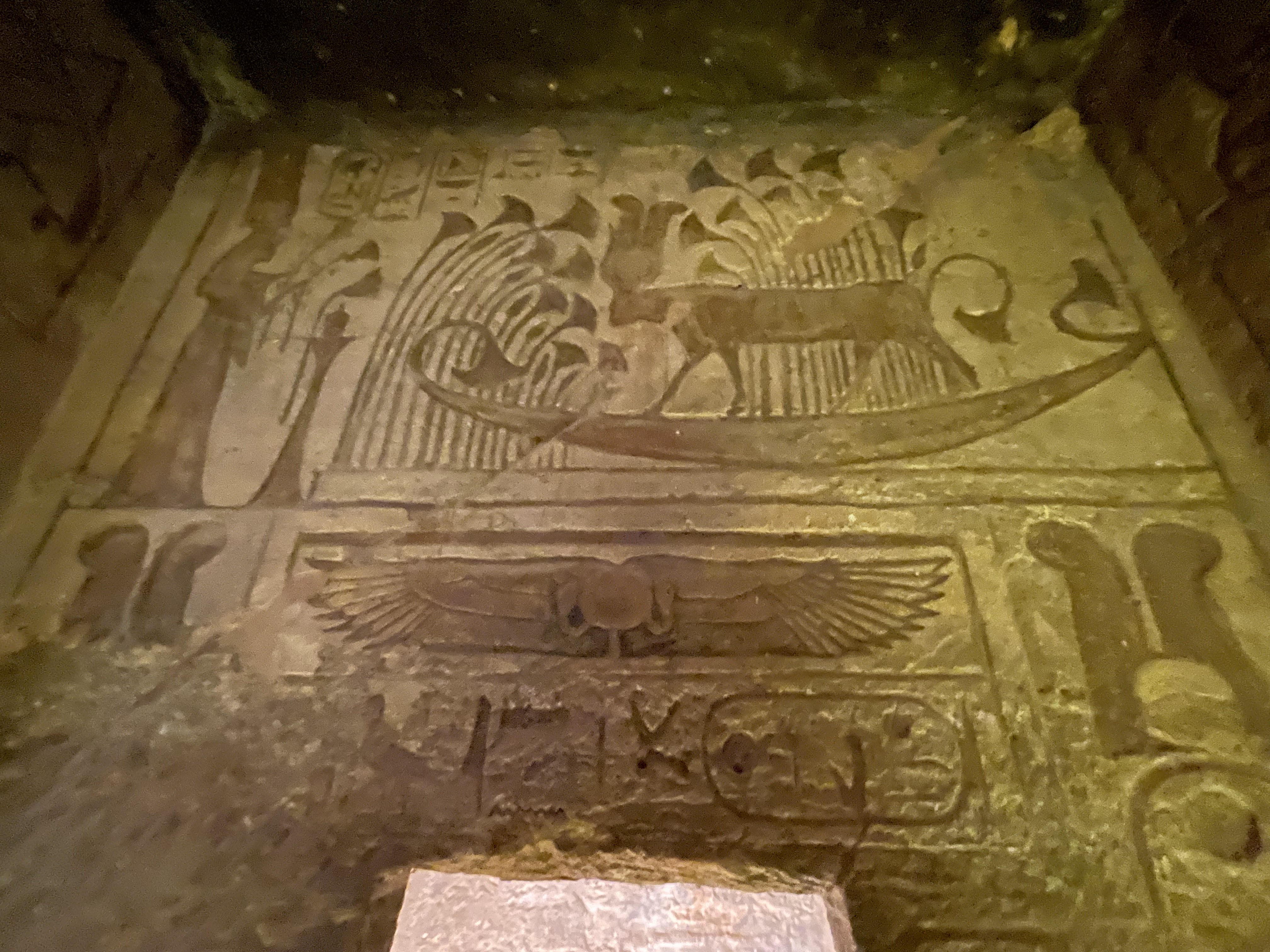
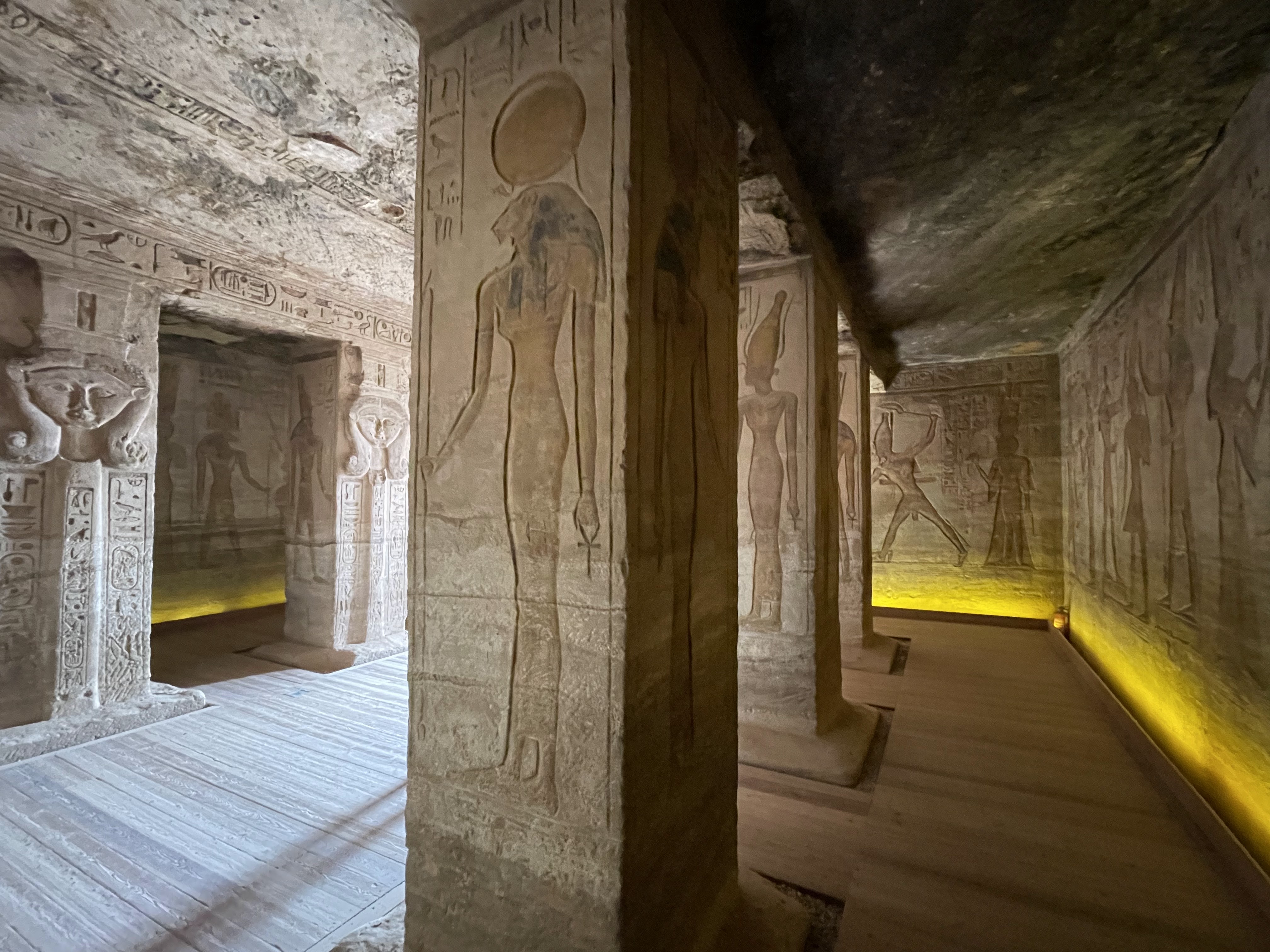
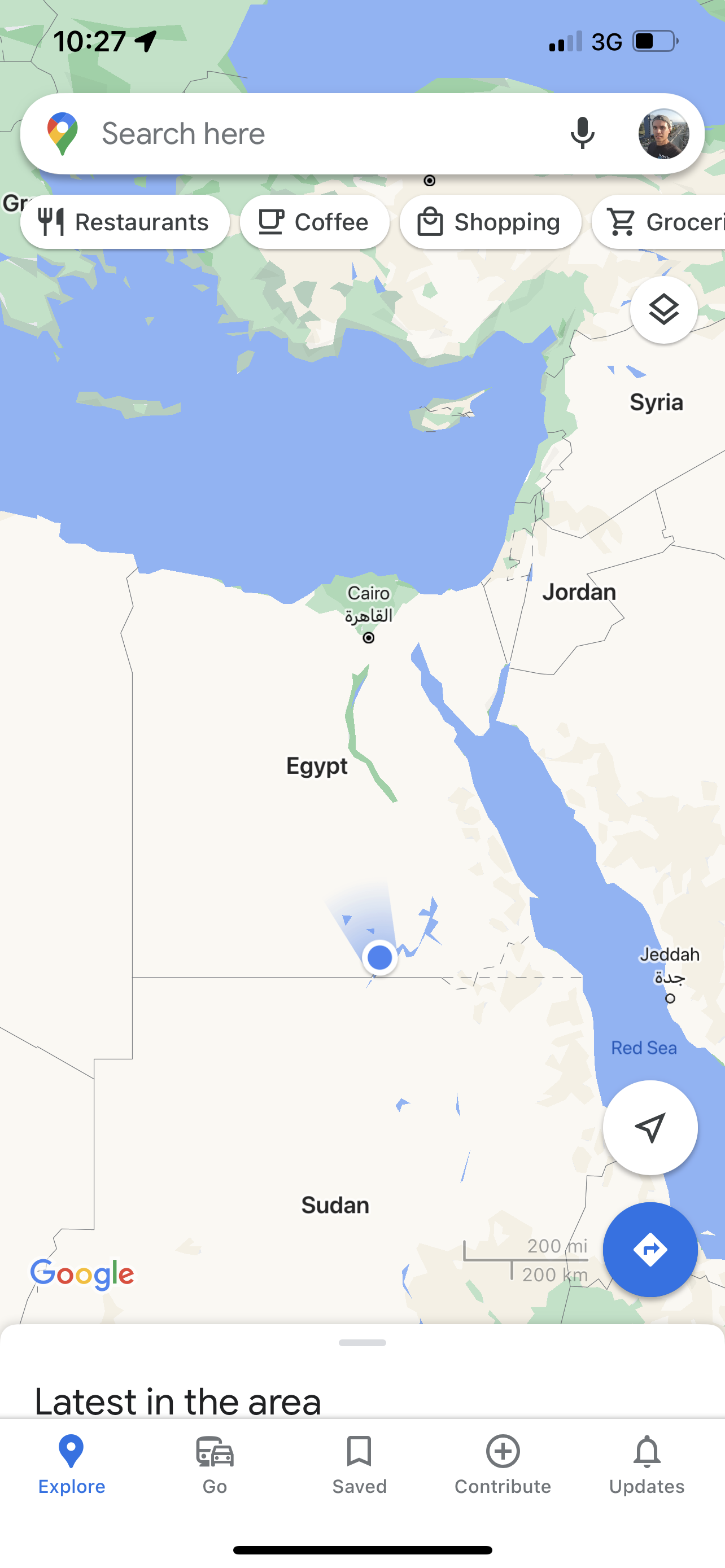
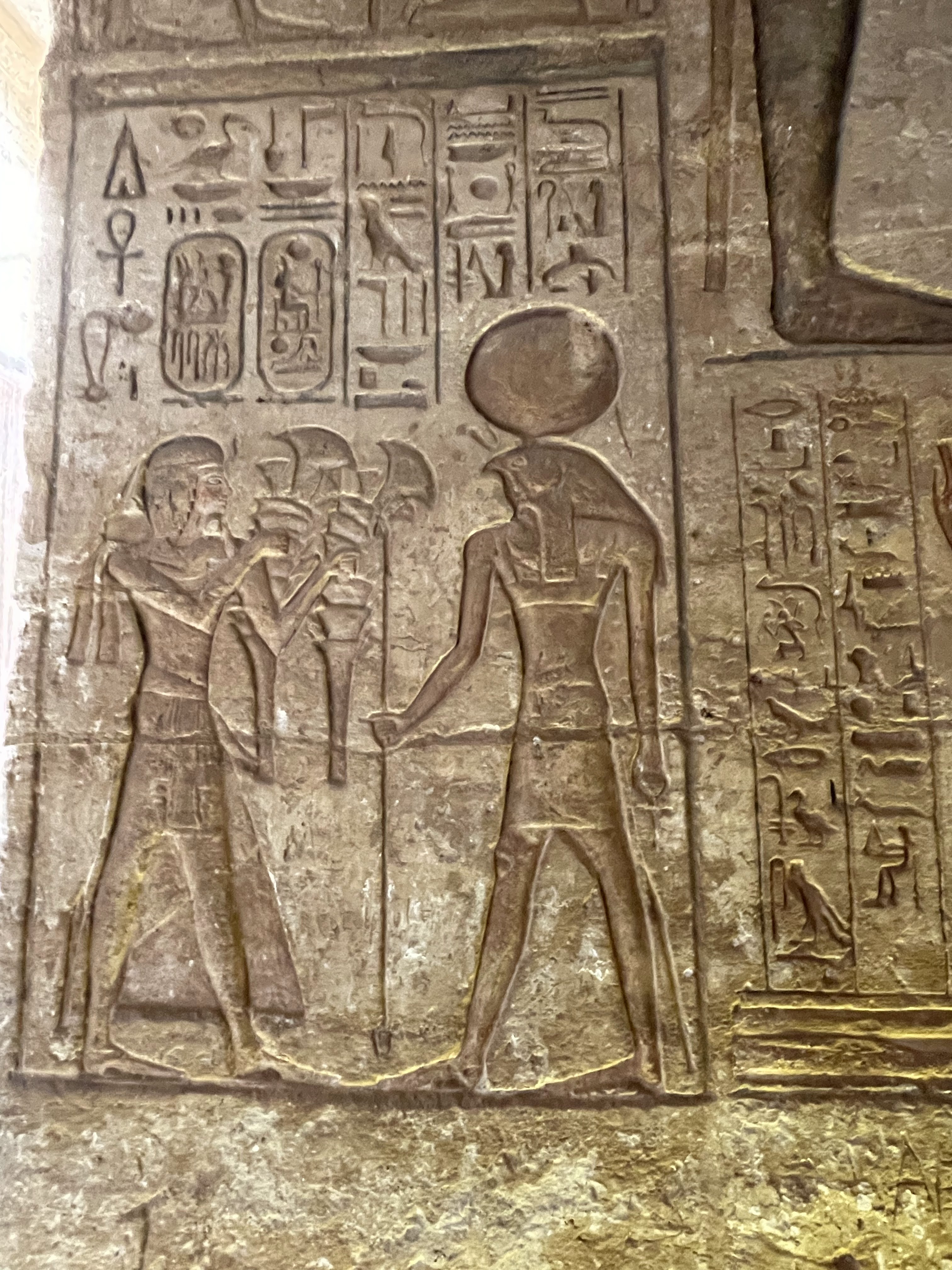
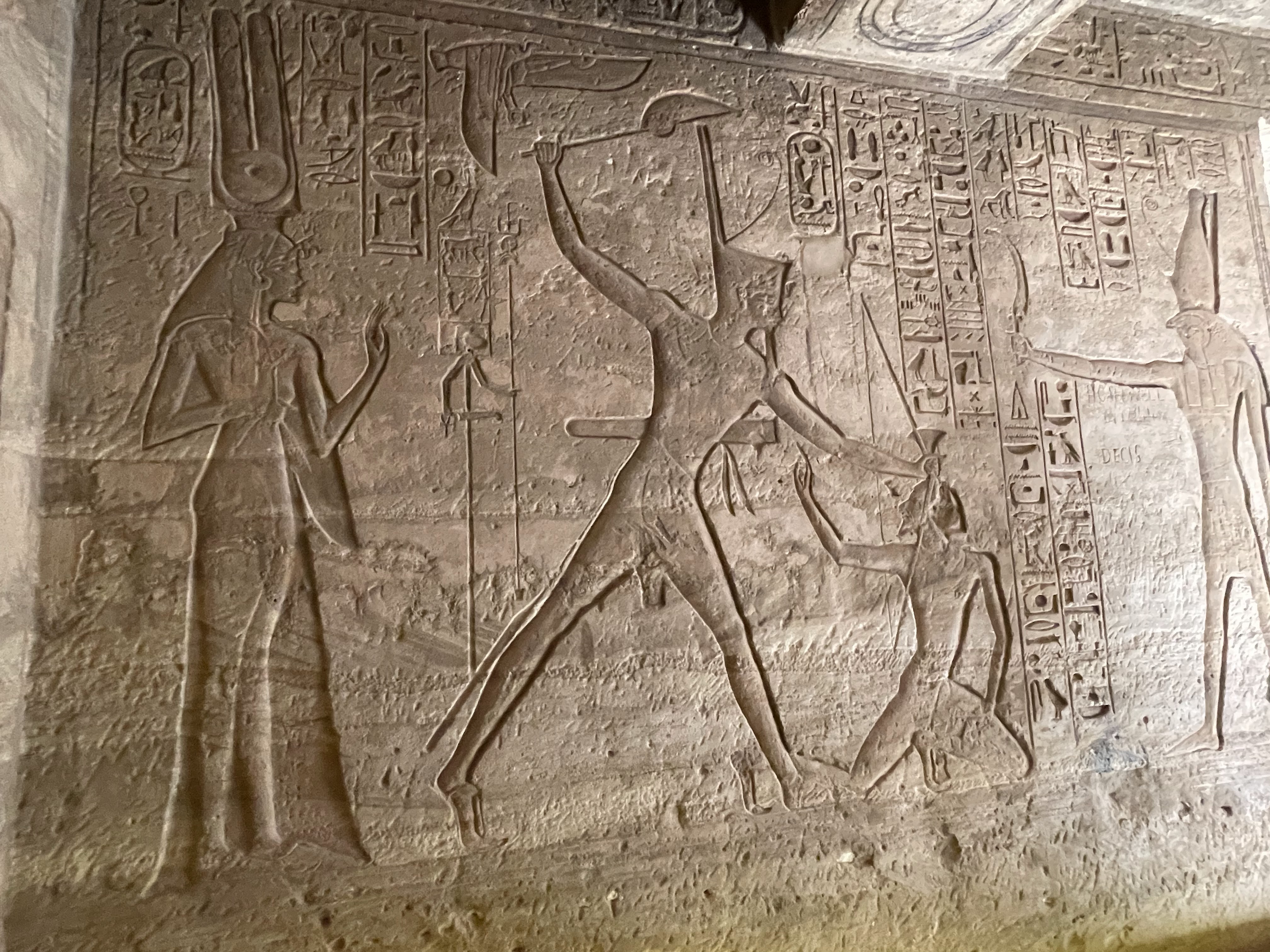
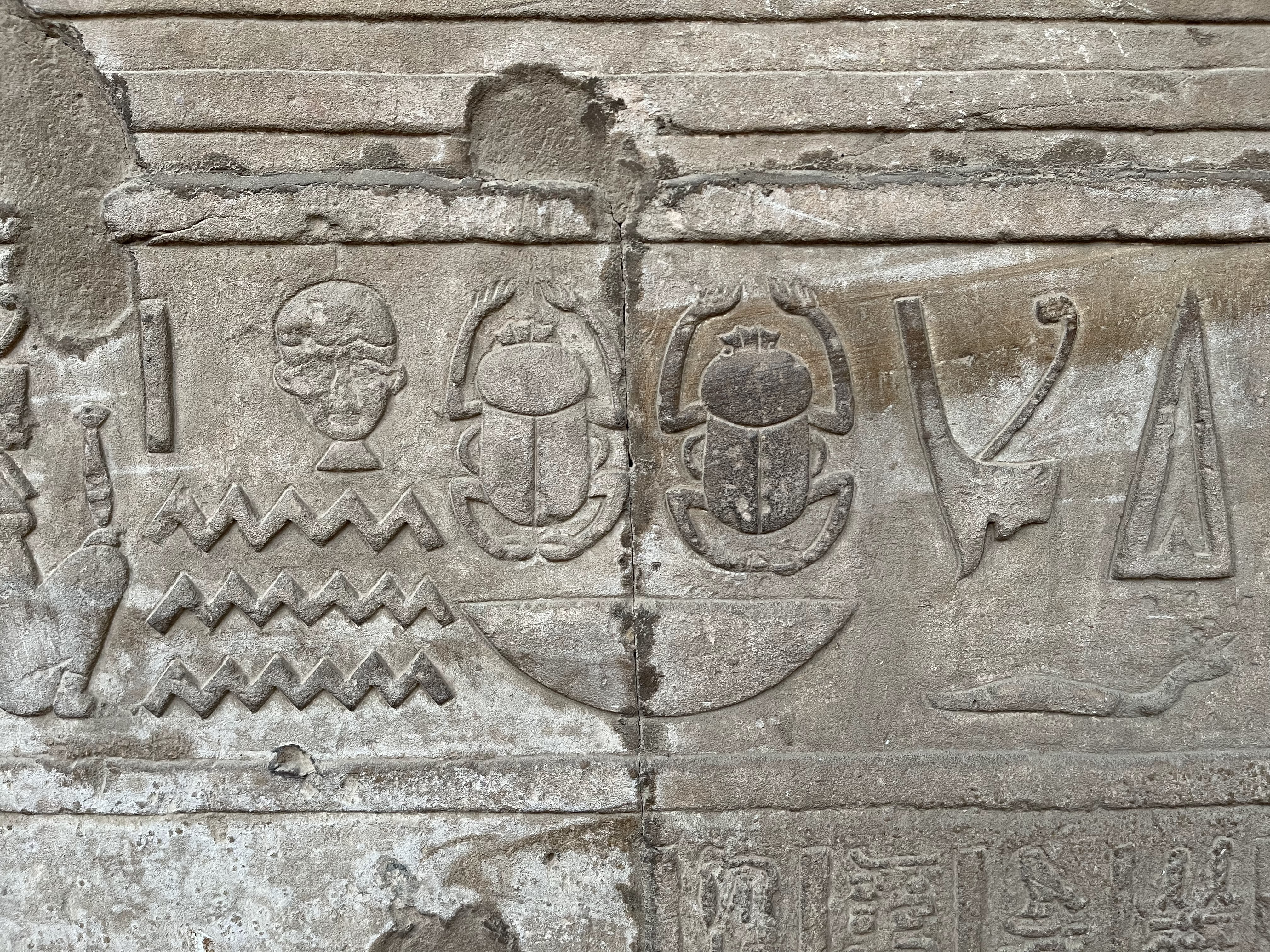
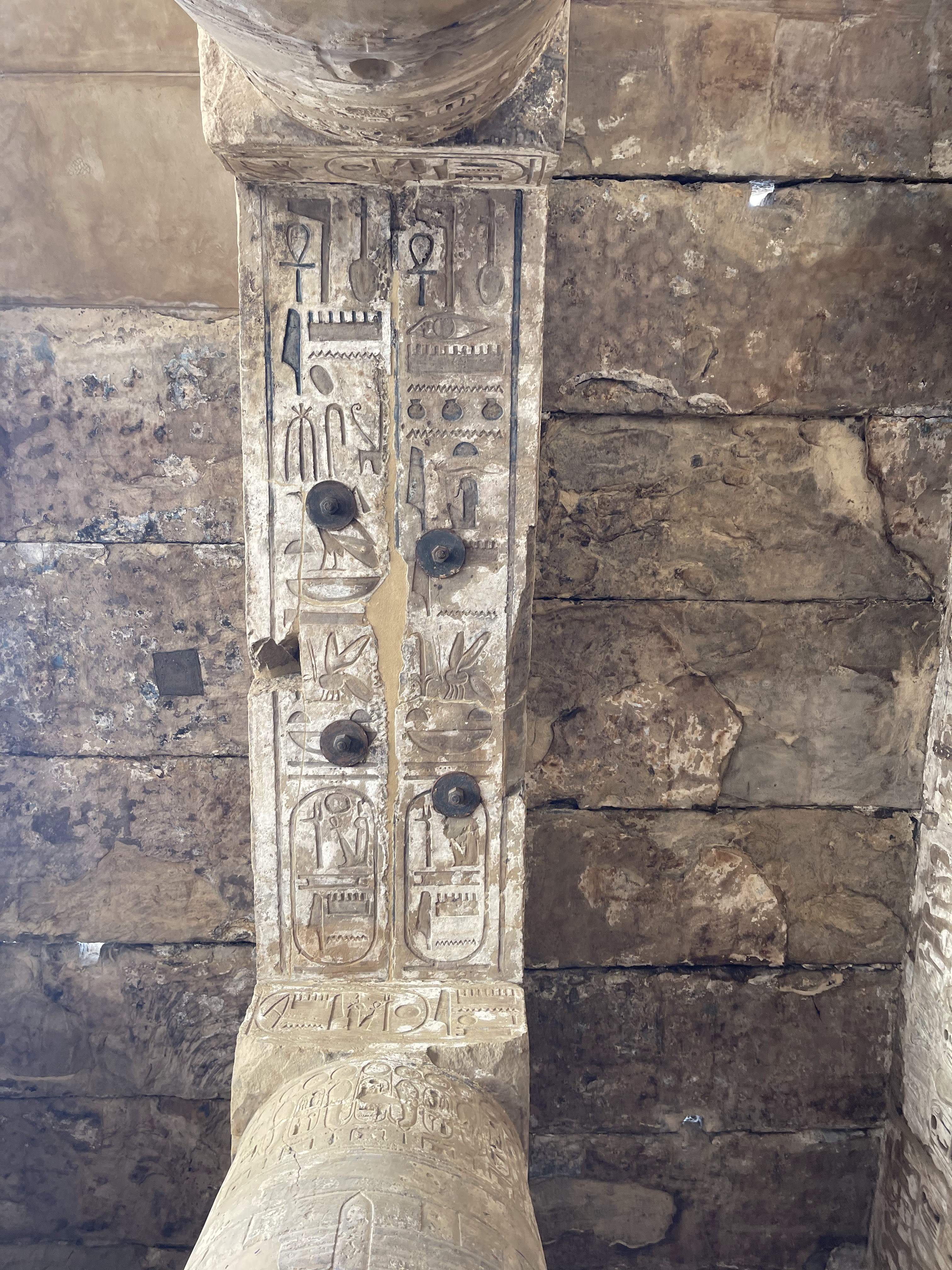
January 10th: Abu Simbel and the Temple of Hathor and Nefertari, Ramses II’s most favorite wife. Stepping foot into Abu Simbel, thoughts begin spinning while carefully considering the grandeur of Ramses the second’s ostentatious sculpture. Built into the side of a mountain his statues look out into Nasser Lake along with Horus and other deities. Many well-designed scenes from the book of the dead plastered the limestone and sandstone walls both inside and outside of the temple. After seeing the splendor and craftsmanship of these two temples, it was clear that Rameses II had an ego. Long live the egomaniac rulers of history…inside the temple walls are inscriptions of war scenes from the Battle of Kadesh and polytheistic images of Horus, Osiris, and Isis among many others. The cartouche (nameplates) inscriptions were particularly artful. Images such as the lotus, papyrus, solar boat, ank (key of life), and beetle can be seen throughout the temple.











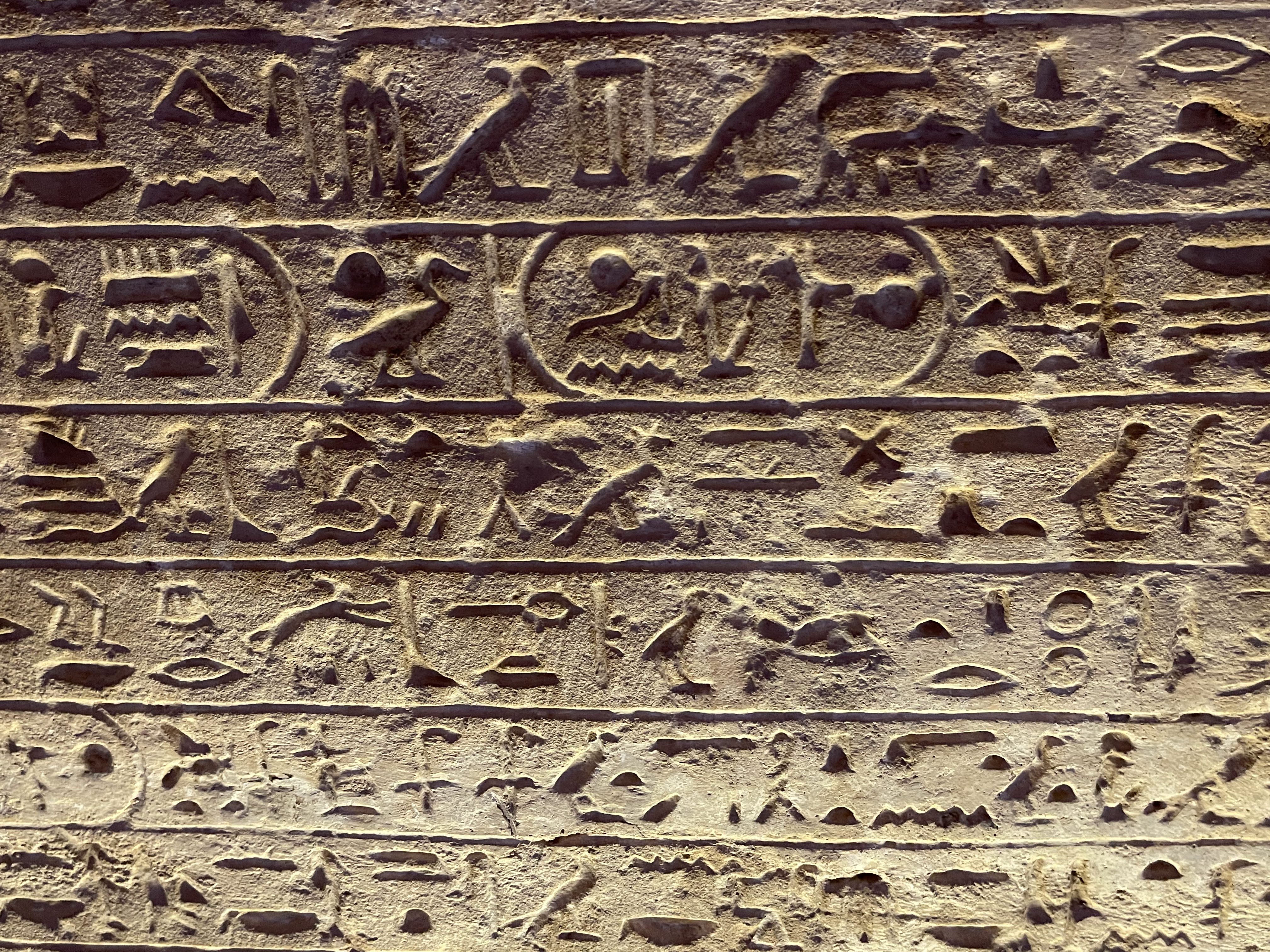
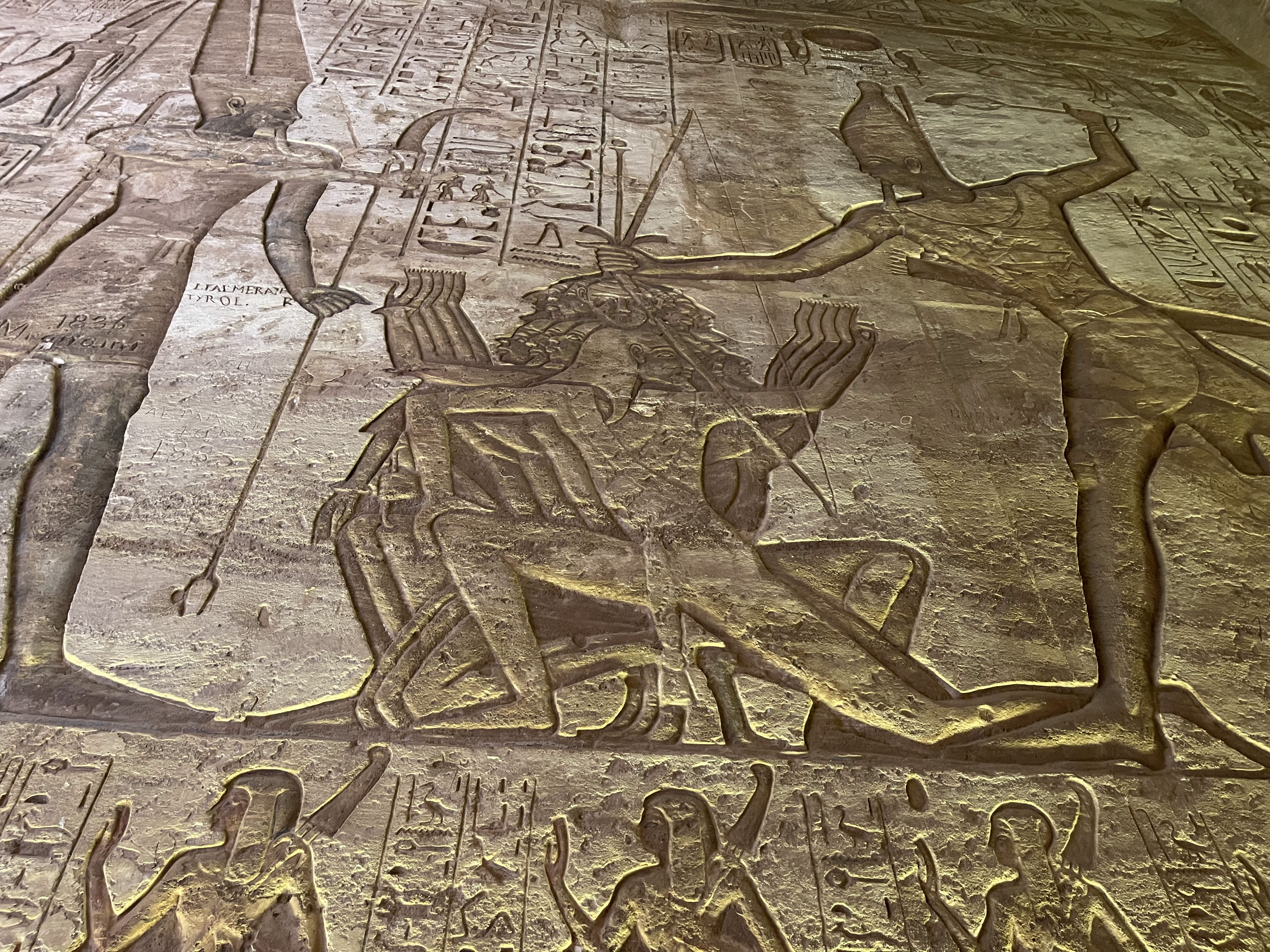
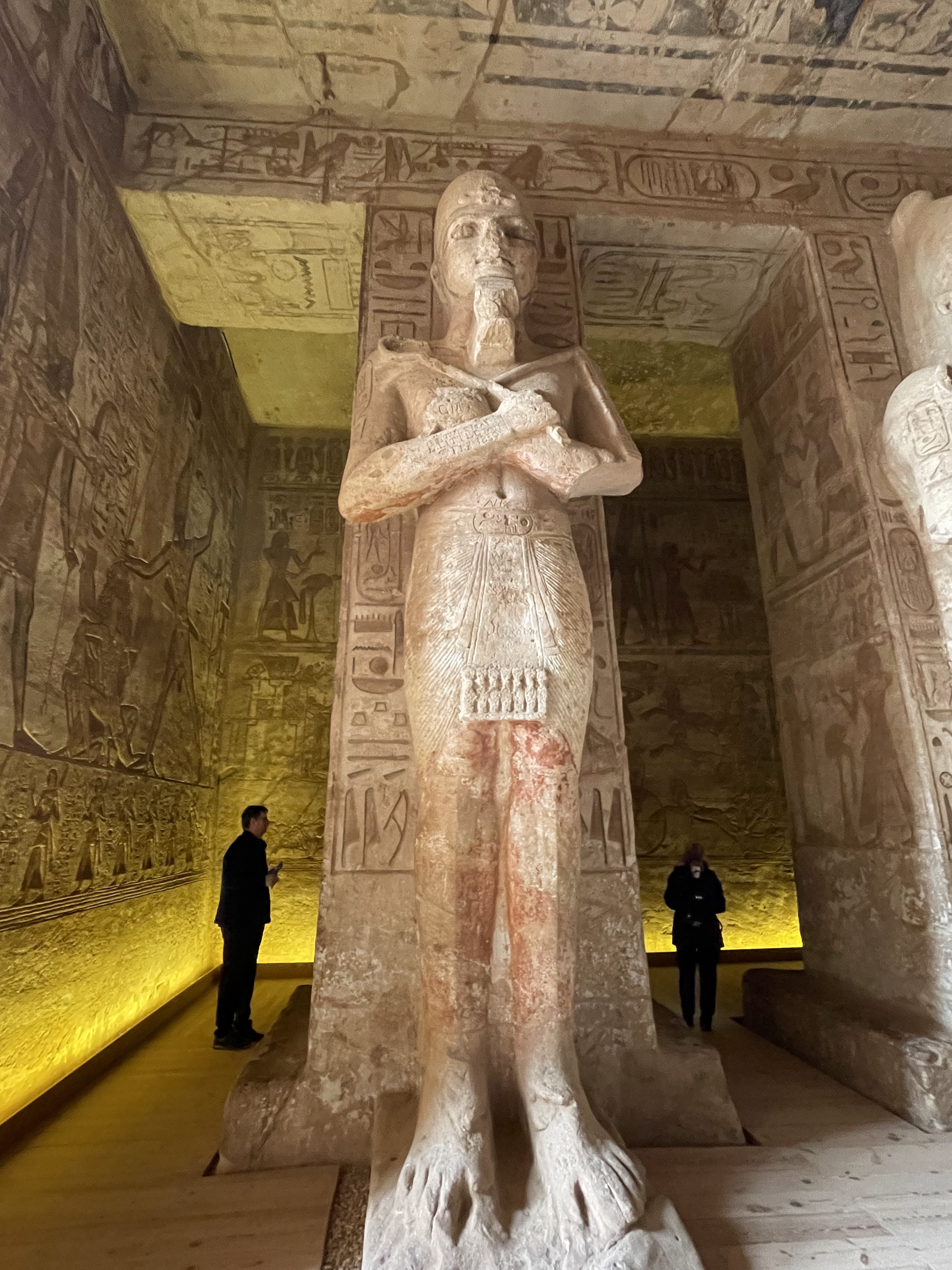

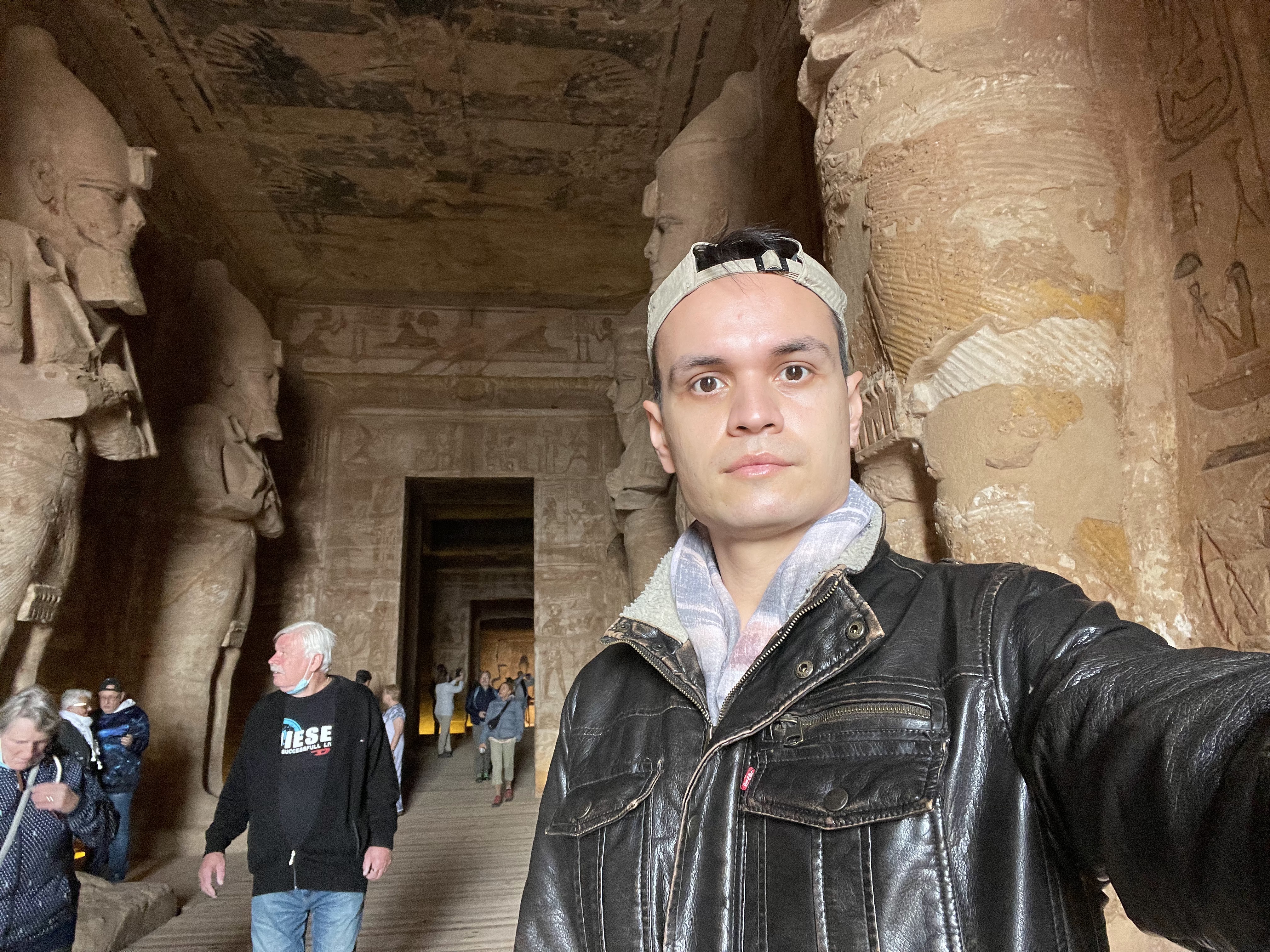

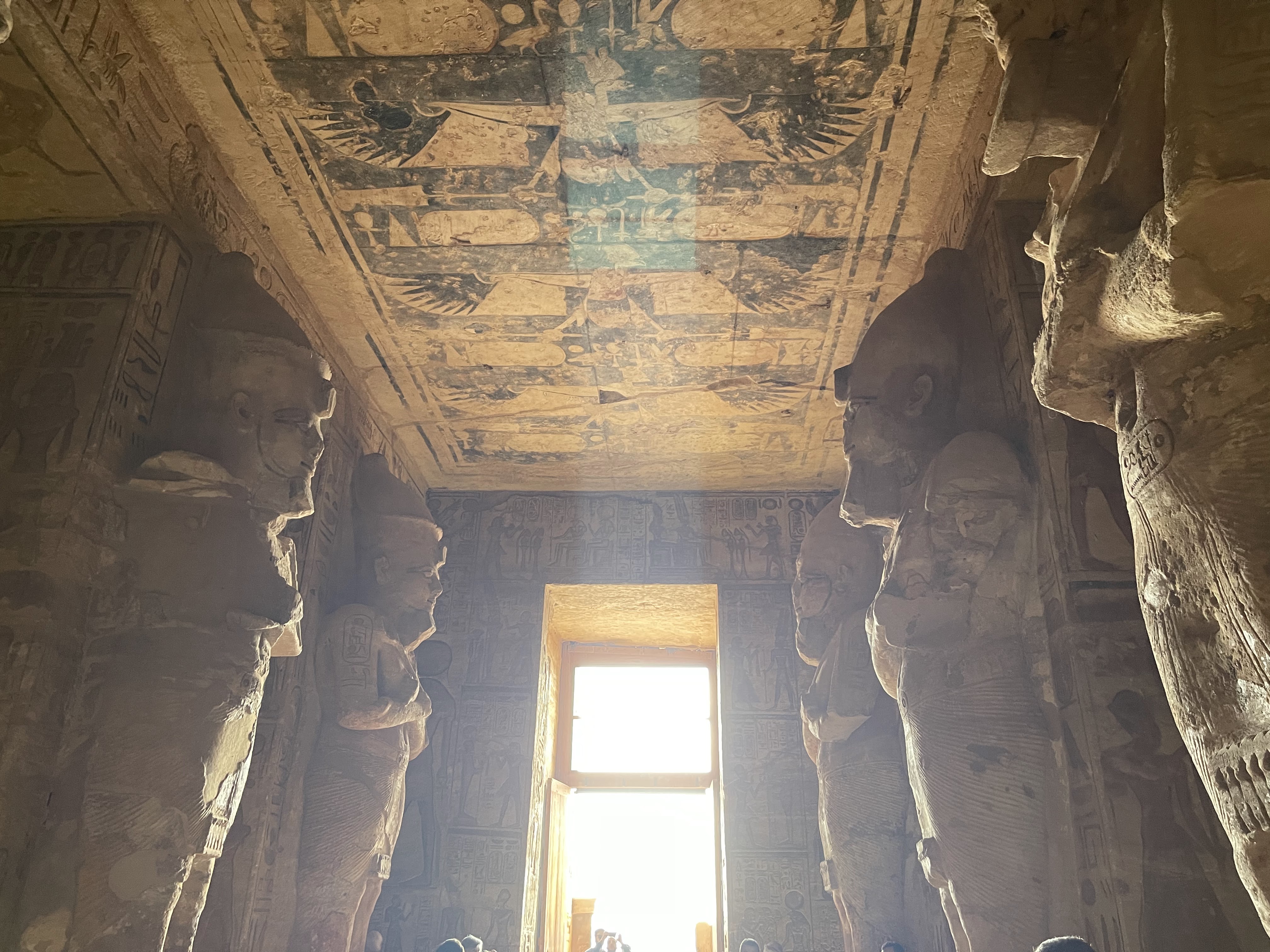


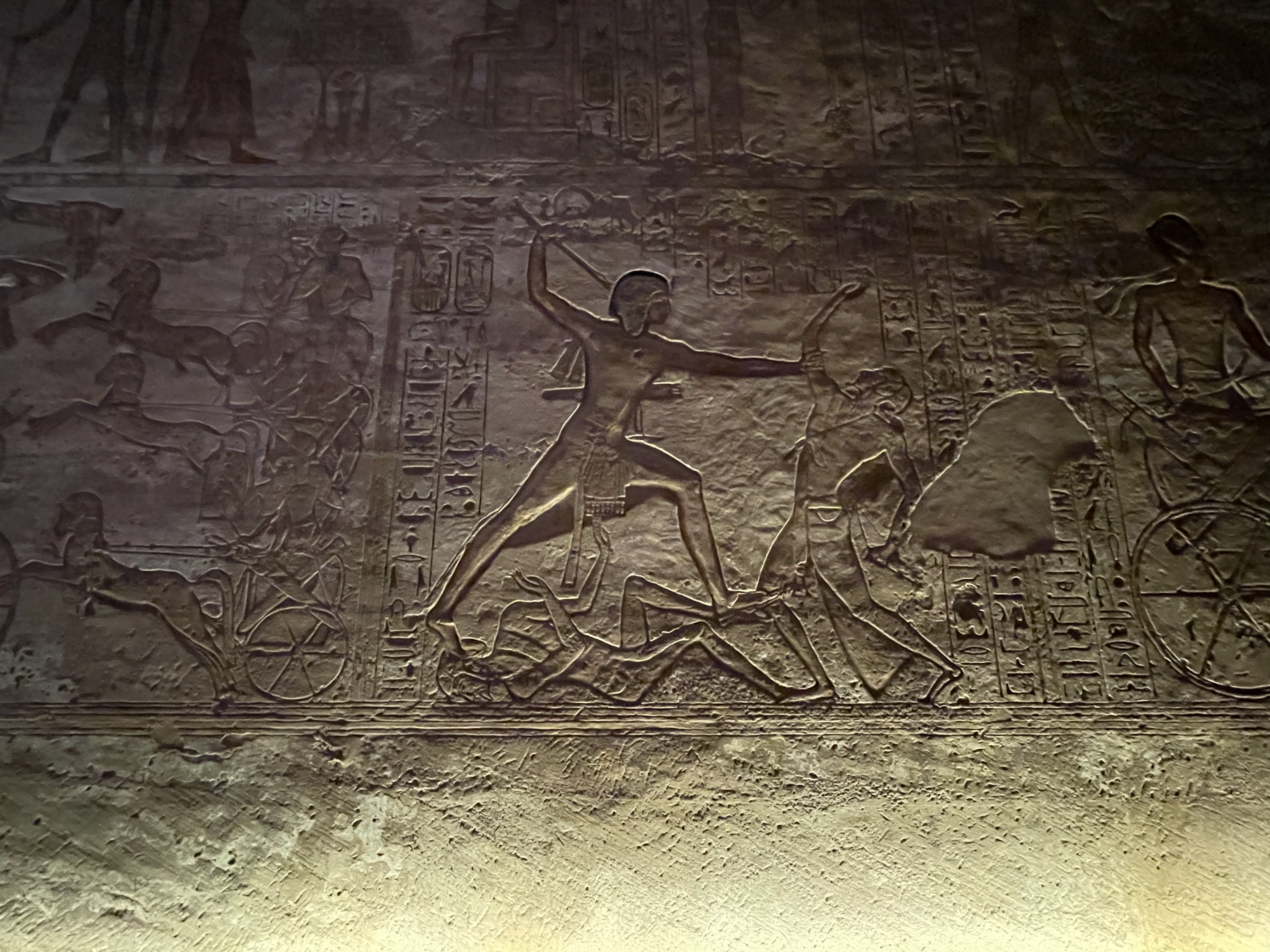
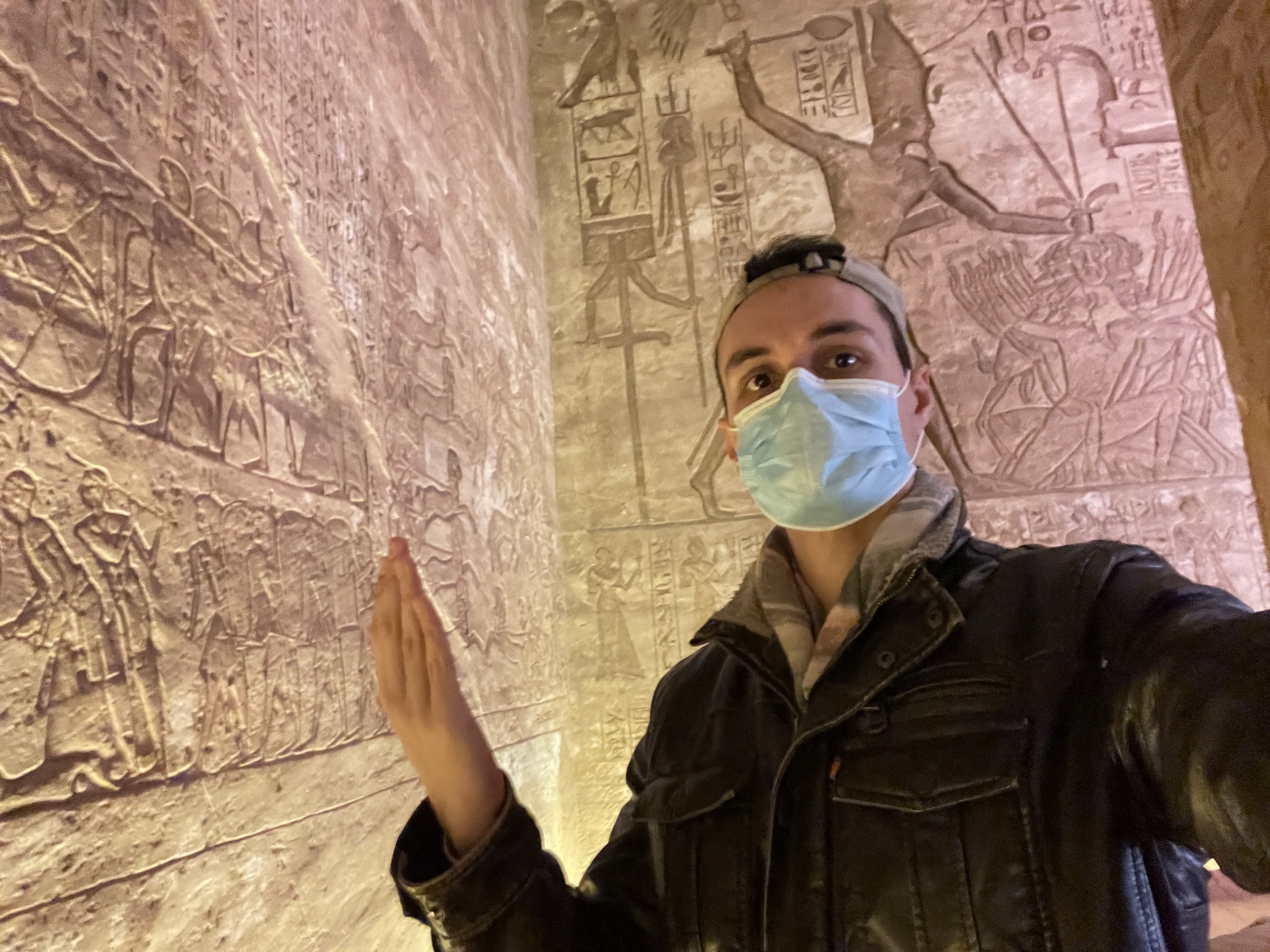
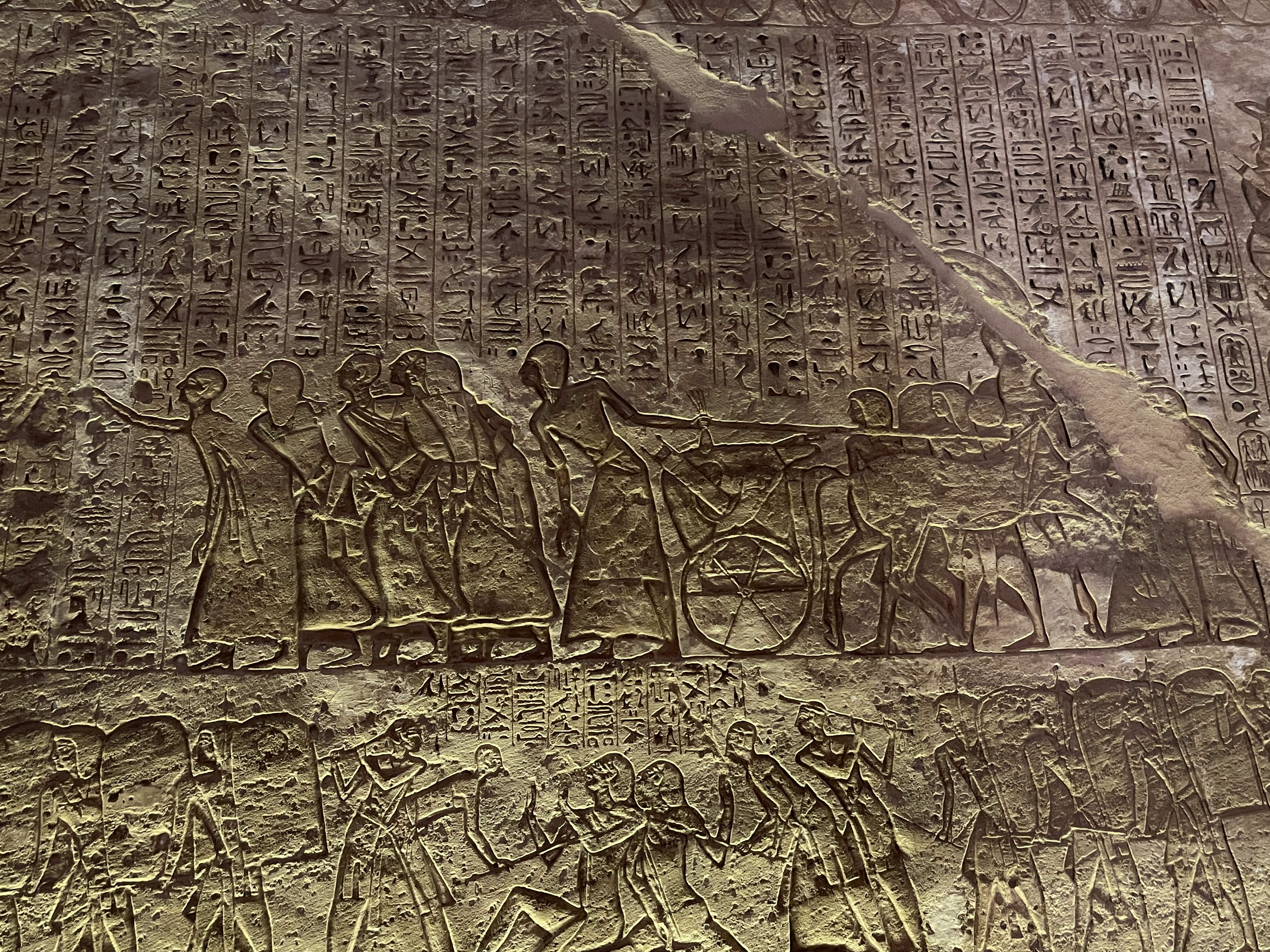
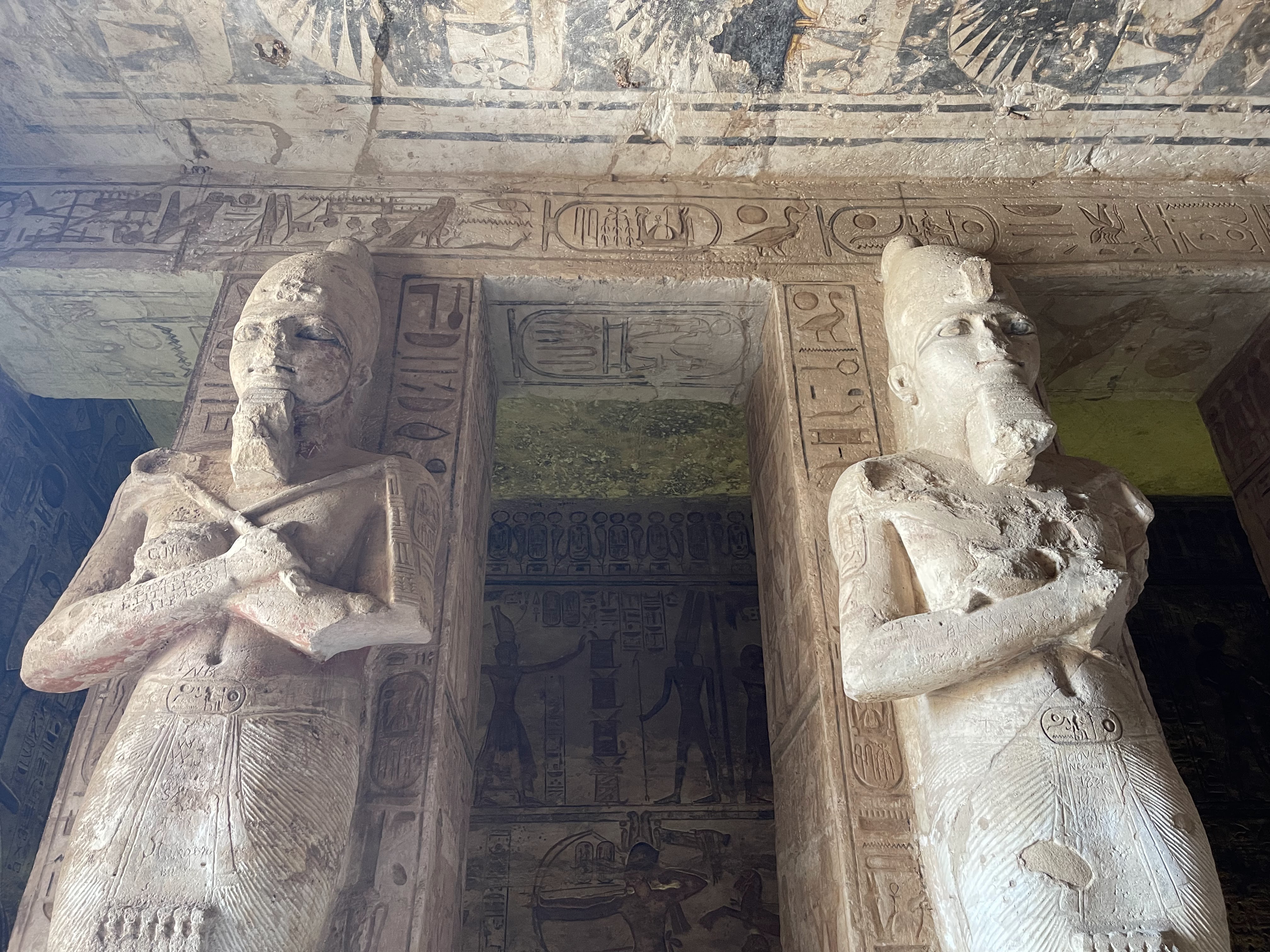

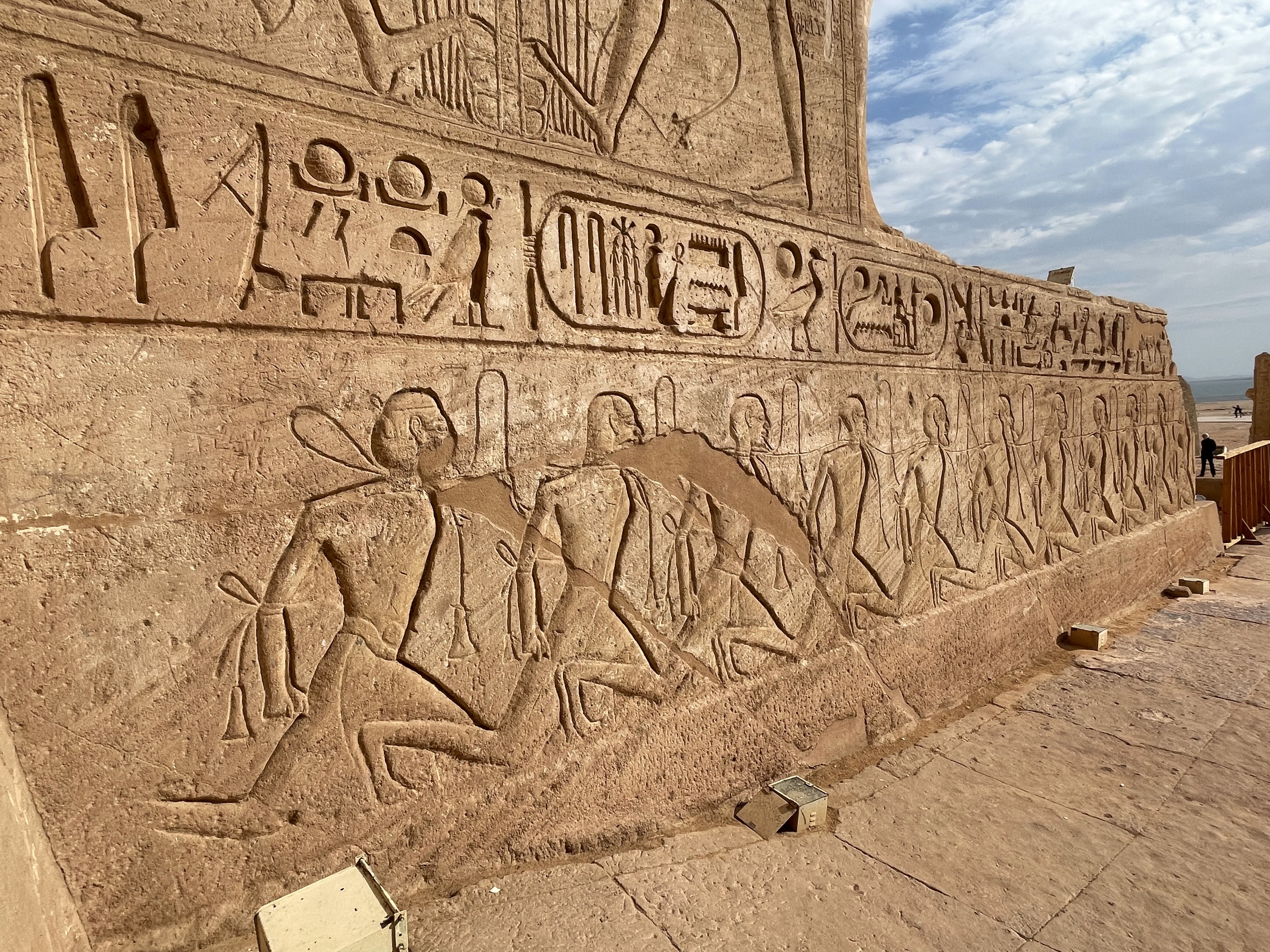
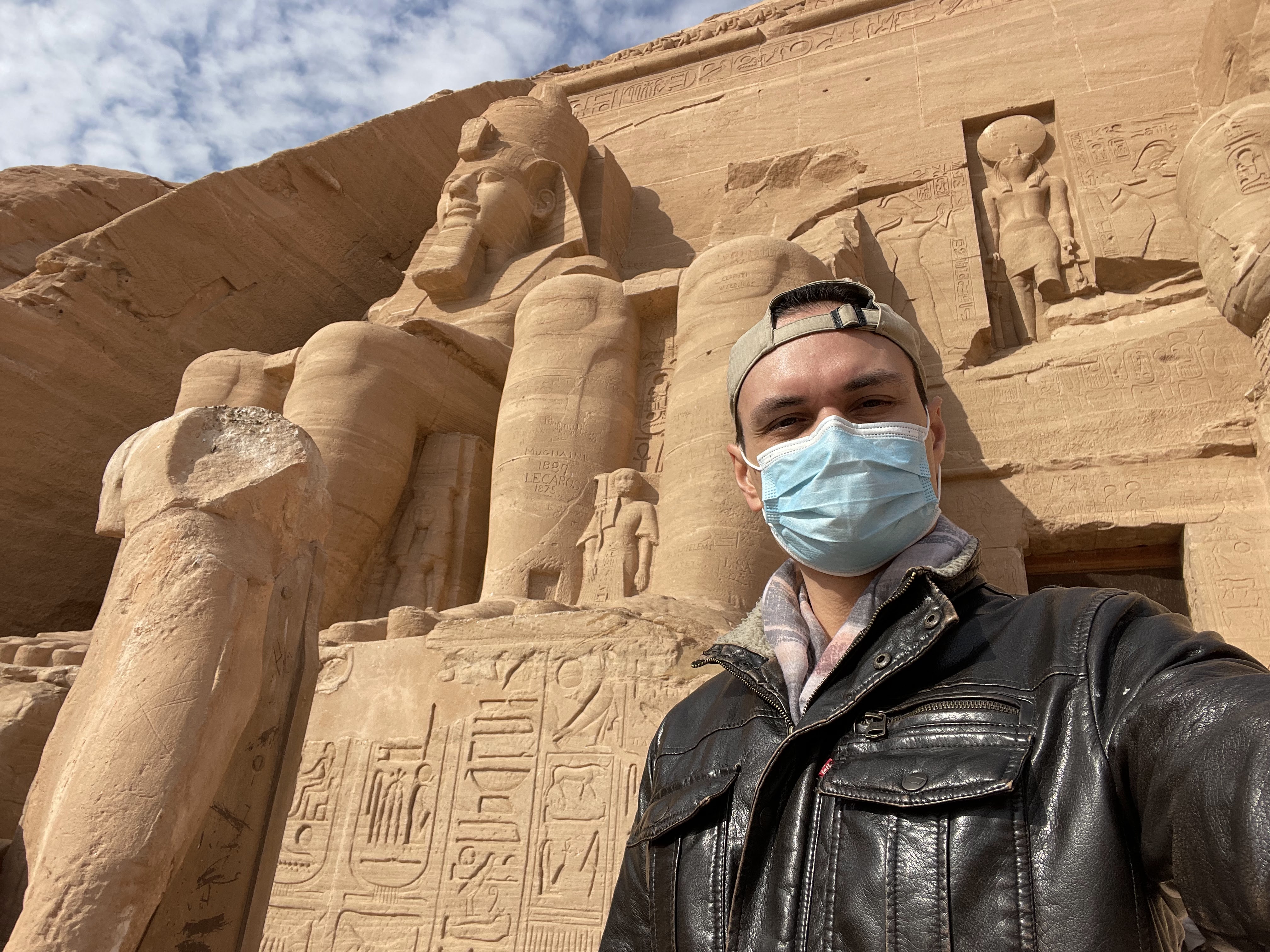

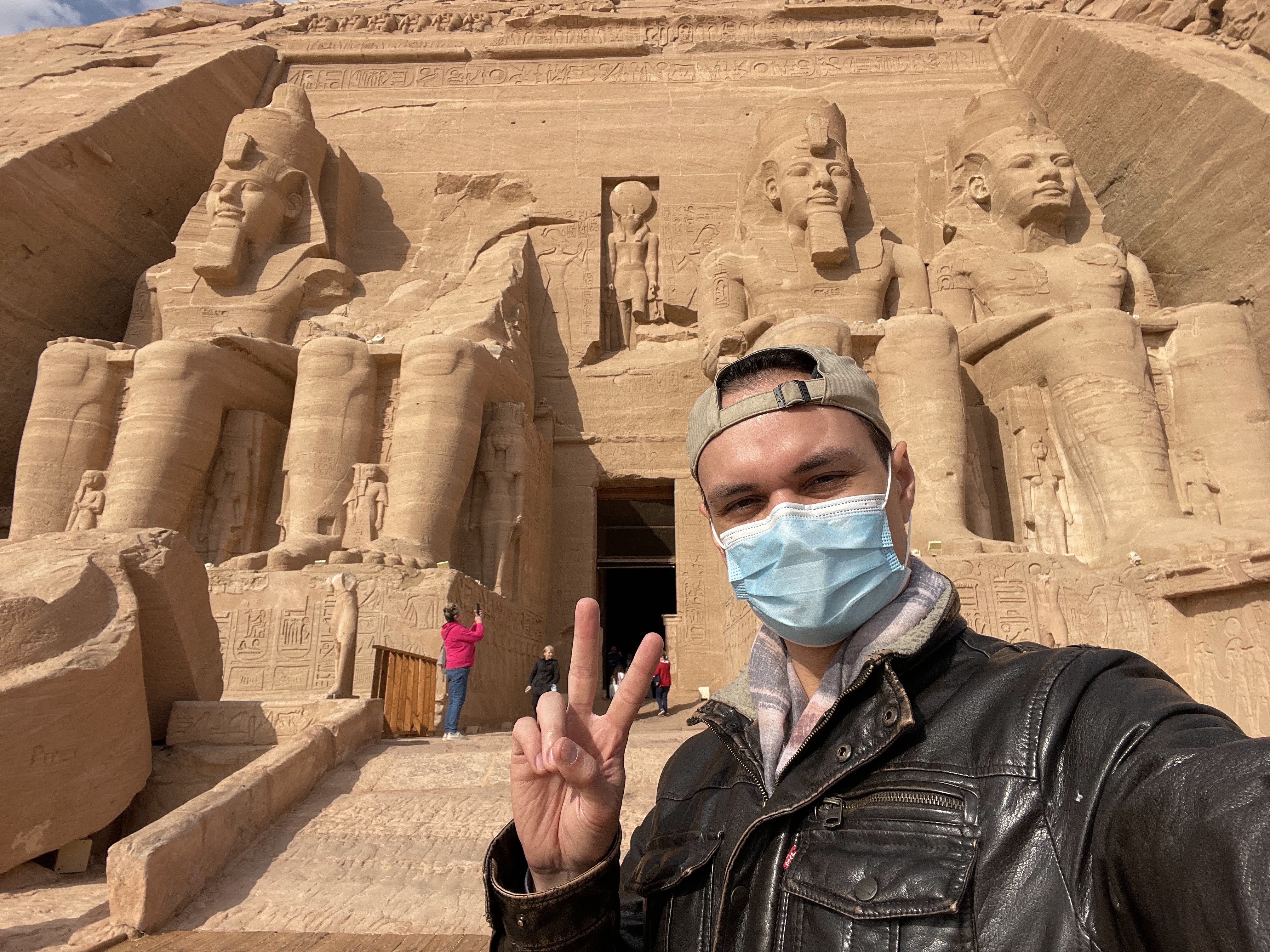



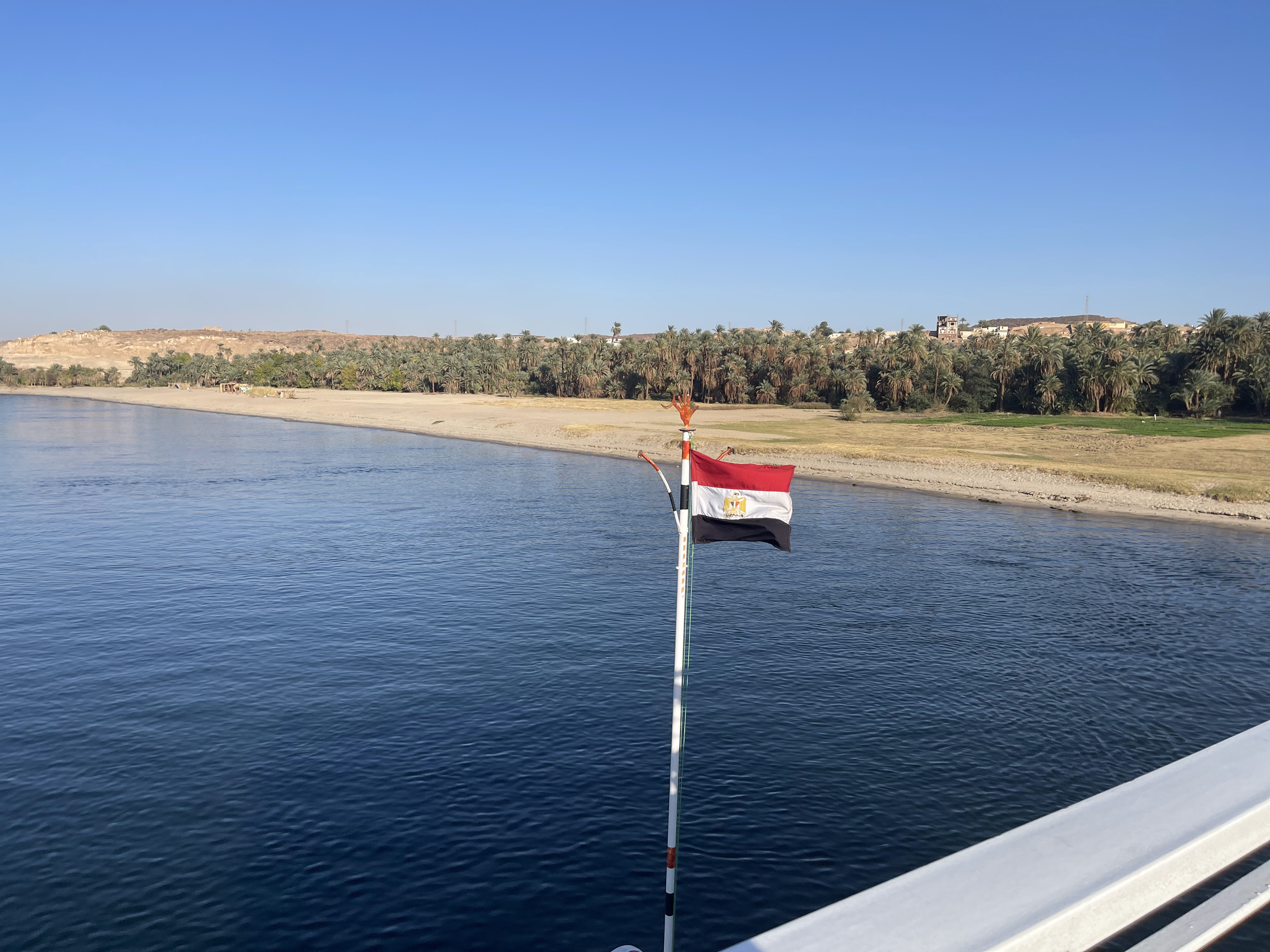
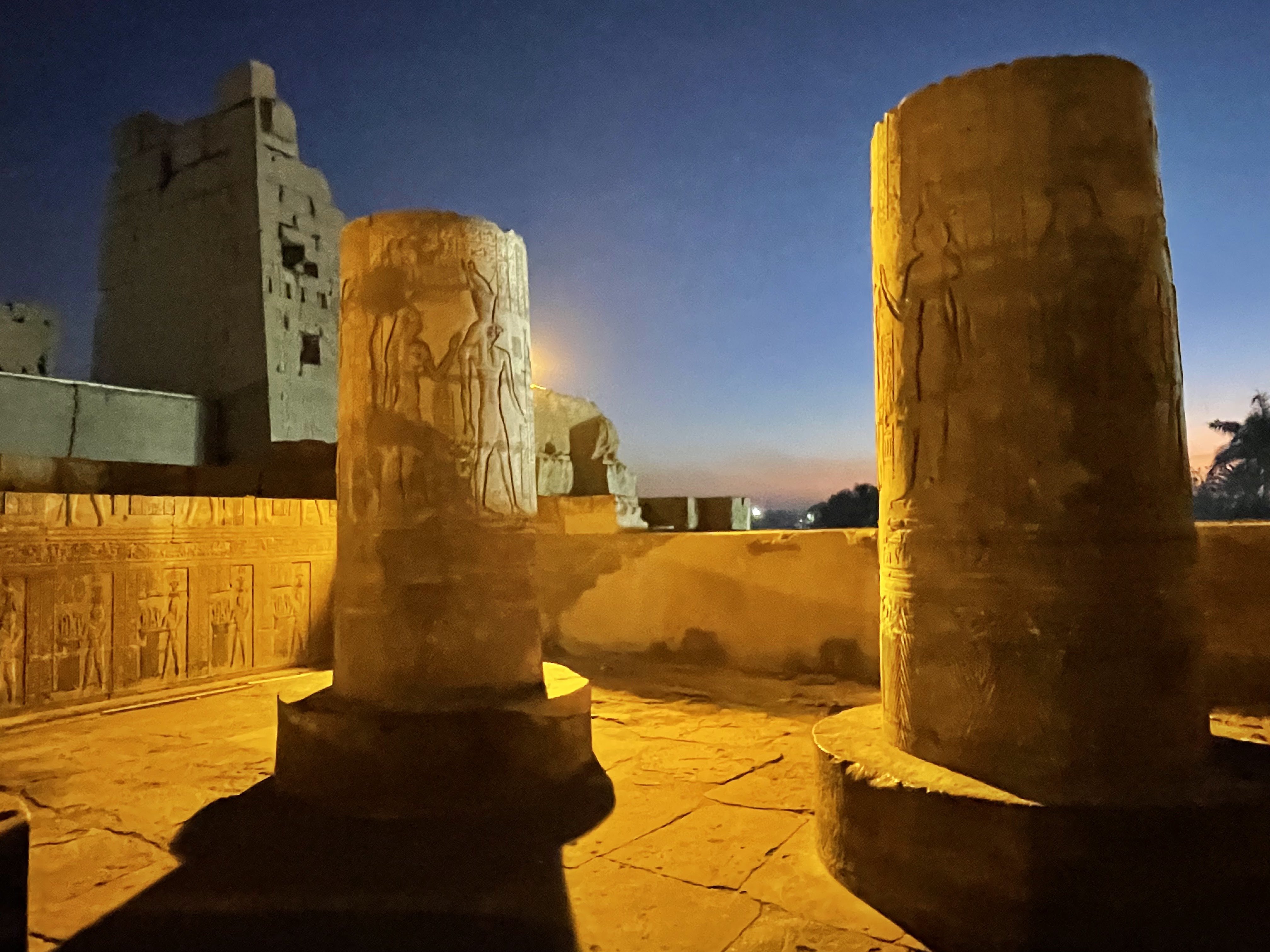
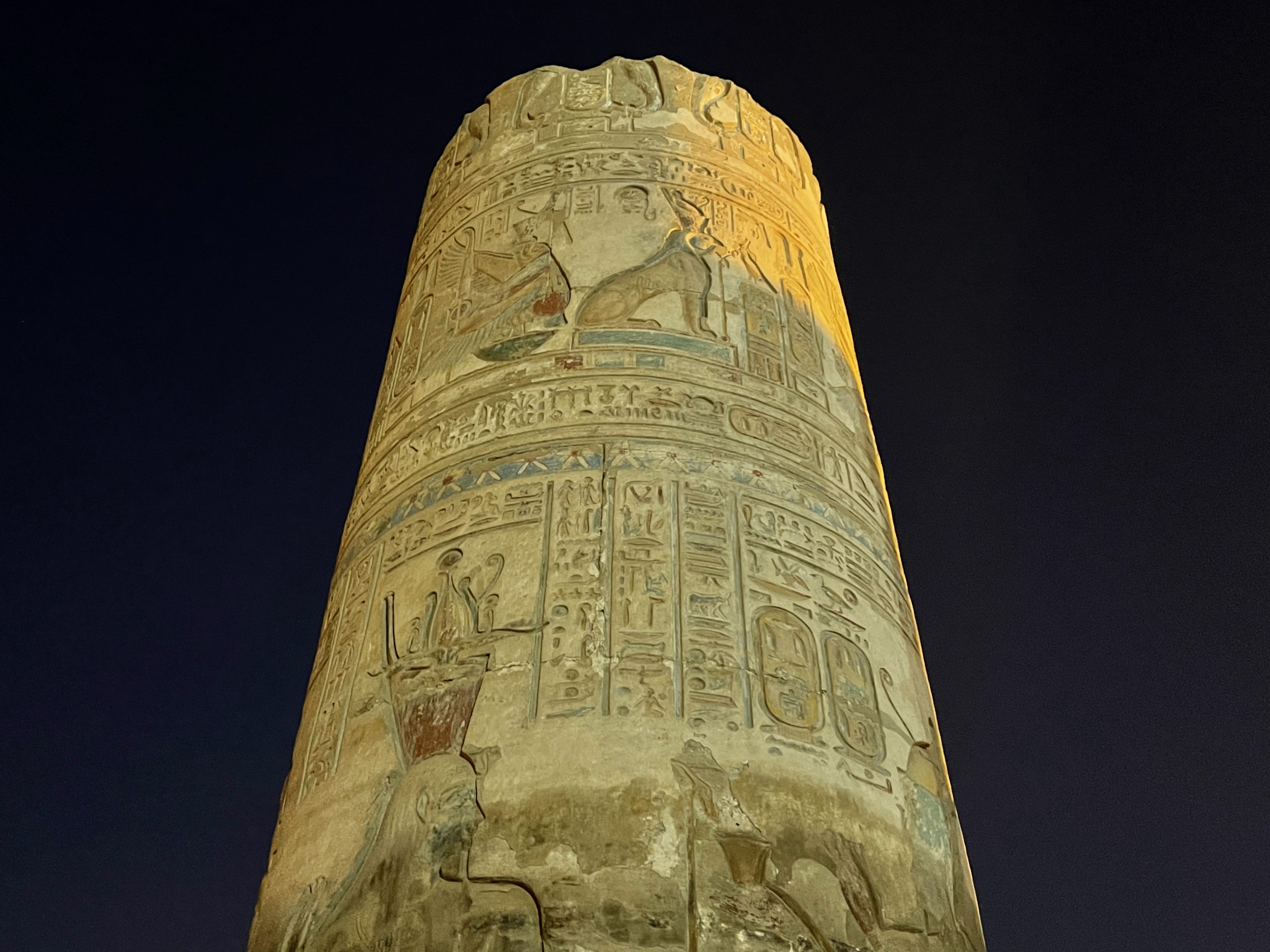
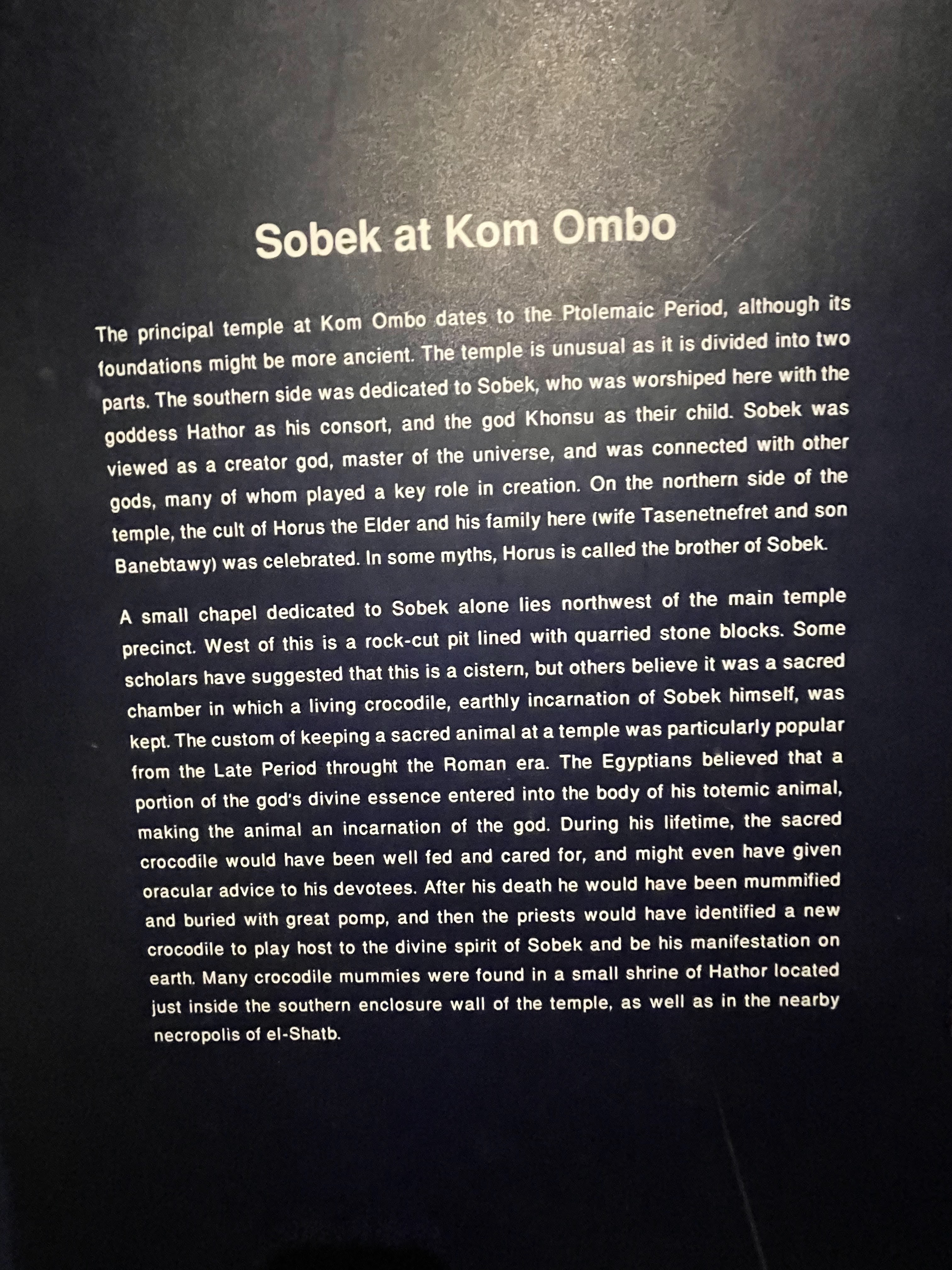
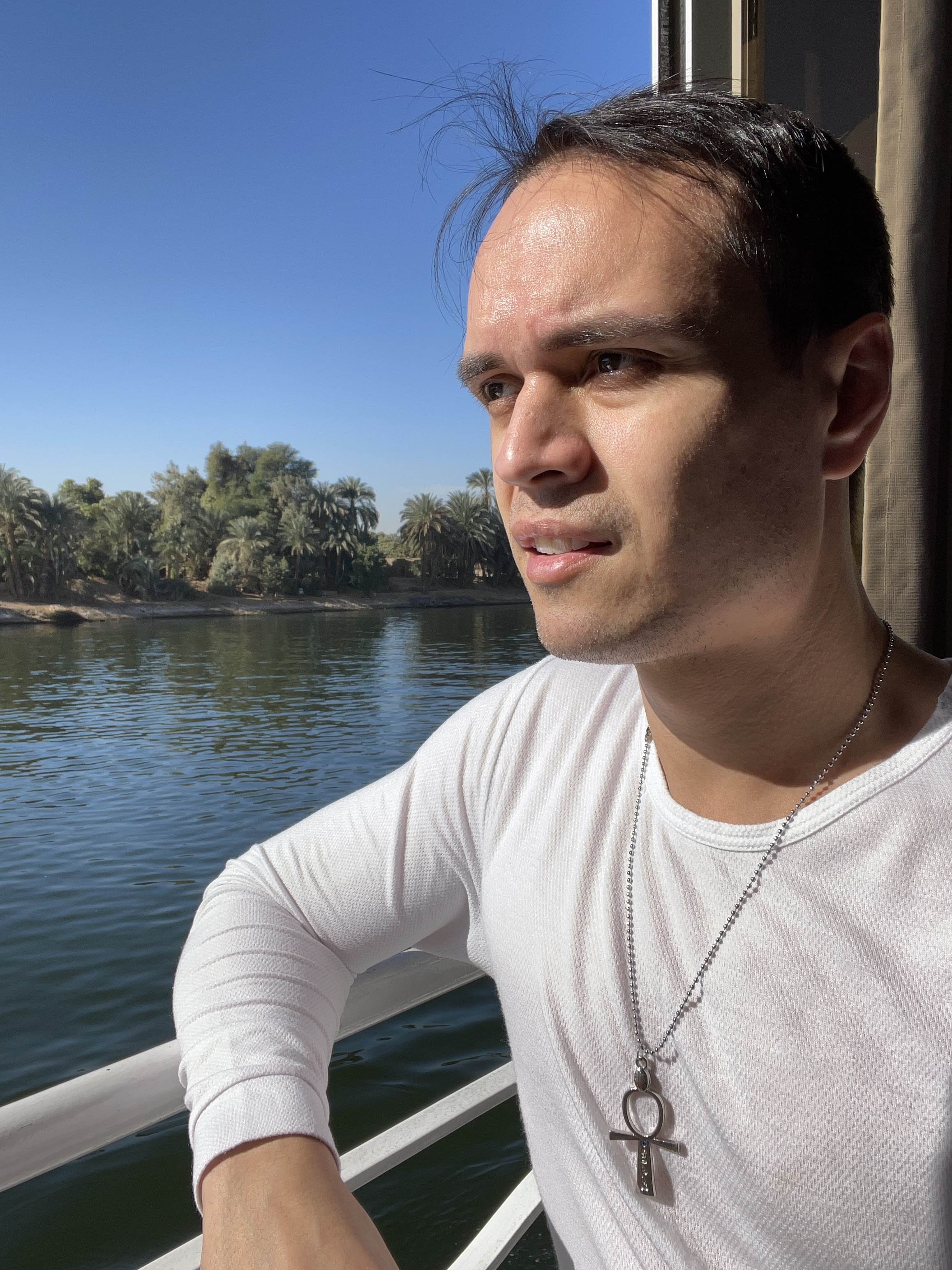
January 11th: Kom Ombo Temple, another Ptolemaic Greco-Roman Temple, was constructed in honor of Sobek the crocodile god, and Horus, the falcon god, thus making it unique. Also pictured: my cruise ship, an Aswan bazaar where I purchased an Ank necklace, and some nice scenery from the cruise deck. If I look tired in the photos it’s because my Egyptologist on this trip talked the whole time I was there and it was a lot of information! If you look closely at the pillars at this temple, some of the colors are still preserved. Now imagine, the ENTIRE TEMPLE in color. All the temples were covered with unique colors, but they have since eroded. Here is some more information on the topic: Color in Ancient Egypt. According to Egyptologists, “color was regarded as an integral element of all art representations, including wall-scenes, statuary, tomb goods, and jewelry, and the magical qualities of a specific color were believed to become a part of any object to which it was added” (worldhistory.org). Furthermore, “artisans began to observe the natural occurrence of colors in their surroundings and pulverized various oxides and other materials to develop the hues they desired” (Egyptologist Margaret Bunson, worldhistory.org).
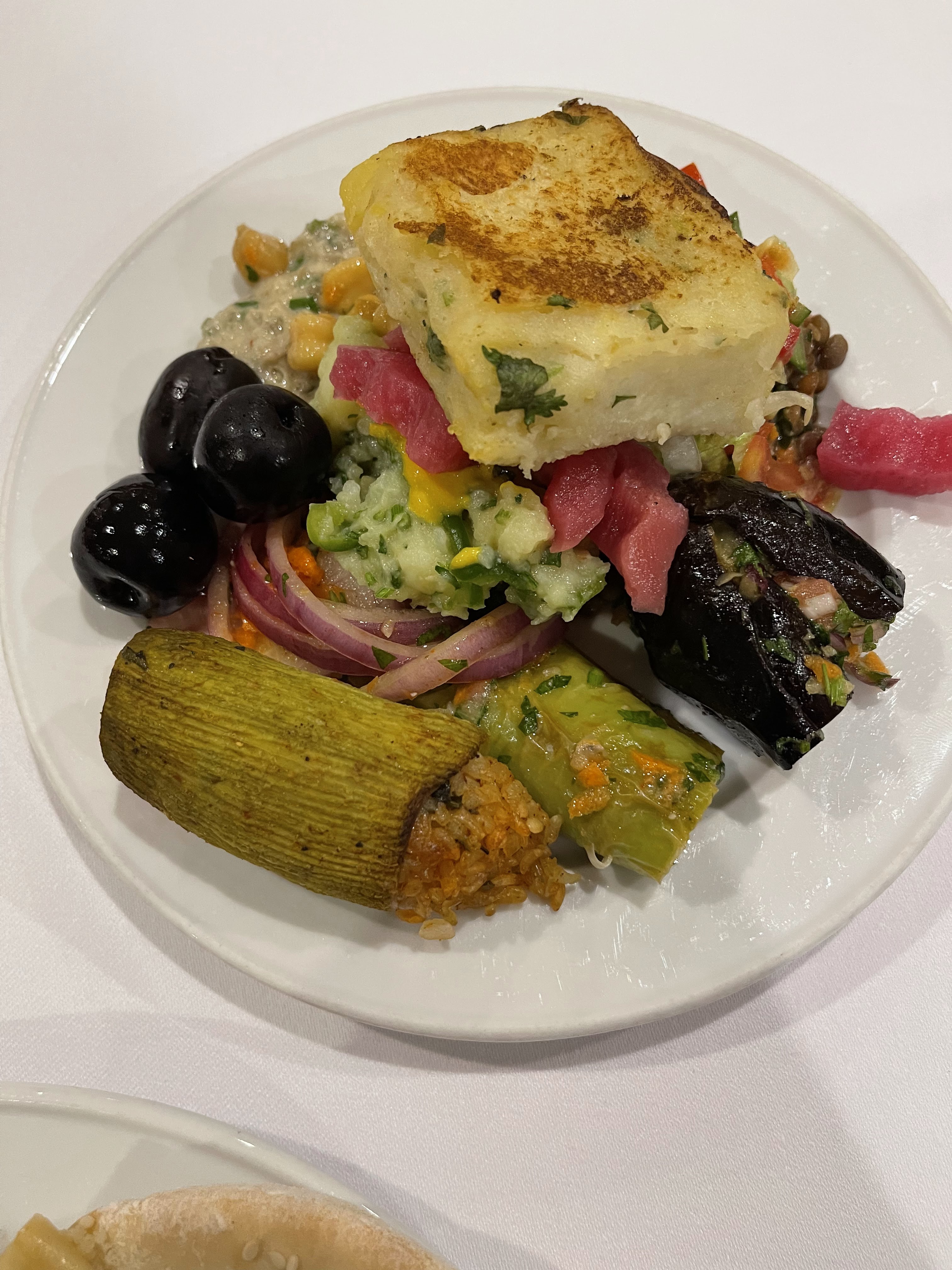
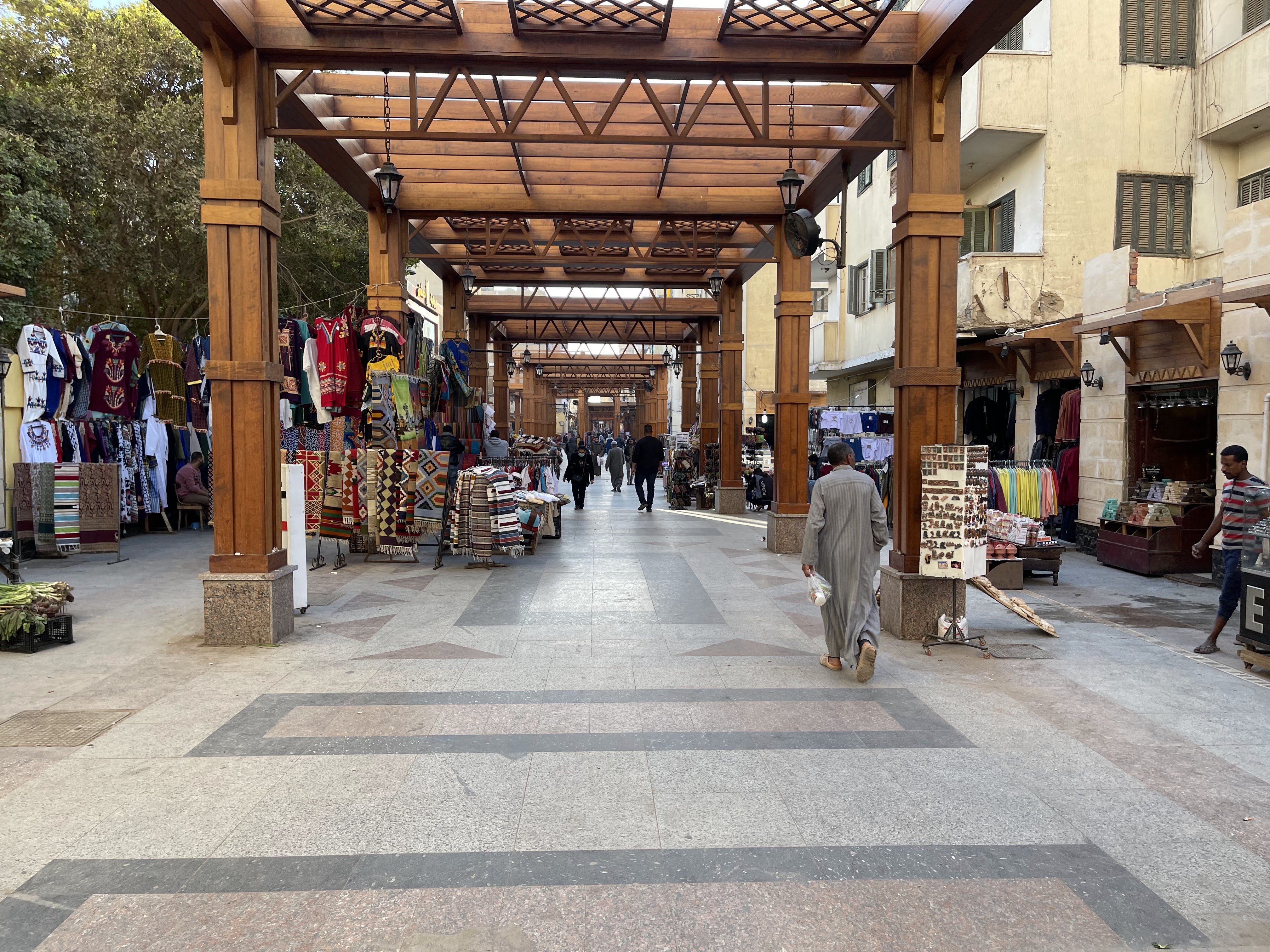
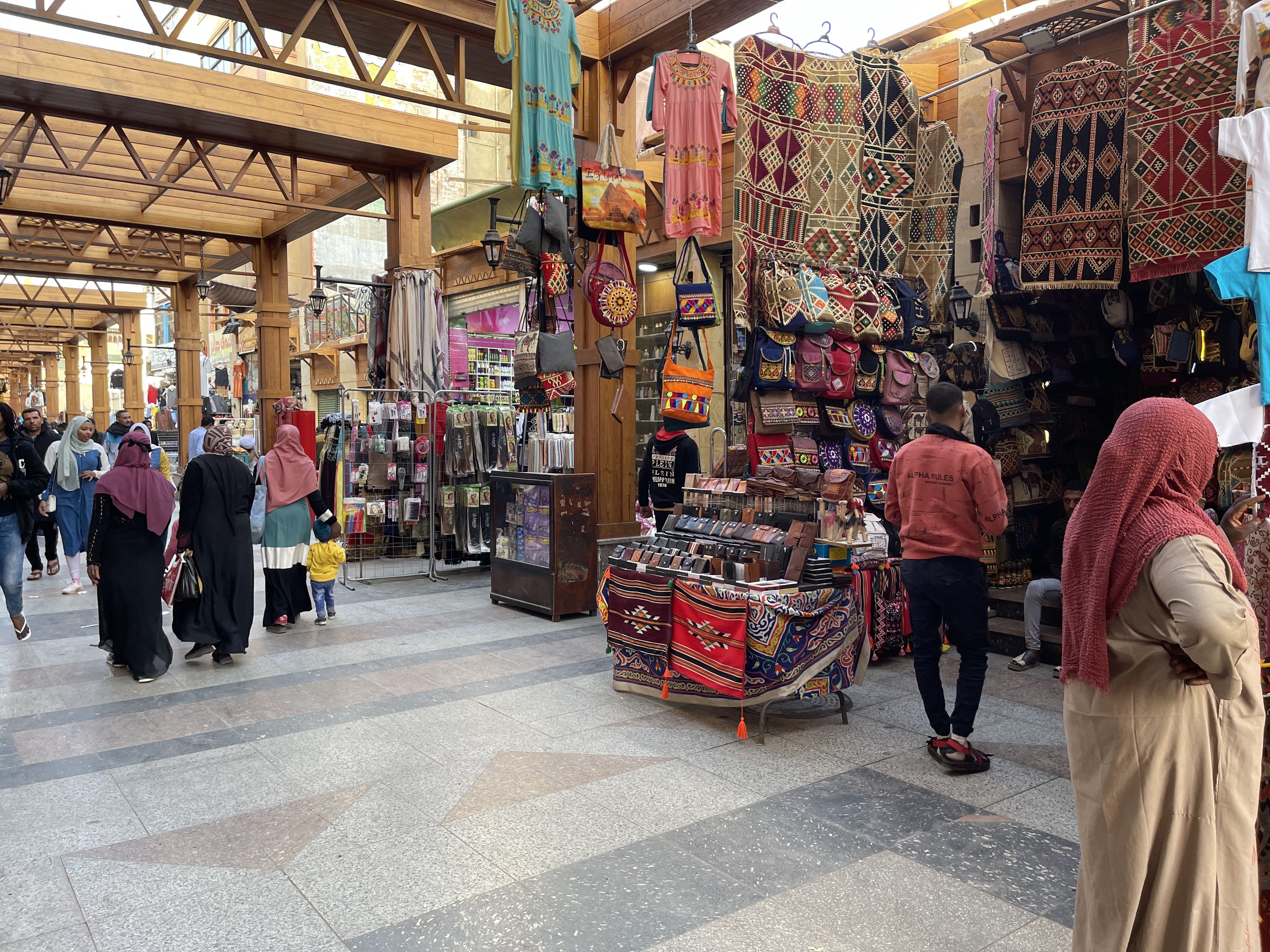
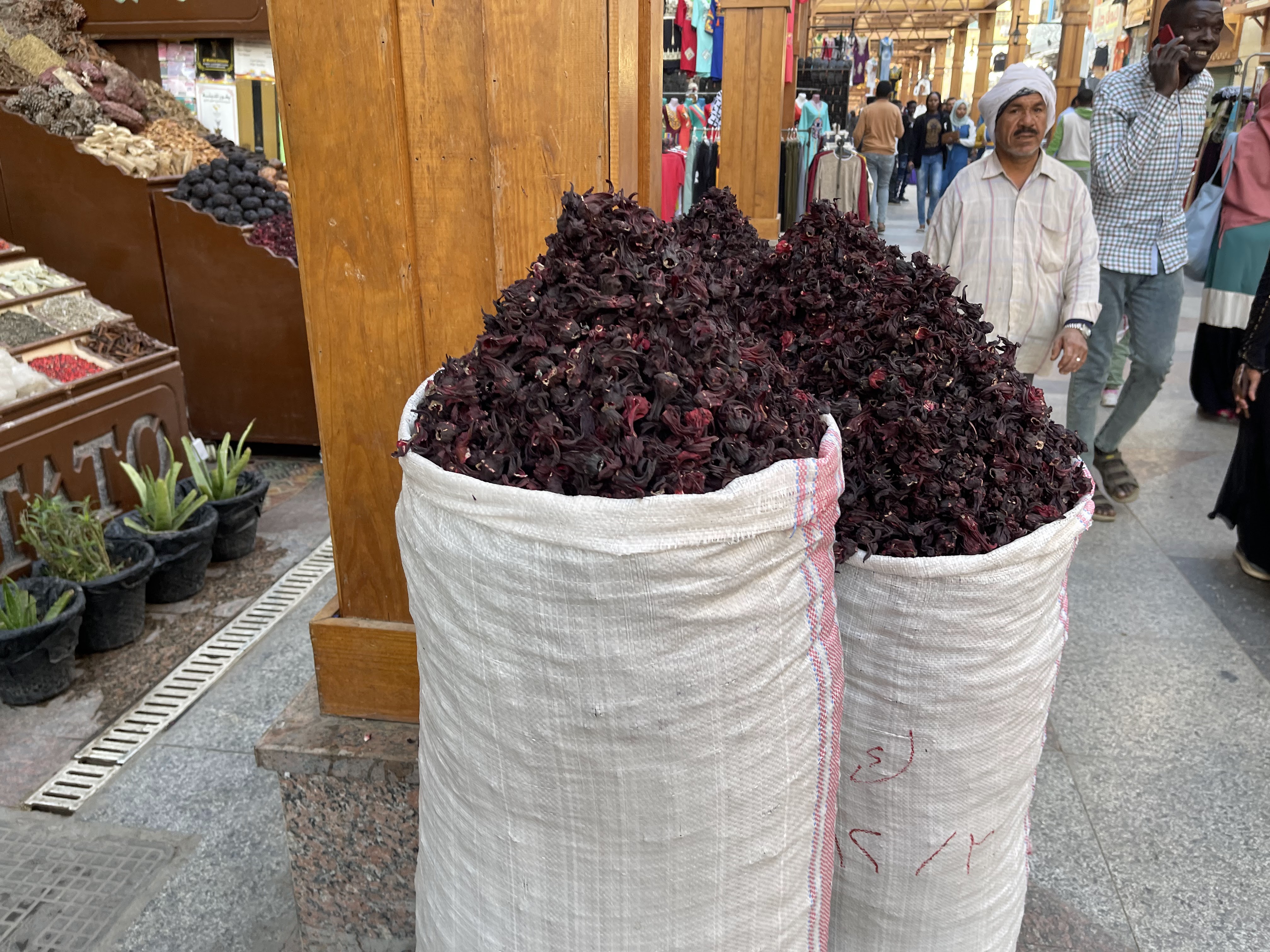
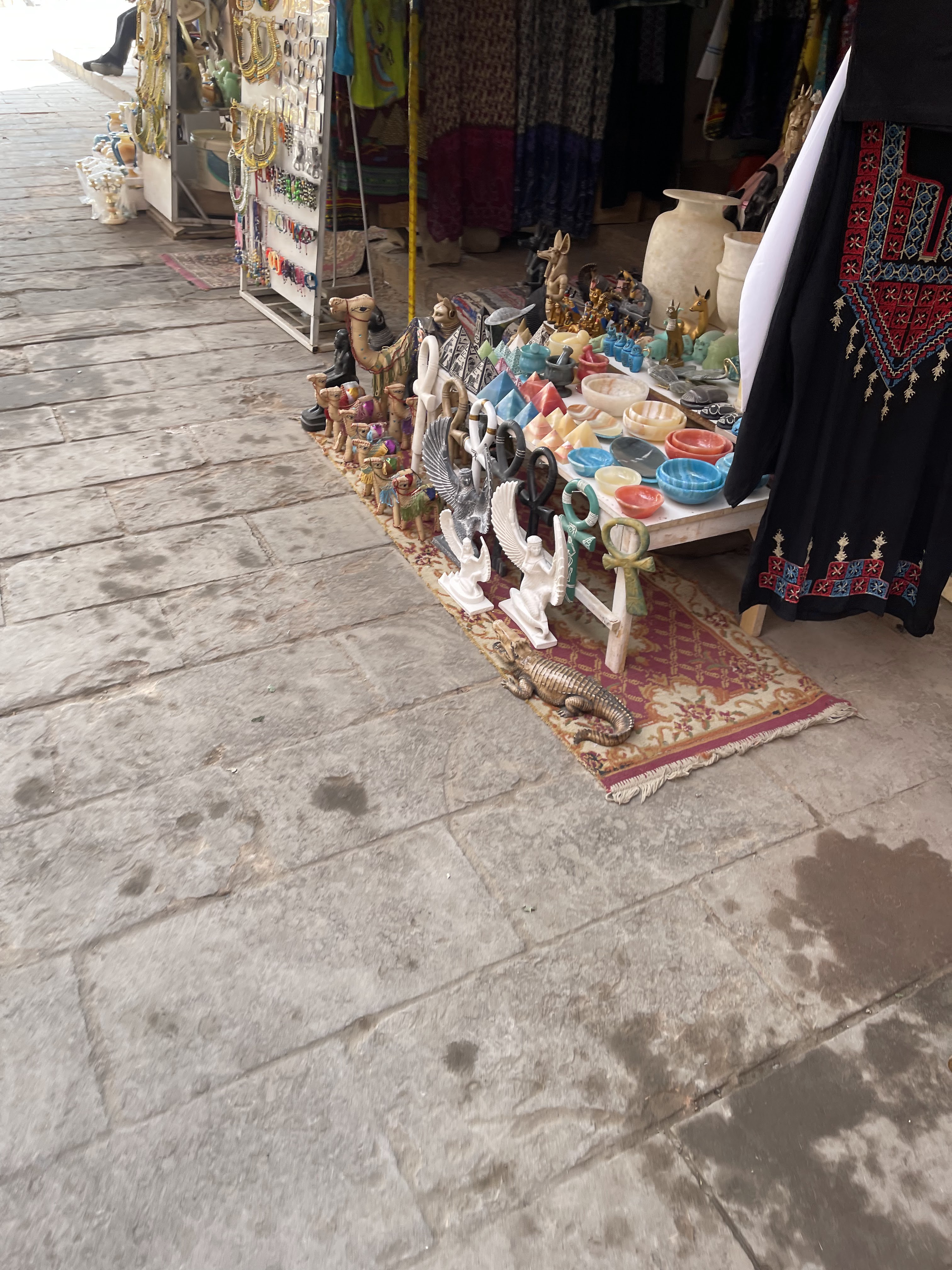
Other pictures are of cruise food and my stroll through the local Aswan Bazaar (aka souk).






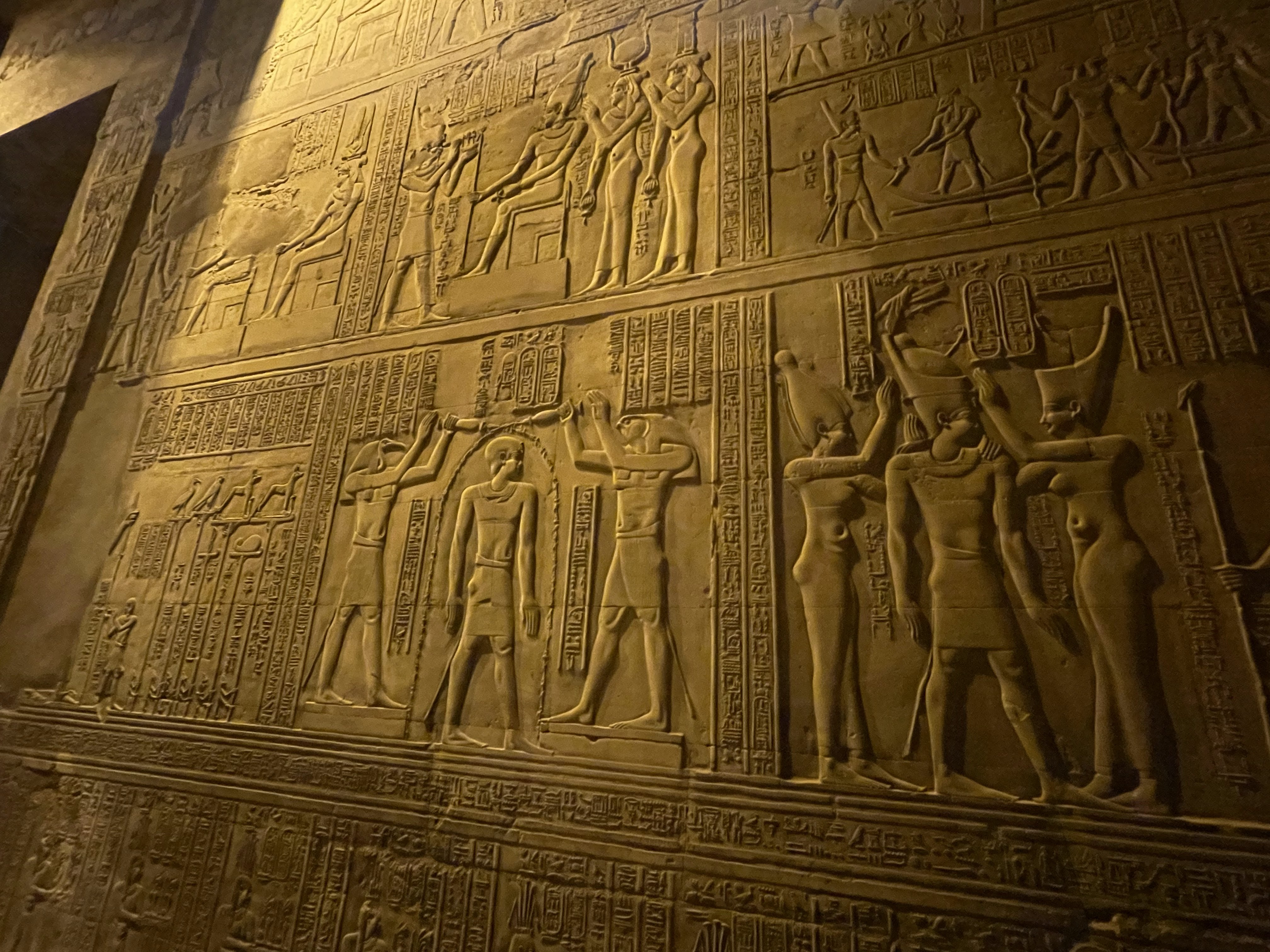

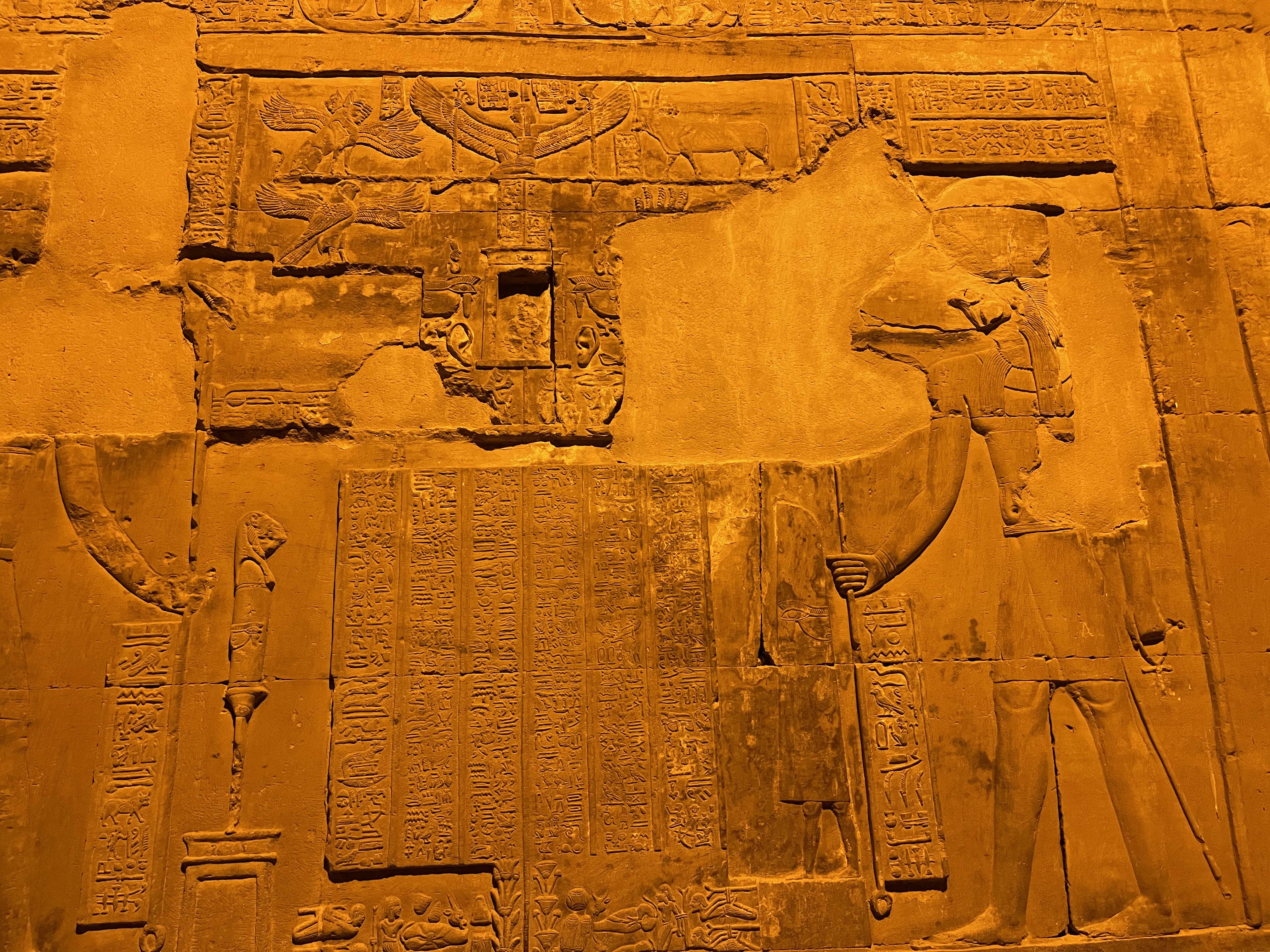
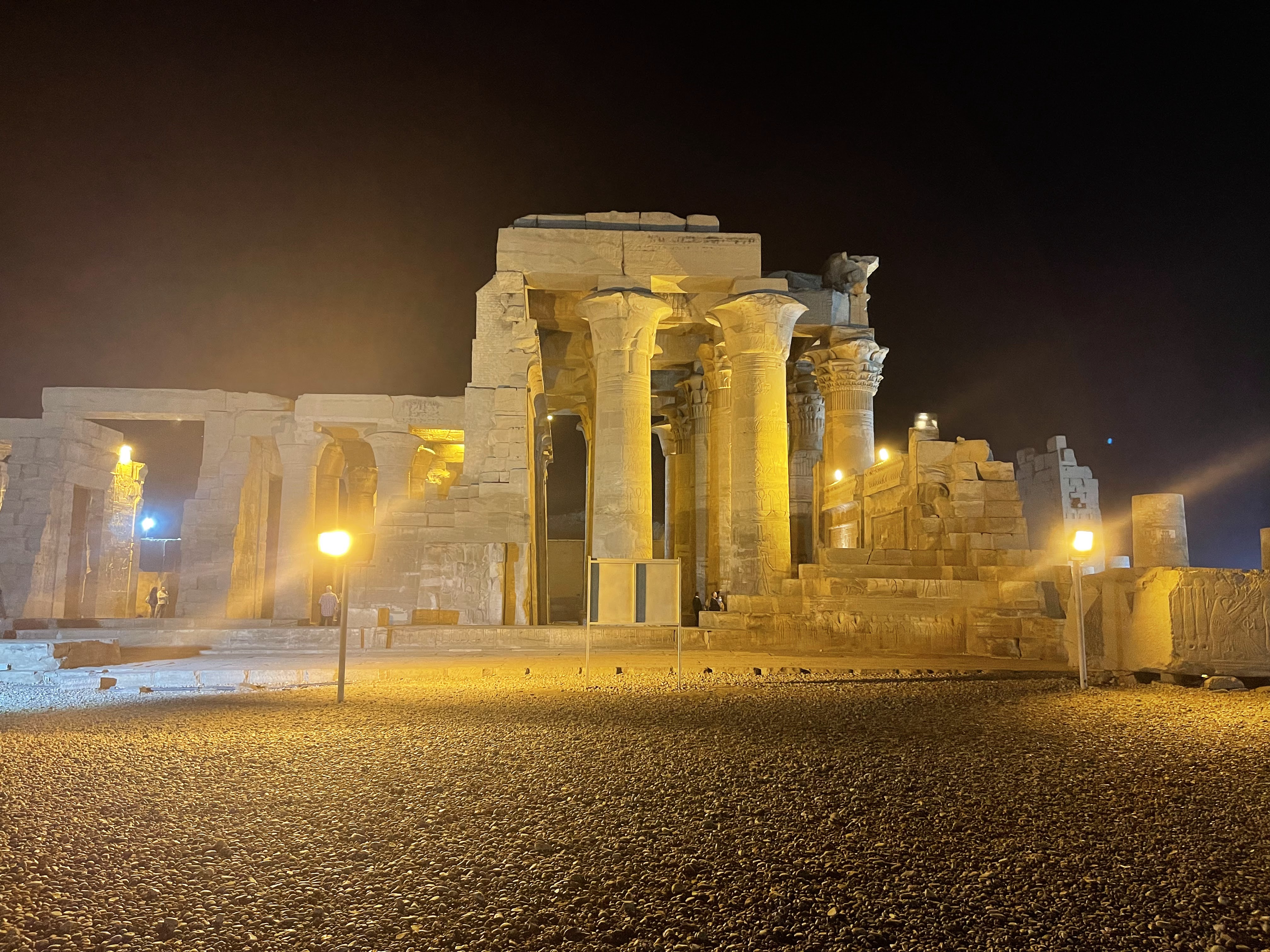
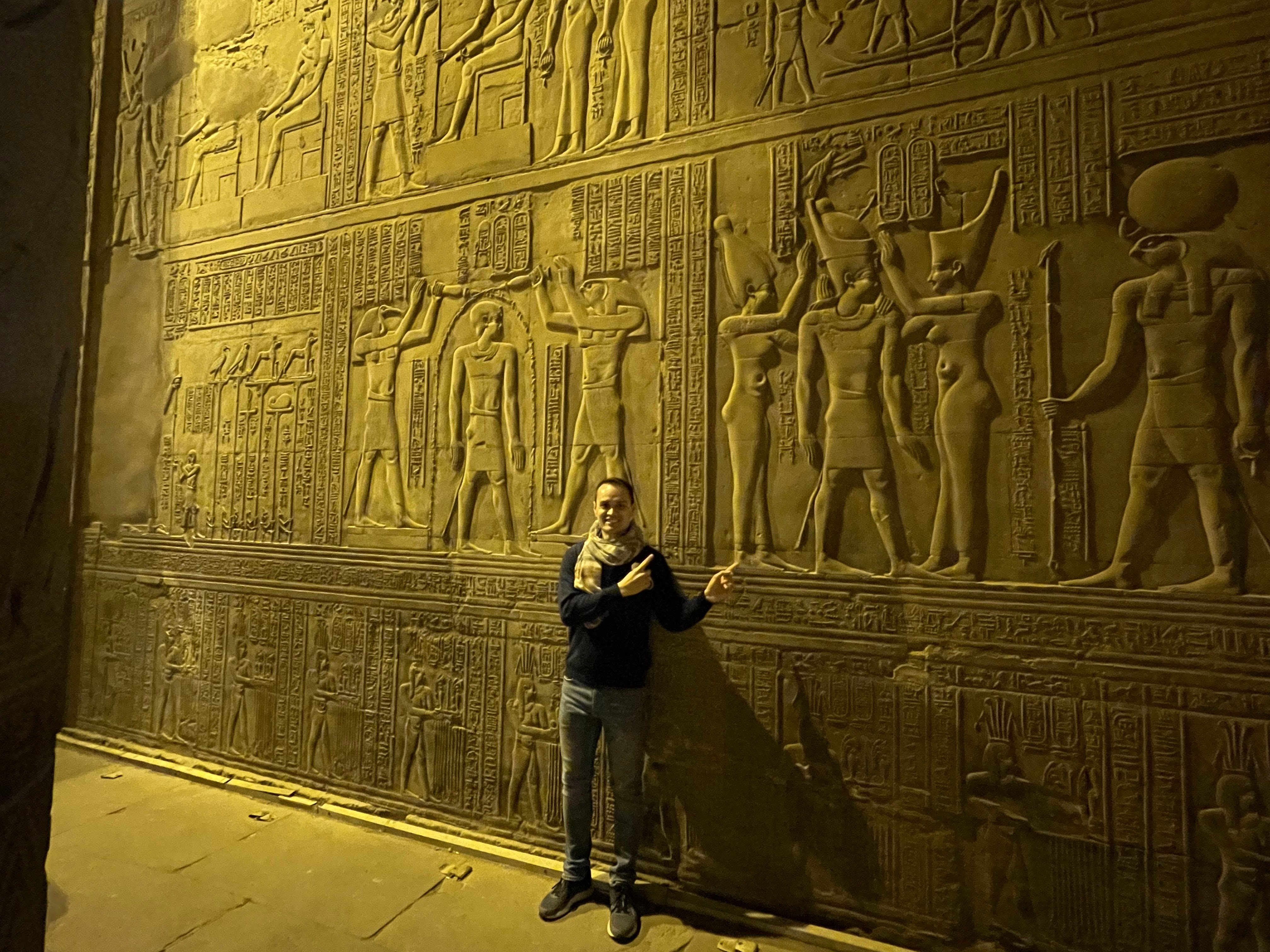
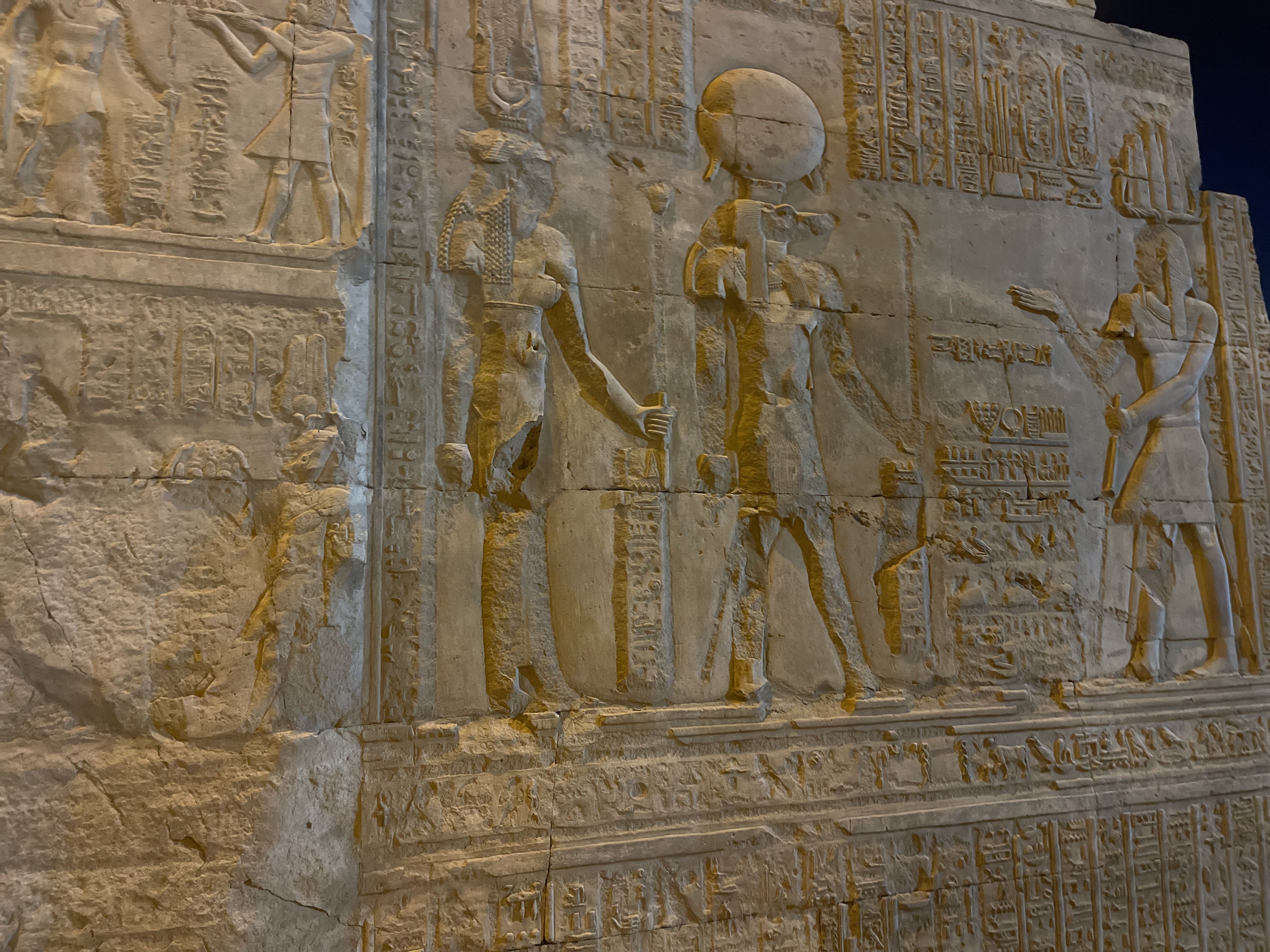
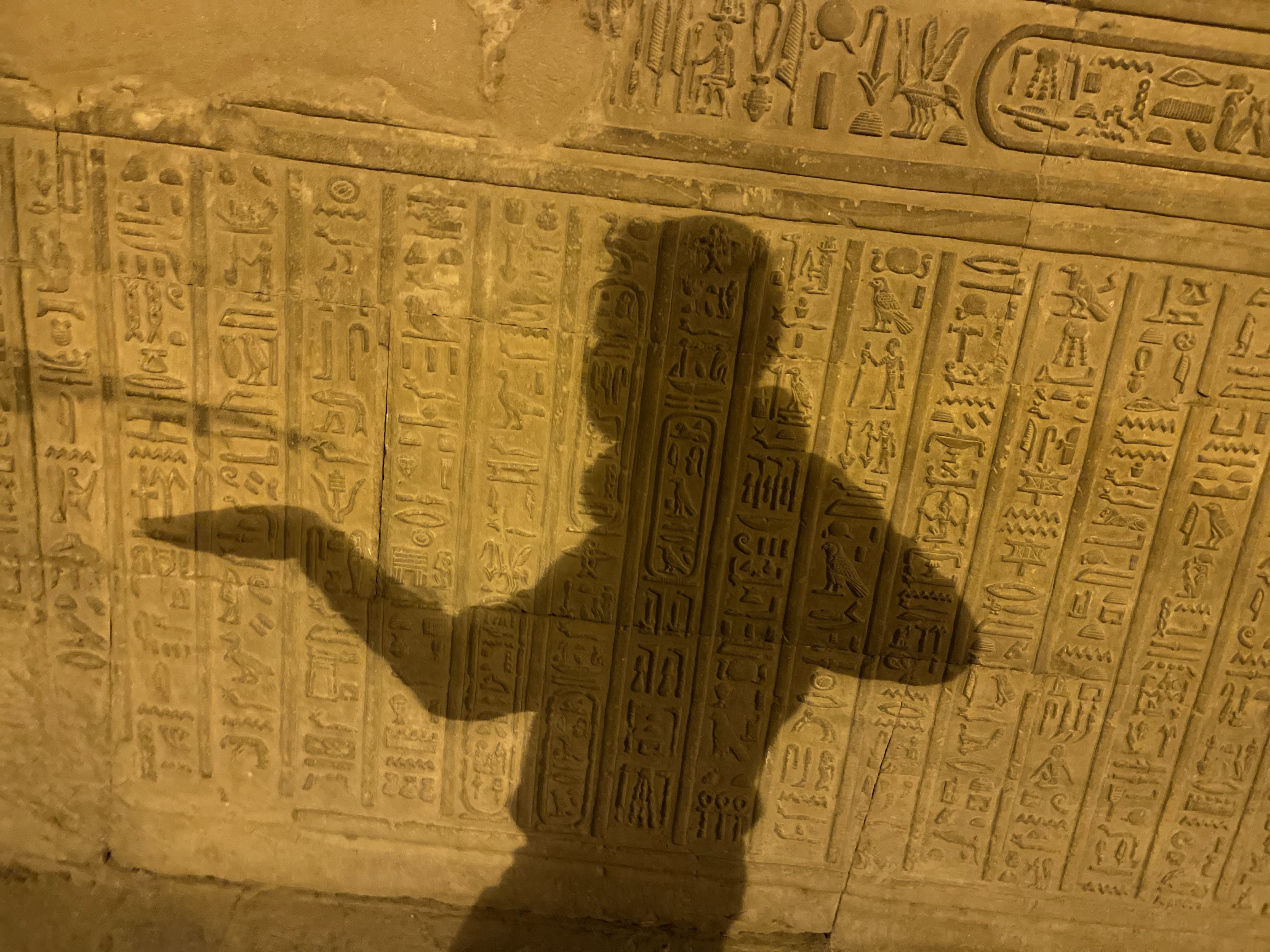

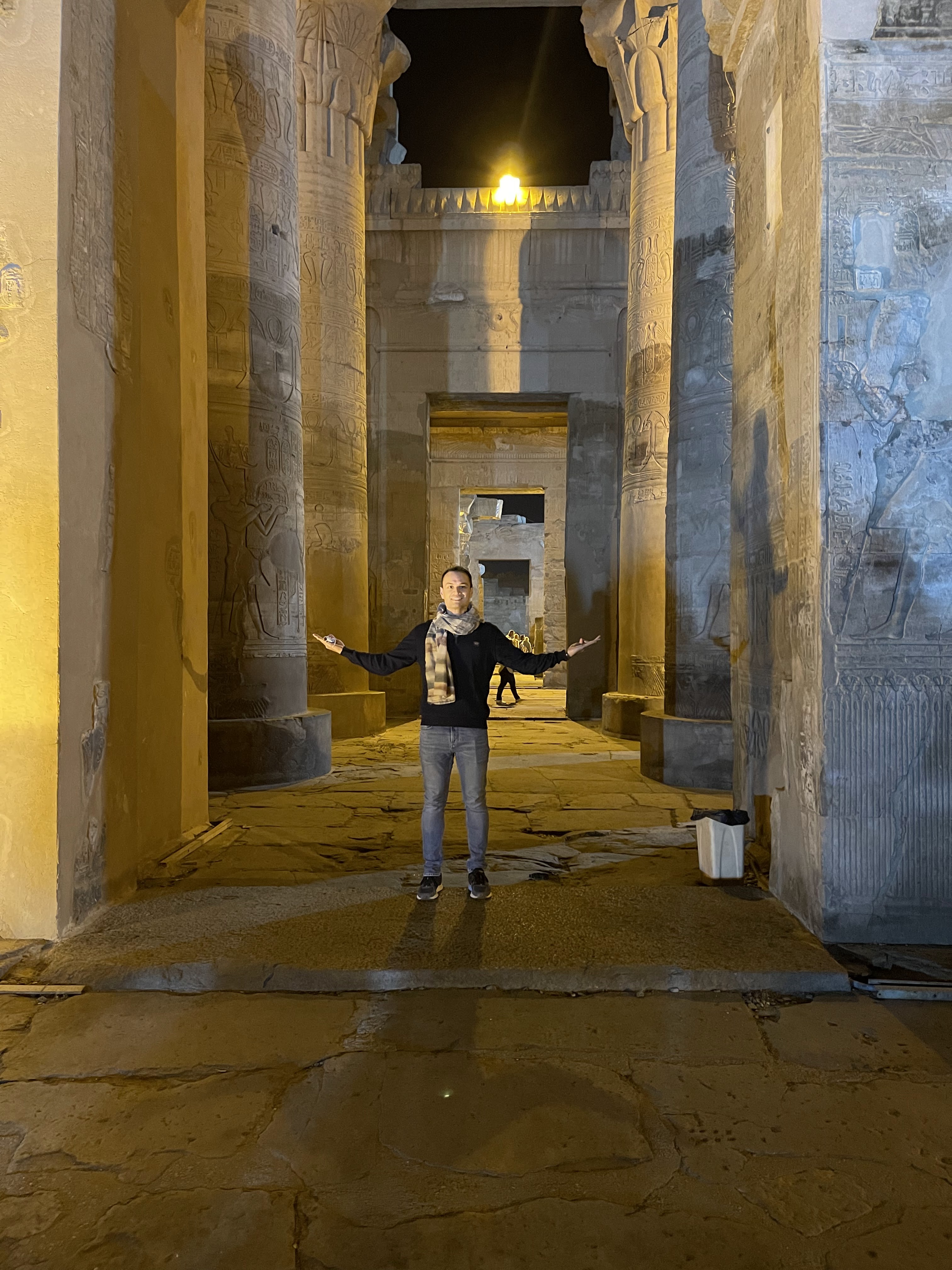
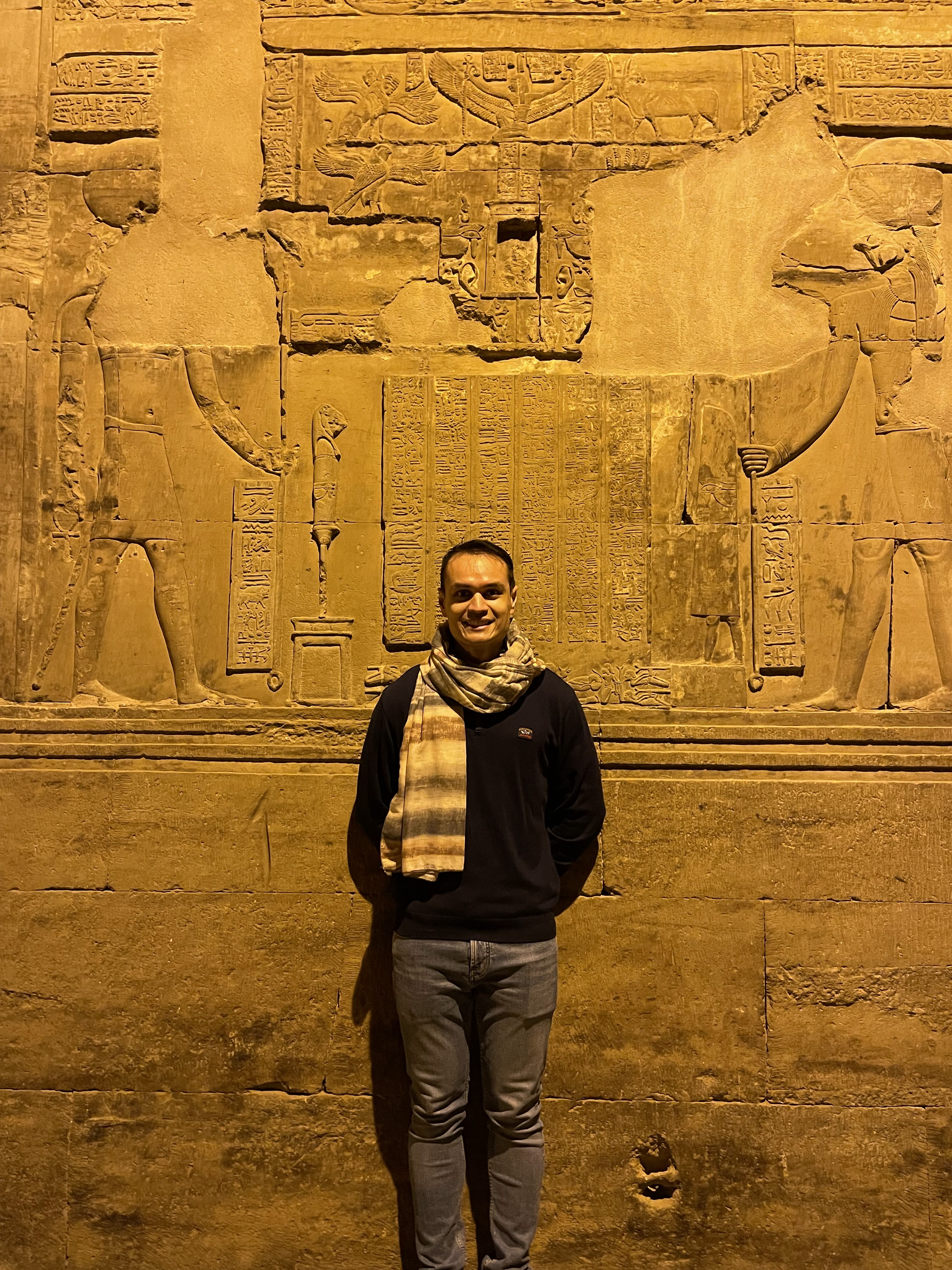

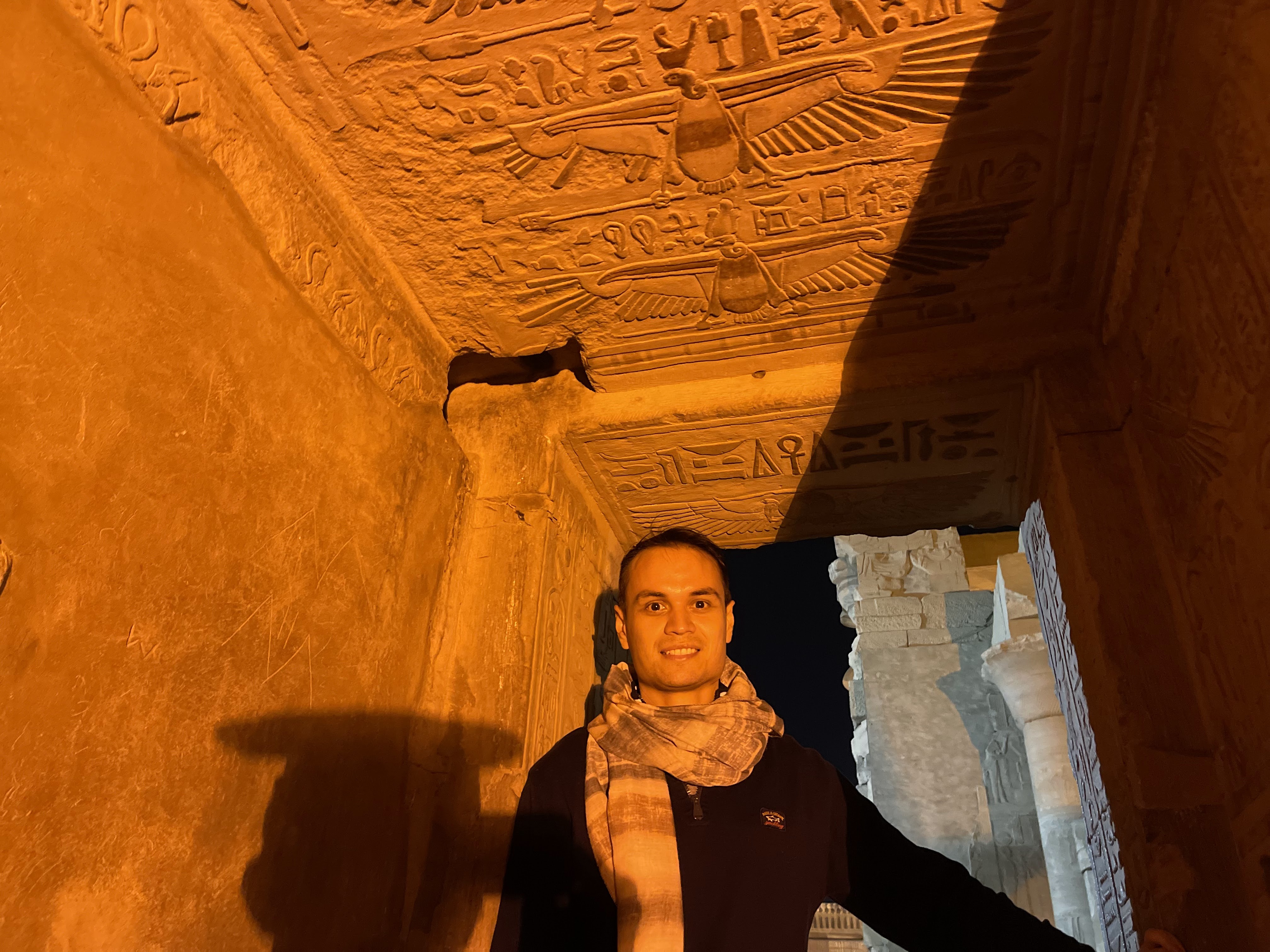
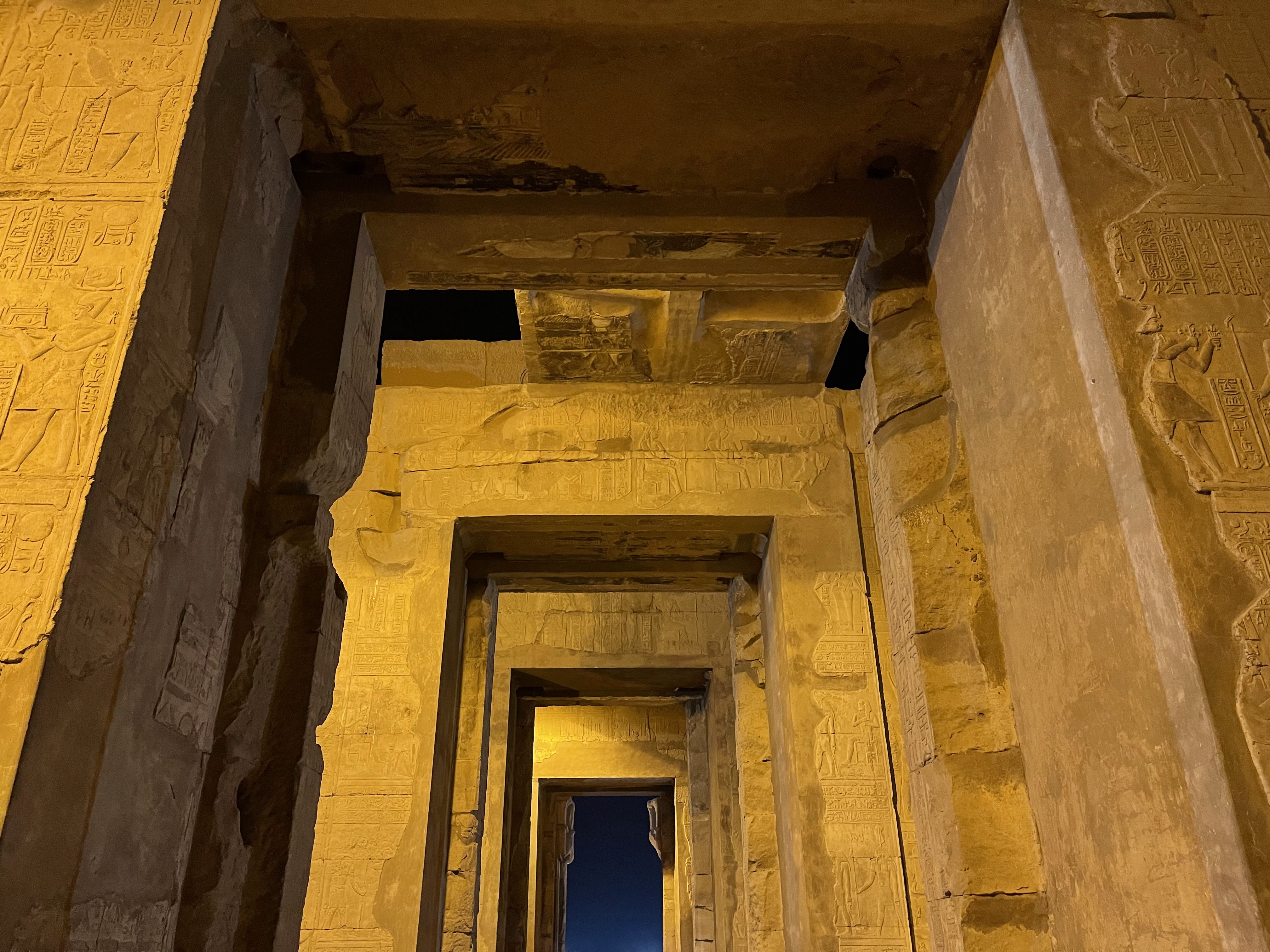
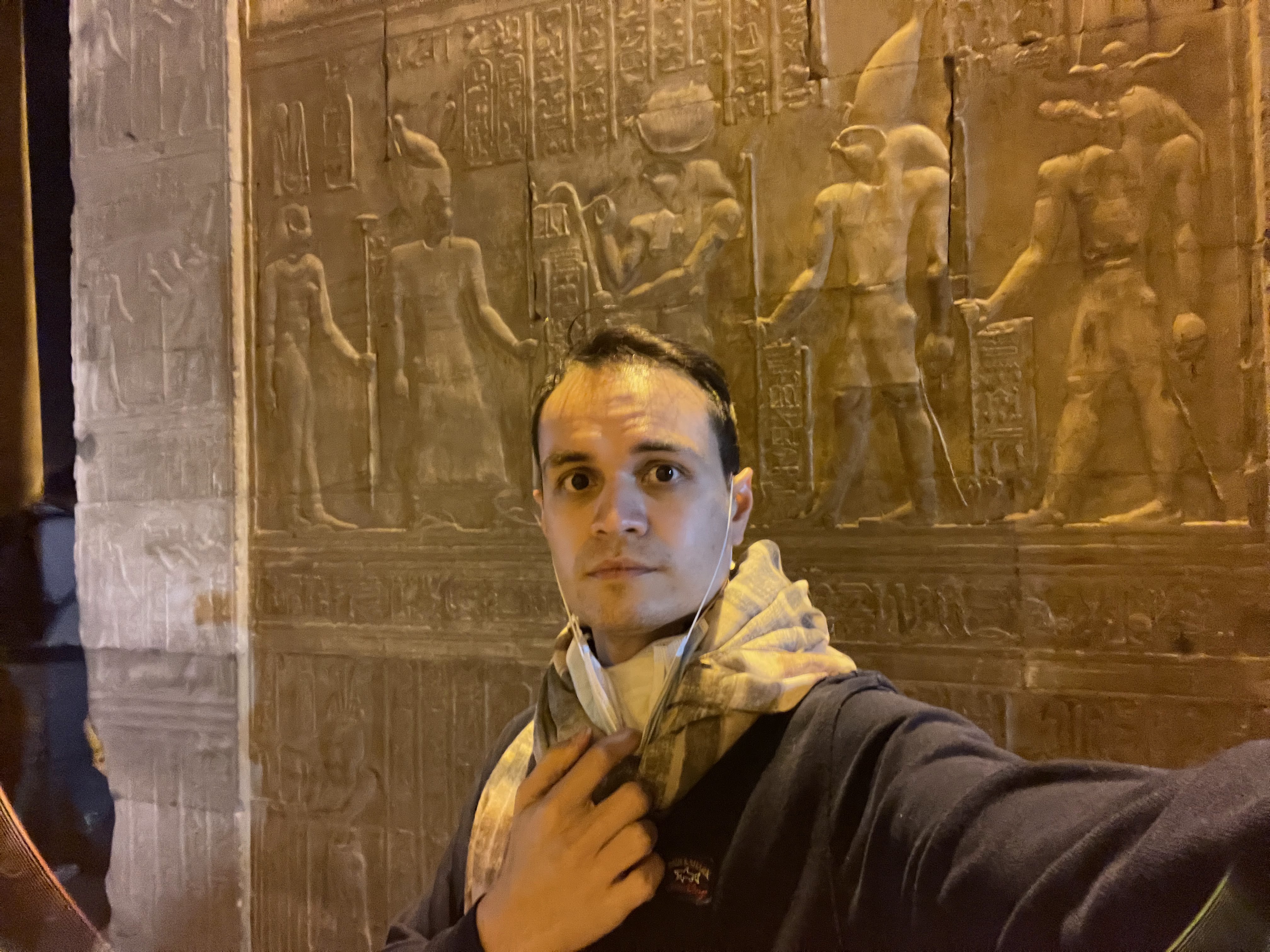


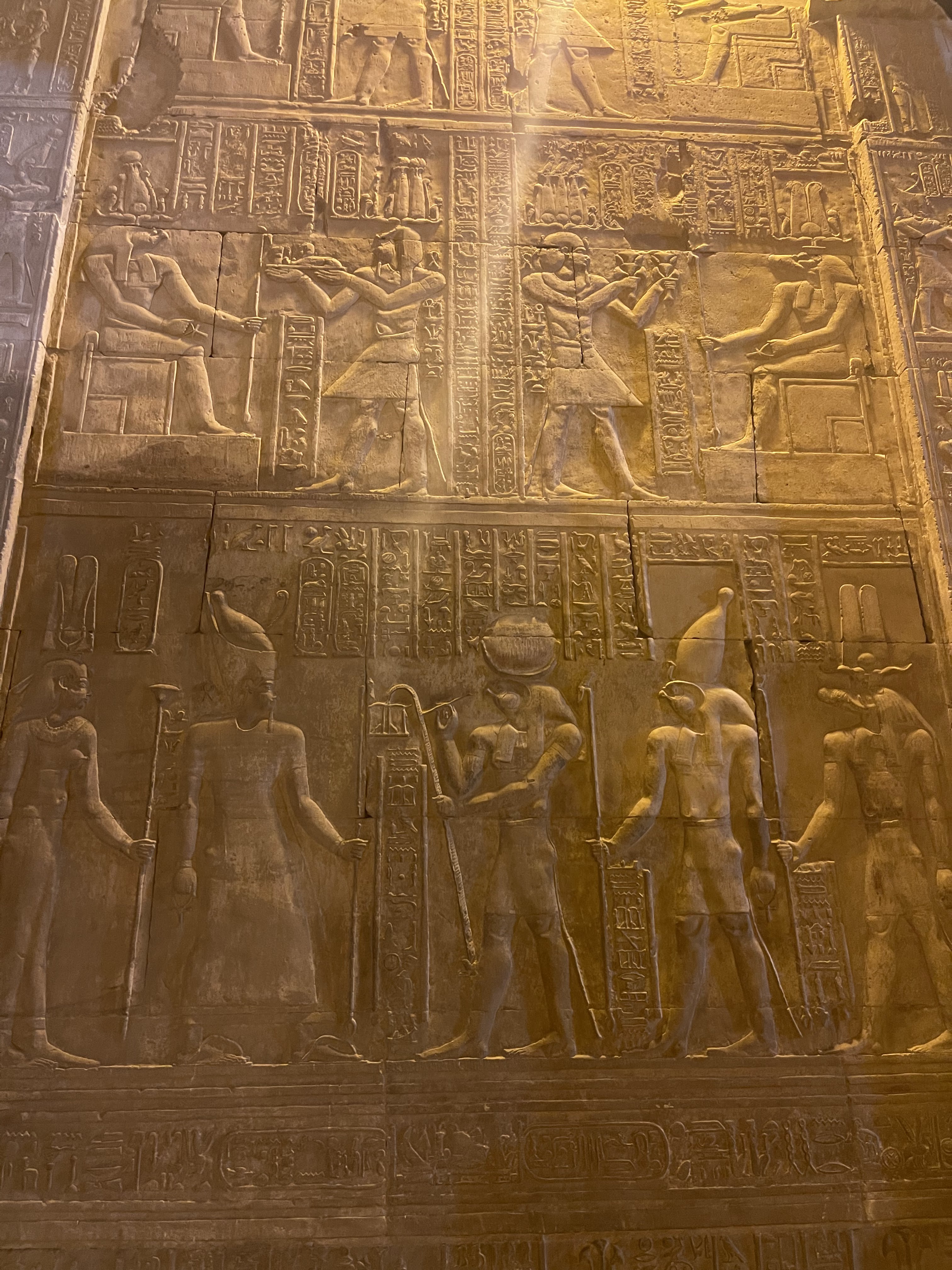


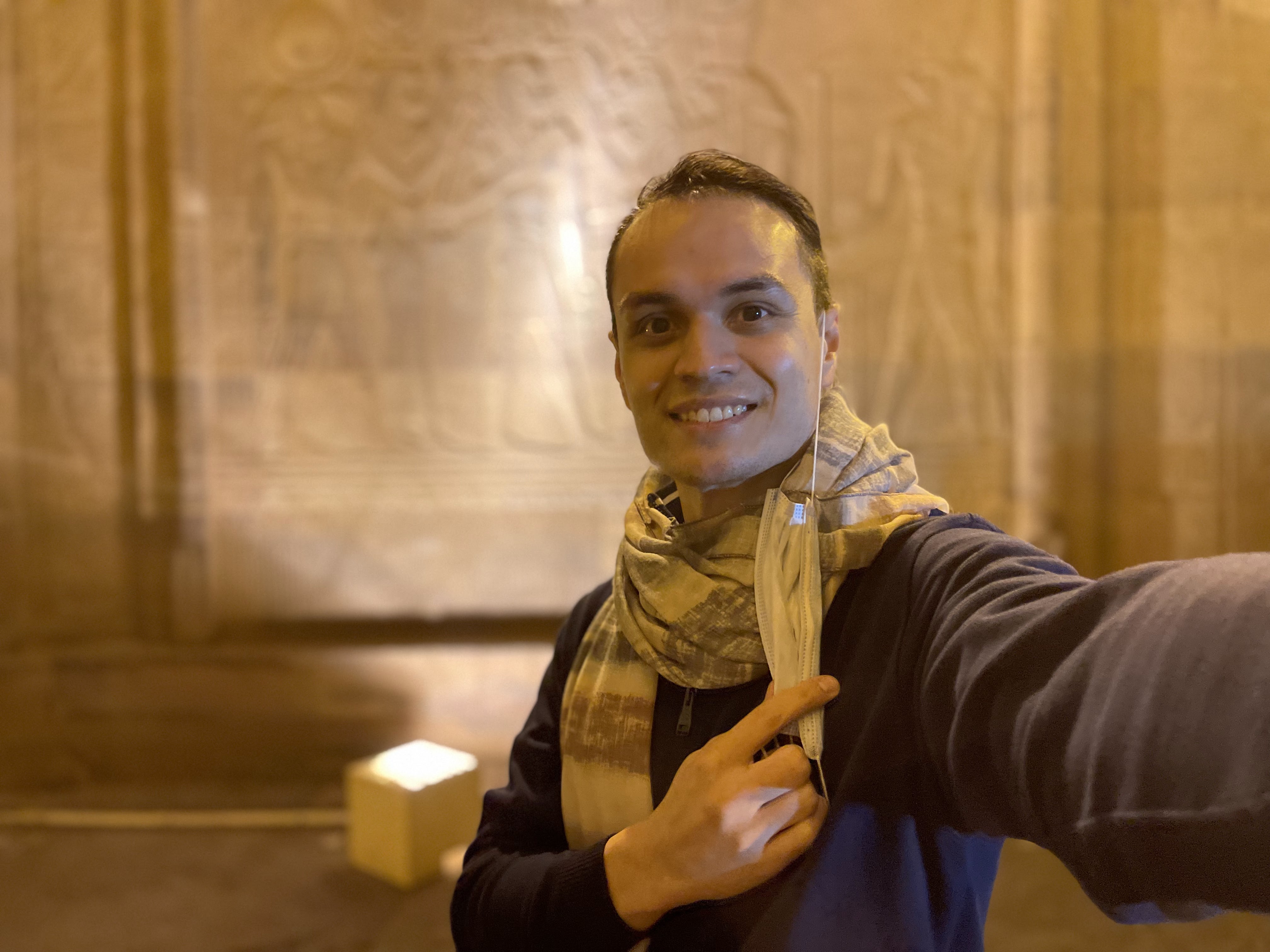
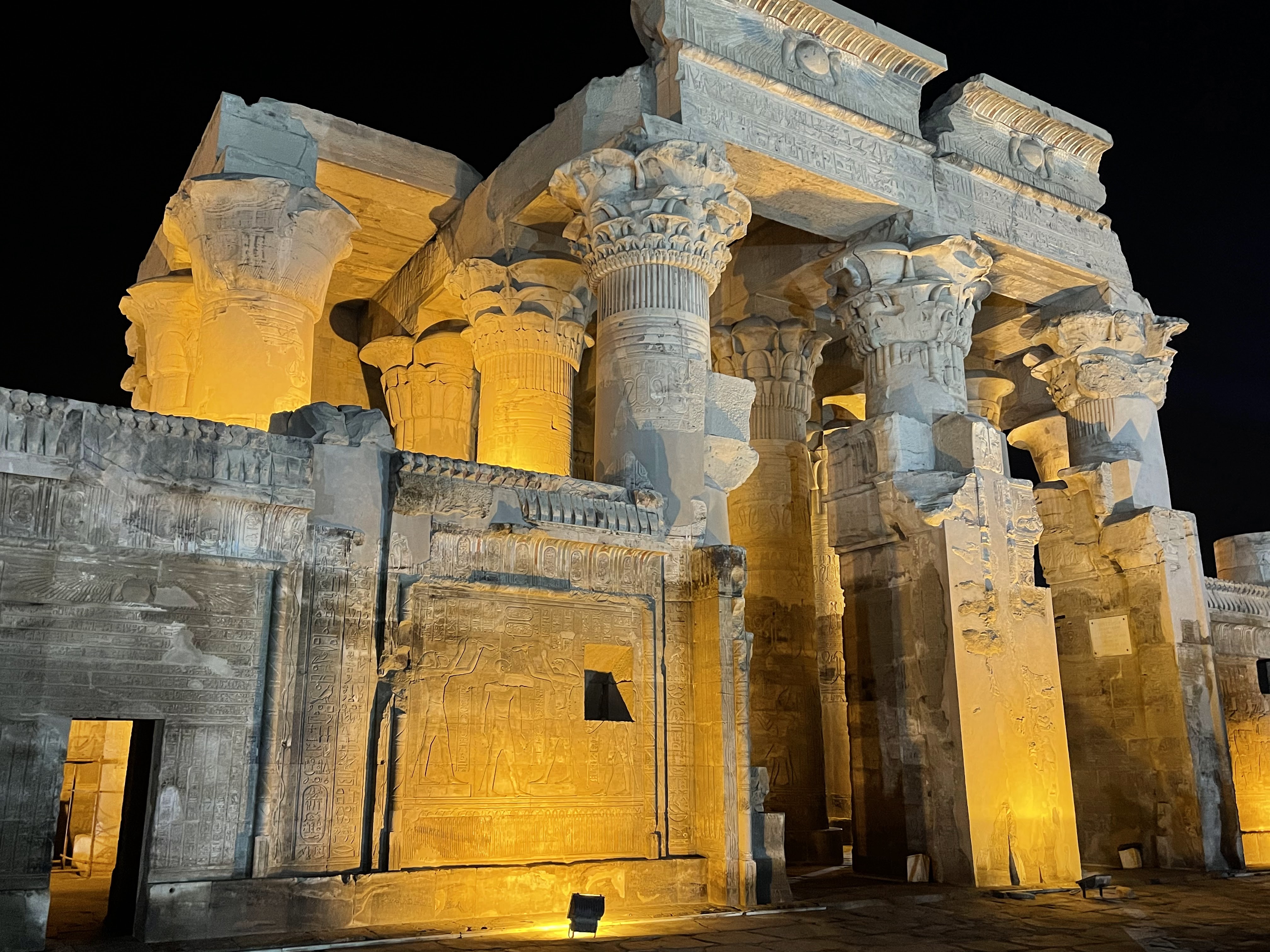


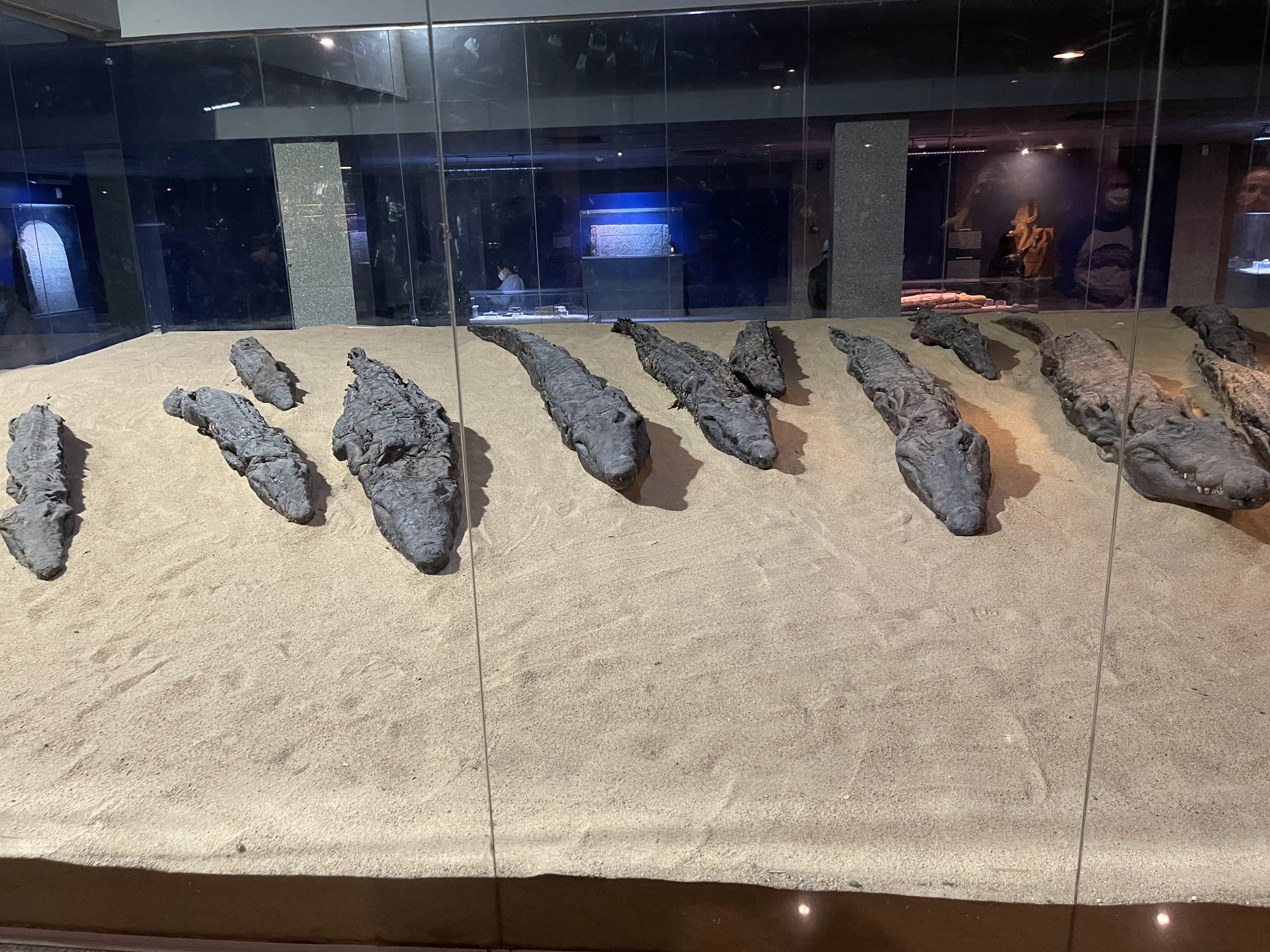
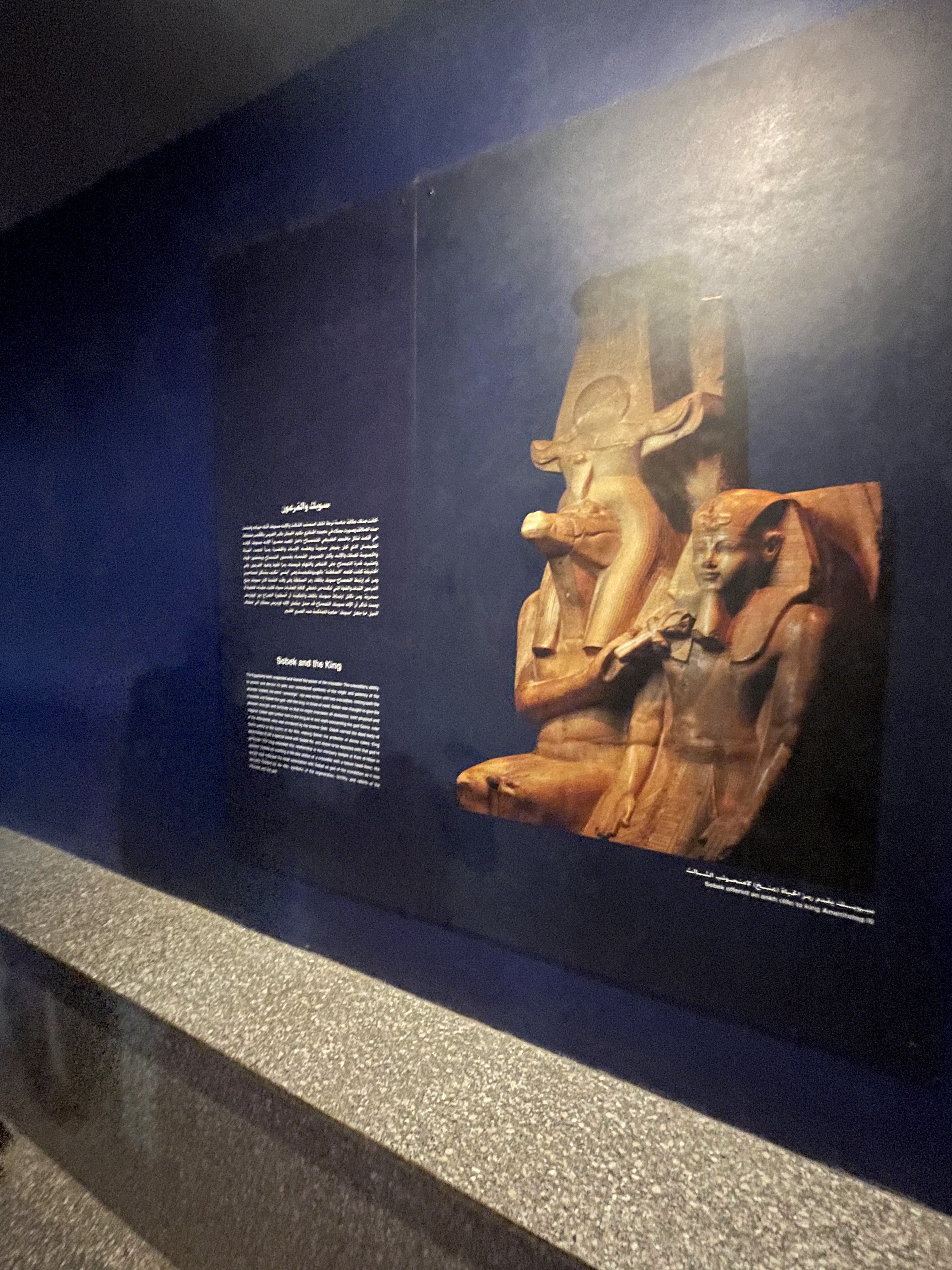




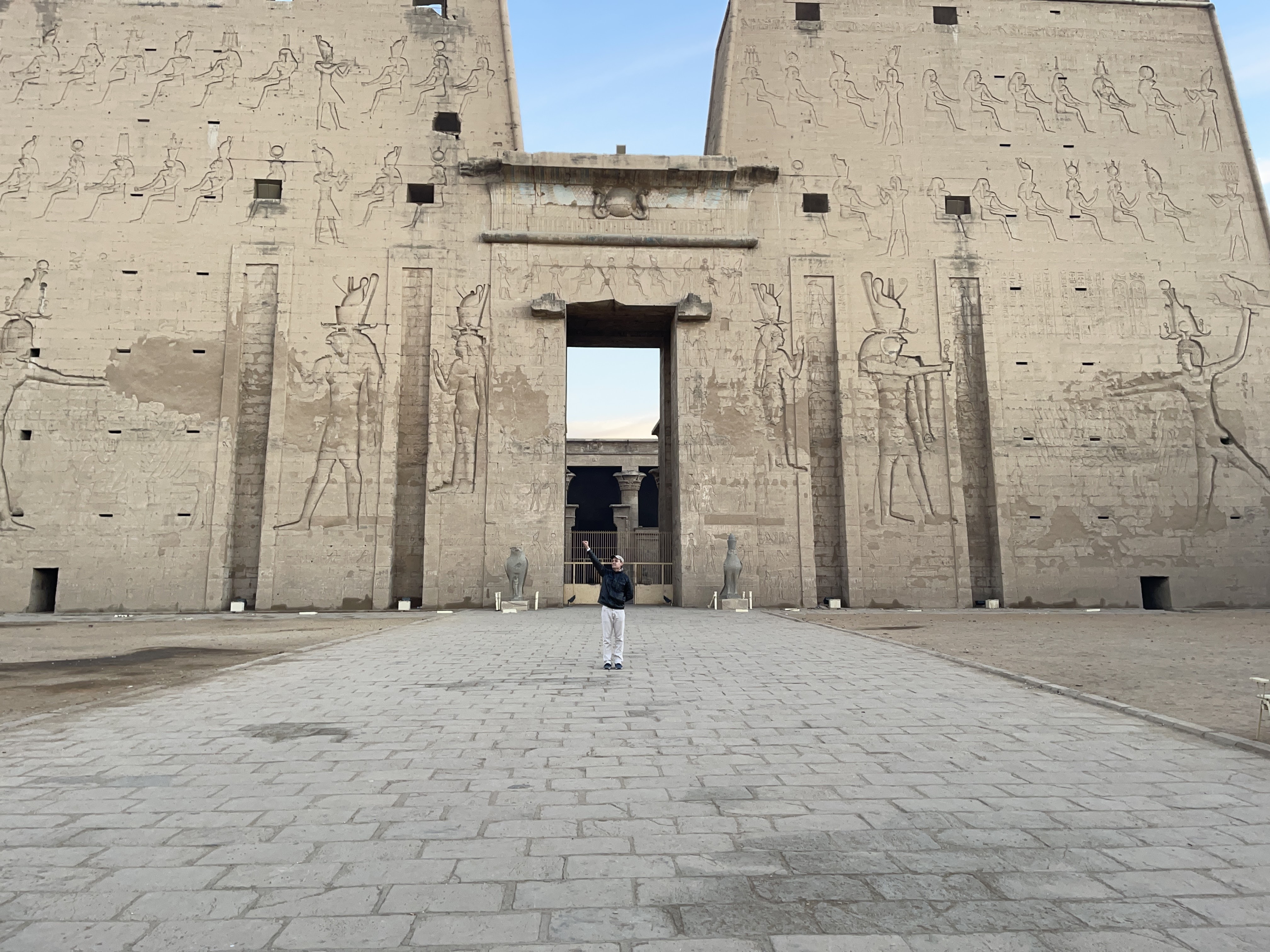
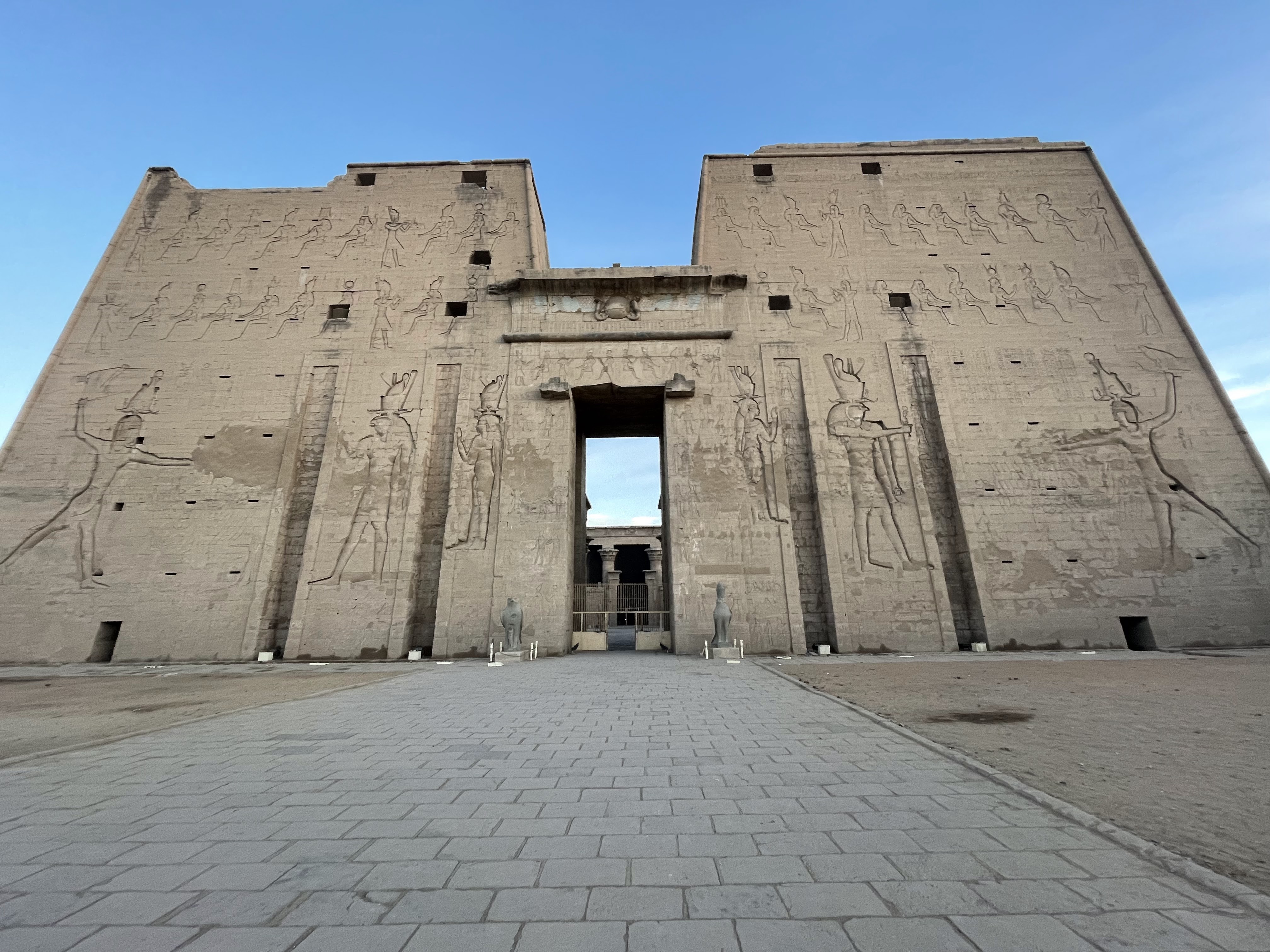
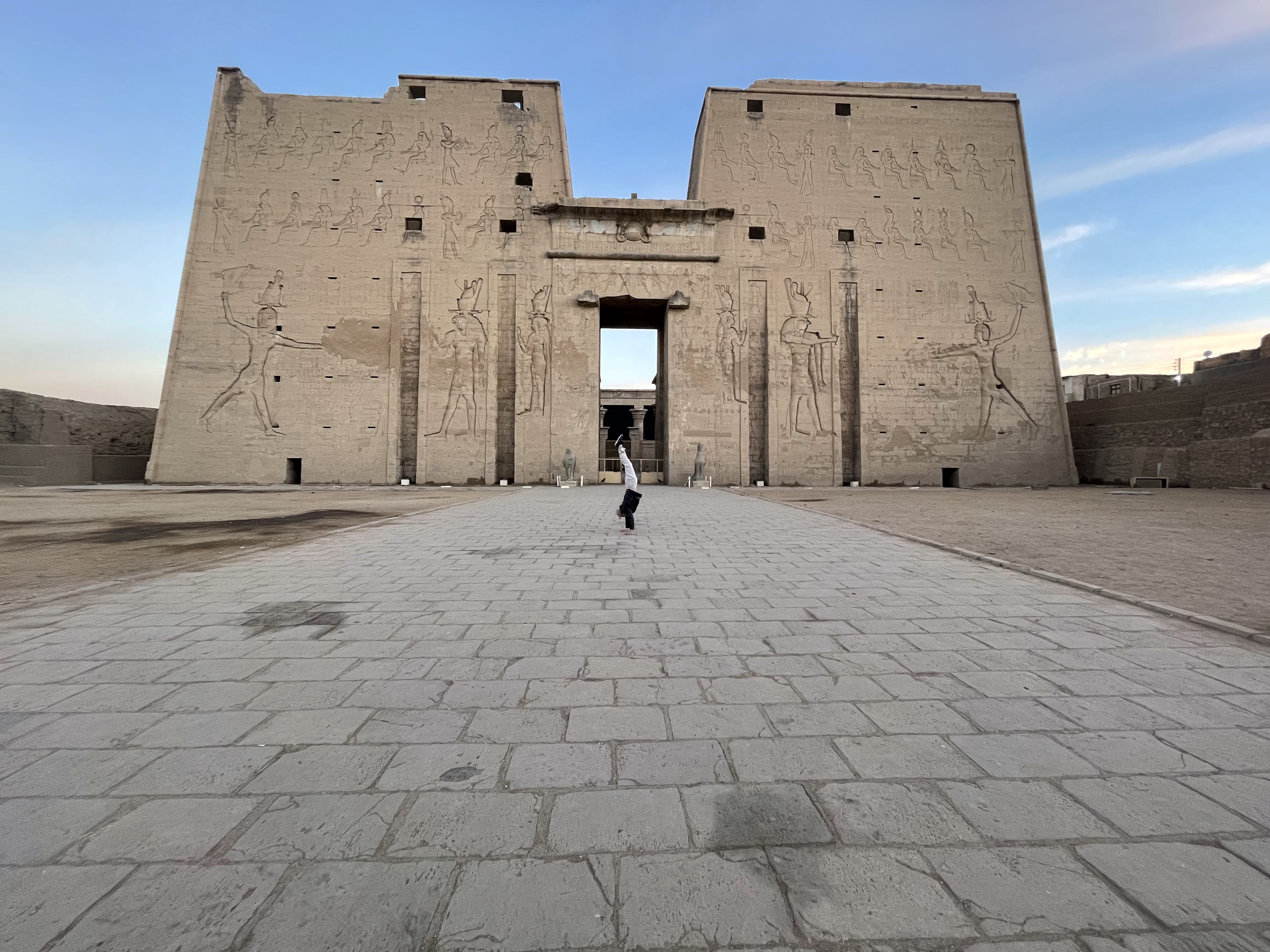
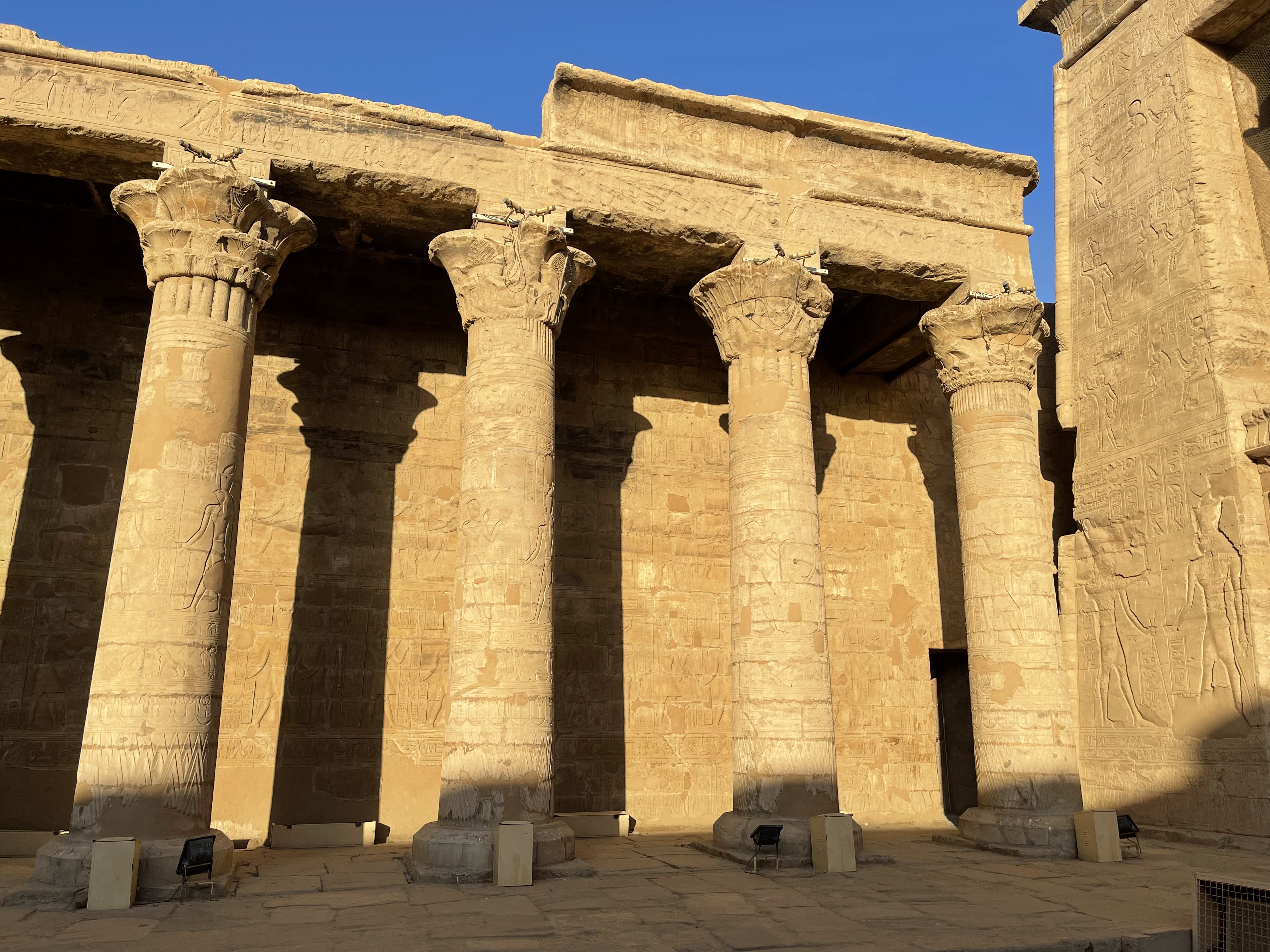
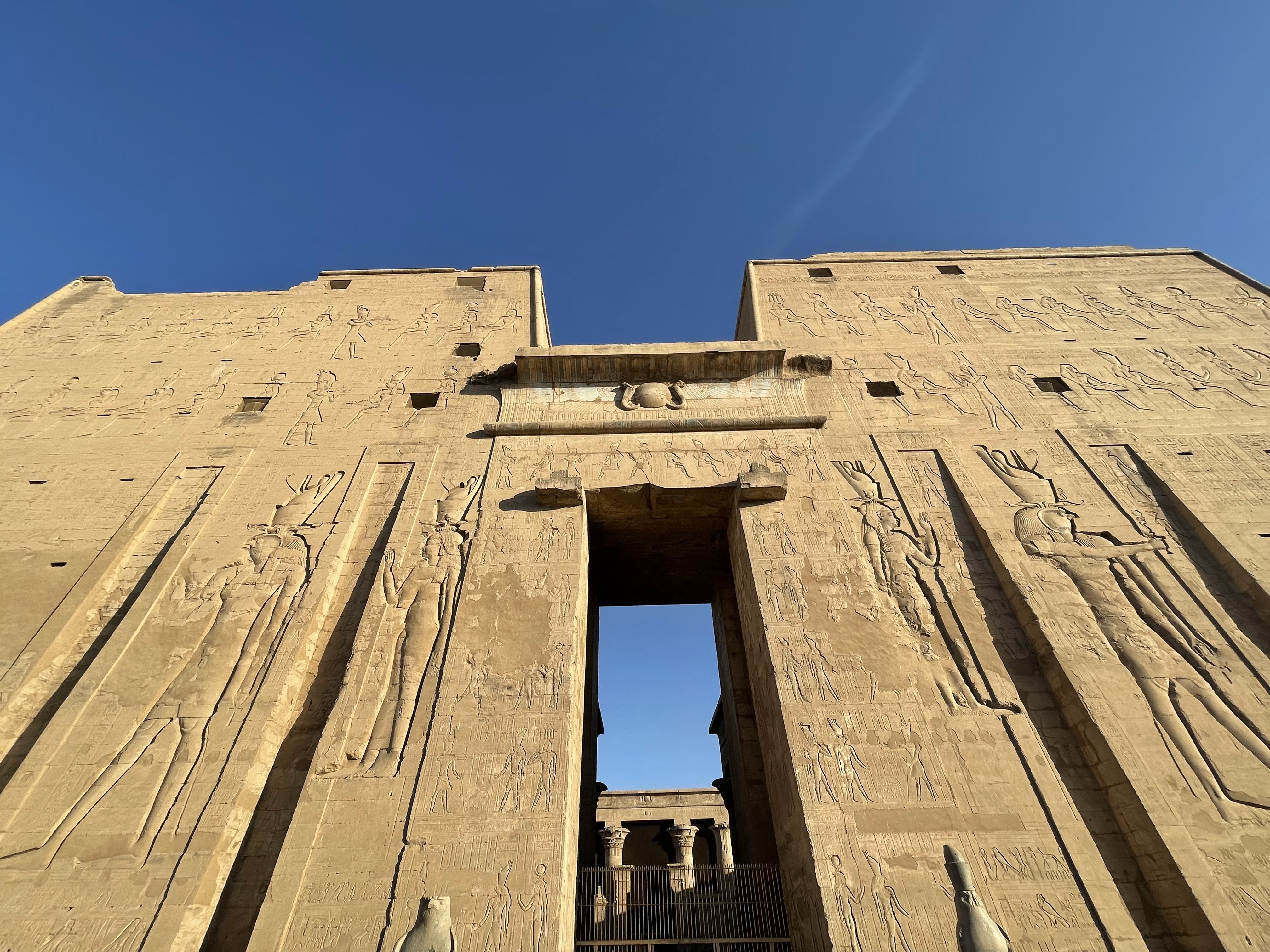
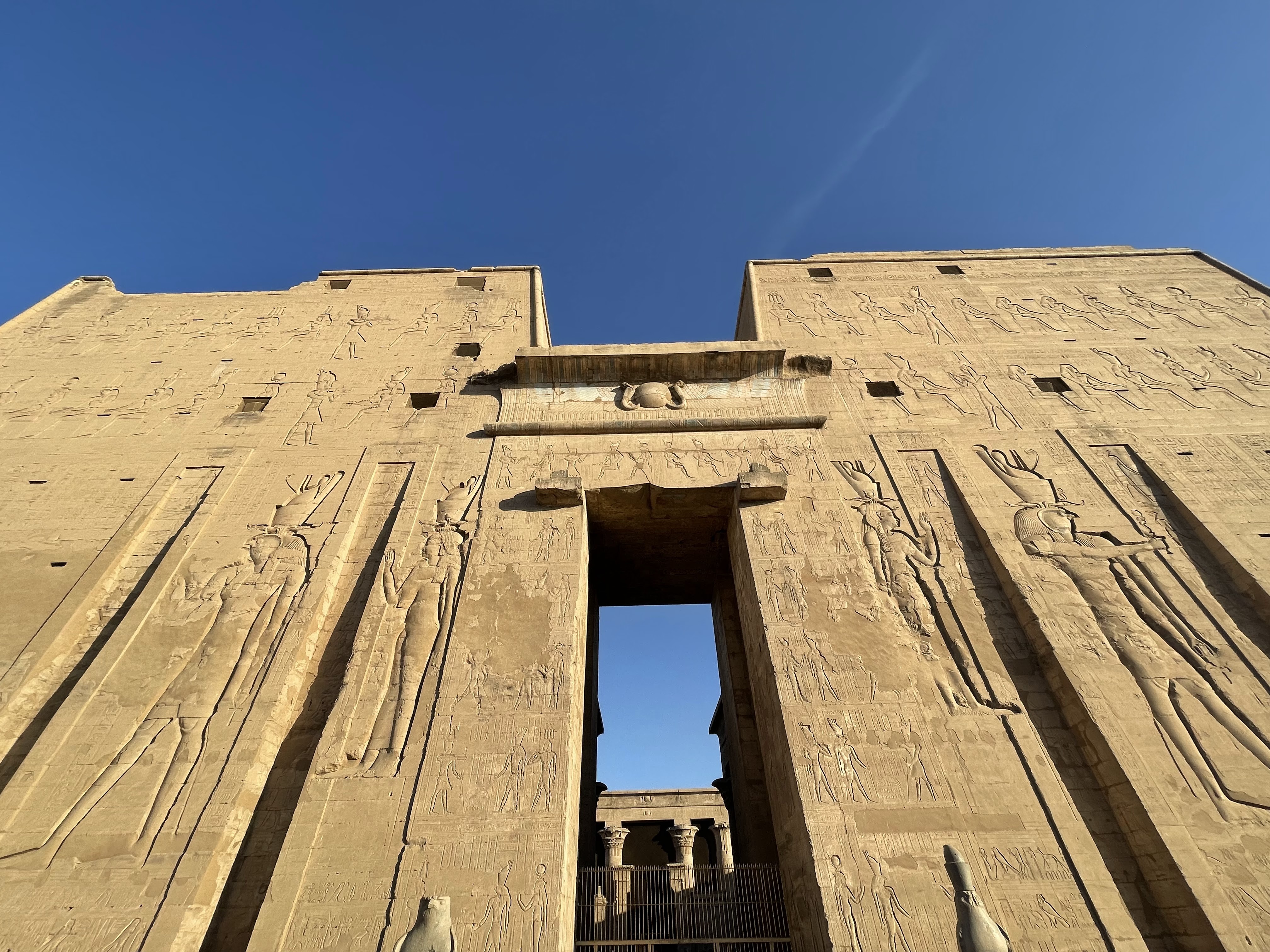
January 12th: Edfu (finally, I was the first guy in the door! Hence a picture of just me doing a handstand), and Luxor, the ancient city of Thebes, the great capital of Upper Egypt during the new kingdom. Similar to many tours during this trip, I saw Edfu at the crack of dawn.
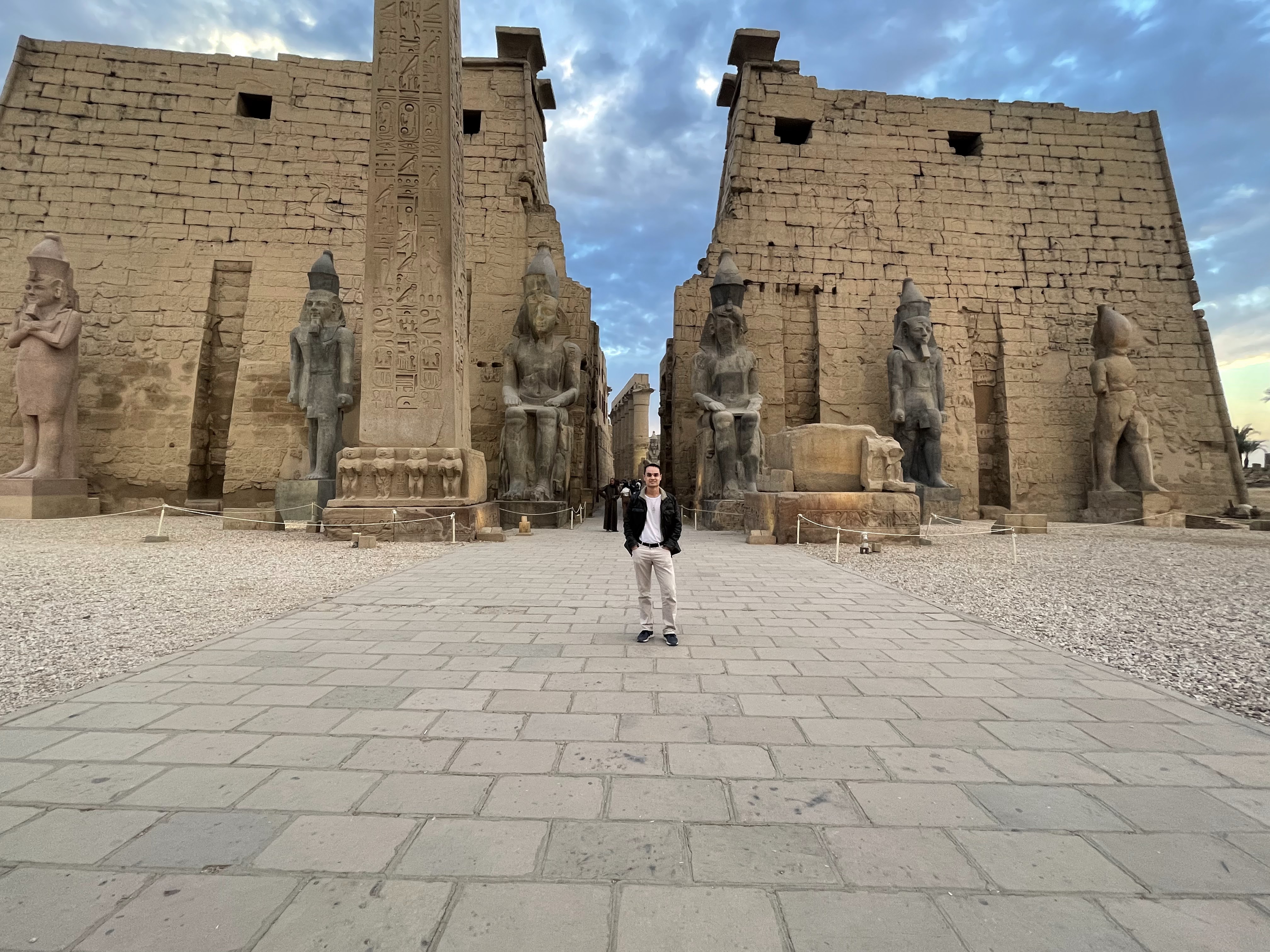
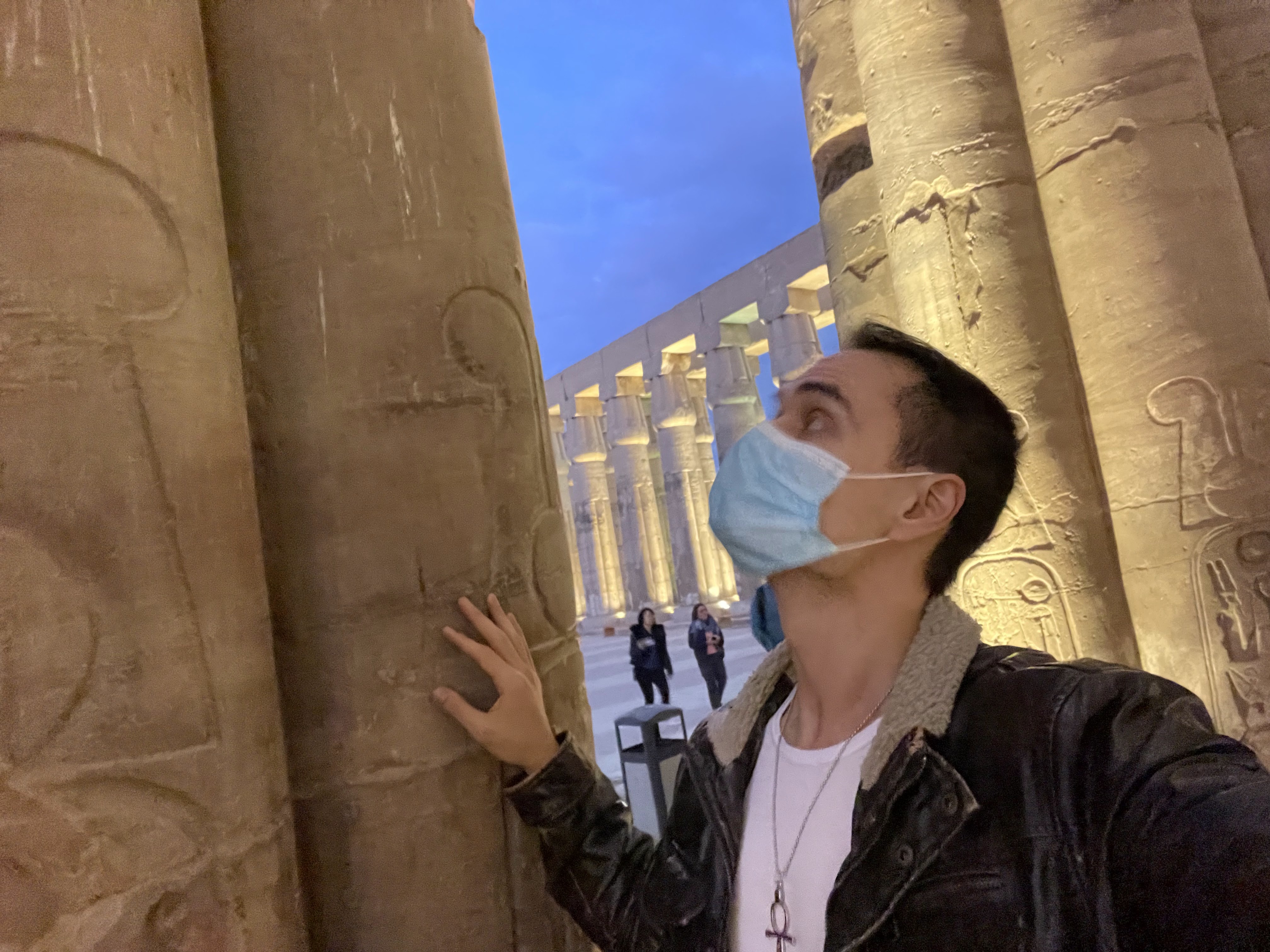
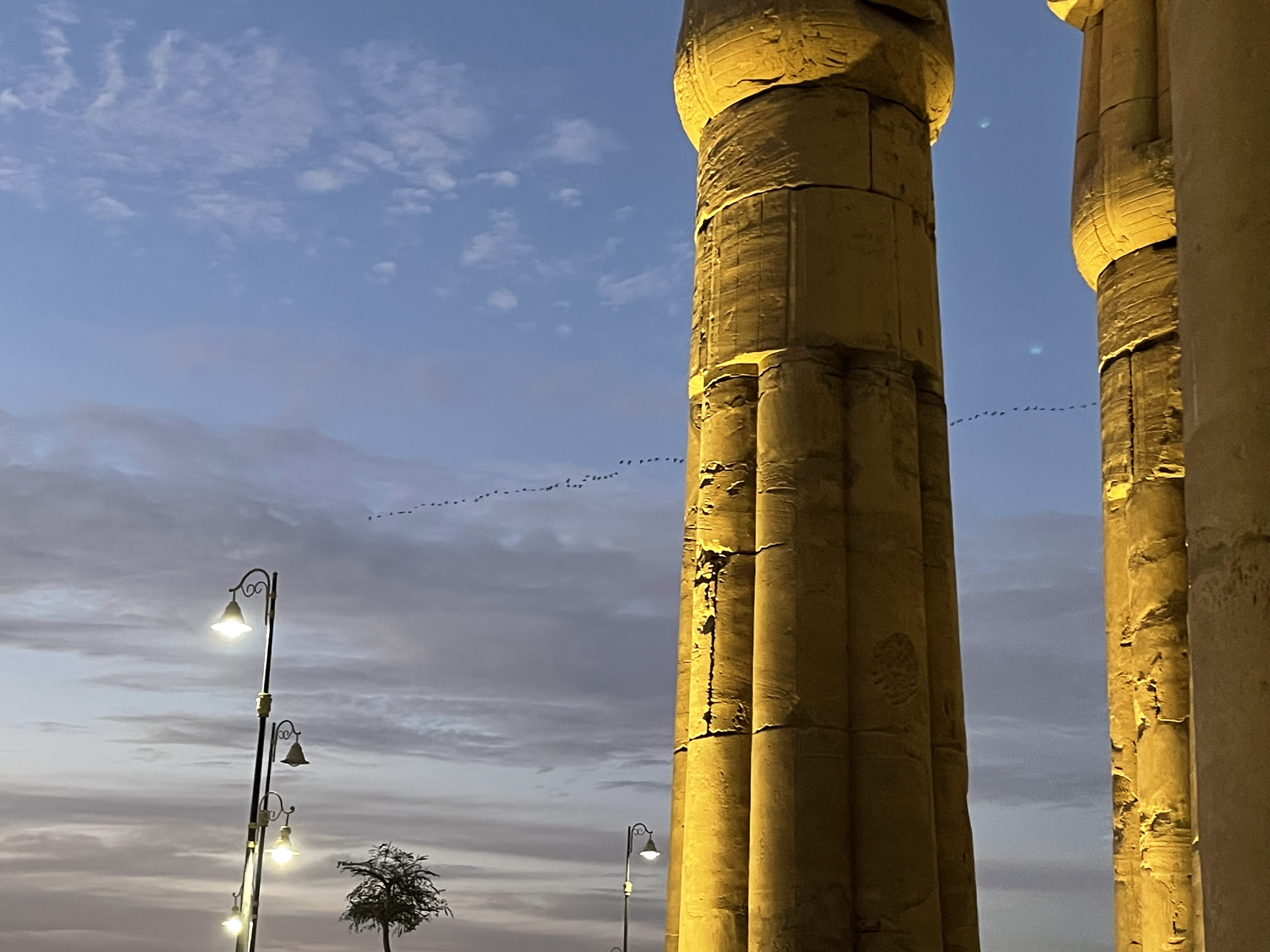
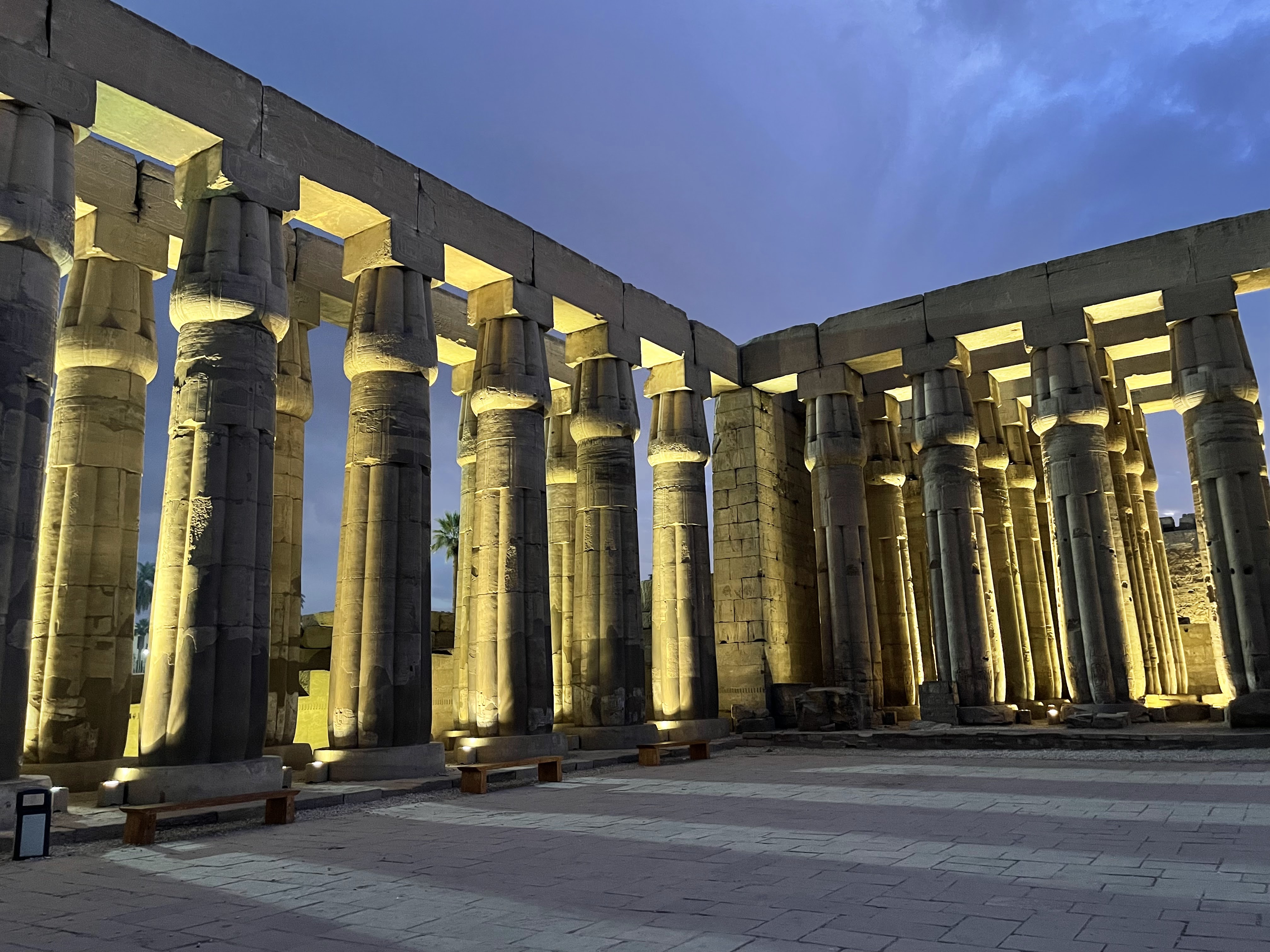
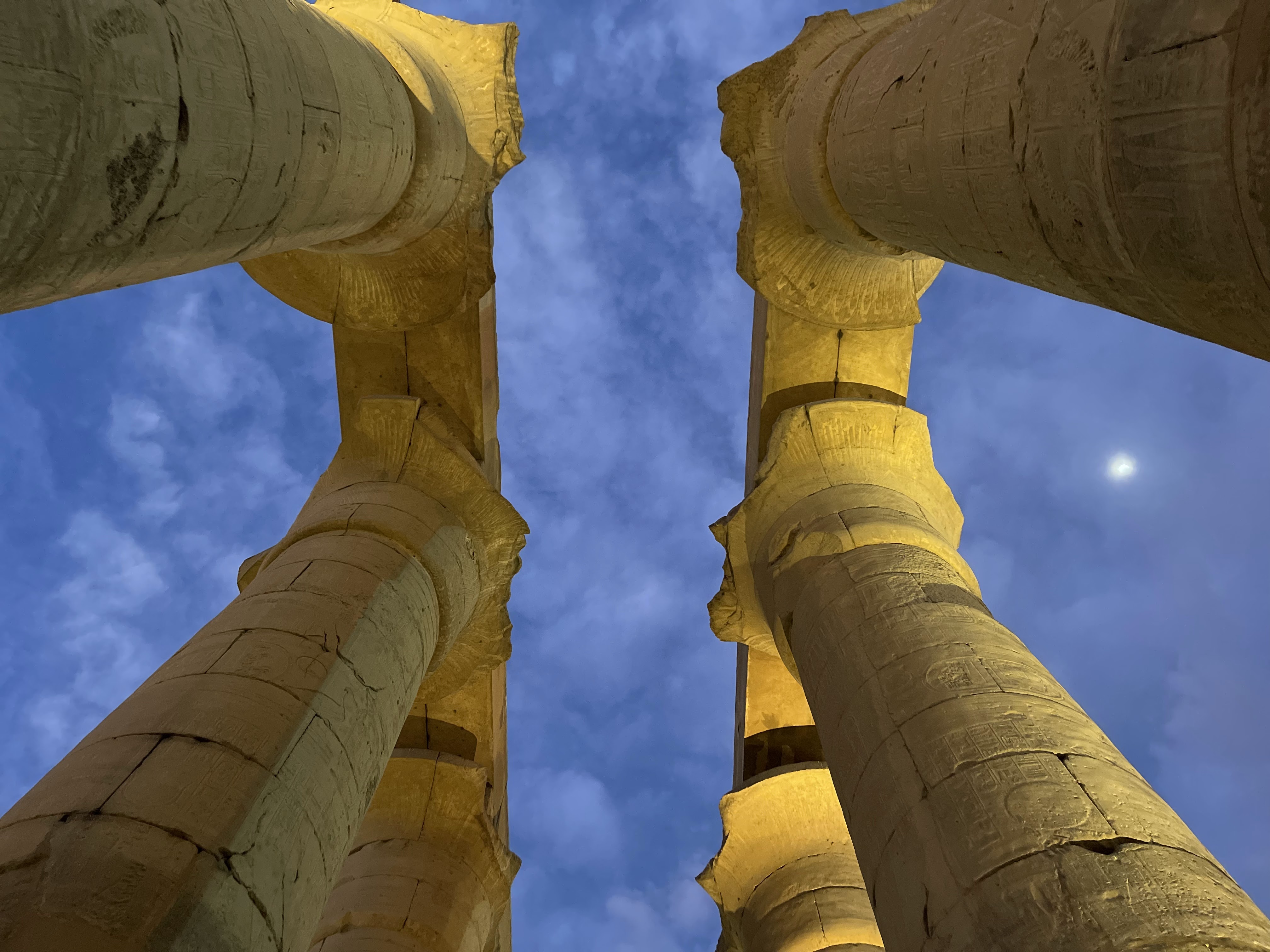
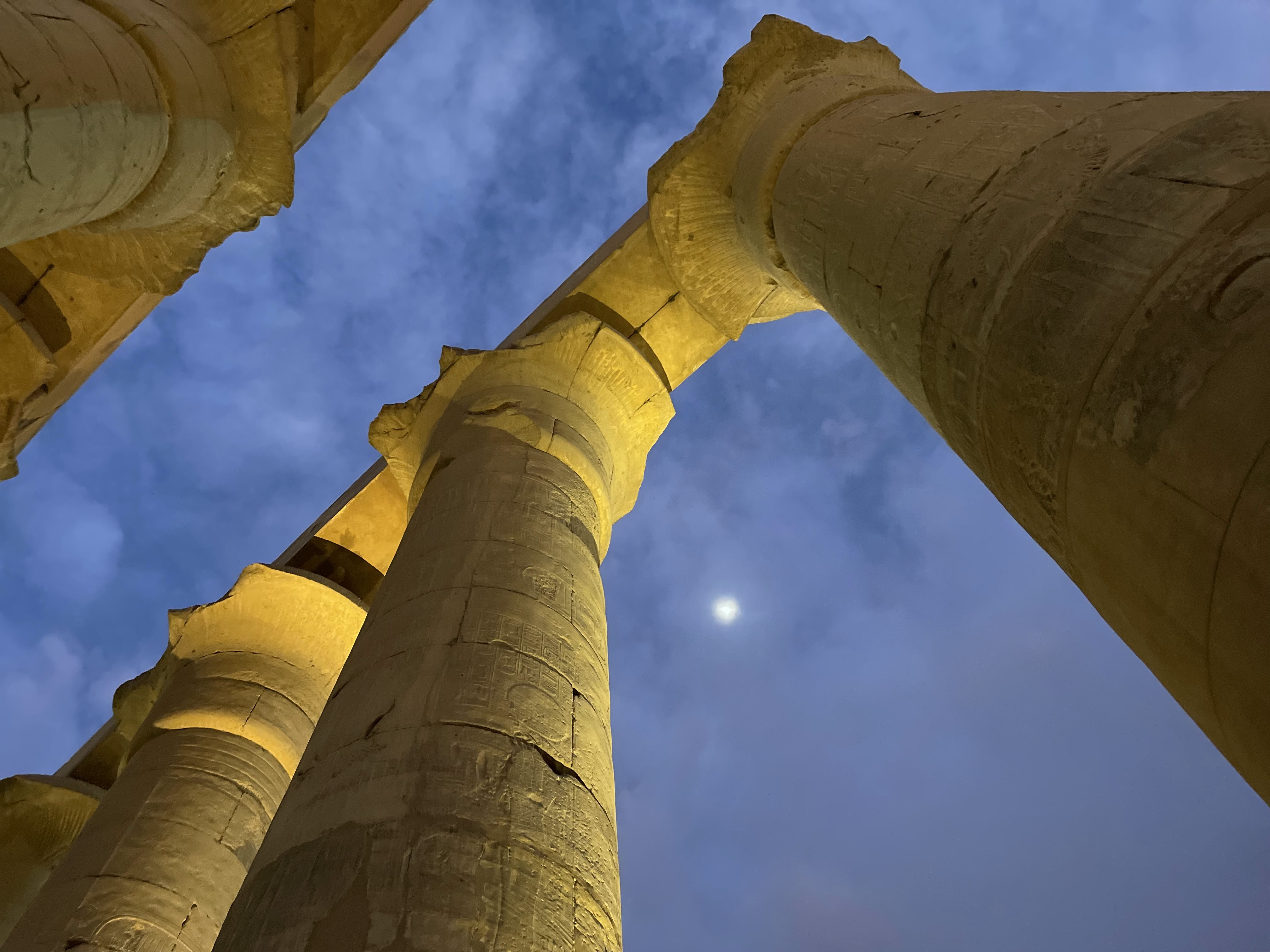
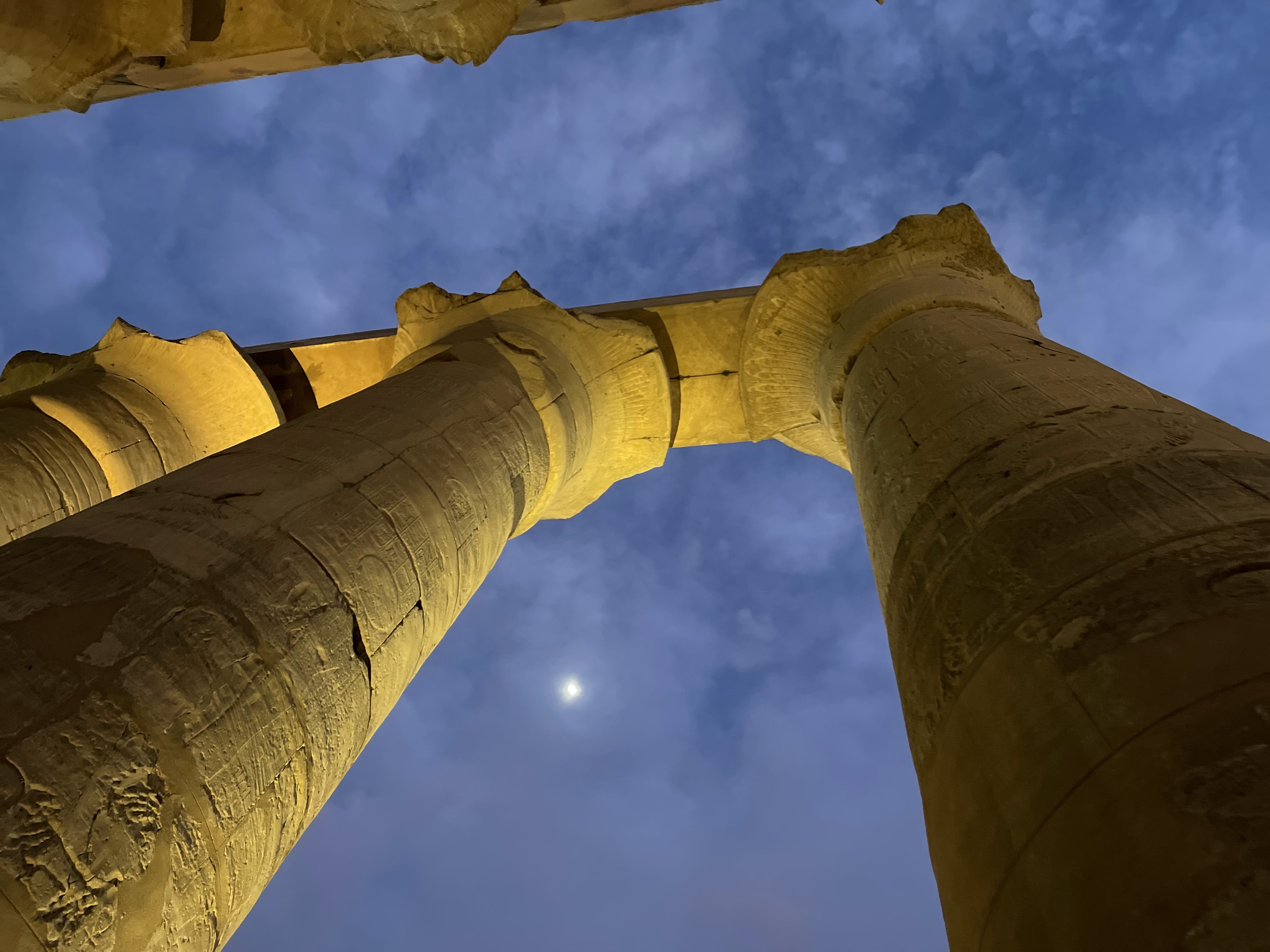
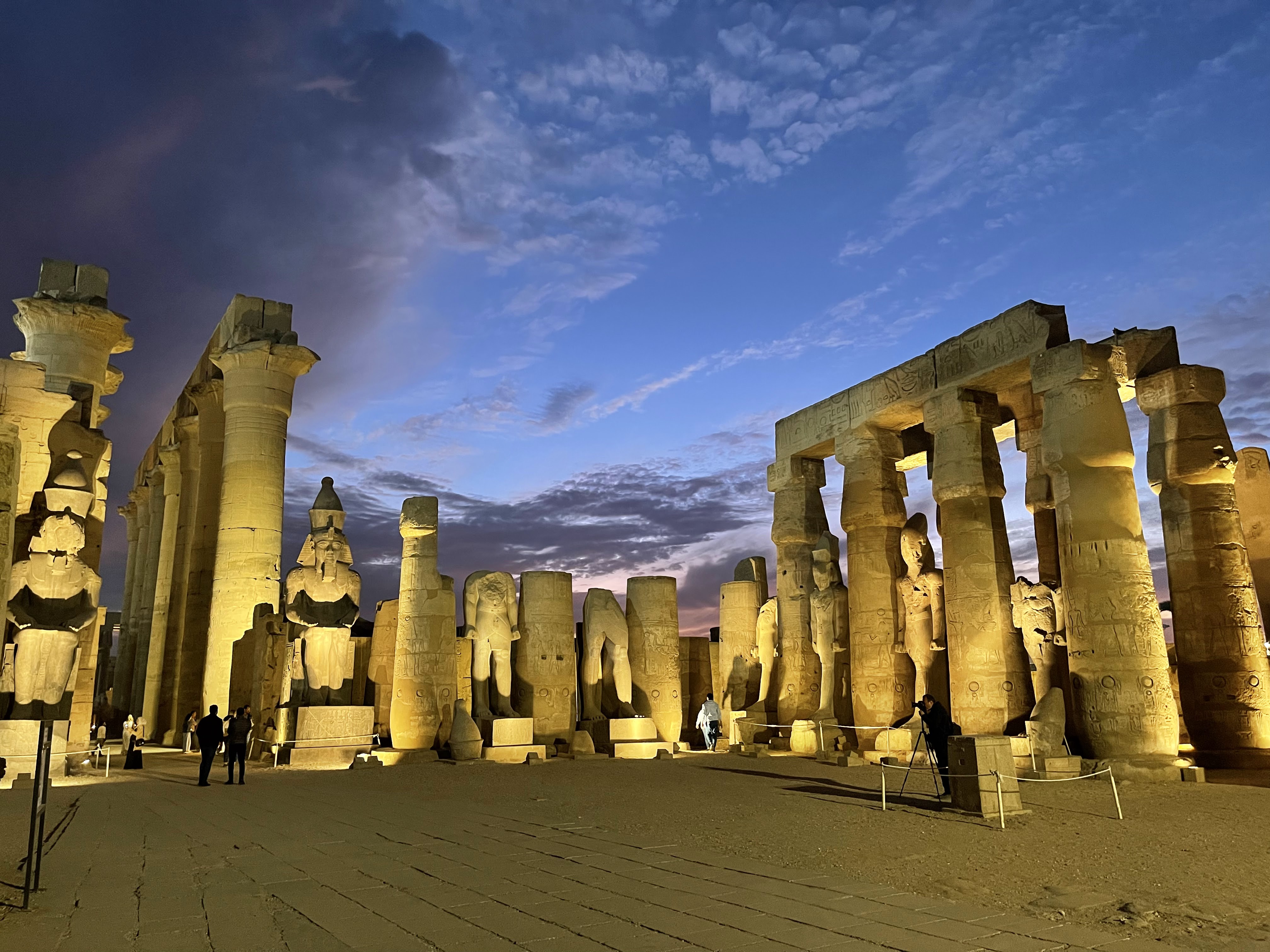
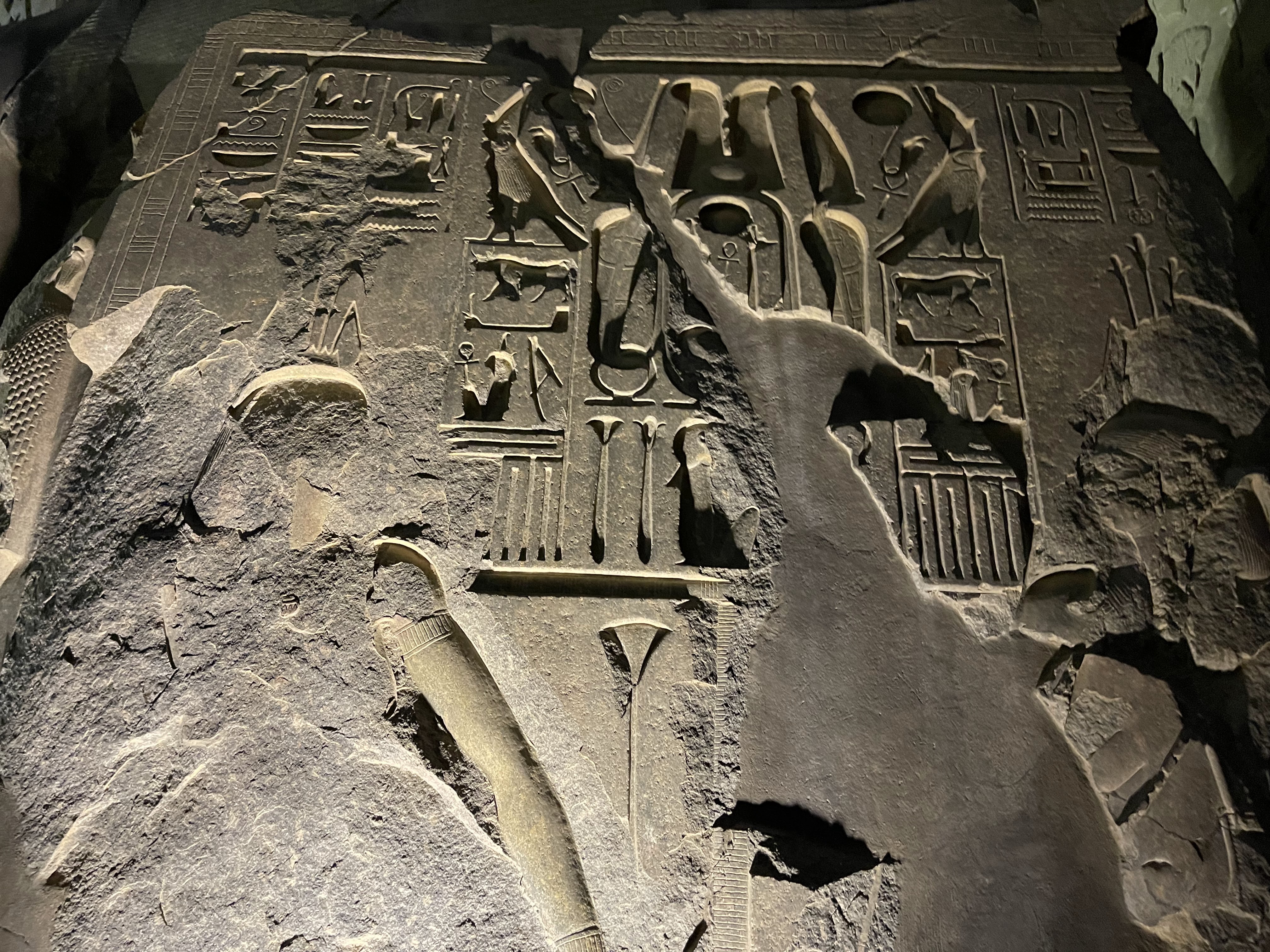
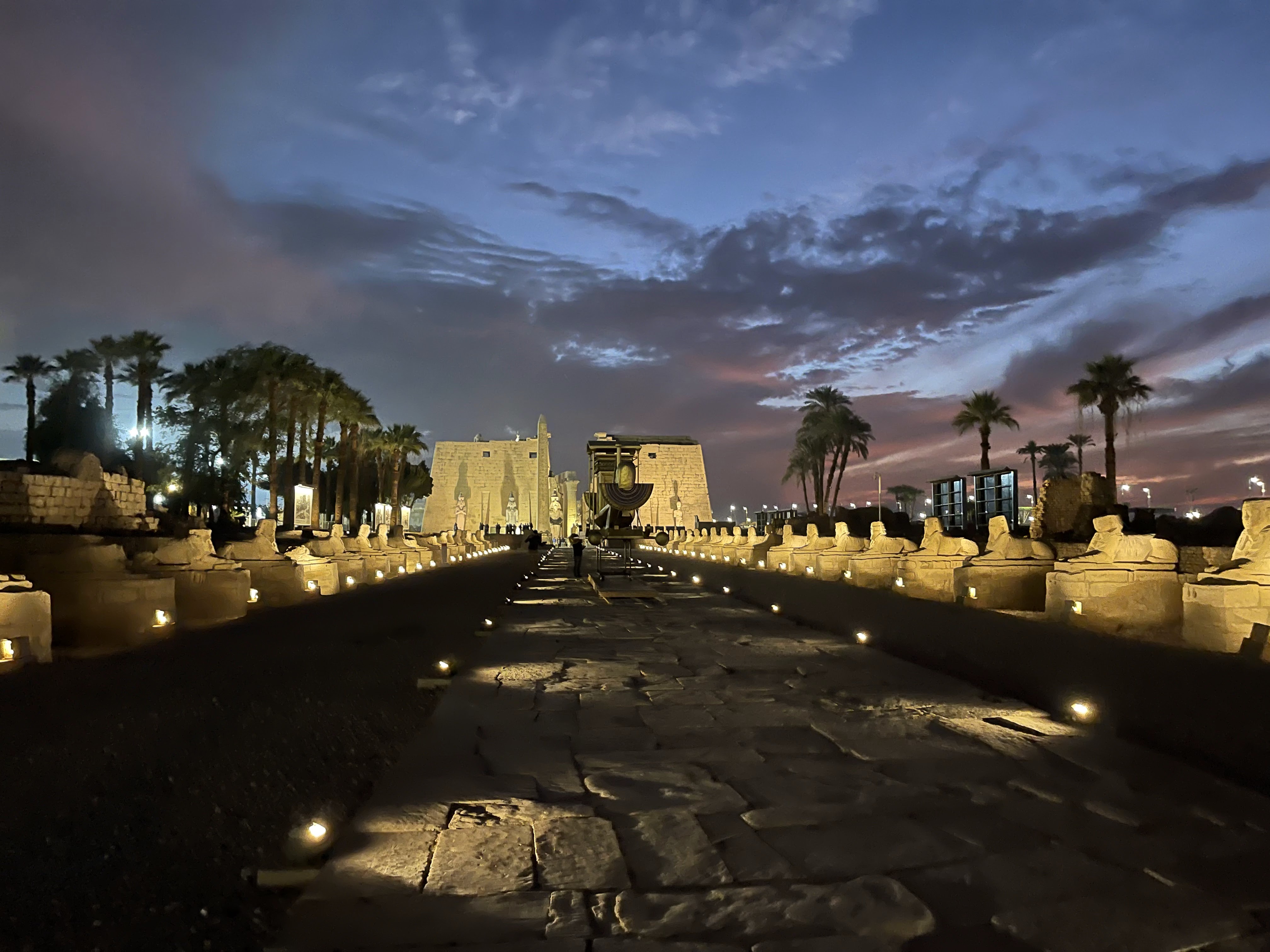
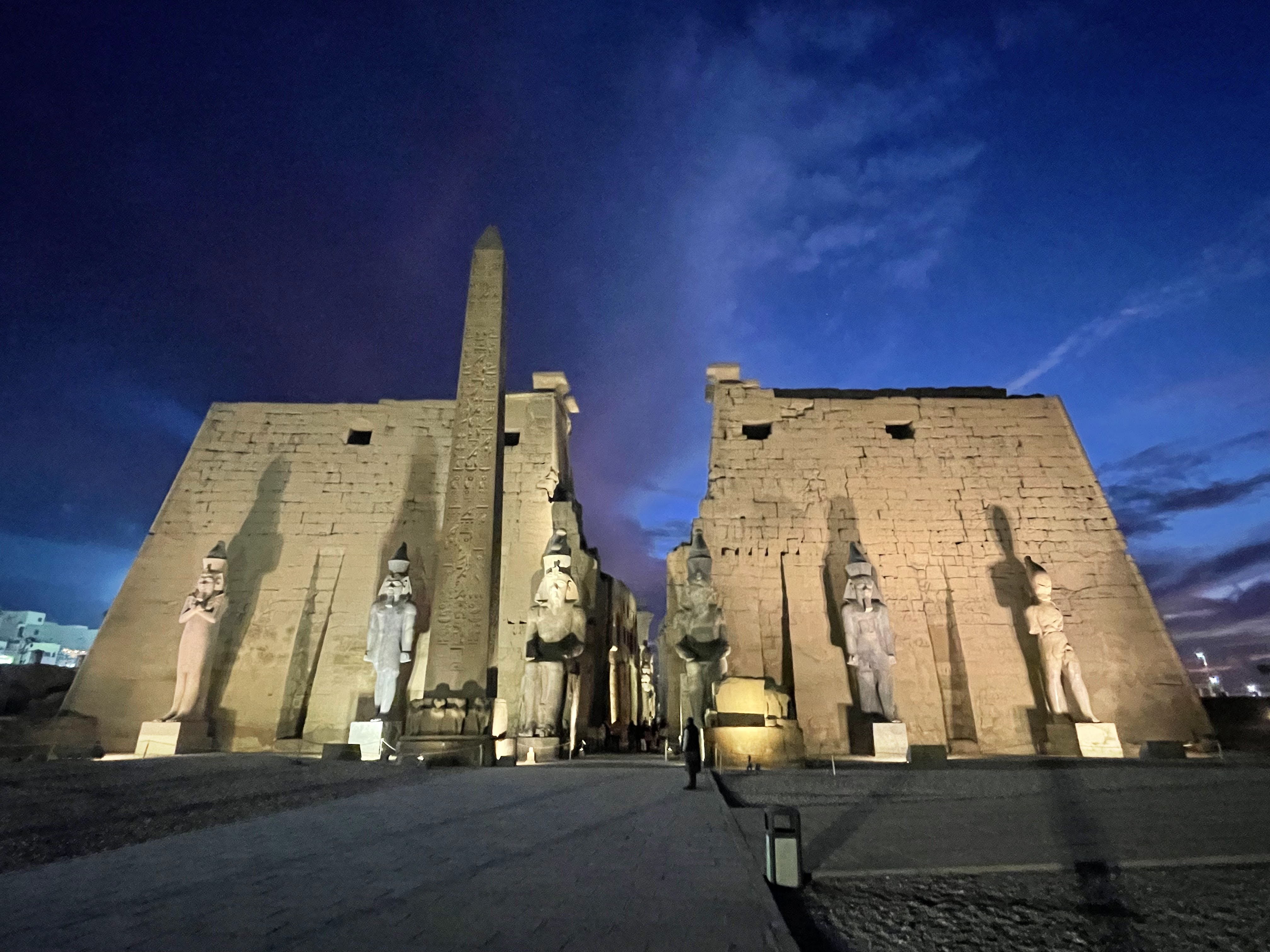
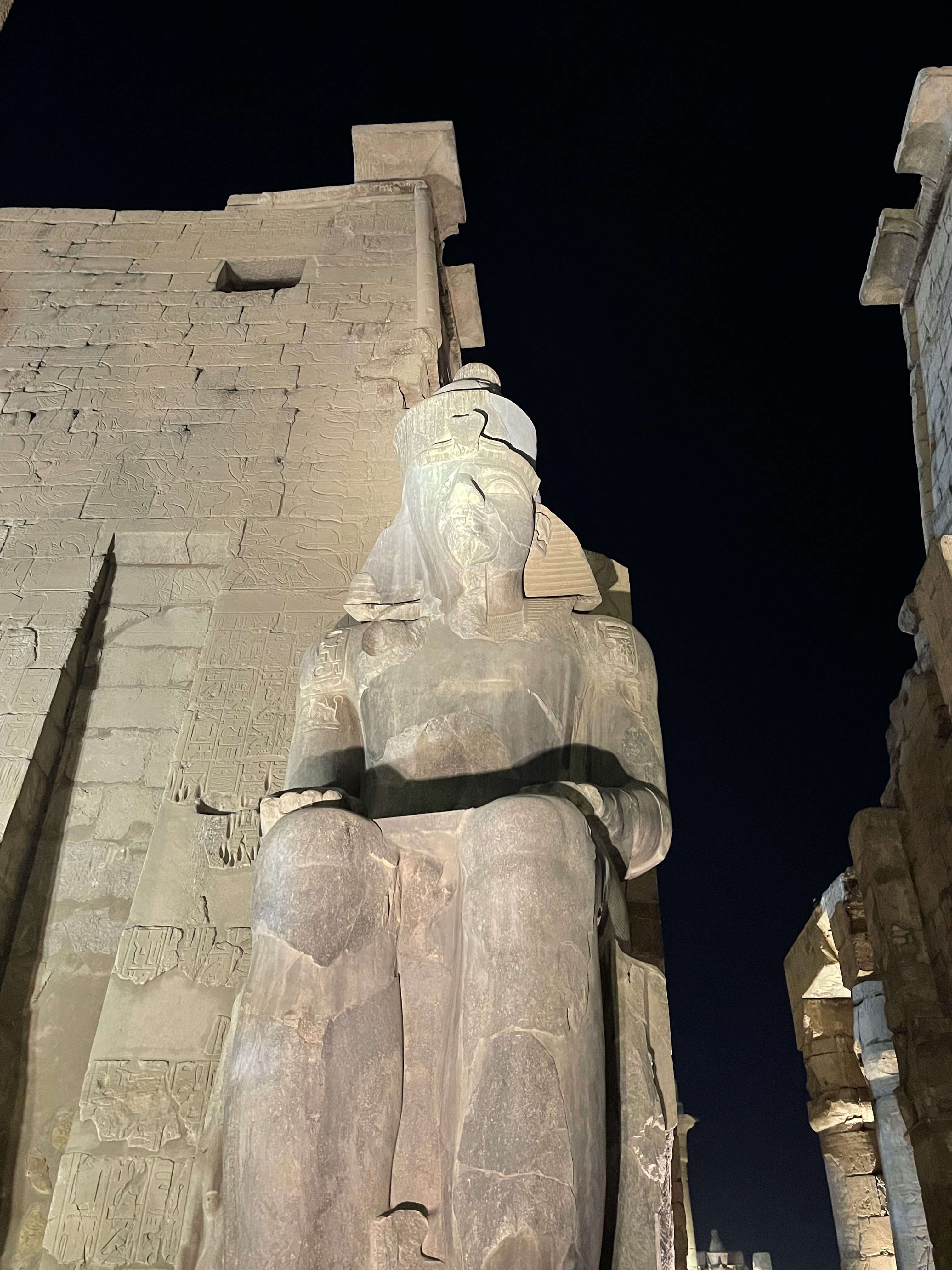
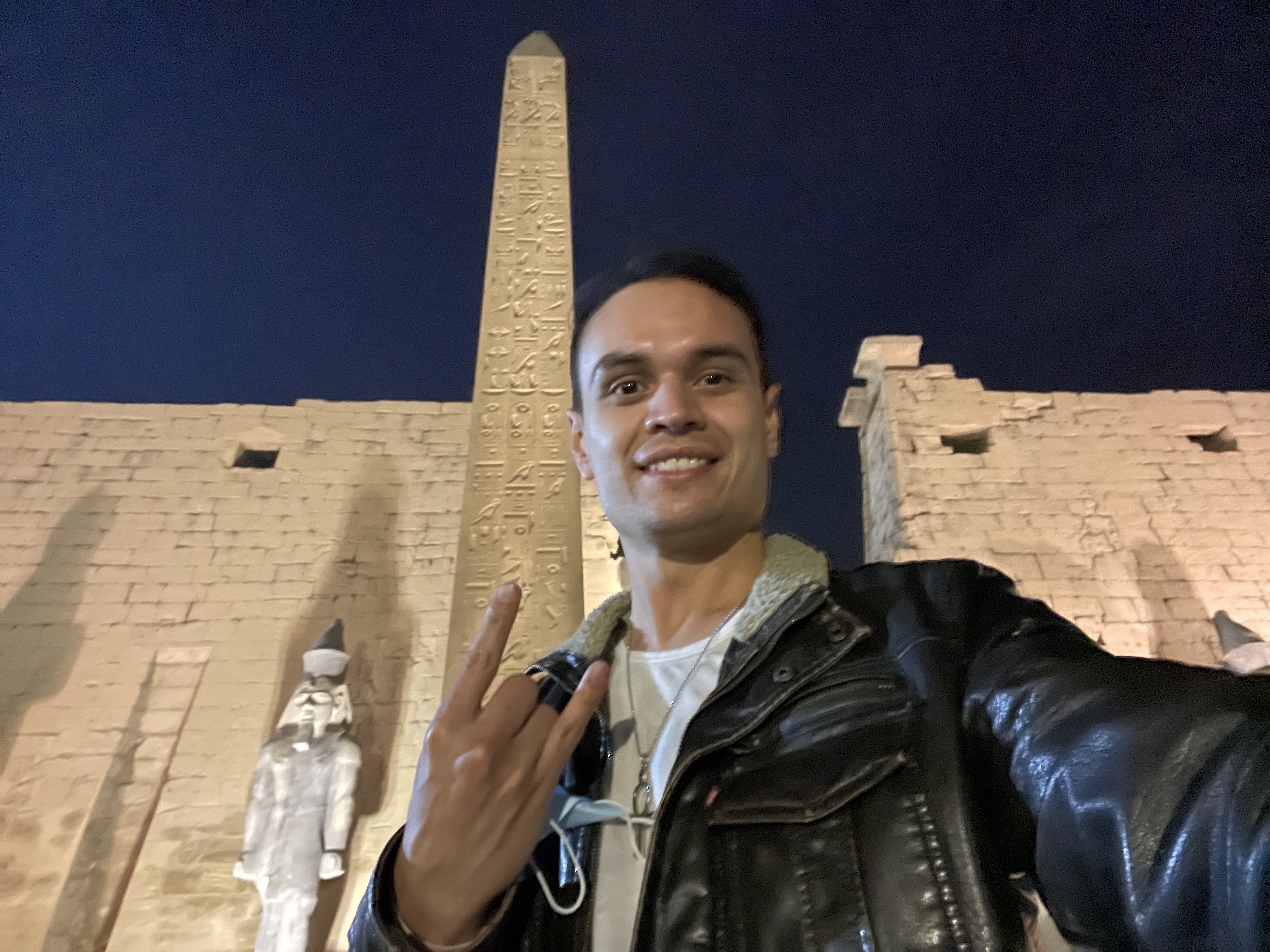
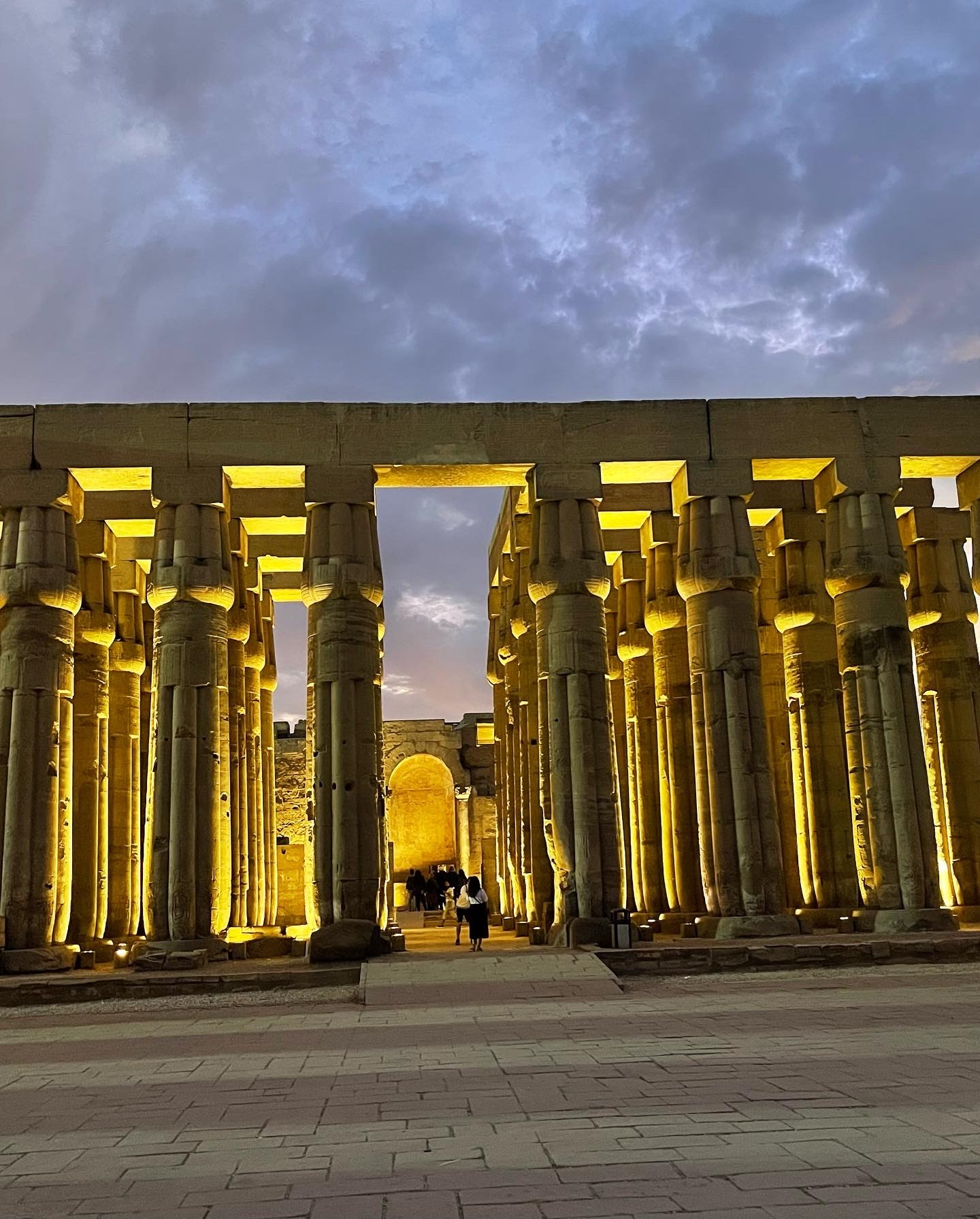
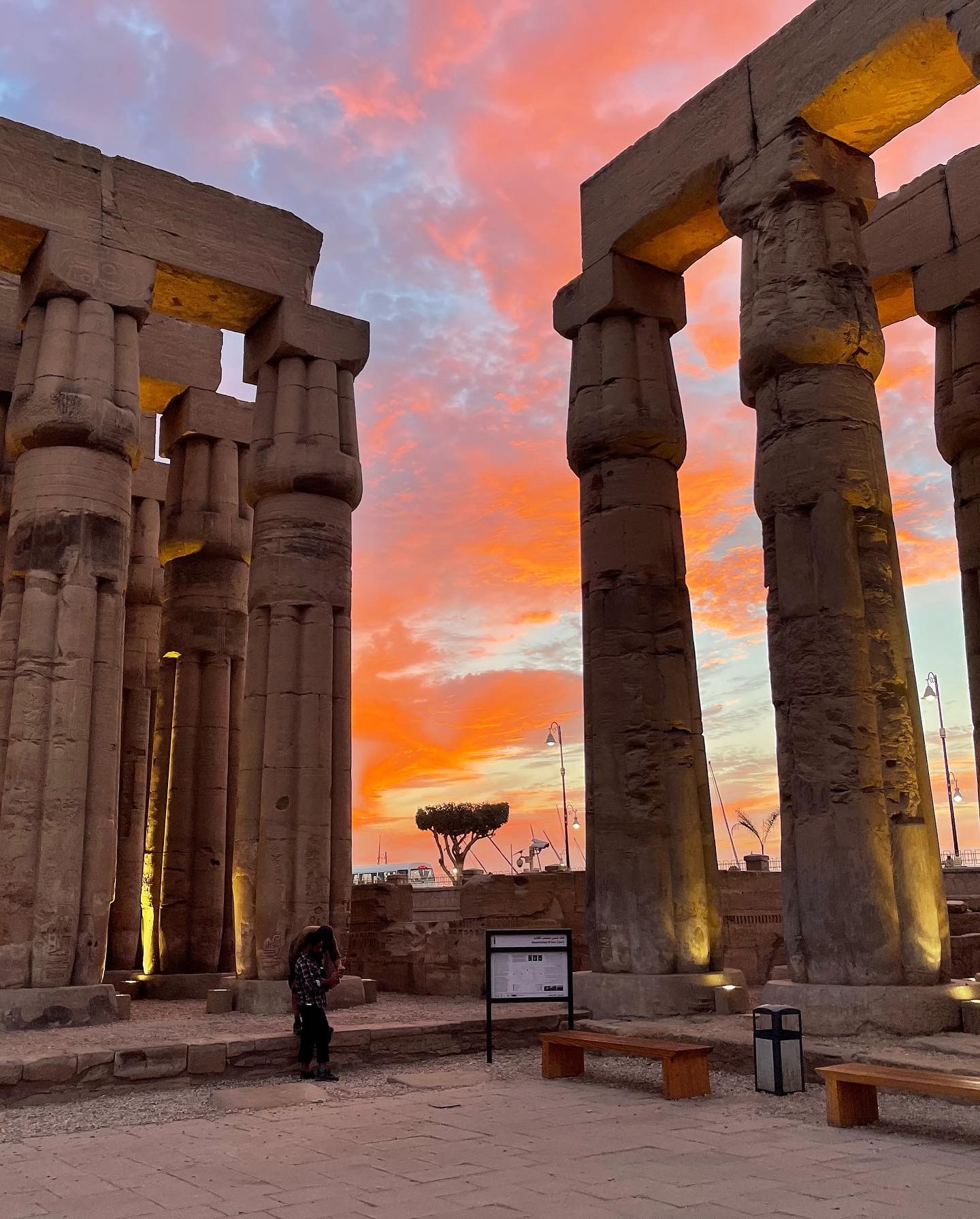
Throughout its history, Luxor has been known as Thebes, the great capital of the Egyptian Empire; Waset, meaning “city of the sceptre”; Taipet which meant “the shrine”; the “city of 100 gates” and many other names. The name Luxor comes from the Arabic word for “palaces”.
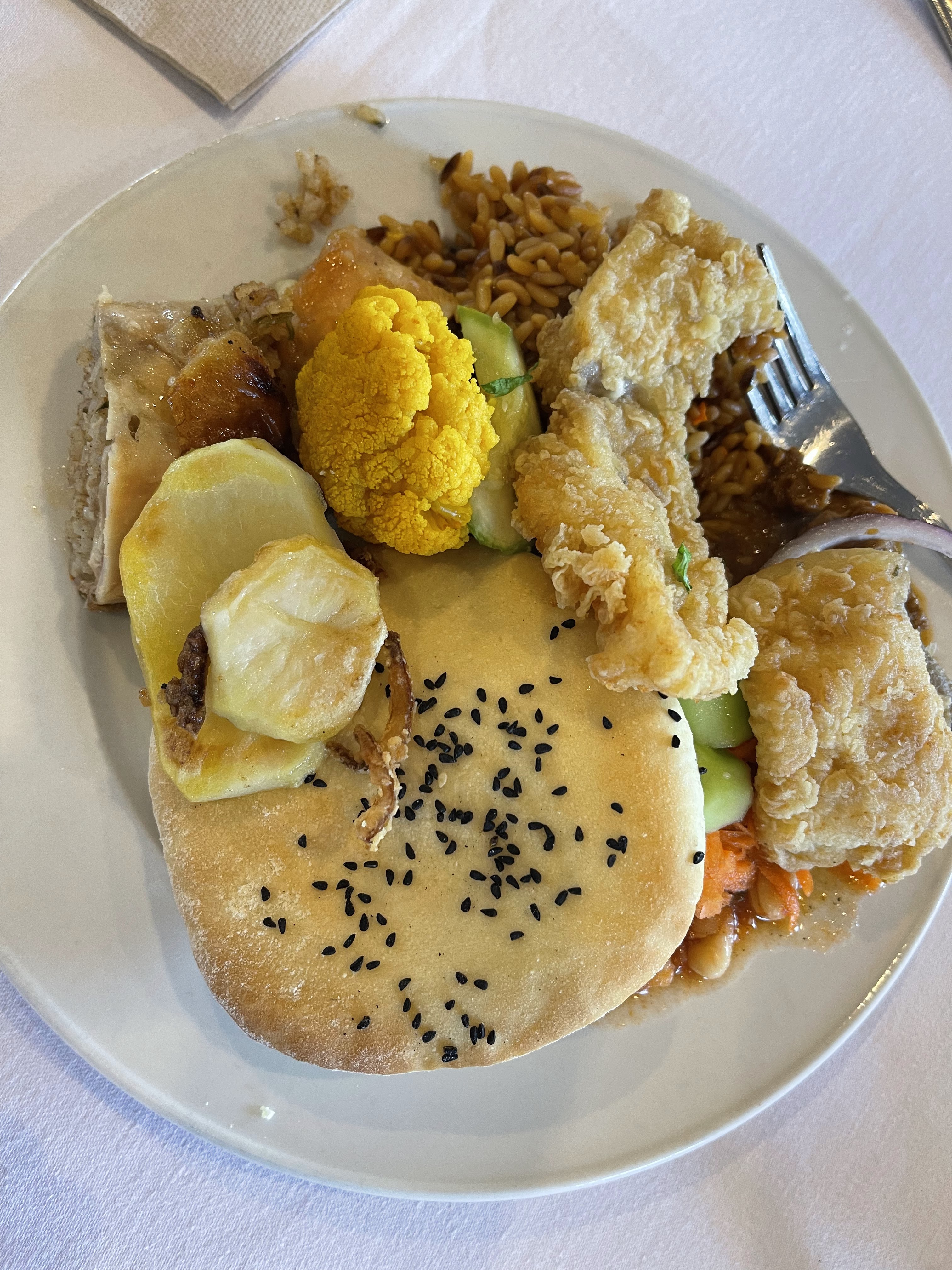
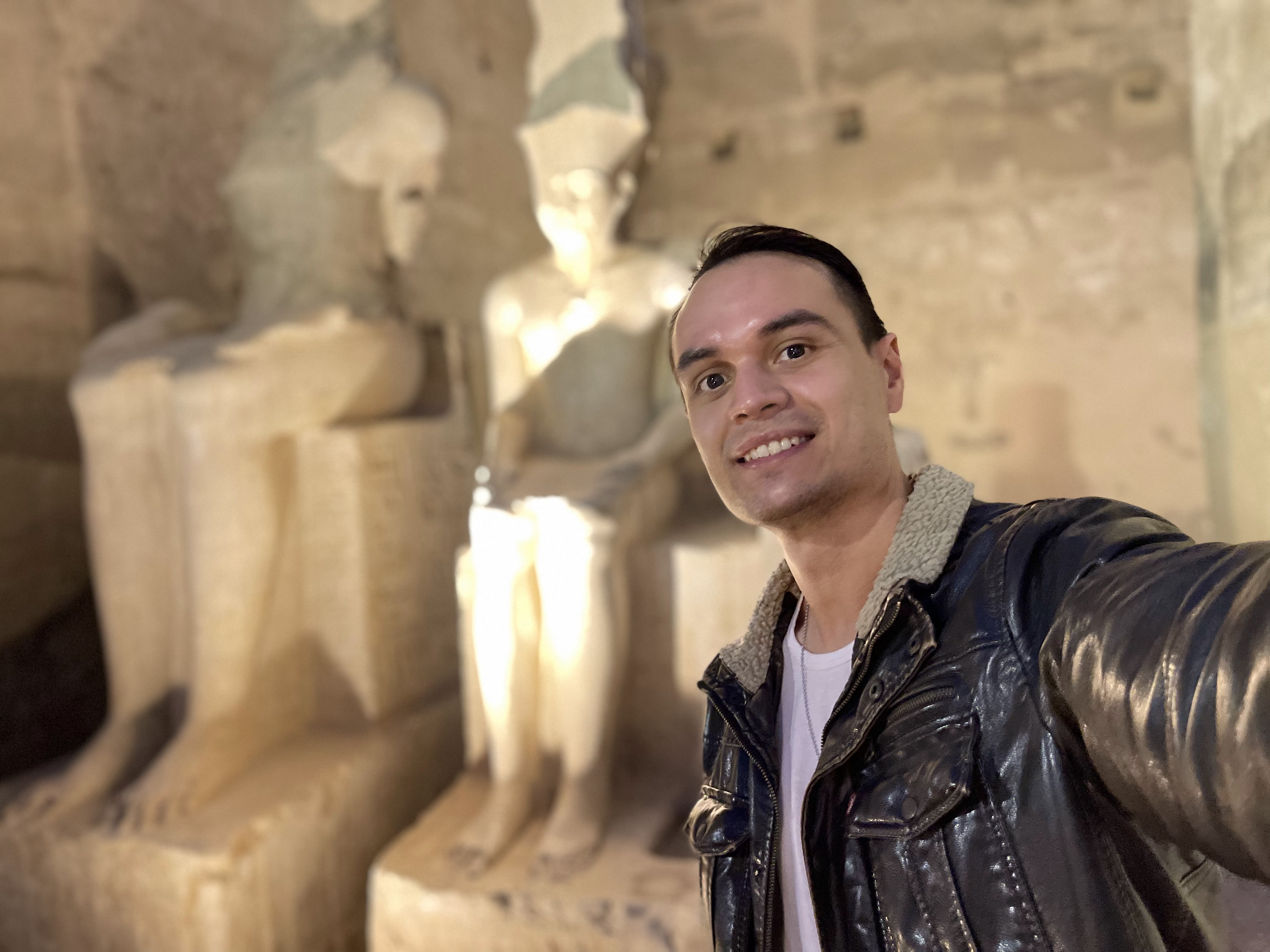
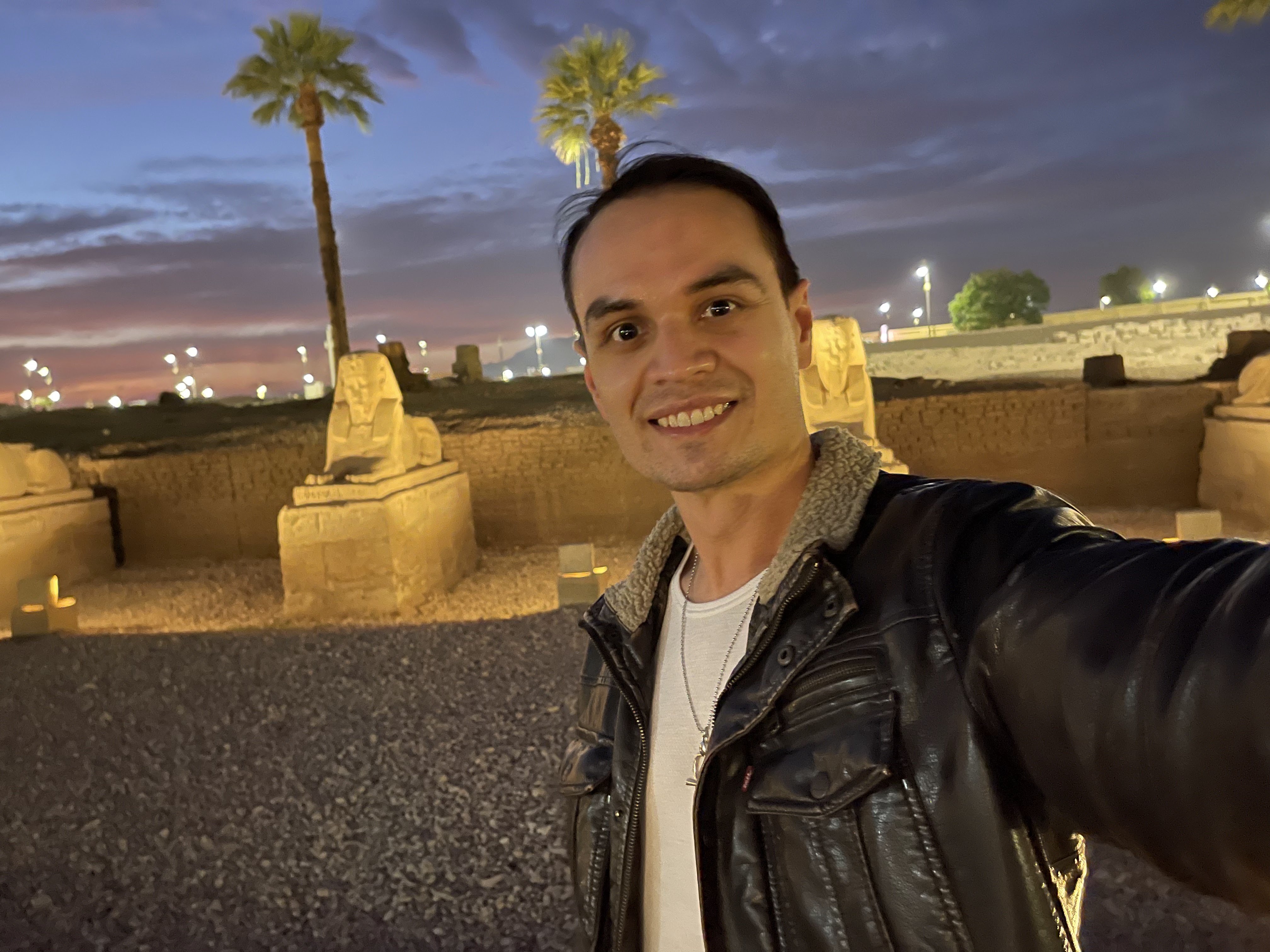
It gained importance around 3000 BCE, and eventually became Ancient Egypt’s political, military, and religious capital for a period of over 1500 years. Home to a huge number of Egypt’s architectural monuments, tourists often make it a point to visit the pyramids AND Luxor if they’re short on time. Fortunately, I saw Luxor in the late afternoon as the sun was setting so I experienced this monumental piece of history both during the day and at night in one fell swoop. The food pictures are of the lovely themed meals on-board my Nile cruise. I believe it was “Egyptian Day.”
It becomes readily apparent that the 18th Dynasty of the Pharaonic times was indeed prolific. On the temple walls, you’ll notice more scarabs (signifying rebirth), more Anks (key of life, which is often seen in the hands of deities or fed to the mouths of kings and queens by a deity), Hathor (the horned goddess of the sky, women, fertility, and love; seen as a female with horns in the etchings) and of course, Horus the falcon, and Amun Re the sun god.
In Luxor, the 3 kilometer path between Karnak Temple and Luxor Temple was for the annual Opet Festival where large statues were carried on solar boats from one temple to the other through the Avenue of the Sphinxes. I teared up a bit just imagining the roar of the crowd 4,500 years ago.
It was nice to see that the University of Chicago’s department of Egyptology and Anthropology was involved in the continued restoration of Luxor as well. Part of the Temple was blocked off due to repairs. History is valued.




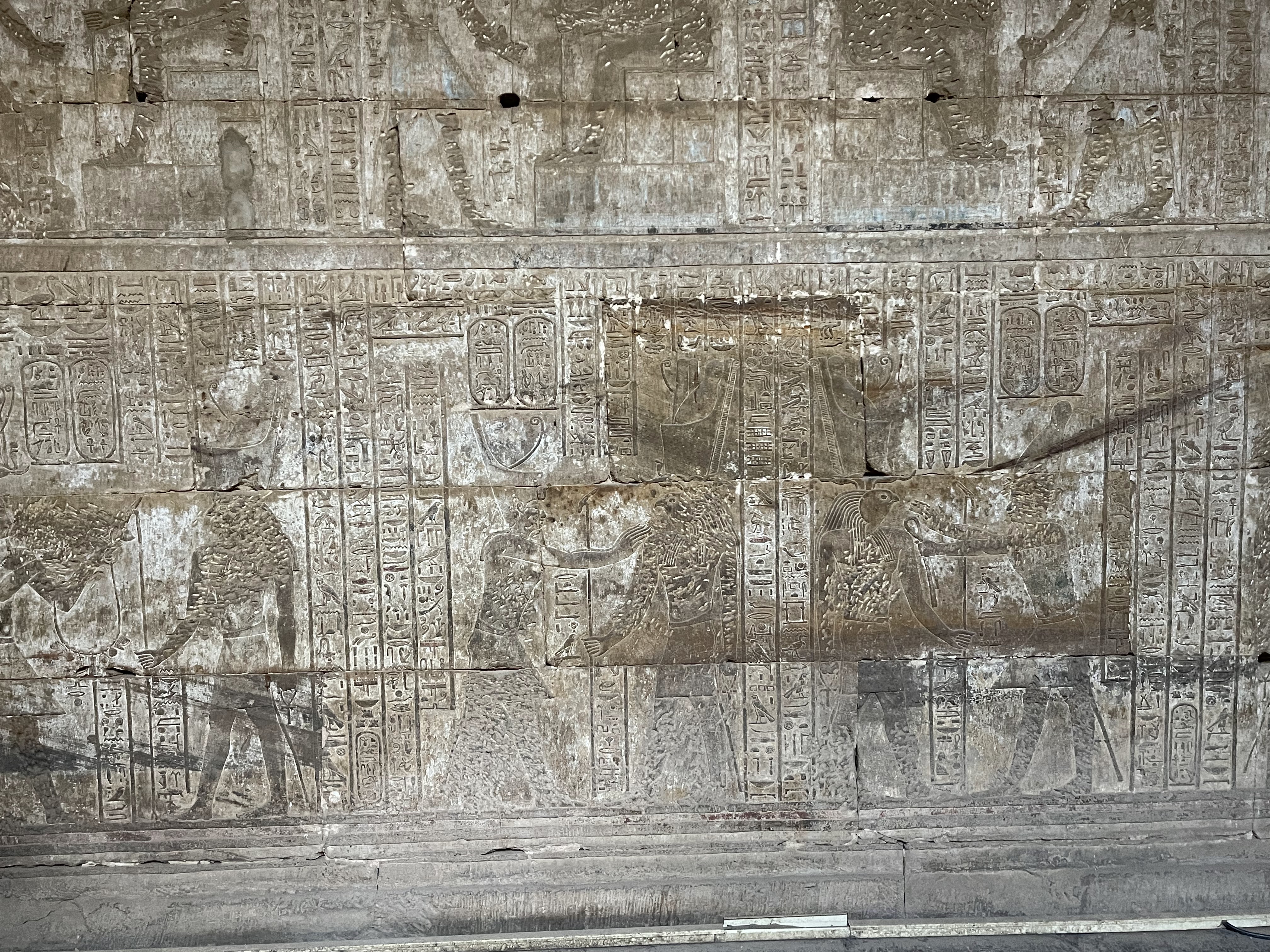
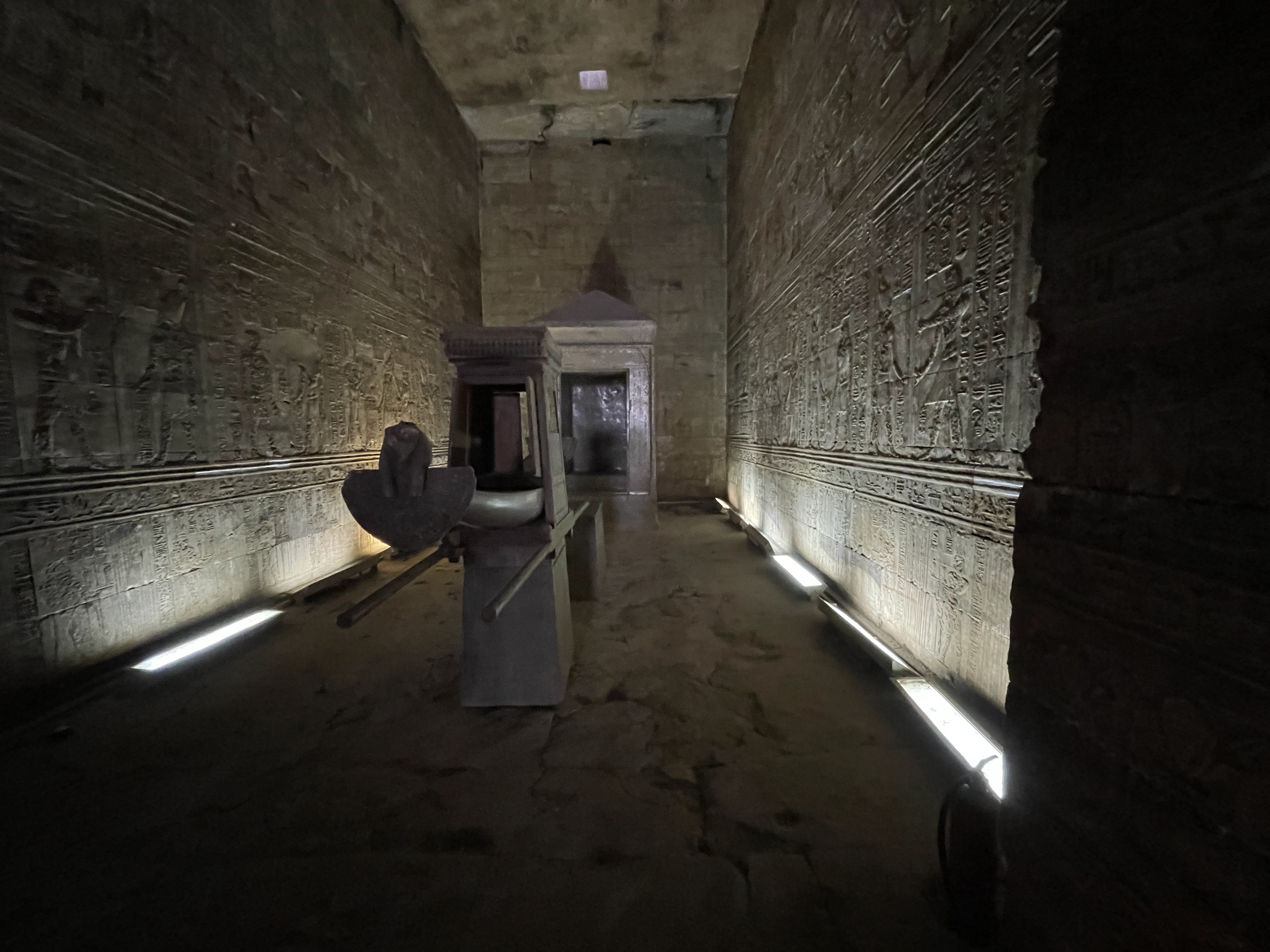

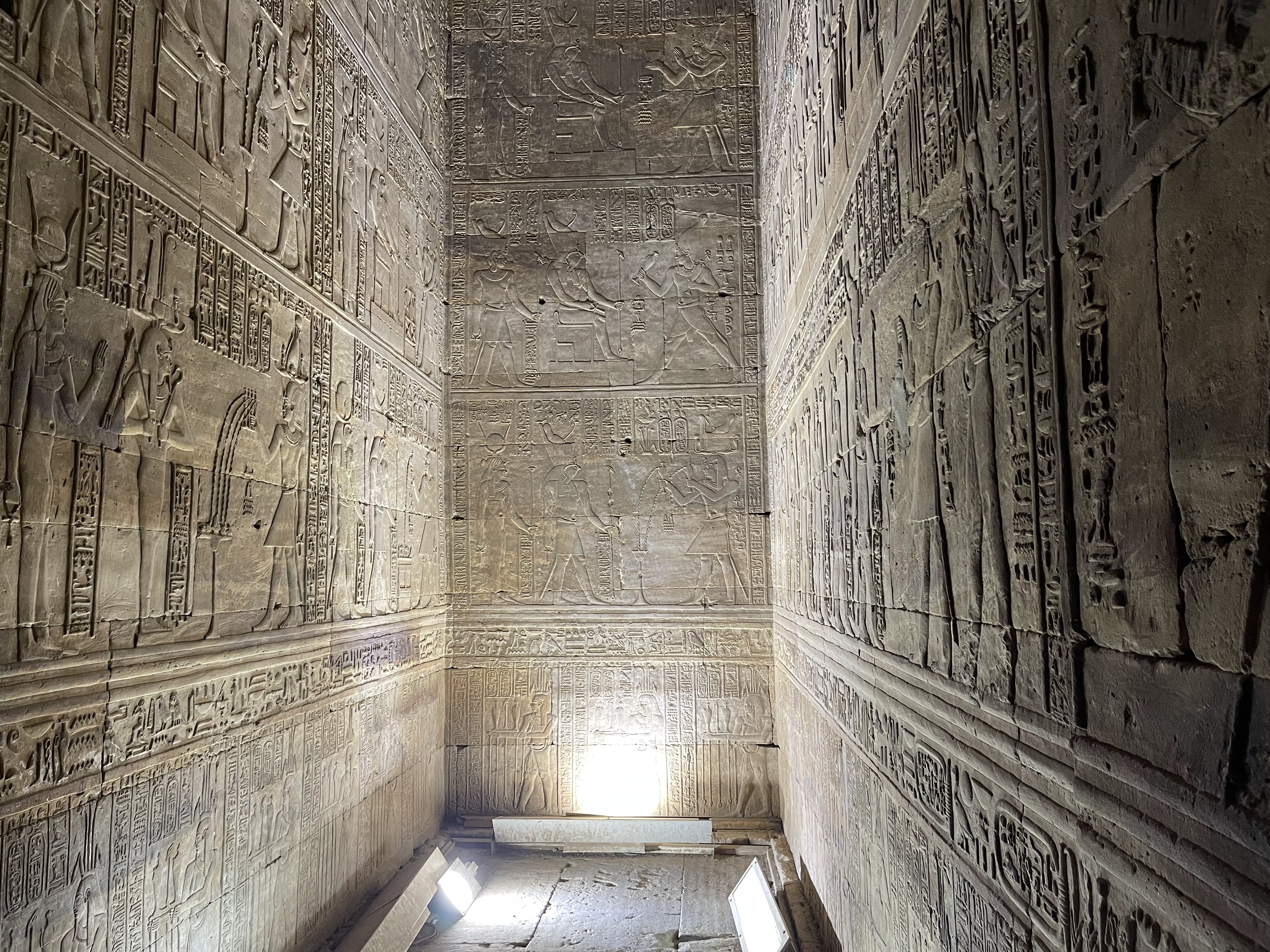


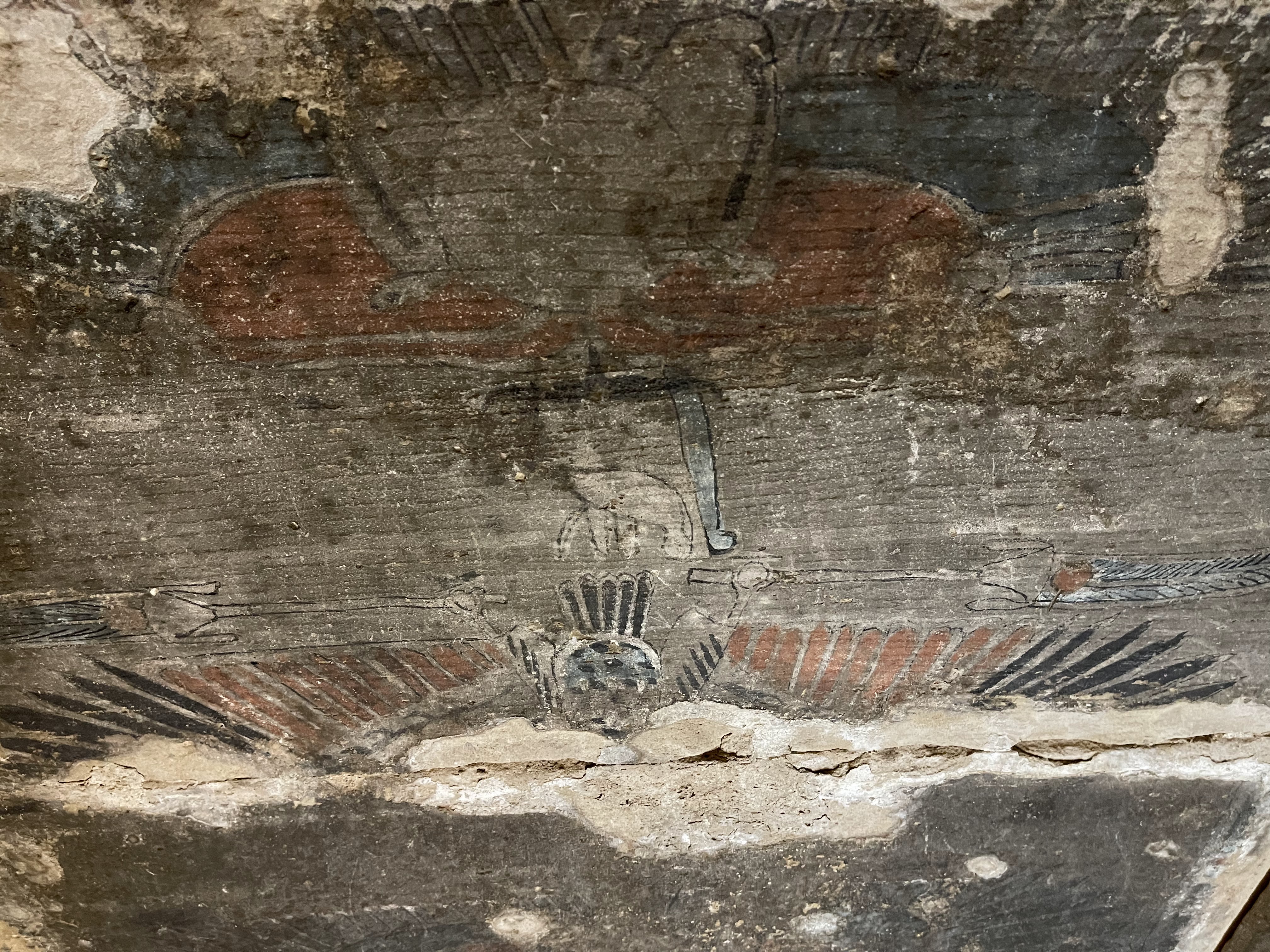


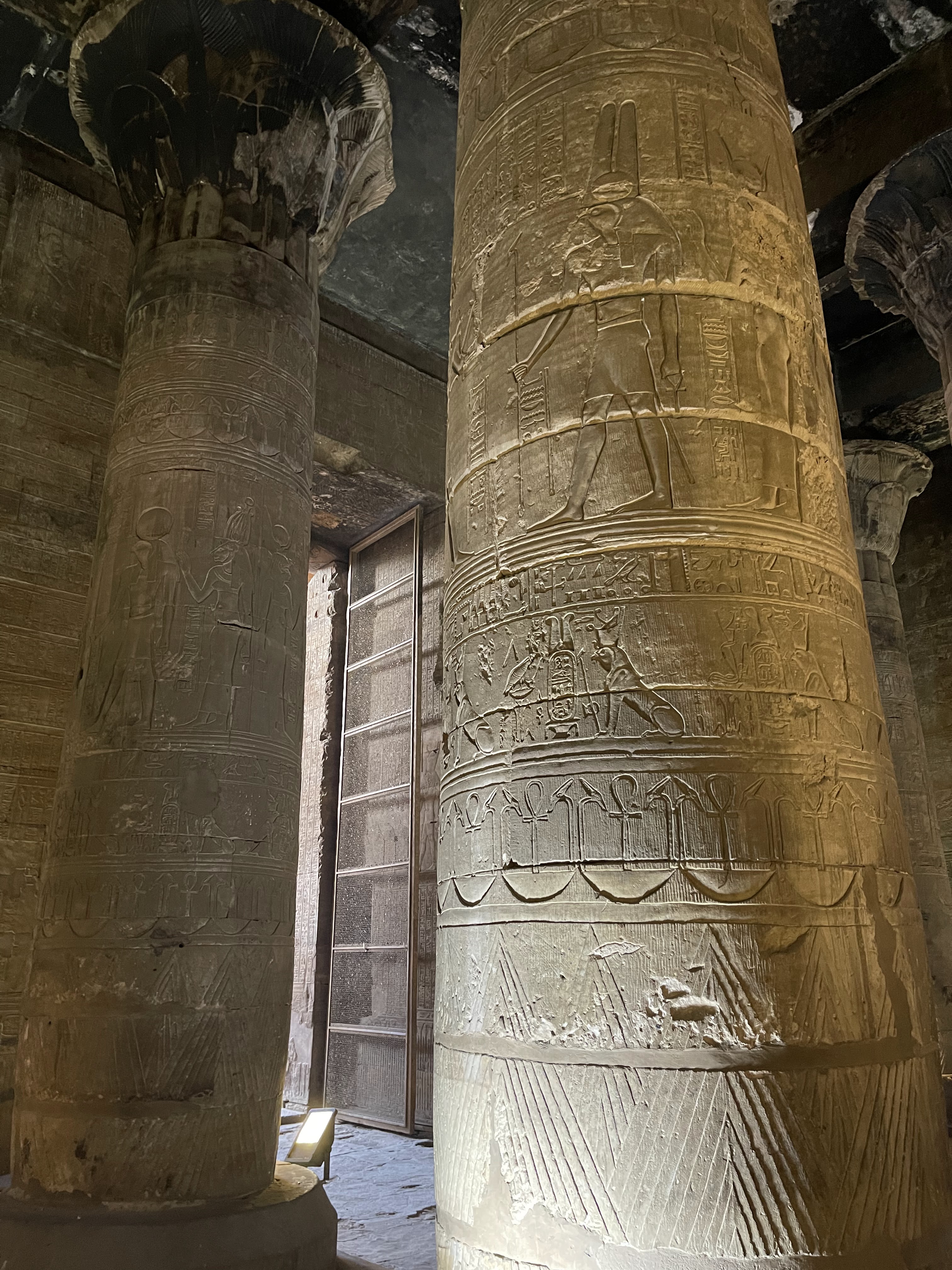
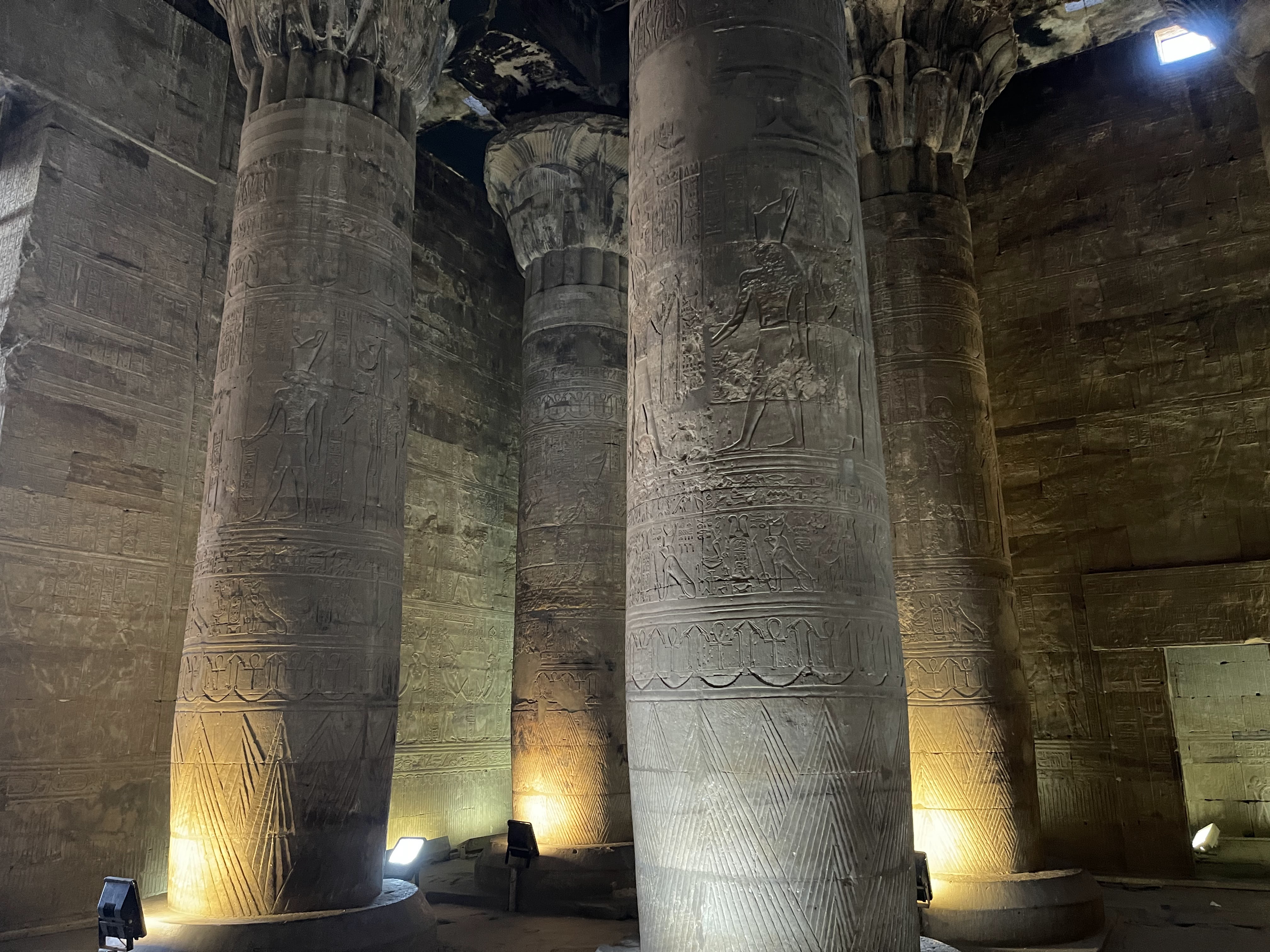





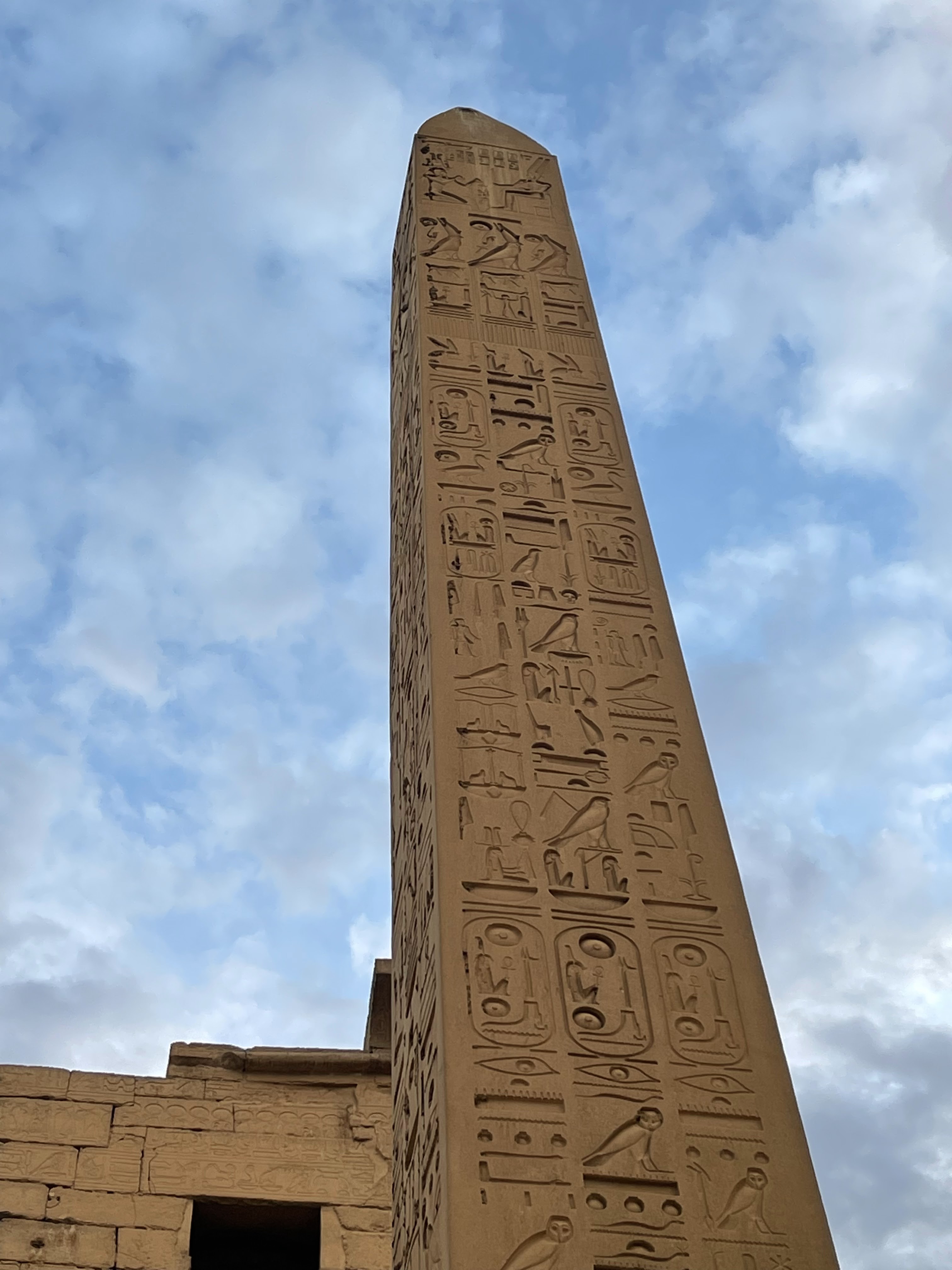


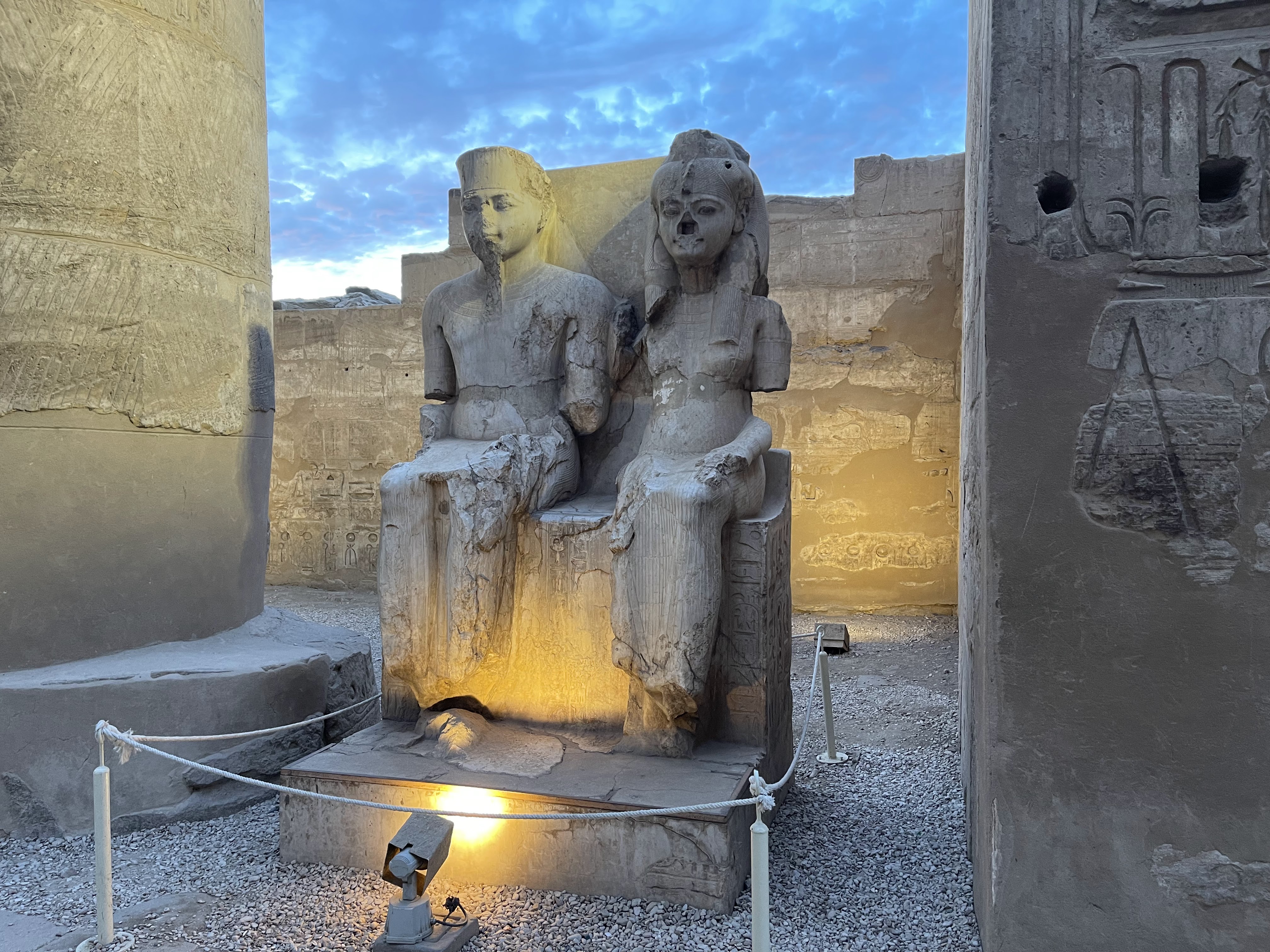

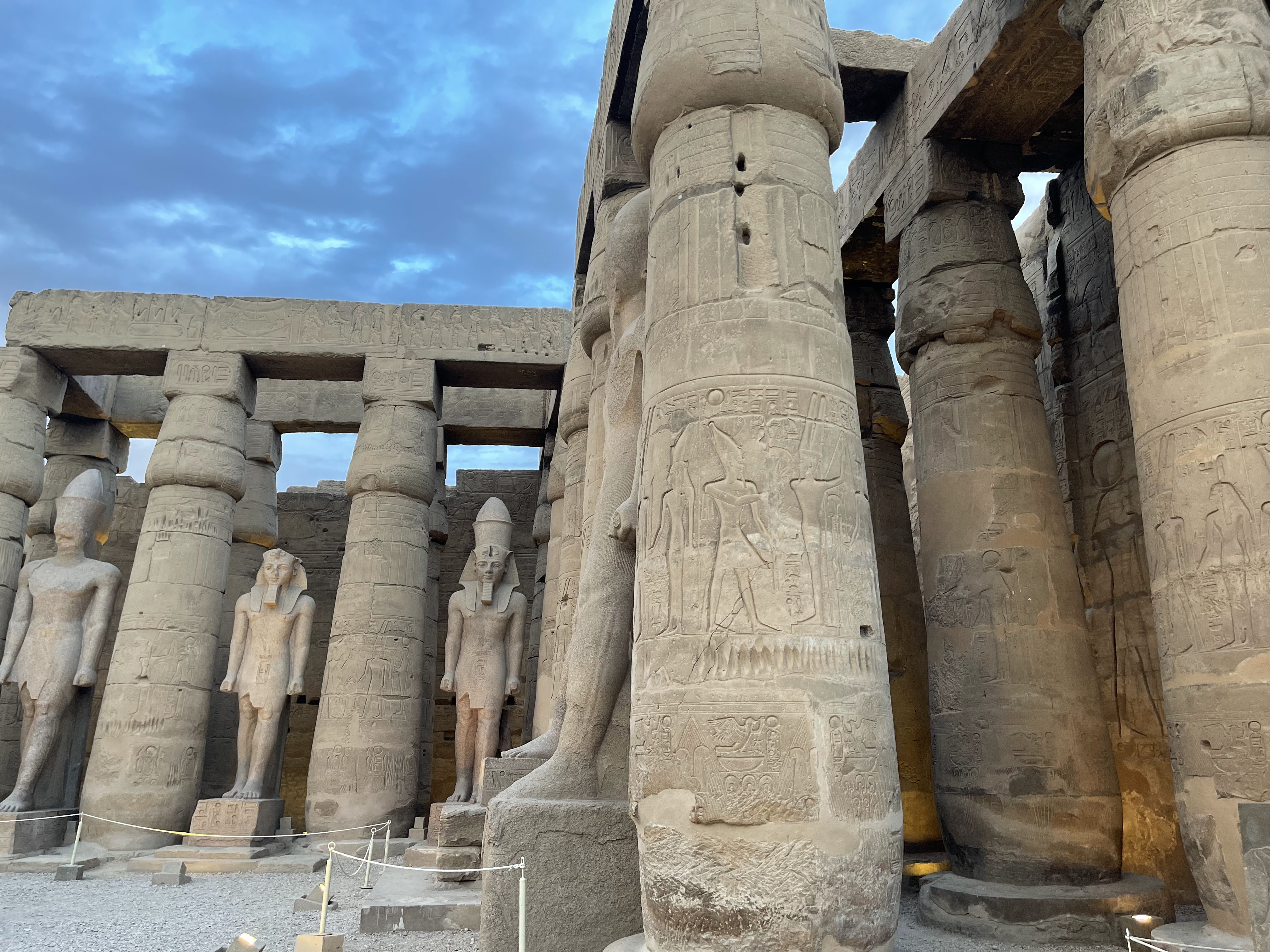


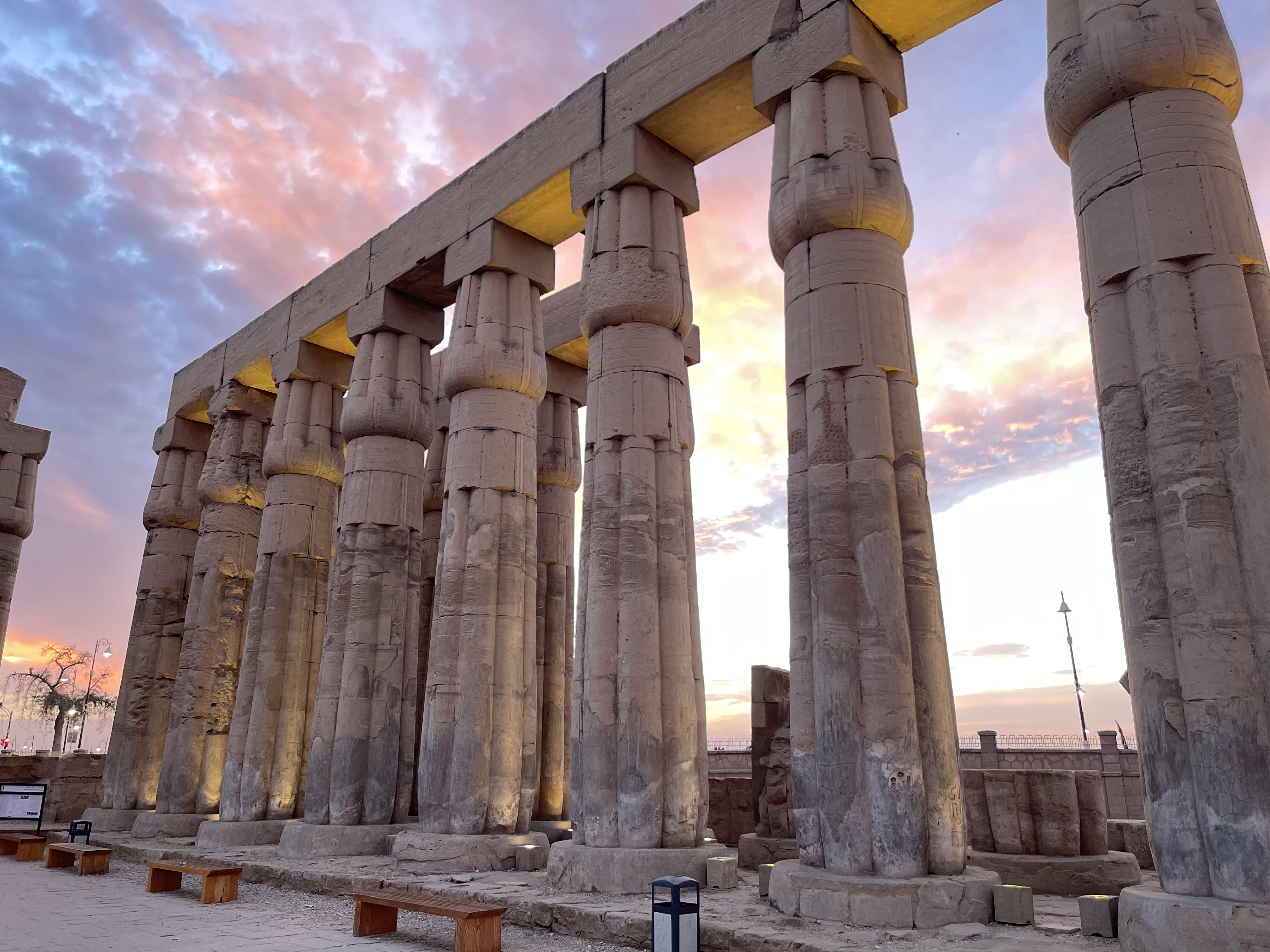


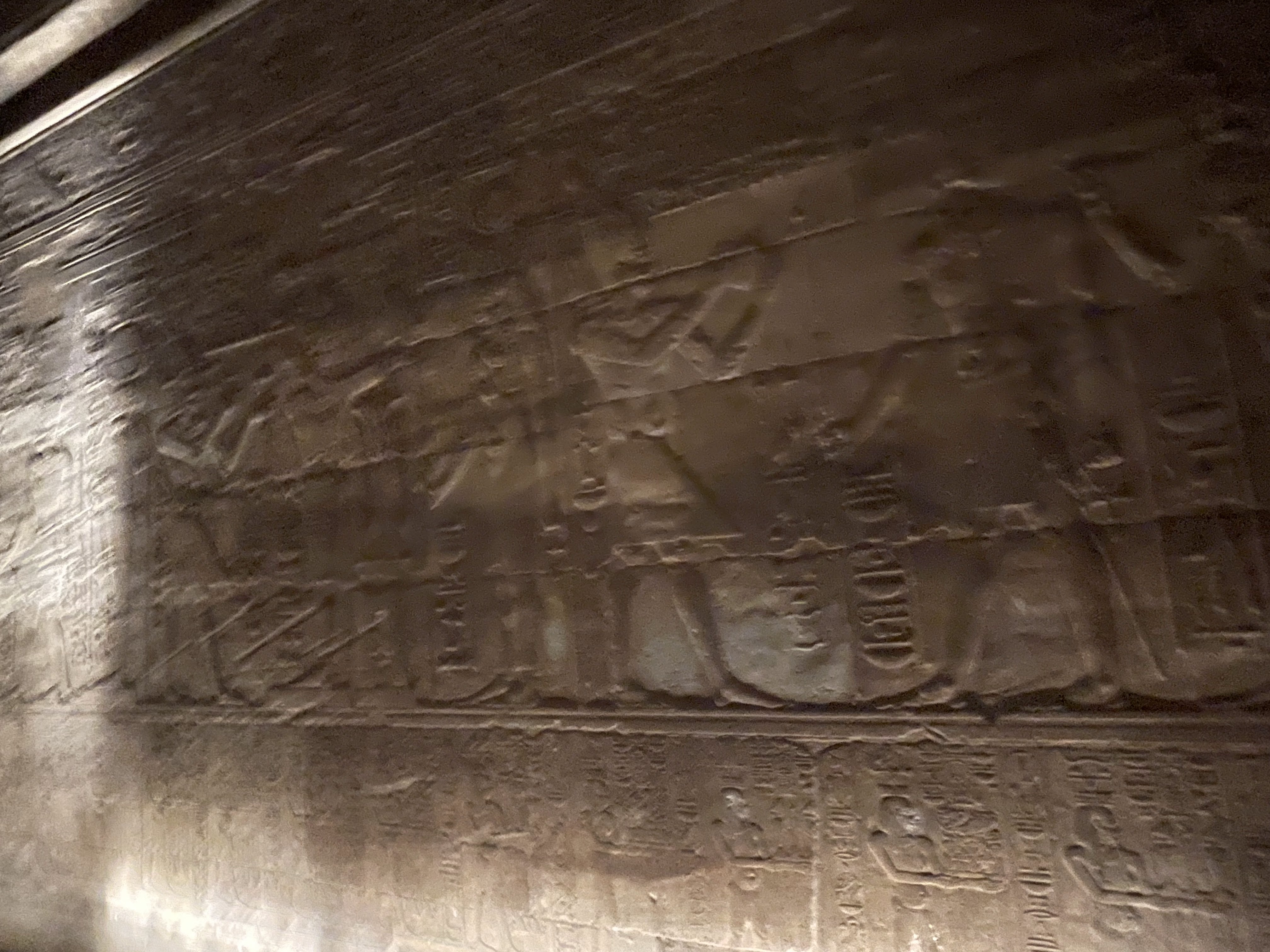
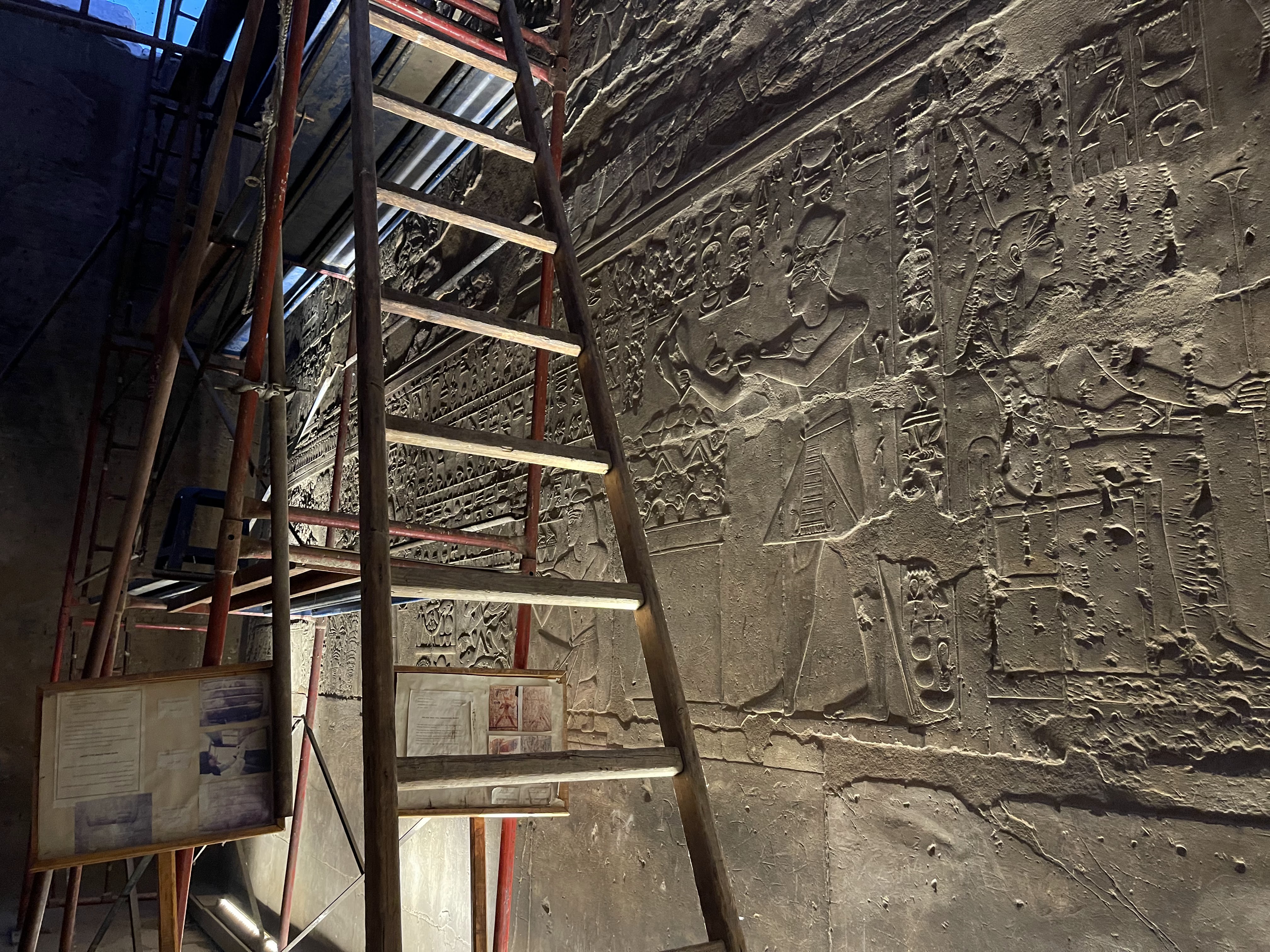
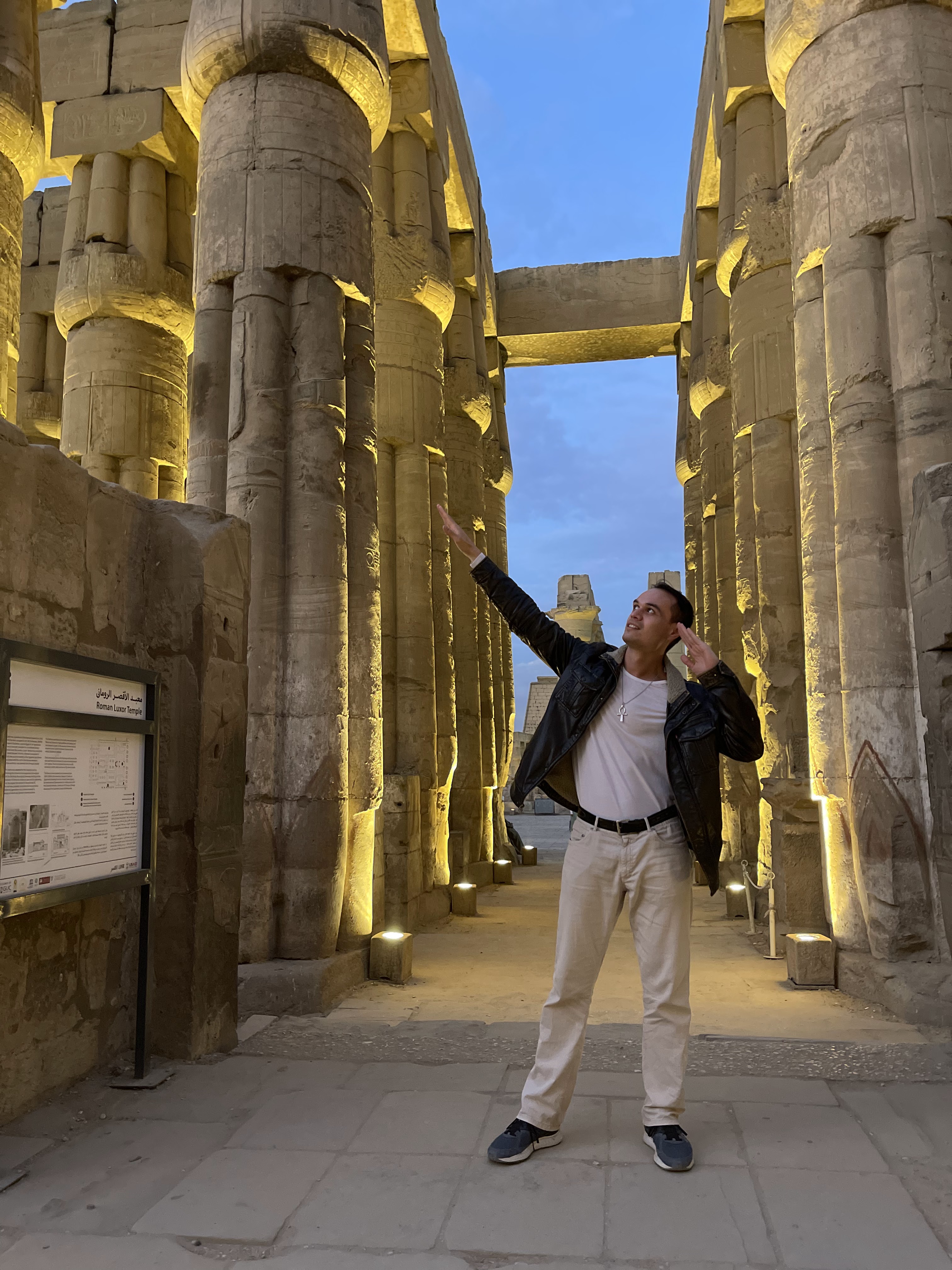
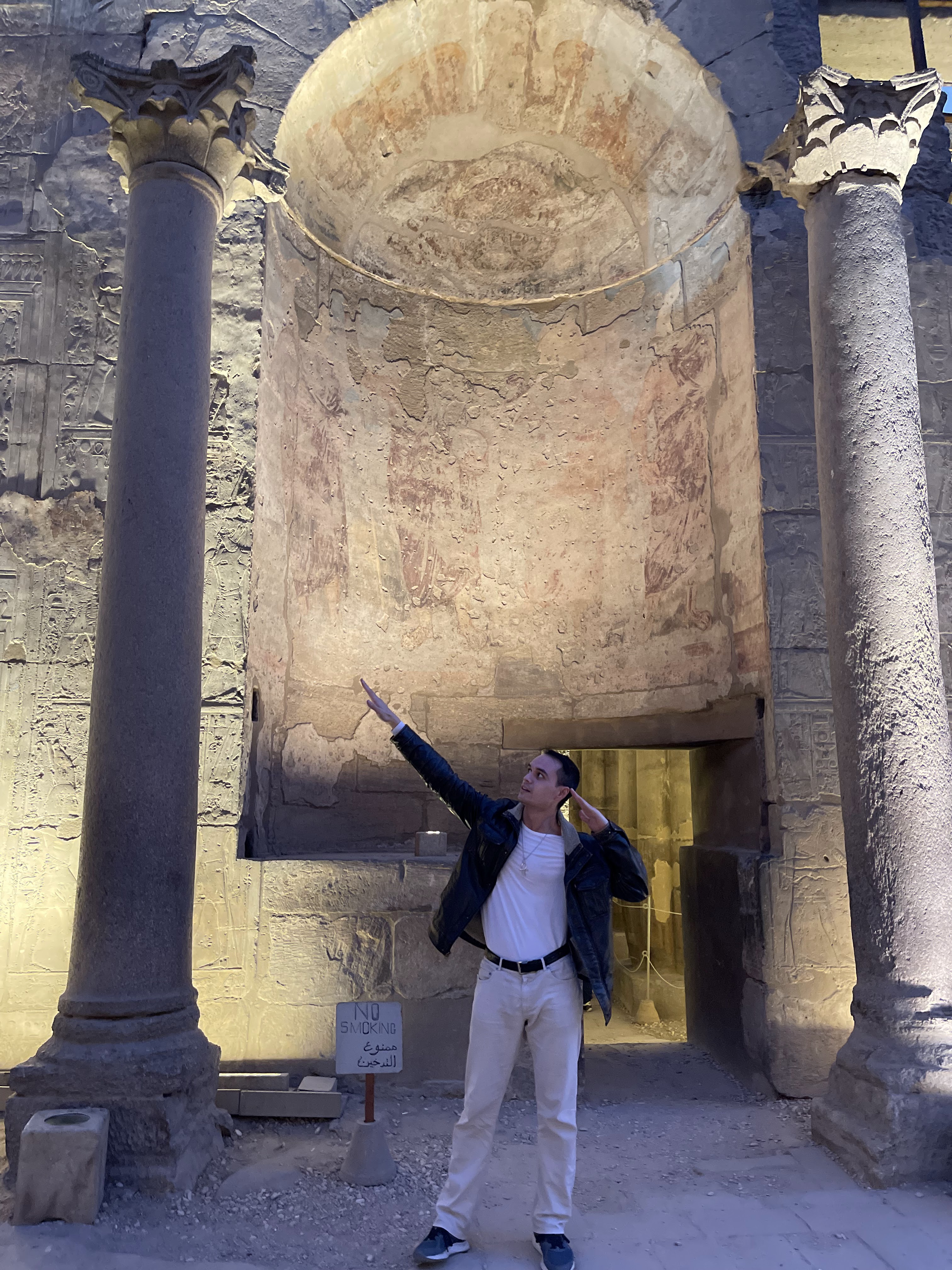






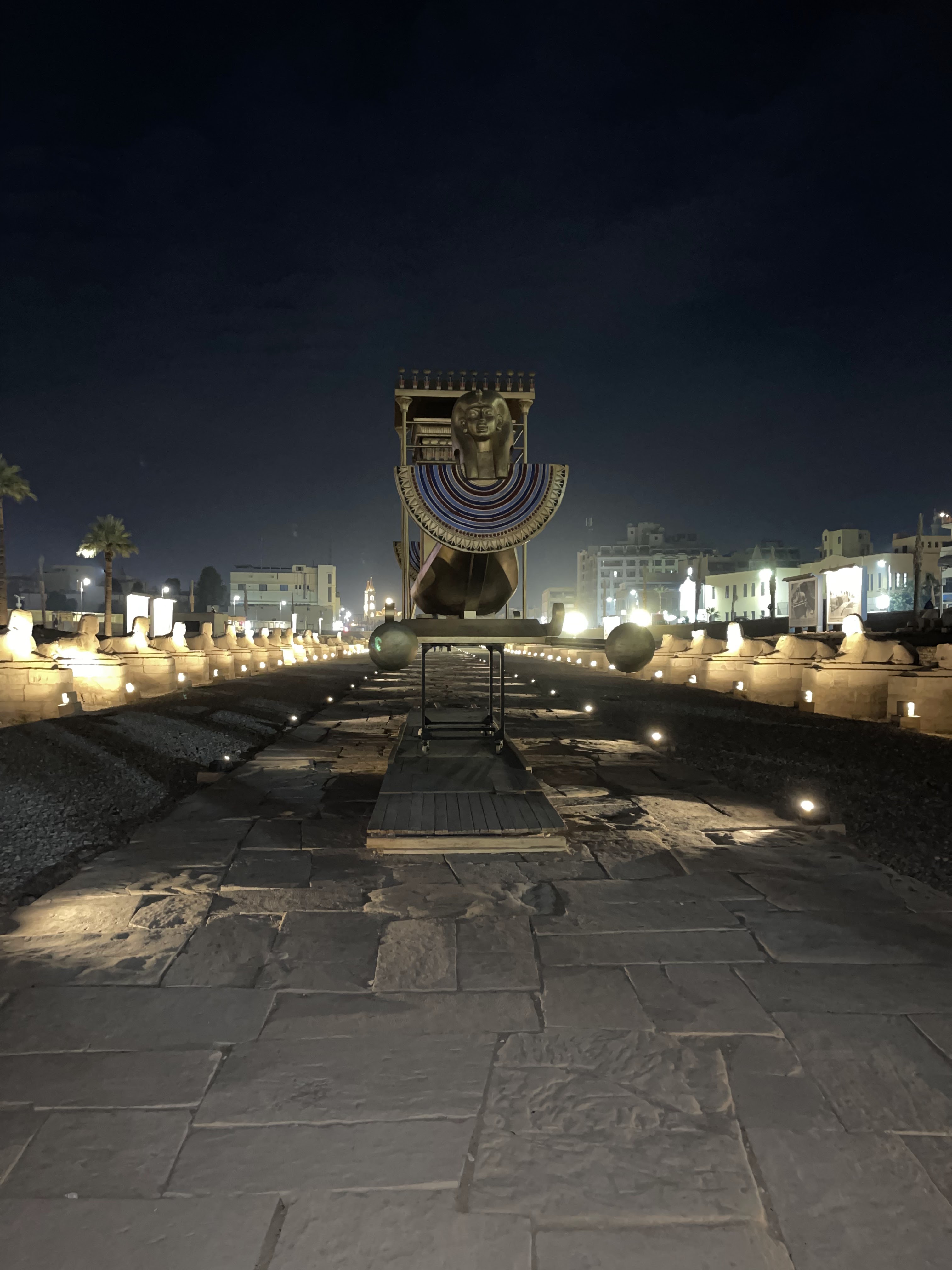

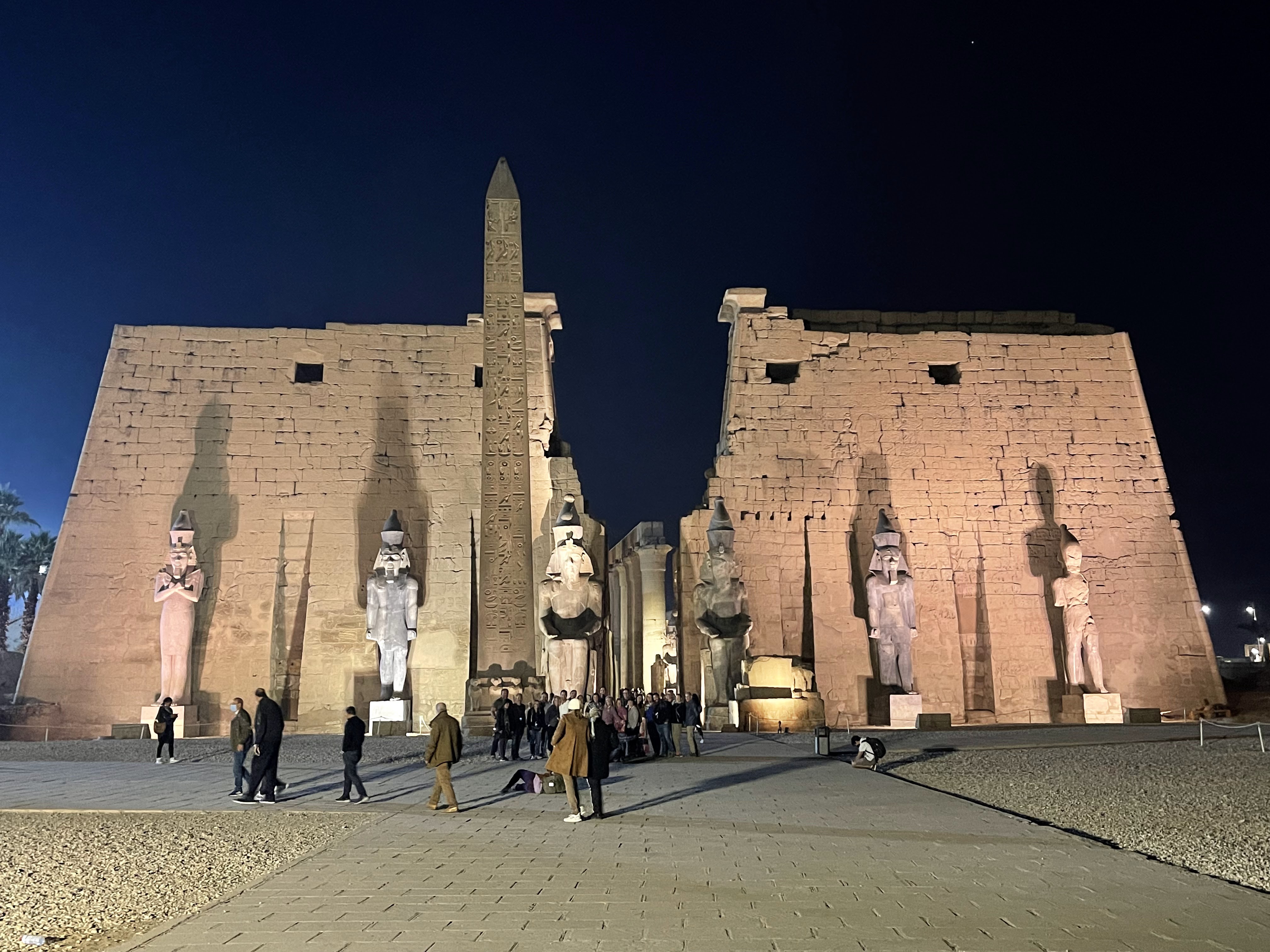
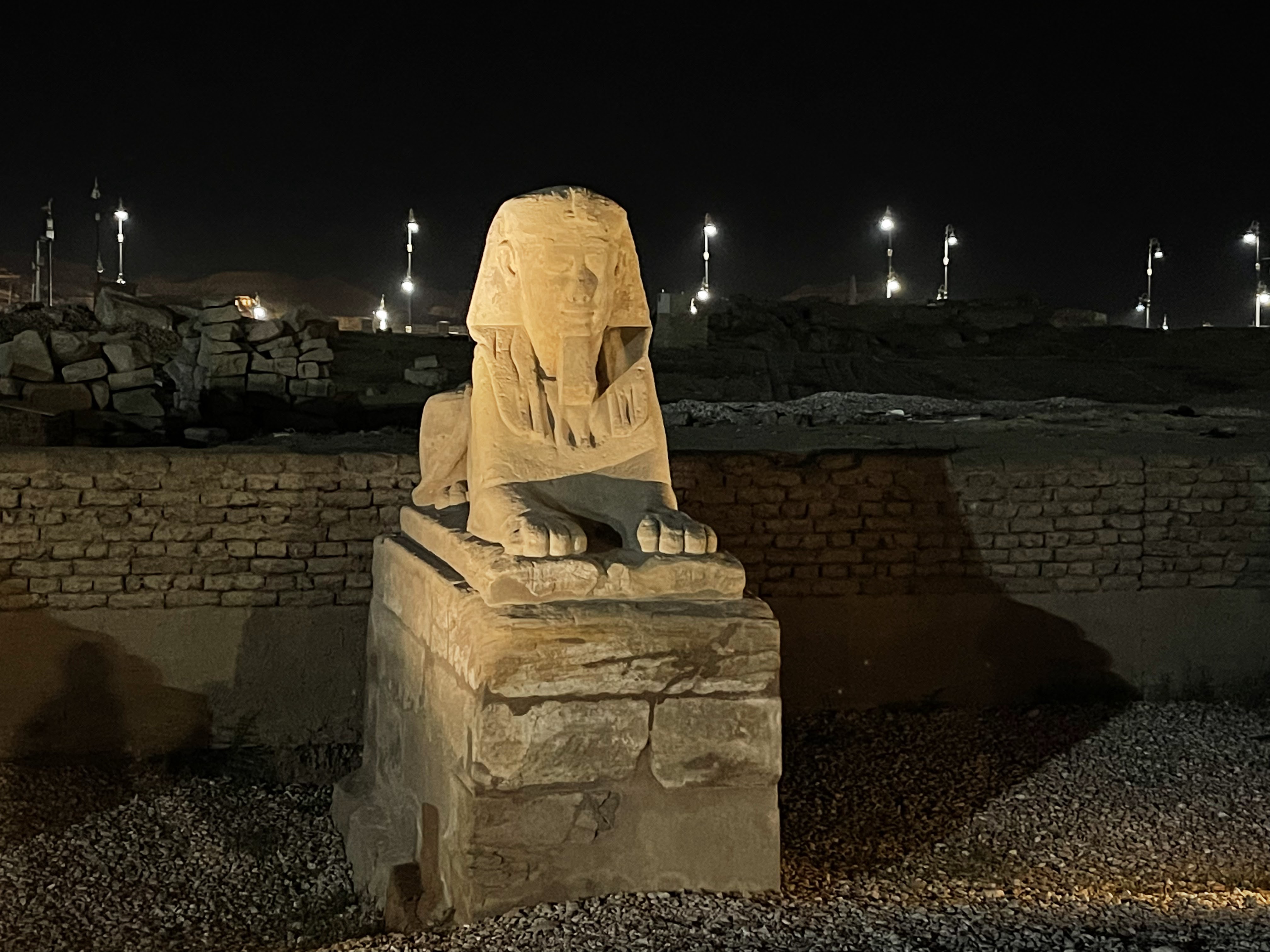
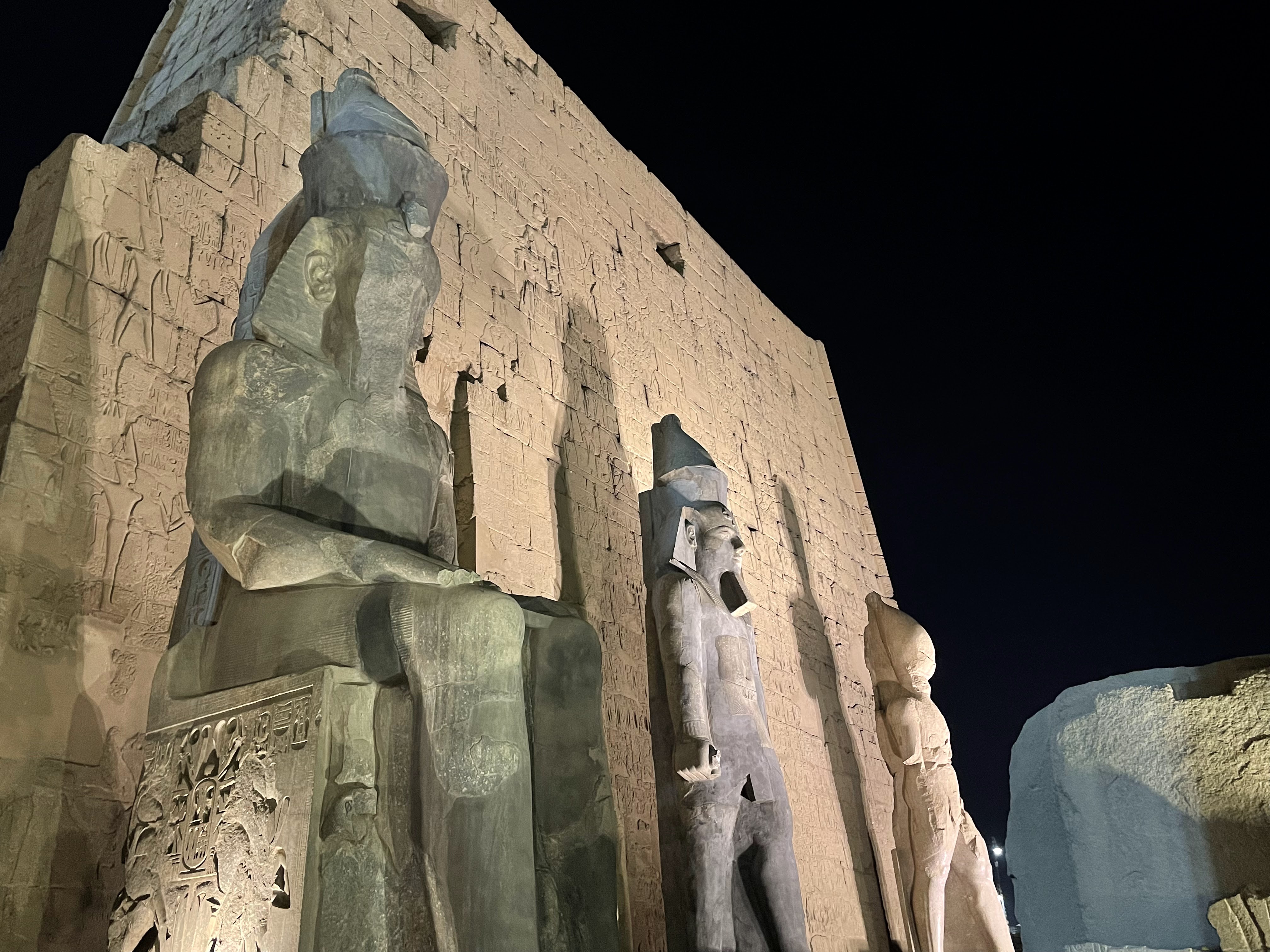



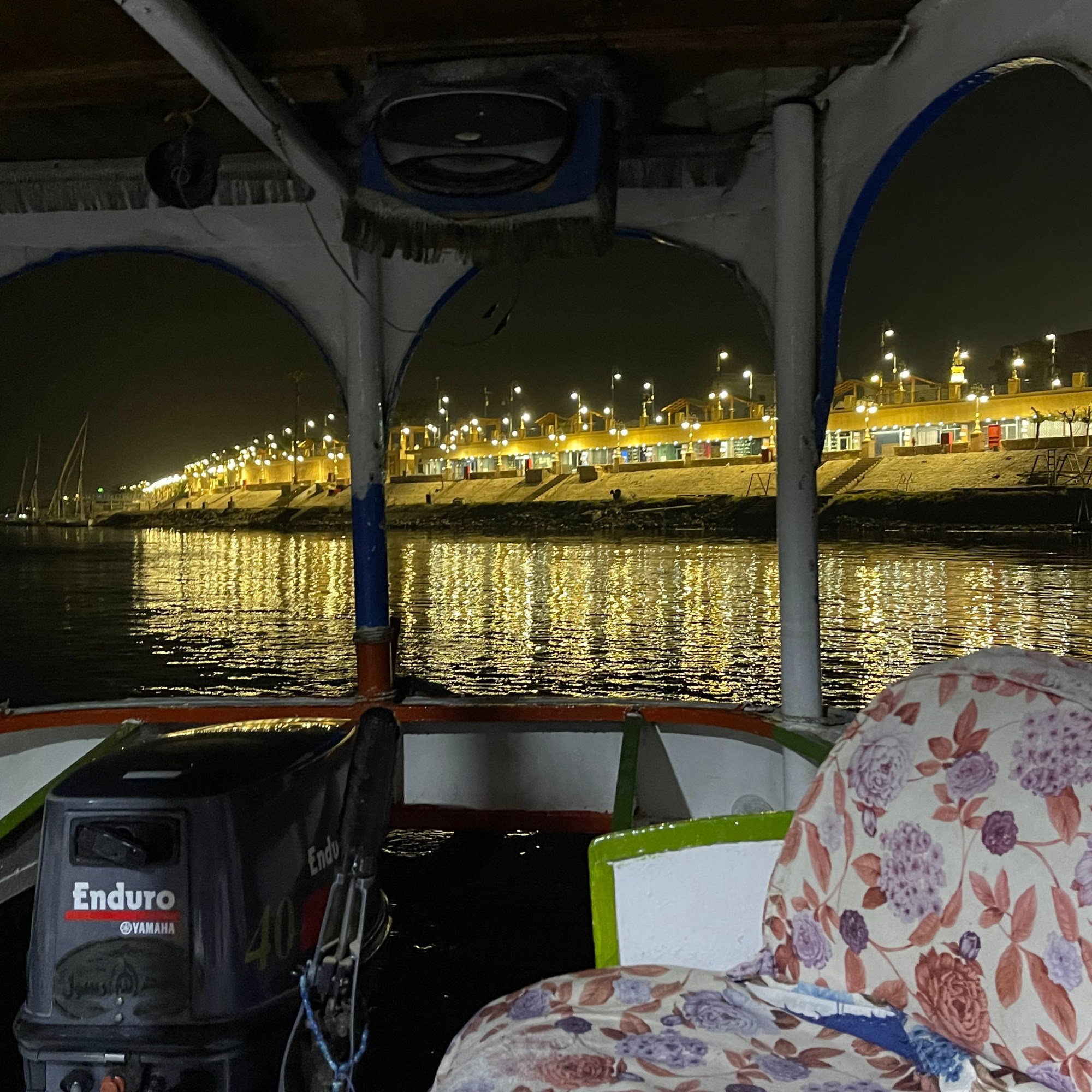
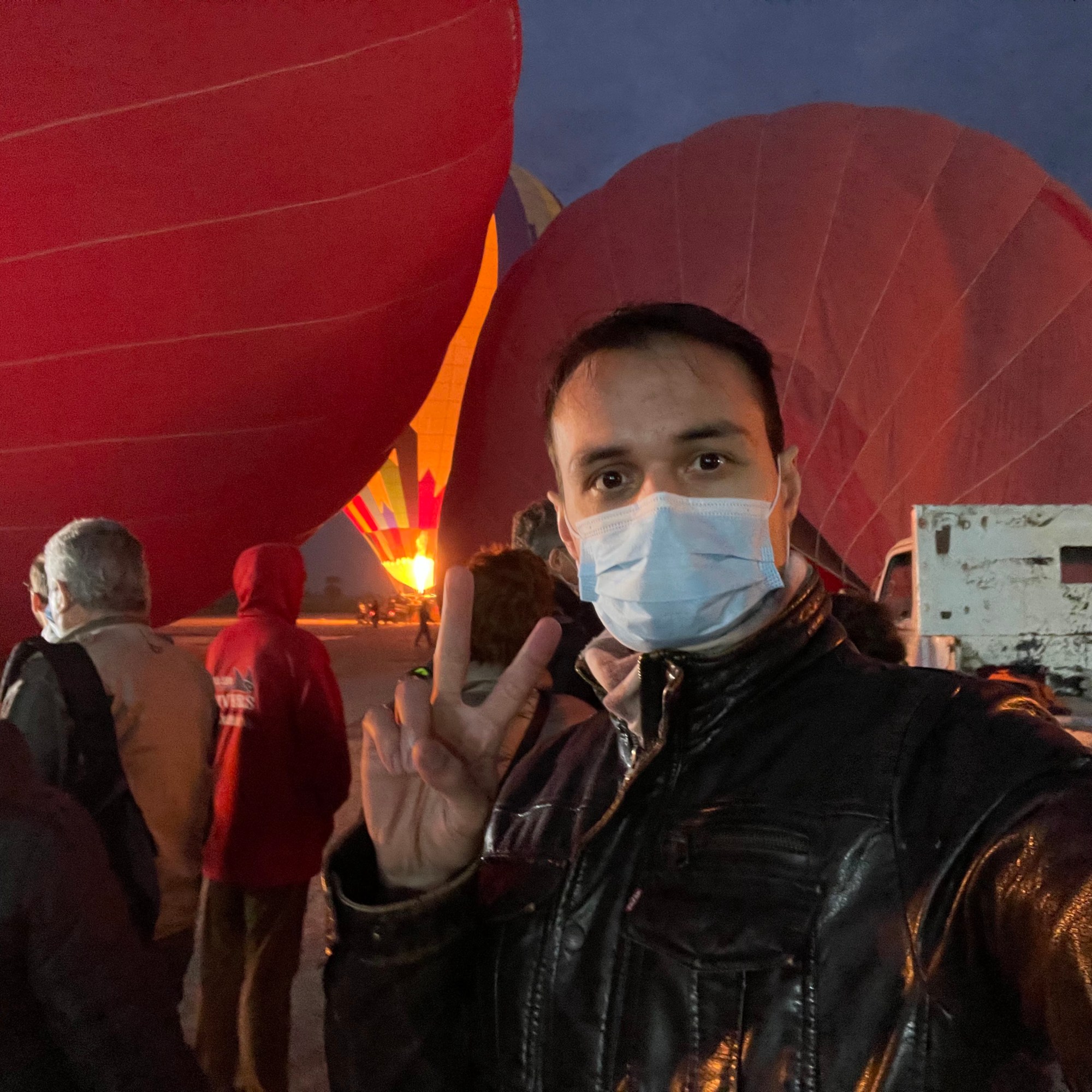
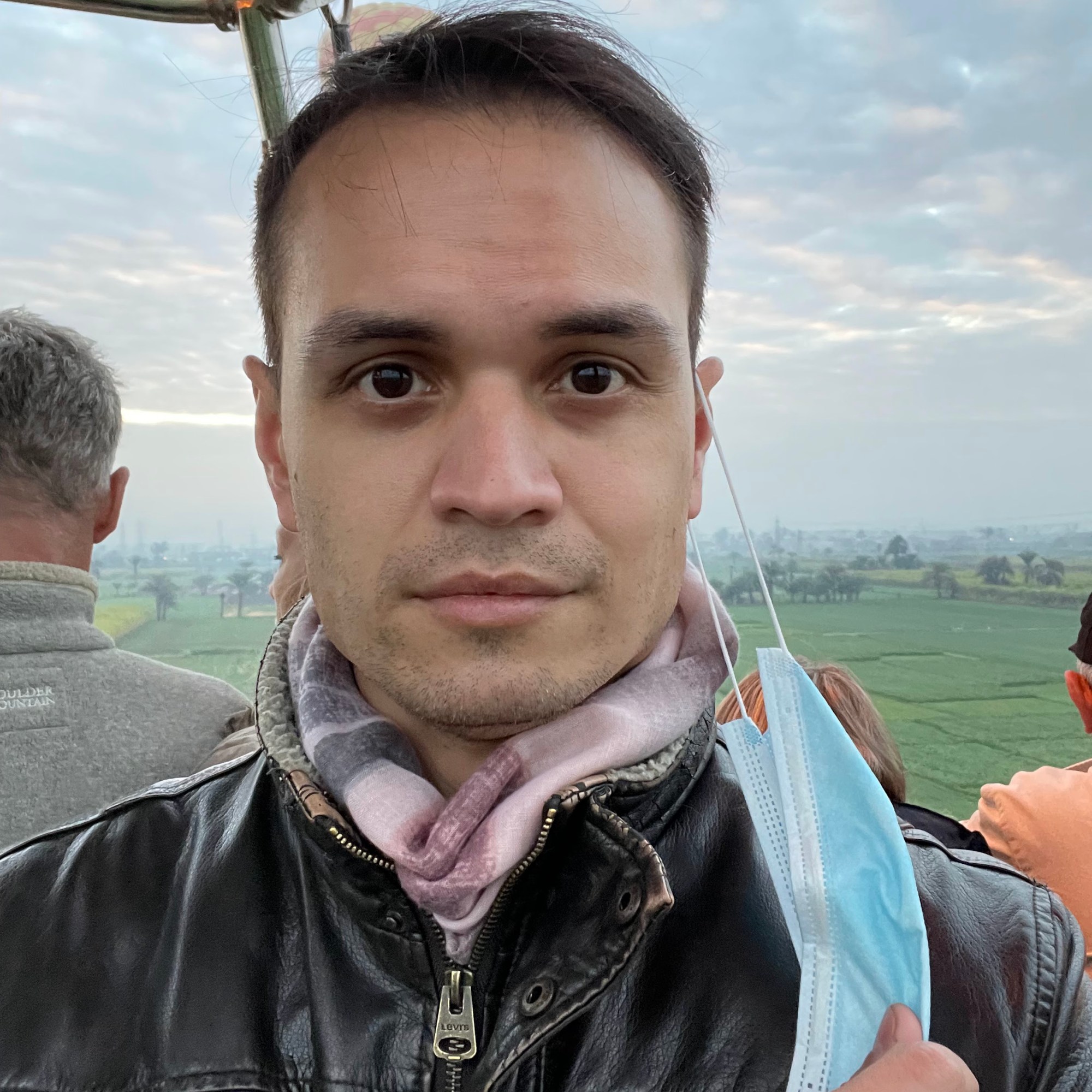
January 13th: After the cruise docked at Luxor, I woke up at 4AM to cross the Nile river with my group for a hot air balloon ride at sunrise which overlooked the Valley of the Kings and some wonderful sugar cane farms. As this was my first hot air balloon ride, I took a picture with the pilot after we landed to thank him for keeping me alive, along with the basket filled with French, German, Hungarian, Polish, and Spanish people! Europeans (and Asian Americans) love Ancient History! Let’s just say it was a basket case!

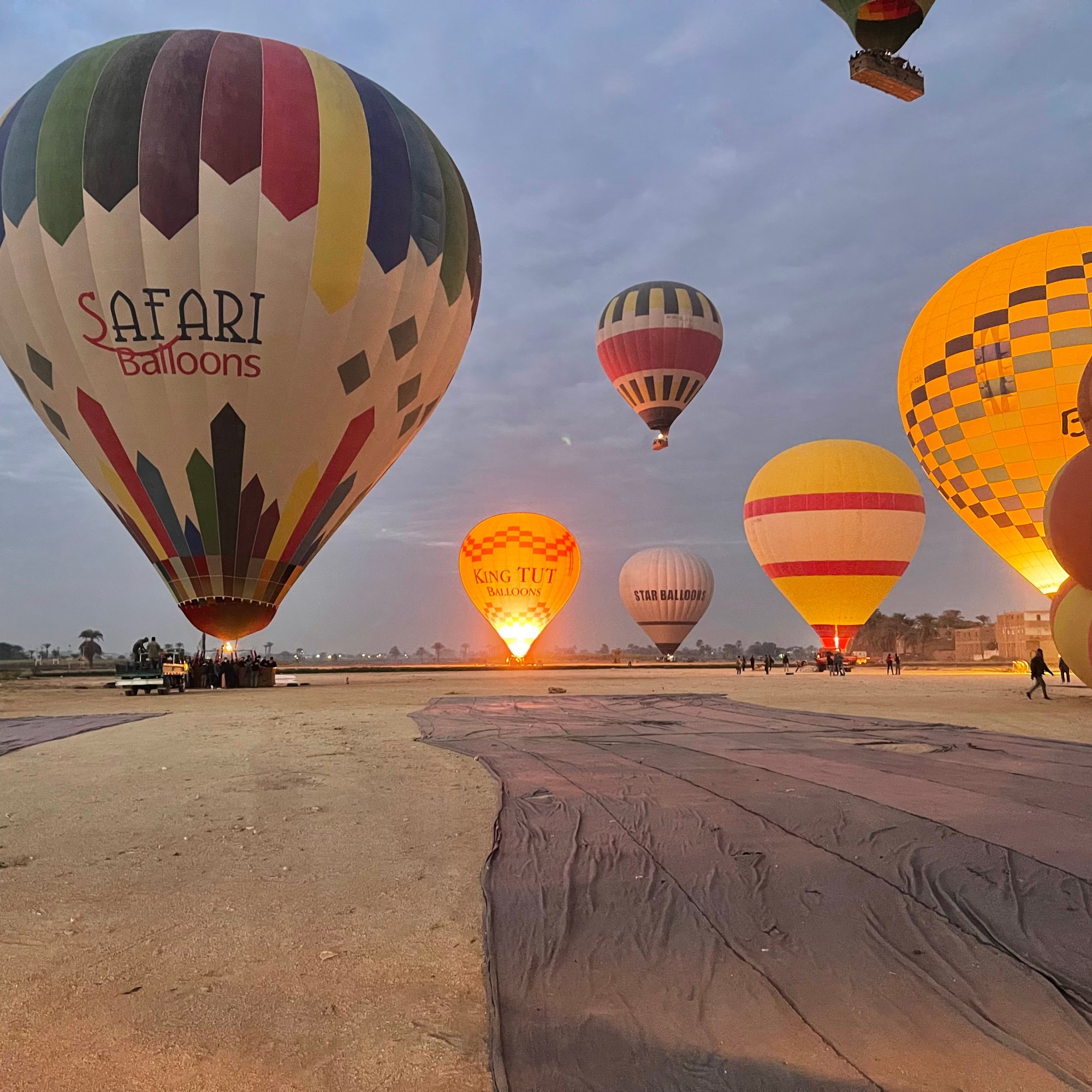
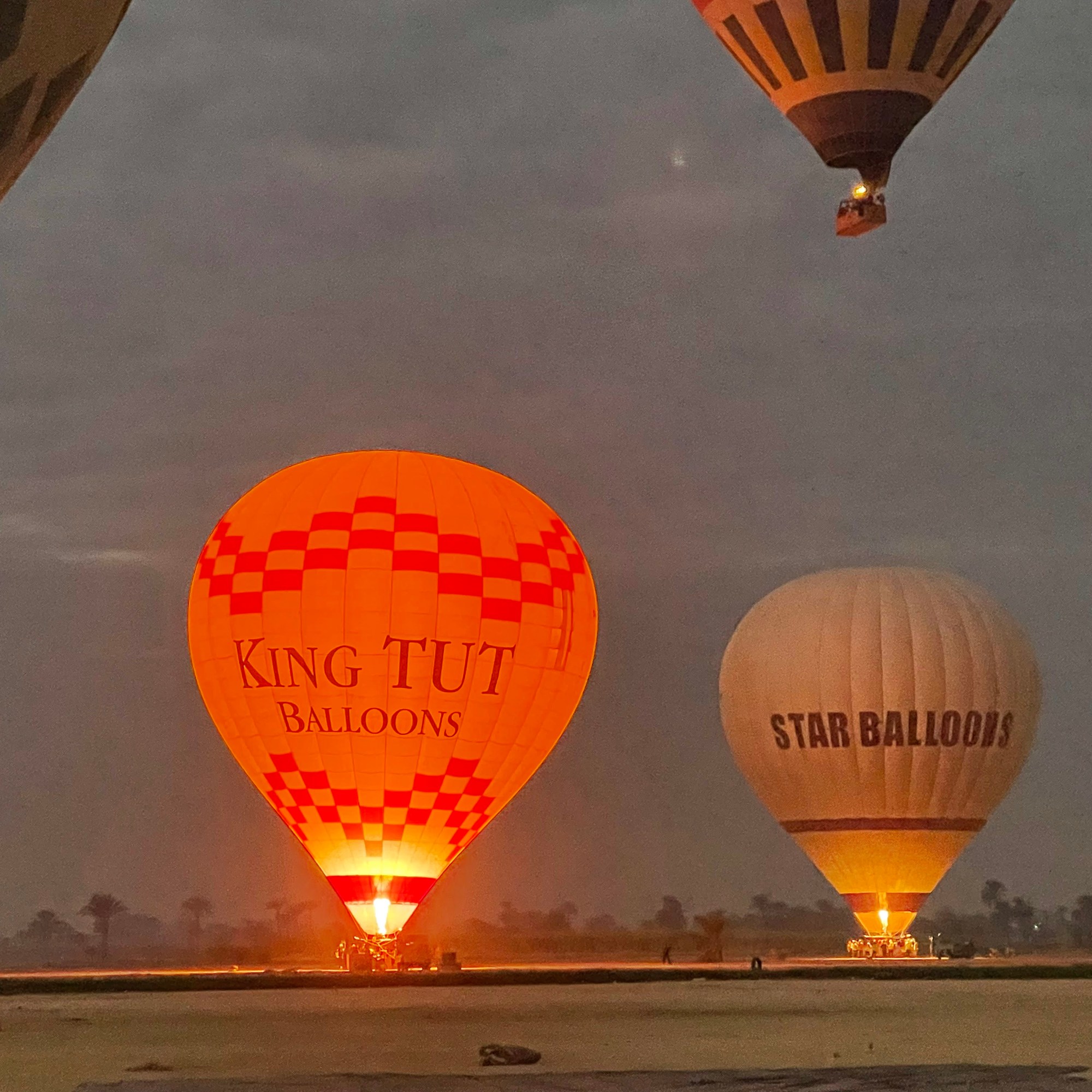
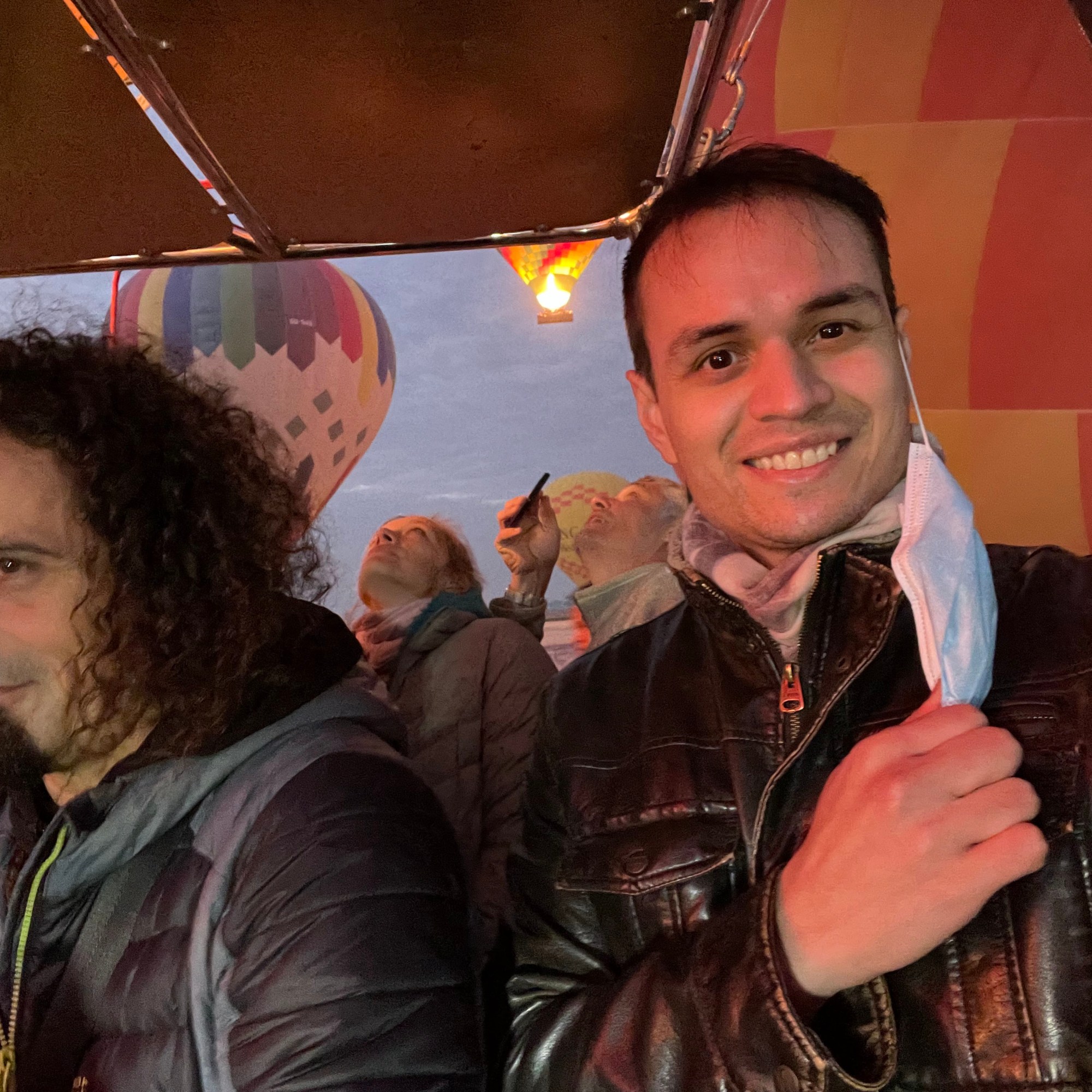
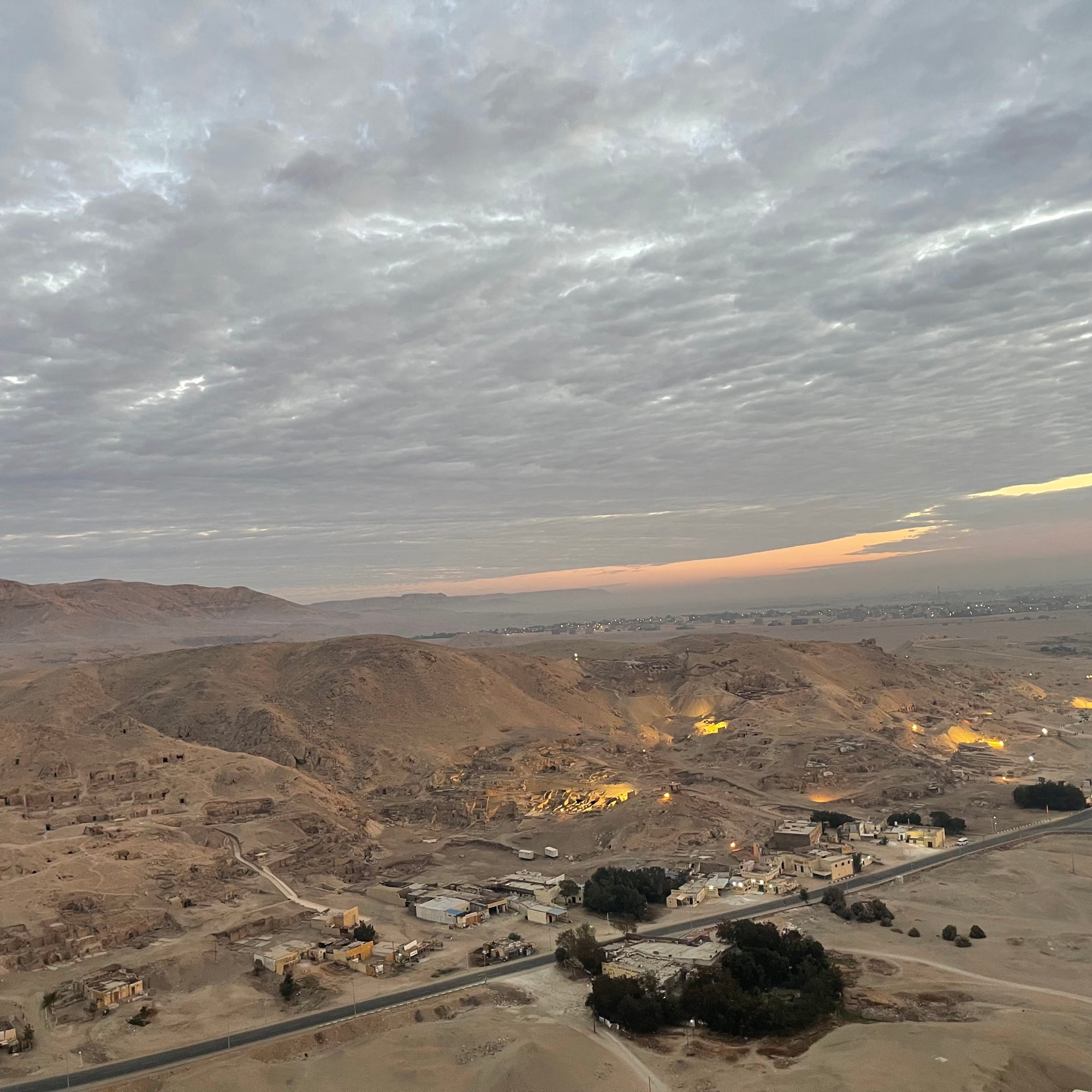
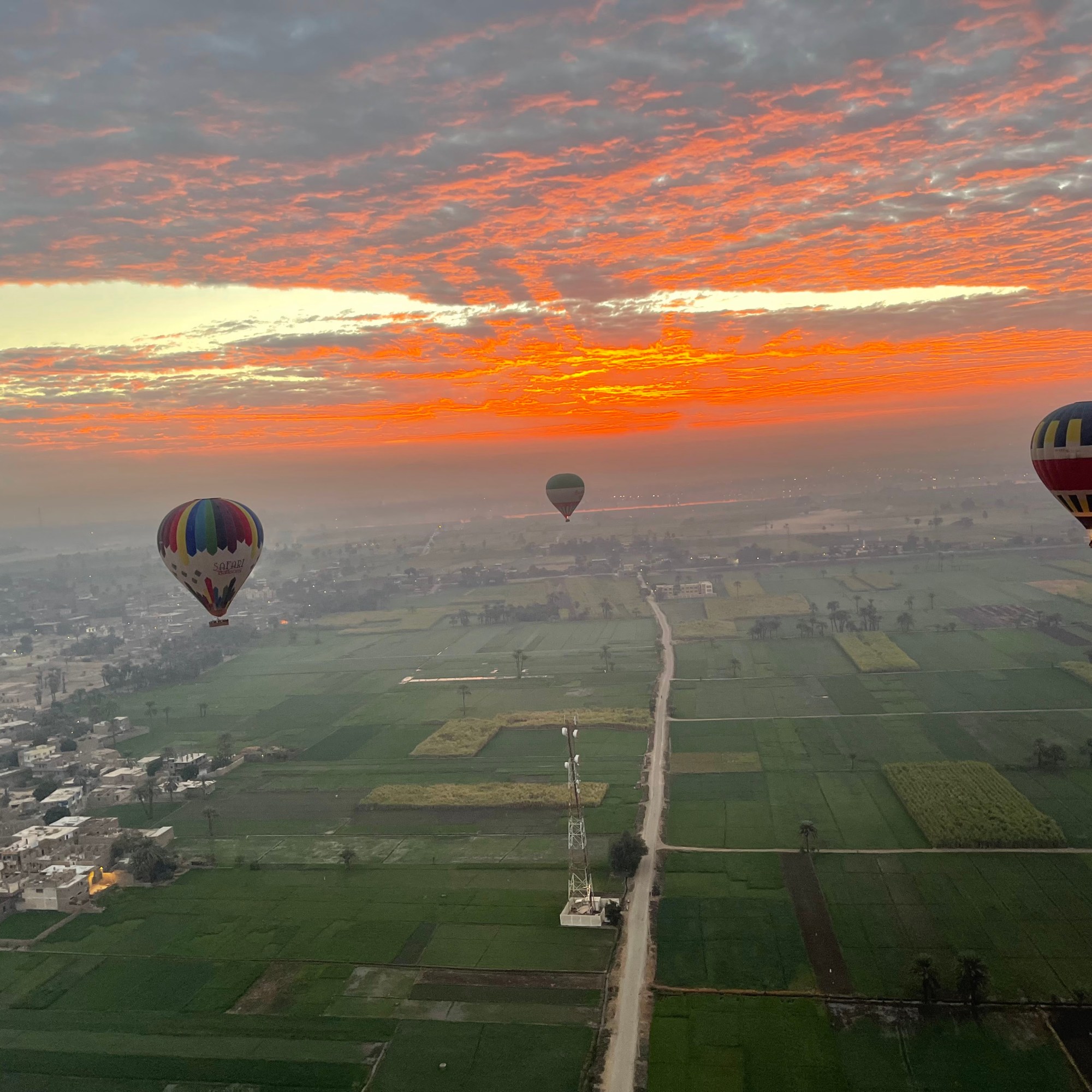



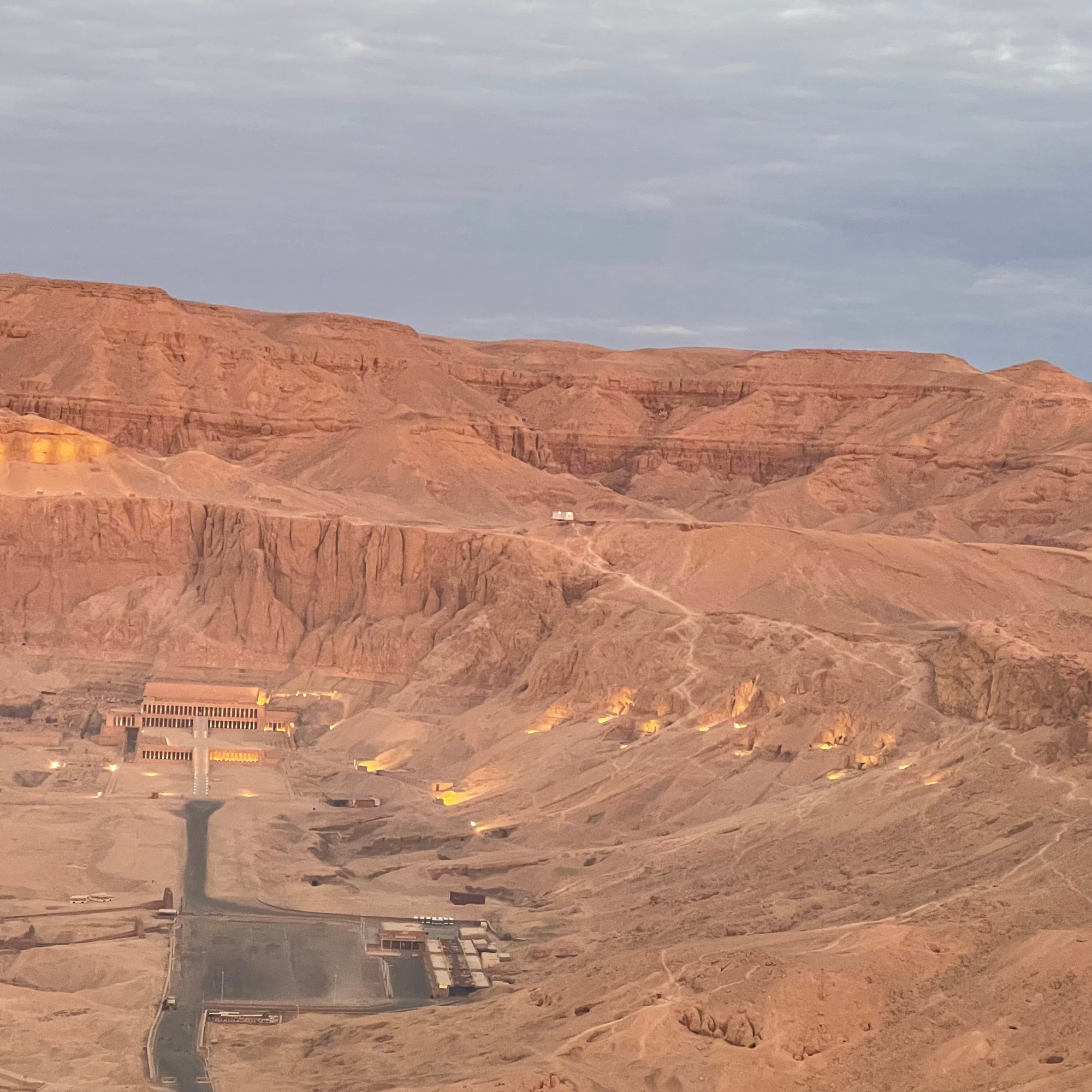
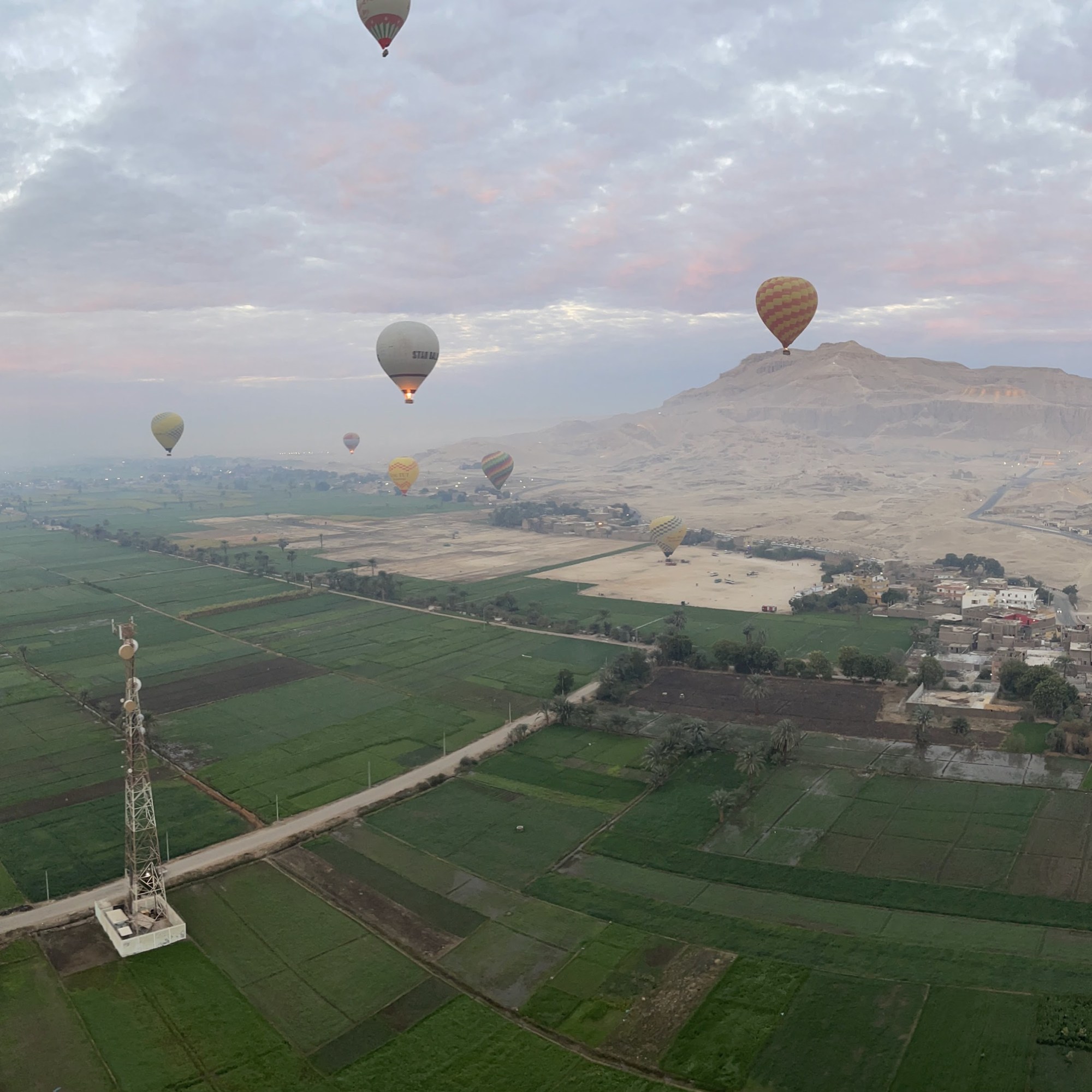
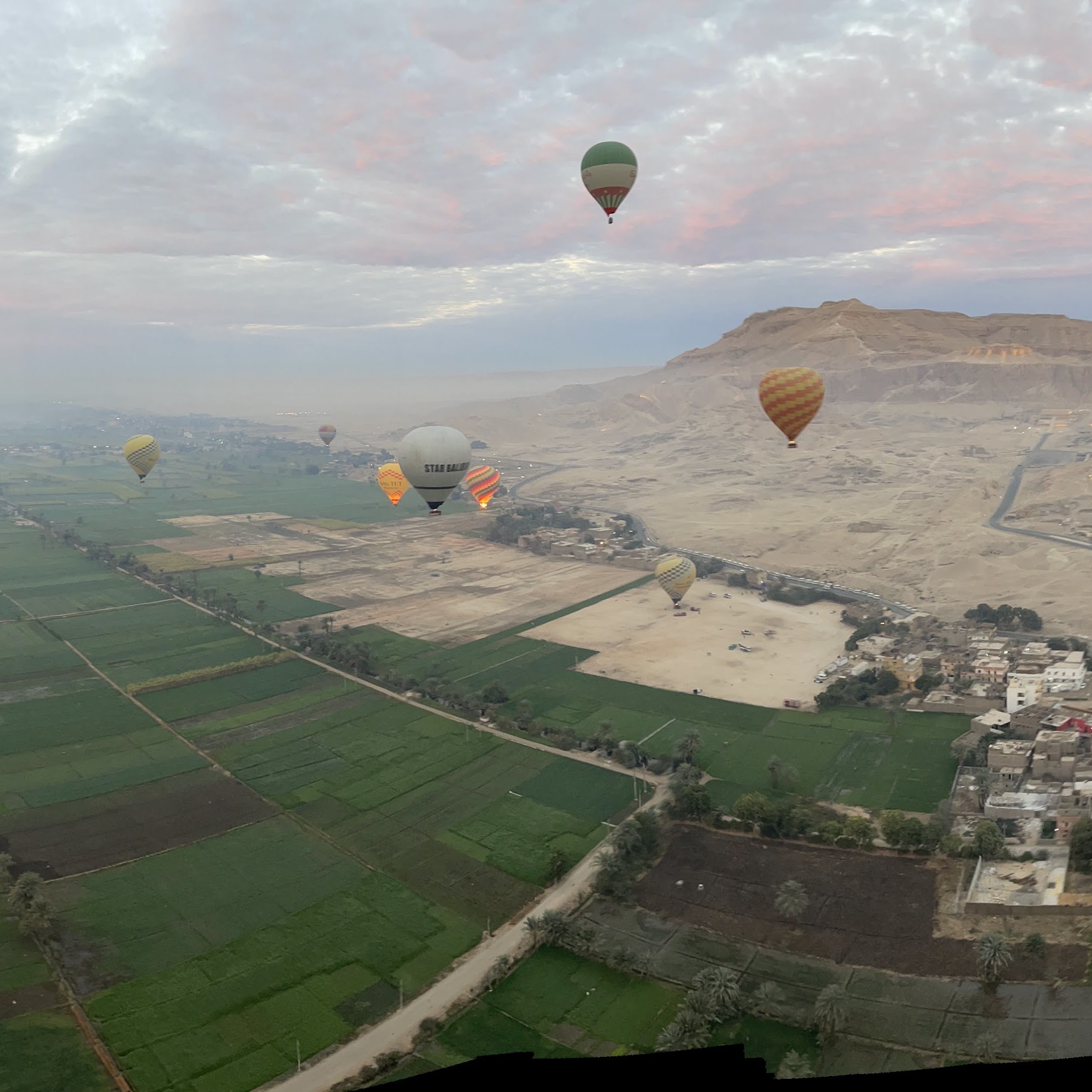


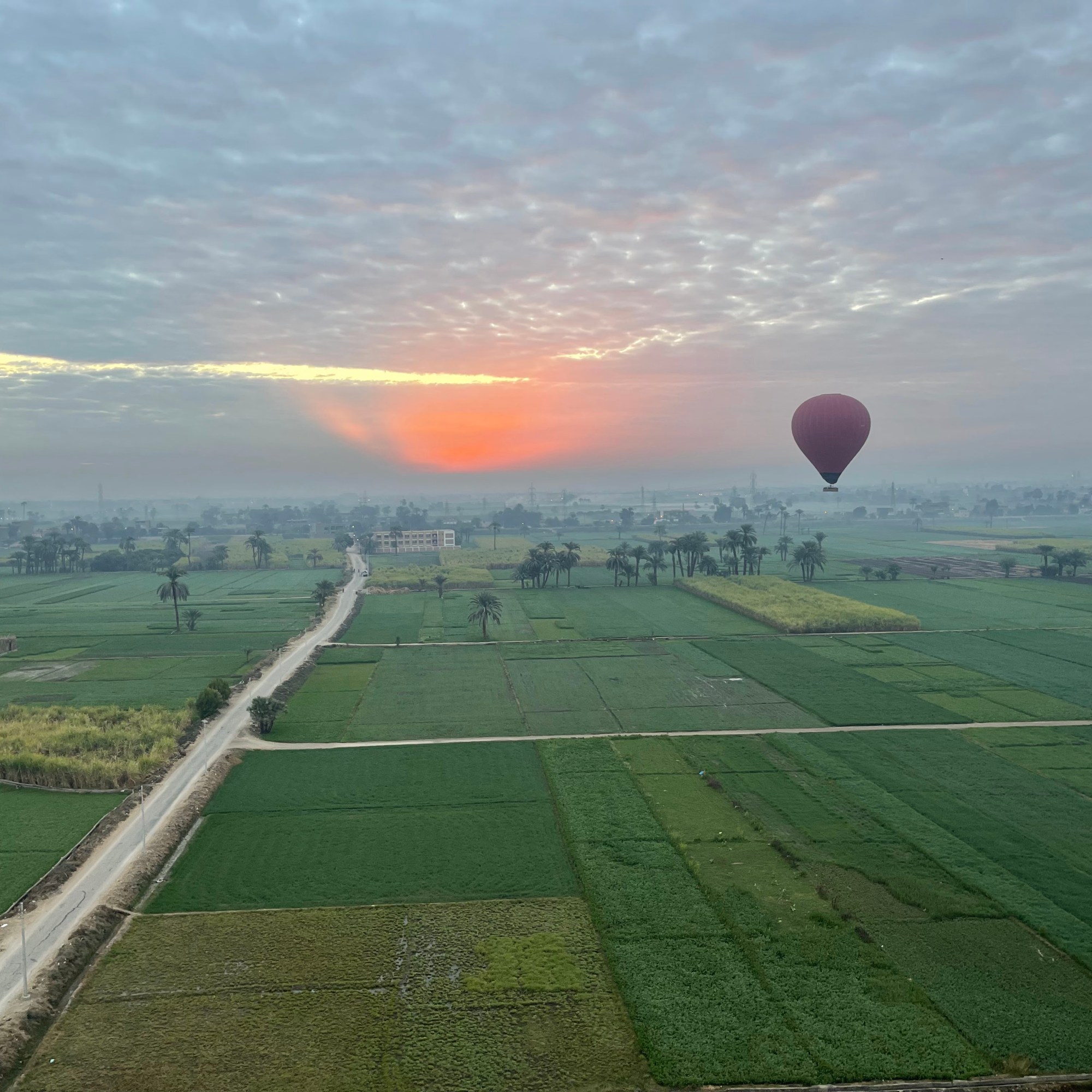
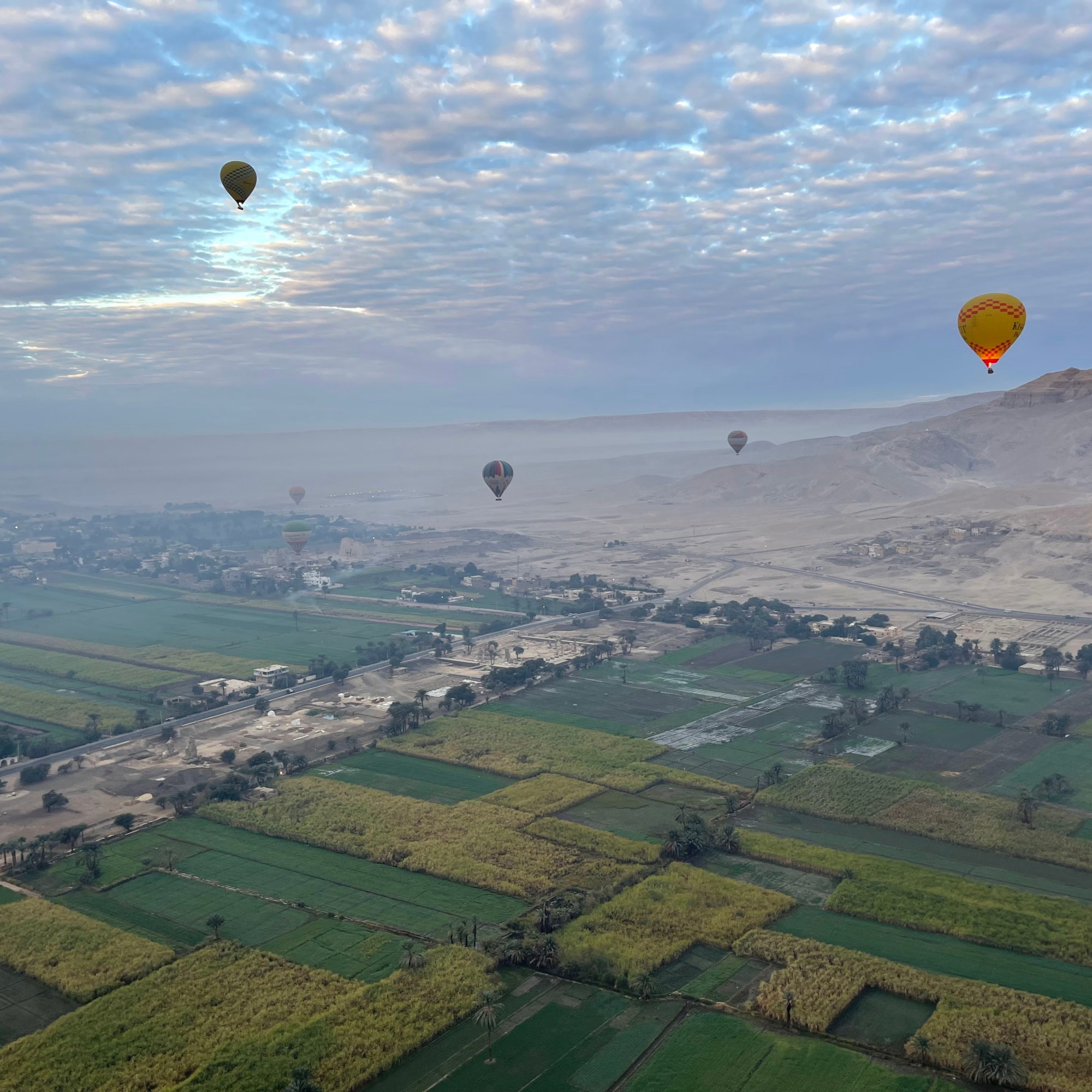

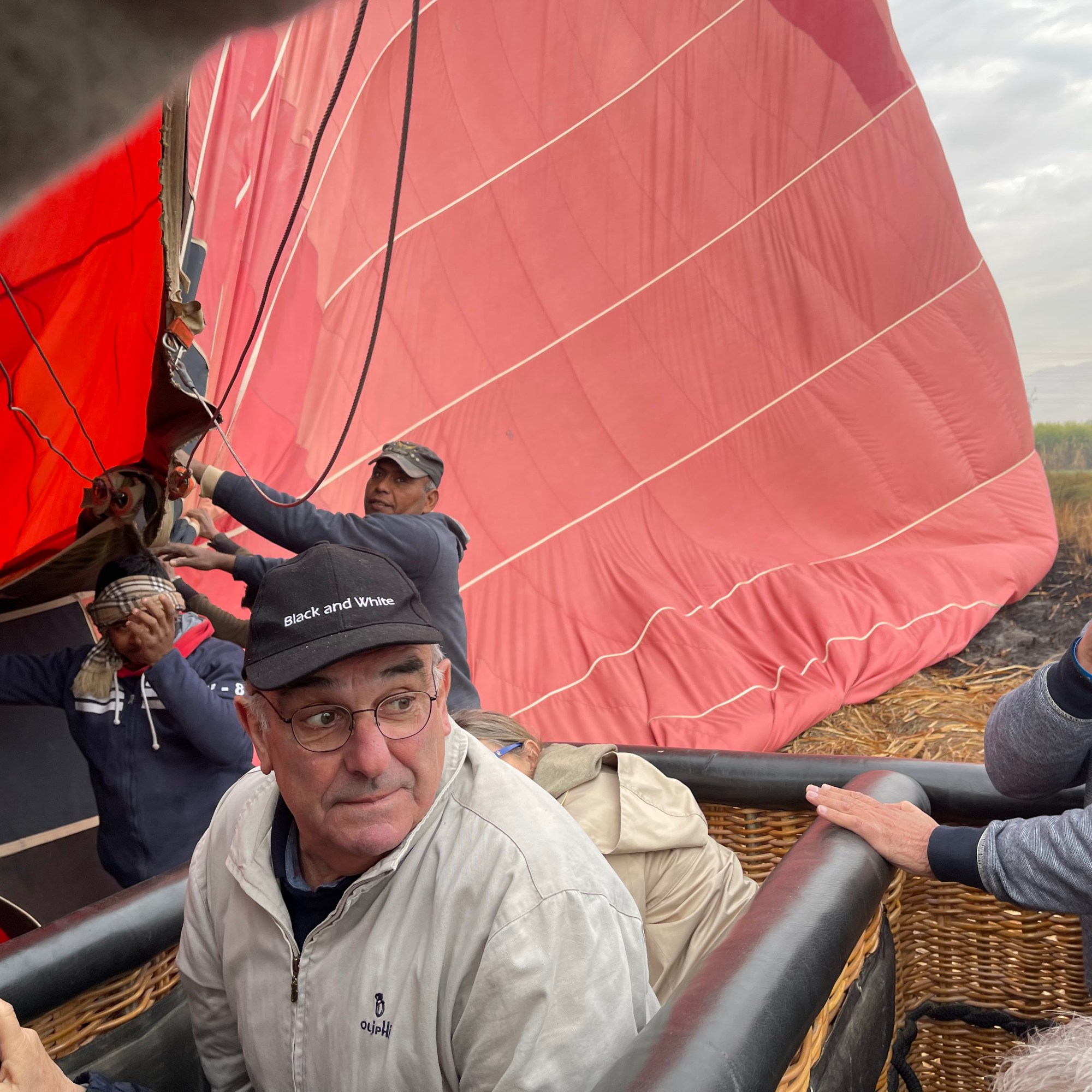
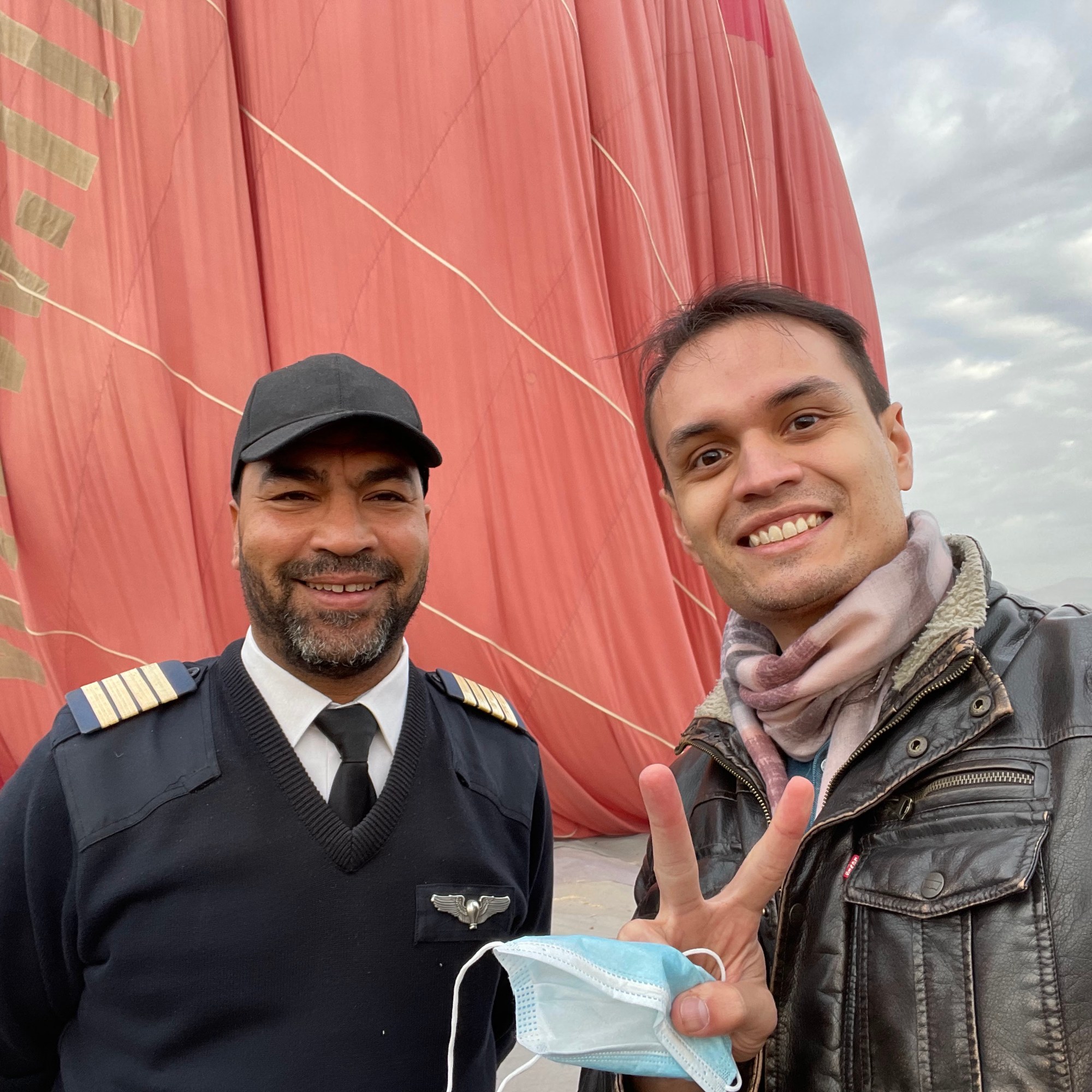
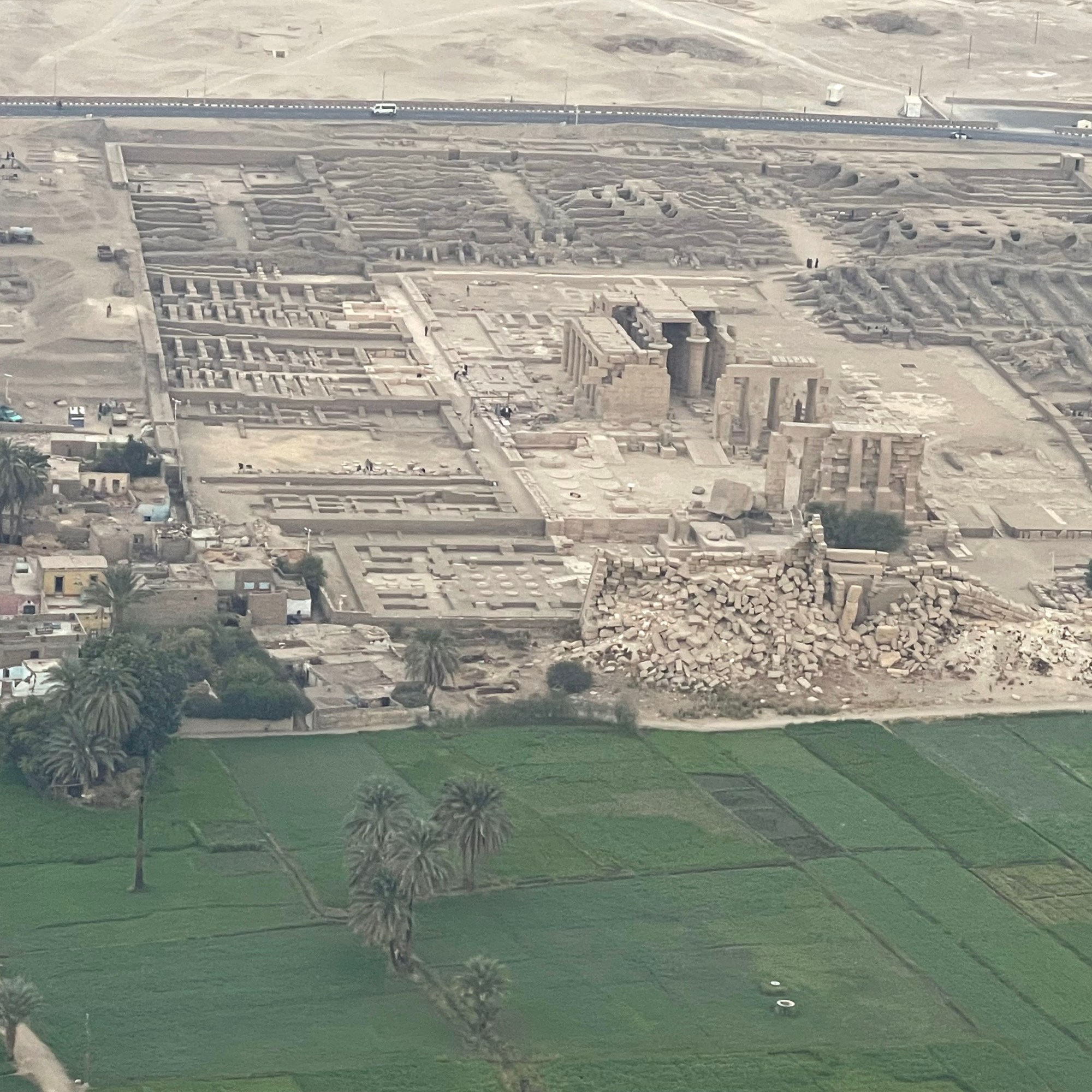
After landing on a large patch of recently tilled soil, the Hungarians, Germans, and I tipped the local farmhands who helped pull down the balloon ropes as we touched down. The French did not tip. A mere observation. They were quick to leave the basket.
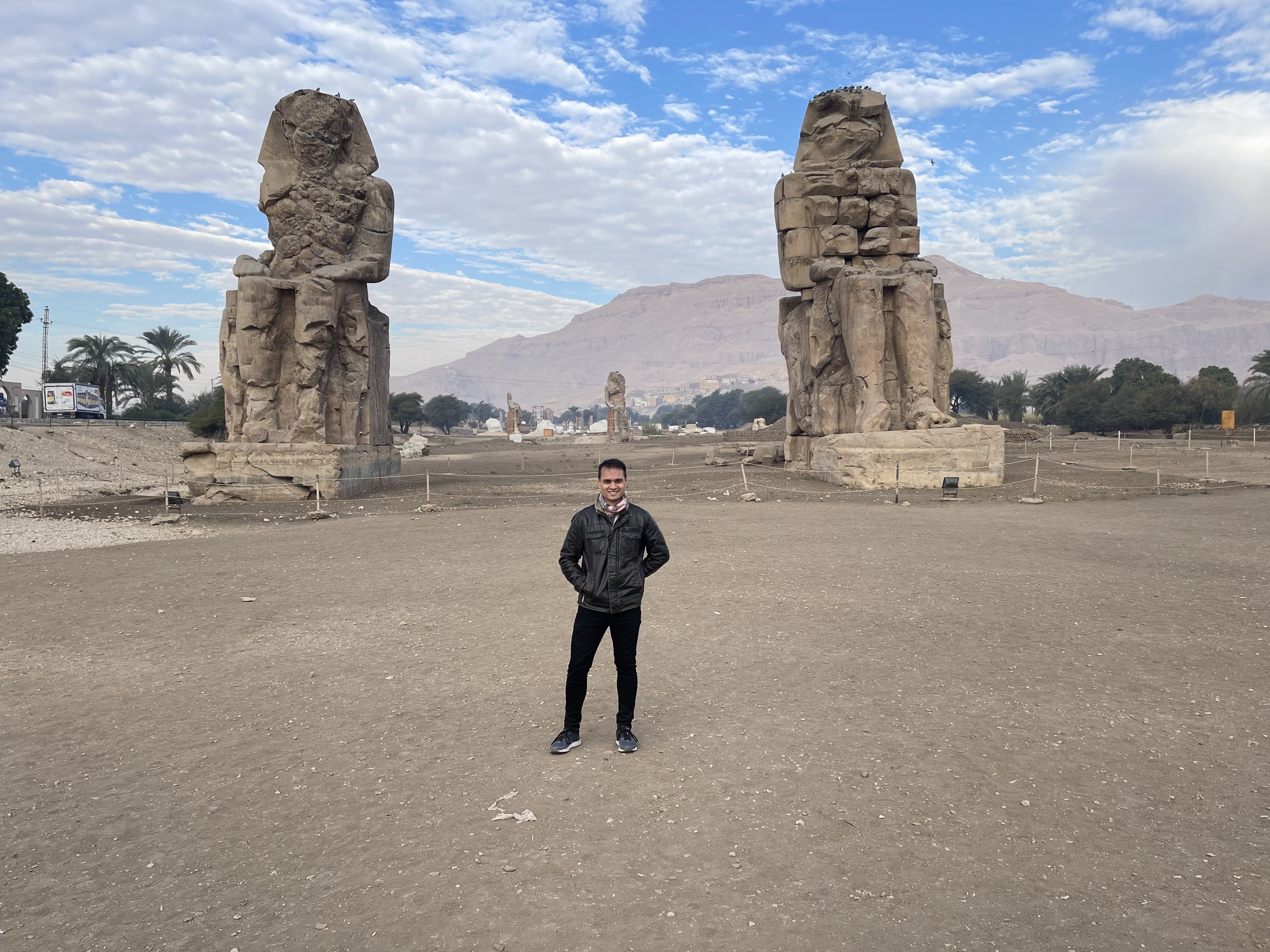
After saying farewell to the balloon captain, our group was bussed over to the Colossi of Memnon (two giant stone statues of King Amenhotep III), where we had tea and breakfast. Then my tour guide and I journeyed onwards to the Valley of the Kings!!!!! Here I saw the tombs of King Rameses III, IX, Merneptah and Tutenkamun. I felt a bit weird taking a photo next to a dead corpse but if it were me, I suppose I’d be honored to stand the test of time. This was going to be a very busy day…and it was!
Worth noting: some of the sarcophagi were in the Louvre, or Germany, or even somewhere in the states. Egyptian artifacts are a source of wonder all over the world and my guide told me that whenever I notice any missing obelisk, statue, or figurine, it is most likely in a museum somewhere in the world. The walkways into the tombs themselves were lined with colorful etchings that still had the original color because it has been preserved underground, away from wind and rain. The Valley of the Kings was very well secured. There were men with rifles standing guard at every entrance. Egypt had very tight security in general, so safety was never a concern while I was visiting.


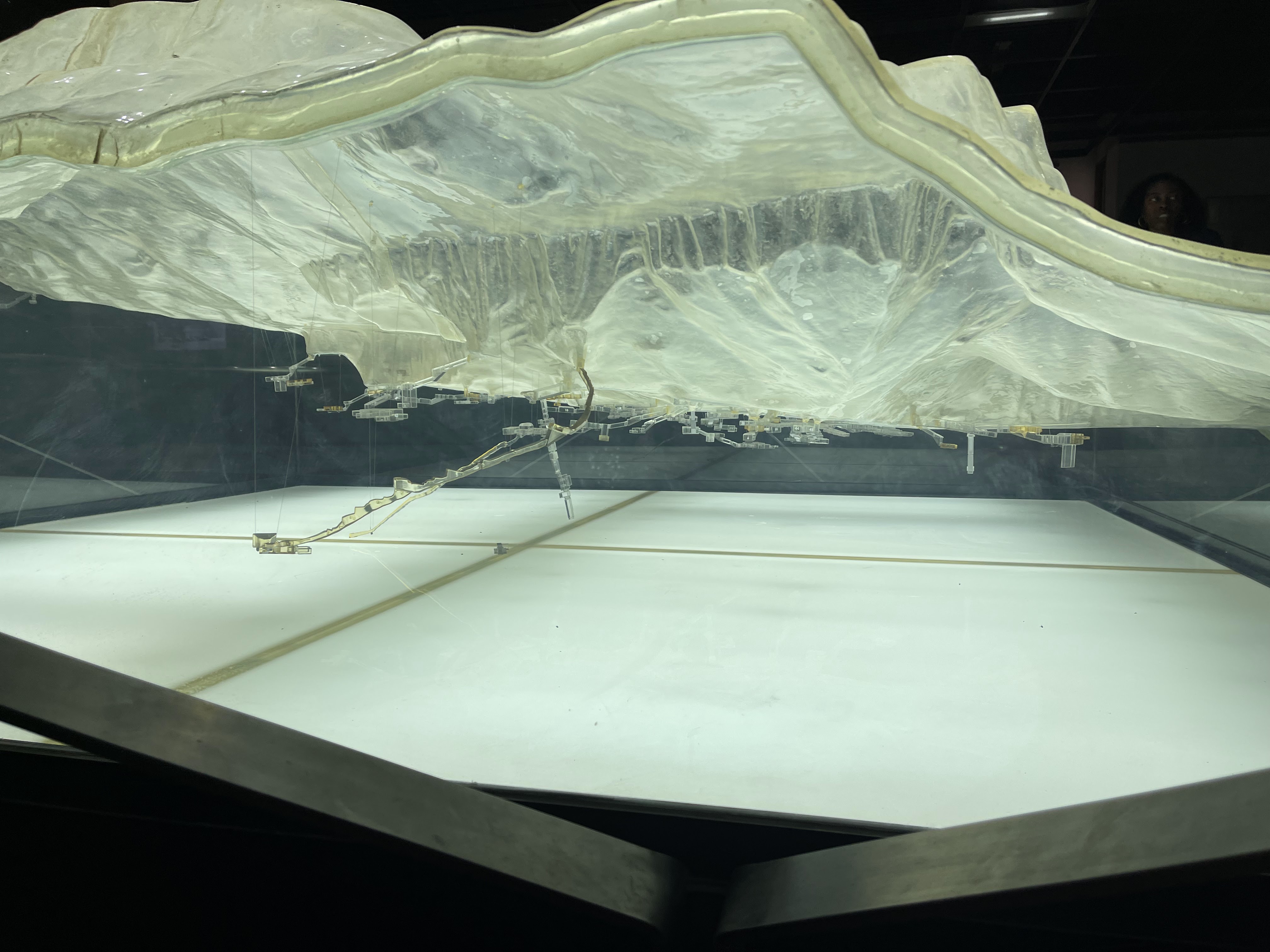


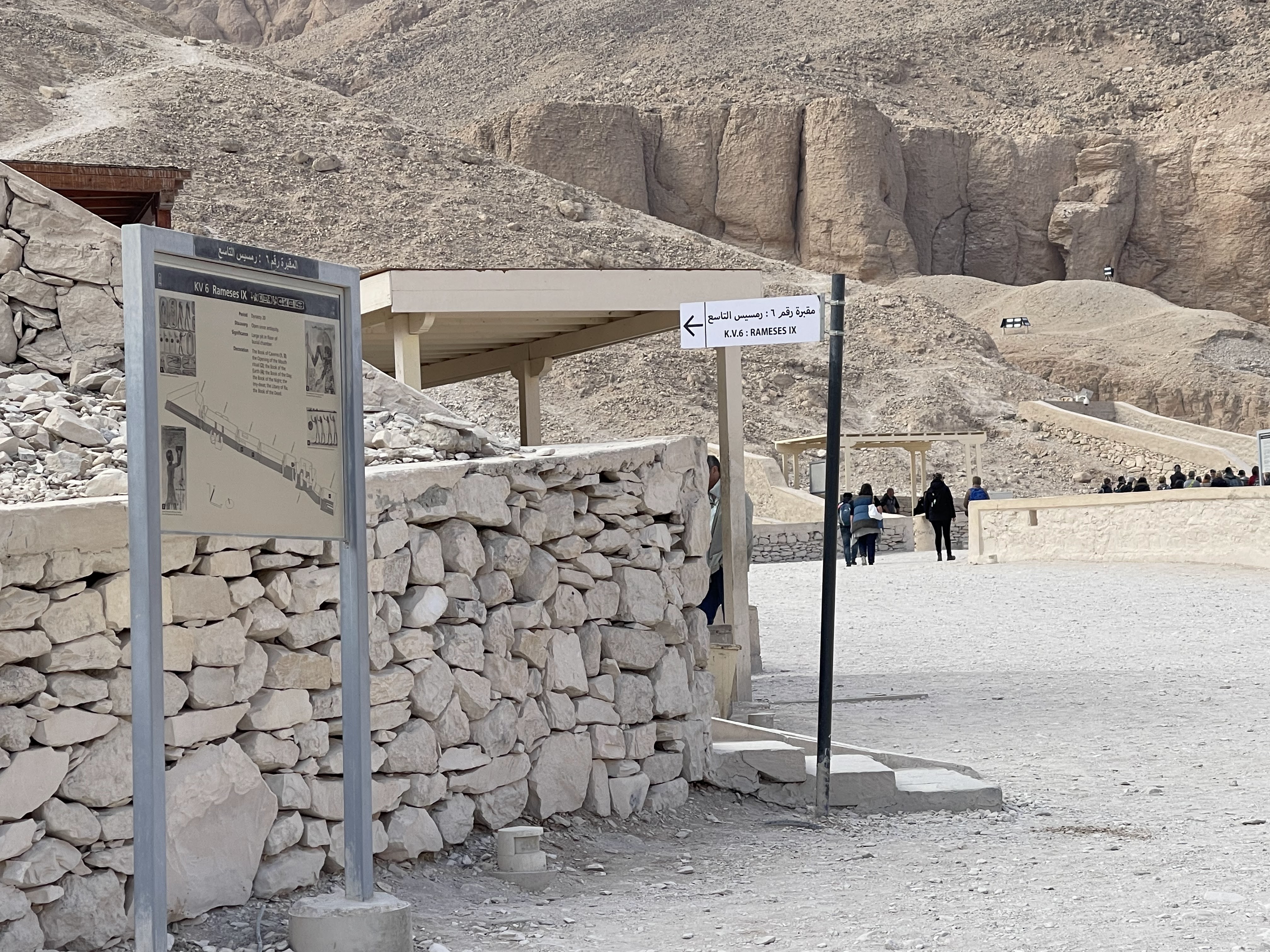

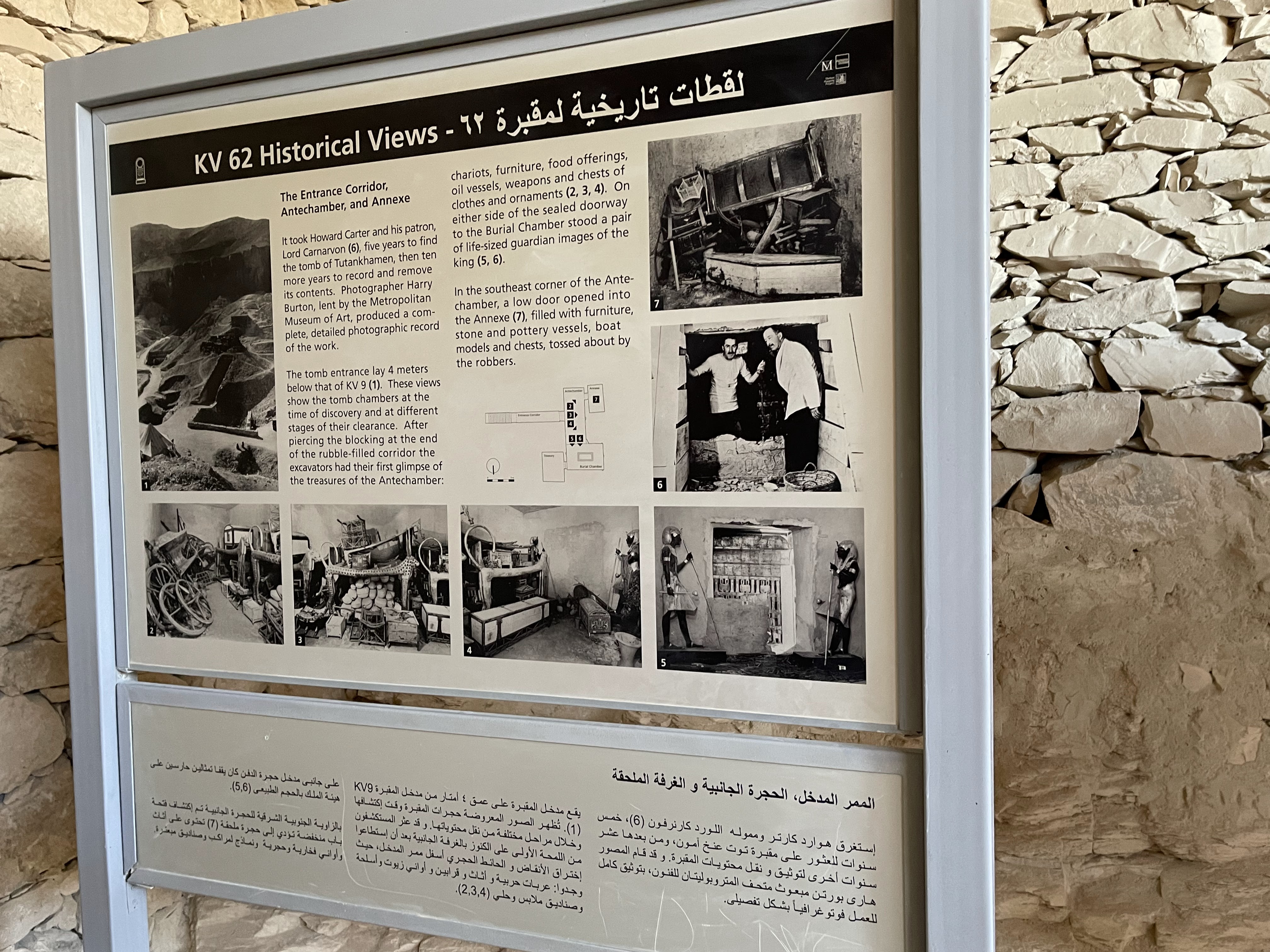

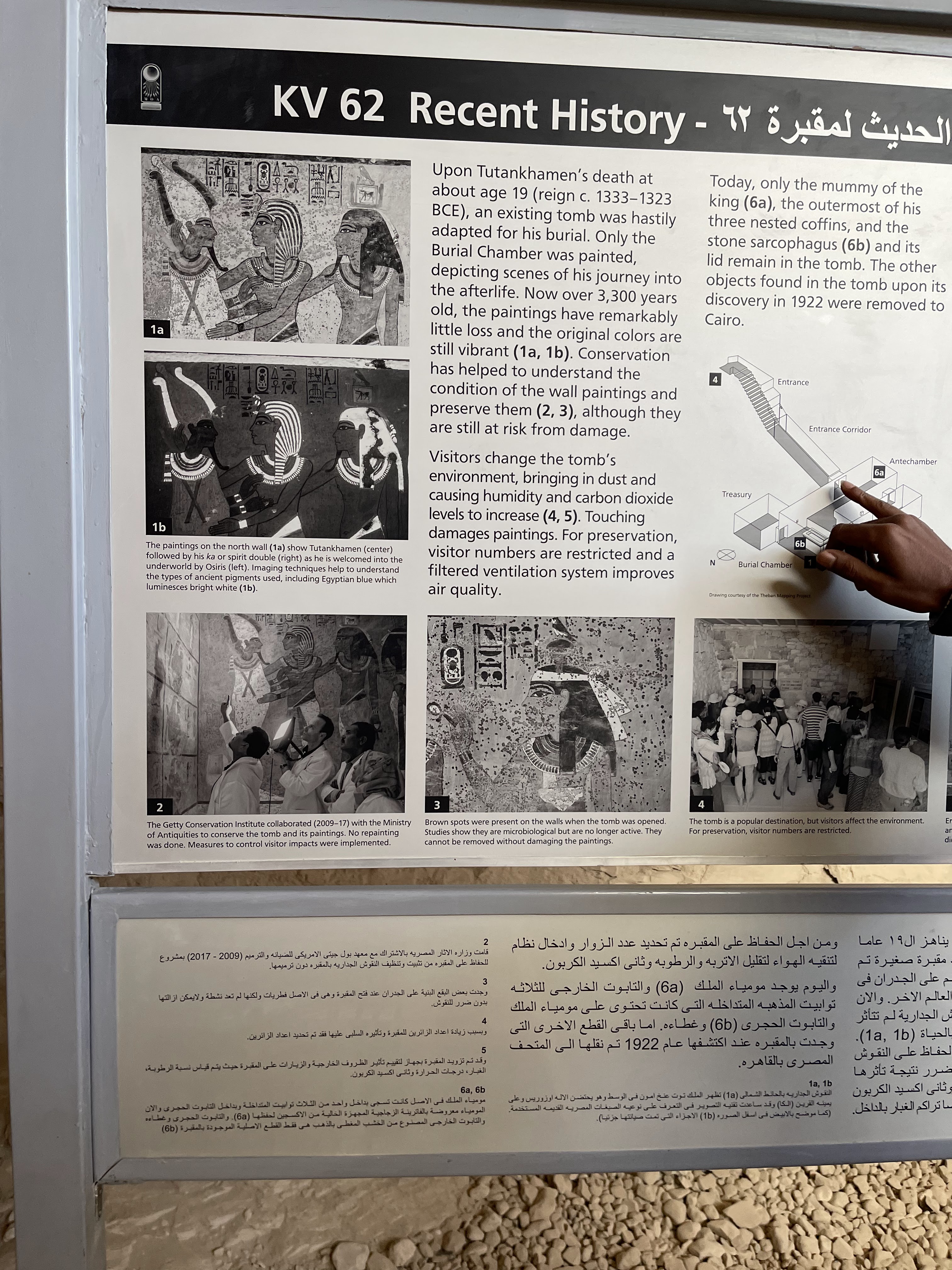
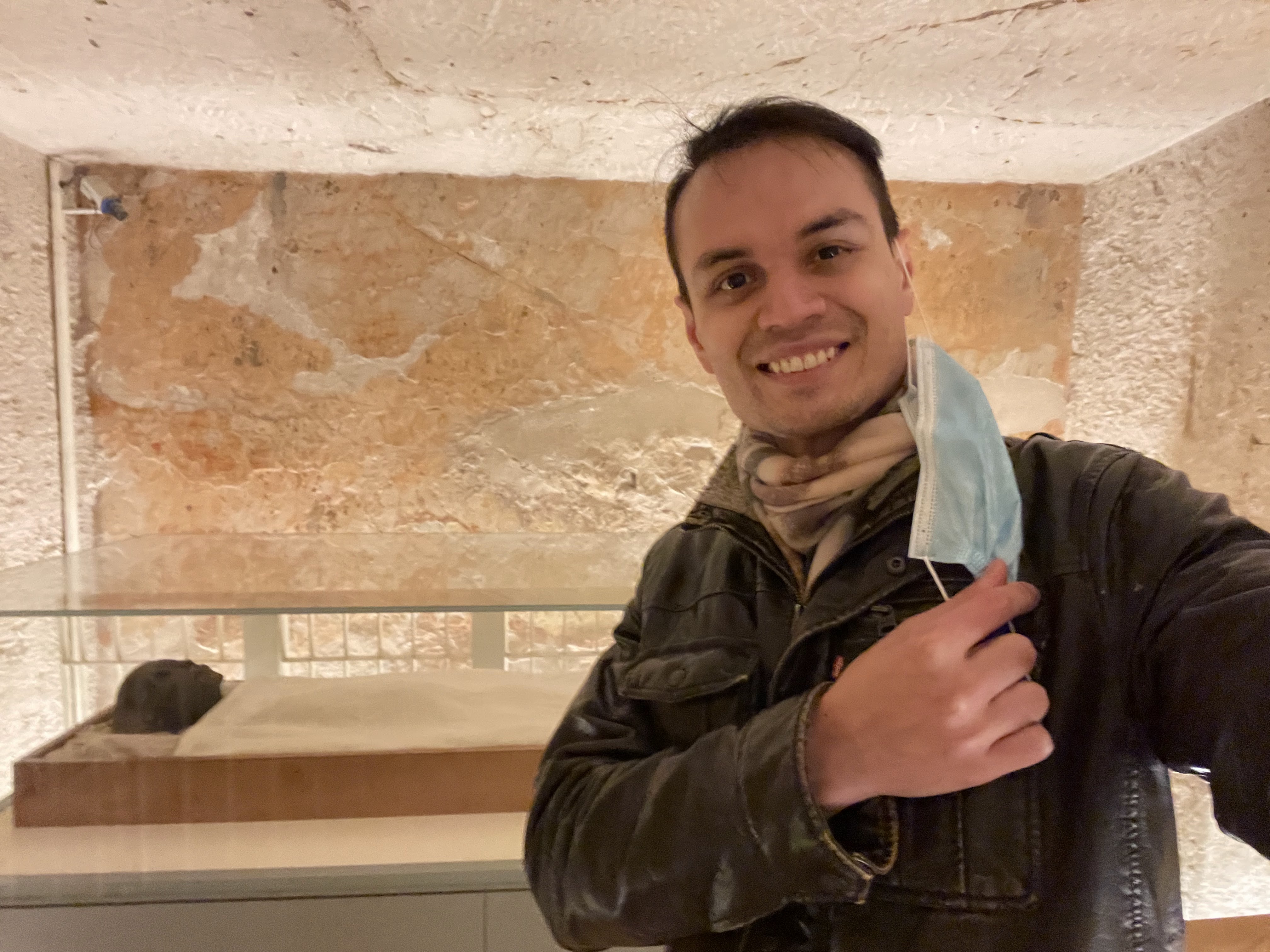
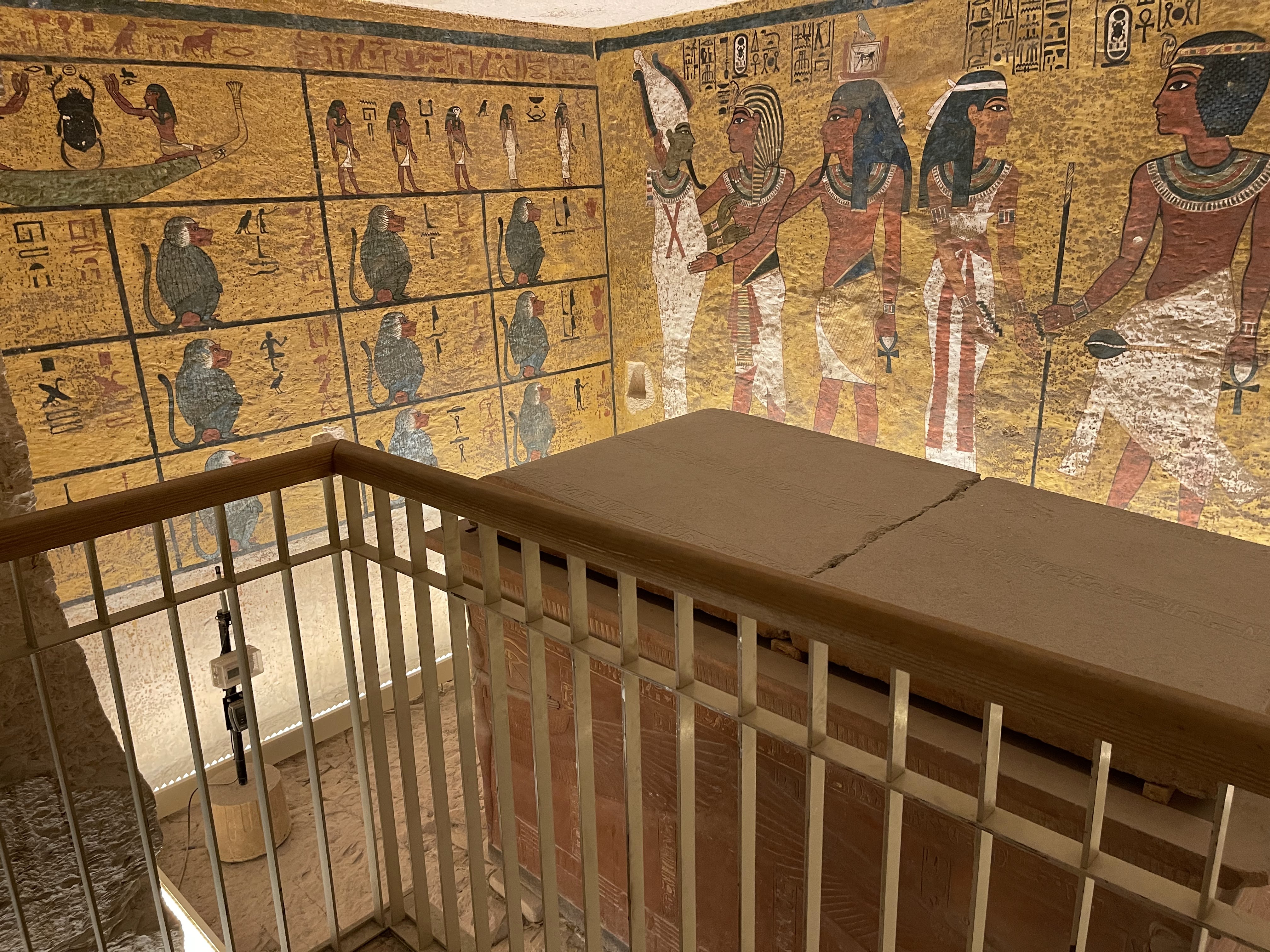
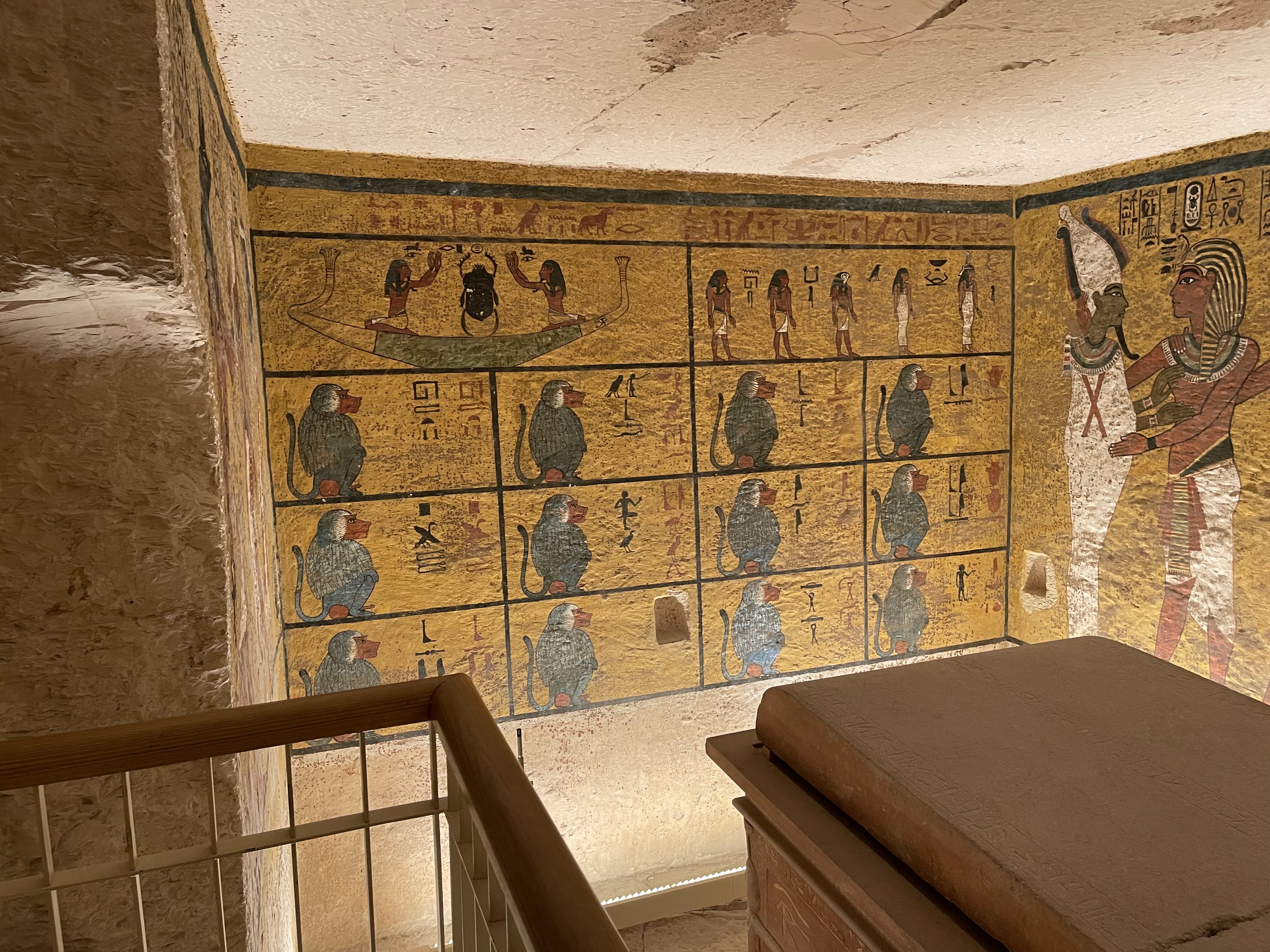
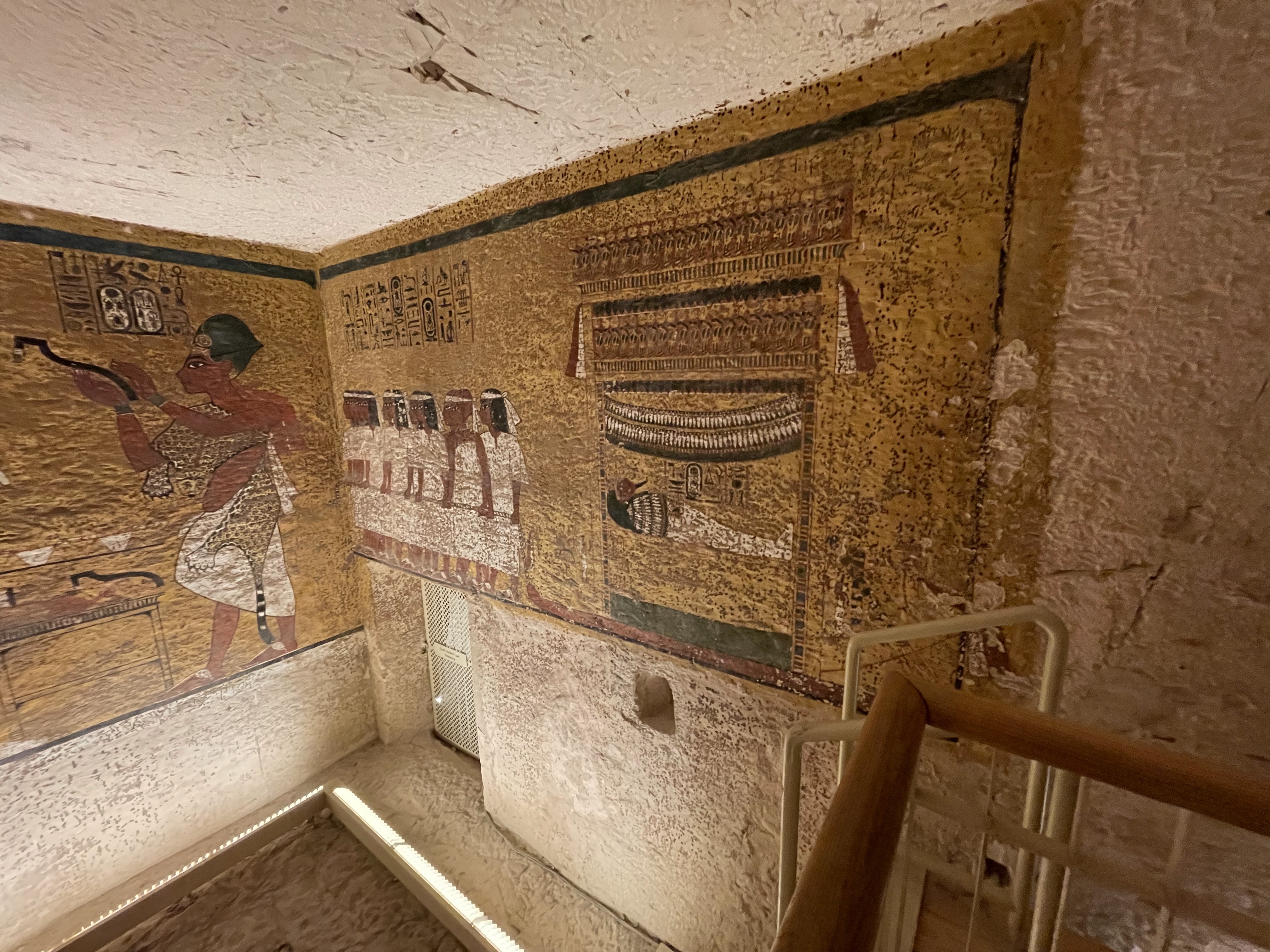

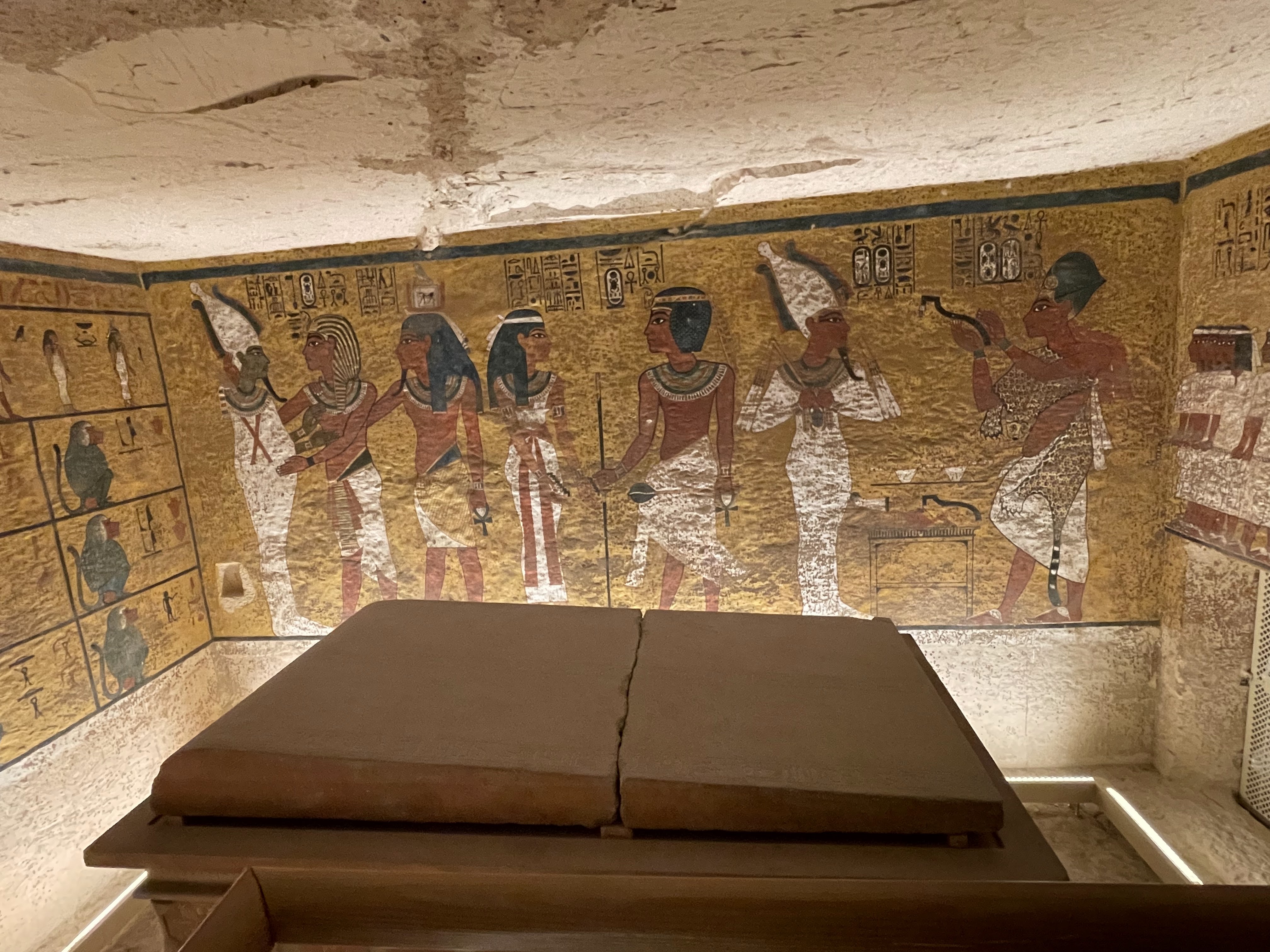

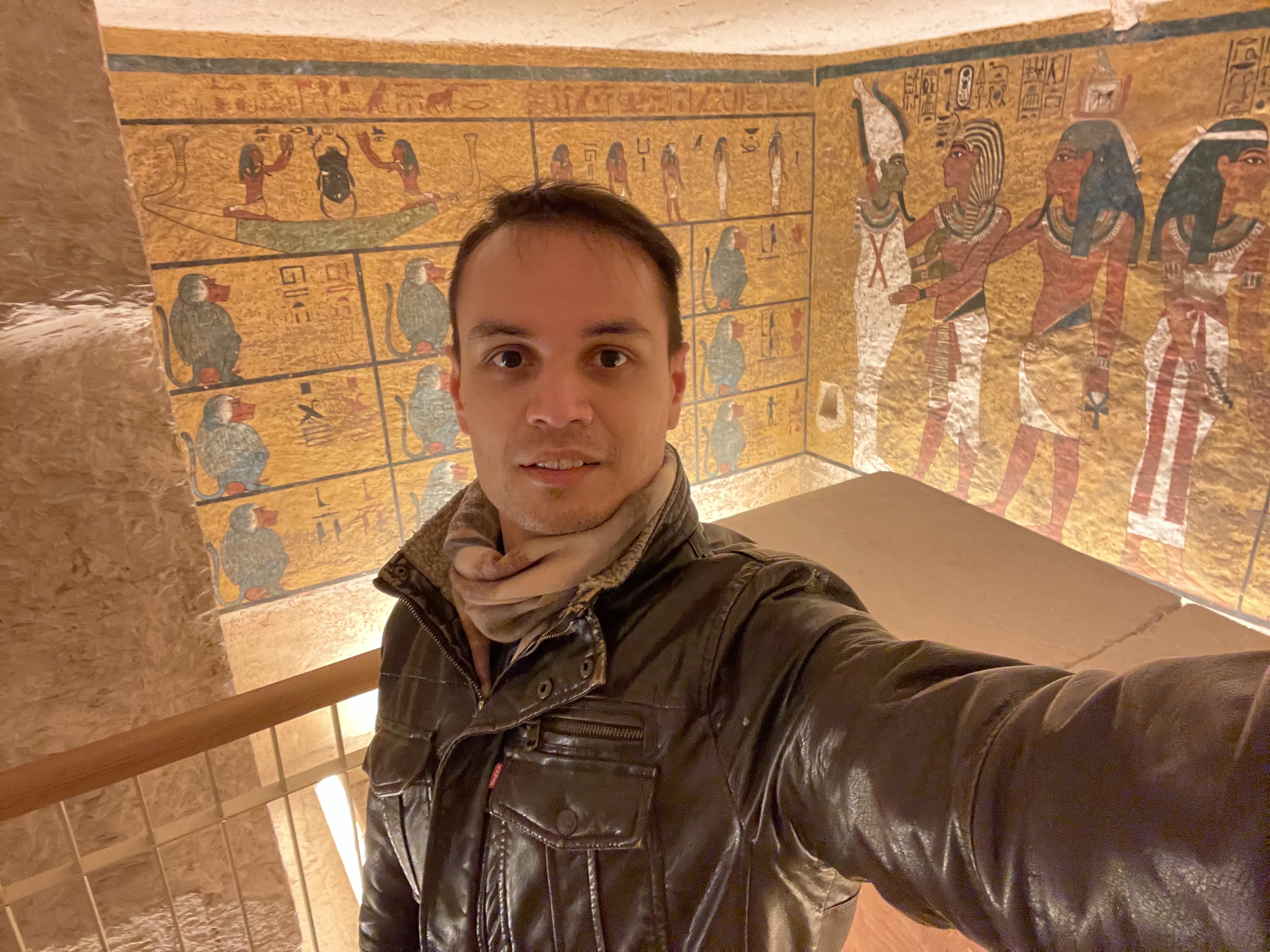
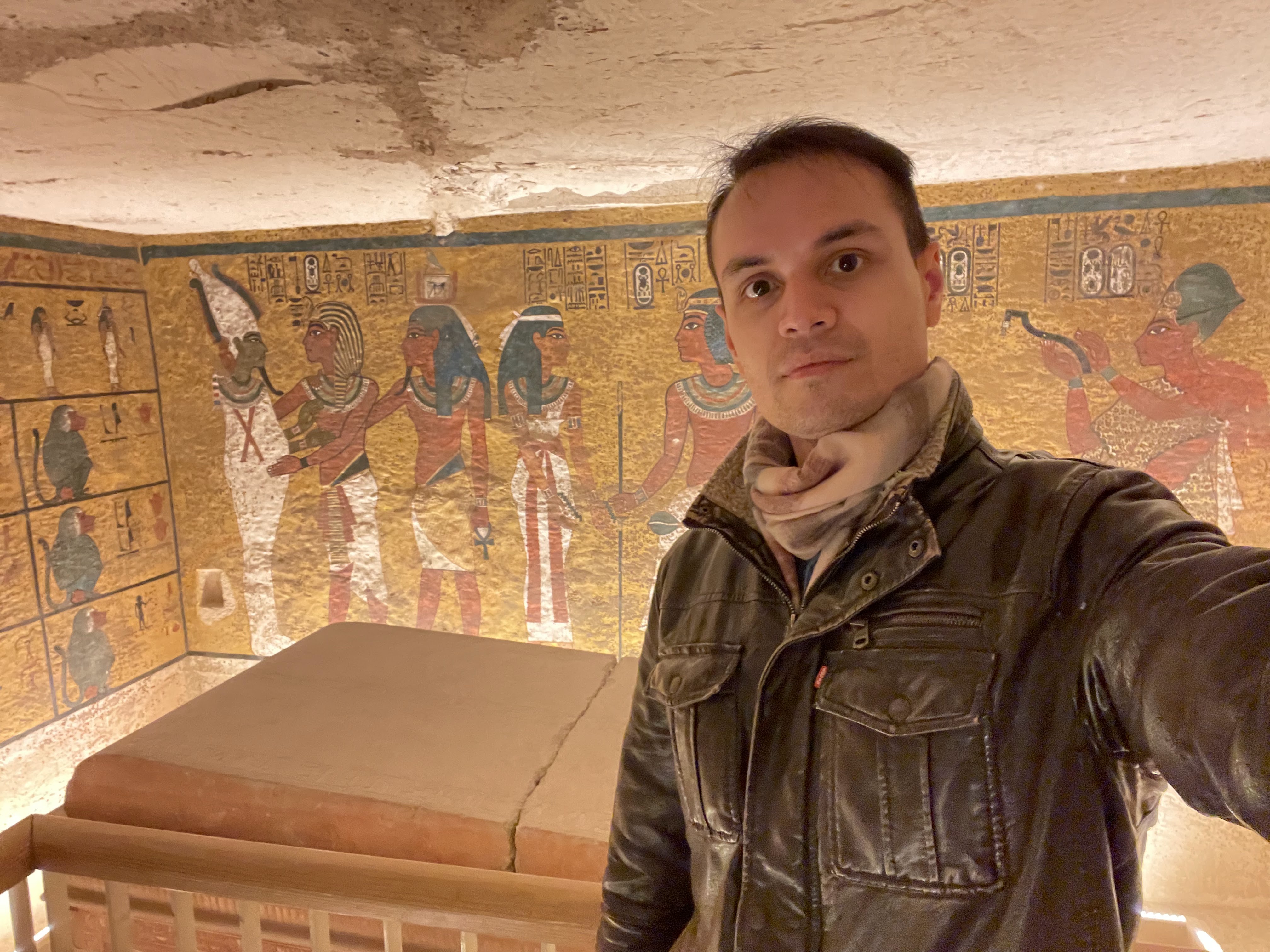

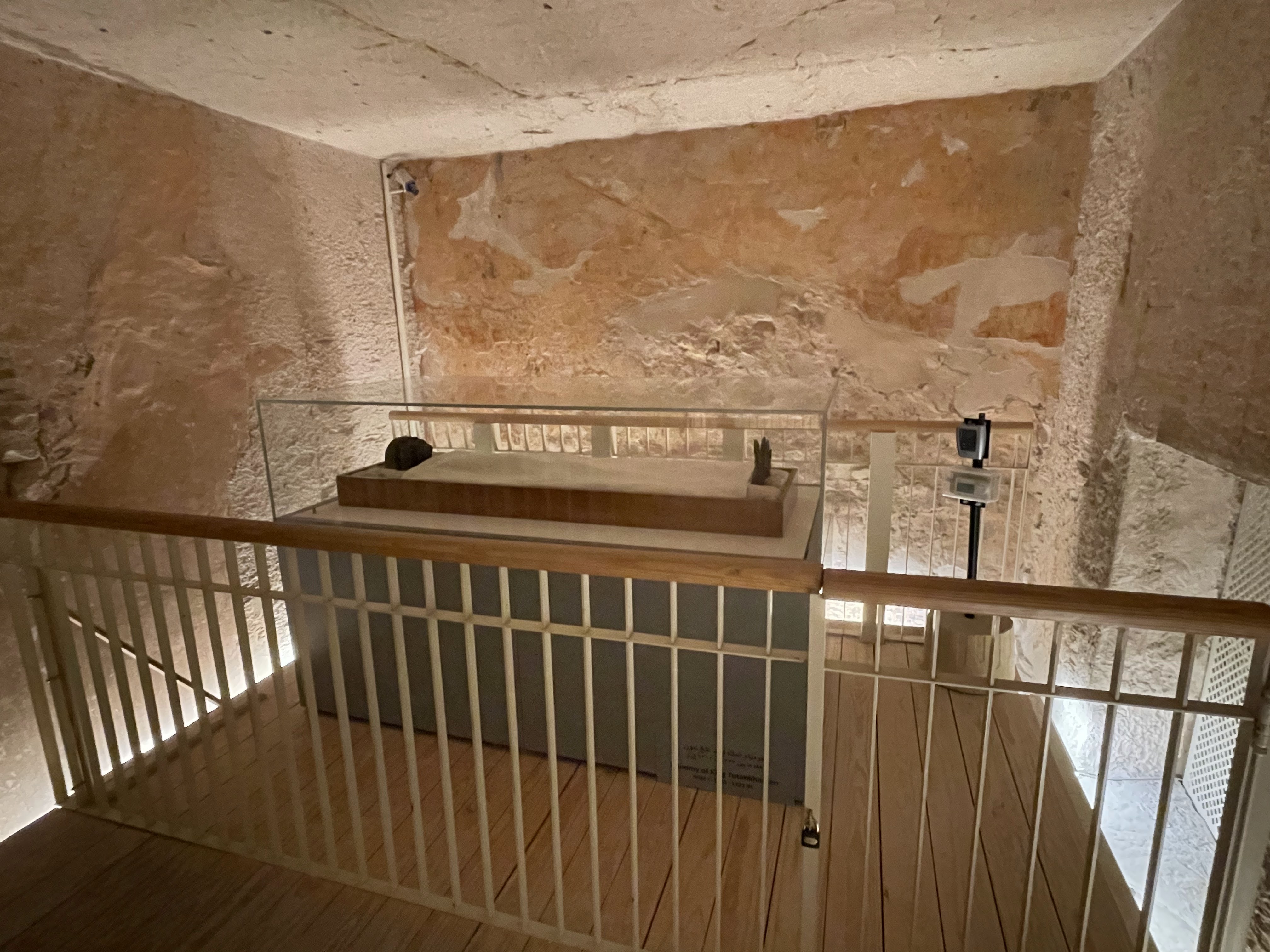
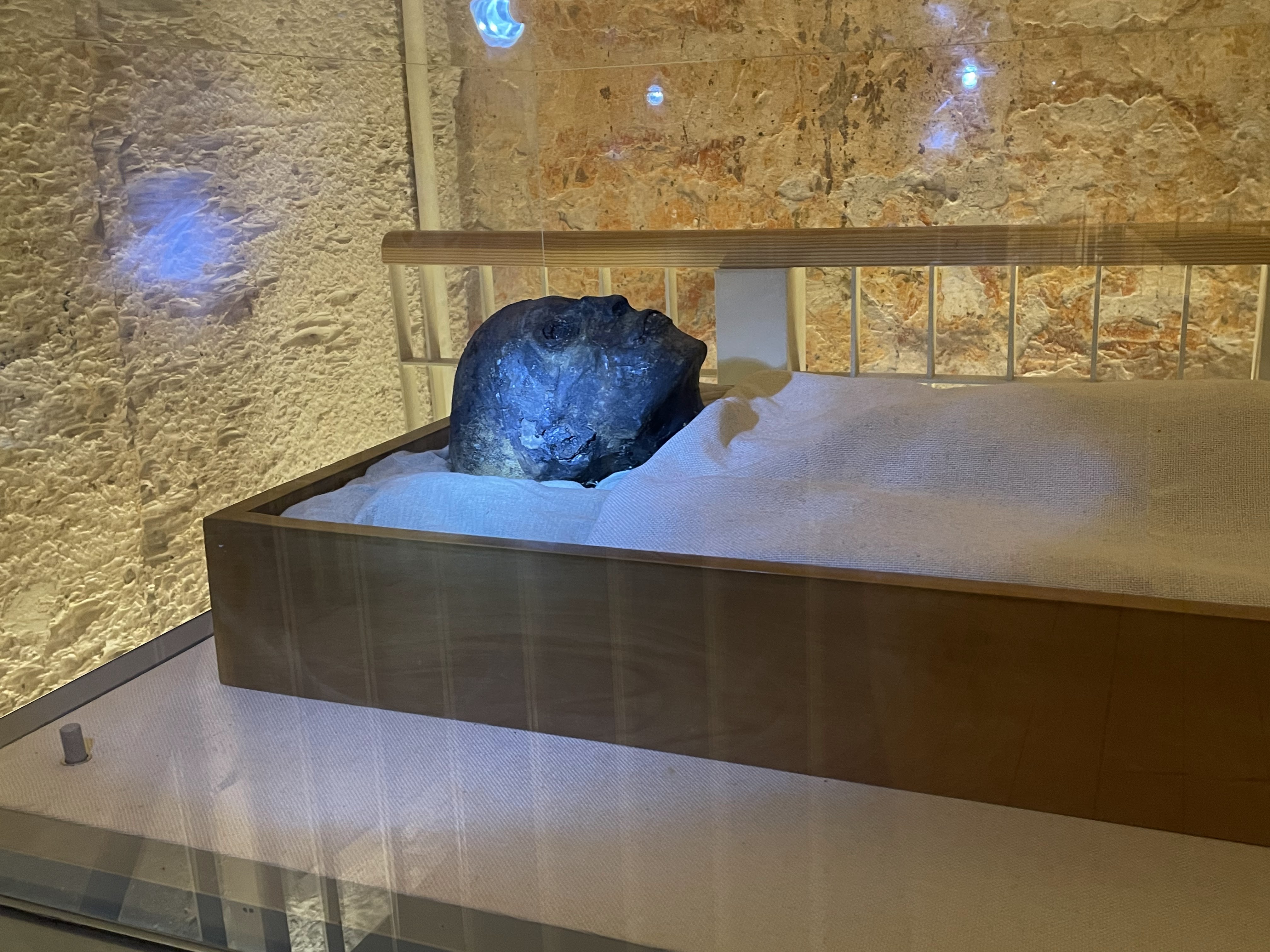
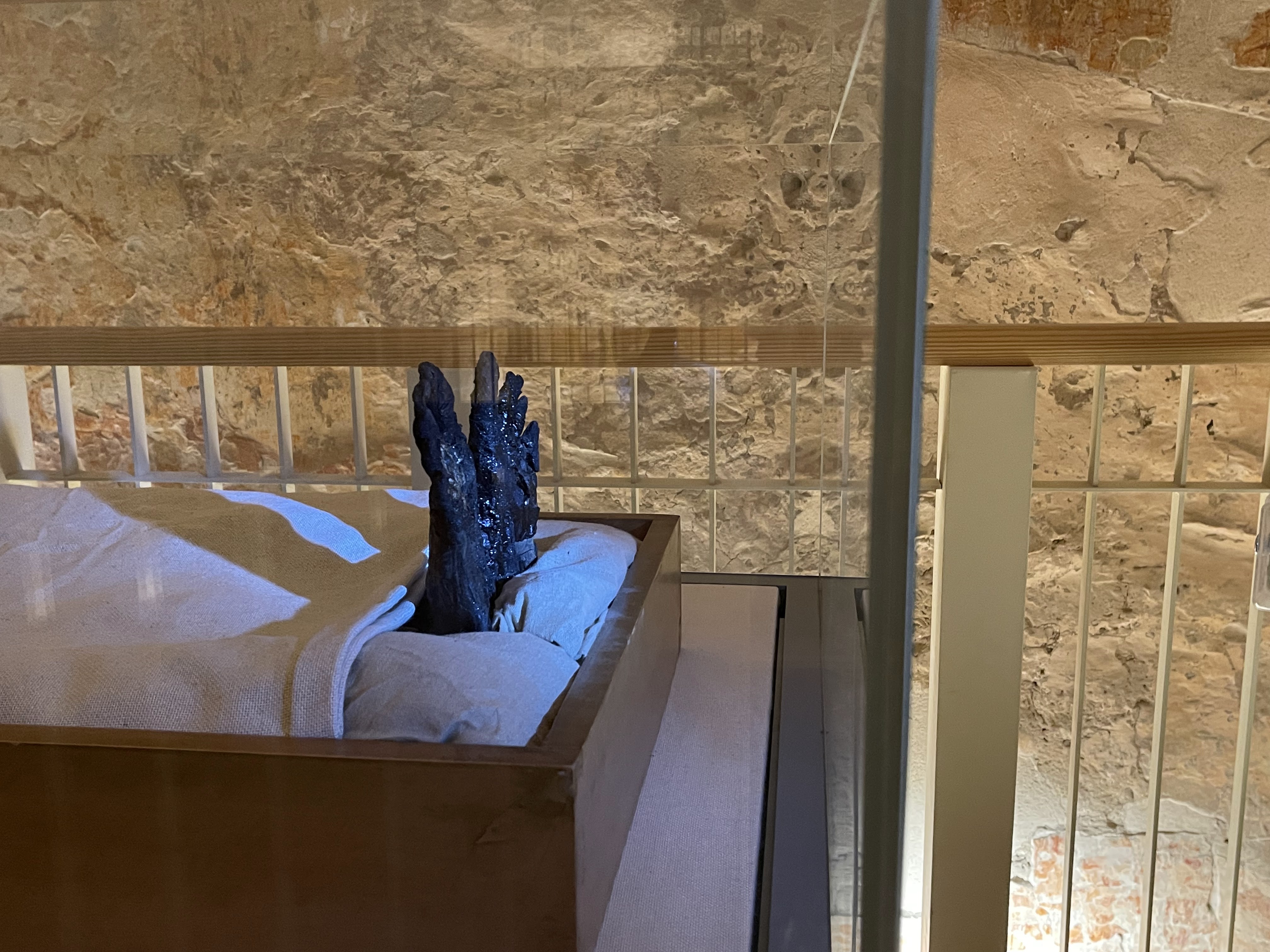
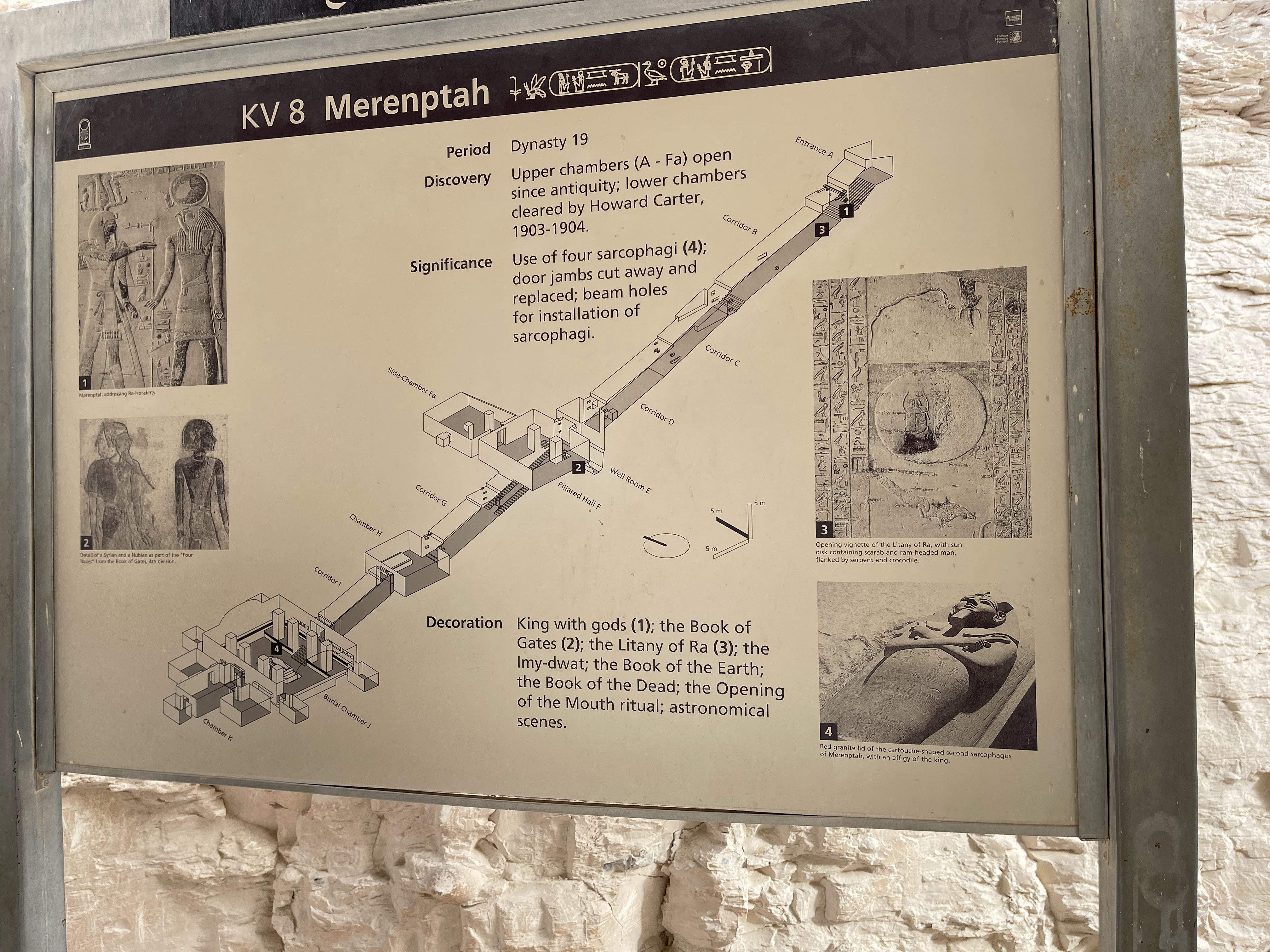
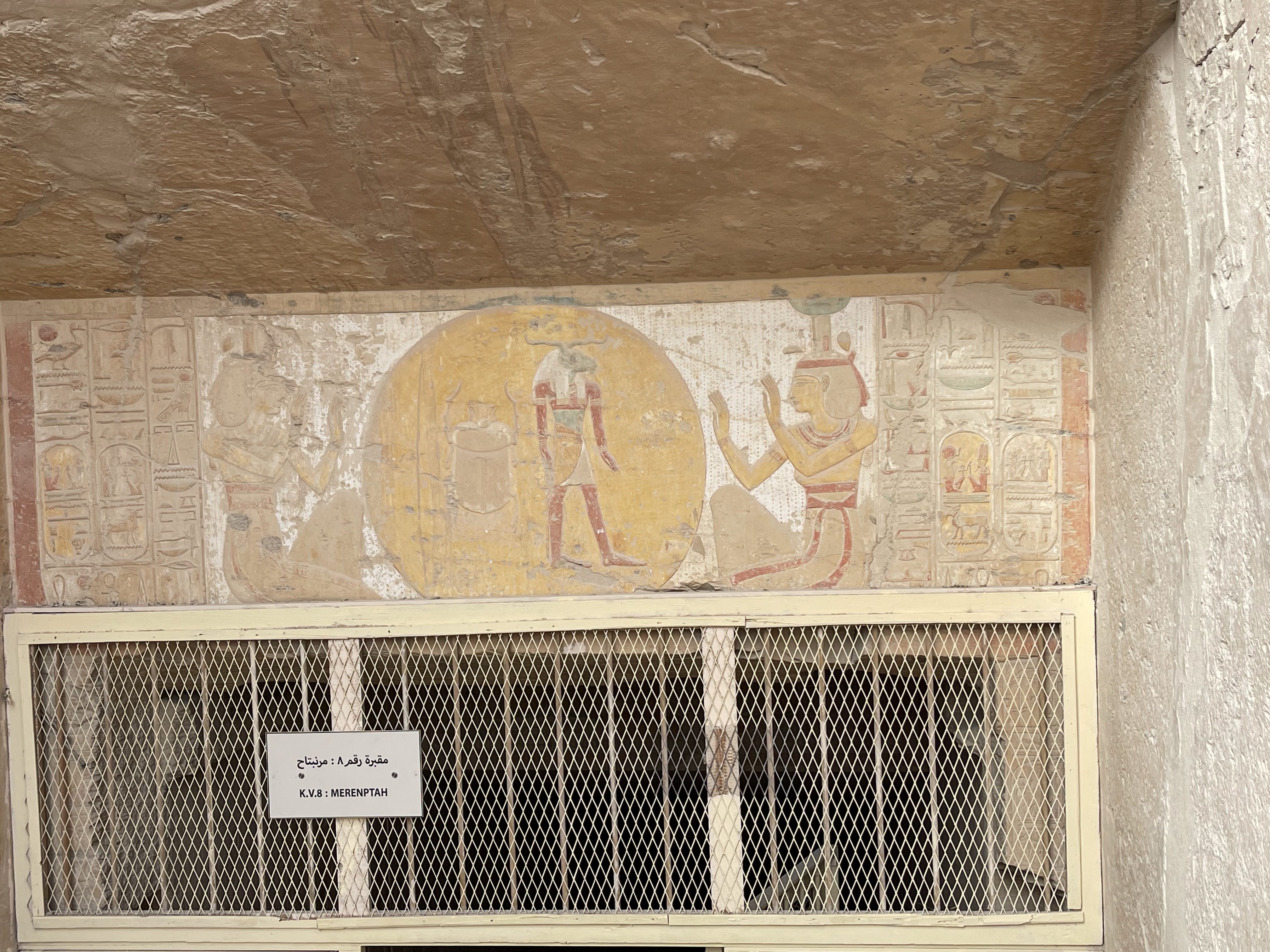


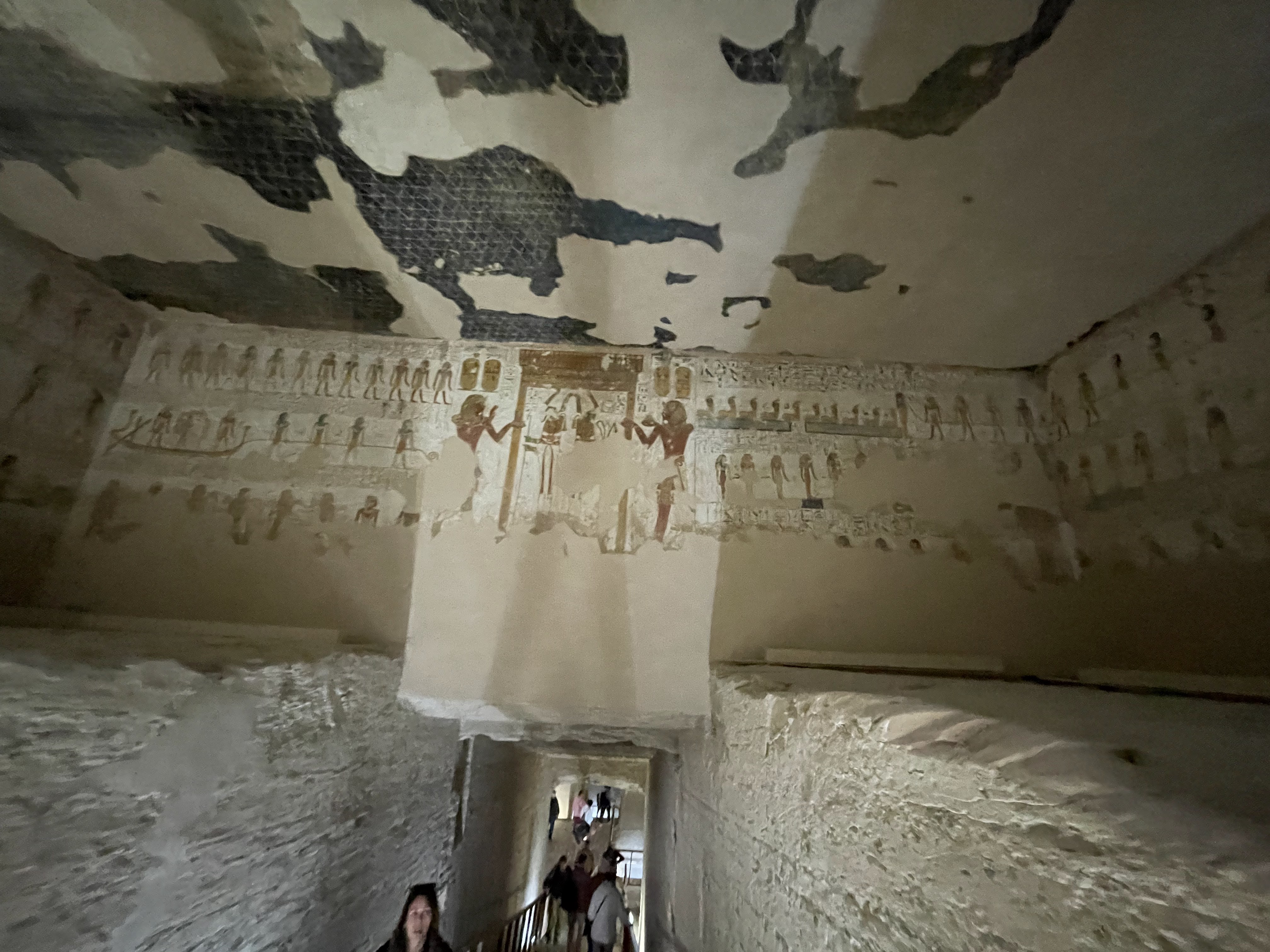


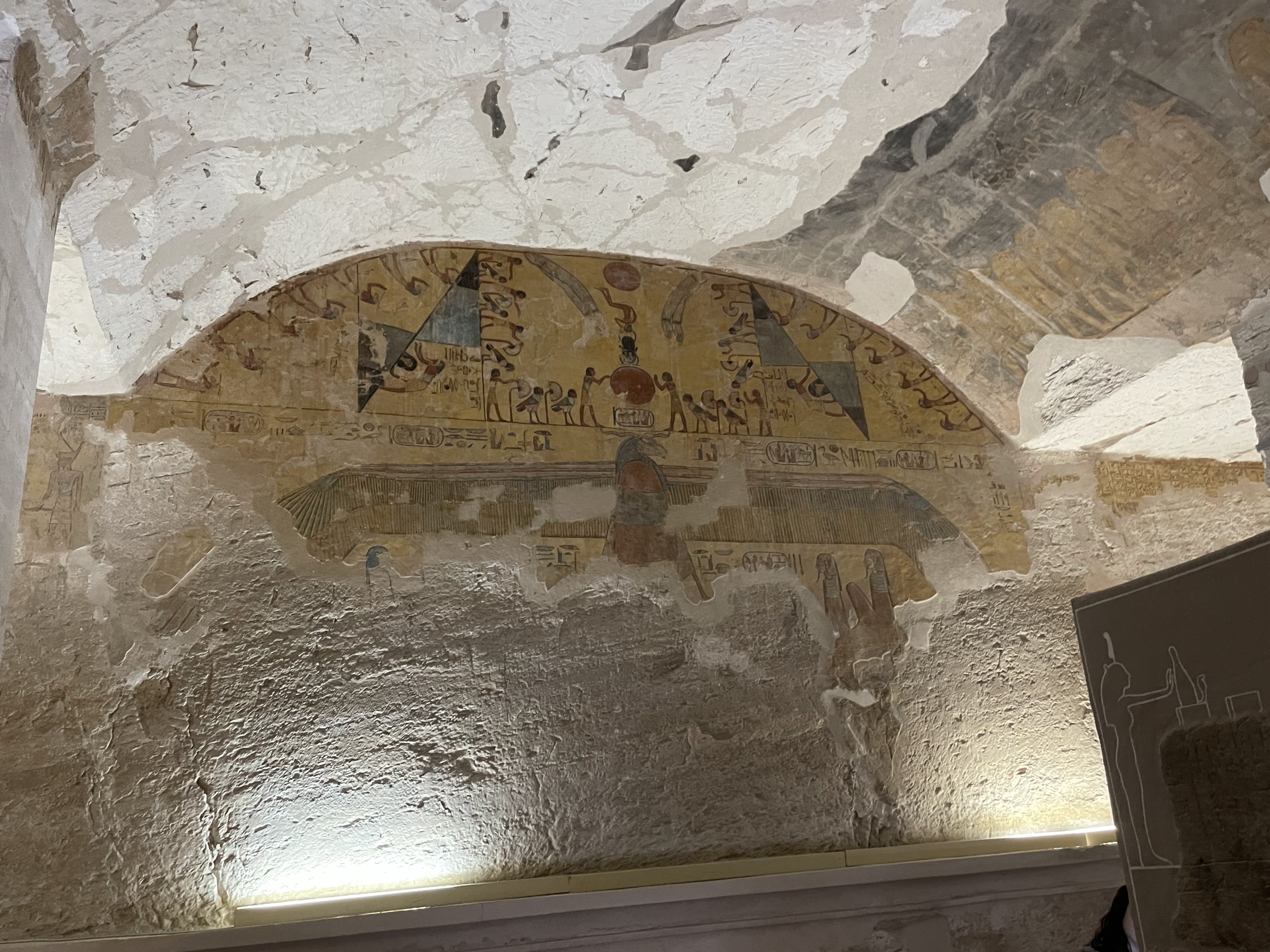
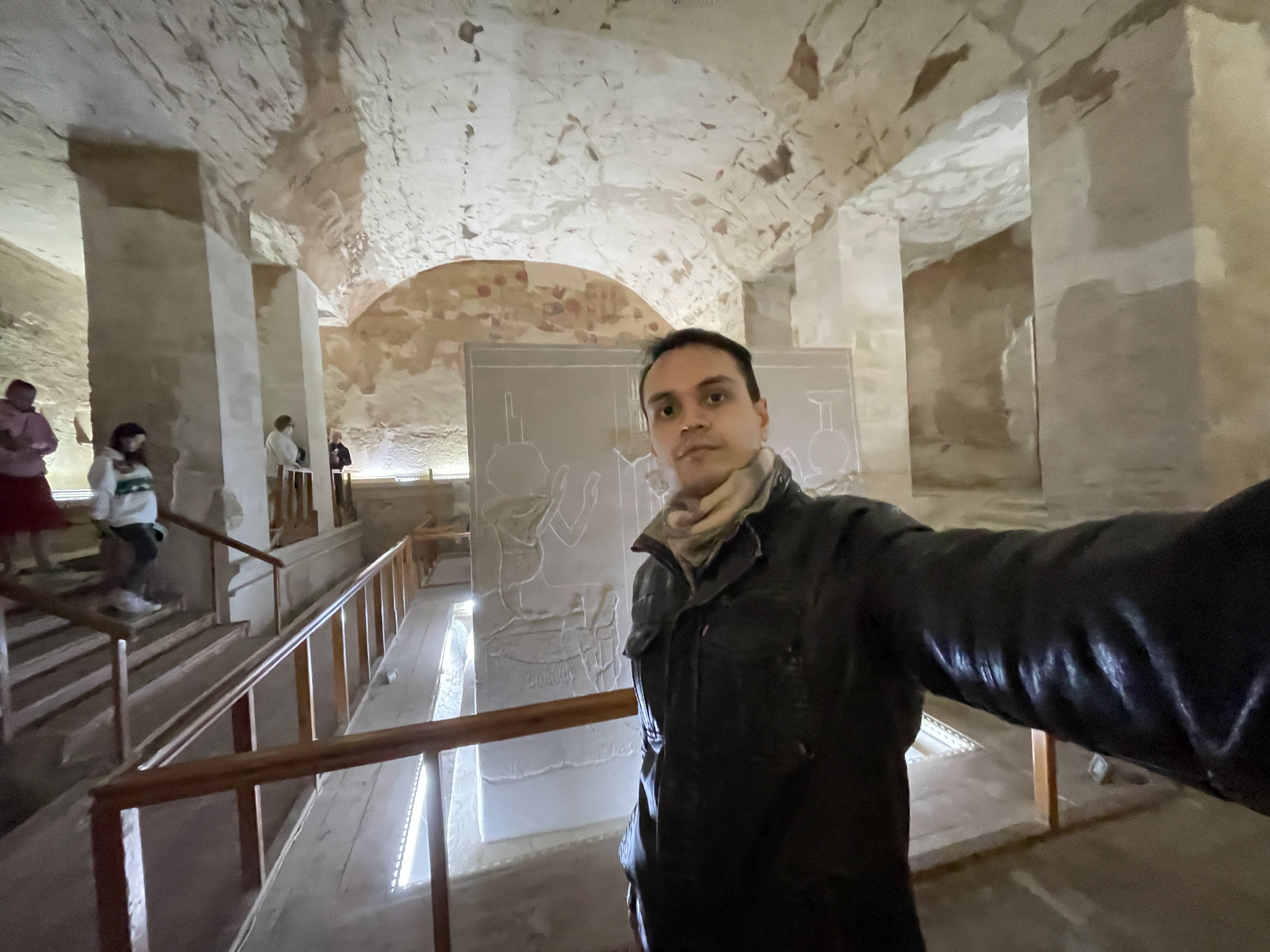


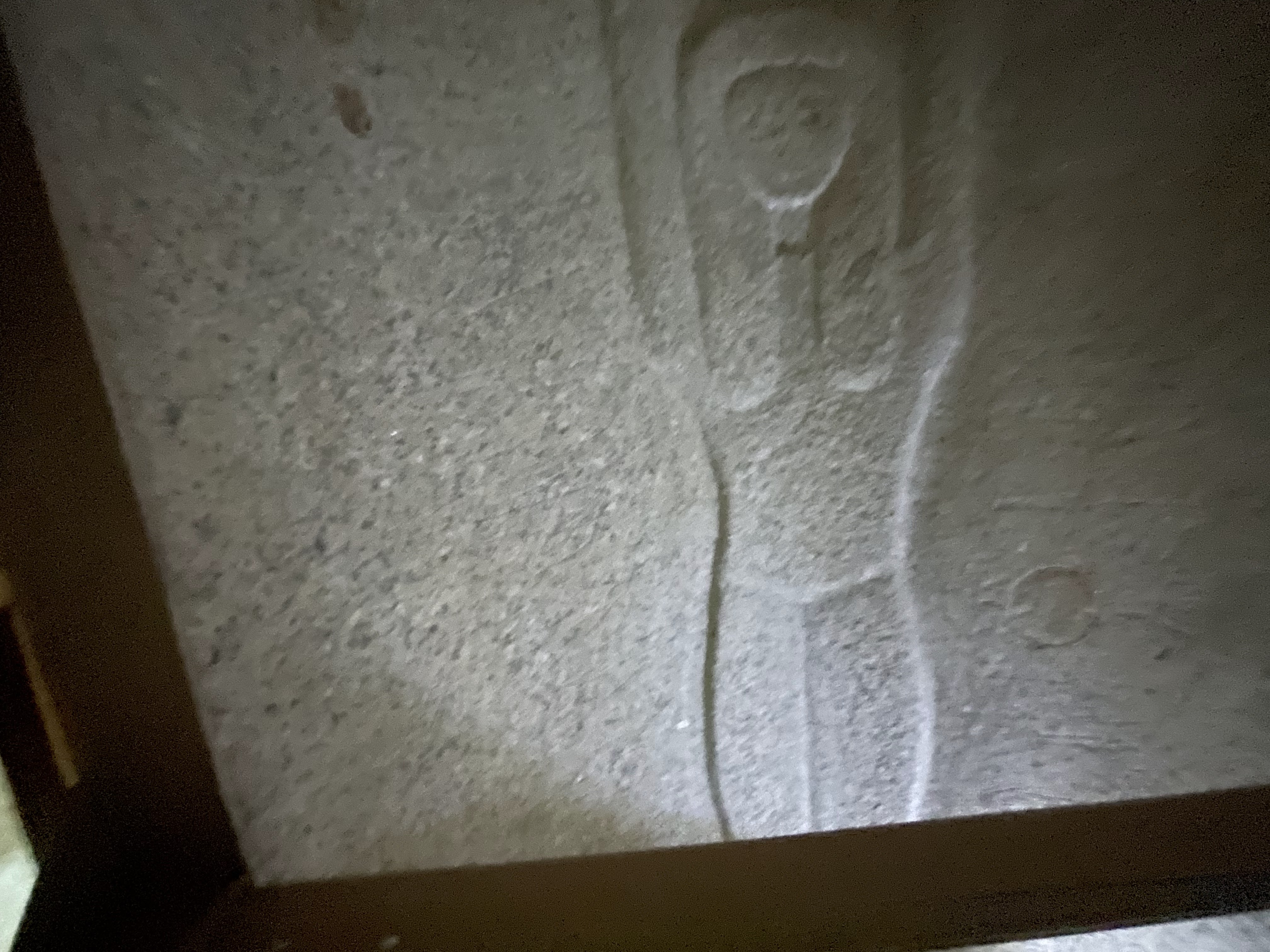
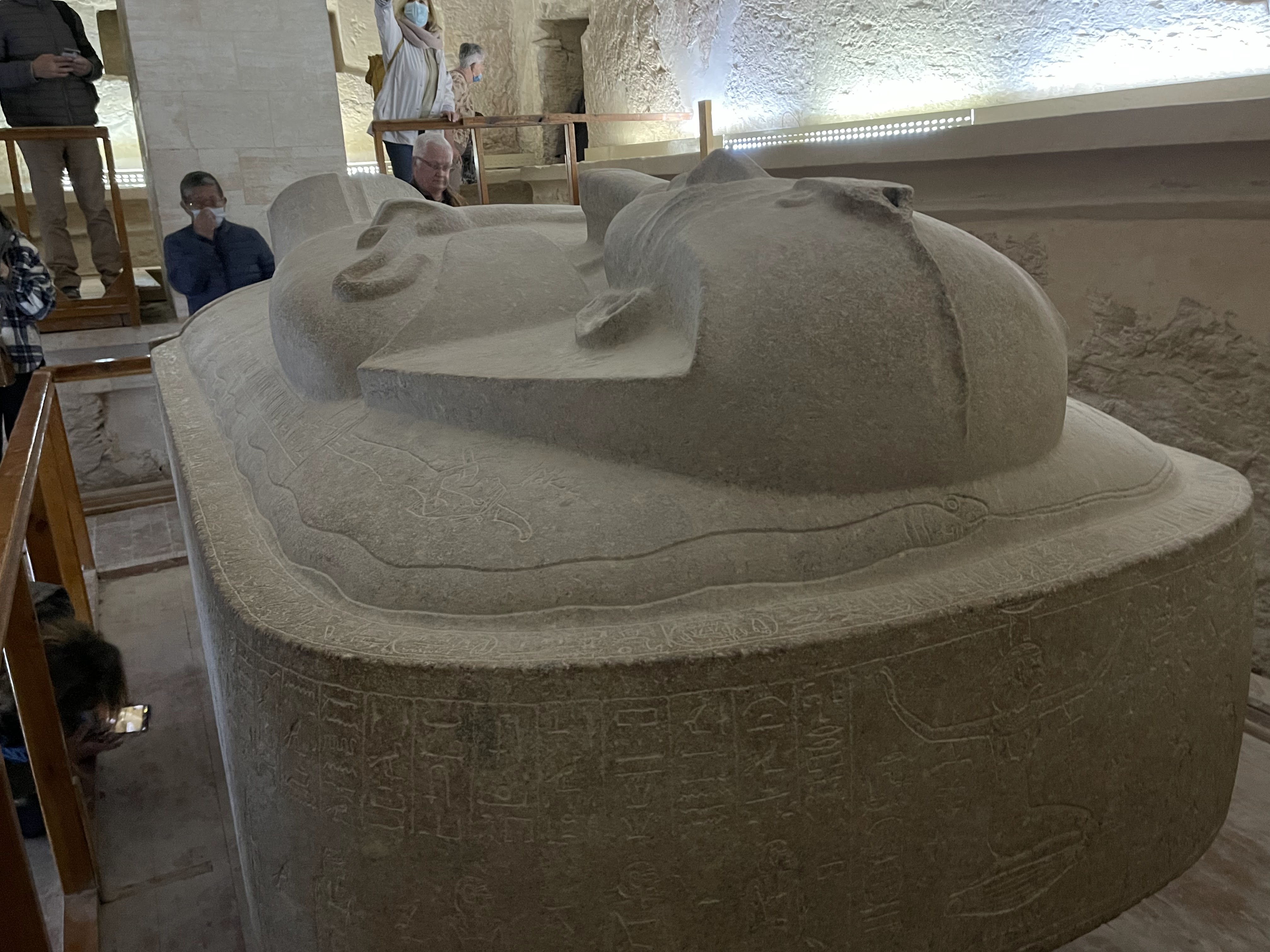
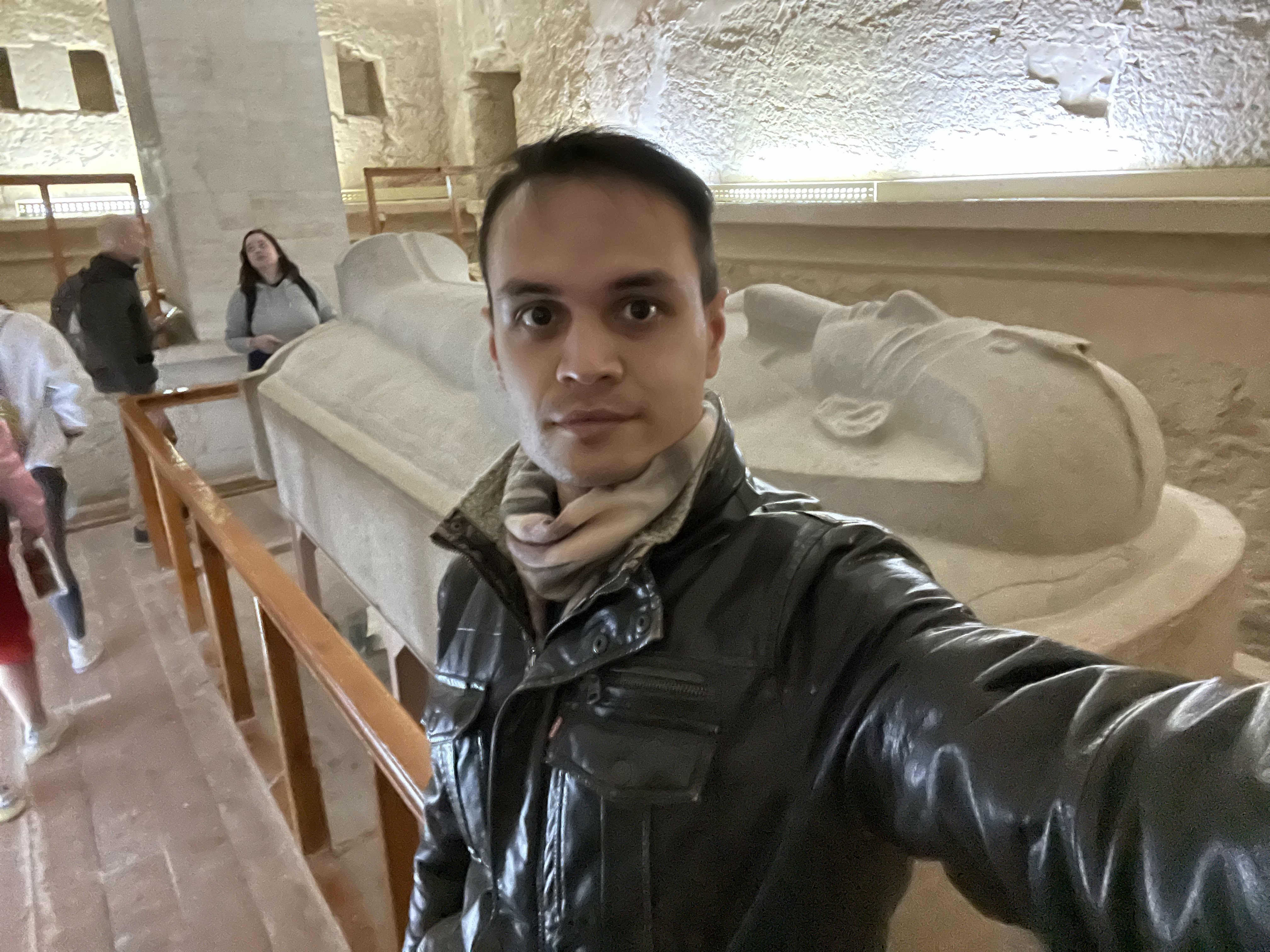
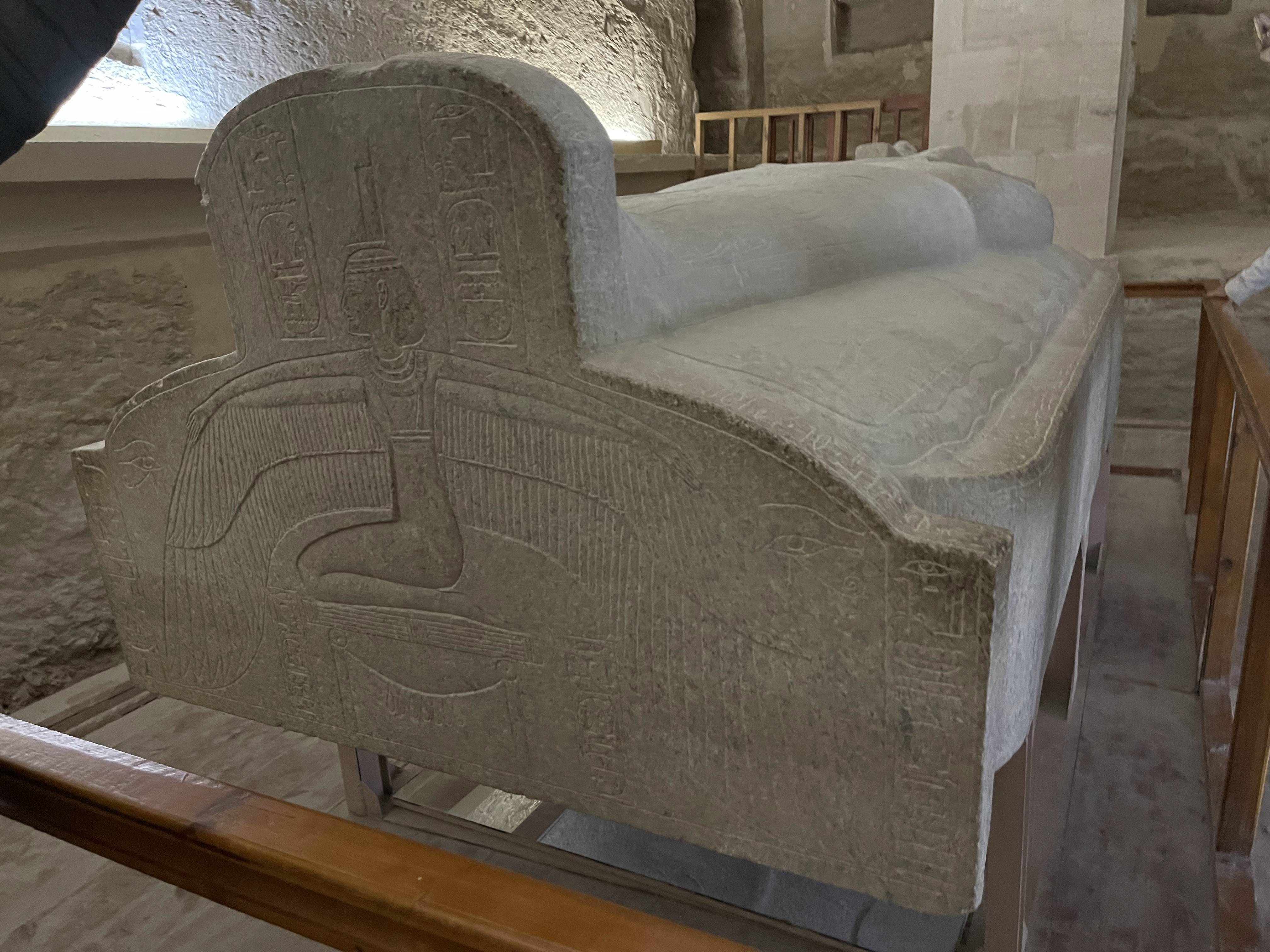
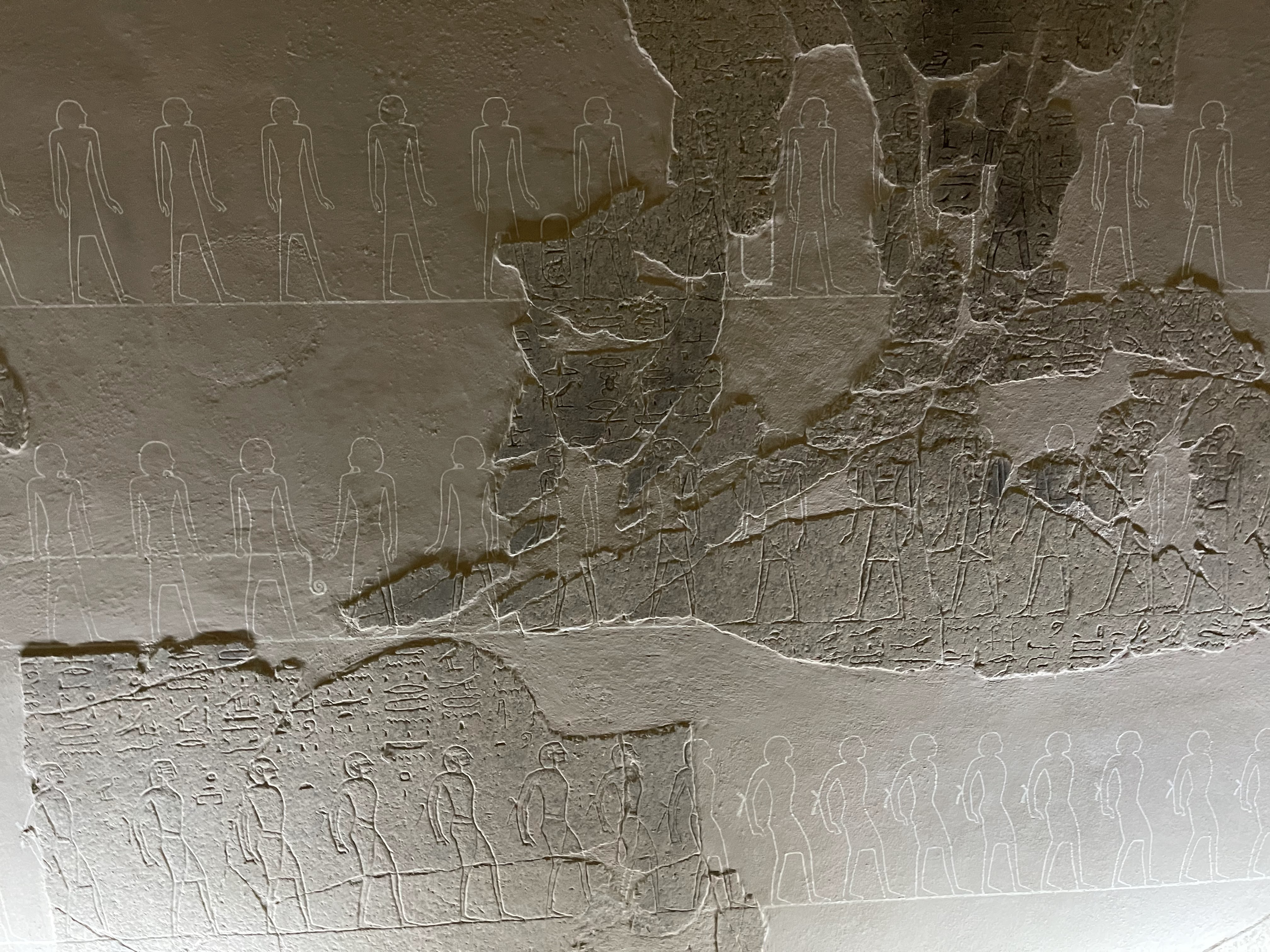


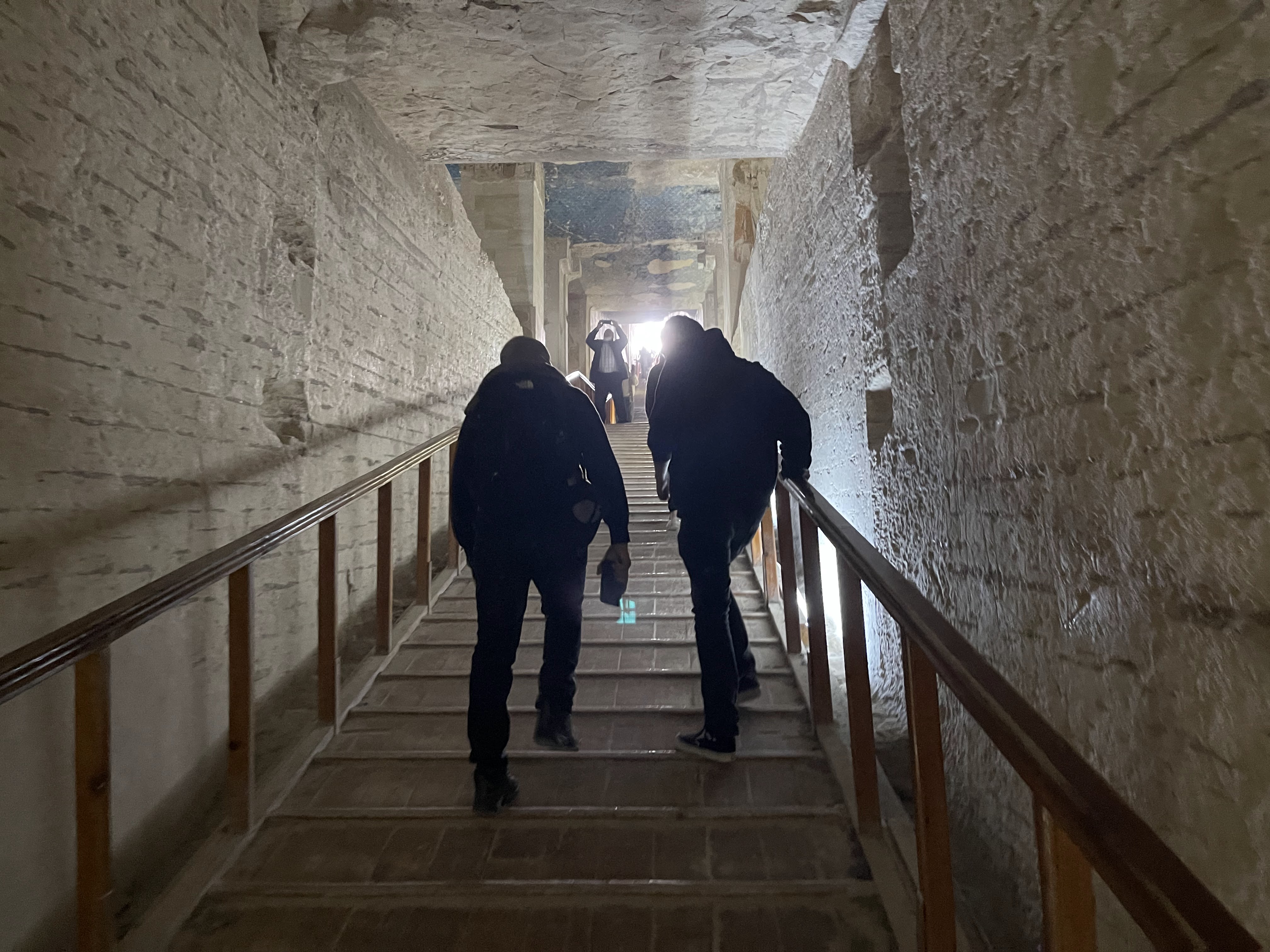
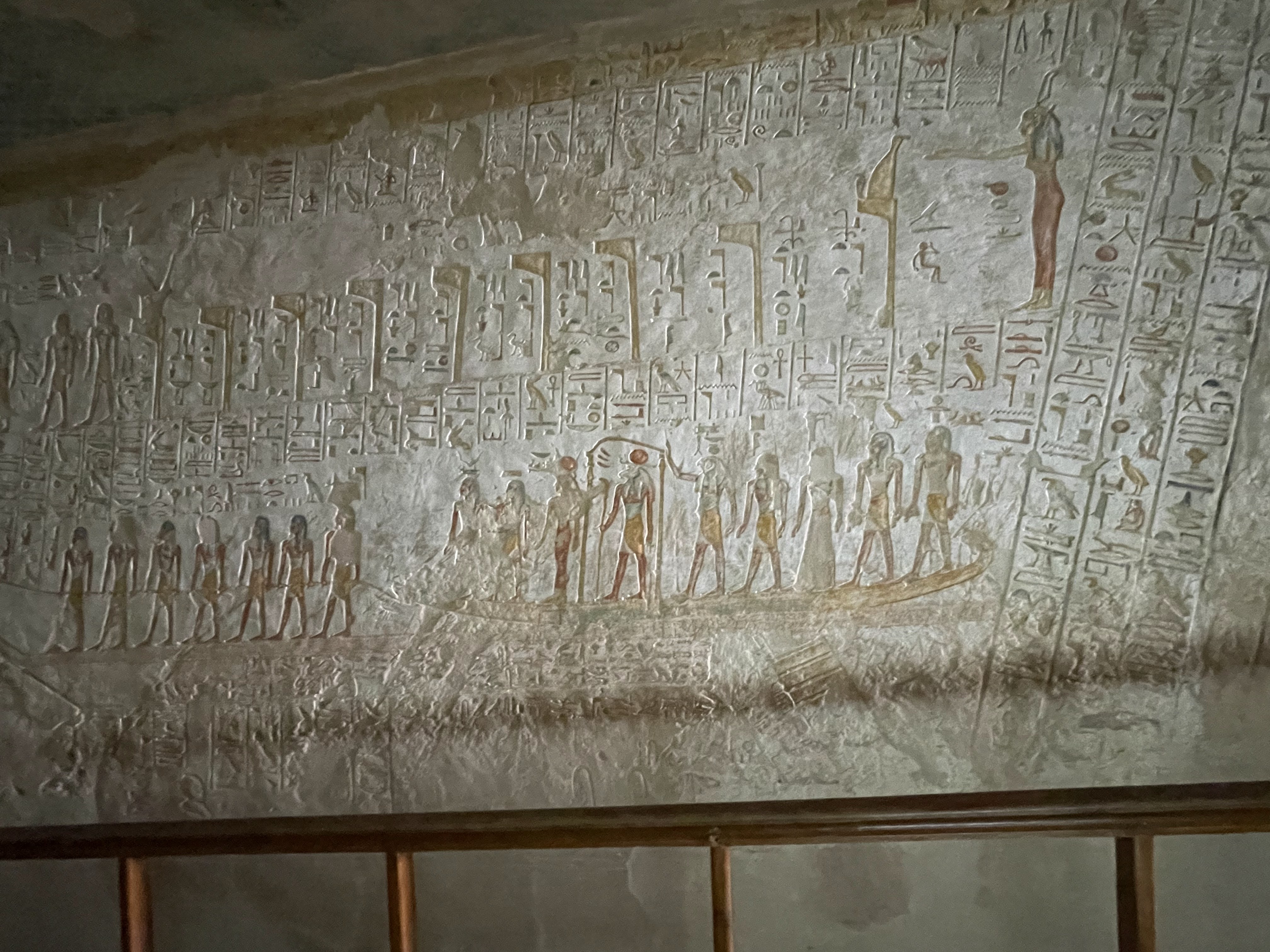
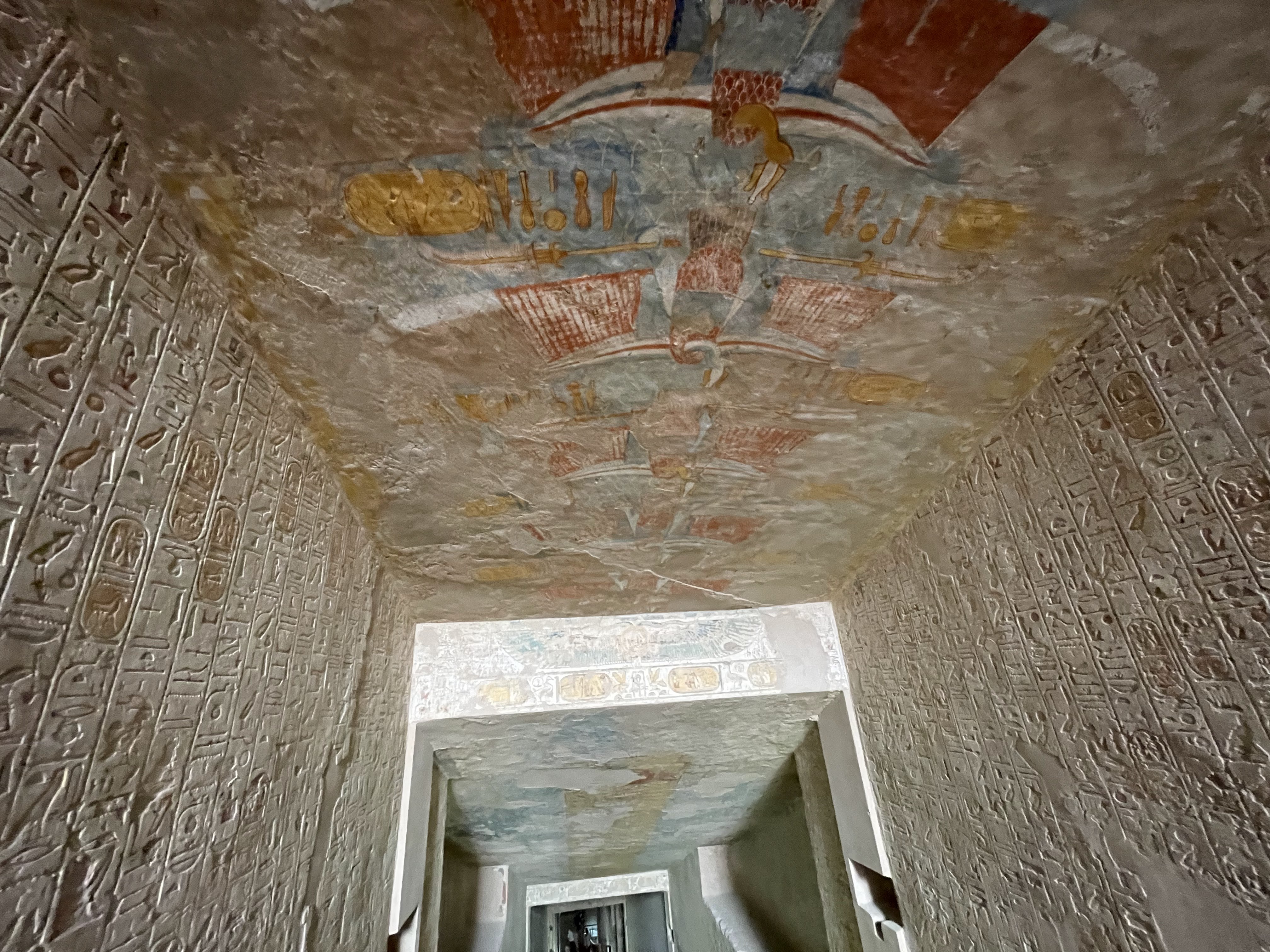
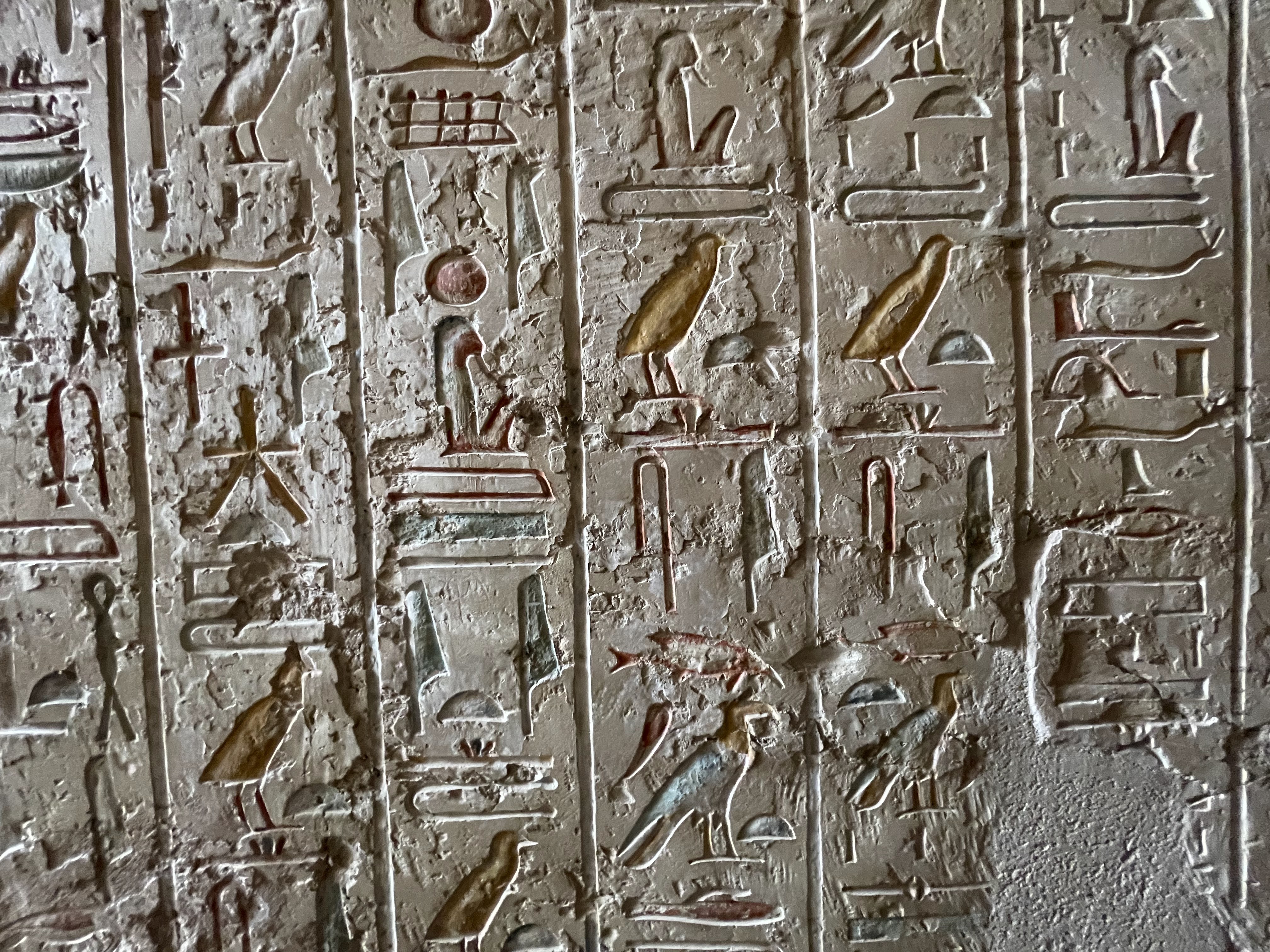


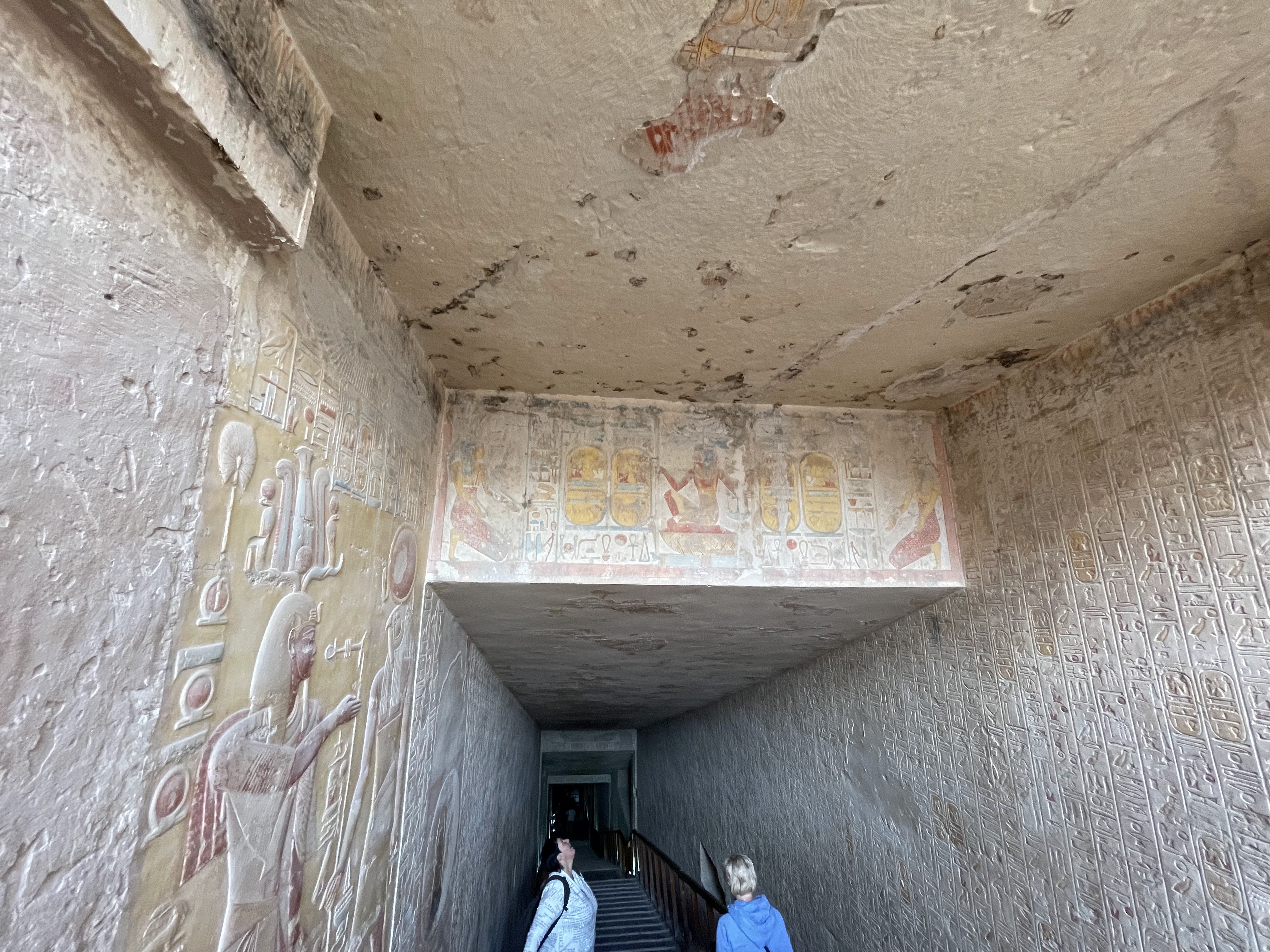
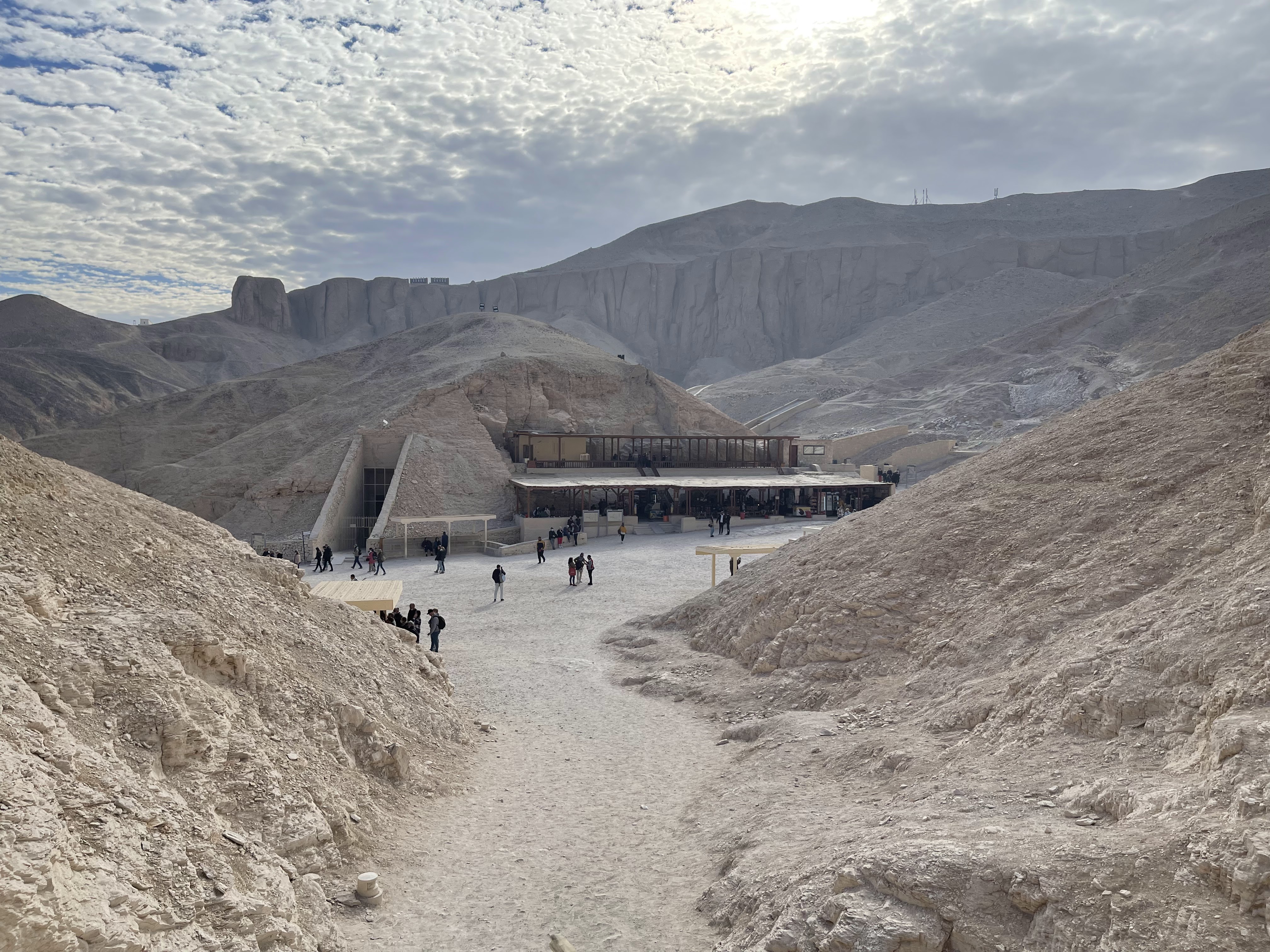

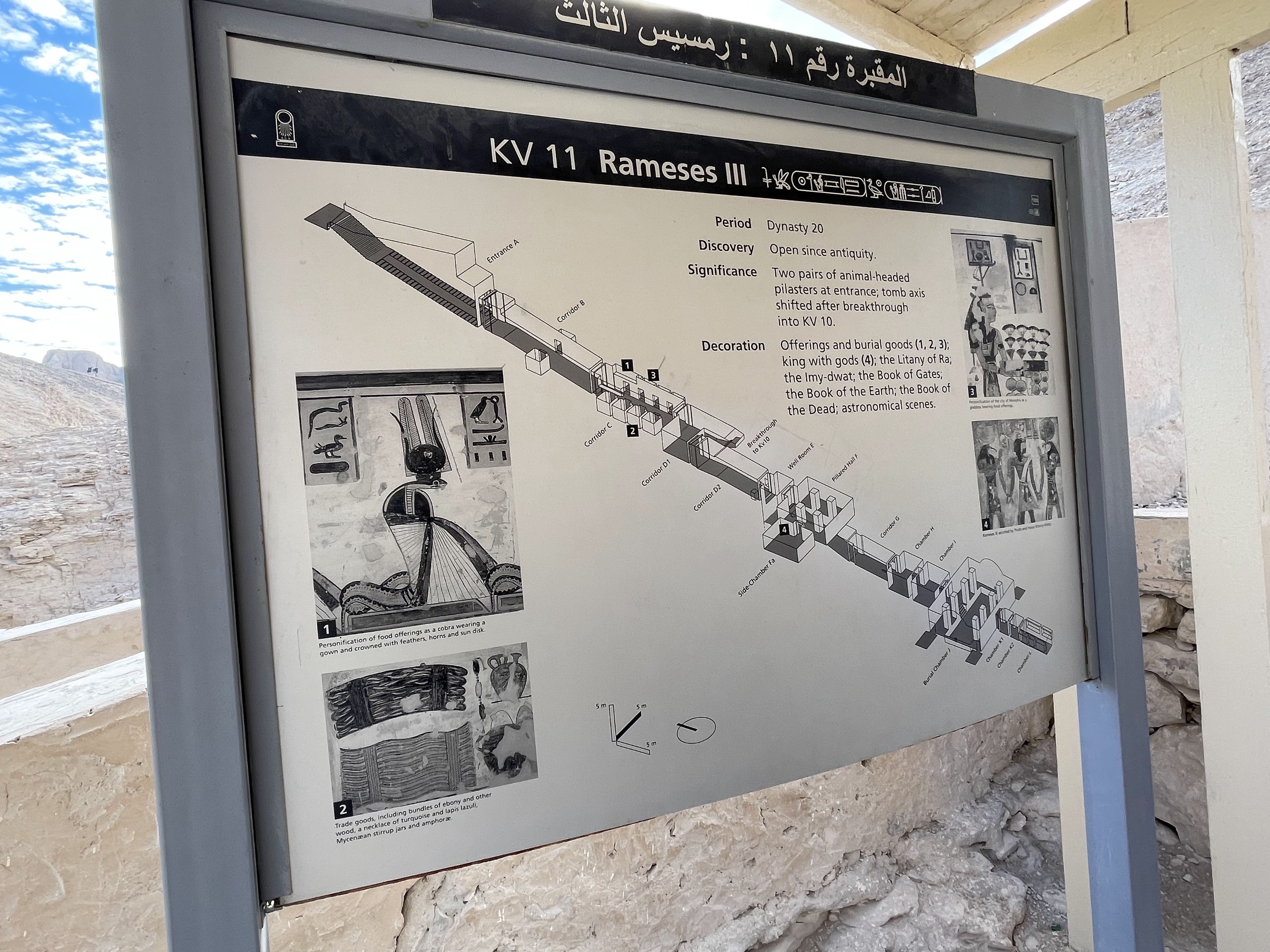
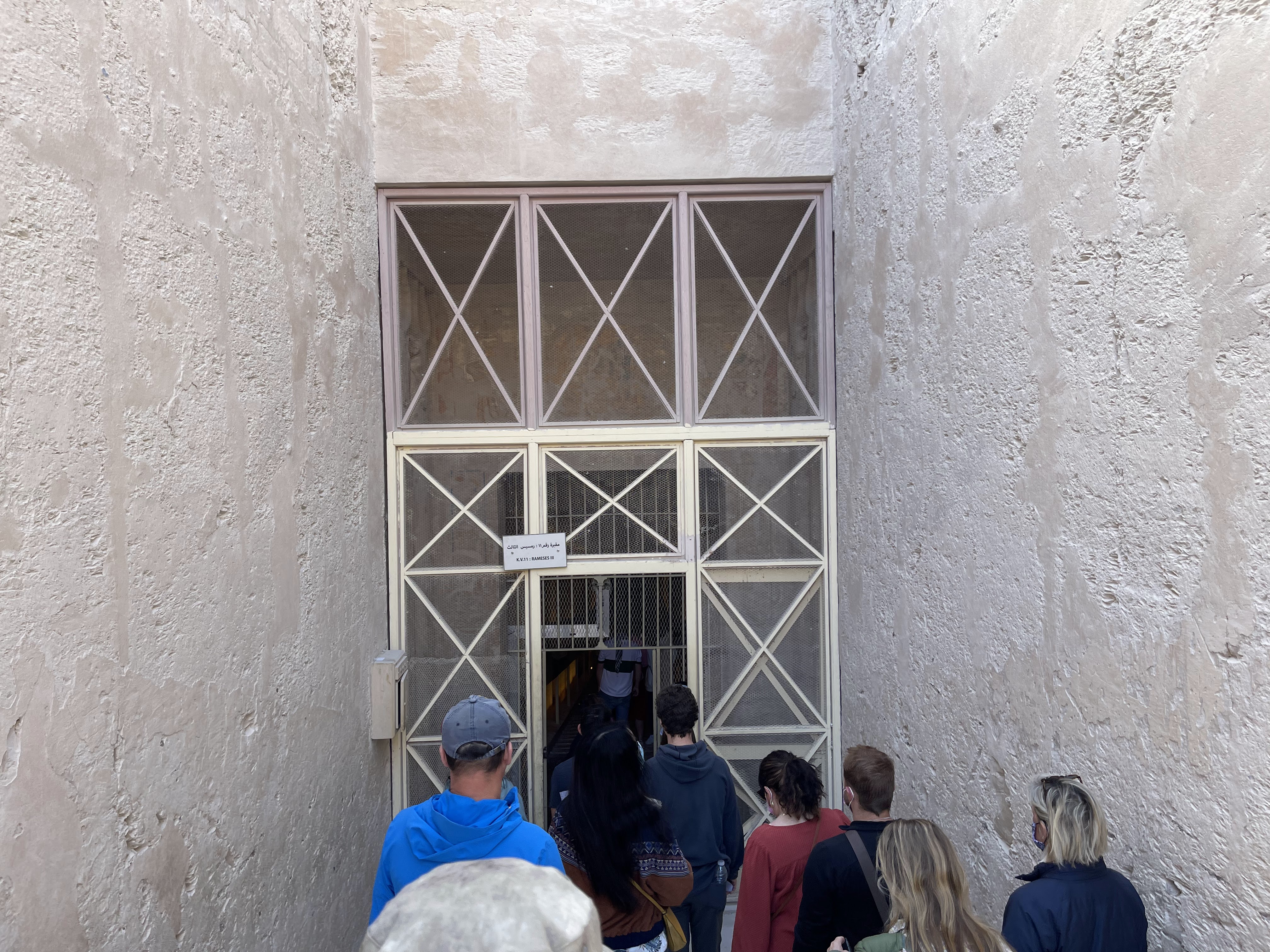
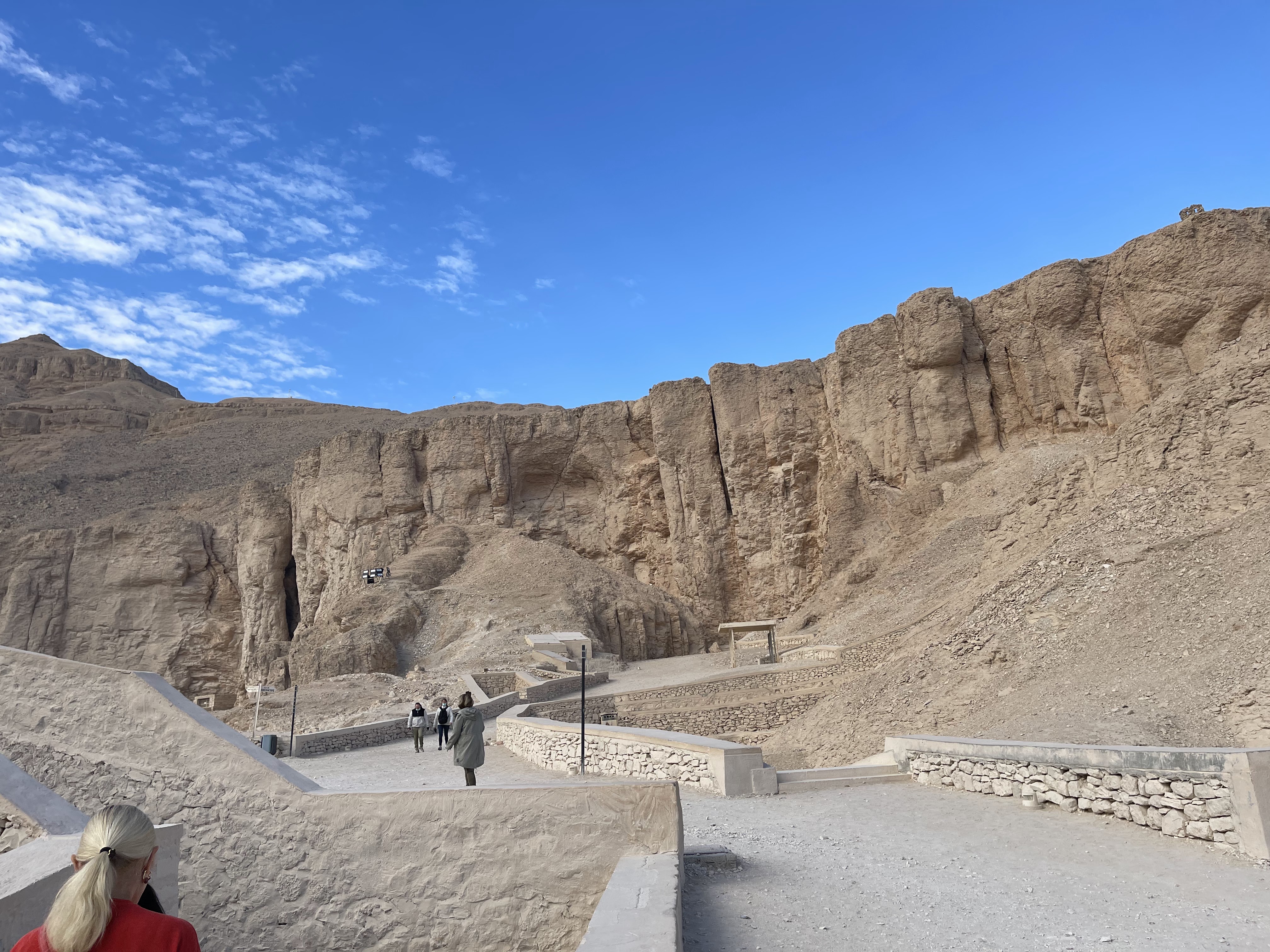
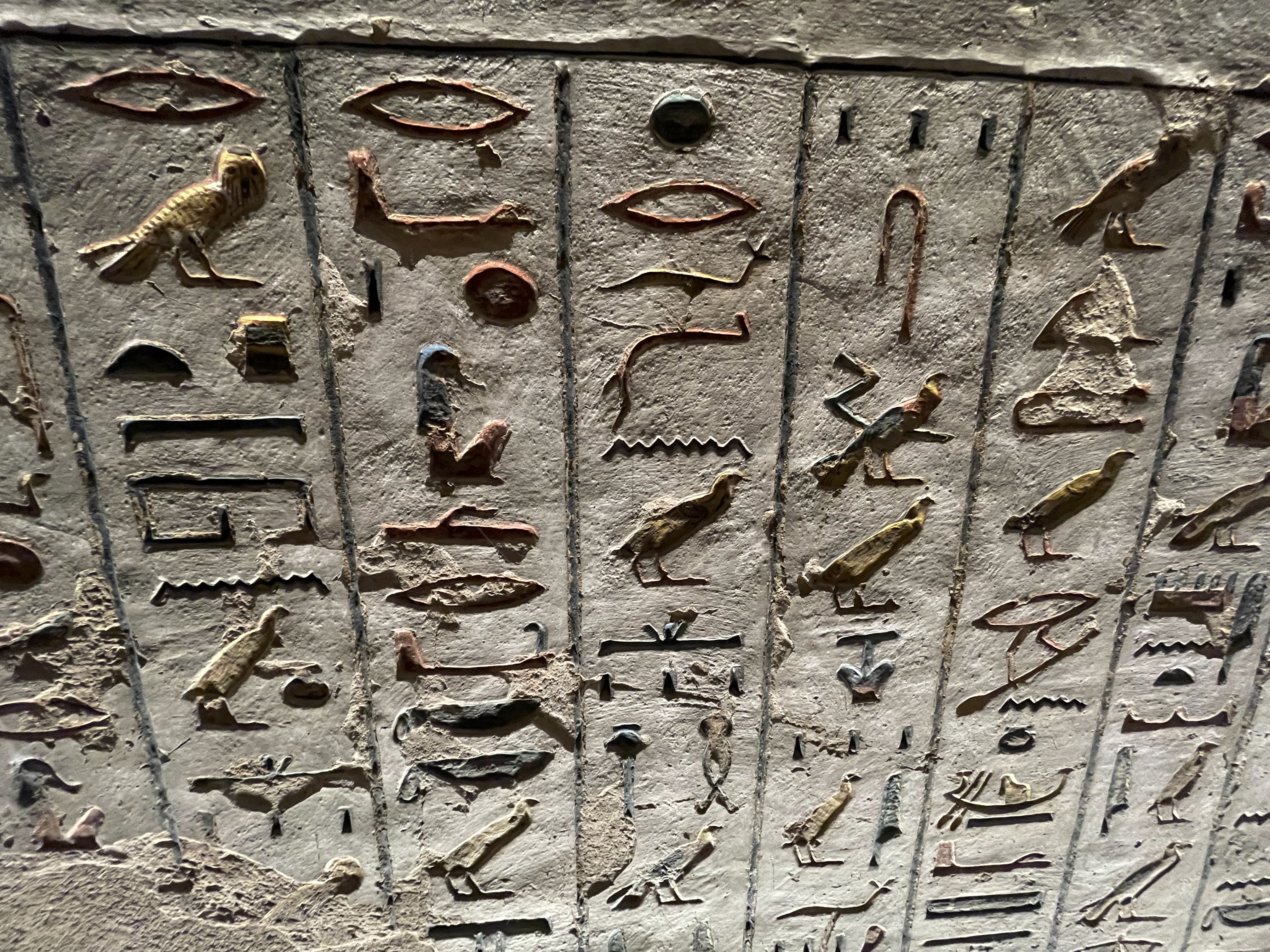


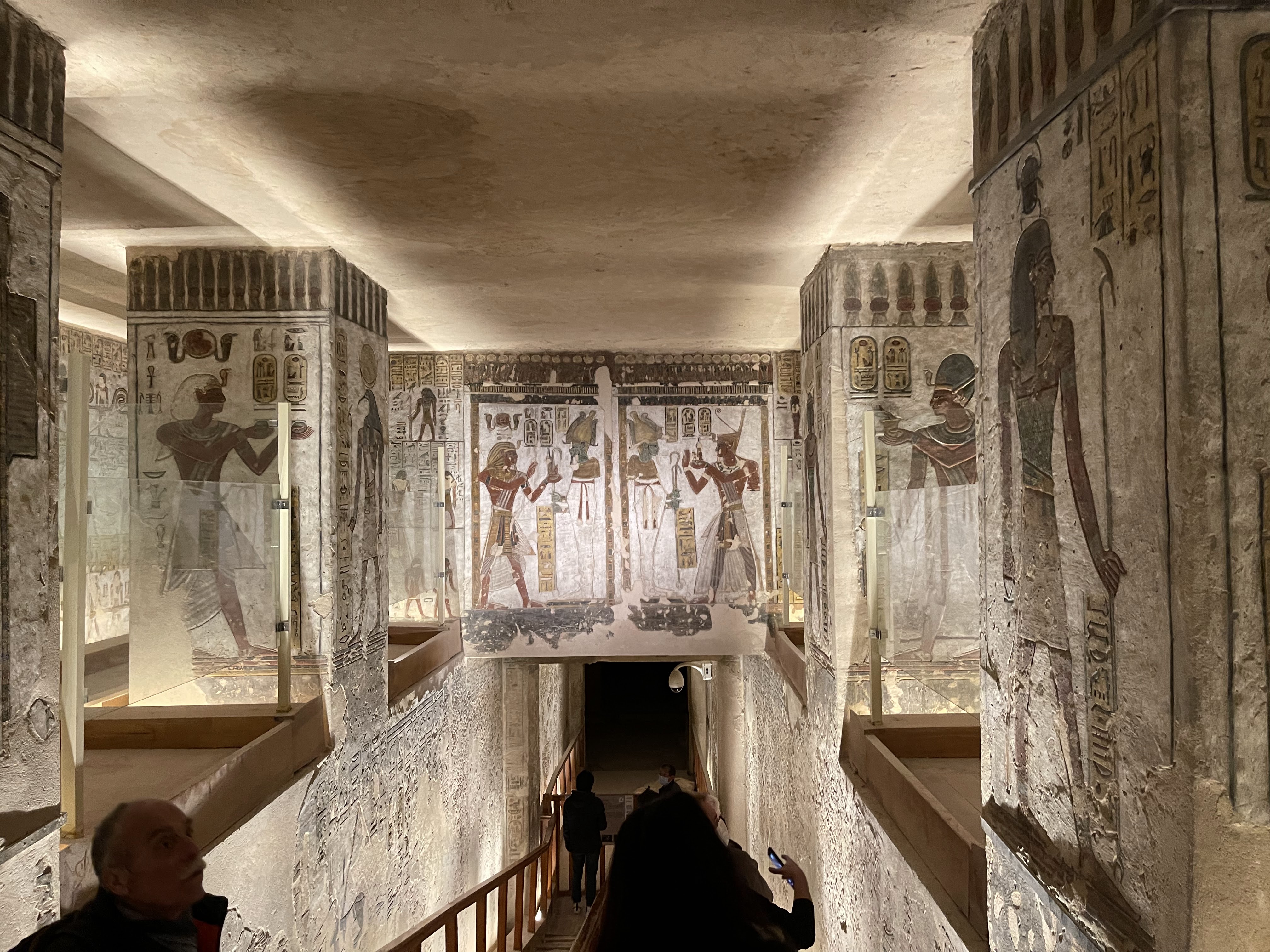
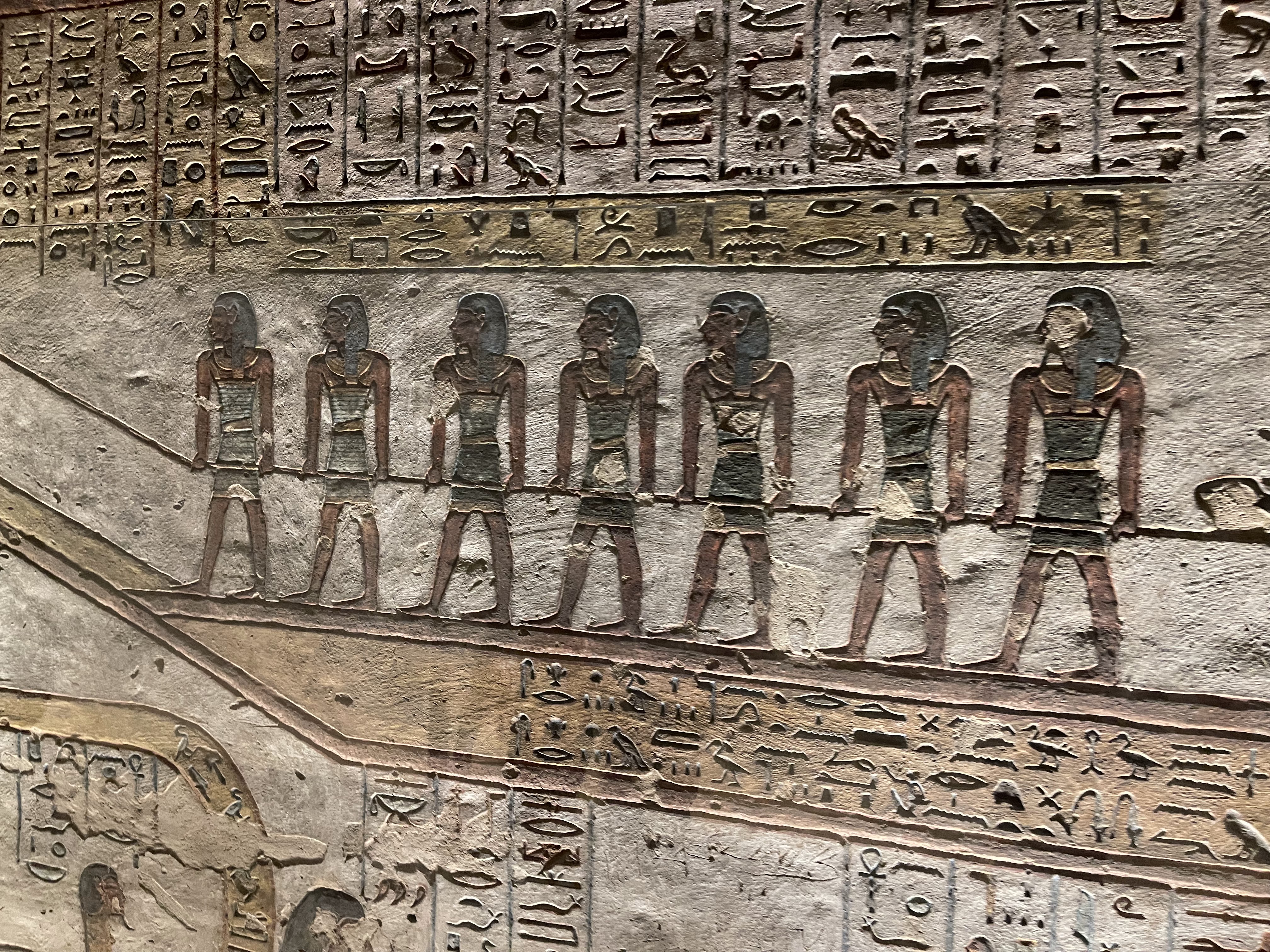
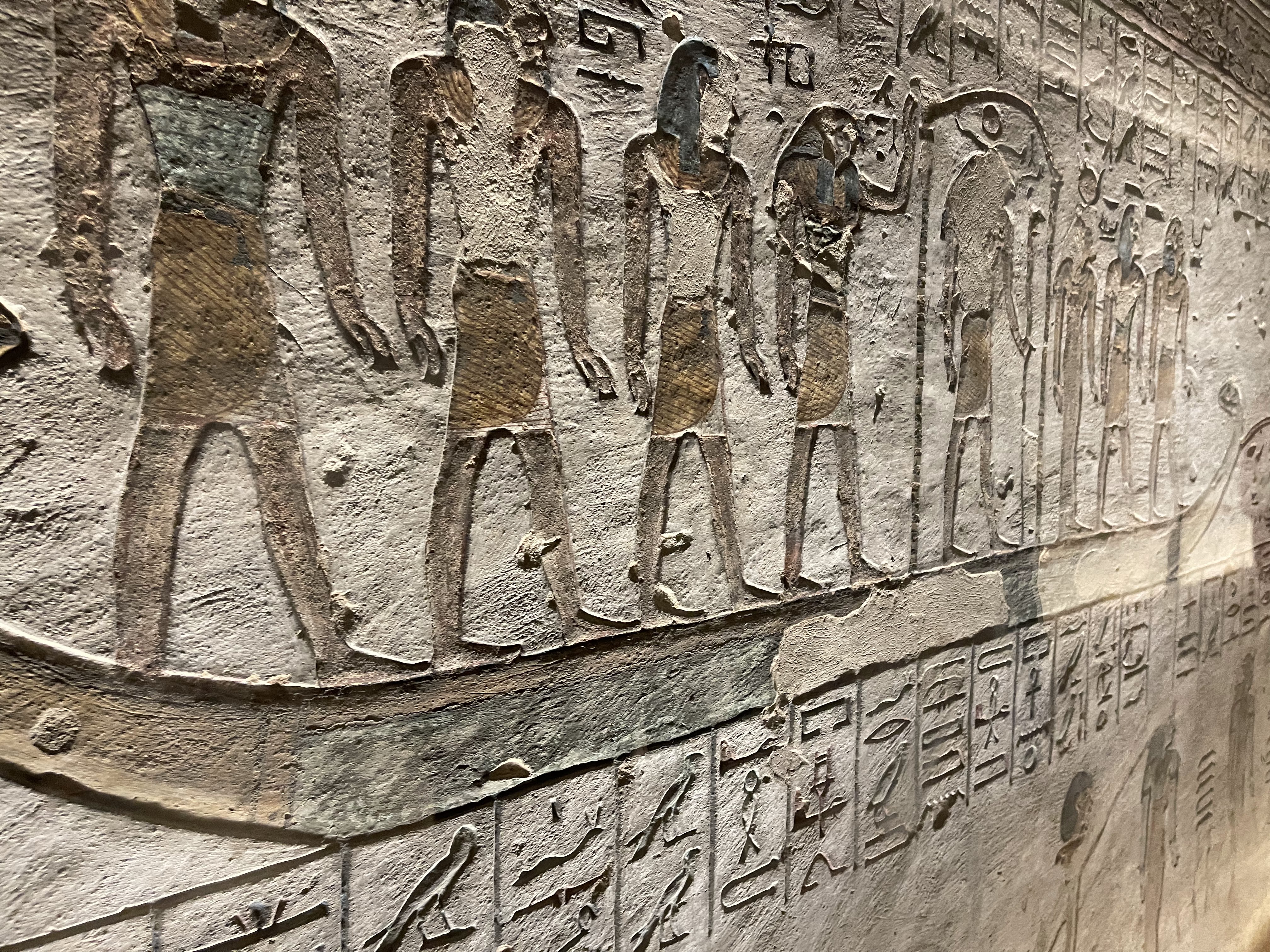
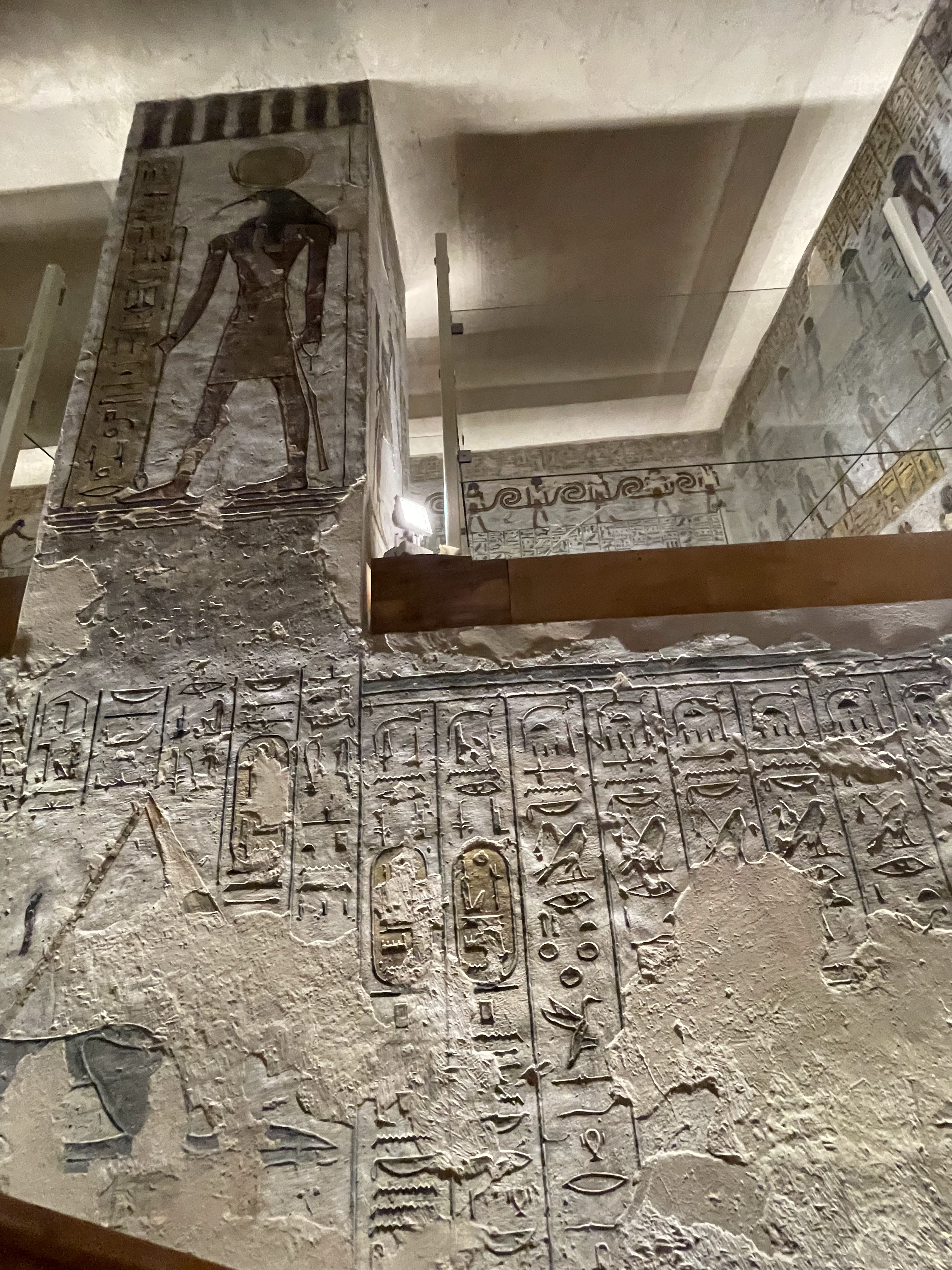

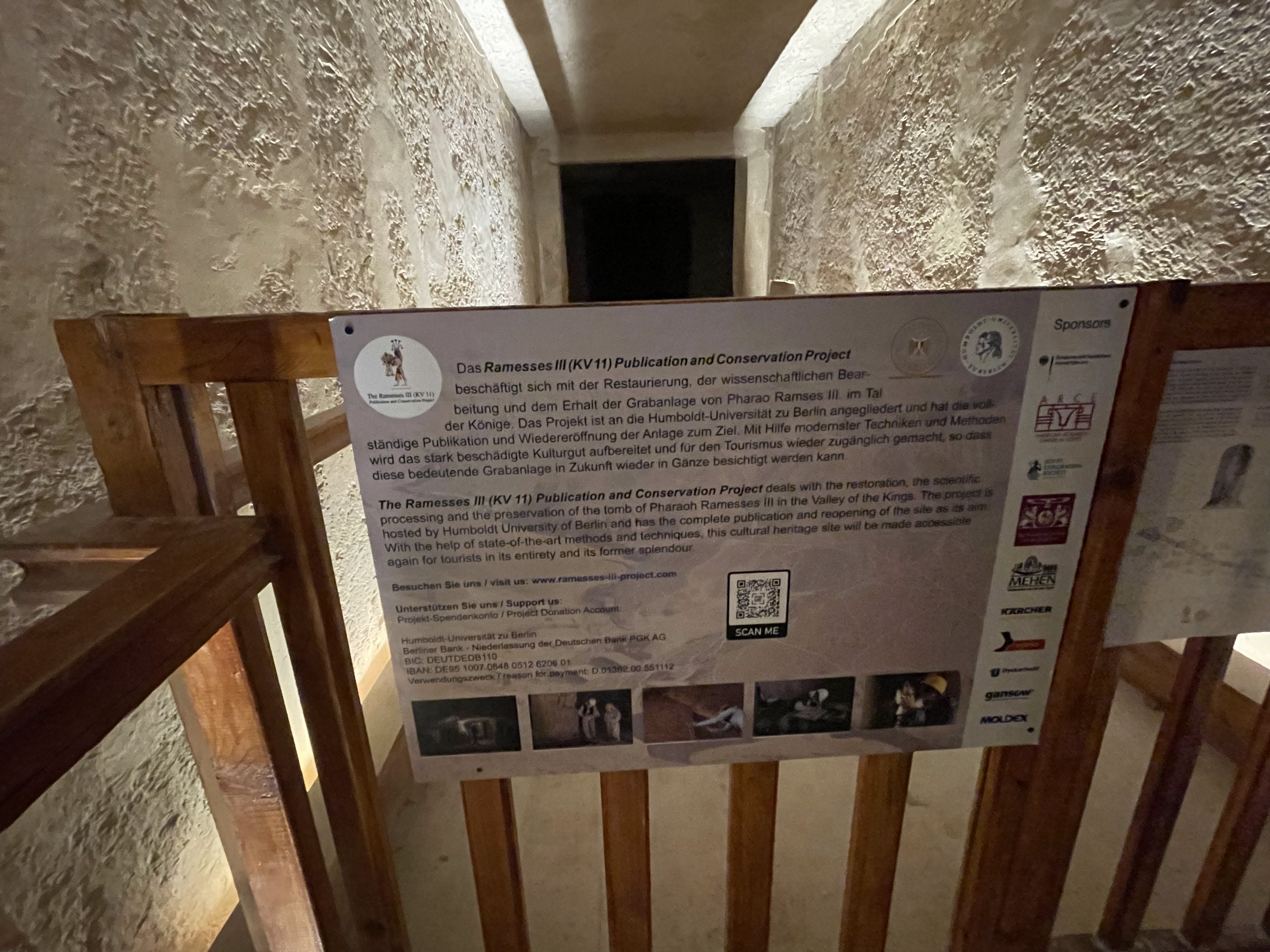
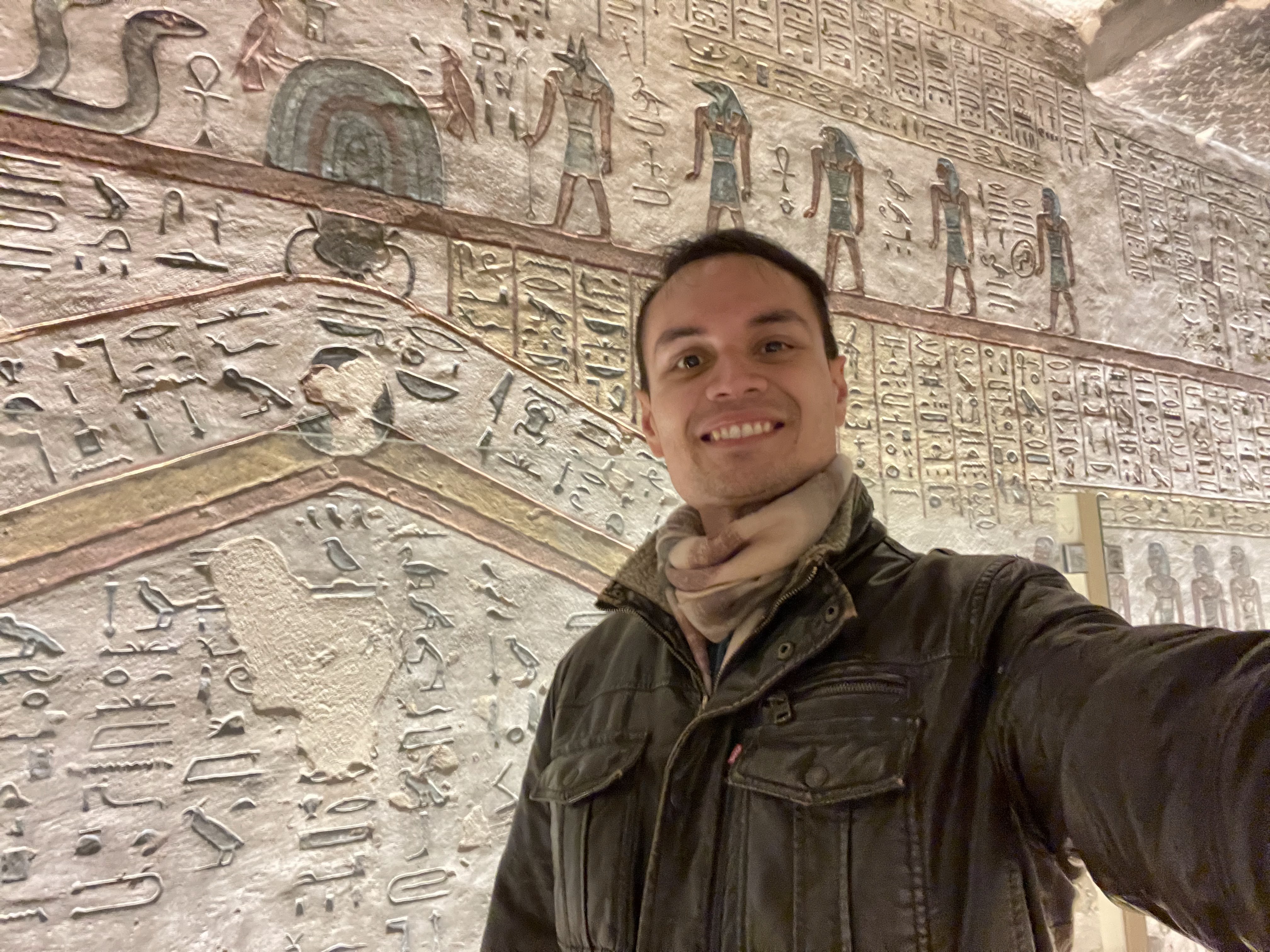

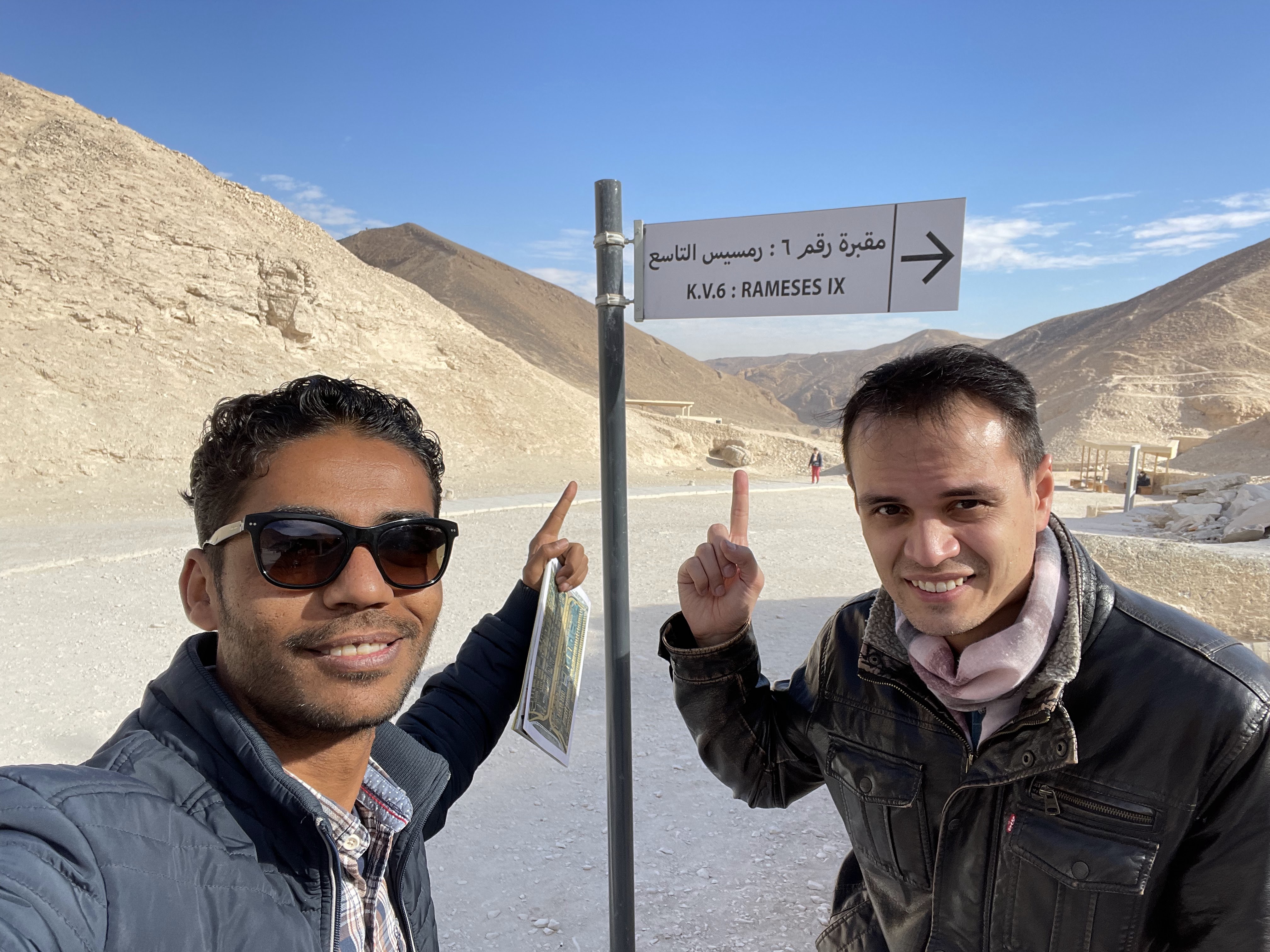
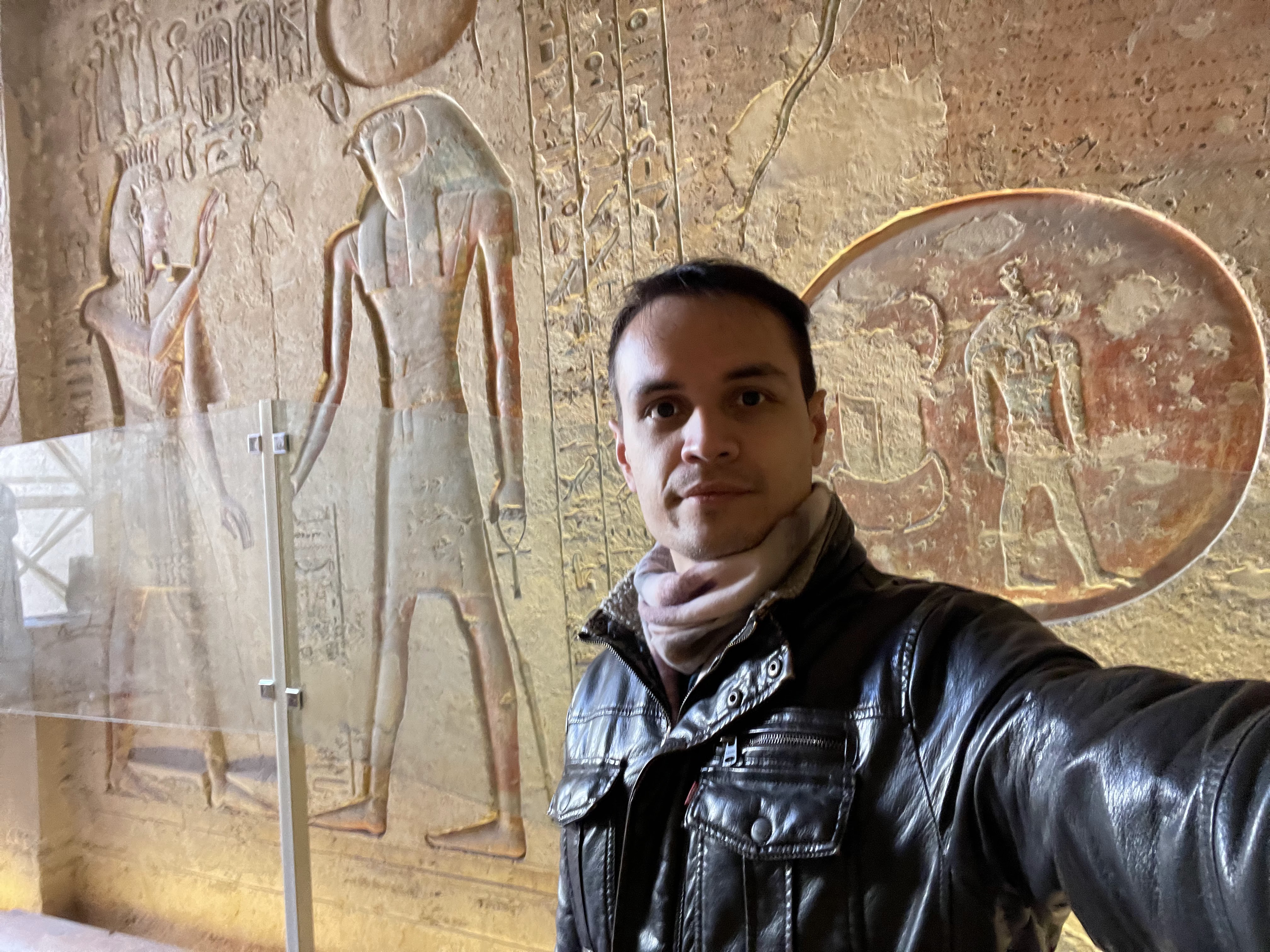

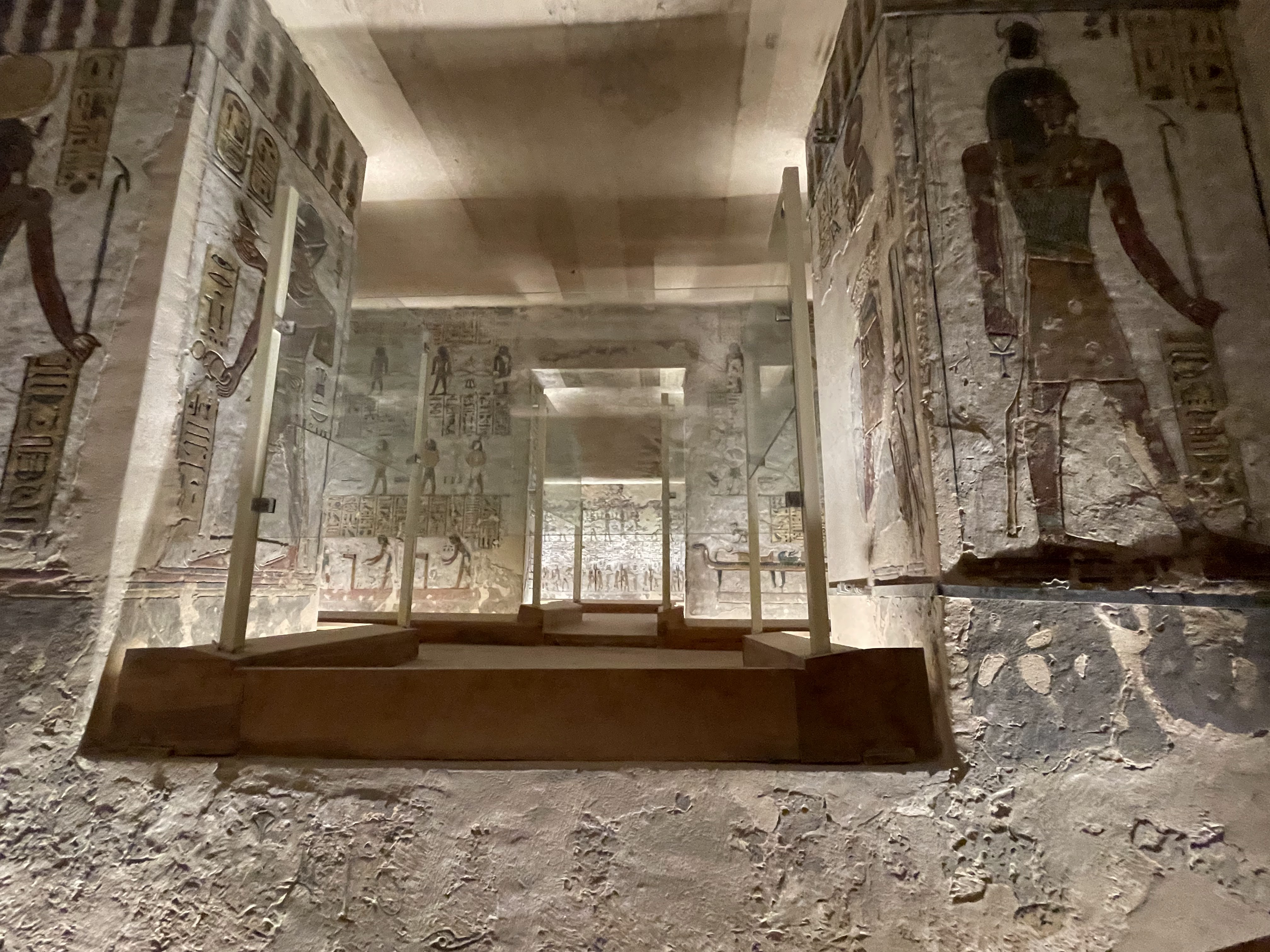


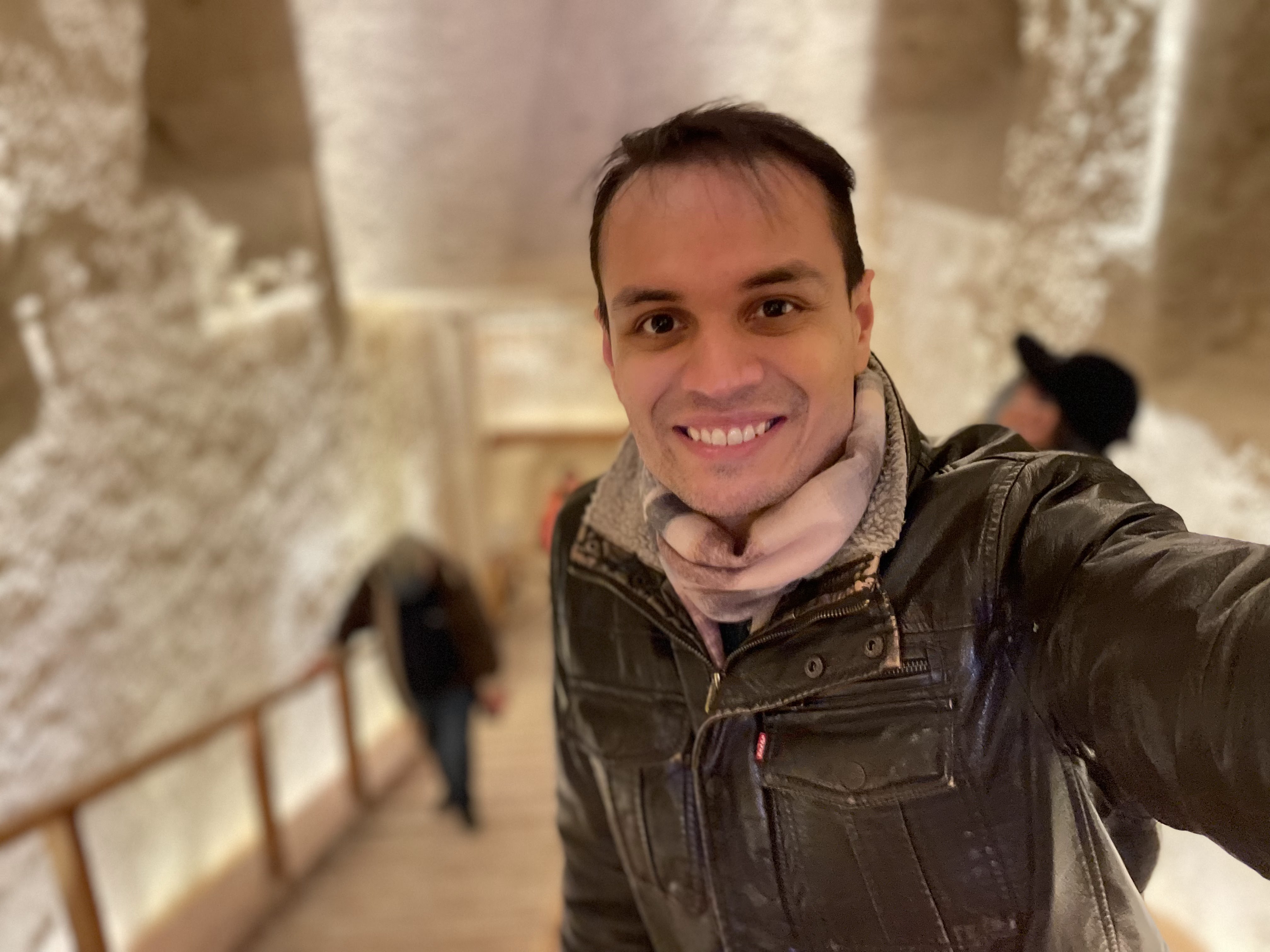
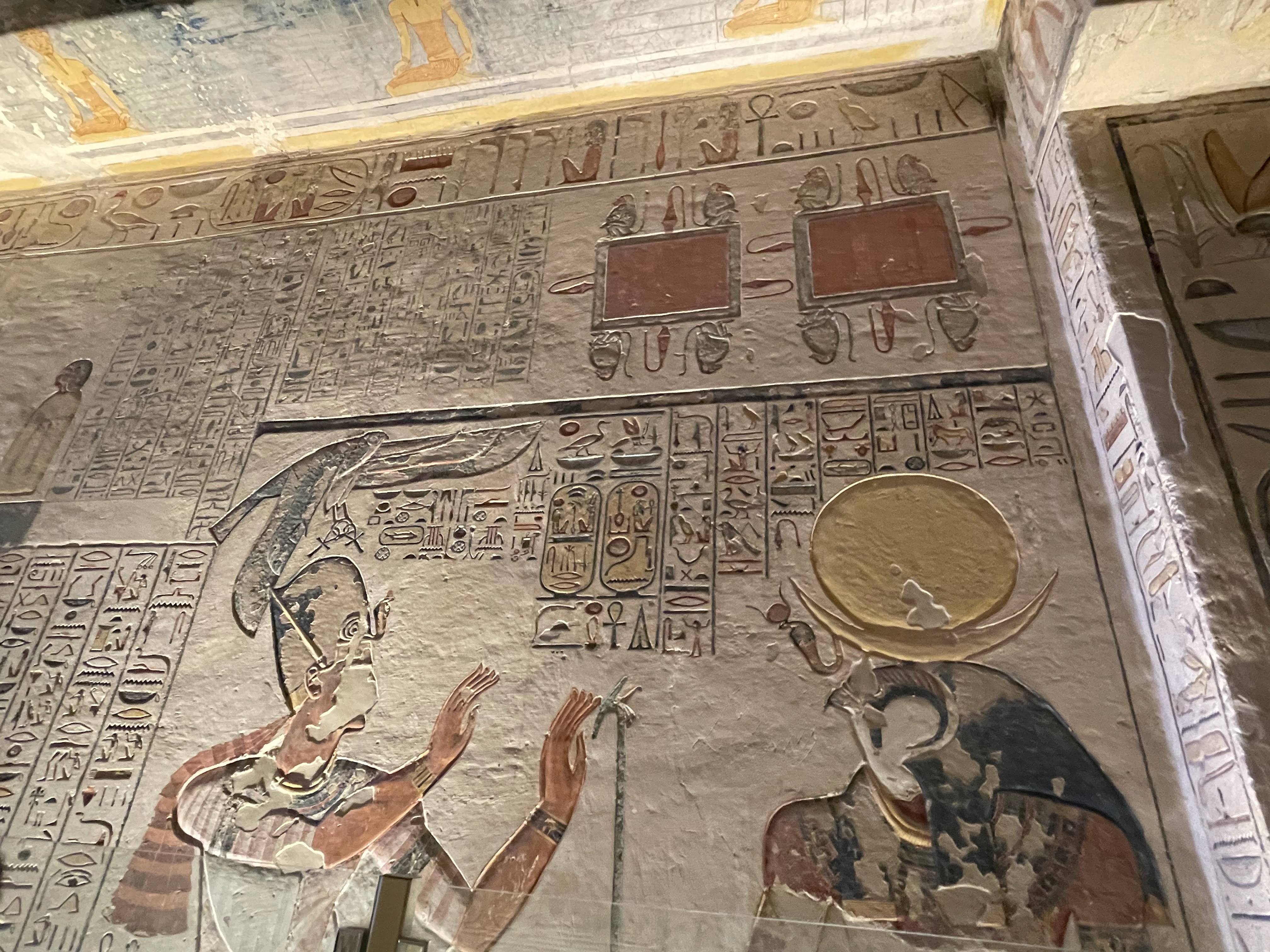
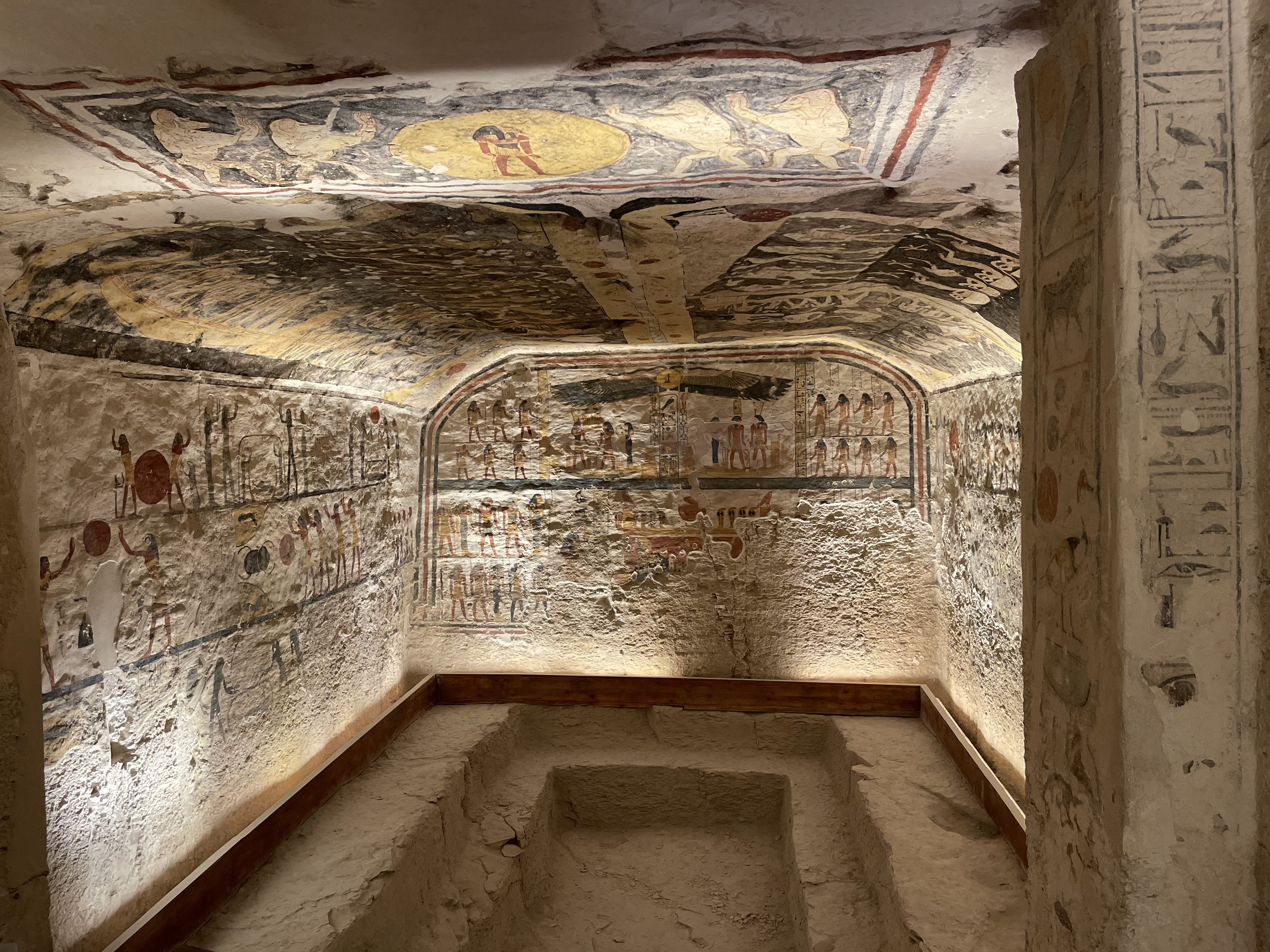
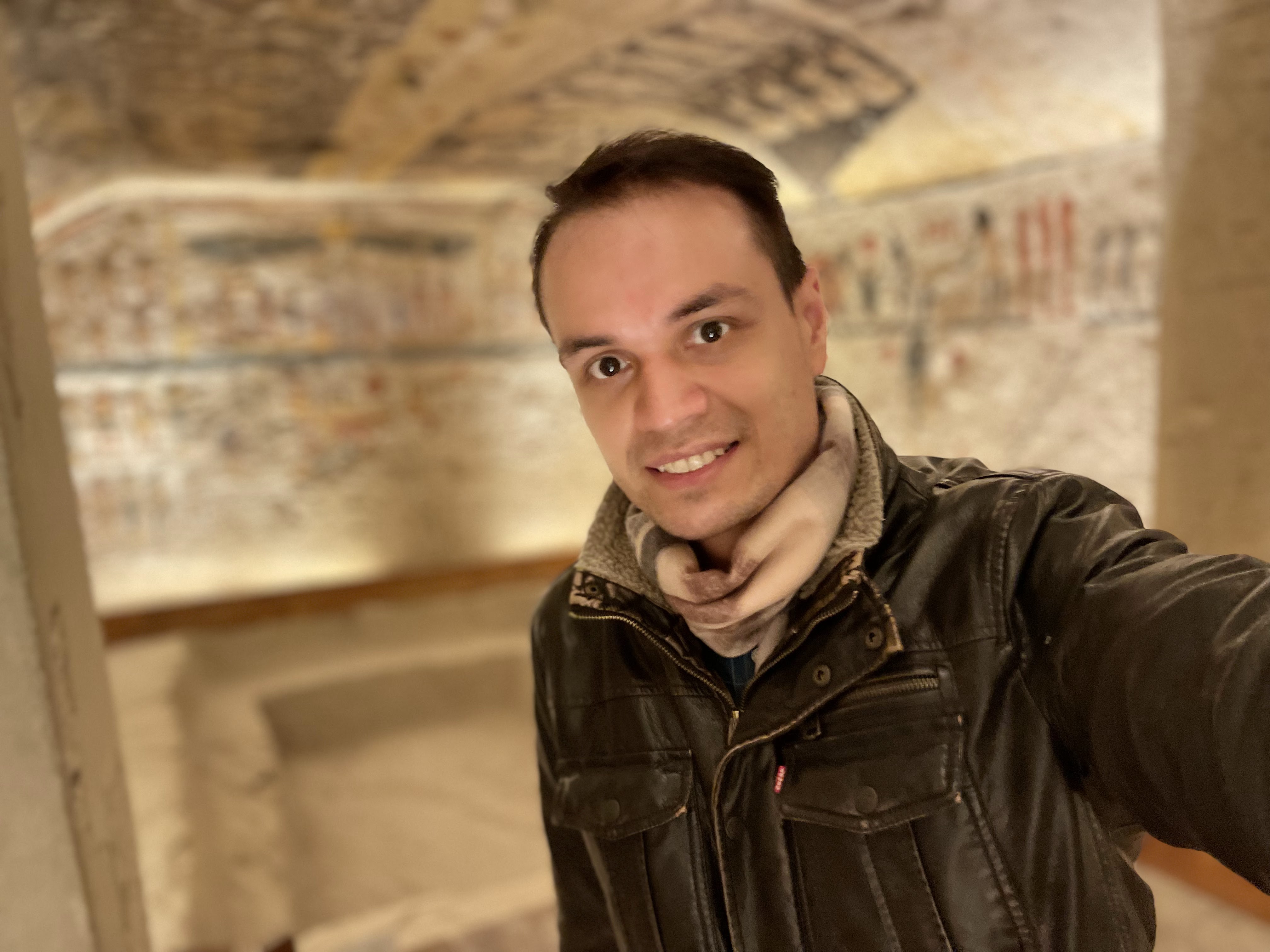

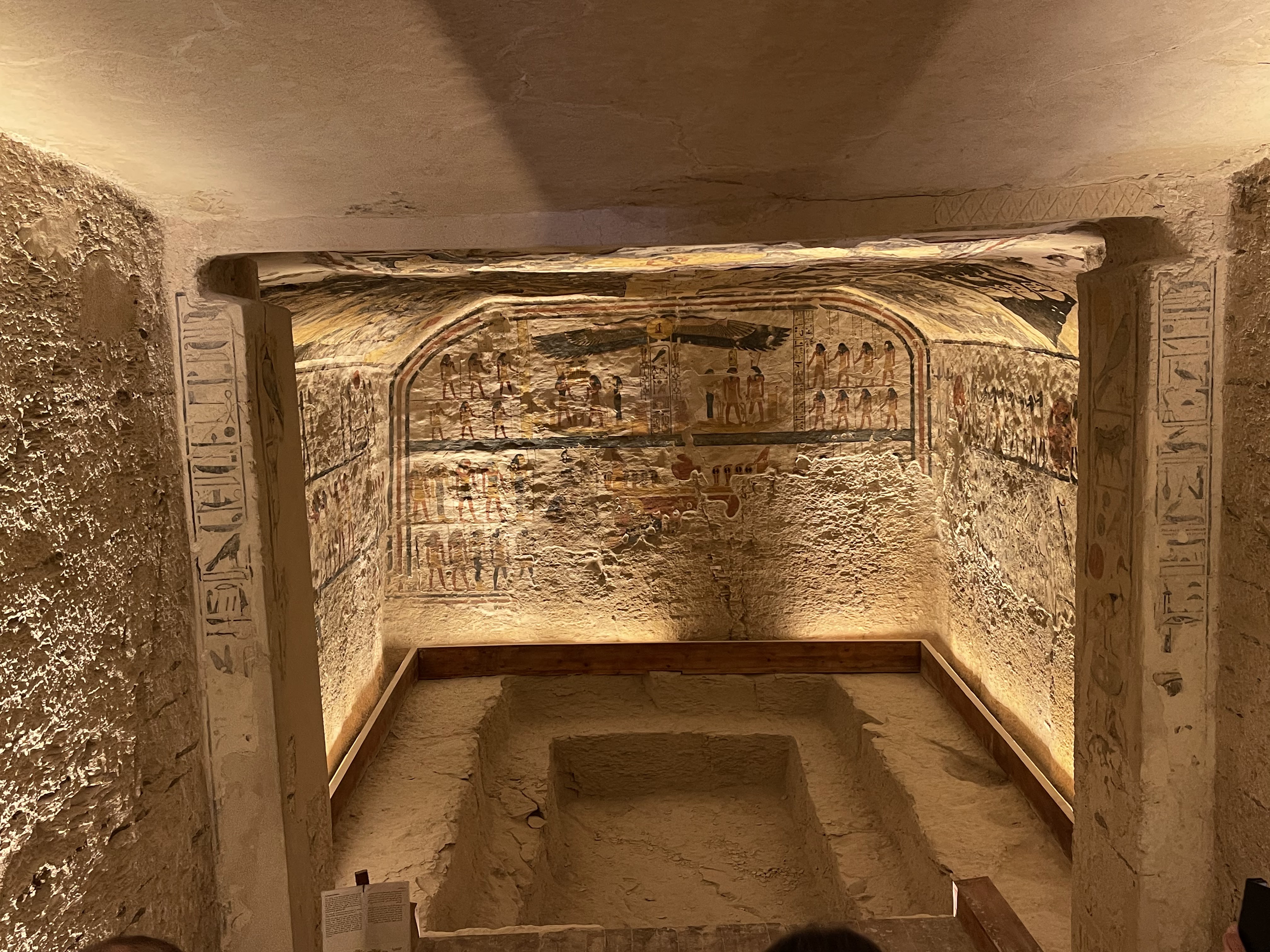

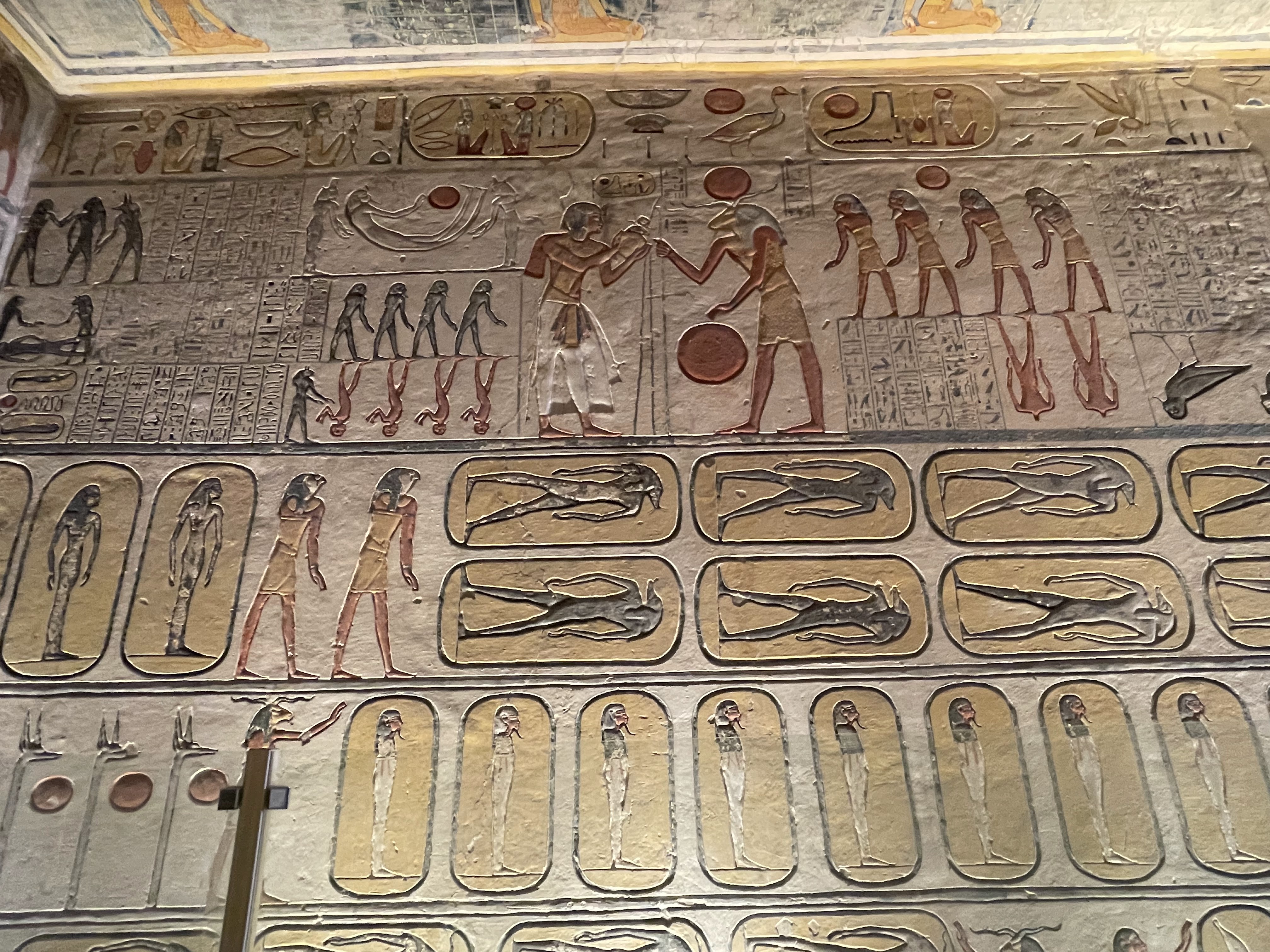
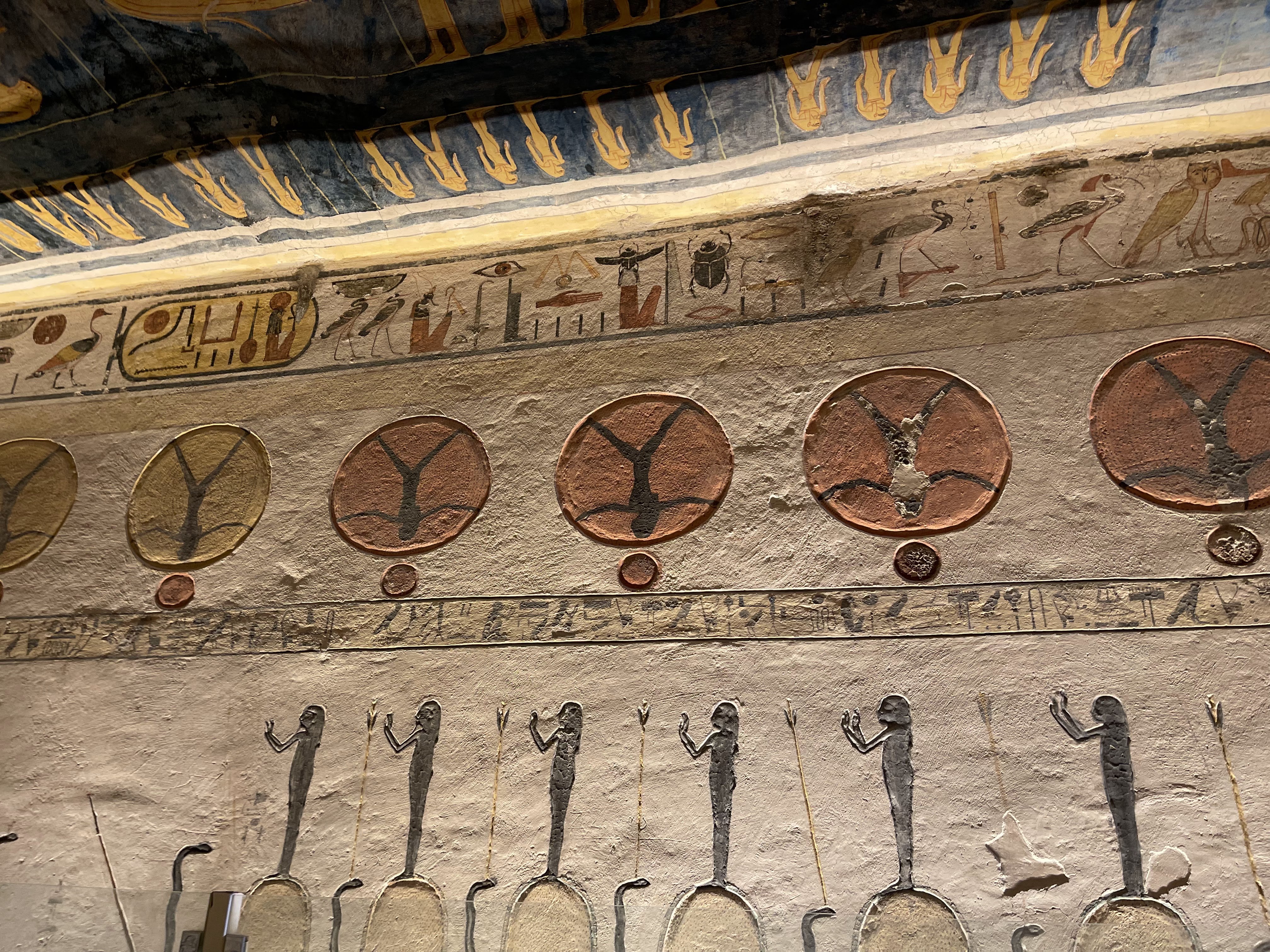

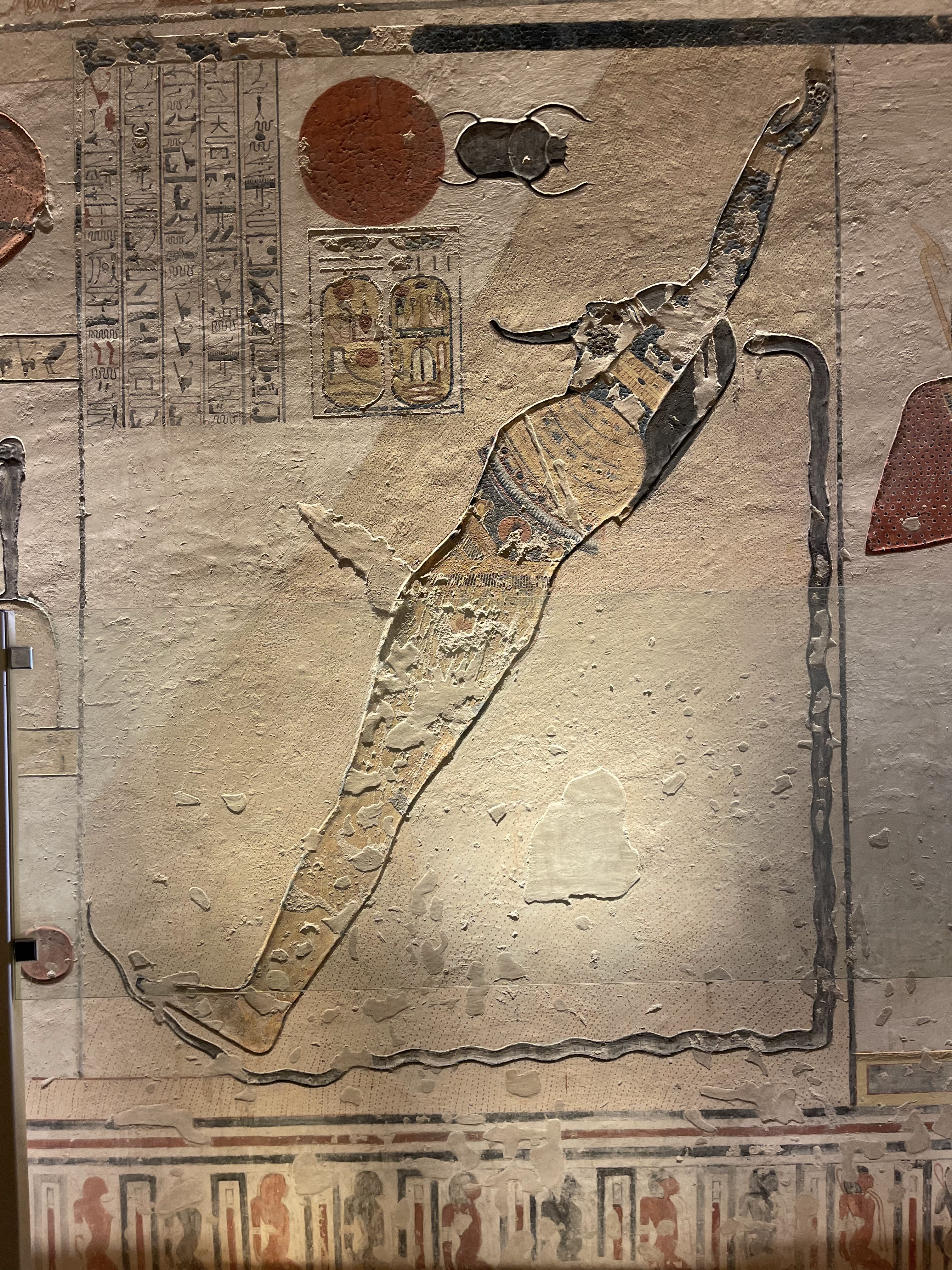

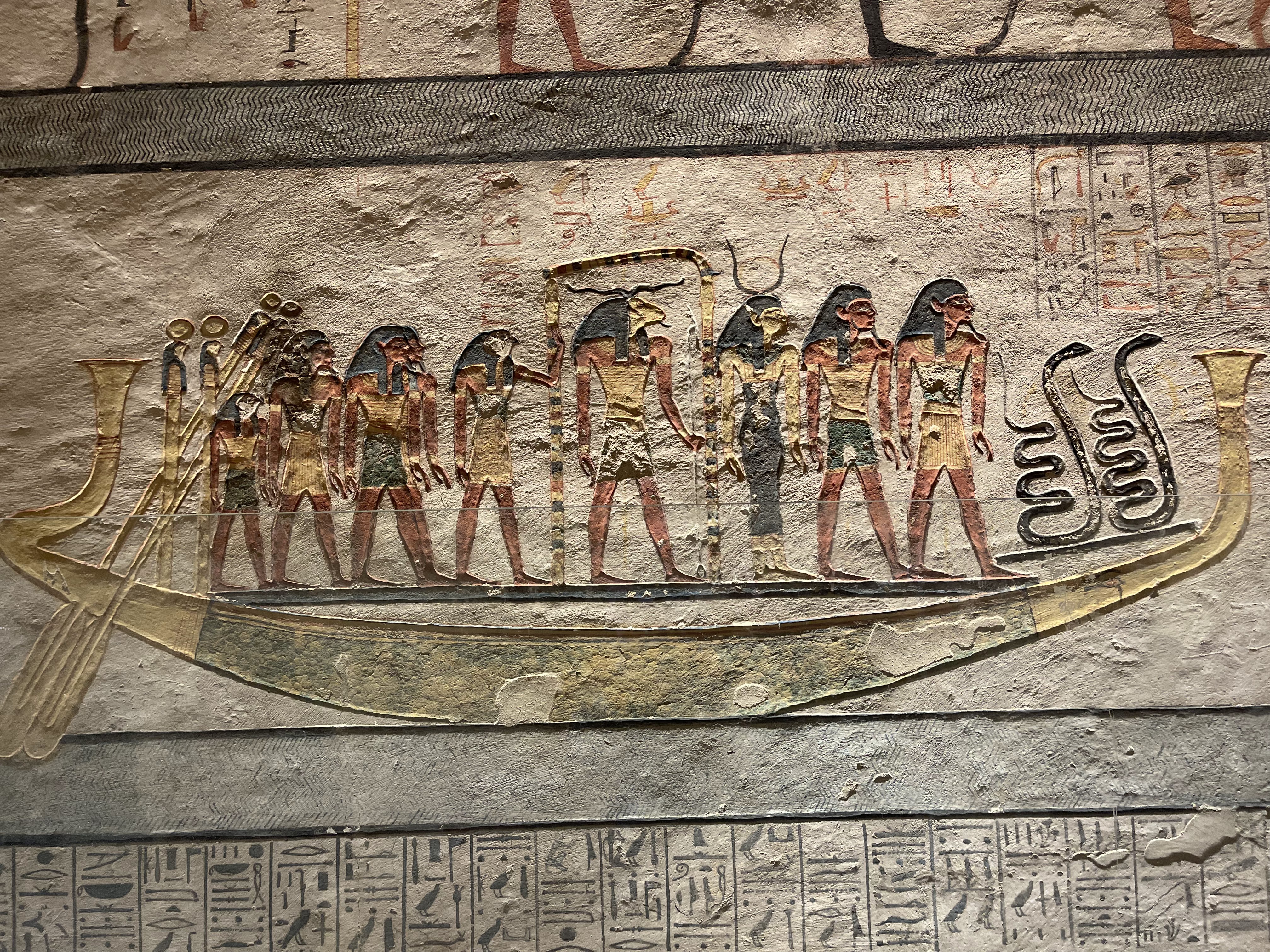
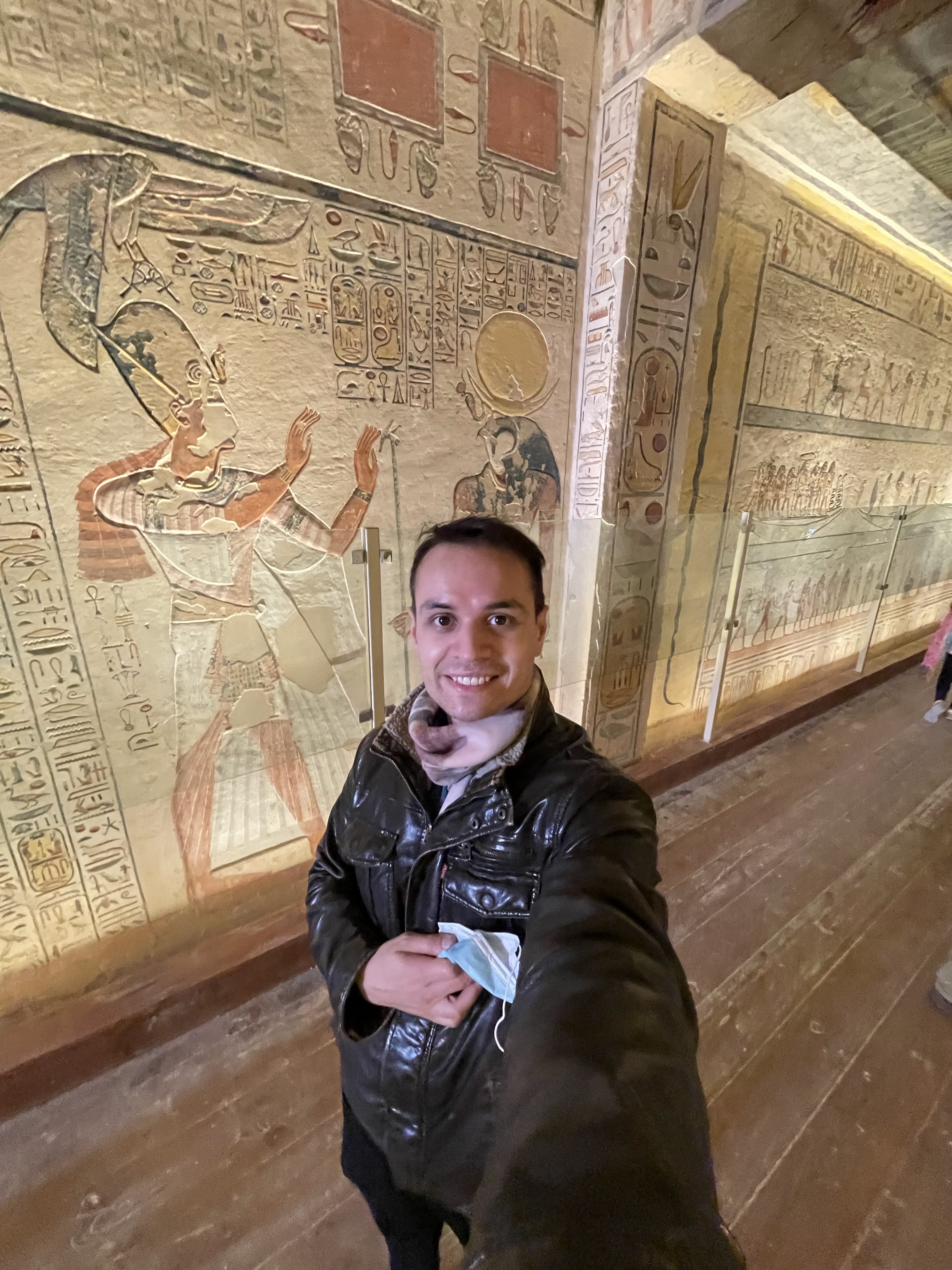
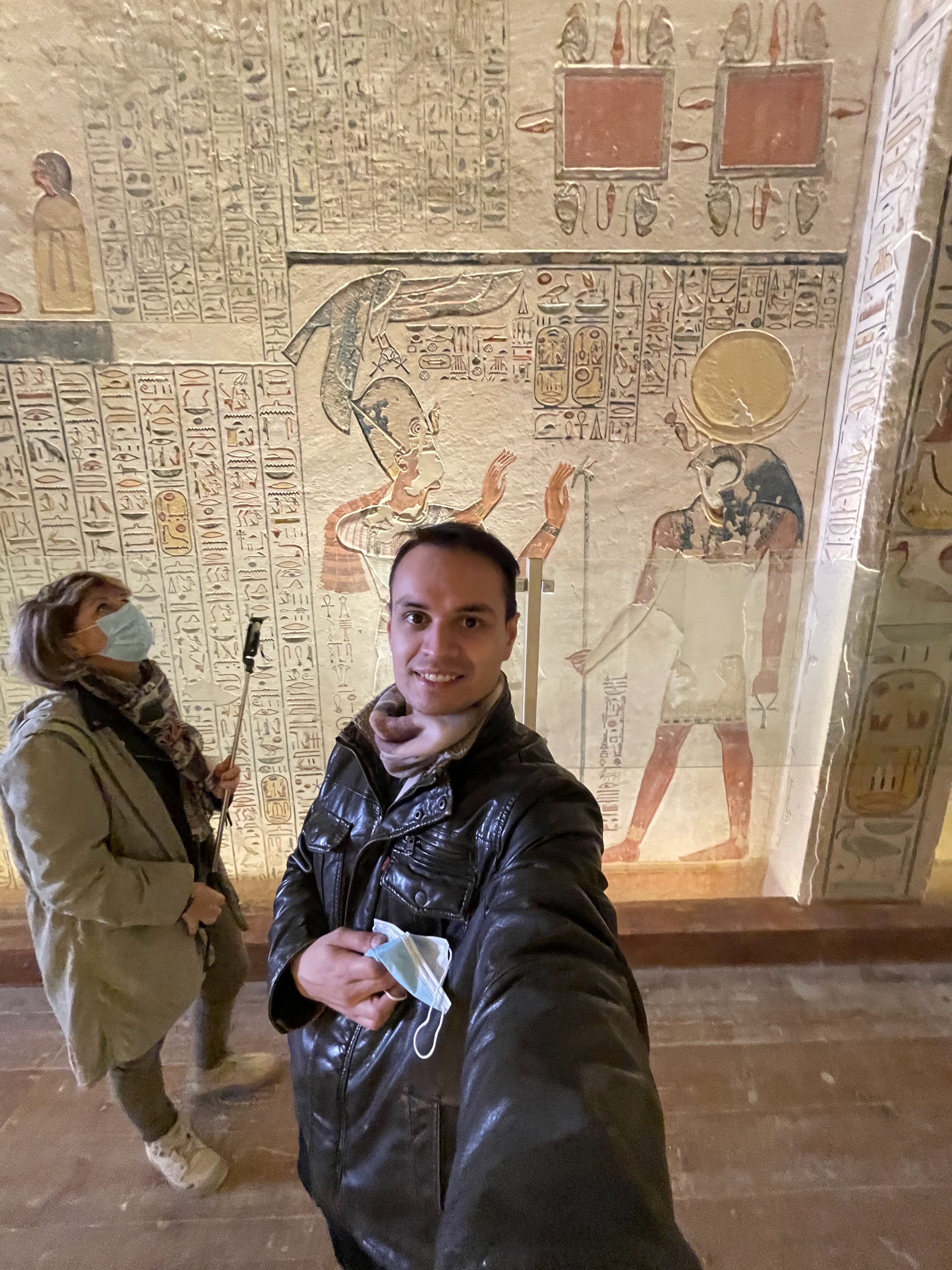


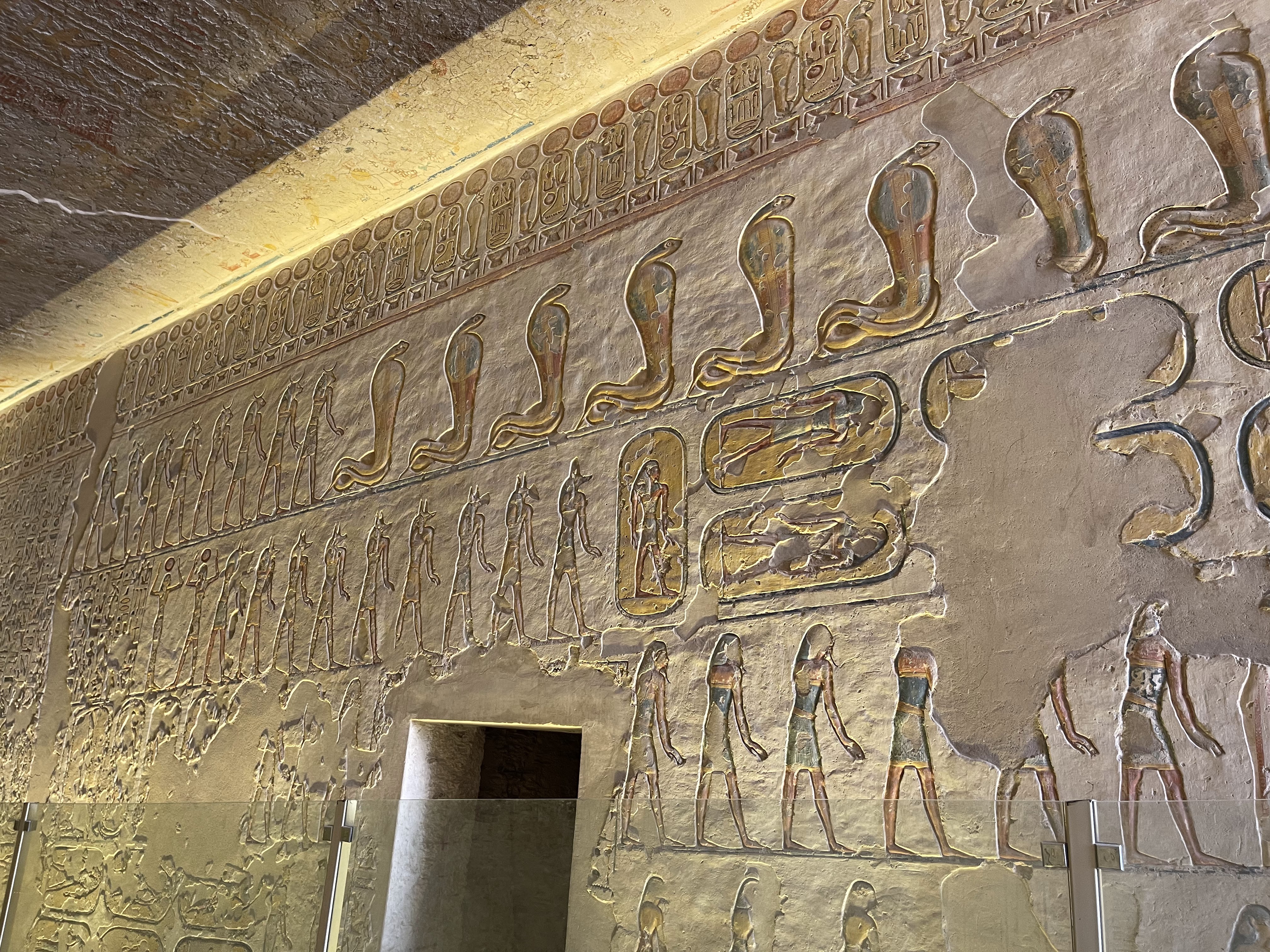
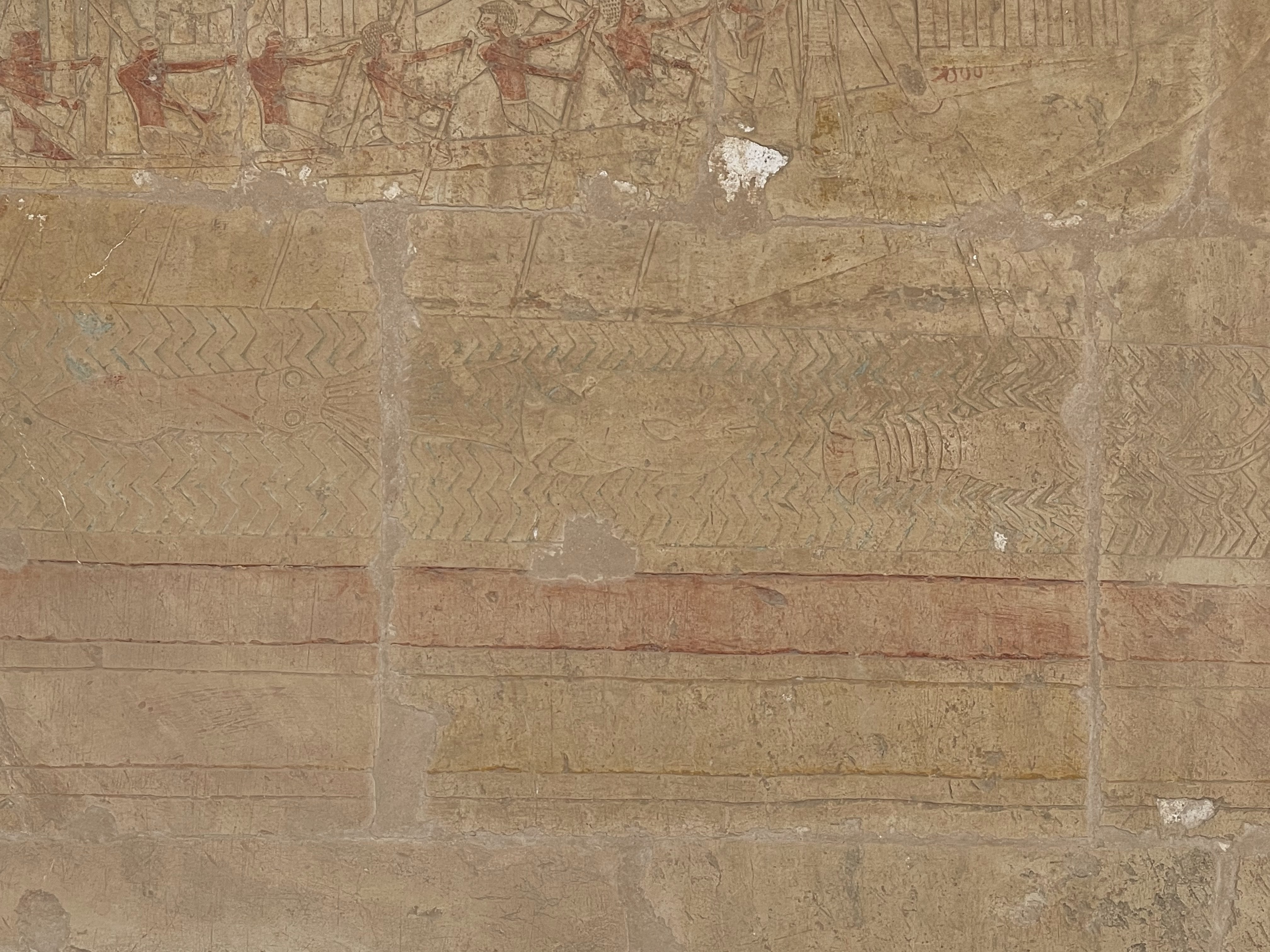
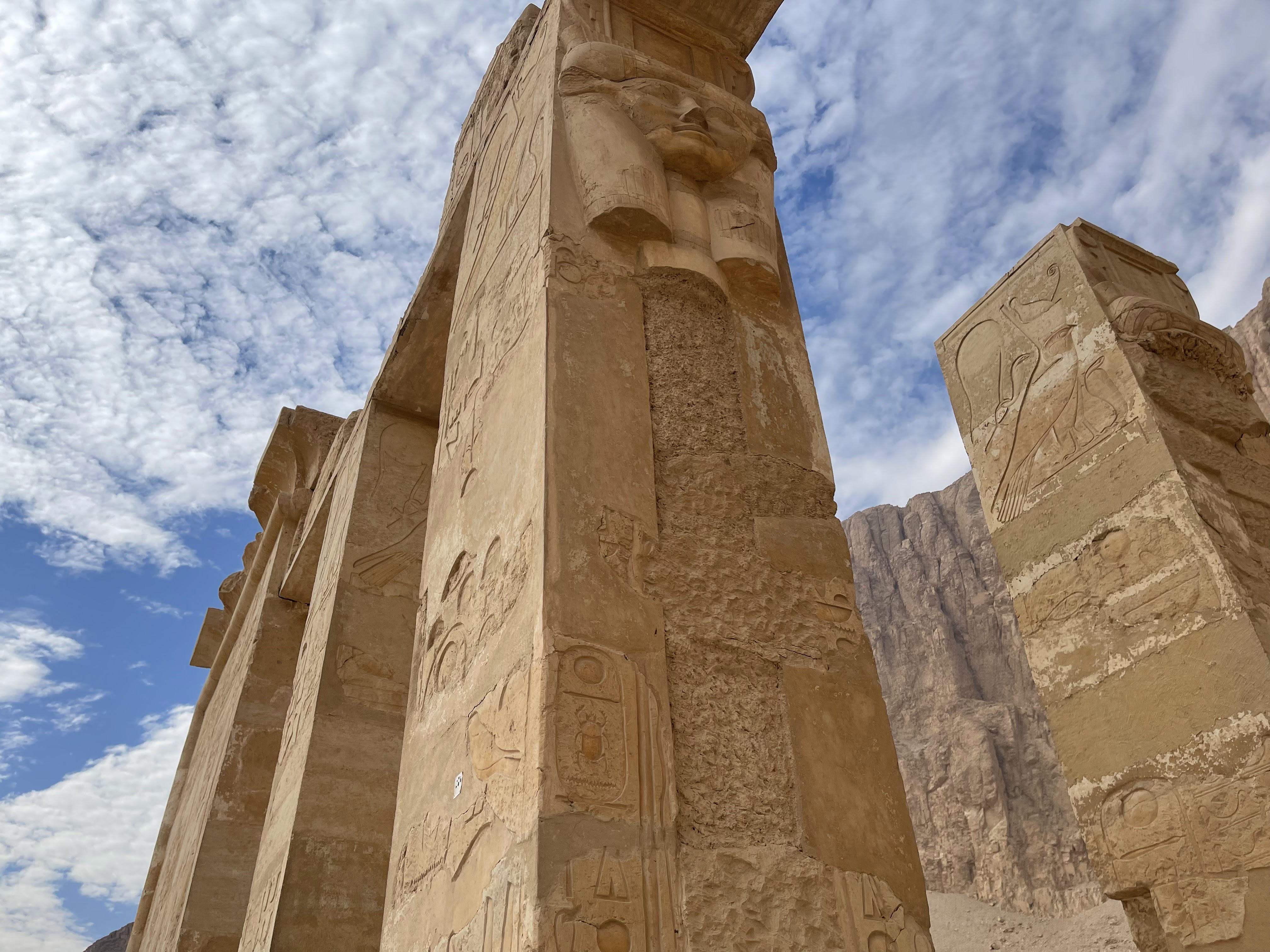
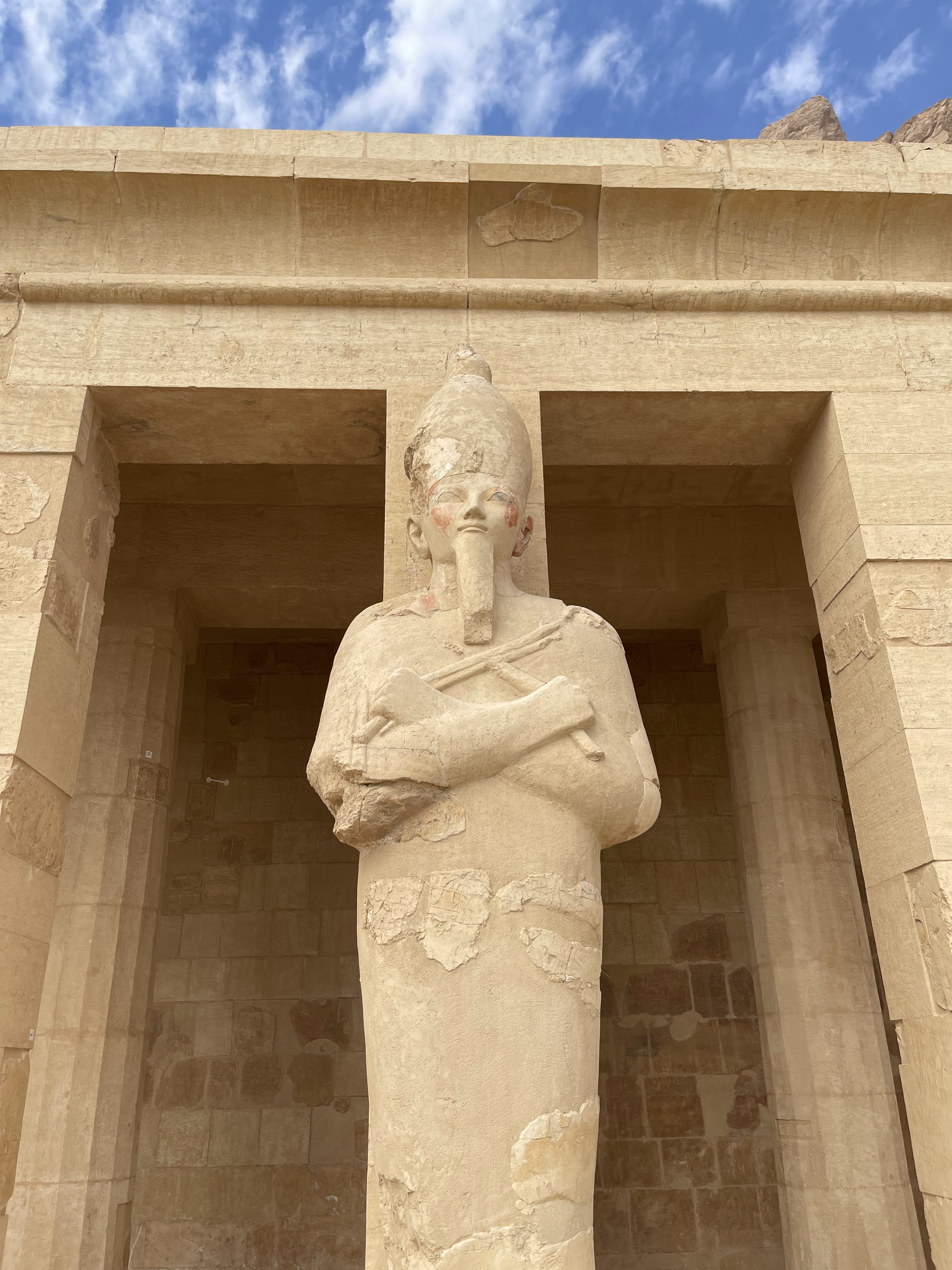
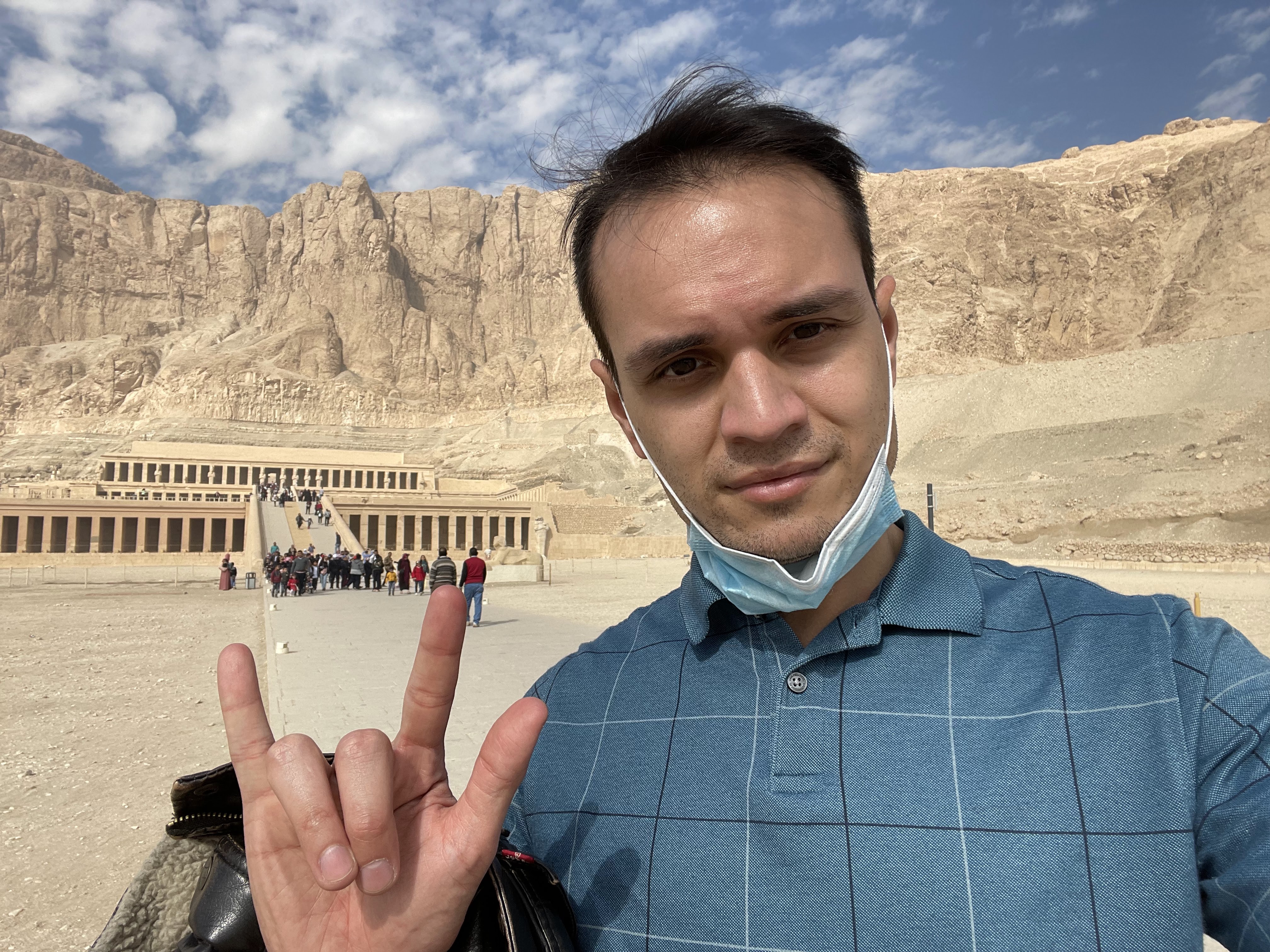
After my 2 hours of tomb-raiding, I drove over to Queen Hatshepsut’s Temple. She and Nerfertiti were arguably the most forceful women rulers of Ancient Egypt, and in turn very inspiring.
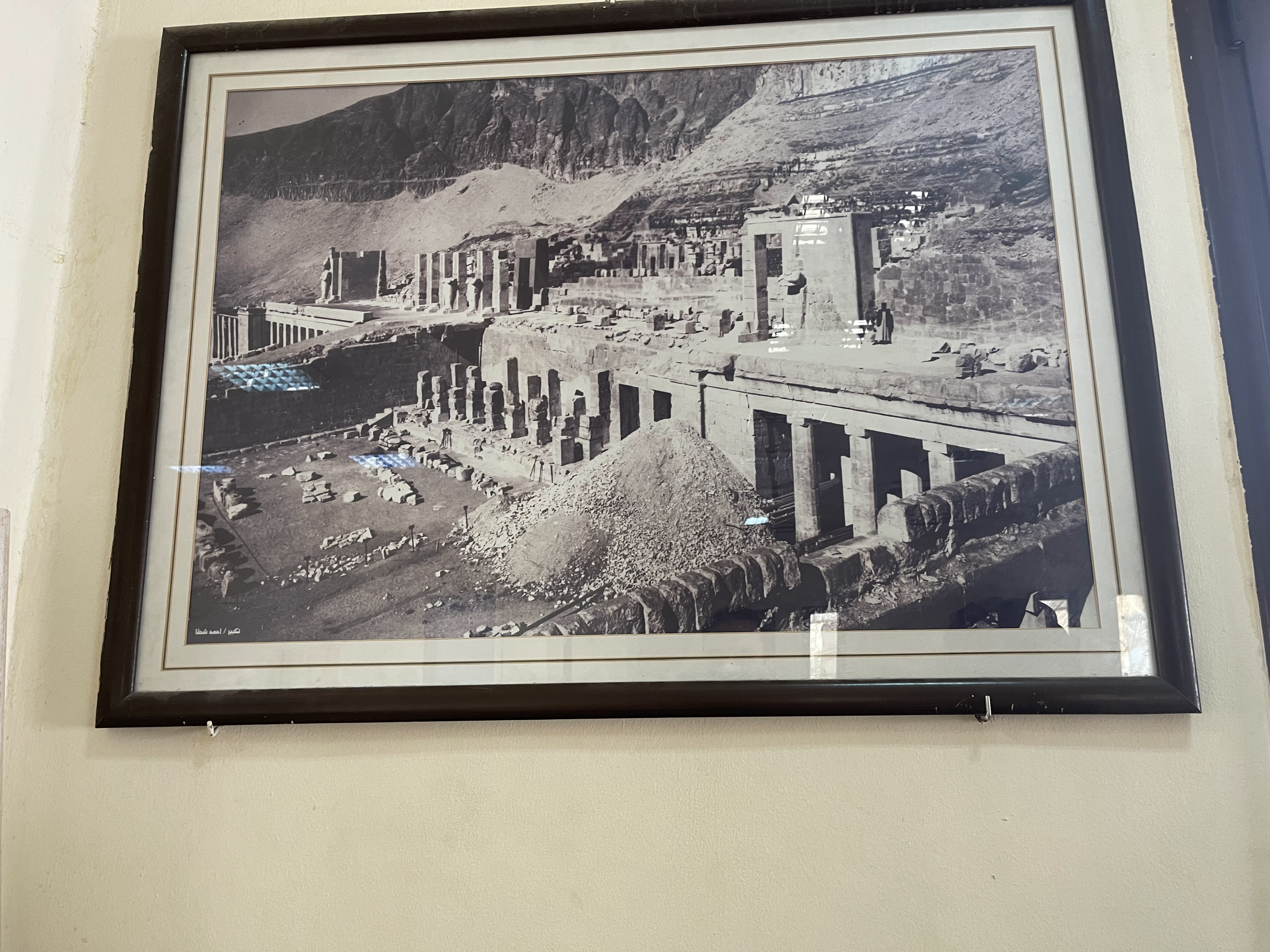
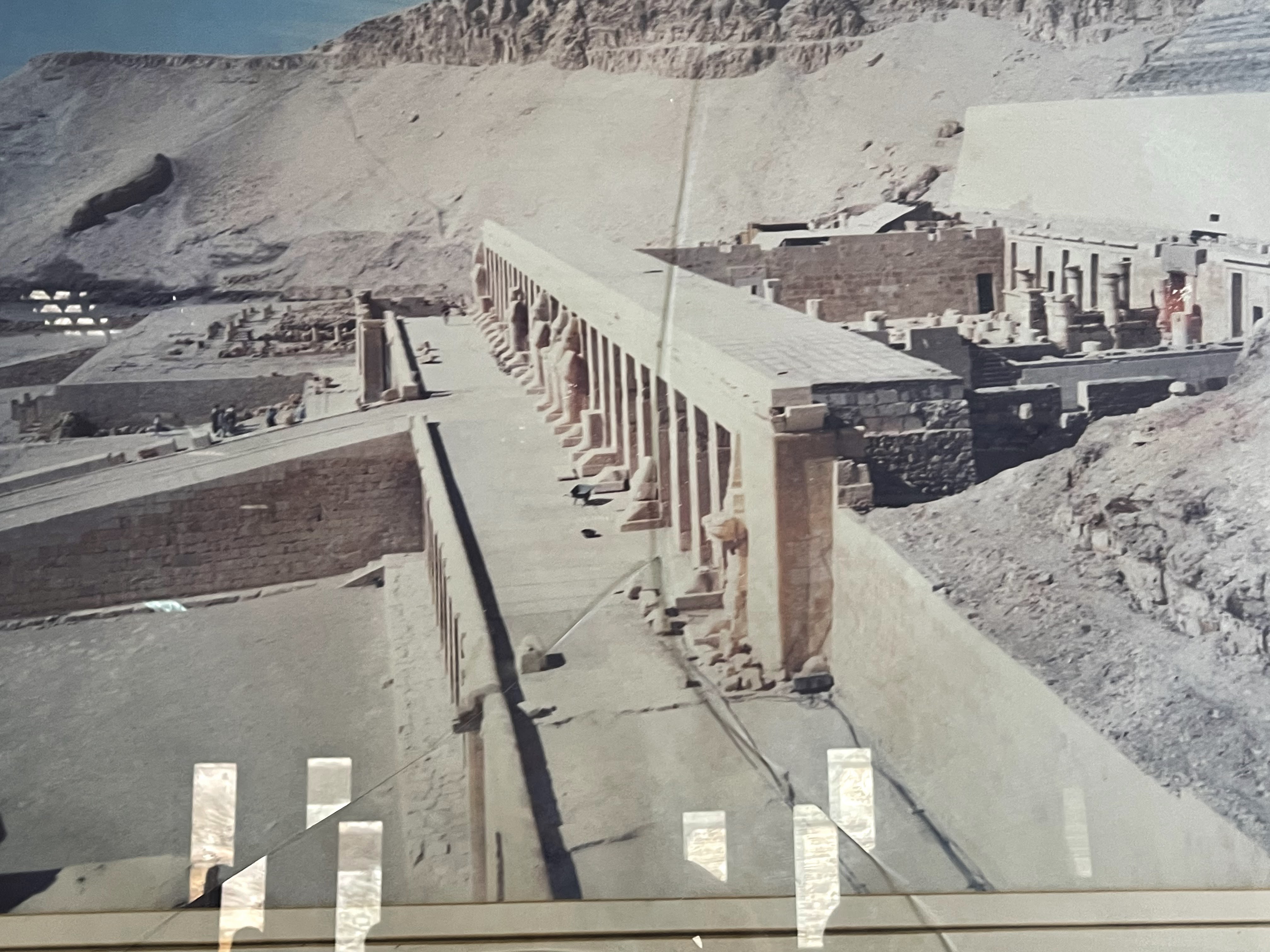
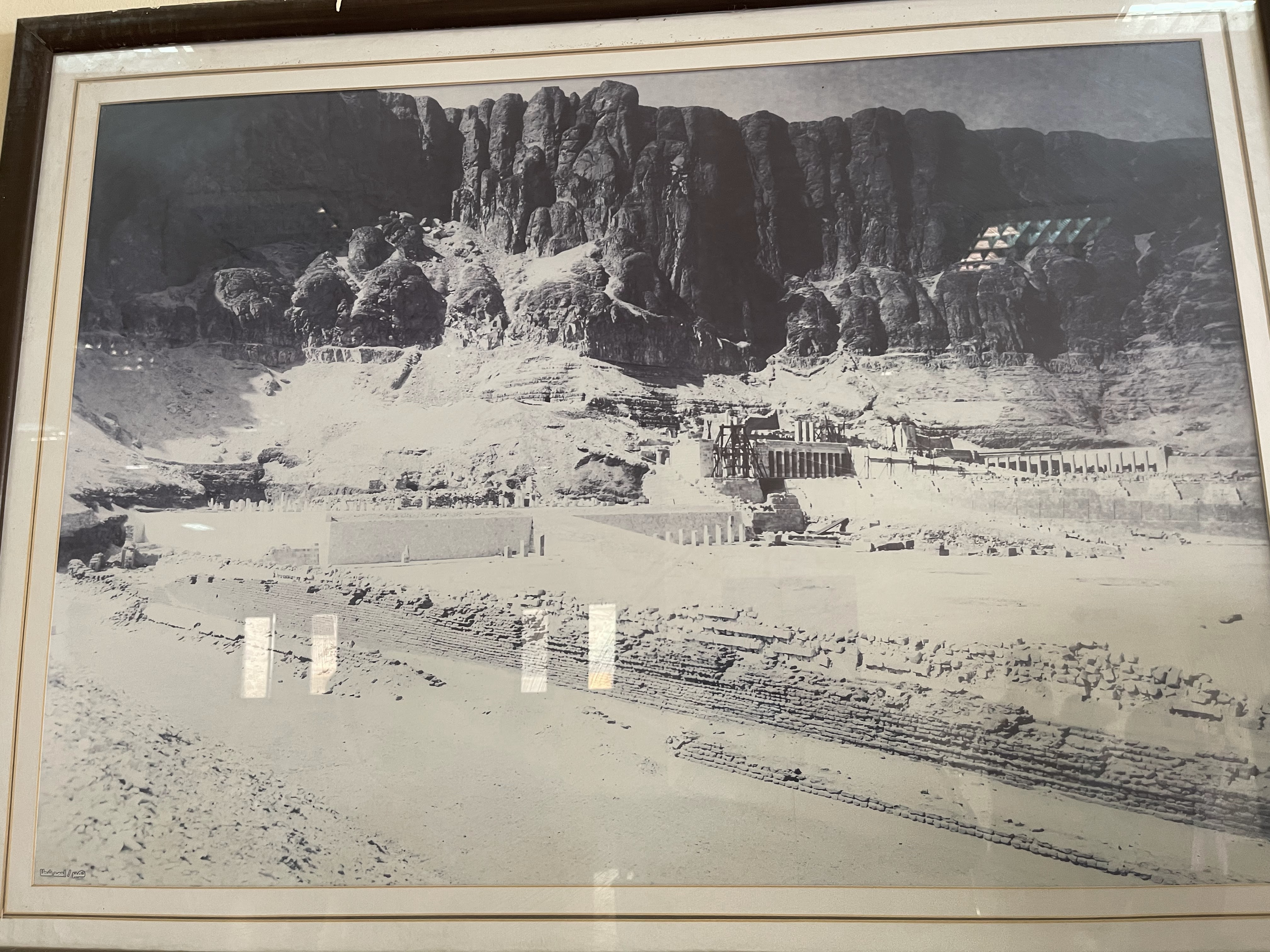
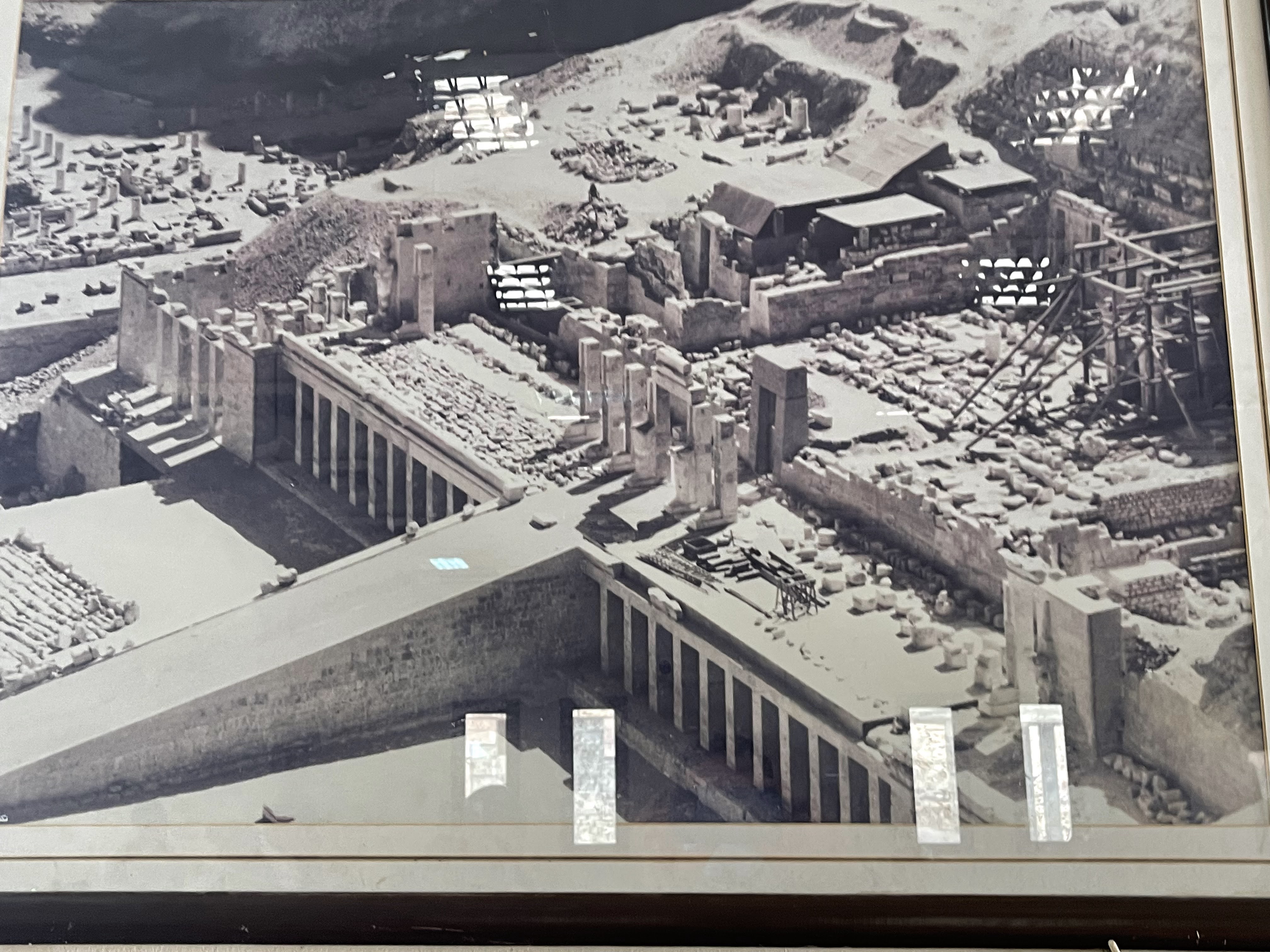


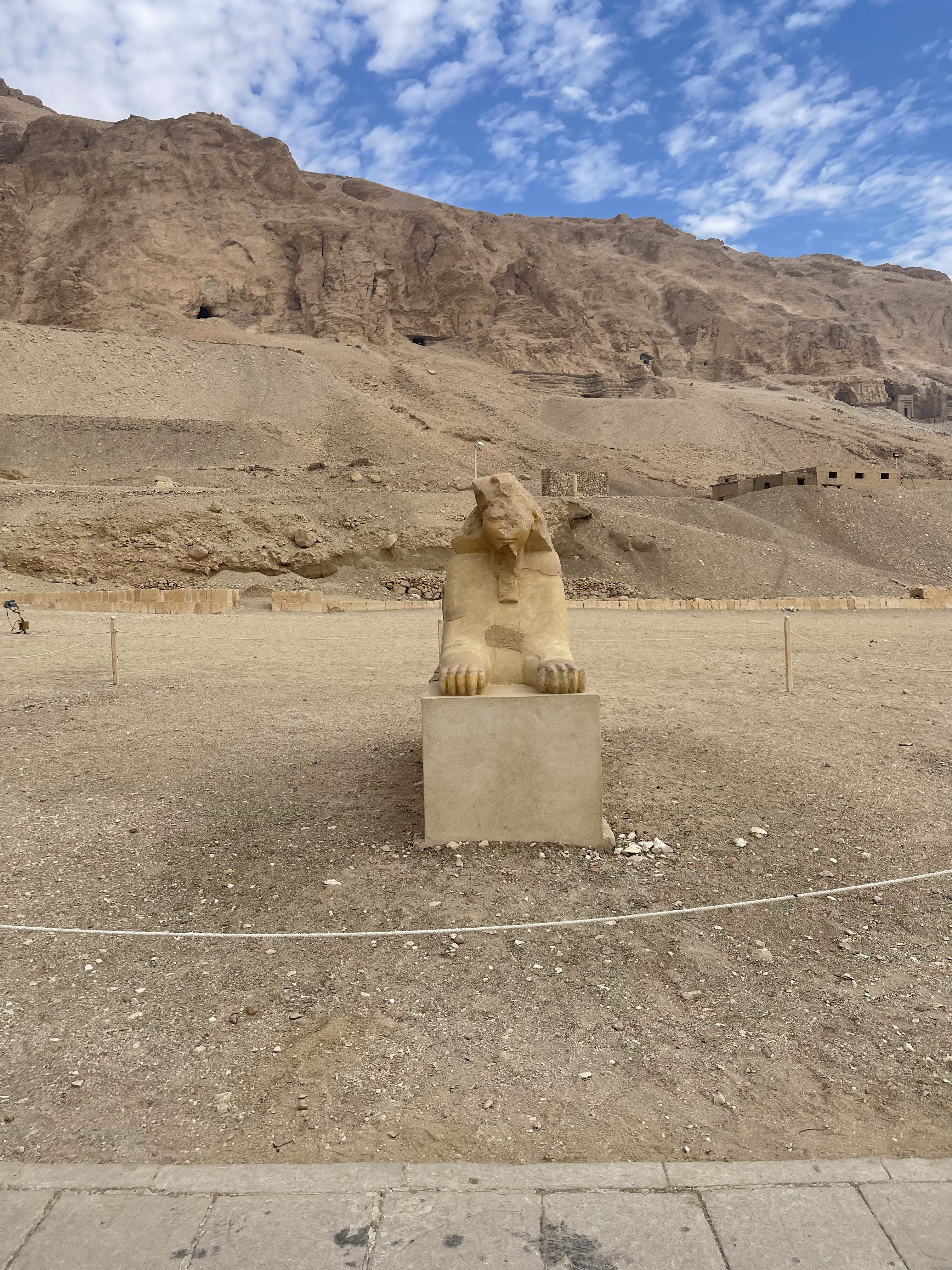
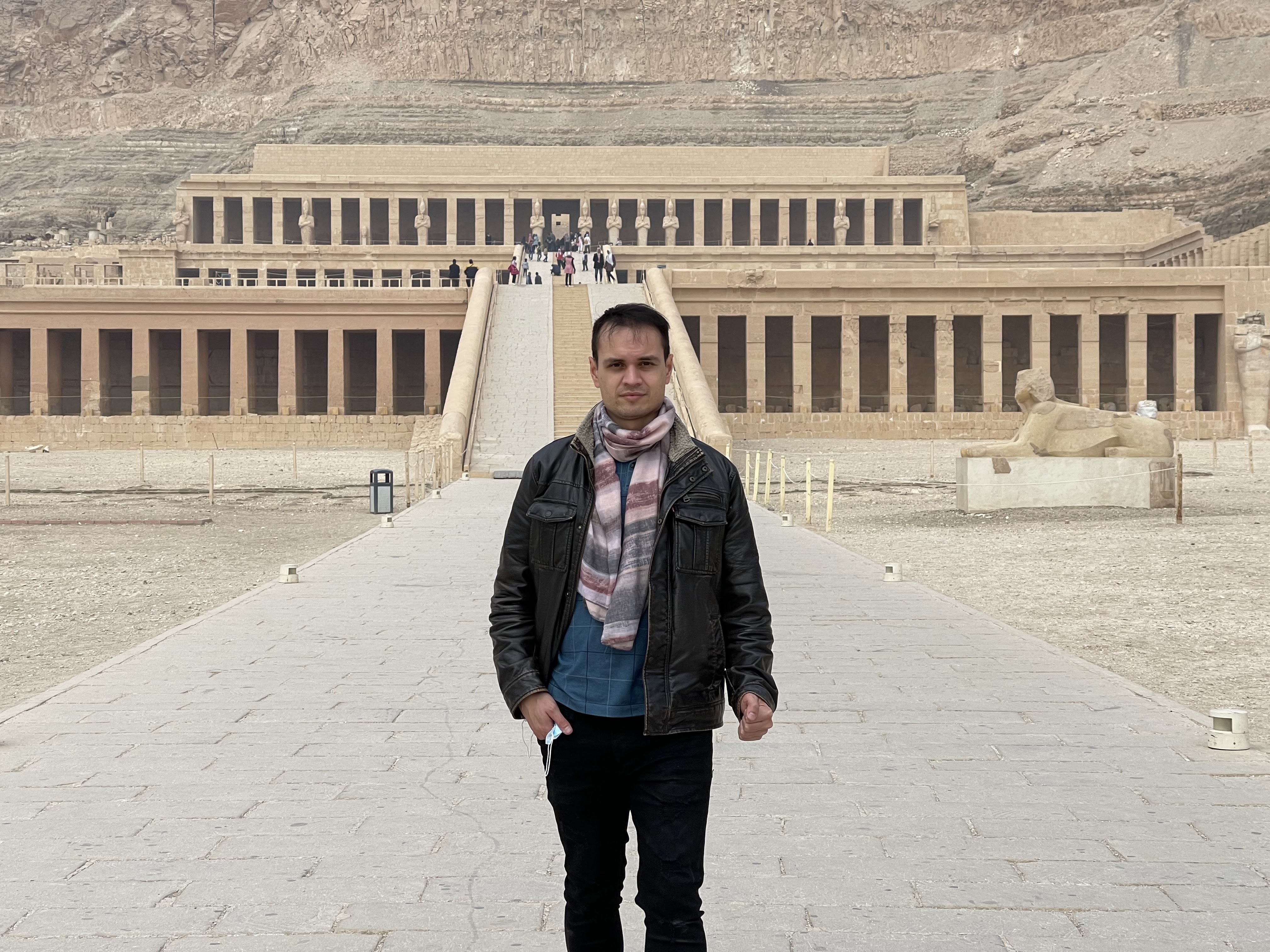
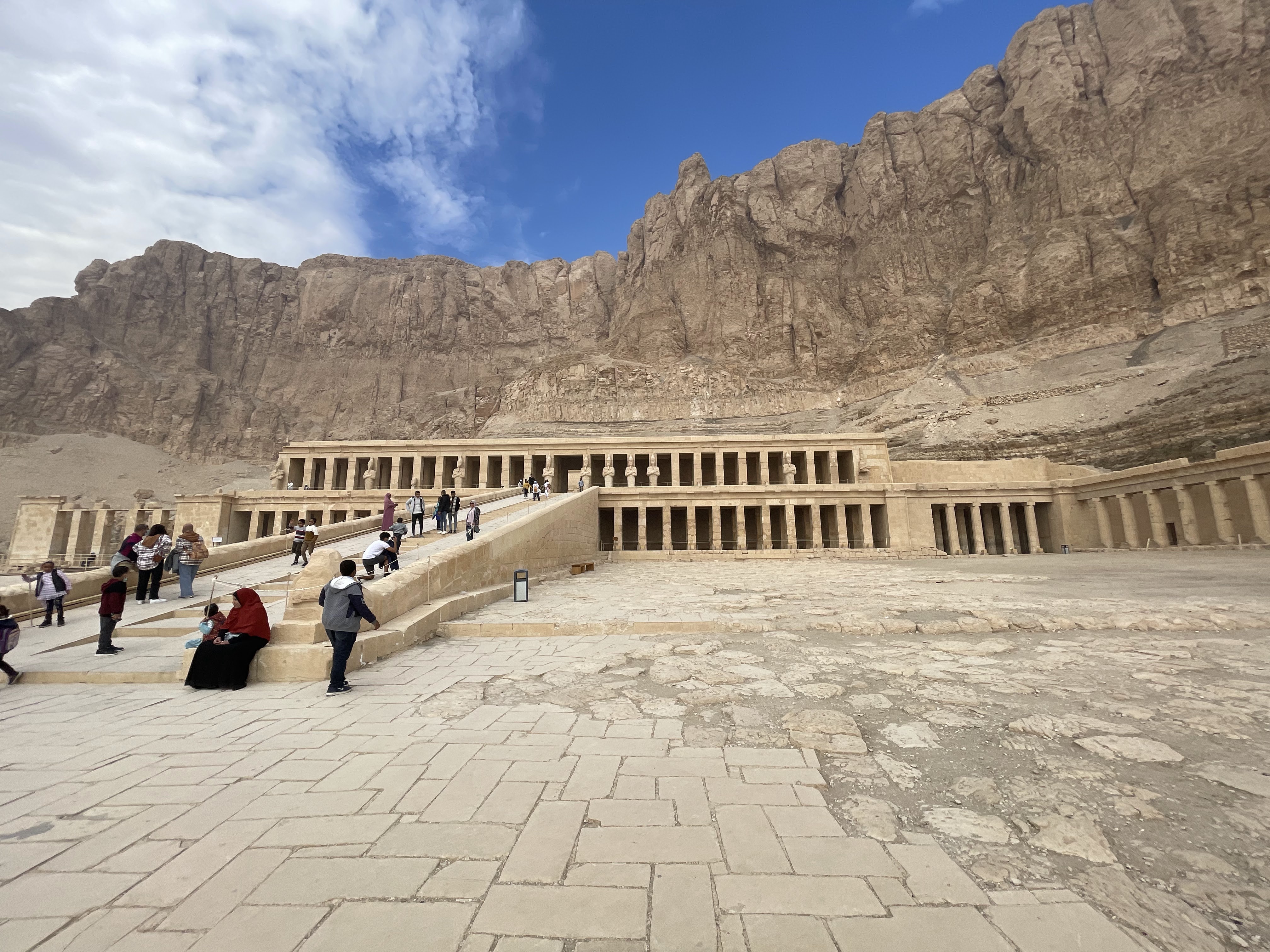
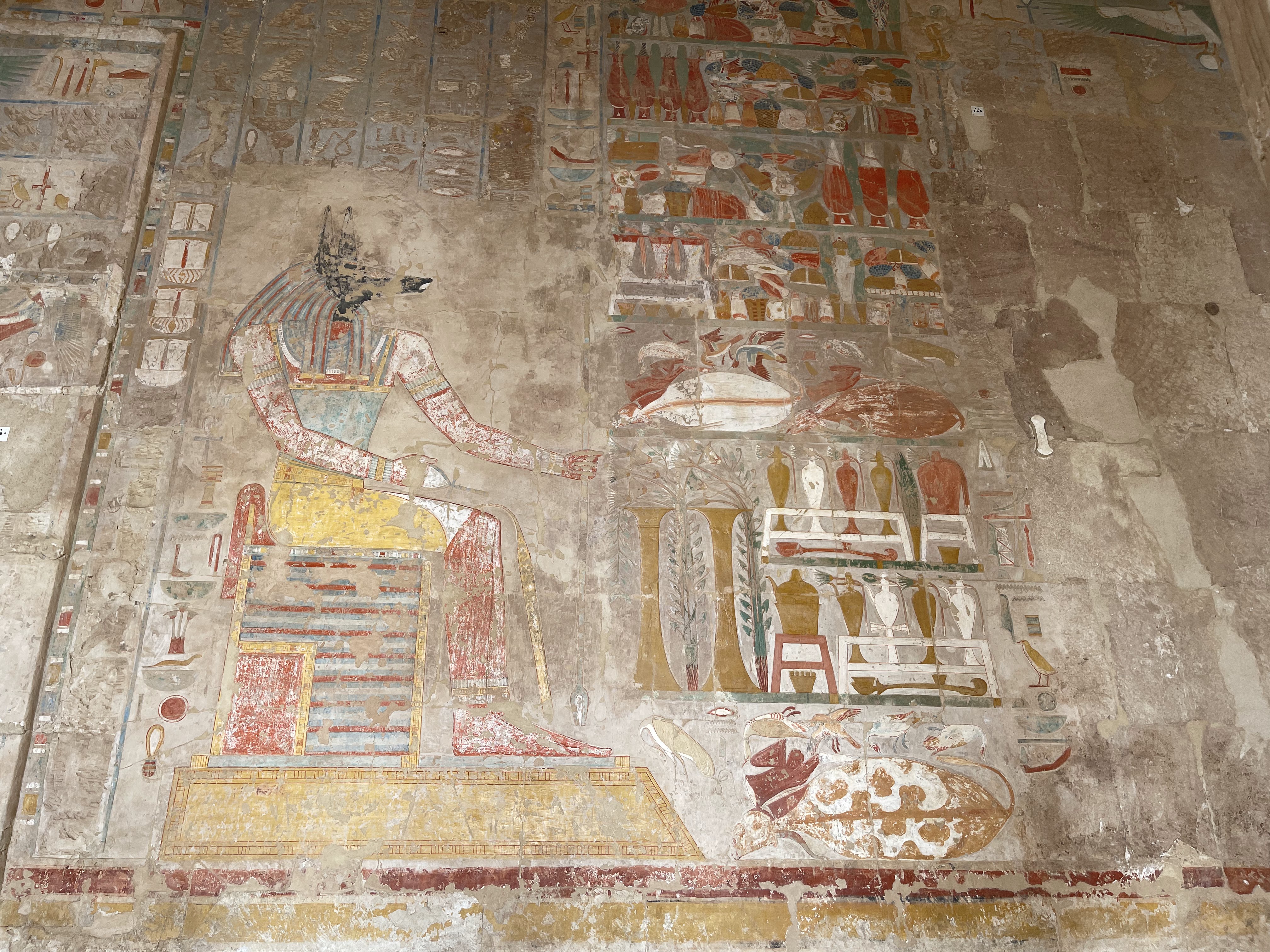

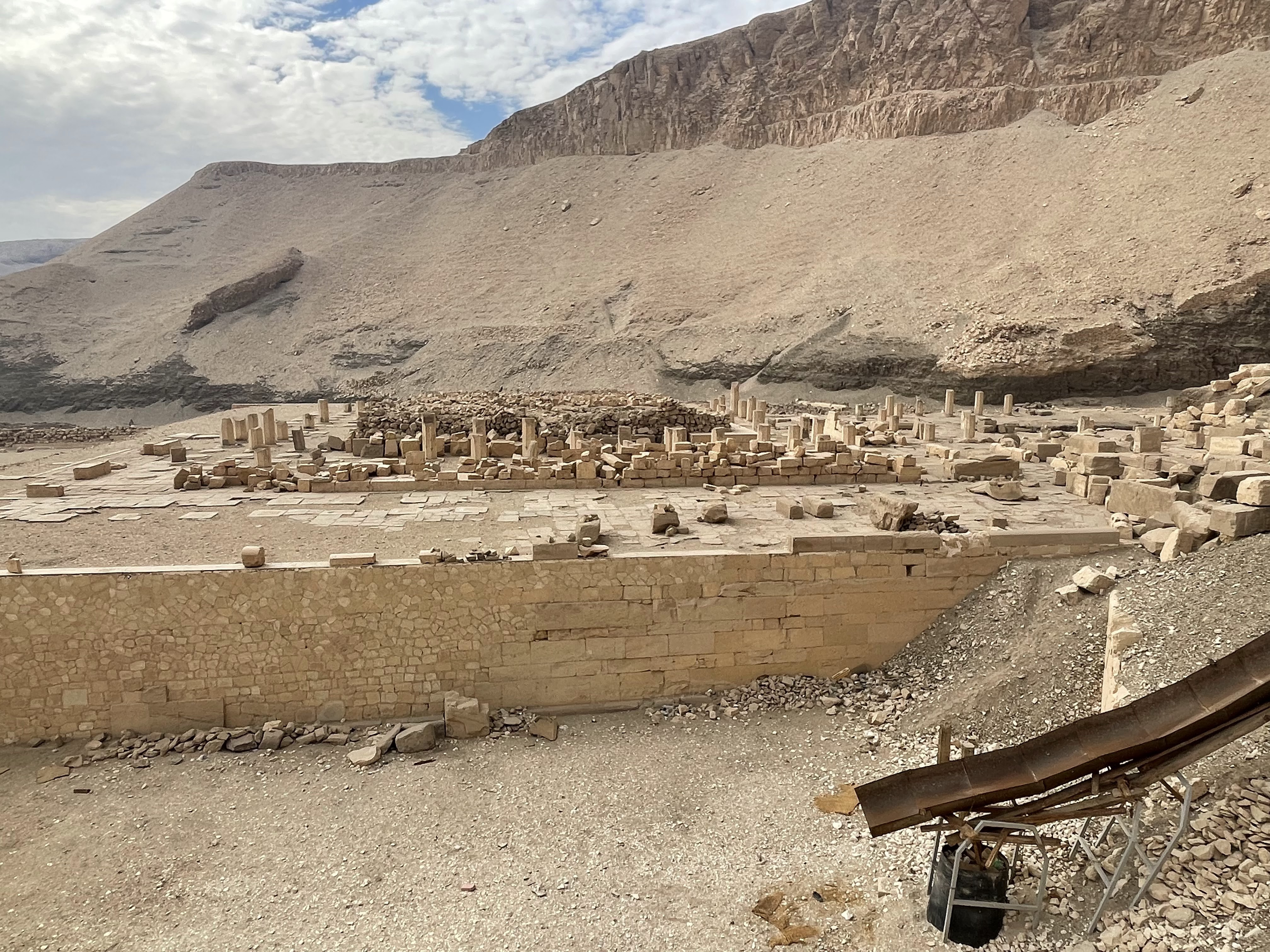
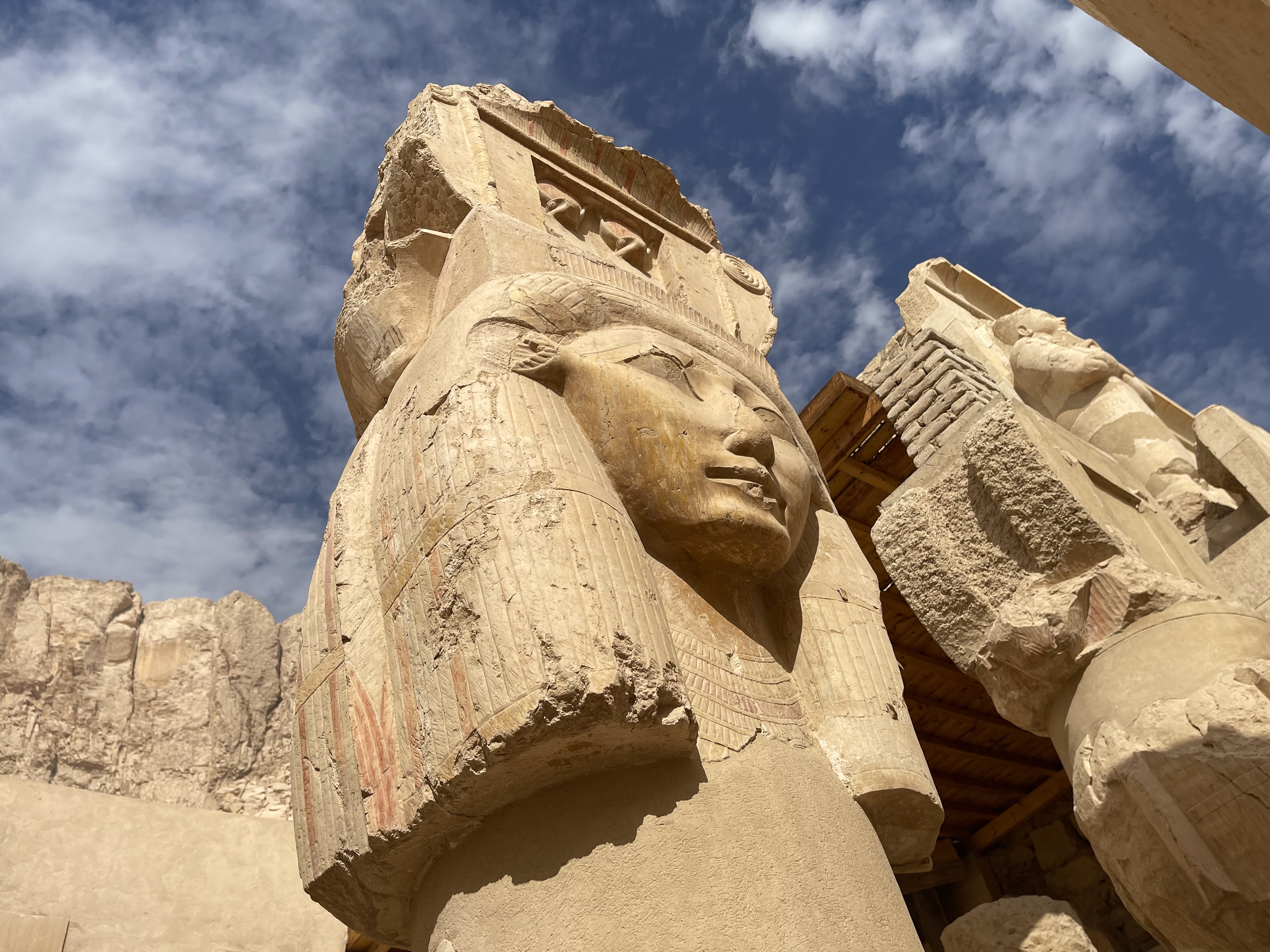


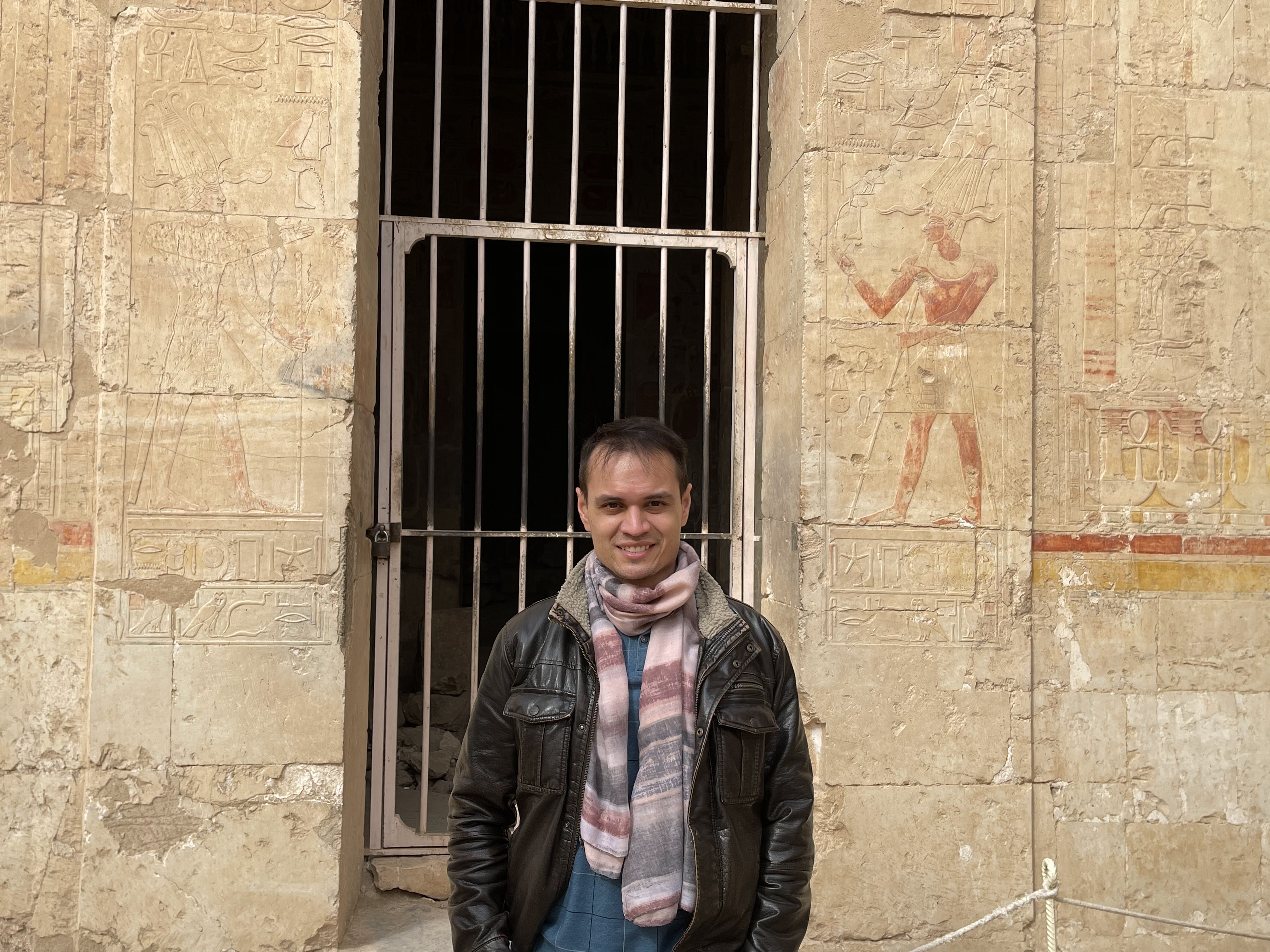
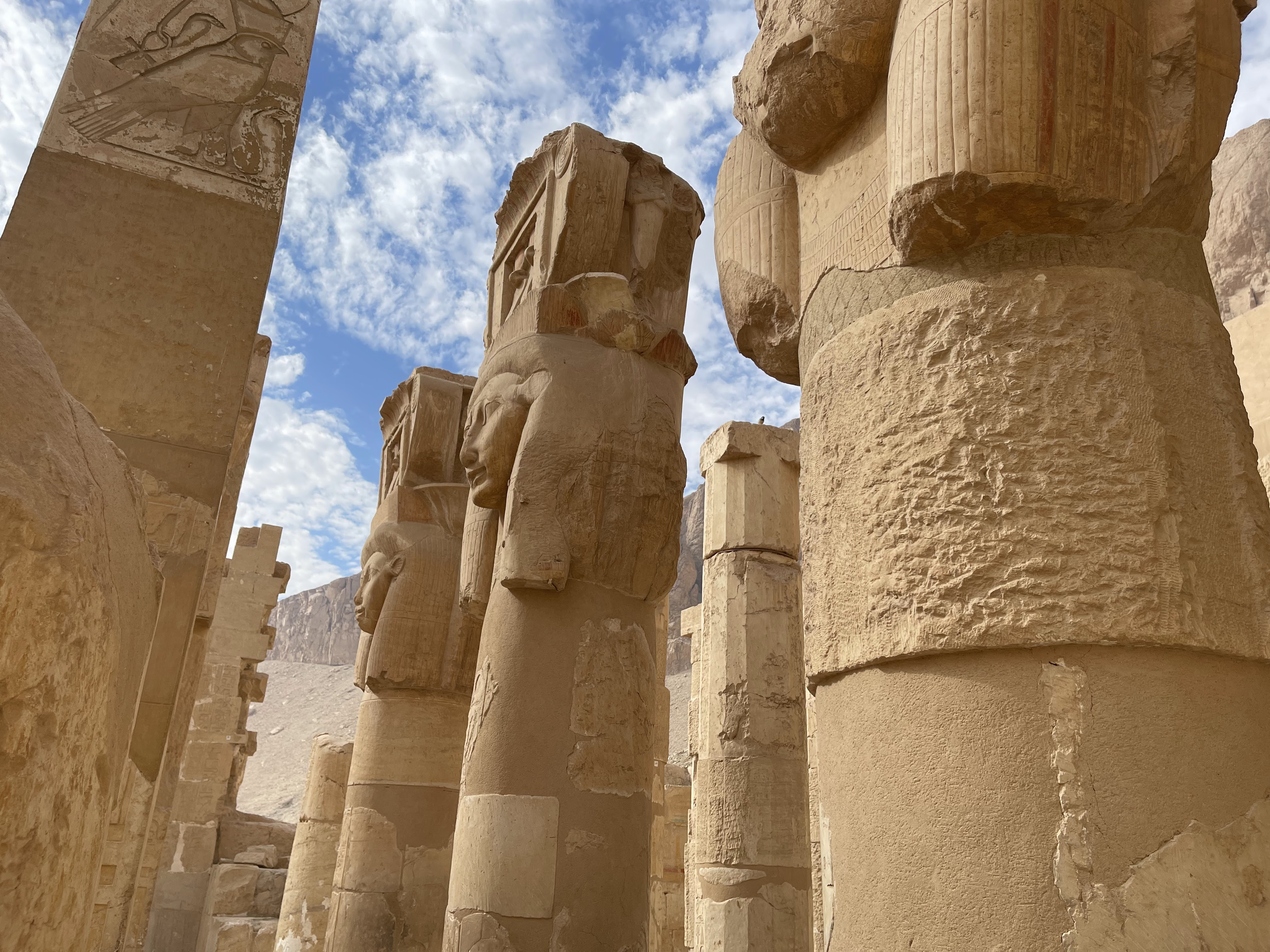
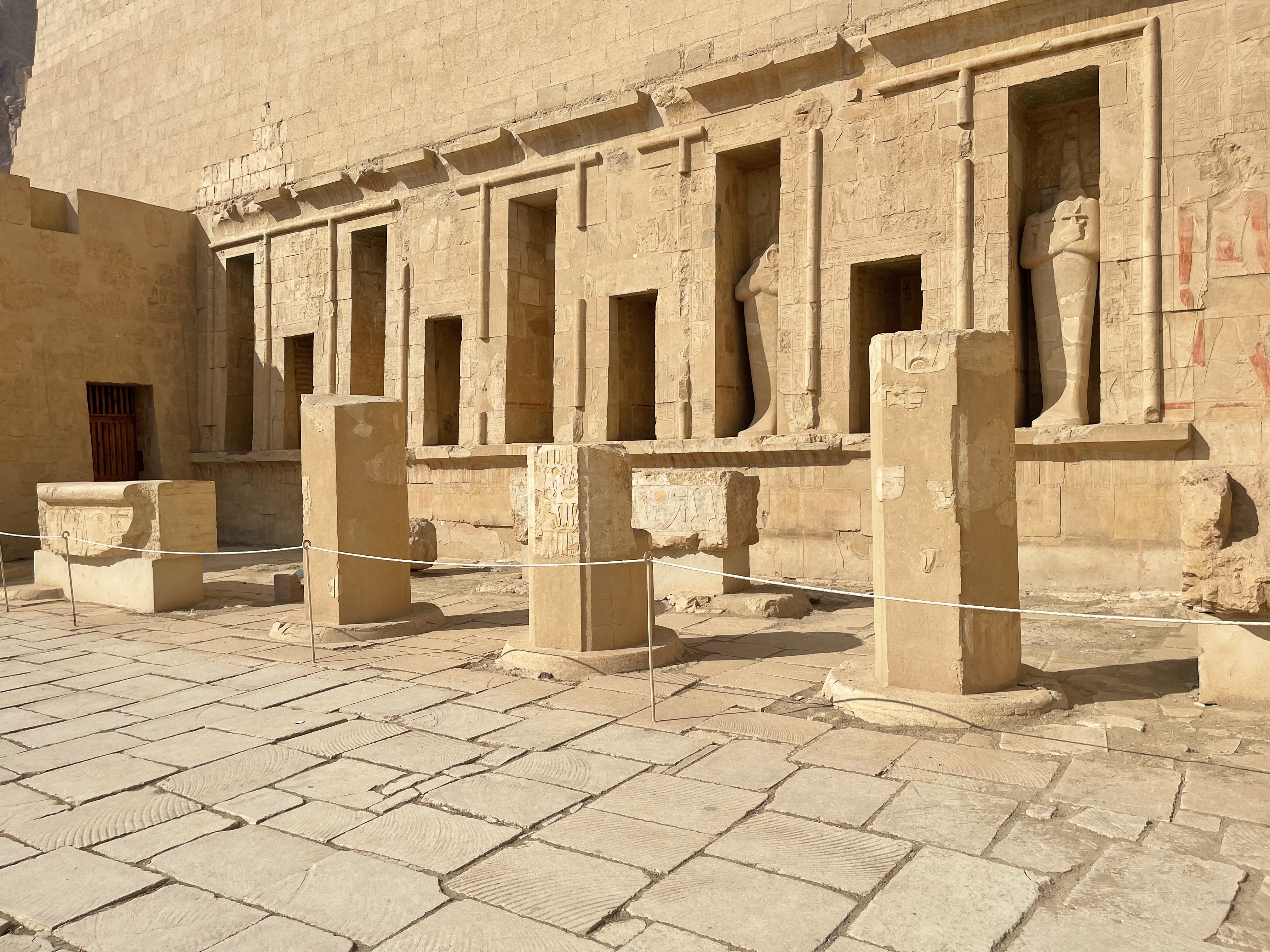
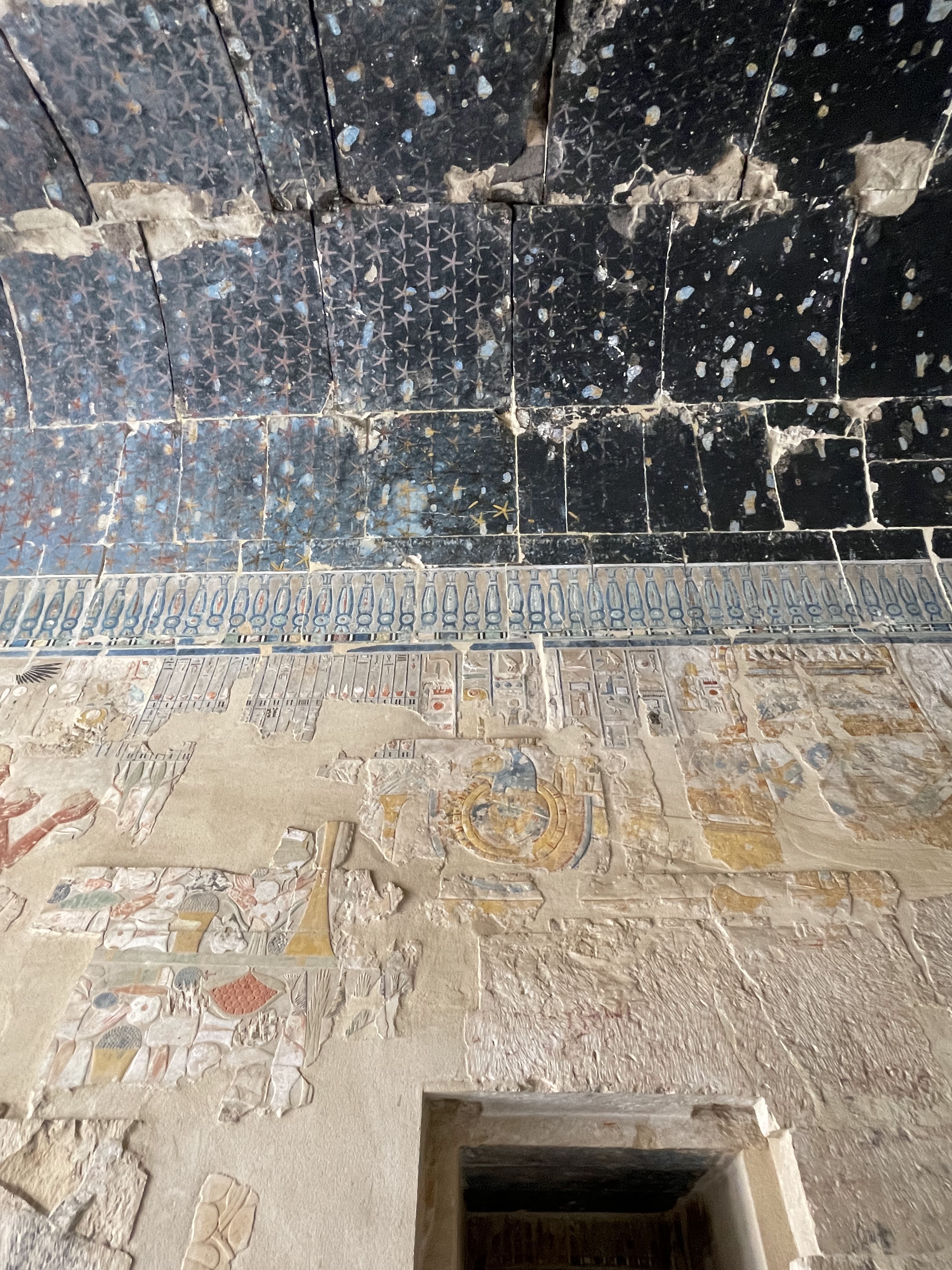
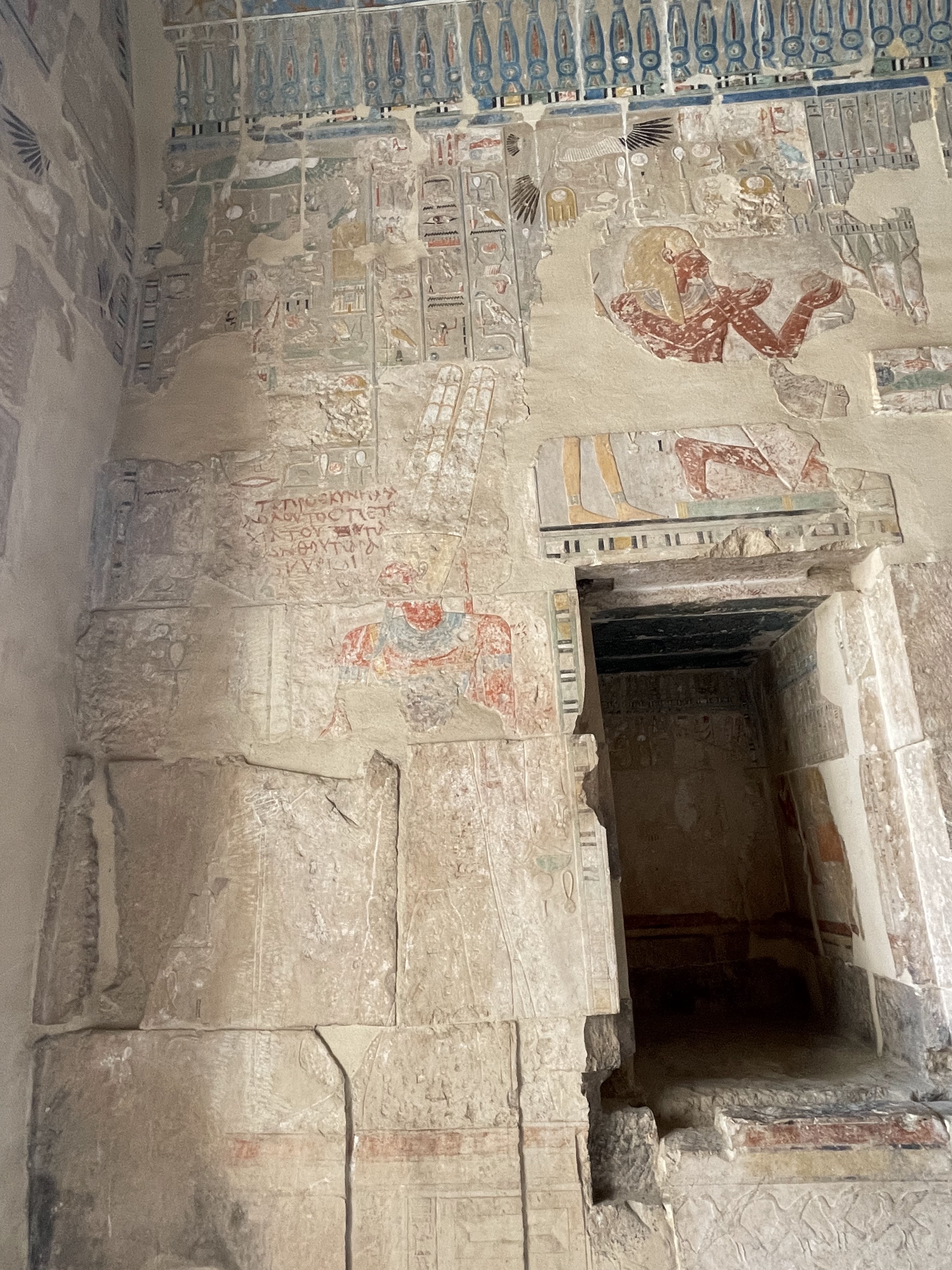
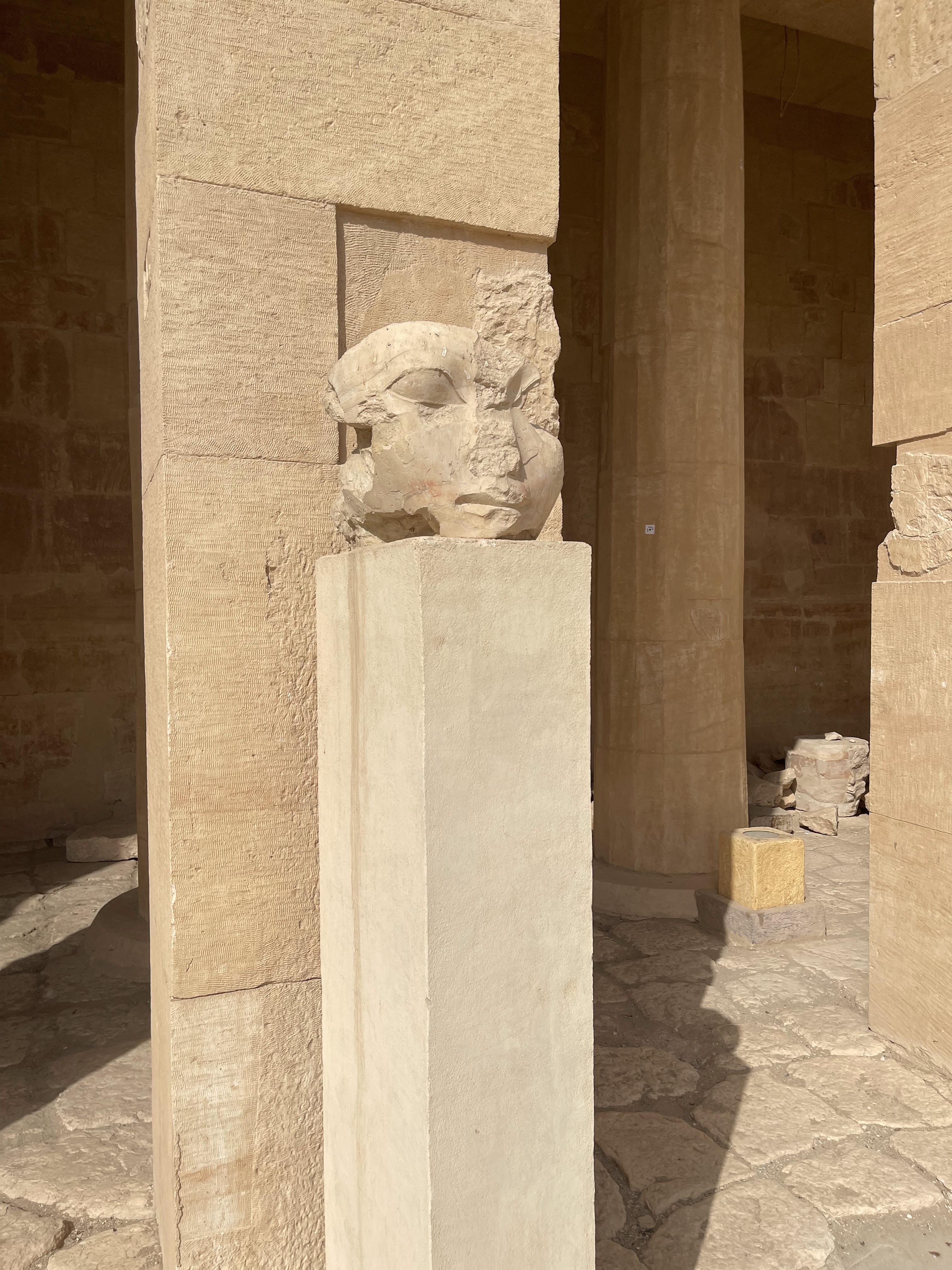

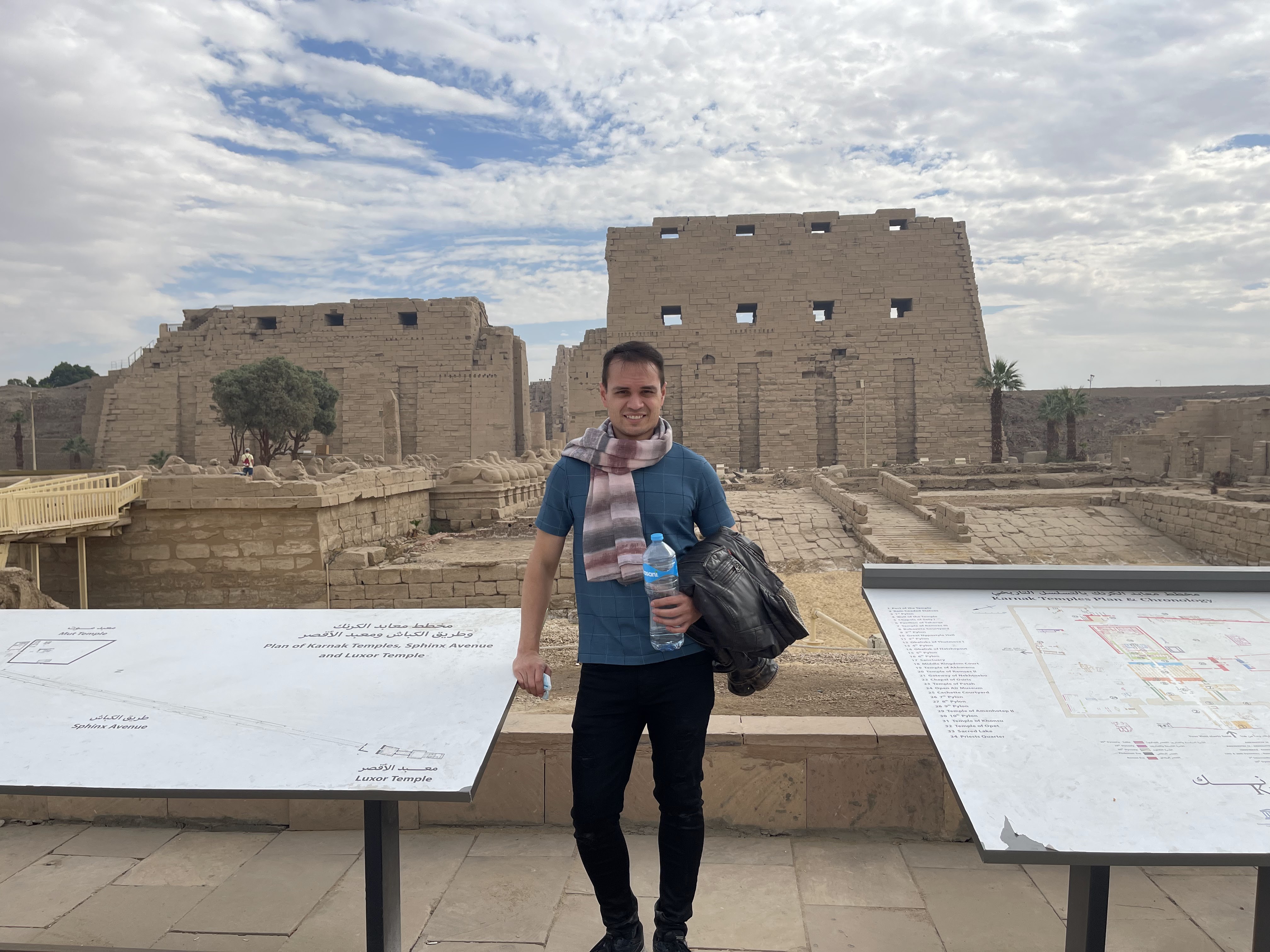
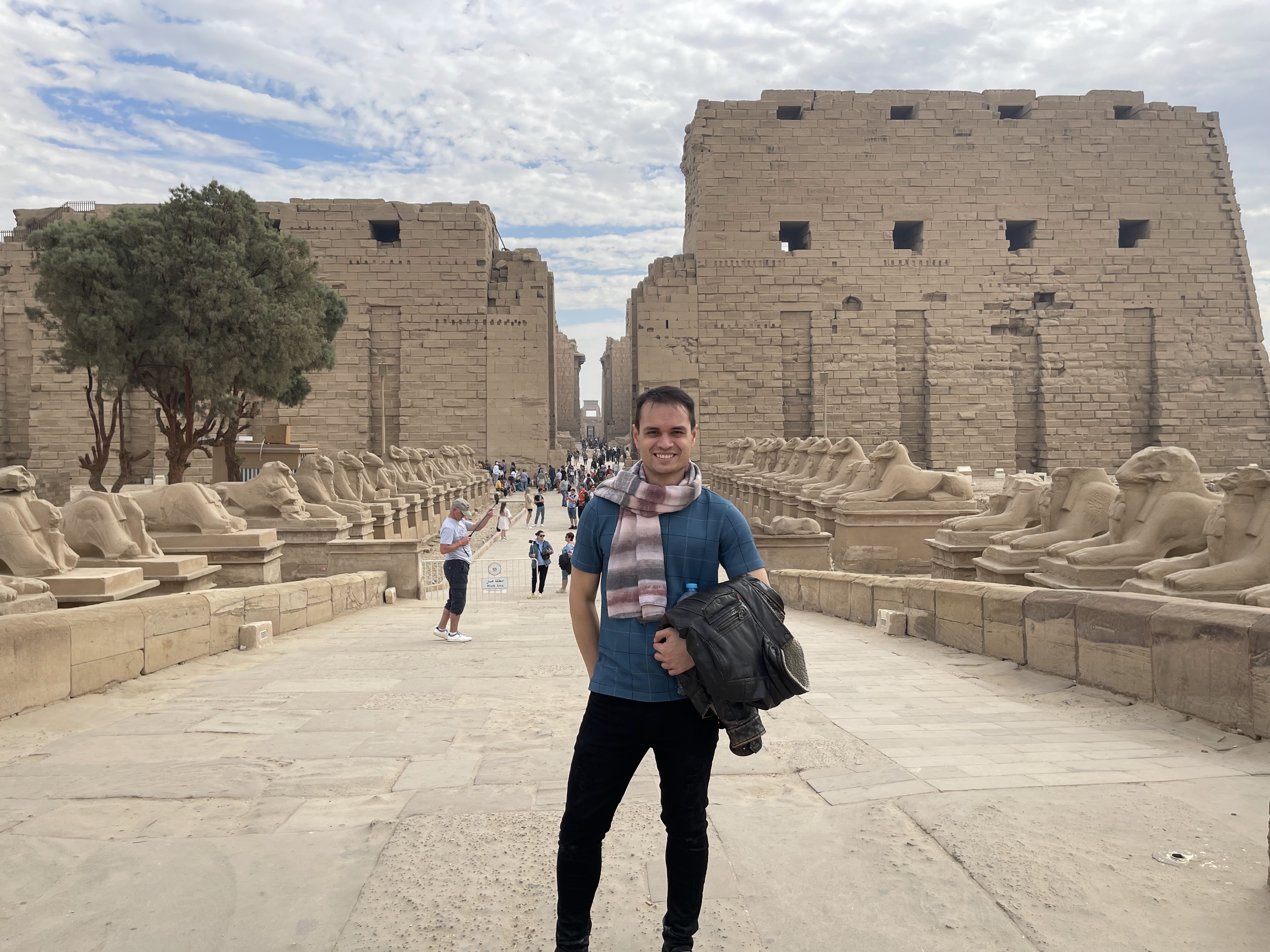
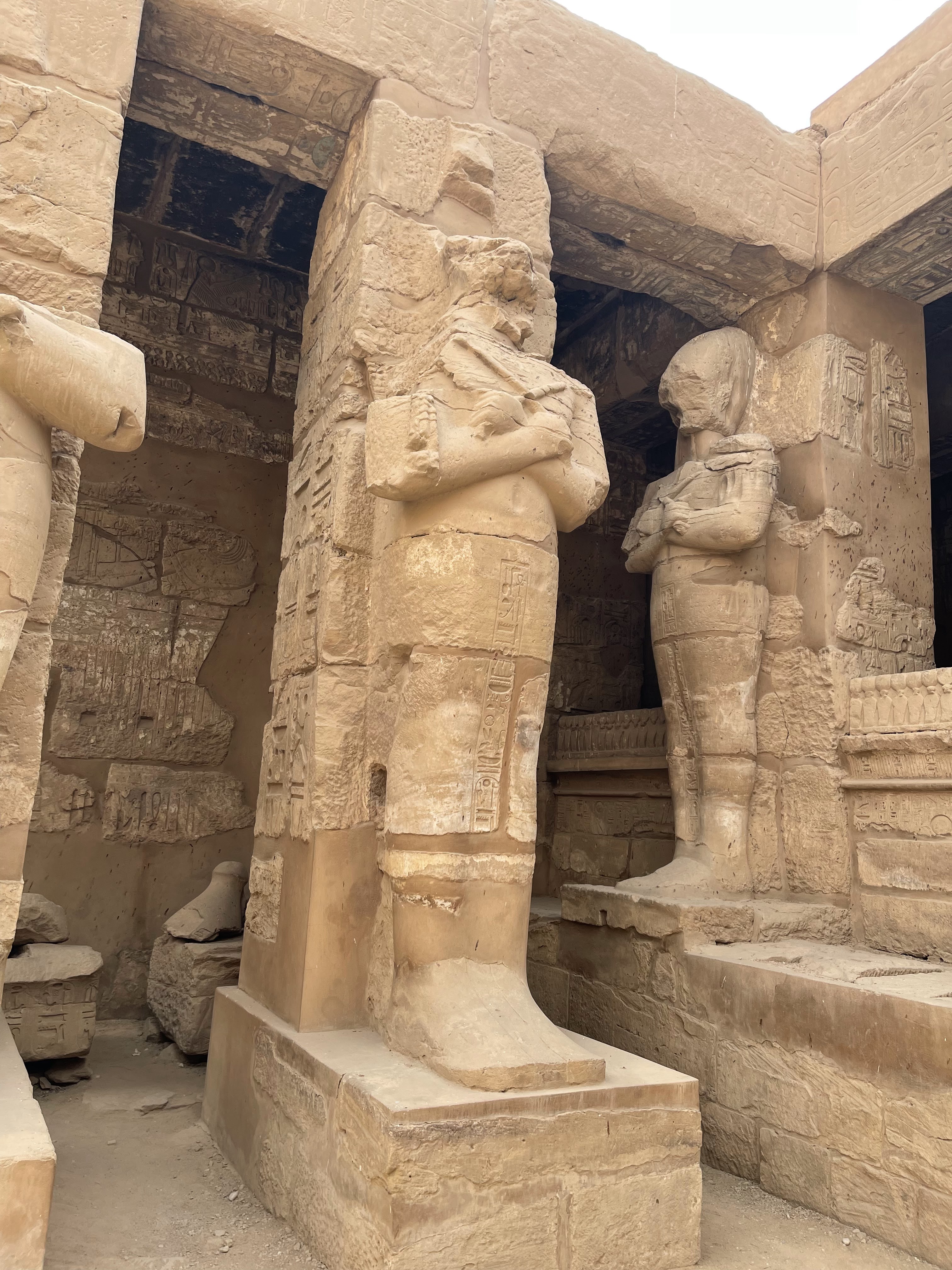
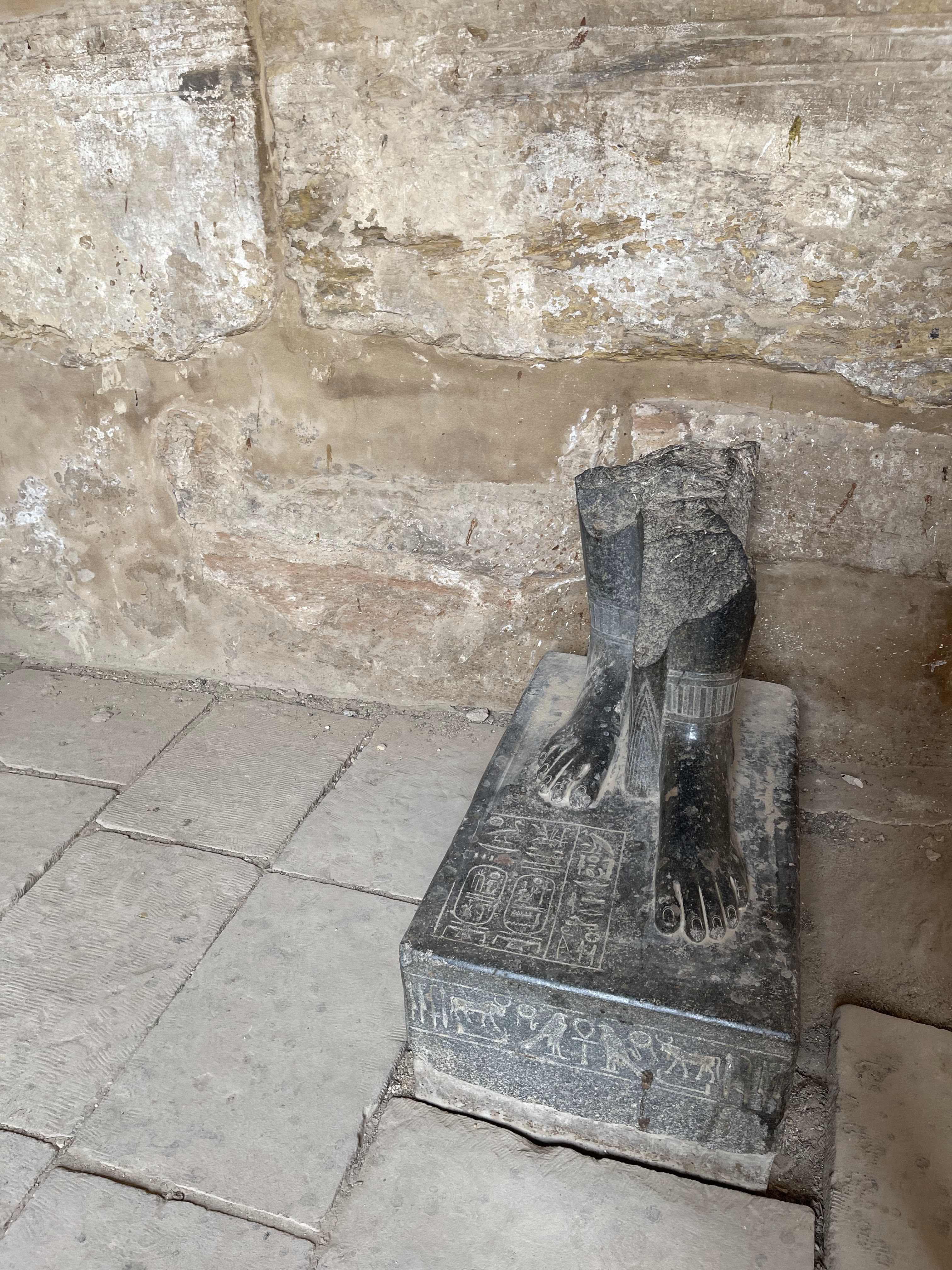
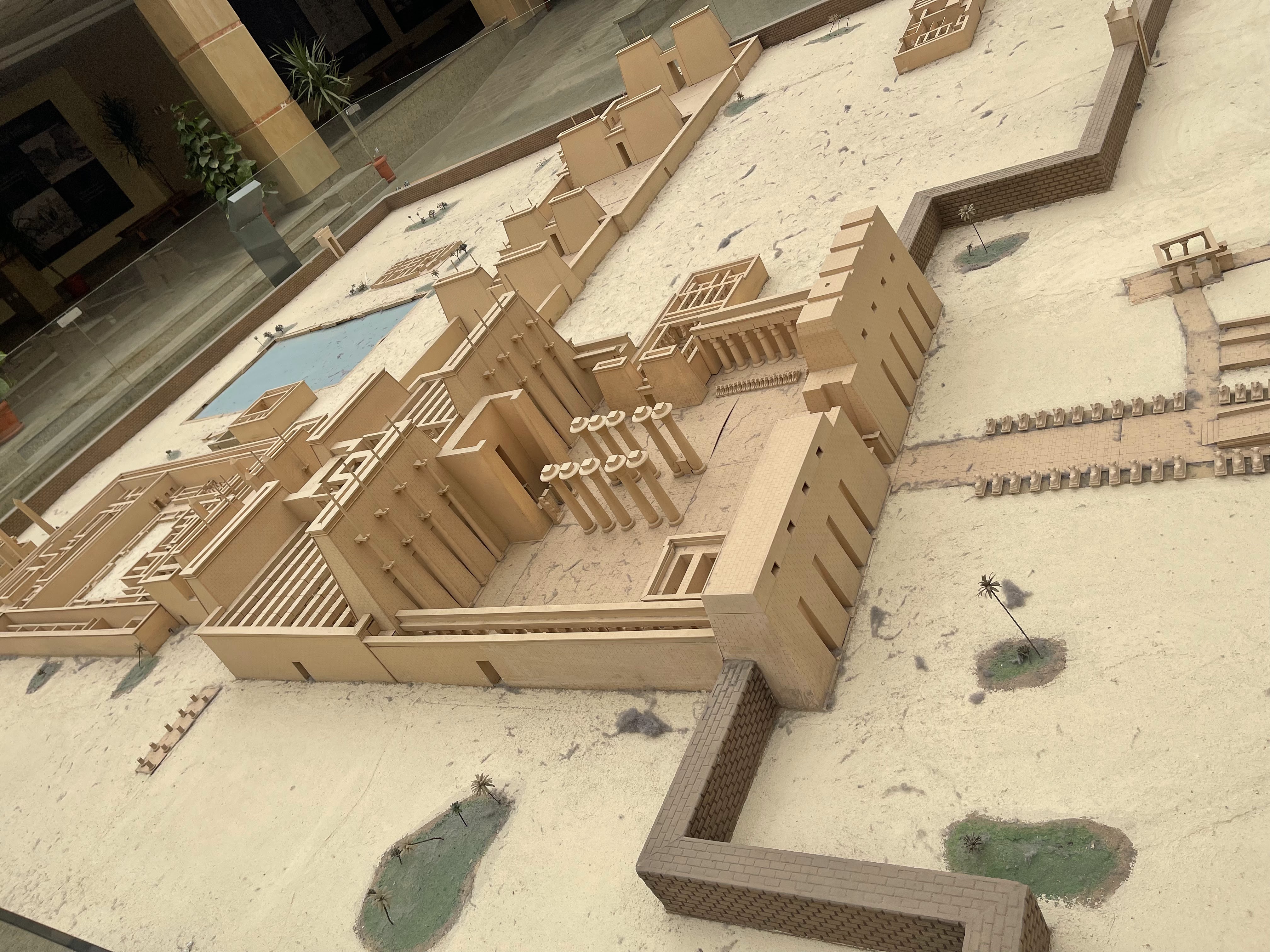
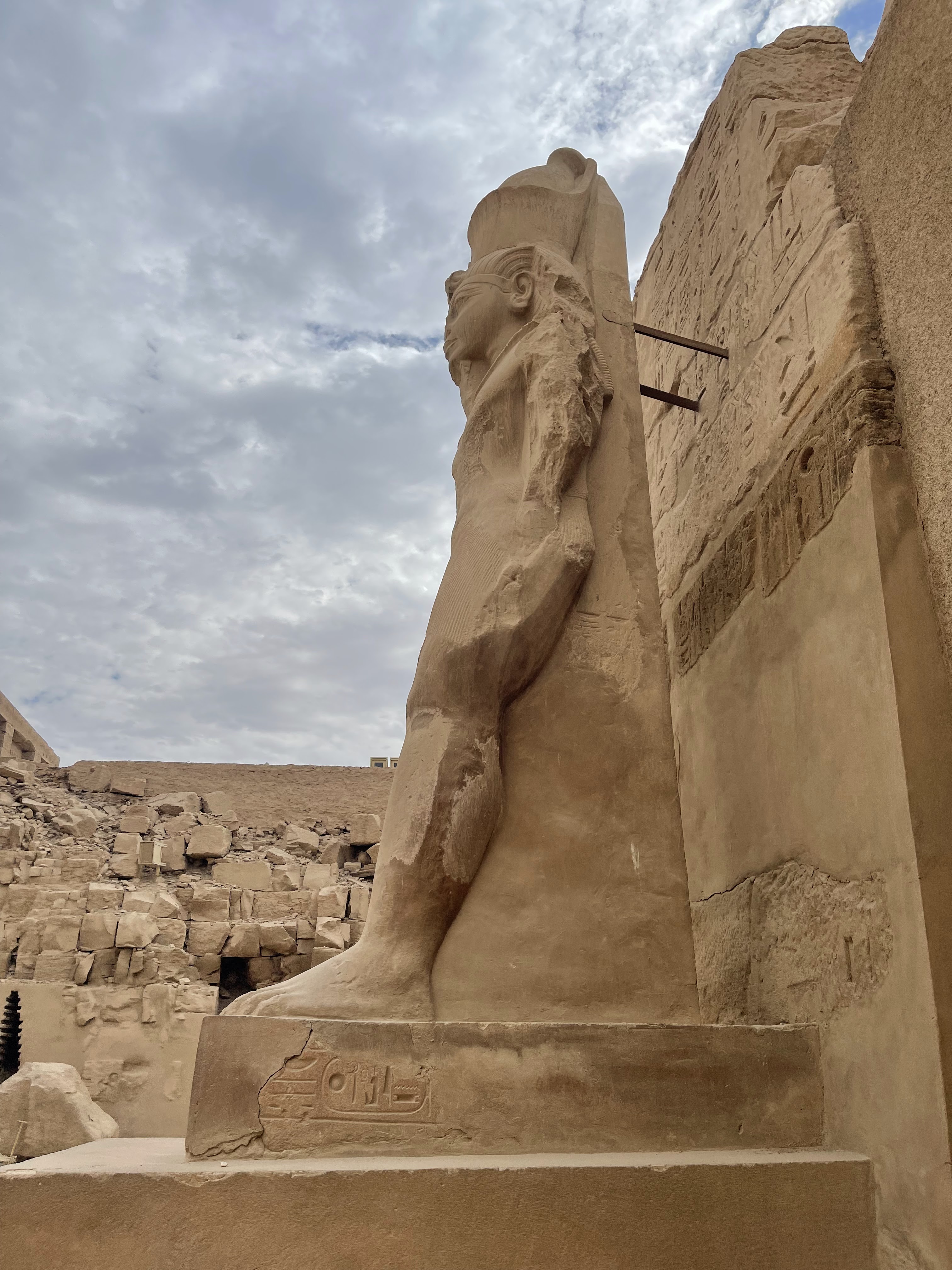
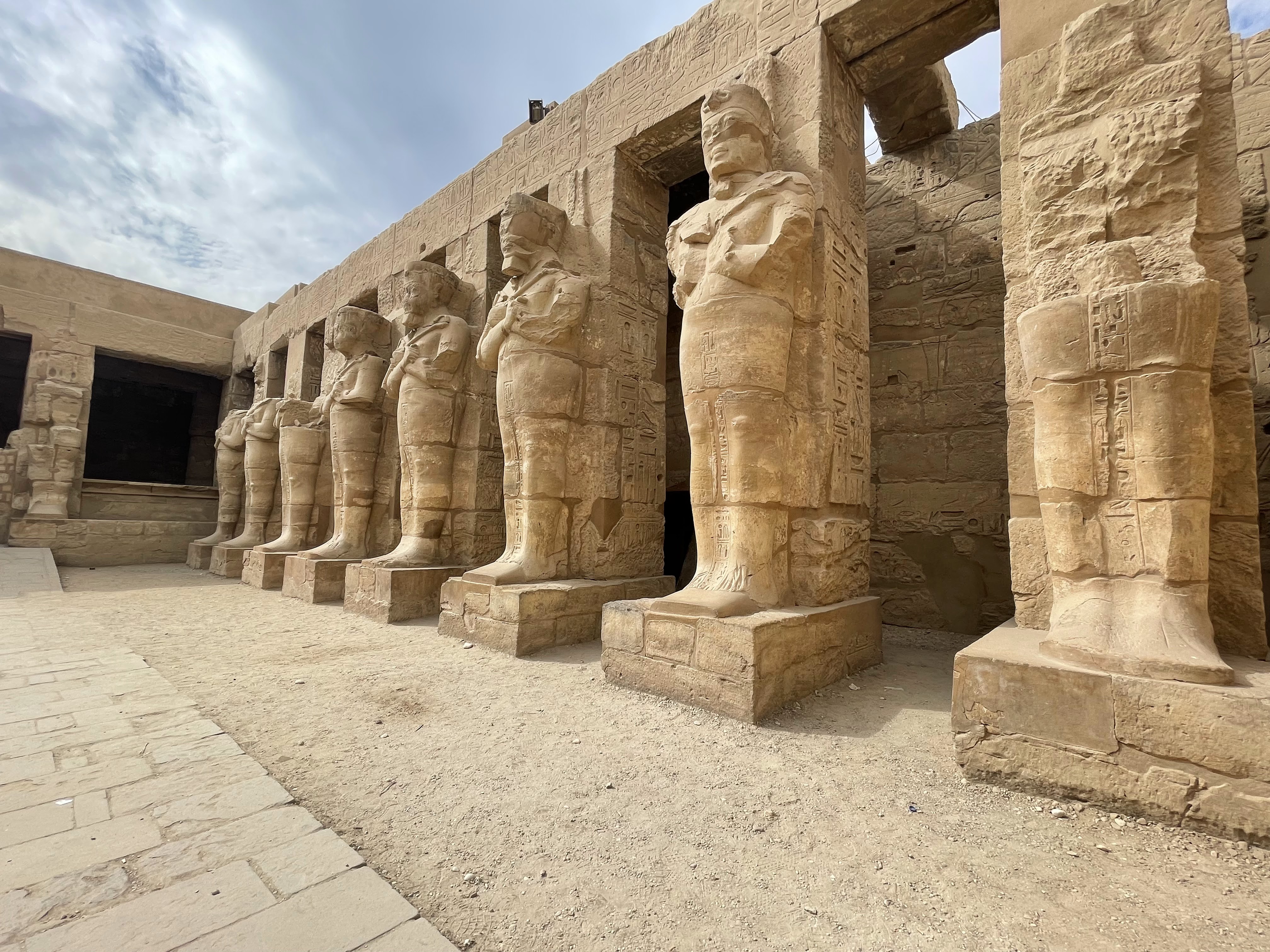
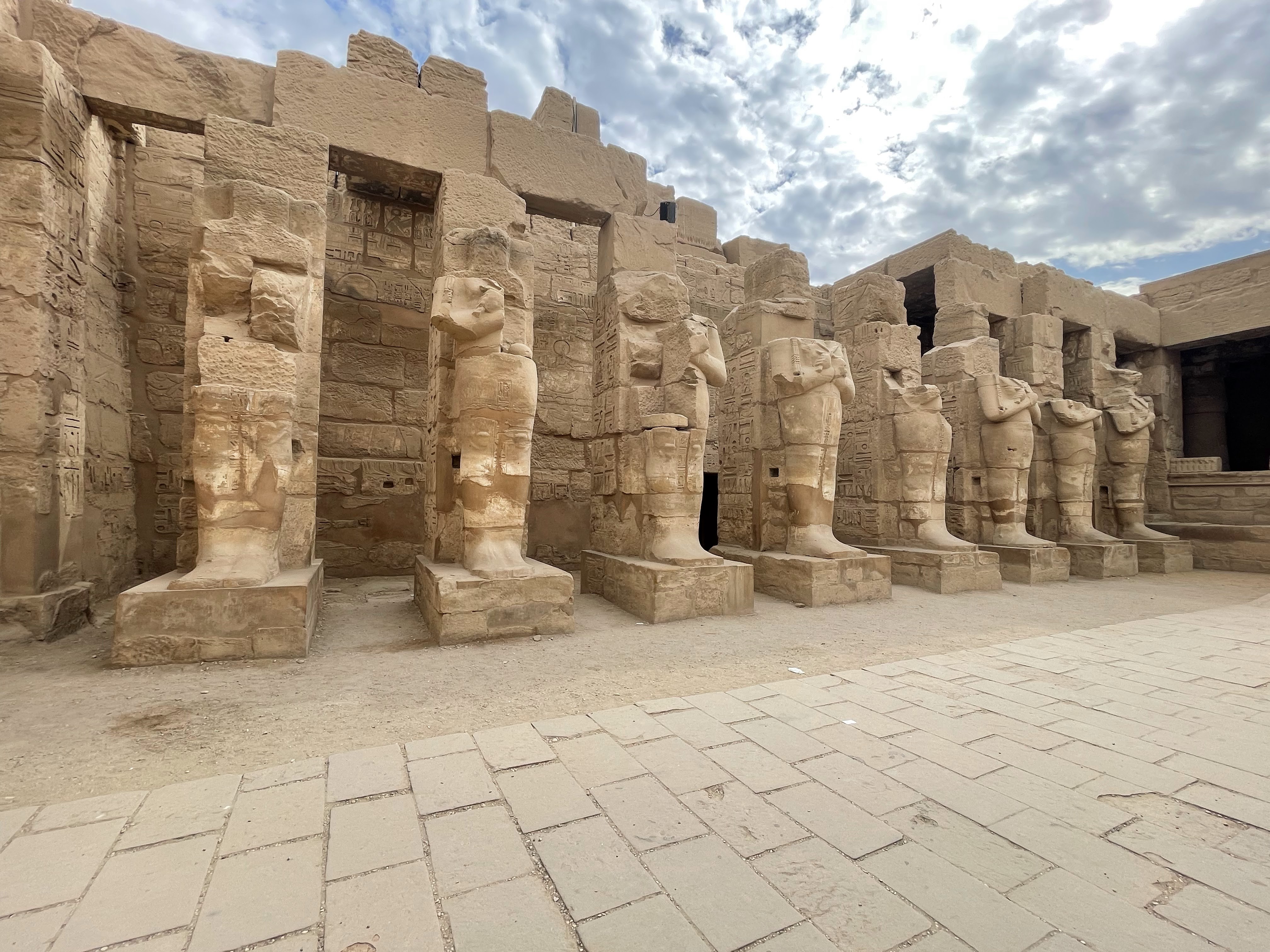
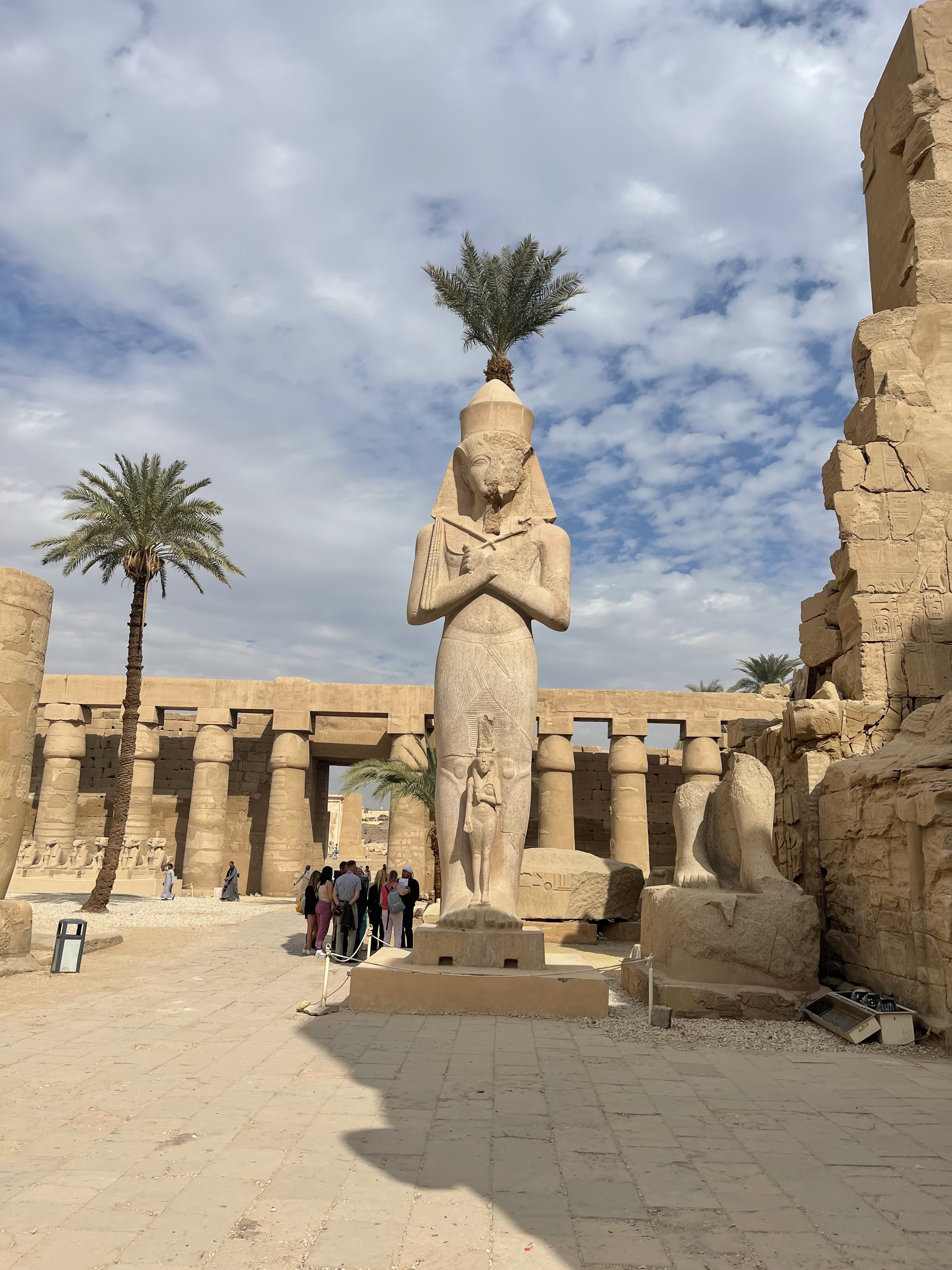
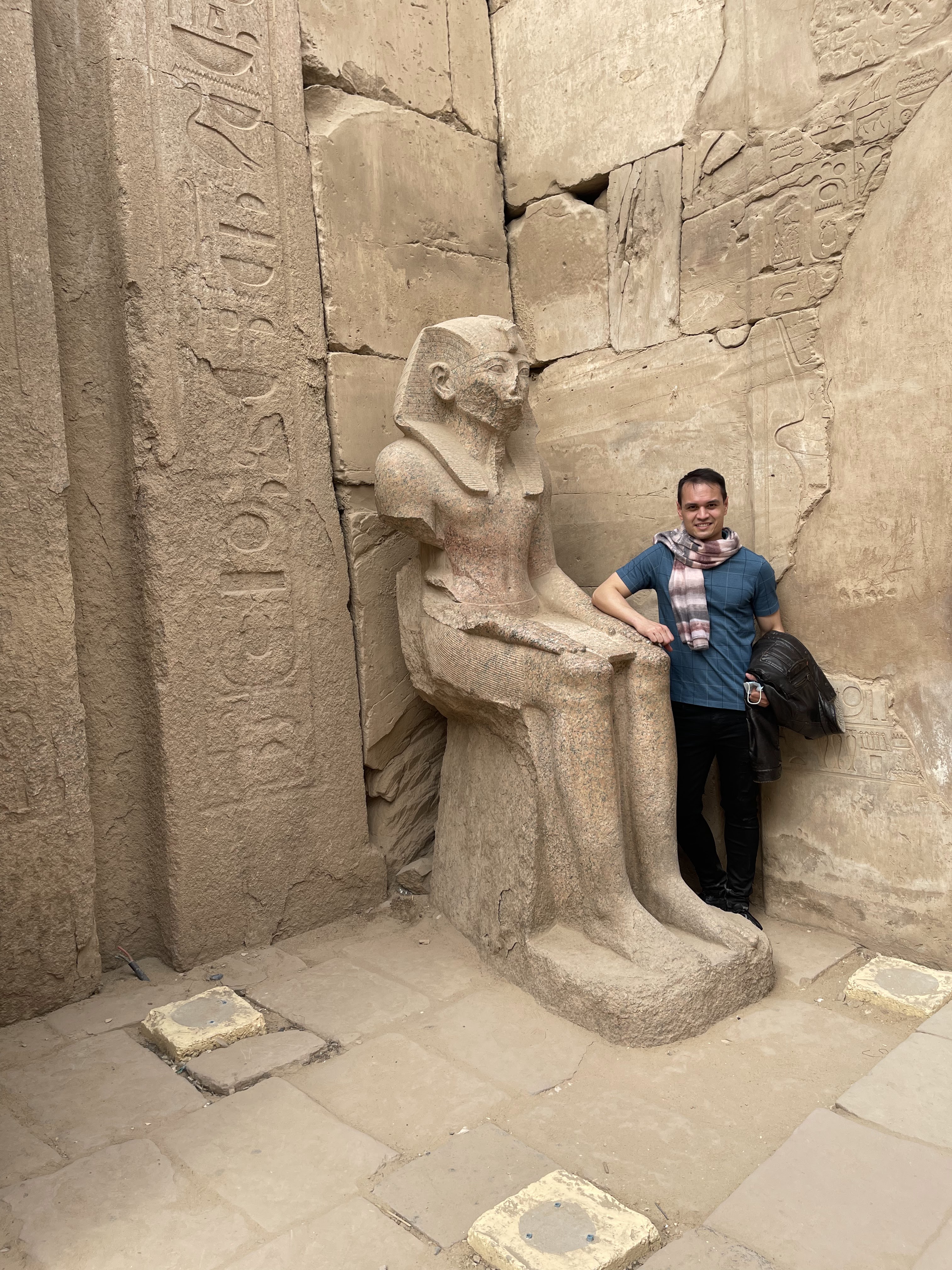
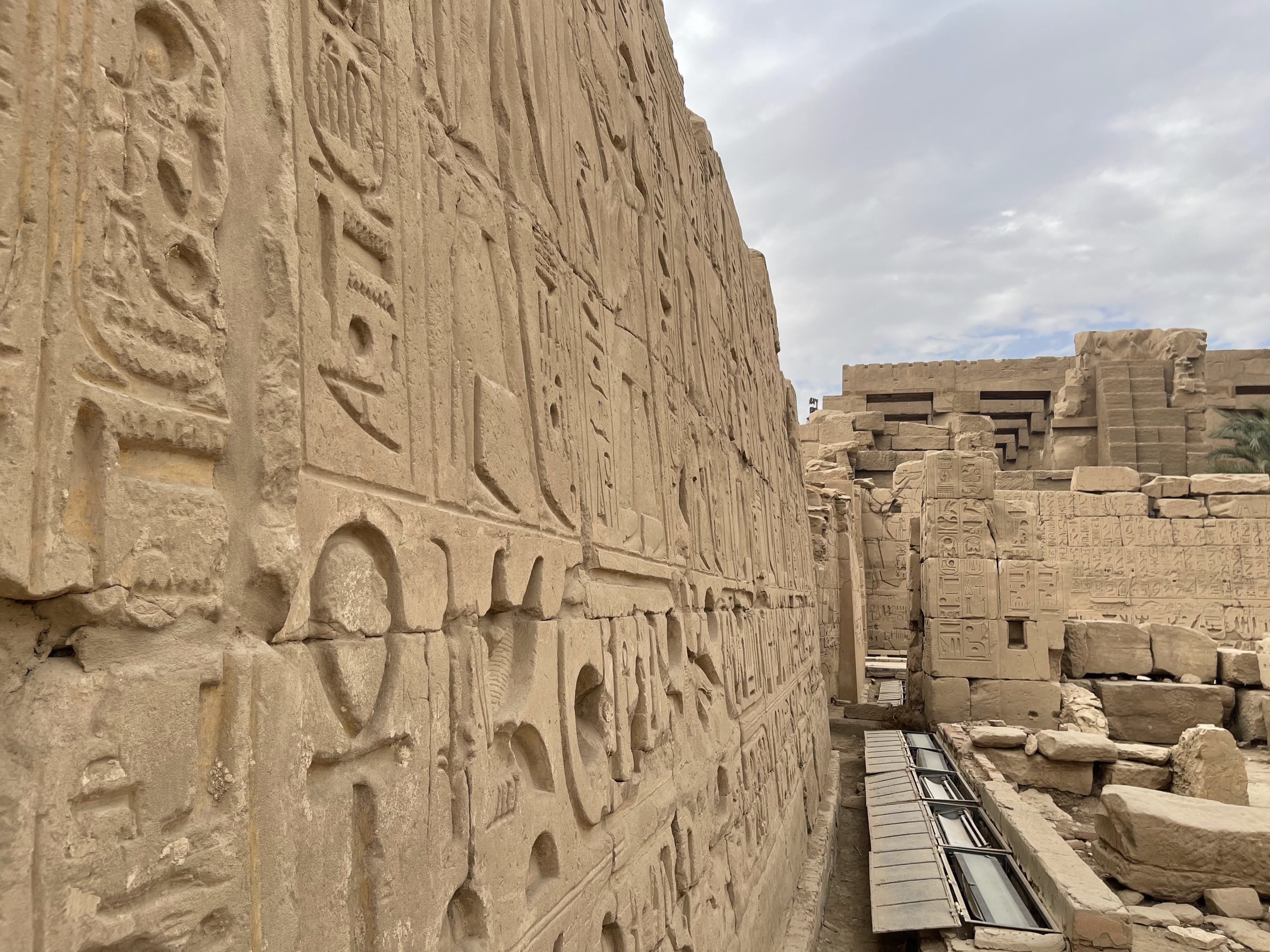
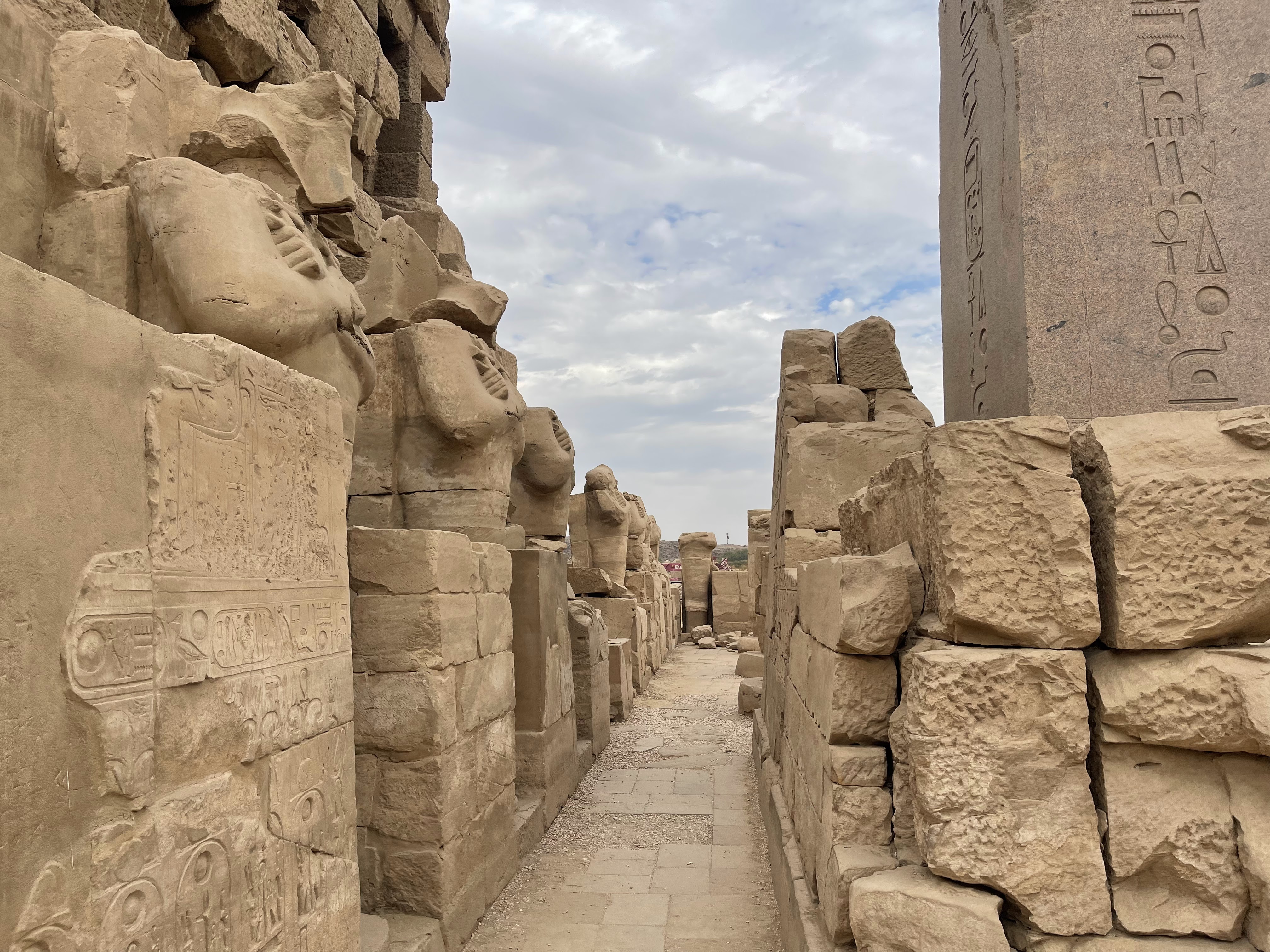
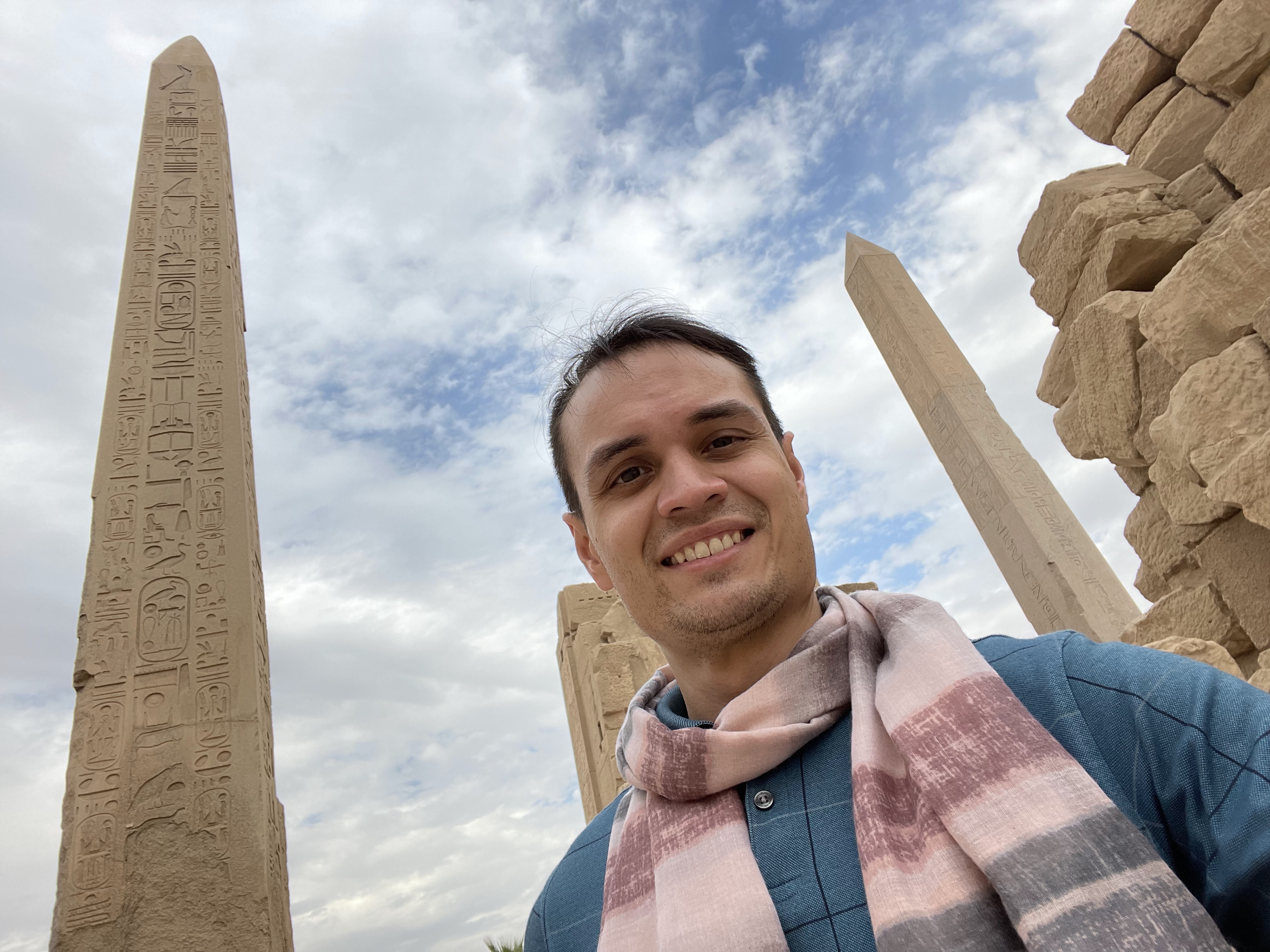
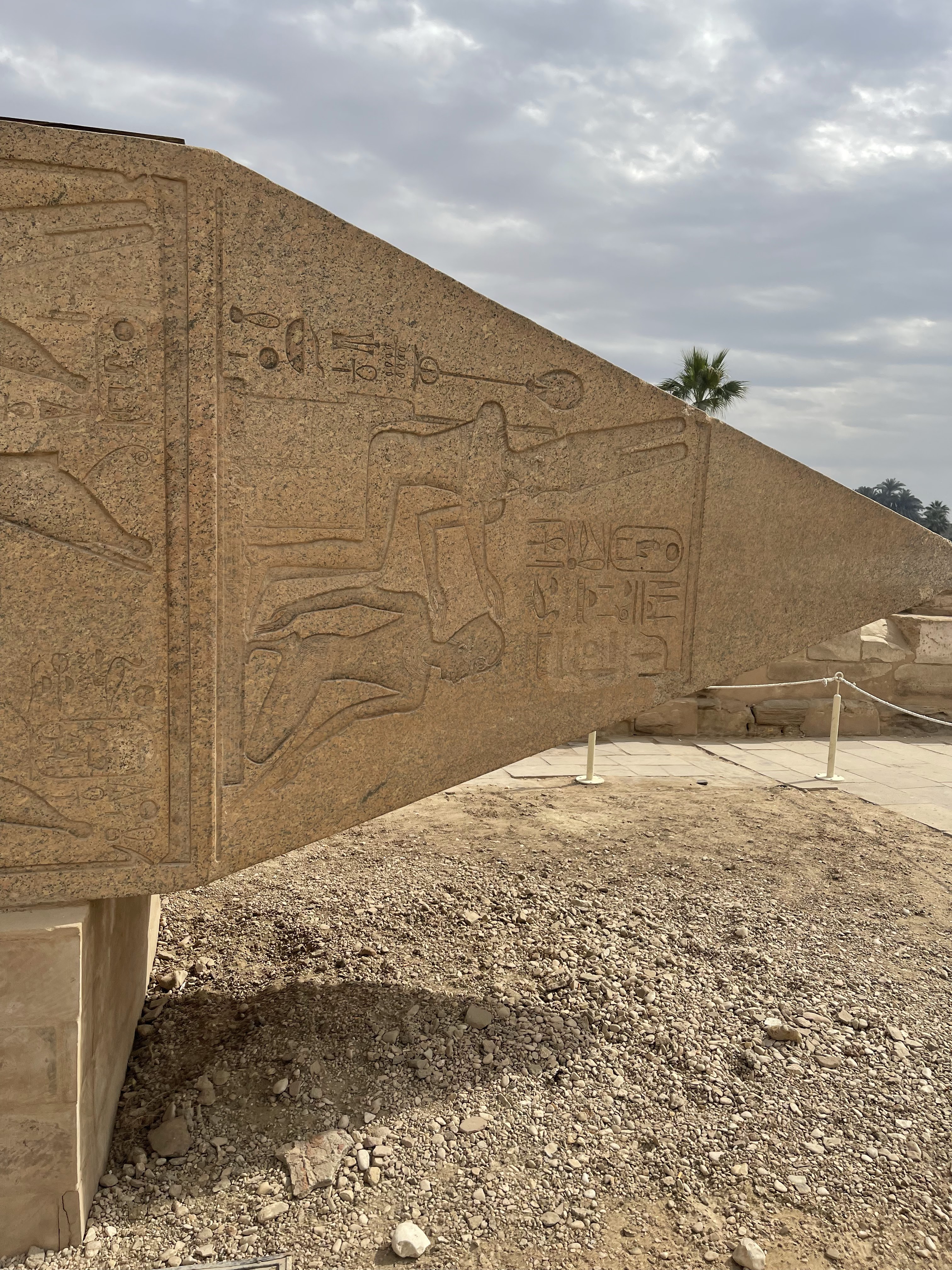
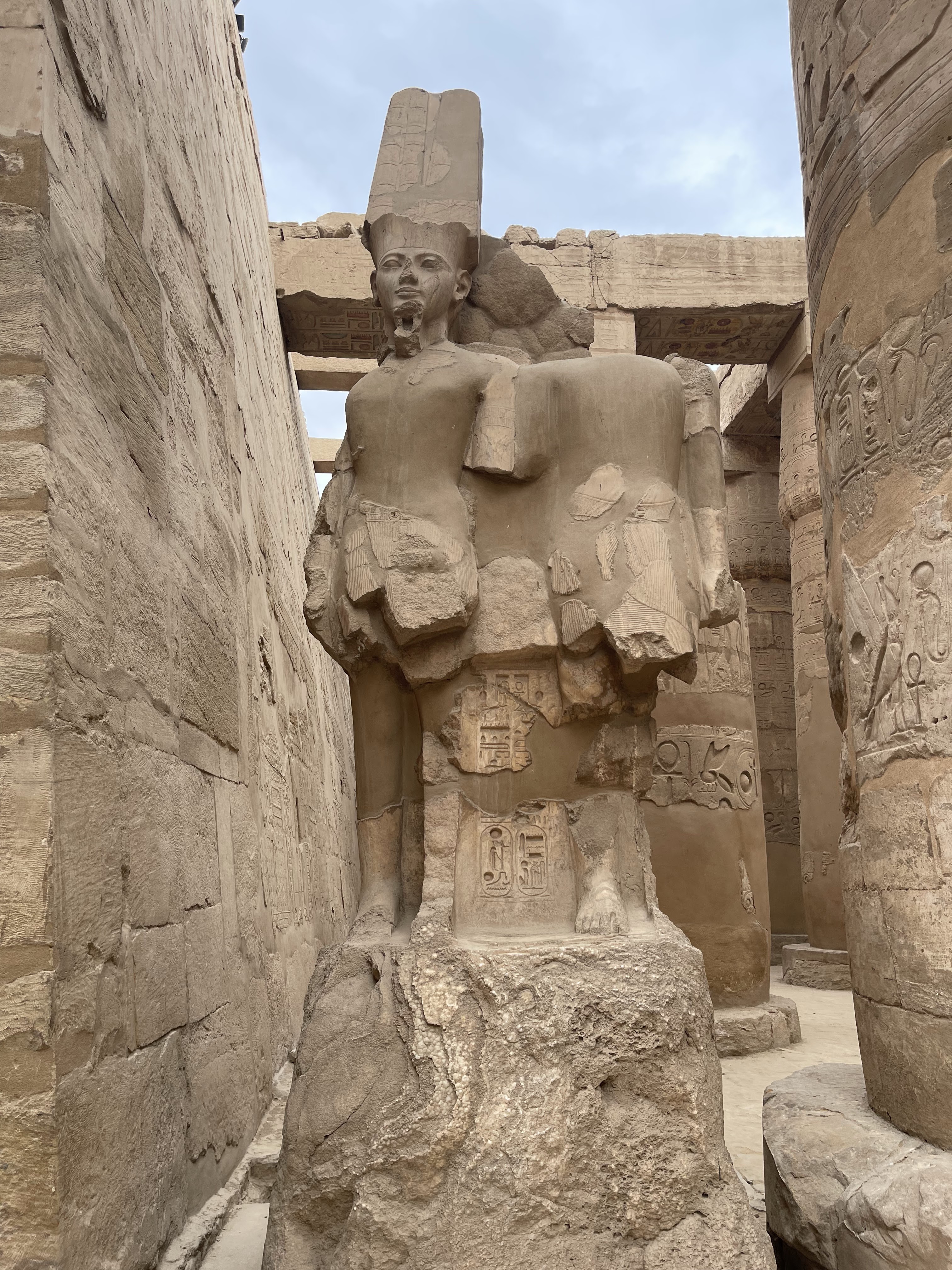
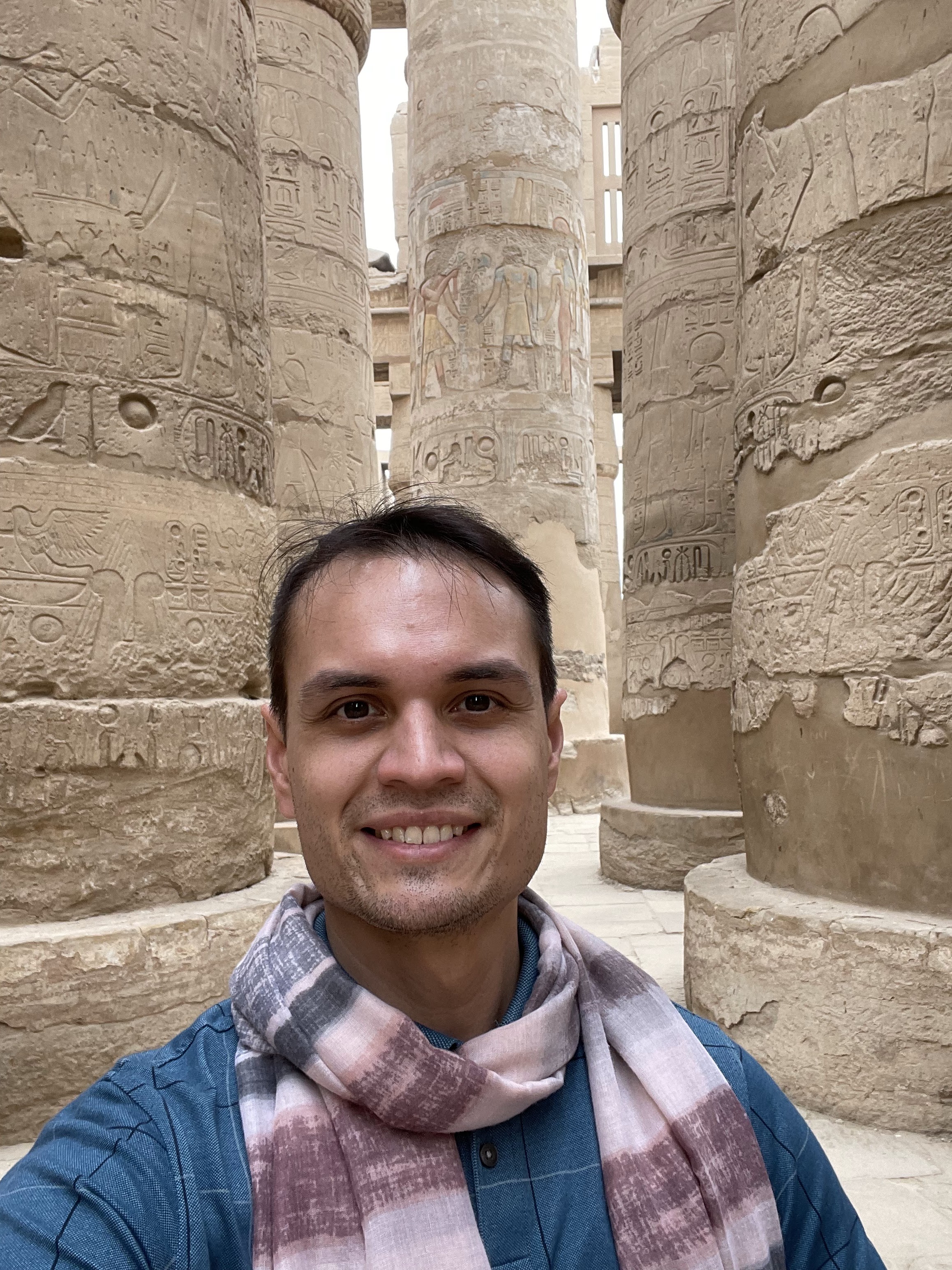
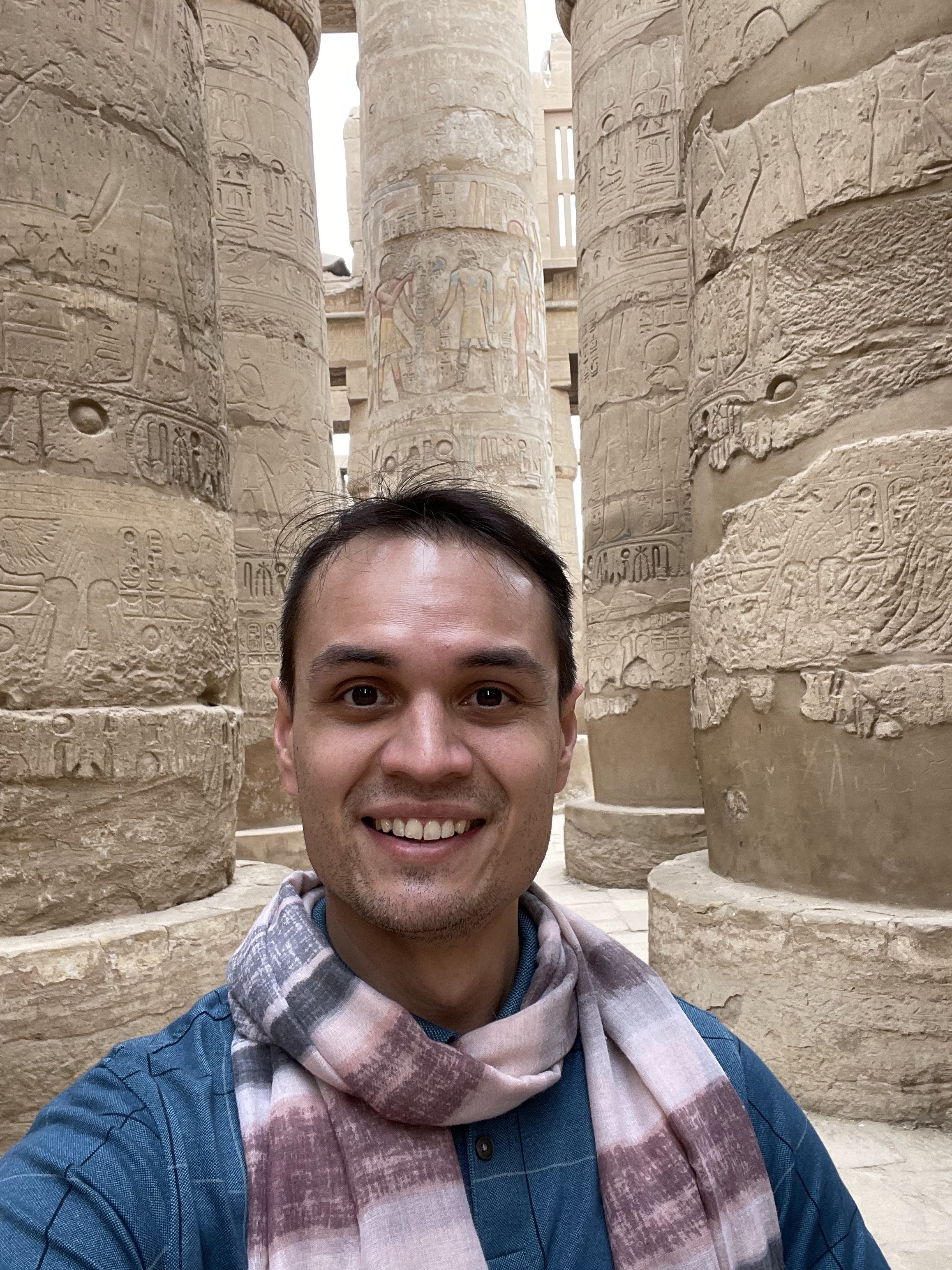
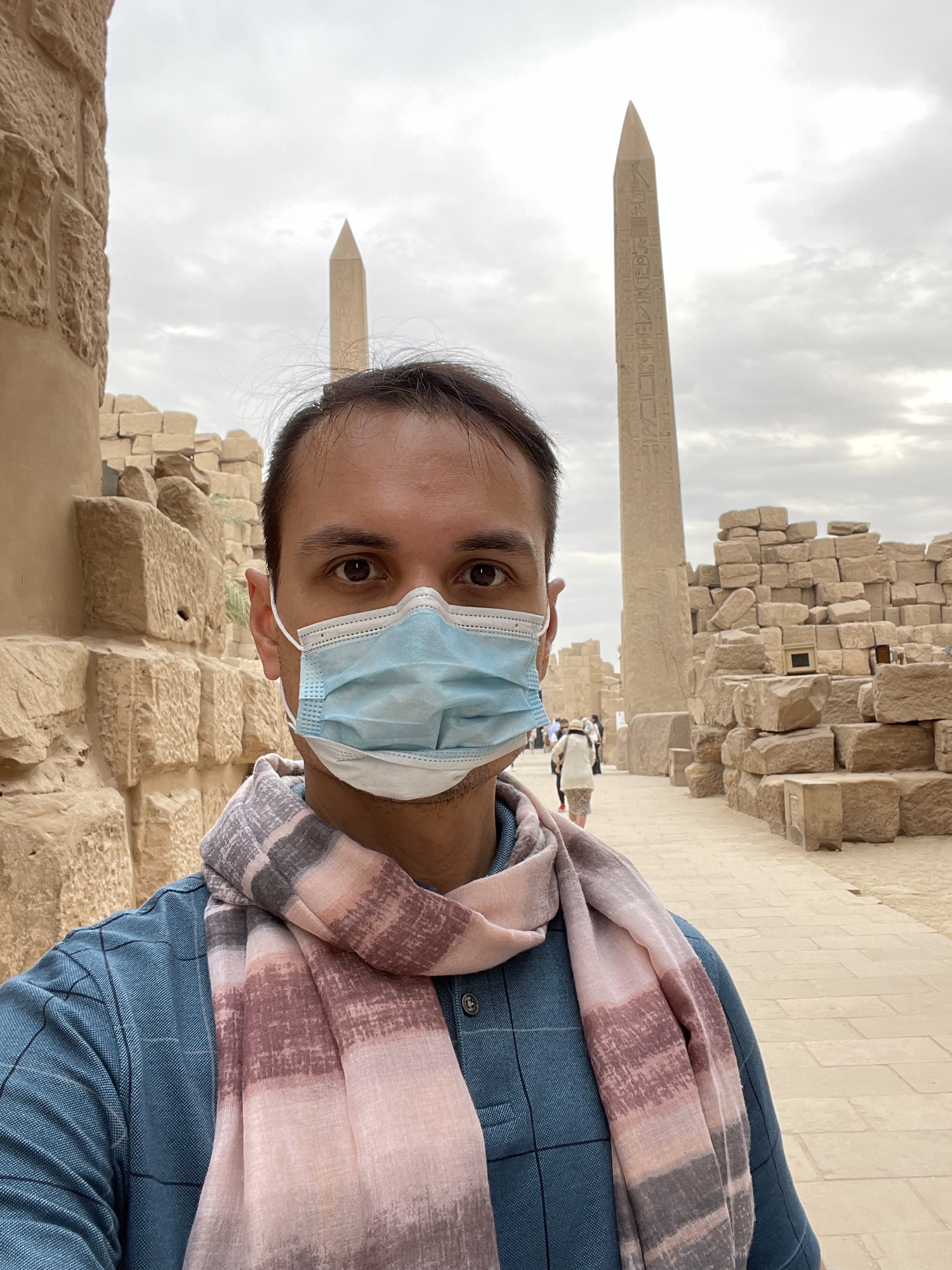
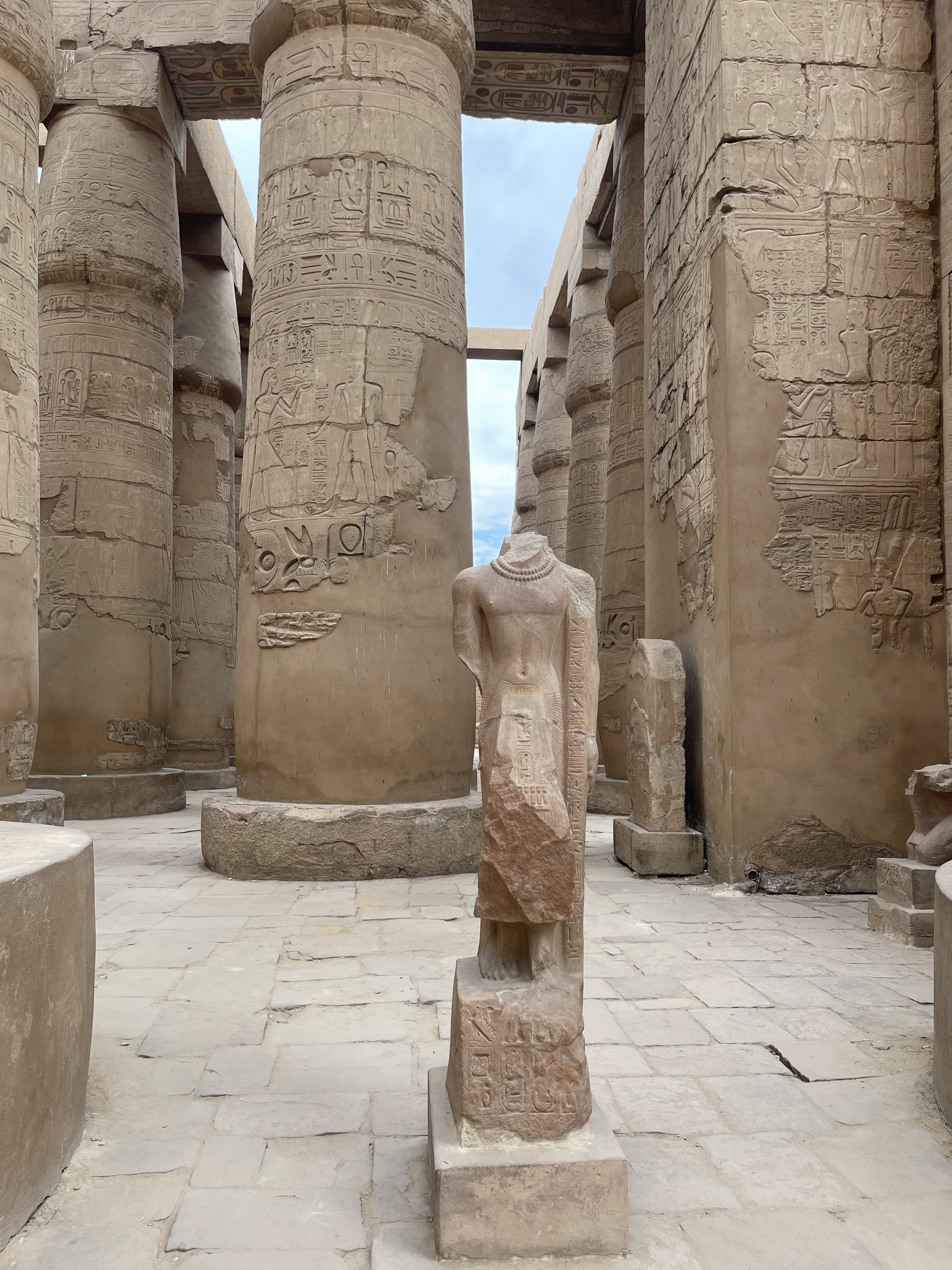
The last and final stop in Luxor before my flight back to Cairo was Karnak Temple. Just when I thought, Luxor’s stupendous statues towering over me couldn’t be more amazing, I entered this place. OMG. These ancient Egyptians really wanted to impress. Stone pillars for days served as the largest court in history. I couldn’t believe it. Relief paintings, stone etchings, sculptures, rows of rams, and sphinxes all took my breath away. Please read through the link for a detailed description of Karnak Temple’s significance. Over the course of my visit, I became a fan of King Thutmose III so I had to take a picture next to his statue (see below). To give readers an idea of how intertwined the Ancient Egyptian royal lineage was: It’s speculated that Thutmose’s father was Amhenotep I (the guy who effectively extended Egypt’s boundaries into Nubia), and his daughter was Hatshepsut, who later on became a queen. How did Hatshepsut come to power? Hatshepsut married her half-brother, Thutmose II, who inherited the throne from their father, Thutmose I, and made Hatshepsut his consort. When Thutmose II died, Hatshepsut became regent for her stepson, Thutmose III (who is touted as the best military strategist in Ancient Egyptian history), and eventually, the two became co-rulers of Egypt. If you think that’s complicated, read up on King Tut’s family lineage. There are holes in it because it was so long ago and whenever historians and archaeologists make another discovery that helps put pieces of the puzzle together, history itself is revised. By the way, Thutmose is a name derived from yet ANOTHER deity in Ancient Egyptian lore called Thot, usually depicted as having the head of an Ibis and the body of a man. For more information on the Egyptian gods, click here. It can be a bit tricky to follow how the Egyptians evolved their belief system over time, but it’s interesting nonetheless.
















Whew! Traveling is a project, but always worth it in the end! I continued onward to fly back to Cairo, stay my last night at Le Passage Hotel where I was reminded of how desperate some Egyptians are to make a buck because of the recent pandemic…but I took it in stride and respectfully expressed my gratitude in allowing me into their country. Before leaving I was talked into making one last trip to the Pyramids for a light show. Did I mention up-selling?
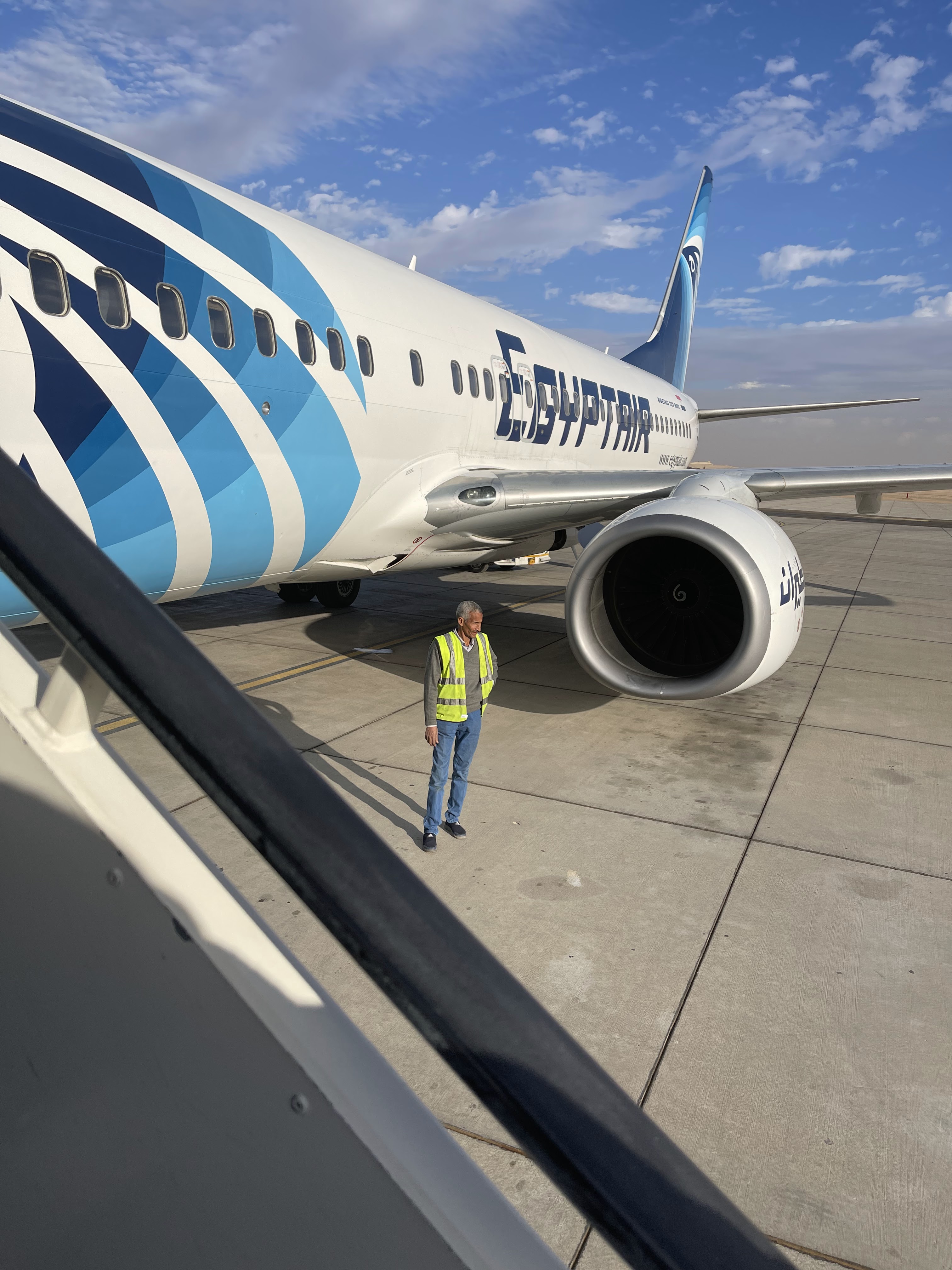
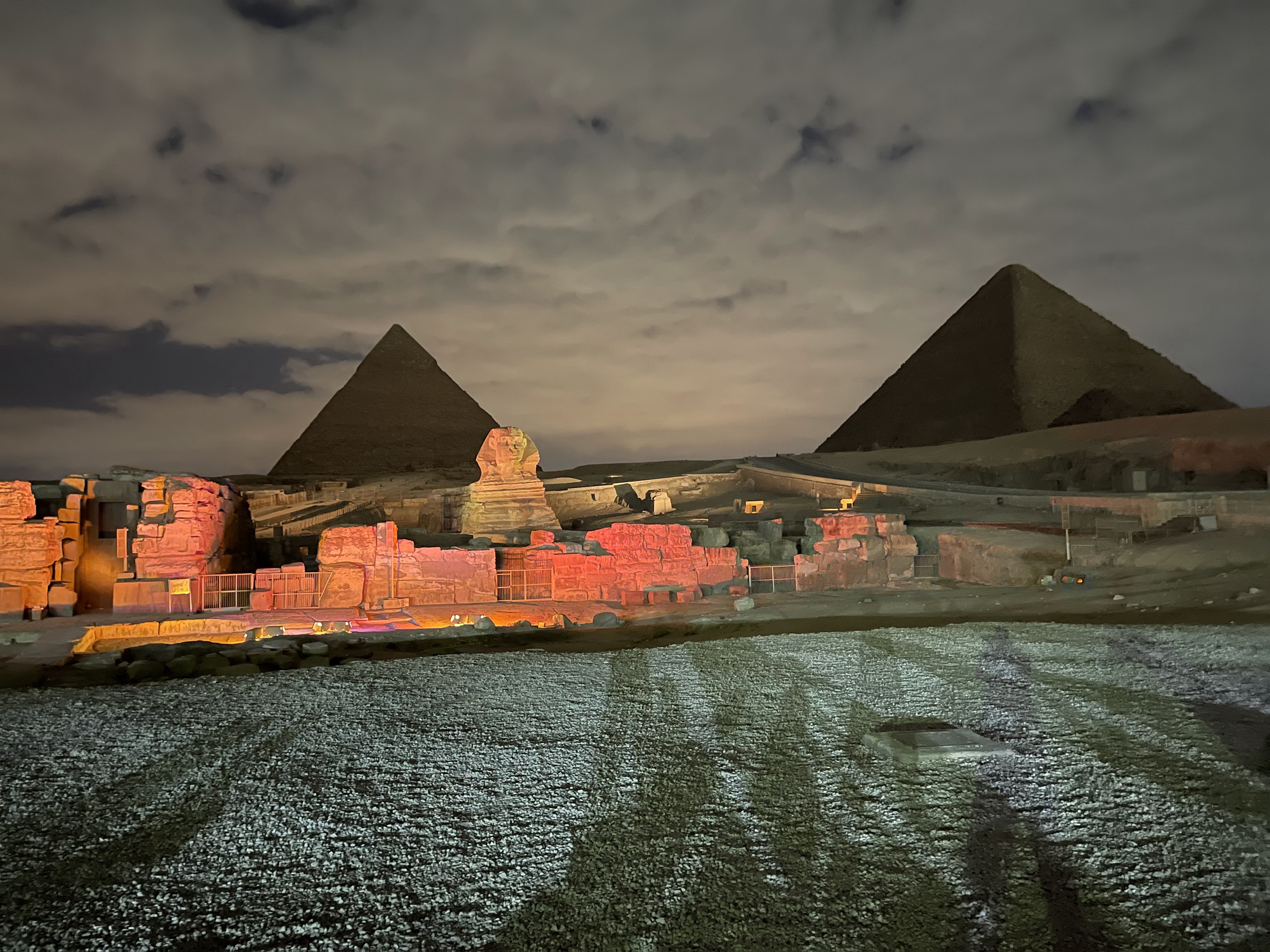
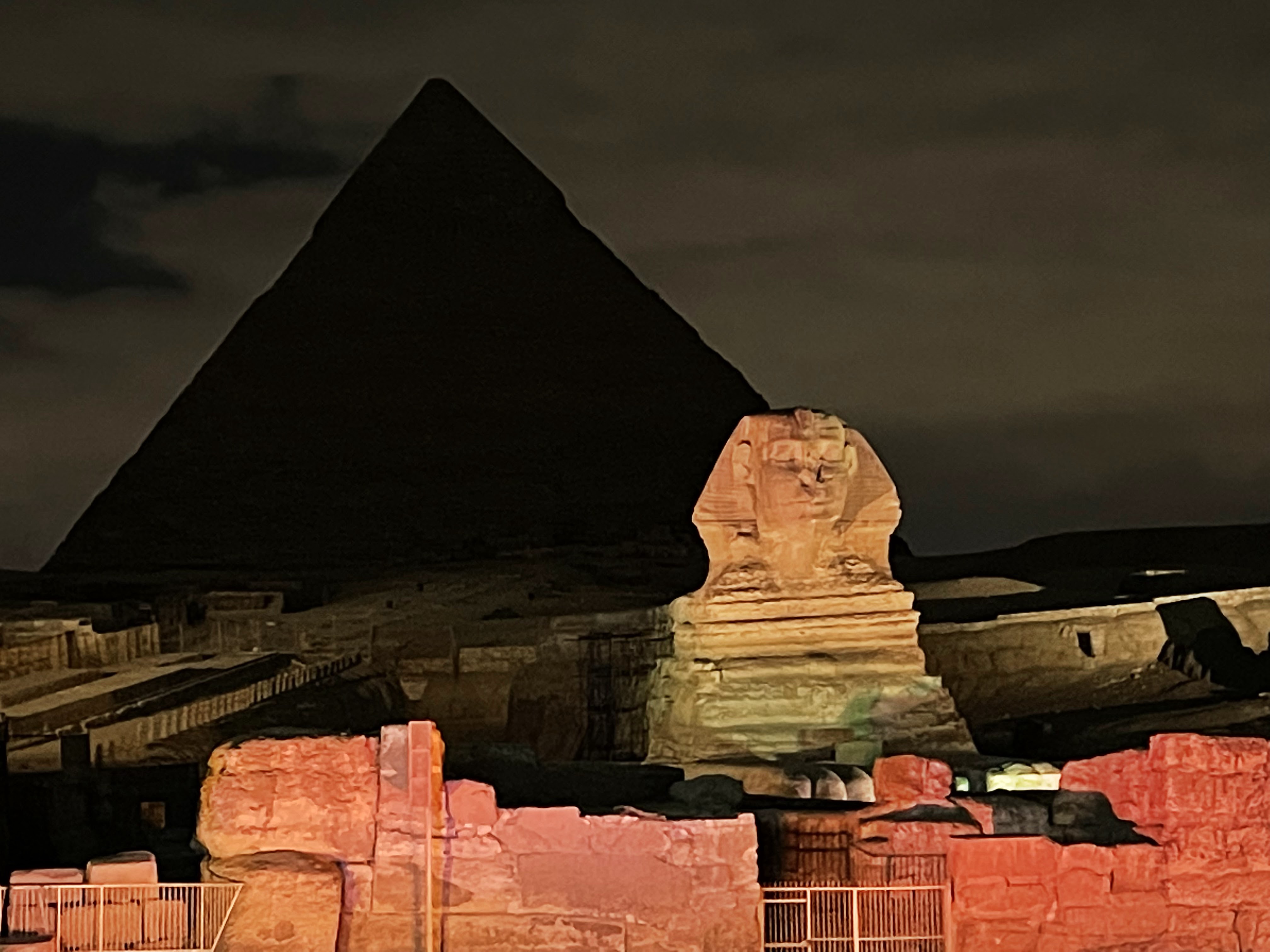
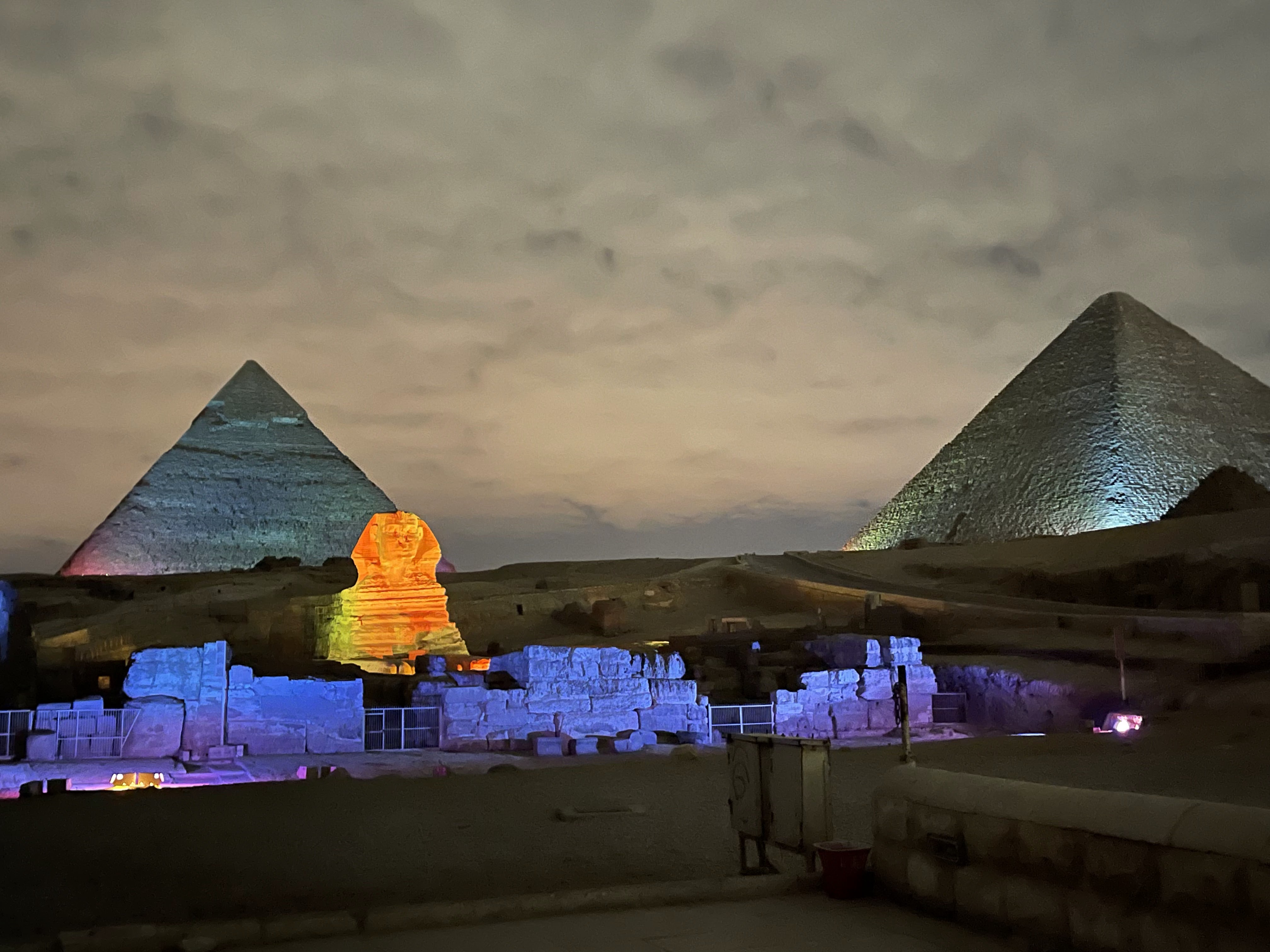
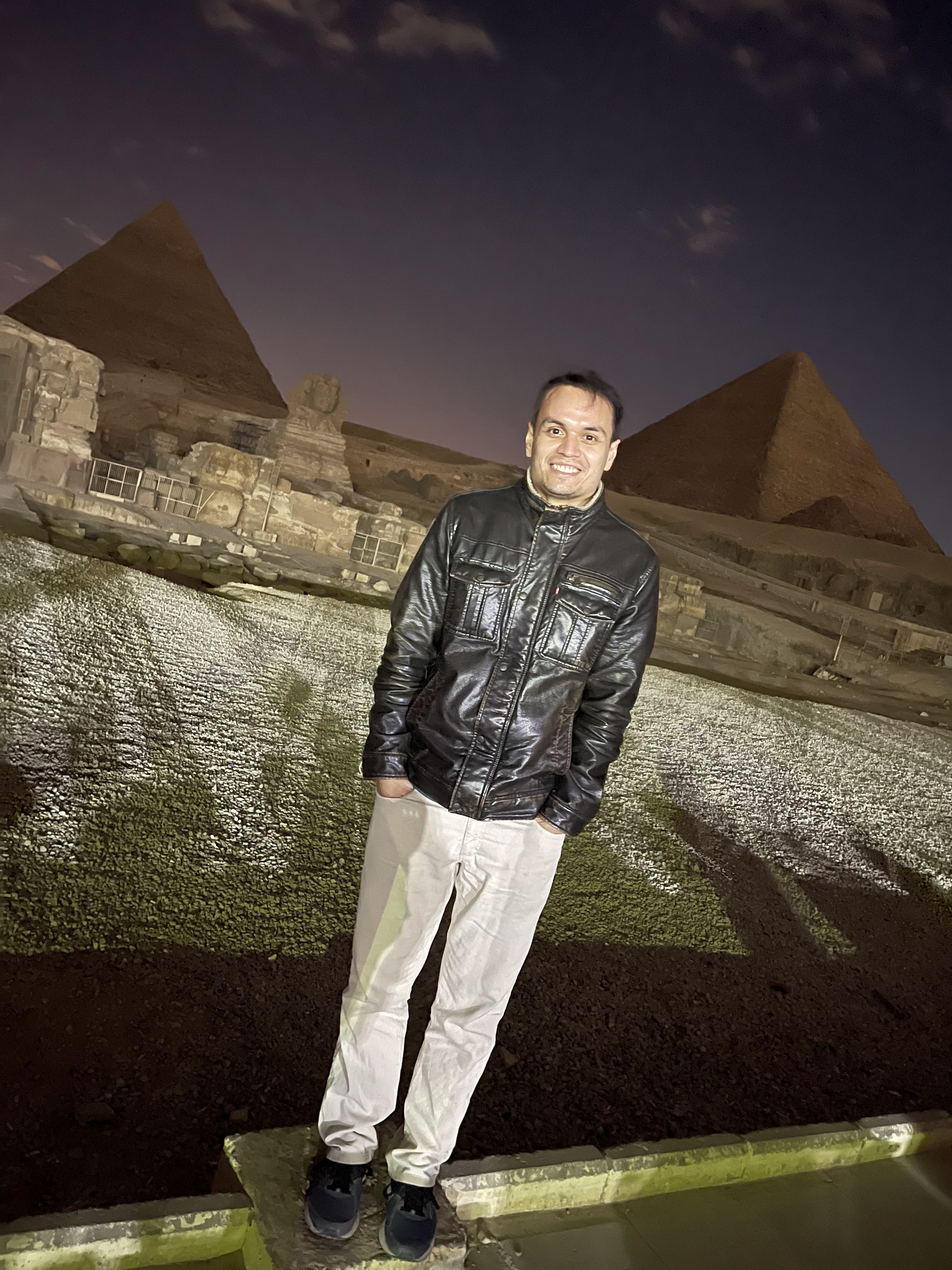
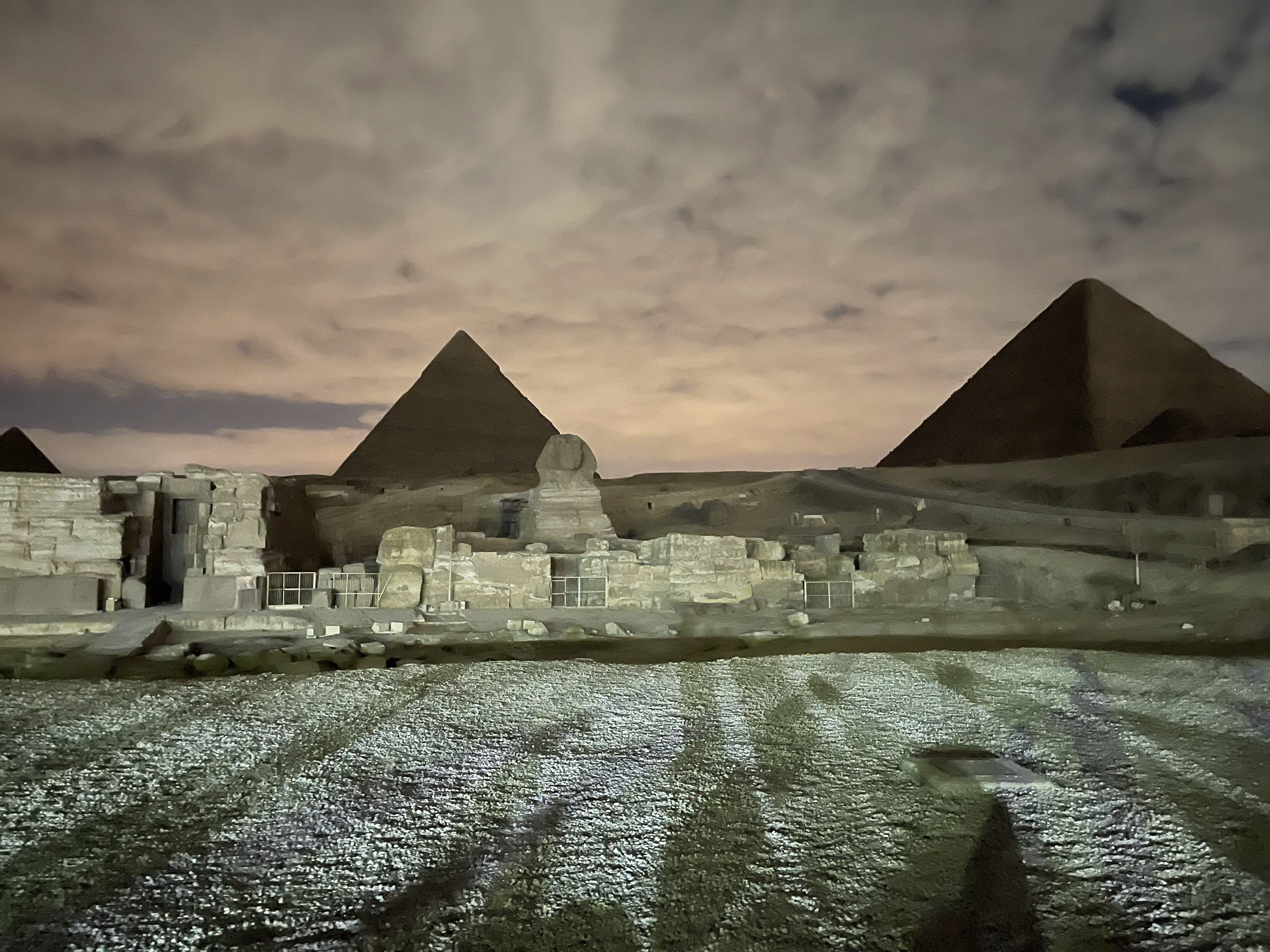
January 14th: Rest in the hotel until 3pm check-out, drive over to see the Pyramid Light Show (which is an outdated dramatization of Egyptian history synched to lights so I recommend you skip this unless you want to see the Pyramids at night…which I did). After the show, I was flanked by vendors trying to sell me wooden figurines and stone pyramids and had to continue to politely decline. I made some last-minute souvenir purchases at a shop across the street from the pyramids, drove to the airport, gave my last tip to the tour operator and driver, checked to make sure all my documentation was in my briefcase for boarding, then waited for my flight back to Dammam, Saudi Arabia.
On my journey back to work, I was completely lost in thought. Even though it was a red-eye flight, I couldn’t stop thinking about everything I had learned over the past 8 days. Traveling through the Ancient Egyptian cities and ruins helped me realize the drama that unfolded between Kings, Queens, and other royalty or noblemen and women. Aristocracy is never without drama and unfair treatment. For the sake of history, however, I tried my hardest just to imagine being there and seeing, smelling, and breathing the air of Ancient Egypt as it were over 2,500 years ago. This incredibly enriching week-long adventure will stay in my heart forever.
To give every reader of this blog perspective on the constantly evolving discoveries that are still being made today (not only in Egypt but the greater Middle-Eastern region), here is a link to the most recent excavations. I left it to the professionals at National Geographic. Thank you for reading this entry. Seeing Egyptian history with my own eyes has changed my life and I sincerely hope anybody with a desire to experience it will have their opportunity in the near future. Ciao for now.
I will make a video compilation of my trip as well so check my youtube channel for that. 🙂
Happy traveling,
Nattapon Jontom Abbett


Leave a Reply