

For the vast majority of us, getting up in the morning can be a difficult task. Some people bounce out of bed in a blaze of glory, while others slink out of bed like they’re in Zombie-land. In today’s society, “energy” is a word used to highlight someone’s positive attributes. For instance, the job interviewee who left a “high energy” impression, the actor who had “such great energy in the room” or the working parent who is always “on the go.” In business, a person’s aboard-room prowess and alacrity is impressive, but what about the playing field of an athlete? What keeps your cells fueled to sustain the rigors of work, family, exercise and life in general? It’s true that some foods debilitate while others invigorate. Let’s break it down.
From a personal standpoint, there are definite vicissitudes of energy that shift from mind to body like a pendulum. Some days, the brain is on fire and you feel like you’re on a limitless pill. On these days, your body feels in peek condition, and running 3 miles suddenly feels easy. It’s nothing short of a miracle if you think about it. The challenge however, is keeping your mind and body in balance, and finding that rhythm so more days can feel like this. Reinforcing our energy with a healthy body can sometimes be challenging, because there’s only so many hours in the day and so many motivational cells in our body to keep us on the right track. So what is this “energy?” How do we get more of it? Specifically, what foods and daily routines give us the right kind of energy we need to stay on our feet?
The human body is comprised of a series of complex systems. Of these, hormones (the Endocrine system) can drastically impact the level of motivation one has to exercise. In addition to biological systems, there are various factors that influence your fitness journey. These factors include your genetic predisposition, past injuries, the musculoskeletal system, and the one component that is easily the most controllable and most uncontrollable at the same time: DIET. Of this last component, our body gains energy (specifically ATP-adenosine triphosphate) from 3 main sources: carbohydrates, proteins, and fats. Consumption of food breaks down into substrates at the molecular level and stores energy in the form of ATP. Technicalities aside, there are many different ways to produce ATP, and the most EFFICIENT way is carbs. On the other hand, for those on a weight-loss diet, consuming less carbs and more protein will force your body to pull energy from your fat cells; ergo weight loss. Depending on your current level of fitness and goals, there are a variety of diets in the books from which to choose. The science can get complicated, but understanding where your body gets it’s fuel is the first step towards eating properly in order to produce the desired results. I speak about this in the following video as well:
Throughout my experiences as a gymnast, swimmer, ice skater, diver, tennis player, student, violinist, nutritionist (I think I’m done), and citizen of the world, I’ve found the following to be extremely helpful. If you’re wondering, playing a musical instrument is also quite taxing on the mind and body. Everything works as a network, so however you choose to apply your motor skills, there IS a method to the madness. I have assimilated the TOP 5 methods I personally use to boost my energy.
1.) Carbohydrates are compounds that include carbon, hydrogen, and oxygen. (Hence the phrase “carb-o-hyd-rates”…get it)? Starches, cellulose, and sugars are composed of these three chemical elements, and are an important source of energy. All carbohydrates are eventually broken down in the body to glucose, which is a simple sugar. Diabetics have to be especially careful due to the interruption of how the body naturally regulates sugar. (look up insulin if you’re interested in sugar regulation). To optimize your daily routine, and stay on your feet, these are the carbohydrates I suggest:
*Oatmeal, quinoa, brown rice, bananas, fruits of any kind (NOT JUICES), chickpeas, legumes, and nuts (unless you’re allergic). If you are an active individual, pastas and occasional bread won’t hurt. Key word: IF
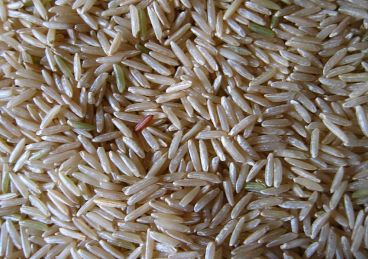
2.) Fiber-rich foods. A good way to easily add fiber to your diet is to boil some peas and put them in your main dish or simply eat them on the side. Peas are a fantastic way to not only increase your fiber, but also vitamin c and iron. Other natural sources of fiber include, but aren’t limited to: lentils, vegetables (leafy greens in particular), figs, chia seeds, and popcorn (WITHOUT the butter).

3.) Drinking natural fluids. Tea, and water over soda, fruit punch and syrup-rich beverages. Unless you’re 6 years old, and still bouncing off the walls, sugar is your enemy. If high sugar content is ingested suddenly, the body can’t compensate in time. Have you ever seen Andy Murray (tennis), Simone Biles (gymnastics) or Michael Phelps (swimming) drink anything but water? NO! There’s a good reason for this. Unless they’re short on electrolytes (more on this below), water is the choice of champions.
Most people buy soda and sugar-loaded iced teas without realizing just how much sugar they’re taking in. This leads to a sugar crash, which is when your body experiences fatigue after consuming large quantities of glucose. This most certainly will hinder any workout you attempt. Here’s why: Blood glucose spikes, insulin is secreted and glucose is suddenly absorbed by the muscles for either glycogen or future energy usage. Blood glucose then falls, which results in “the crash.” Some symptoms include: tiredness, lethargy, headache, fatigue etc. According to research by the American Heart Association (AHA), the average amount of sugar consumption recommended for men is around 37 grams per day. For women, it’s 25 grams per day. This is pretty much 2/3 of a can of soda. Yup, this world has a surplus of badness, and it’s up to us to regulate it. Your best bet is to stick to water. Sugar adds up quickly, so a good rule of thumb is to eat sugar sparingly; easier said than done, but the rewards will be unfathomable in the long-run.
I should also add that there is a flip side to sports drinks, and I have personally experienced this. If you over exert yourself, an electrical conductor called “electrolytes” plays an important role in sustaining your energy. For the high-performing athletes out there who can relate to over exertion and near-vomiting episodes, this conductor is running low in your body and is the reason why people sometimes see flashes of white after too much exercise. I’ve been there as a figure skater, and swimmer and the best remedy was a quick trip to the vending machine to down a sports drink. Voila! I had energy again. This is due to the replenishment of potassium, a bit of magnesium, sodium and even sugar within your blood stream. It’s quite magical, and is only for the athletes of the universe. Most of us (including me in my present adult body) should ONLY DRINK H20.
3.) EAT YOUR PROTEIN. If you’ve been reading all the latest research on energy sourcing, protein is the key to power for both your brain and your body. As a rule of thumb, people should consume .5 – .7 grams of protein per lb. of body weight (aka: 1.2 grams of protein per kilogram of body weight). Take note that this is for the average healthy human being that doesn’t undergo strenuous physical exertion on a regular basis. Unless you’re currently starving (which I sincerely hope is not the case), the protein you eat will go directly towards building tissue; be it muscle, nerve, bone or brain.

Put into biology terms, omnivores are smarter than herbivores. We need protein to build both our brawn AND our brain. If you’re a vegetarian, you still have PLENTY alternatives to attaining the optimal amount of your daily required protein. These include tofu, edamame (the Japanese green bean appetizer for those who aren’t familiar), chickpeas, soy based products among others. On the other hand, fish and chicken are the most cholesterol-friendly choices for non vegetarians. This is mainly due to the fact that chicken and fish have less LDL cholesterol. More on that here: Cholesterol
4.) Co-enzyme Q 10 supplements. Along with sparing use of daily vitamins, I like to throw this guy into the mix once in a while. Q 10 is a chemical substance that acts as a catalyst for the Electron Transport Chain, which is an oxidative method used by your body to obtain energy. It has helped boost my focus and brain activity, and could possibly do the same for you.
Disclaimer: Please ask your physician before taking any supplements. I am not a doctor. I am however, an all around athlete that happens to know a thing or two about exercise and nutritional fitness. These words are meant to assist you and help you realize for yourself what works, and what doesn’t work. I hope to provide some science behind the noise that you may be hearing through various media outlets. I guess you can say that the curiosity planted within me during my brief stint as a pre-med student has lasted well into adult-hood and it’s serving me well.
5.) Sleep. Get as much as your body needs. Rumor has it a gene was discovered which decreases the amount of sleep required in people who possess it. The gene: DEC2, exists in 3% of the population and scientists hypothesize those who possess this gene only need up to 6 hours of sleep to function at their full potential. Here are a couple links to interesting articles on this topic:
I (like most people) need at least 7 hours EVERY night. Otherwise, I function like a piece of lettuce.
There you have it. The top five ways to sustain your energy. Most of it is through what you eat. So be wise, be well, hydrate, and I will be writing about strategies I use to relax my mind in the next blog entry. Ciao.


Leave a Reply