
A border refers to a confinement of space that holds a physical body within a region of constraint. That’s the logical definition without the politics. Being in the United States, I have learned to appreciate the relativity that swings in my favor for various reasons, much like a German citizen, Thai citizen or other stable nation that pulls from their internal strength rather than external.
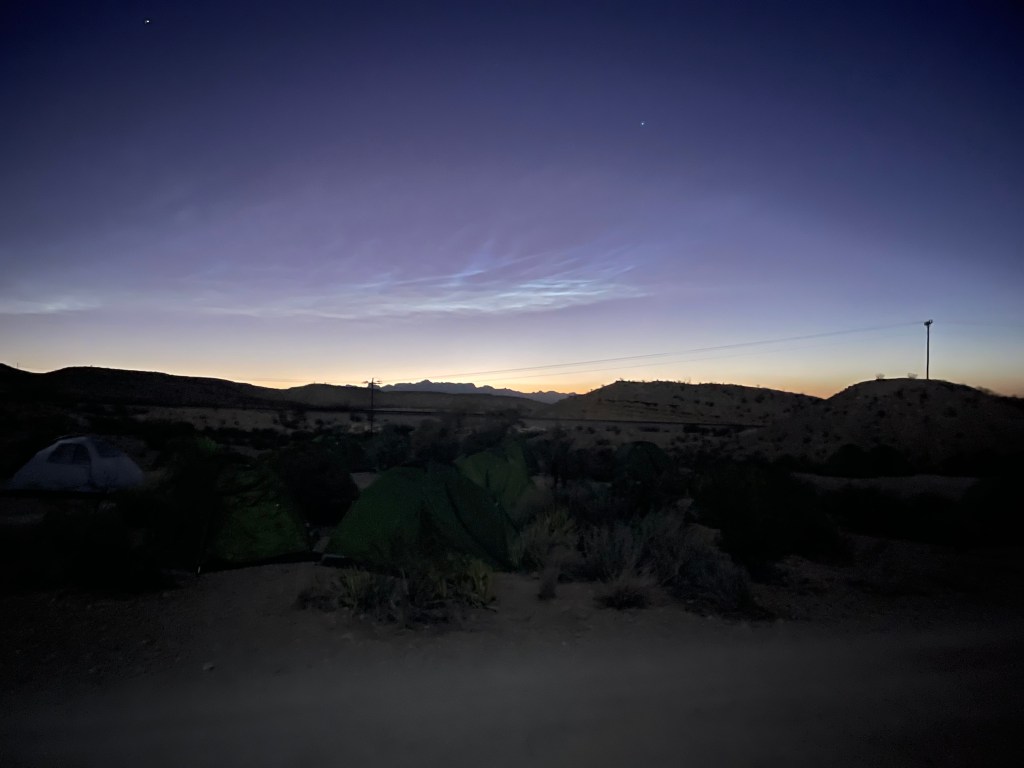
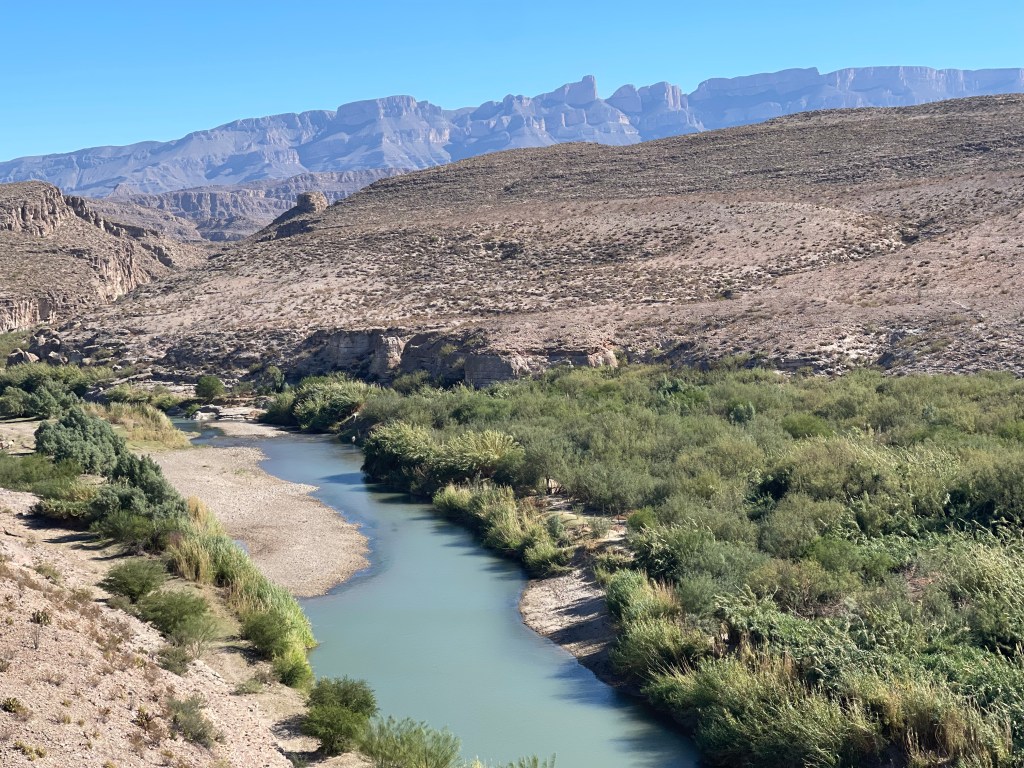
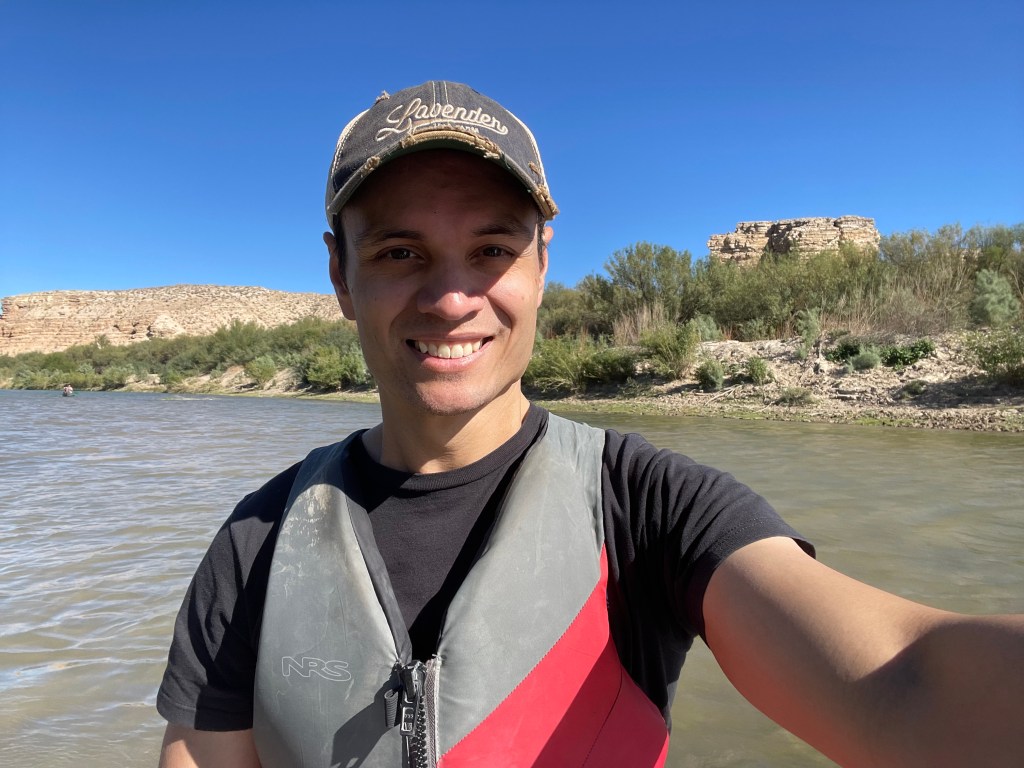
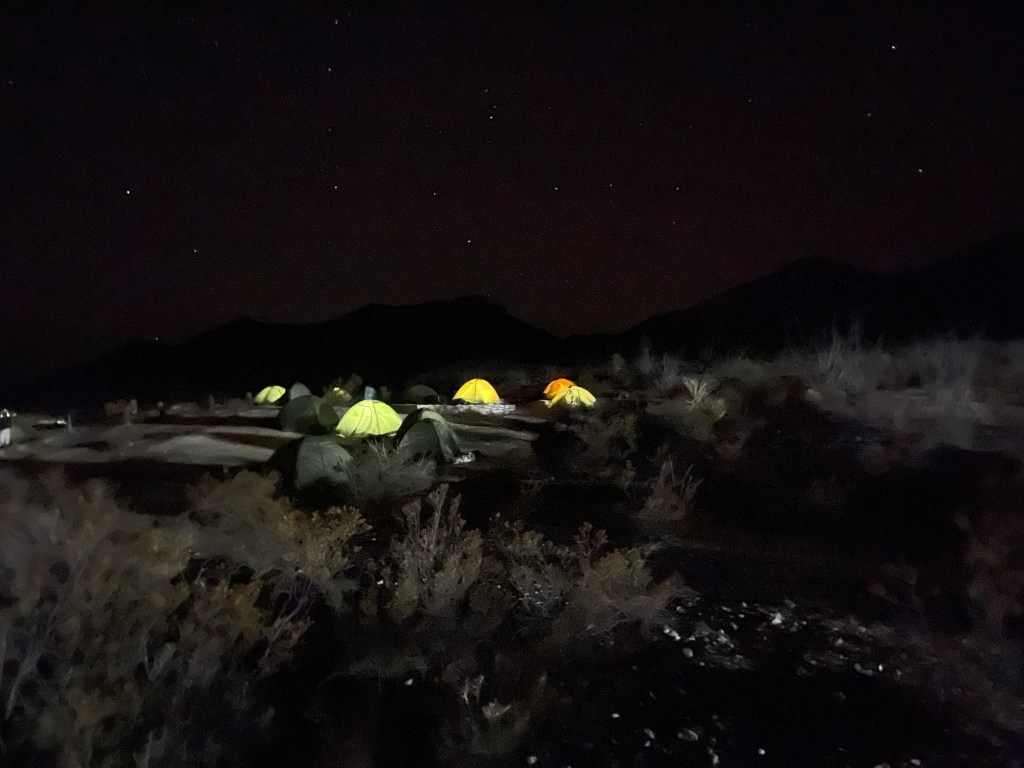
When I was given the opportunity to visit one of the greatest national parks in the US, I didn’t really have to think too hard about it. The trip would involve camping in the desert of southern Texas, star-gazing up at one of the darkest night skies in the lower forty eight, canoeing in the Rio Grand and hiking on the actual border between Mexico and the United States. It isn’t a trip I typically default to as an excursion, as I much prefer exploring countries and/or geologic ocean sides. However, this was a unique opportunity that permitted travelling alongside an international group of people while exploring and learning about plants and animals that coexist between two countries; It was difficult to turn down.
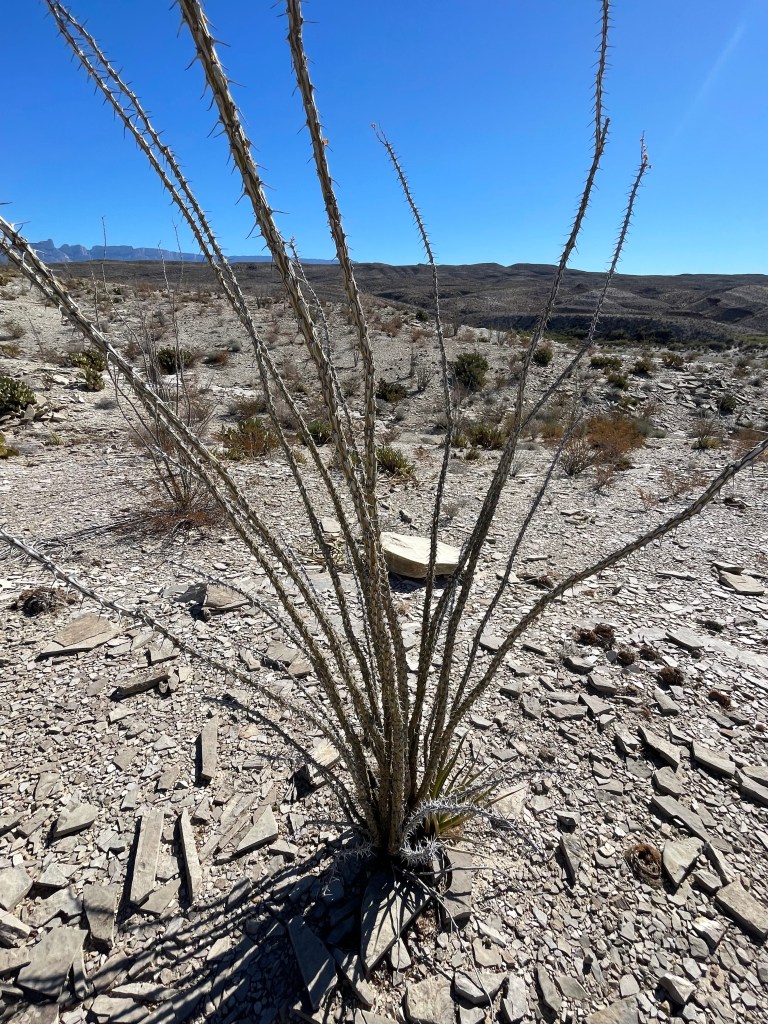
Limestone, granite and sandstone are ubiquitous around earth’s various geologic landscapes. The US has it’s fair share of towering structures with cascading red-stained peaks due to oxidation. The trip included several shooting stars, a highly visible milky way, and several short hikes through the desert trails surrounding the Rio Grande. I particularly appreciated the knowledgable tour guides who helped educate us about the foliage and existing animal and plant conservation efforts in the area. Words like Ocotillo, Mesquite and Juniper were part of a dynamic conversation during the trip to the hot springs and we also learned about their origin, most of which were Spanish. One of the pieces of trivia I will always remember is that Ocotillo means “little torch” in Spanish, a perfect description of the spiny plant that was visible throughout the region.
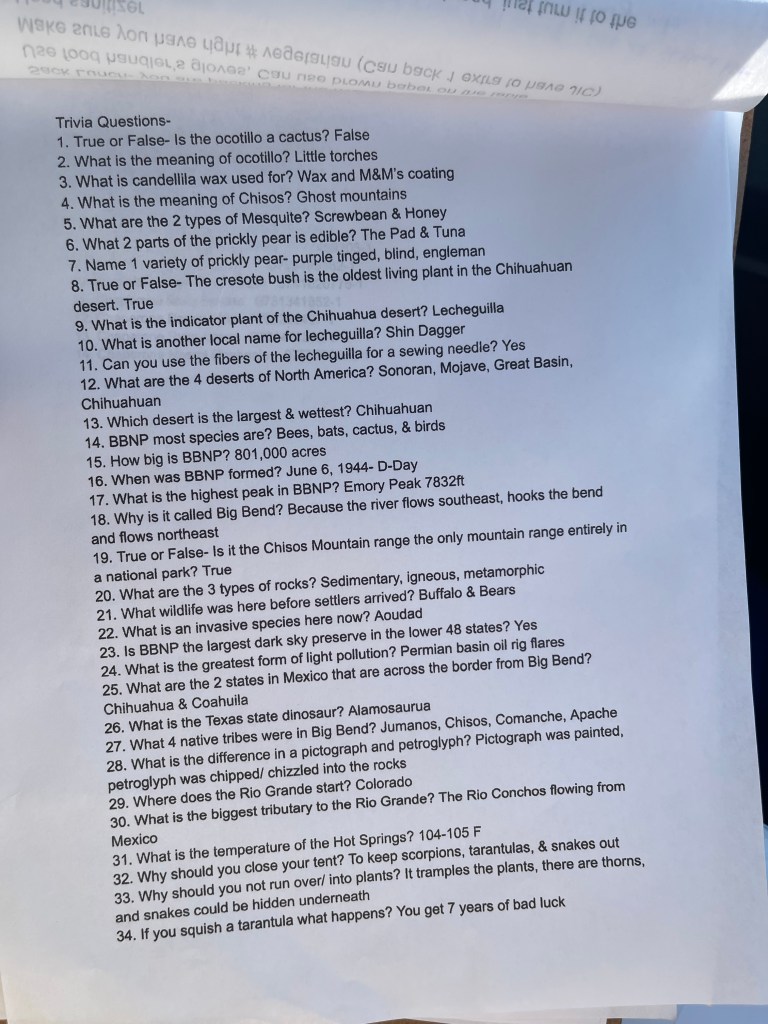


While traveling through natural landscapes such as this, I always question whether our modern day medicine are any more effective than the ones used by the natives several hundred years ago. Learning of cactus salves, herbal remedies and aroma therapy in the Mediterranean and now here in the US strengthens the claim that natural remedies are statistically no less effective than the curated ones big Pharma places on all the shelves. The Ancient Egyptians were extremely skilled with what they had and passing through the border between the US and Mexico reminded me of how important it is to remind ourselves that water and natural vegetation can often be the best remedy to many ailments.
After the trips through the Chihuahuan Desert and learning about the the 46 species of prickly pear cactus, we ventured onwards to a Ranch closer to Houston. This trip was short but highly educational and served a friendly reminder to maintain awareness of the environment in which we live. It was a trifecta of borderless experiences: the earth and the wonders beyond earth that stretches into space, the calm between the border of Mexico and the US despite the white noise in the media, and finally, the juxtaposition of a modern group of people set in a sandy, wind-whipped Mexican-American-Texan landscape. This life of limitless observations continues.
Gracias,
Nattapon Jontom Abbett
 Nattaproblem
Leave a comment