

It’s ironic that I lived in Los Angeles for six years without visiting Mexico. The neighboring country has brought many unique attributes to the greater American landscape. Mexican culture is omnipresent in the US and although many traits that are true of Mexico can be seen in other Latin American countries, there’s a dependency between the US and Mexico that challenges us to emerge as stronger, more understanding individuals. Mexico’s rhythms and beats are mixed within various communities in the US and their spicy tacos and enchiladas have inspired successful chains such as Azteca and Chipotle; not to mention the myriad of tasty taco stands and food trucks that are guaranteed to be found in every major American city.

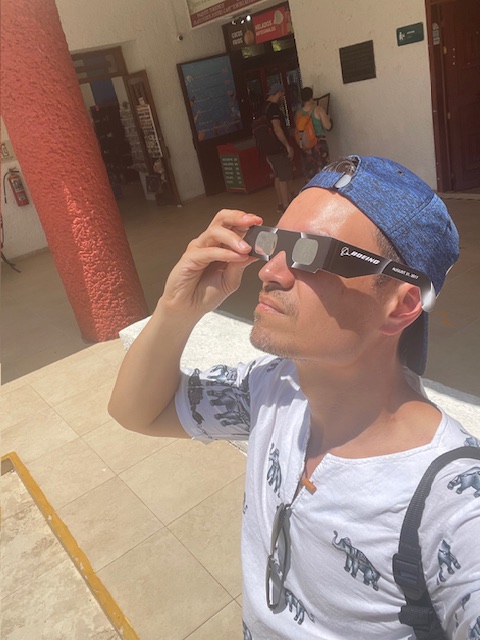
So, my awareness of this culturally rich country has been imbedded into my education and to say that I was excited to explore the Mayan ruins within the Yucatan rainforest is an understatement. I was first made aware of the pyramids in the Yucatan because of The Jungle Pyramid, the 56th installment of the Hardy Boys franchise. Almost 30 years after reading that book in elementary school, I finally had the opportunity to peregrinate throughout the peninsula for myself.



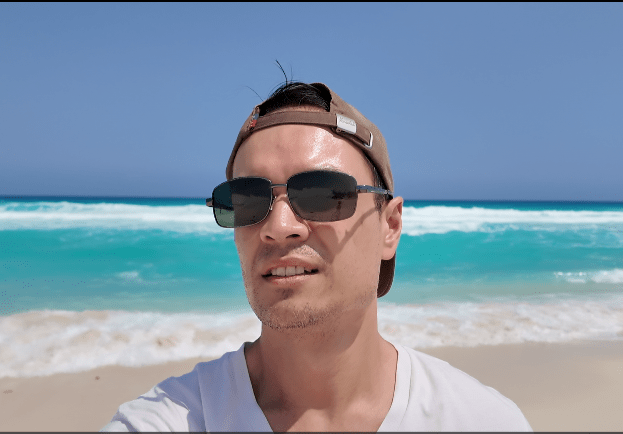
My first destination was Cancun and since my penchant for the age-old fiesta has subsided quite a bit over the years, I immediately searched for nearby ruins and historical sites instead of beachside Cantinas where one can get, shall we say, “borracho.” This would have to wait a couple days however, because the bus routes around Quintana Roo took me a bit longer to navigate than I expected. I also had an issue with my SD memory card for the new DJI Osmo Pocket 3 camera that I purchased so I needed to hunt down a store that had one. This was challenging, but I finally found a Radio Shack that had the correct specs on their micro SD cards. Whew!
The city of Cancun has come up in numerous conversations, and for me it all started in college. Many people talk about the beaches and the fiestas, especially during Spring Break. Those hotspots are great for business but I’m now more into nature adventures, ruins and historical or geological sites. Age does that to the youthful spirit. That being said, when I started researching the beaches and the various activities that were offered in the area, it became apparent that the Mayan Riviera is famous for a good reason. In addition to the powdery, soft, white beaches, there are snorkeling, scuba diving, hiking and diving excursions that you can enjoy. The most famous part of Cancun is the “seven,” aptly named because it’s a beach route that is shaped like the number seven. Like many other gorgeous locations within the Mediterranean and the Caribbean, the coastline is exceptionally turquoise, because water in that location of the tropics absorbs the major primary colors, except for blue; that’s what you’re left with on the surface and it makes the water incredibly alluring.
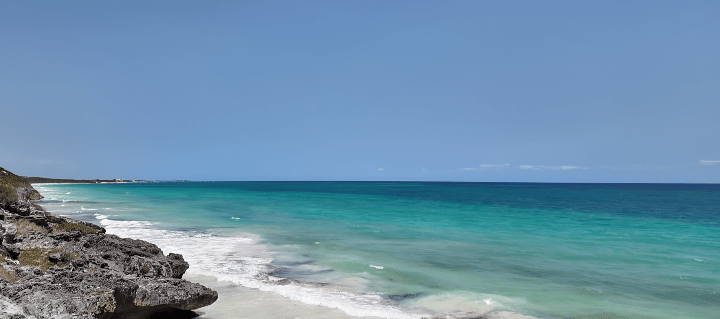
Arriving in Cancun International Airport, visitors will have to travel north for about 25 to 40 minutes, depending on the location of their accommodation. There are many options available to tourists. The more pricey ones include limo service, taxi service and hotel shuttle (pre-arranged through the hotel), and the more affordable services include buses, specifically the ADO bus. Upon exiting the airport, visitors are greeted with a sea of taxi drivers that ask if you need a ride. I immediately veered left and went up to the ADO ticket counter to purchase a ticket. Tickets can also be purchased online. It cost me $160 pesos (roughly ten dollars). Taxis will ask for $400 pesos plus, depending on your level of Spanish. Also worth noting is that Uber does not exist in Cancun, but this is ok because the bus system was very convenient so if you’re on a budget, need not worry. The ADO bus took me from the airport to the central Cancun bus terminal and from there, I walked ten minutes to my accommodation. After dropping off my bags, I went out for a late night taco then returned for some much needed rest.
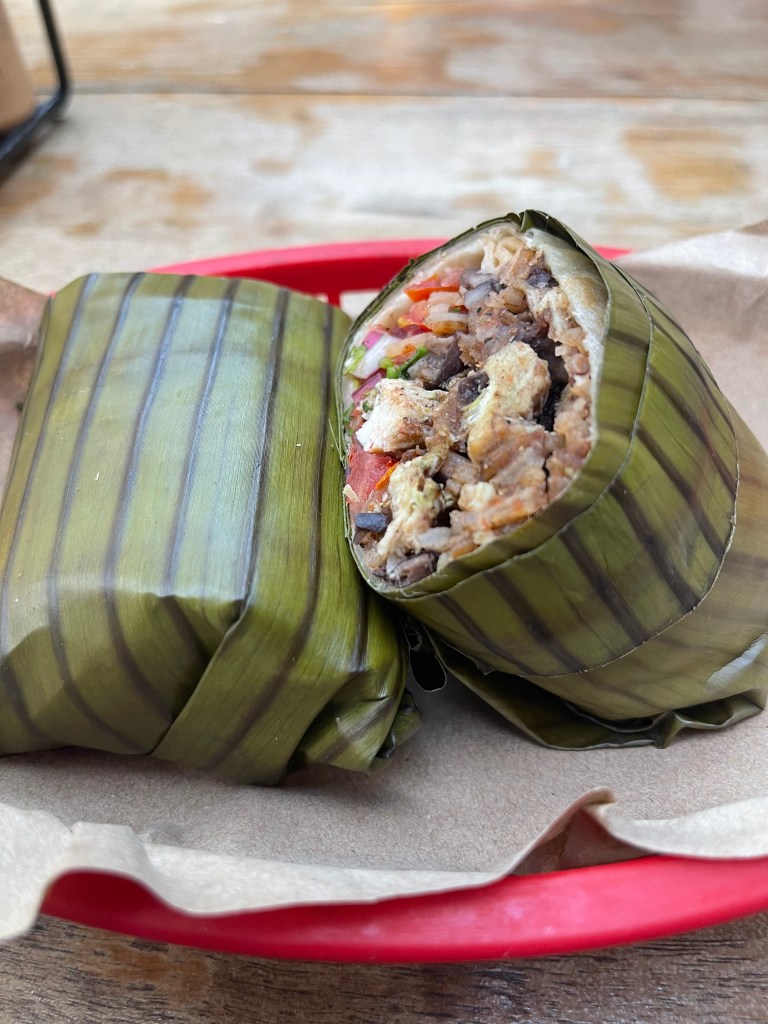

After a delightful home-made breakfast made by my host and an entertaining conversation with a German couple (I keep running into Germans on my trips), I decided to purchase a 4 pm ADO ticket to Playa Del Carmen, check my bags into a baggage storage facility near the Cancun bus terminal and explore the Cancun beaches for a few hours. Buses are readily available in the hotel zone and for a mere 12 pesos, tourists and locals can take a ride to their desired beach. The Germans I spoke to earlier highly recommended Isla Mujeres, Playa Marlin and Playa Delfines. Since I was pressed for time, I only explored Playa Delfines and was not disappointed. The sand was white, soft and powdery. It felt like walking on a large platform of sandy, stress relief balls; extremely therapeutic. After my beach walk, I waited for another bus at the bus stop and rode all the way back up the seven to a couple stops before Boulevard Kukulkan ended and walked the rest of the way to the ADO terminal for my trip to Playa Del Carmen.
A note about safety: The Yucatan and Quintana Roo are two of the safest provinces within Mexico and it is due to the constant presence of law enforcement officials. I saw trucks with military personnel holding rifles going up and down the beach route and policemen were everywhere; similar to Egypt if one has ever traveled there. It was clear that safety was a large concern and Mexico was doing it’s part to ensure comfort and safety for it’s visitors. Except for the two incidents where a dog barked at me and tried chasing me down the street (in Valladolid and Merida…more on that later), I didn’t once feel unsafe during my weeklong trip. A word of advice from an avid traveler: unless the safety concerns are being voiced by a local or a traveler who has been there or lived there, take the safety precautions that are issued by the US government and the media with a LARGE grain of salt. A level 2 (even level 3 in some instances) generally means the travel destination is about as safe as Los Angeles, Chicago and New York. In other words, use good judgement, don’t wear flashy jewelry and avoid walking alone at night in dimly lit areas of the city as much as possible. Mexico felt very safe and the people are as generous and warm as ever.
After the breezy experience in Cancun, Playa Del Carmen was more touristy with bars and shops all clustered around one location along the beach. It reminded me of a major shopping center in any major city…but on the beach. After speaking to some locals I learned that Playa Del Carmen is reaching a plateau and real estate is slightly more affordable than Tulum, especially if said investor is interested in sustainable, environmentally conscious plots of land and/or businesses. It was humorous how locals in each of the three towns thought their beaches were better than the others. In my opinion, the beaches are all wonderful. Playa Del Carmen was where I attempted to visit my first Cenote that was fifteen minutes away Chaak Tun. This is where traveling becomes a bit tricky, because this cenote requires some planning so if you like cave diving, check it out.
My two main goals in Tulum were: Ruins and cenote(s). After initially booking a tour, I cancelled and decided to rent a scooter and travel myself. I wasted $600 pesos ($38 USD) on a taxi to Chaak Tun Cenote in Playa Del Carmen, and this minor financial setback prompted me to explore on my own. Many Cenotes are capitalizing on the increased interest and some of them are quite costly. Researching carefully beforehand will alleviate any confusion. Chaak Tun charged $850 pesos for a tour and they alleged that touring on your own is not possible due to safety concerns. This was one of the reasons I decided to forego any cenote adventure in Playa Del Carmen and wait. My checkout time was in two hours and I needed three to explore the cenote. The taxi driver was also not willing to wait three hours for my ride back. Plan carefully. I quickly learned that there are 4 main ways to travel to and from ruins and/or cenotes:


Tour: booked through viator or a competing tourism service (most expensive option)
Taxi: flag one down and negotiate prices before getting in. Another option is to hire a taxi for the day. Many taxi drivers are willing to be your personal driver if the price is right.
Colectivo: white vans that collect locals and visitors for trips along the main highway that allow travelers to visit each major city along the major highways. Colectivos are always going to be in front of ADO bus terminals and major grocery stores. They cost 12 pesos each way and the driver will only begin the journey after the bus in full. I didn’t try this option but next time I’m in Mexico I will give it a whirl for the local experience.
Scooters and Vespas: Looking up scooter rental facilities in Google Maps will reveal numerous rental businesses that are safe and secure. They will ask travelers for a holding deposit of $1000 to $3000 pesos CASH (depending on the company) OR your passport. It is perfectly secure and safe. I went through suspicions of money laundering etc…but it’s to insure their vehicle gets back safely and securely. Scooters are between $450 and $600 pesos for a whole day and although convenient, going 60km/hour on the highway was a bit precarious and unless the driver is experienced and enjoys adventuring on a motorbike, it is the most physically risky option out there. Fortunately, Mexico enforces a strict helmet law and many motorcyclists wore them for protection. I had travel insurance that covered scooters and motorbikes so I felt at ease when I rented a bike in Tulum and Valladolid. More on that later.
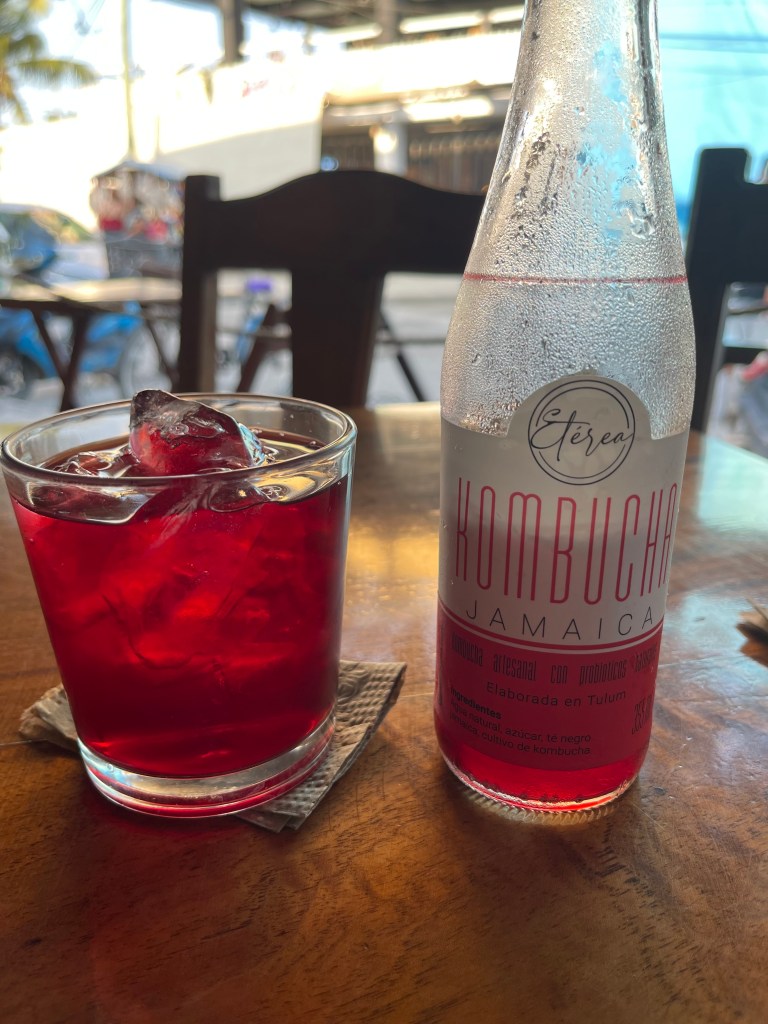


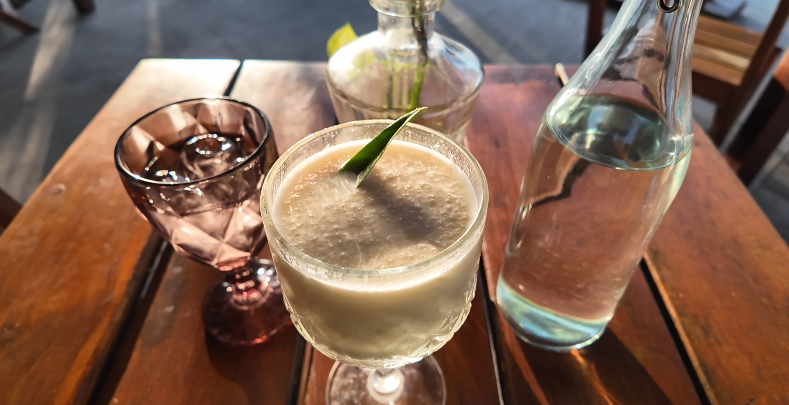
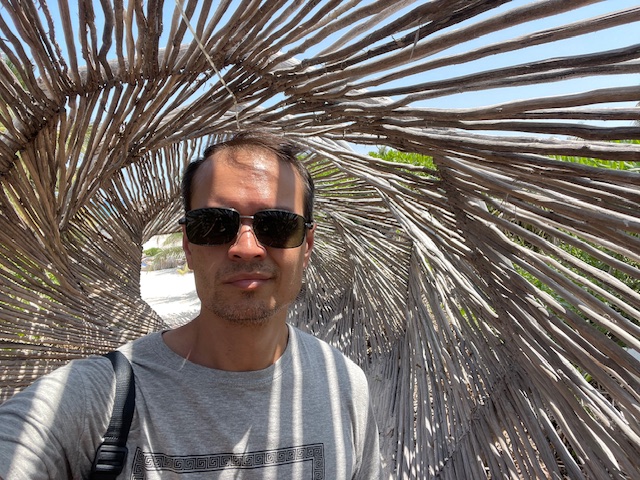
The Mayan Riviera is a heavily invested paradise and construction projects increased as I traveled further south. There were numerous luxury retreats, sustainable, green certified hotels and many developments under construction along the La Costera beach road that leads up to the Tulum ruins.
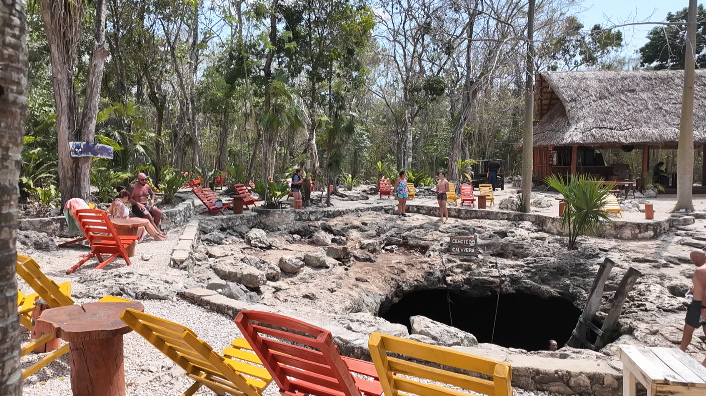
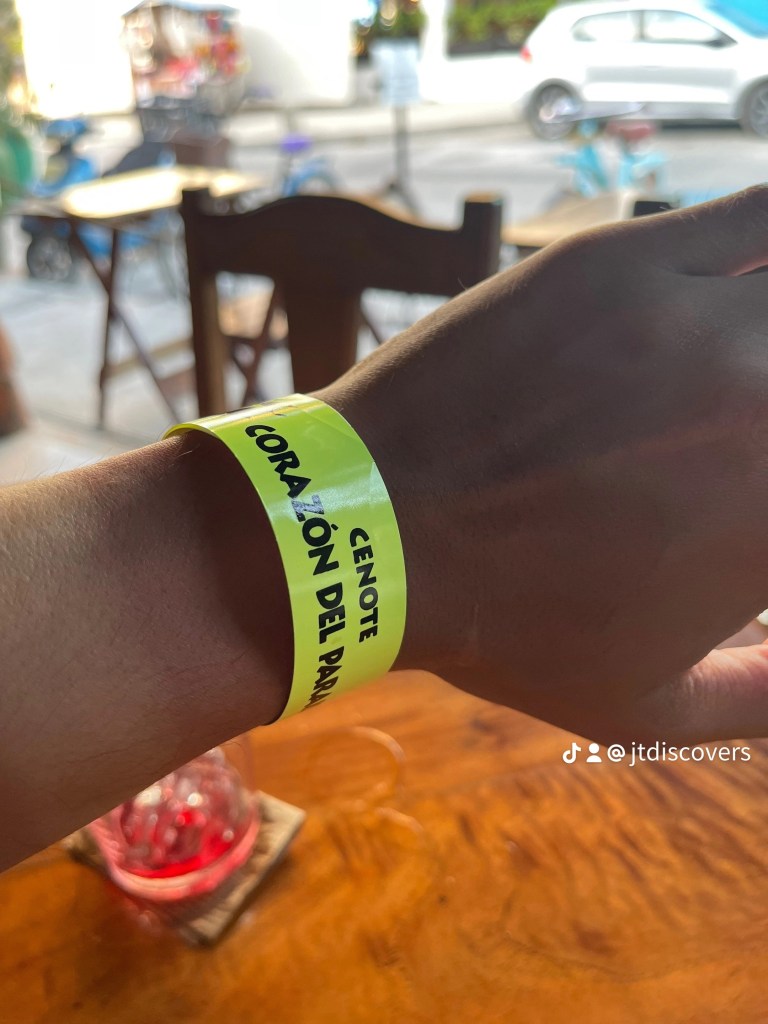
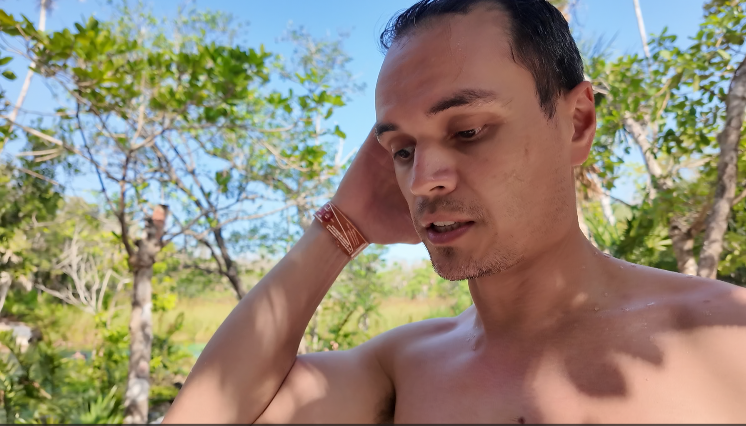
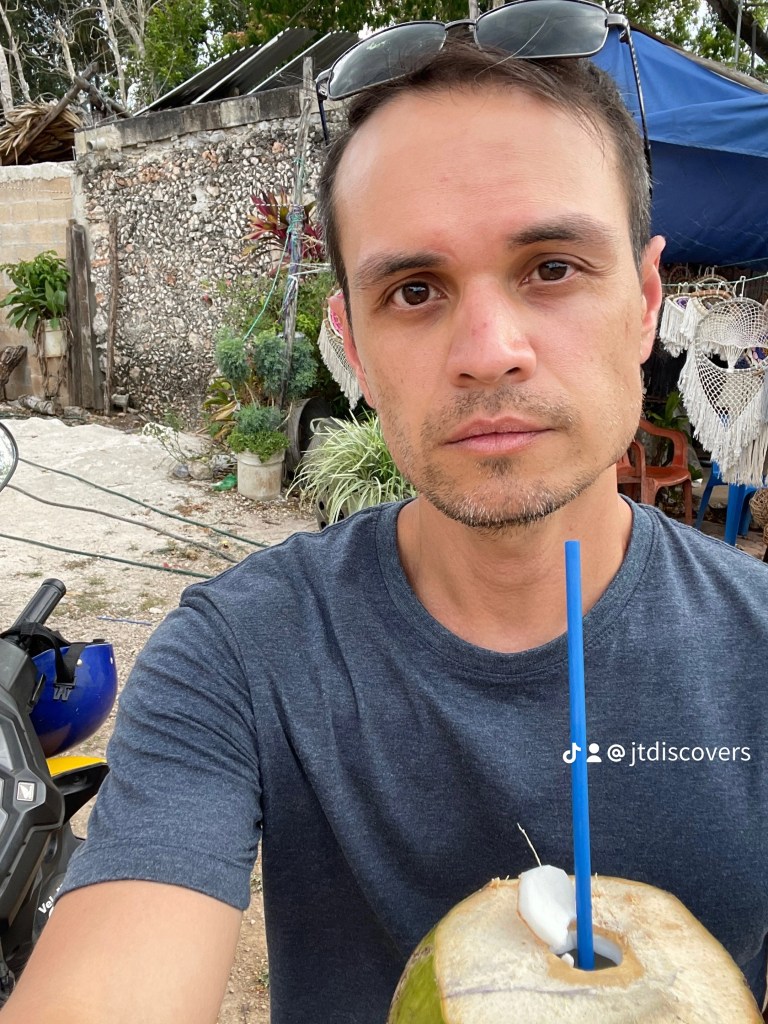
In Tulum, I visited two cenotes: Cenote Calavera, and Cenote Corazon. Cenote Calavera is a cavernous cenote with several holes for jumping into the water and a swing. A family-owned coconut juice vendor on the side of the road said Cenote Corazon was their favorite so I went to that one afterwards. The contrasting geology between both cenotes showed me how varied they are. Upon payment, a guard at the entrance of each cenote tapes a wristband around your arm, similar to entering a club. I later found out they don’t do this at all cenotes, only the popular ones. A constant between them all is the fresh, filtered water that is crystal clear. This is due in part to the strict regulations they have for swimmers before entering a cenote: no sun-tan lotion, no sun-block, no insect repellant and no soap of any kind. I could imagine this to be quite challenging to enforce.
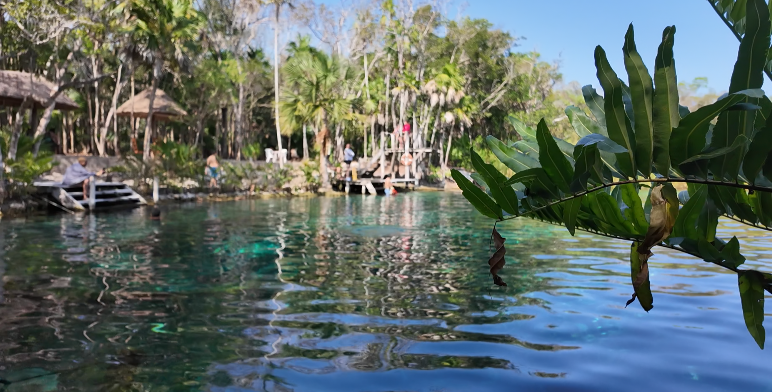

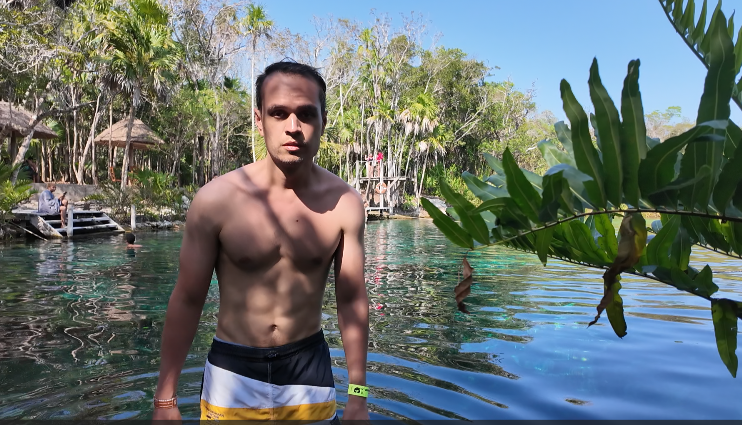
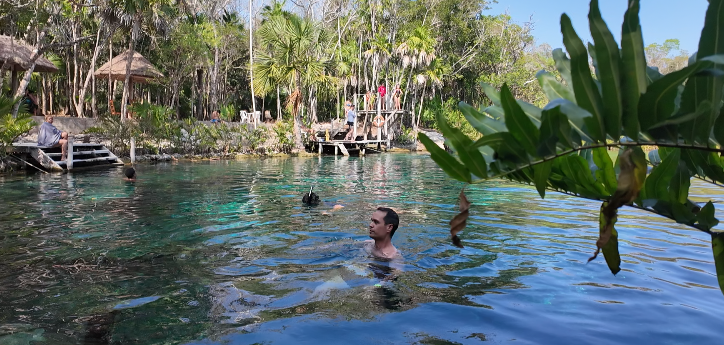
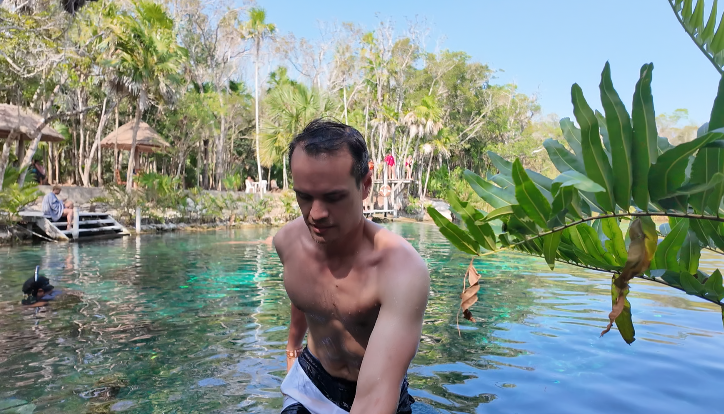


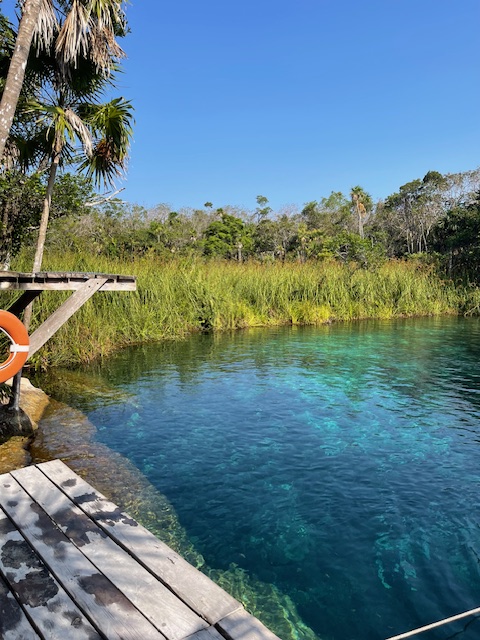


So what is a cenote? It’s a deep limestone sinkhole that contains fresh water. They were quite important to the Mayan people, providing both a reliable source of water as well as access to the underworld. Mayans believed that Chaac, the rain God, along with others, held an inordinate amount of power so the local Mayan people would visit cenotes to make ritual sacrifices to appease them from time to time. Chichen Itza, for example, was built close to two cenotes for this very reason. It is also believed by a vast majority of scientists that an asteroid named Chicxulub crashed into the Yucatan approximately 66 million years ago, clearing the earth of over 75% of animal and plant species and altering the geologic landscape of the Yucatan. Cenotes were a by product of the impact and as limestone eroded, fresh water pools became visible, providing access points for animals and later, people, into the magical world of cenotes.
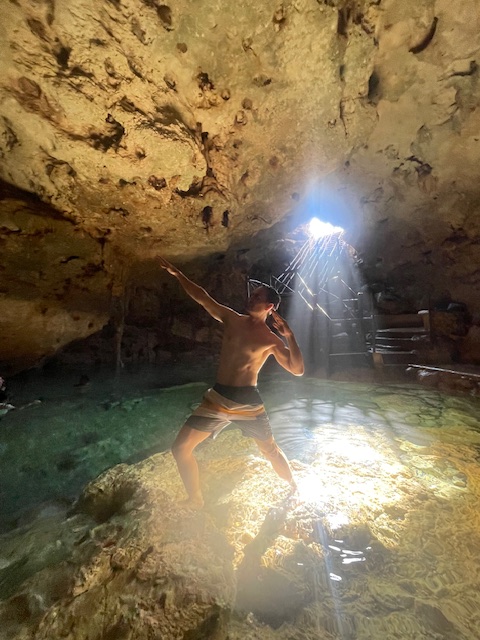
Tulum is expanding, and for good reason. It’s pristine, mystical shoreline coupled with easy access to multiple freshwater cenotes on all sides of the town make it a very popular tourist destination. I would recommend visiting Tulum before prices get too astronomical. When I visited, Cenotes charged anywhere from $100 to $250 pesos and some even charge if you film with a drone or video camera. I can see the prices rising to $500 pesos per person within the next 2 years so if being frugal and traveling on a budget is something of a concern, the sooner the better. 🙂
The next destination was Valladolid. I planned to visit Chichen Itza and a few more cenotes here. The ADO bus trip from Tulum to Valladolid was approximately 2 and a half hours and I met an awesome Italian guy who was working on exchange in Mexico for several months. I’ve never met an Italian I didn’t like and after speaking only in Spanish, I later found out he spoke perfect English as well and was merely testing my Spanish. Europeans have a wonderful sense of humor. The ADO took the 109, then the 180 and upon reaching the perimeter of the city, we weaved in and out of several streets before reaching the bus terminal. I grabbed my bag, bought a couple hot dogs from a store within the terminal and walked 15 minutes to my lodging. In hindsight, I perhaps should have taken a cab because I ended up experiencing my first uncomfortable situation with a dog. Dogs in Mexican cities are similar to dogs in ANY city around the world, especially if they’re street dogs. The walk was great up to that point, passing a couple households of women dancing in a circle to 90’s Latin music and asking me to join, quite an experience in fact. This is what I learned: If ever you get chased by a dog, don’t run, turn around and face it and chase IT. Now the two exceptions to this are if you’re a child or if the dog is rabid.
Then yes, run for your life.
Eventually, a local came out of the house and called it but it got my heart beating. Continuing on my way towards the hotel, I found out that the dog wanted the hot dogs in the bag that I had purchased. Oy vey.
I reached the hotel, took a shower and fell asleep immediately.
Waking up to the sound of roosters, turkeys and dogs doesn’t happen everyday but it served as a very reliable alarm at 5am on the morning of April 6th, 2024. I usually enjoy sounds and natural vibrations in general because they add to the environmental energy, but the combination of these three were the most disturbing. Suffice it to say, I quickly left my room and started the day earlier than anticipated. Because I had such a positive experience renting a scooter in Tulum, I decided to do it again in Valladolid. The scooter rental was $550 pesos plus another $200 pesos for accident insurance. This rental agency only asked for $1000 pesos as a holding deposit and I was grateful to have more cash on hand for Chichen Itza and the cenotes.
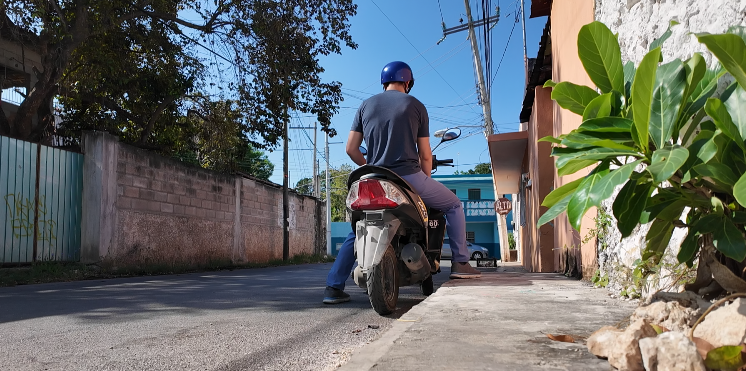
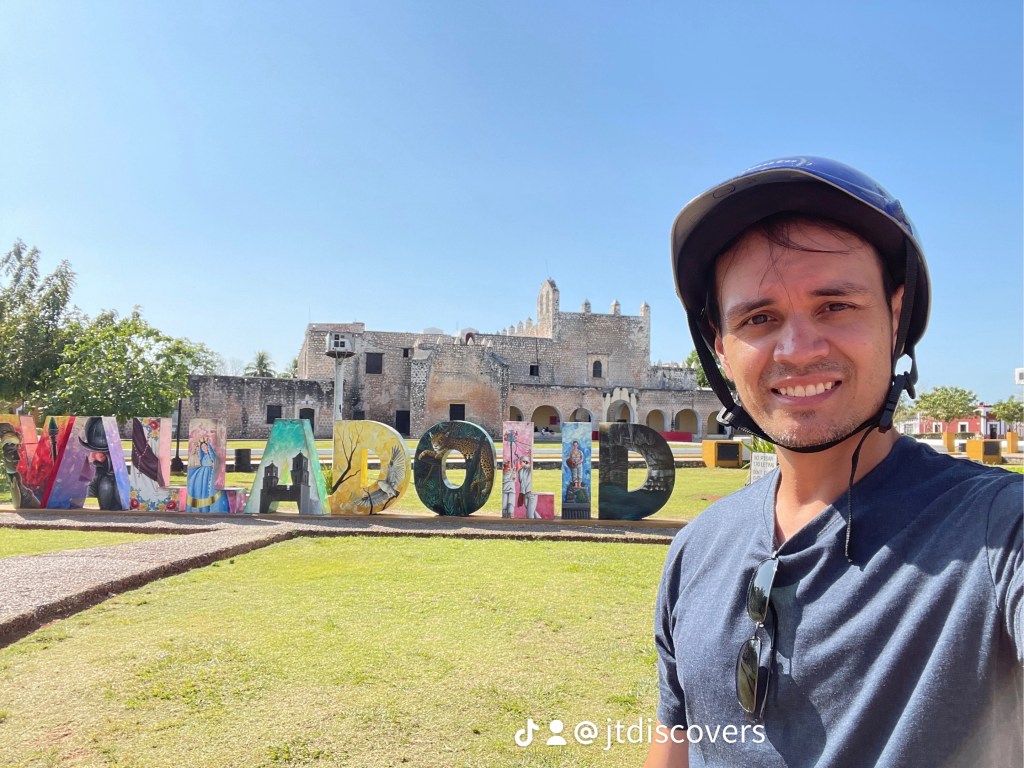
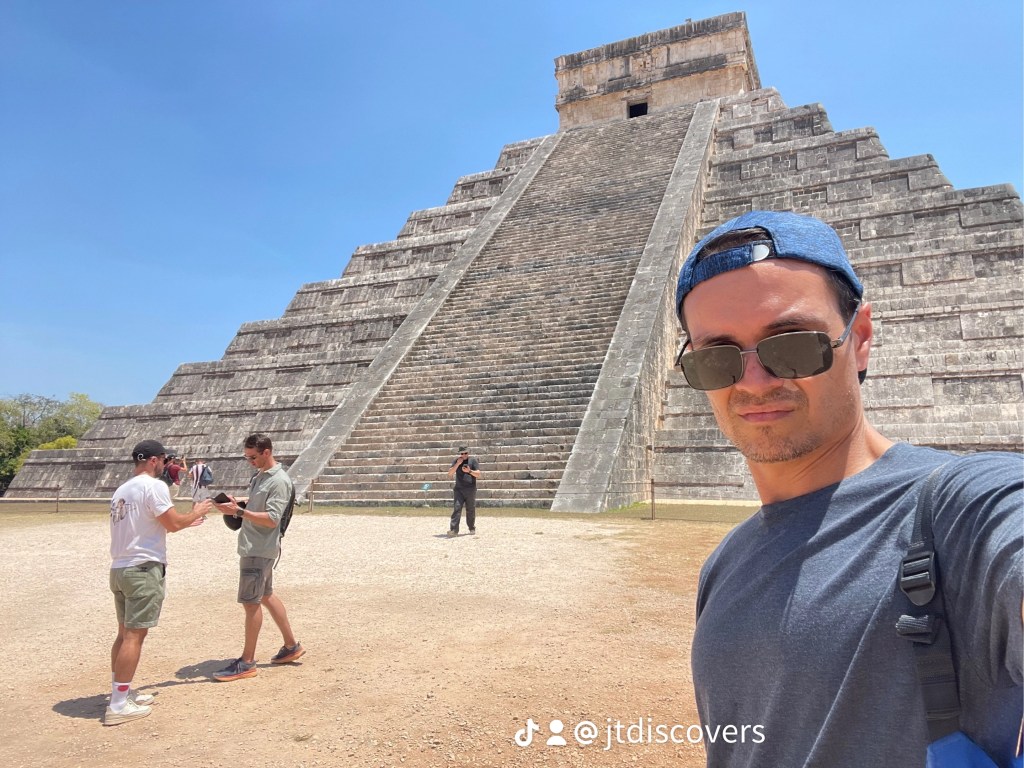
Ok, so I am very adventurous and enjoy the path less traveled but if I were to repeat my trip, I would not ride a motorbike for 45 minutes on a highway with traffic going 60 to 90 km/hour. Although people had mentioned to me that it is doable and there’s a path on the shoulder for bikers, it was a blurry, windy, somewhat uncomfortable mess. Picture a guy wearing a bright blue turquoise helmet with sunglasses and jeans driving a touristy looking Honda motorbike squeezing his lips shut to avoid swallowing bugs while continuously readjusting his helmet because of the intense wind that he was driving into. That was me. The one comfort I had were the multiple small towns in between the route from Valladolid to Chichen Itza where I could stop and rest for a few minutes before continuing on the intrepid mission to the monumental Mayan Temple. Journeys like this are a privilege and I couldn’t help but think “I will make it, I will make it” the whole way there. It was quite ridiculous.
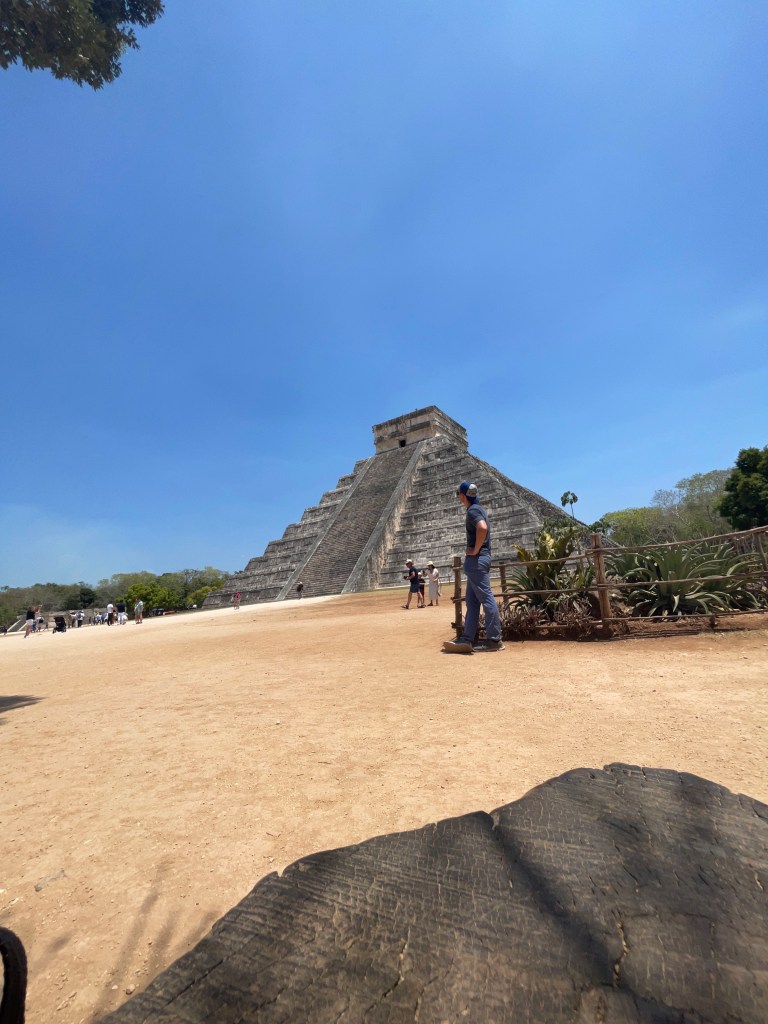
When I finally saw the sign to turn left, I knew I had arrived. It was hot, and my arms were now a darker shade of brown than an hour prior. A man tried to get me to park my bike just before entering the main road towards the ruins and I almost took the bait until I realized what was happening. It was a long trip and had I not been so exhausted, I wouldn’t have given it a second thought. Never park your vehicle or bike or anything for that matter, outside the World Heritage Site. They are twice if not three times as expensive as parking closer to the monument and will undoubtedly (as this gentleman did) try to get you to buy something from them. I continued onwards, parked the bike next to all the other bikes, paid the parking attendant $50 pesos (roughly $3.50 USD) and walked towards the entrance.
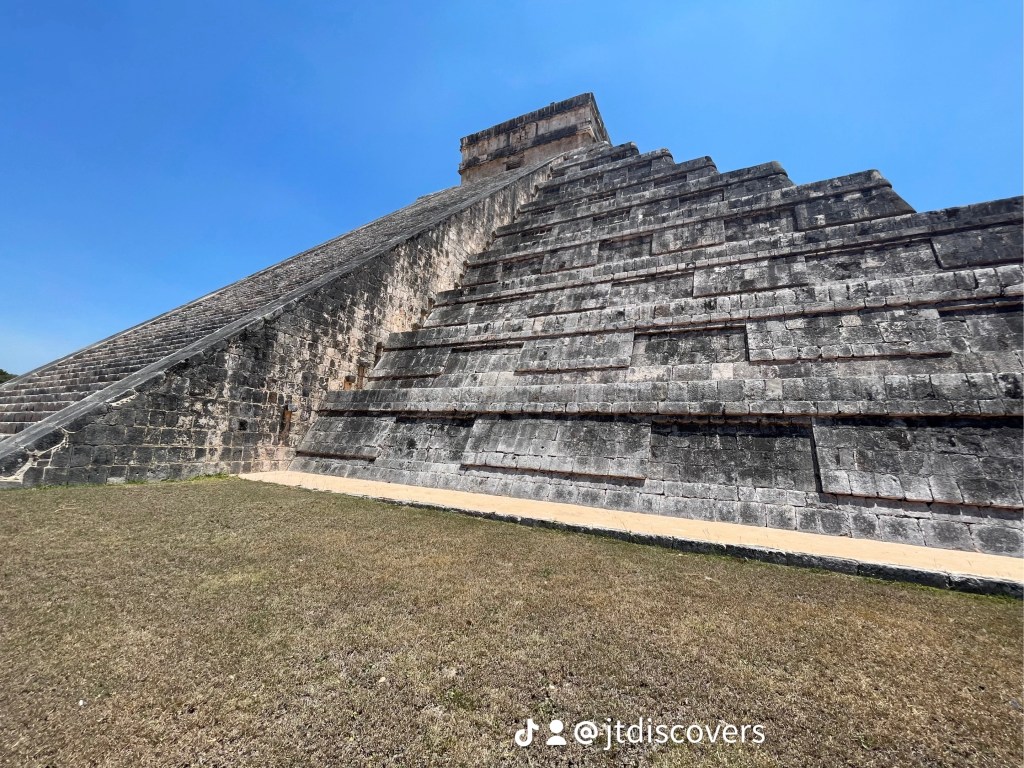
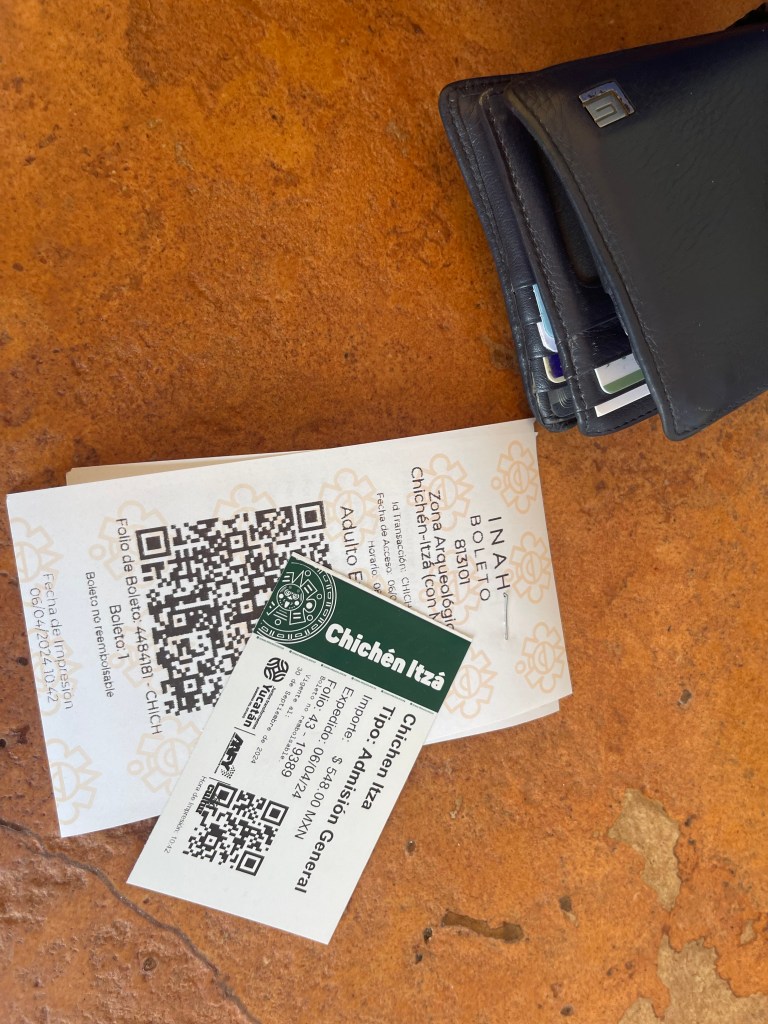
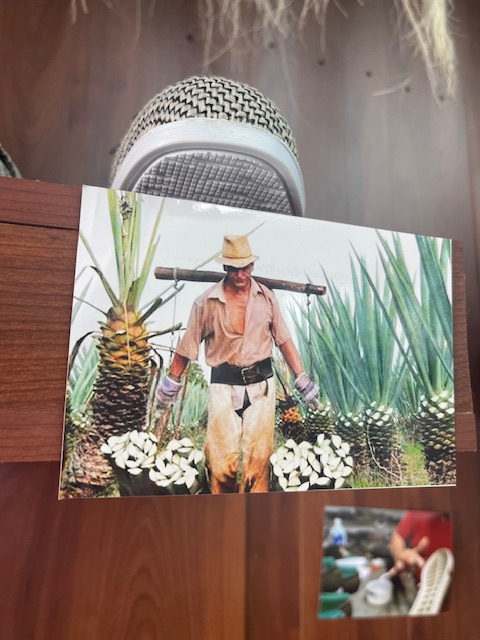
My final stop on this trip was Merida, the capital of the Yucatan. I was pleasantly welcomed by the locals in this vibrant capital city. Mexico is an extremely colorful country with many culinary and artistic components that make it attractive to the visitor. The buildings were colorful and inviting and the local clothes I saw in the stores were intricately woven with complex embroidery that clearly took effort to make. One of the local fabrics is the yucca (that Tequila plant that Hollywood loves) which is created through a laborious process of continuously stripping the leaves into thinner pieces and draining the leaves of excess moisture to maximize the malleability of the fibers. These fibers are then dyed or used in their natural state to make clothes. This includes camisetas (shirts), zapatos (shoes) and even pantalones (pants). Some of the fabric is combined with linen to create a hybrid which is both durable and fashionable. The clerks in the stores I visited called the look: Mayan Gucci.


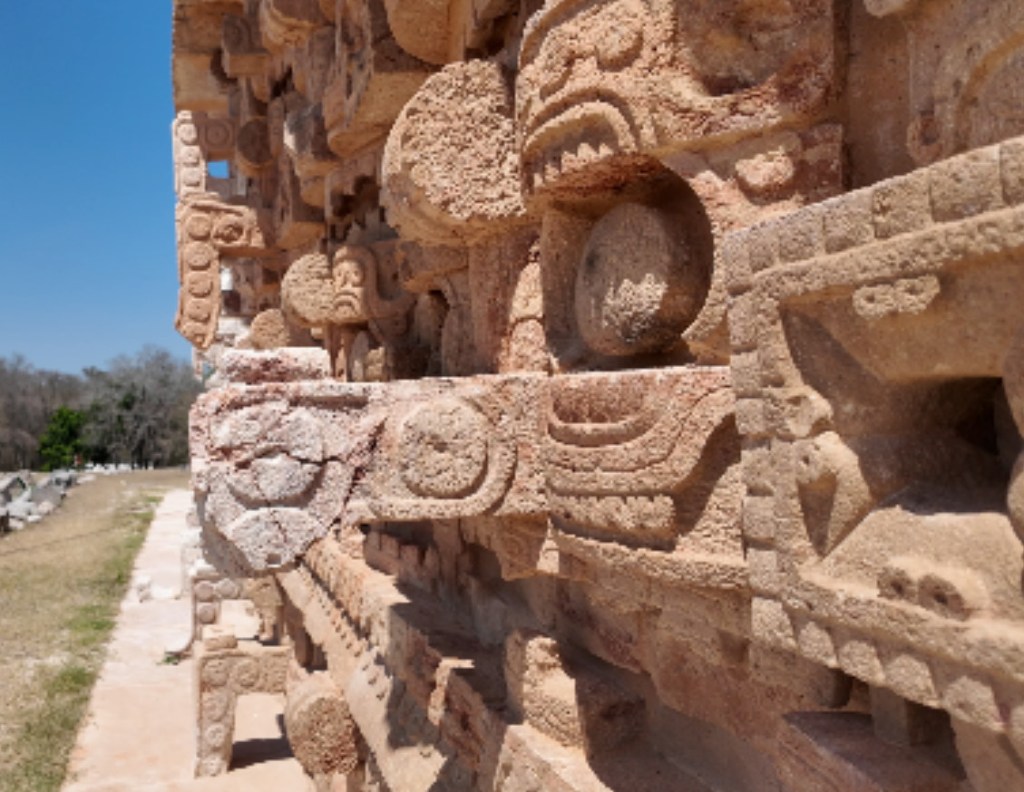
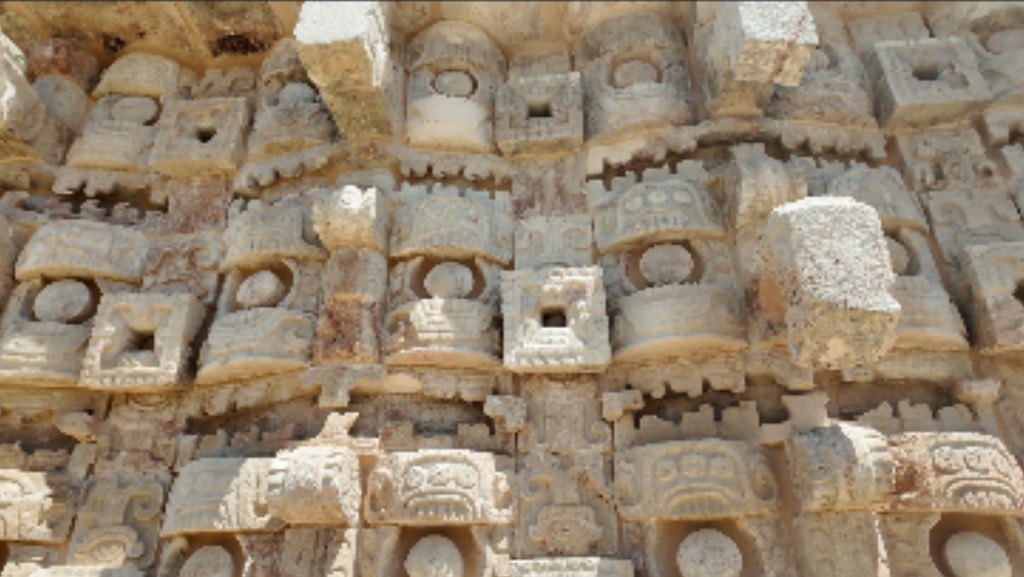
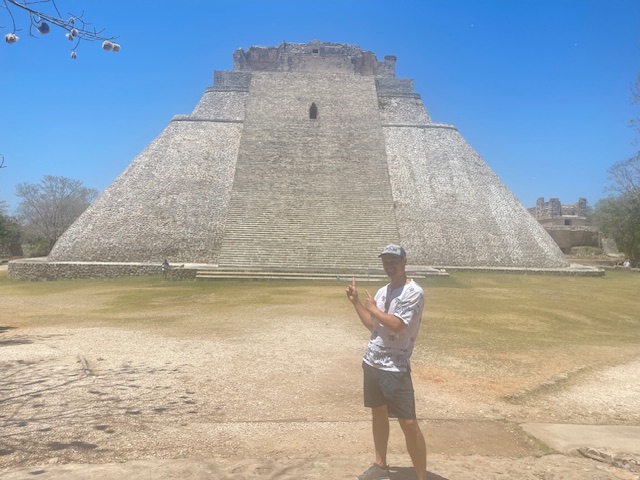
Another highlight of Merida is all the parks with their distinguished cathedrals. These are located in plazas similar to Spain and Italy and make for great coffee tasting and wine tasting locales. This city is primed for tourism and it’s continuing to develop. I project it will increase in popularity as more people become aware of the cultural significance surrounding Merida. The other ruins I visited while here were Uxmal and Kabah. Uxmal and Kabah were both constructed atop a platform plaza and honored the Quetzal god. Kabah’s eastern was constructed in the Chenes style and had amazing detail that was preserved remarkably well for visitors to admire. The twenty-six chamber building is covered in masks and designs honoring the rain God Chaac and this includes glyphs regarding royal authority with date ascensions, ritual activity, and possible military victories. It was clearly a venerable location because the governors house was built in close proximity and if I’ve learned anything through my travels, it’s that upper classmen have the most ornate architecture.
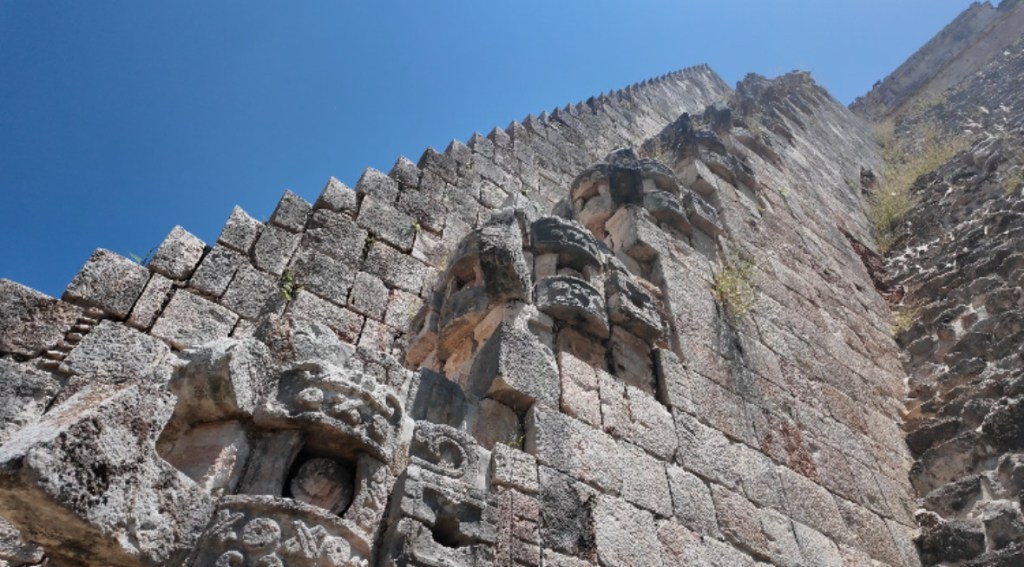

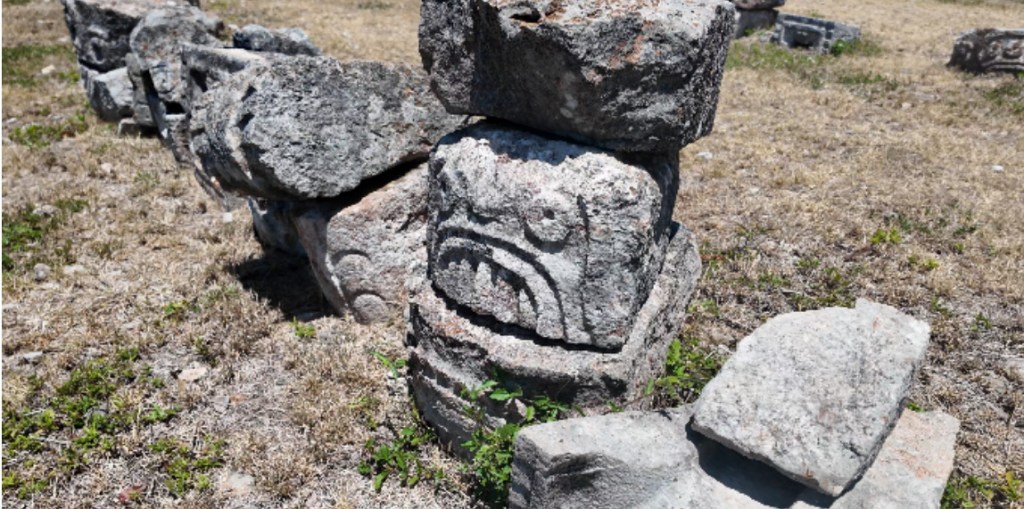




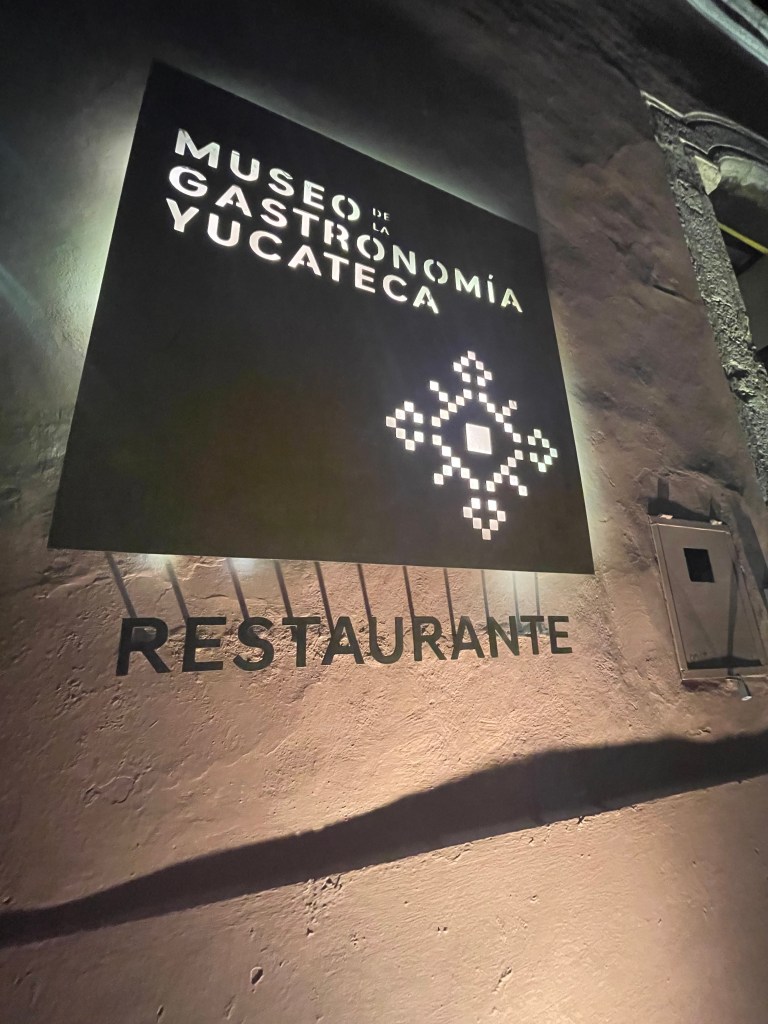
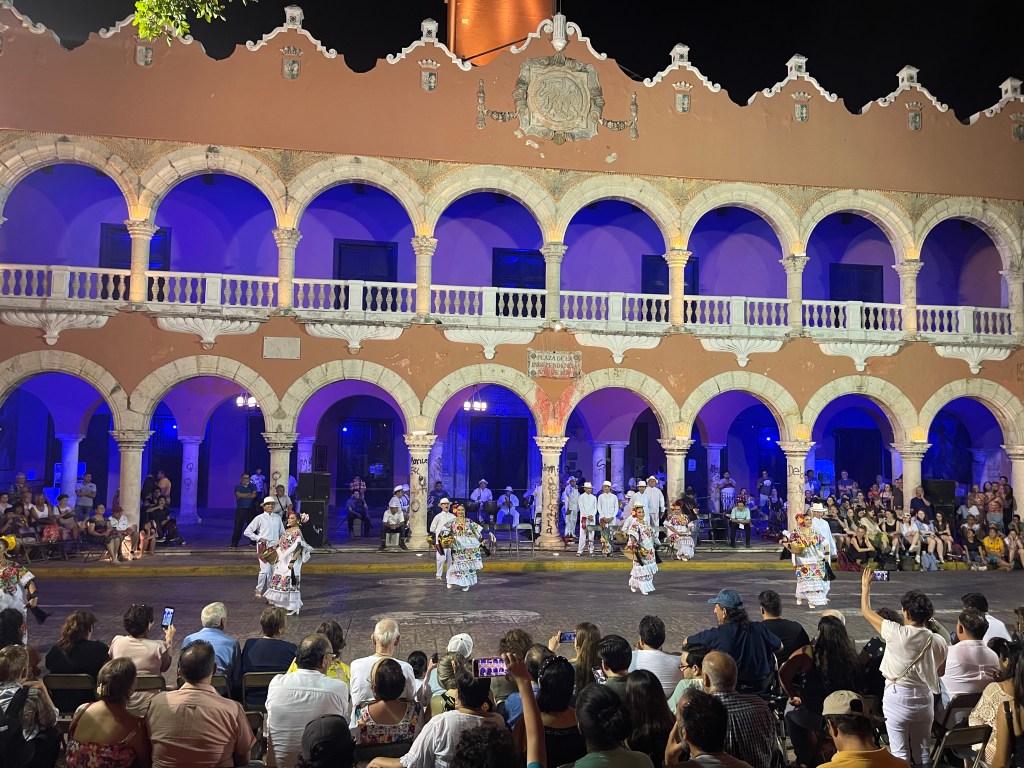
The smells of freshly made salsa, flour tortillas laid on the grill and colors of all the clothing along the tiendas bolstered the experience. My dinner with a local friend at the Museo Gastronomia was one of the best latin meals I’ve ever had. The folk dance in the Merida plaza on my last night really put a nice accent on the whole experience. Mexicans are generally cheerful, bright and helpful people. I felt extremely welcomed and calm throughout my experience. Perhaps I’ve been more fortunate than most, but with each journey, I am finding the culture to be more and more welcoming, engaging and cooperative. Take the media with a large grain of salt and treat people how you would like to be treated. If travelers abide by that general principal along with basic safety instincts, the future will hopefully remain bright.
Up to this point, I have retraced the steps of Mesopotamia and parts of the Khmer Empire. I am just getting started with my Mesoamerican journey and I can’t wait to continue learning how civilizations evolved within Central and South America.
Ciao.
Until the next adventure,
Nattapon Jontom Abbett
 Nattaproblem
Leave a comment