
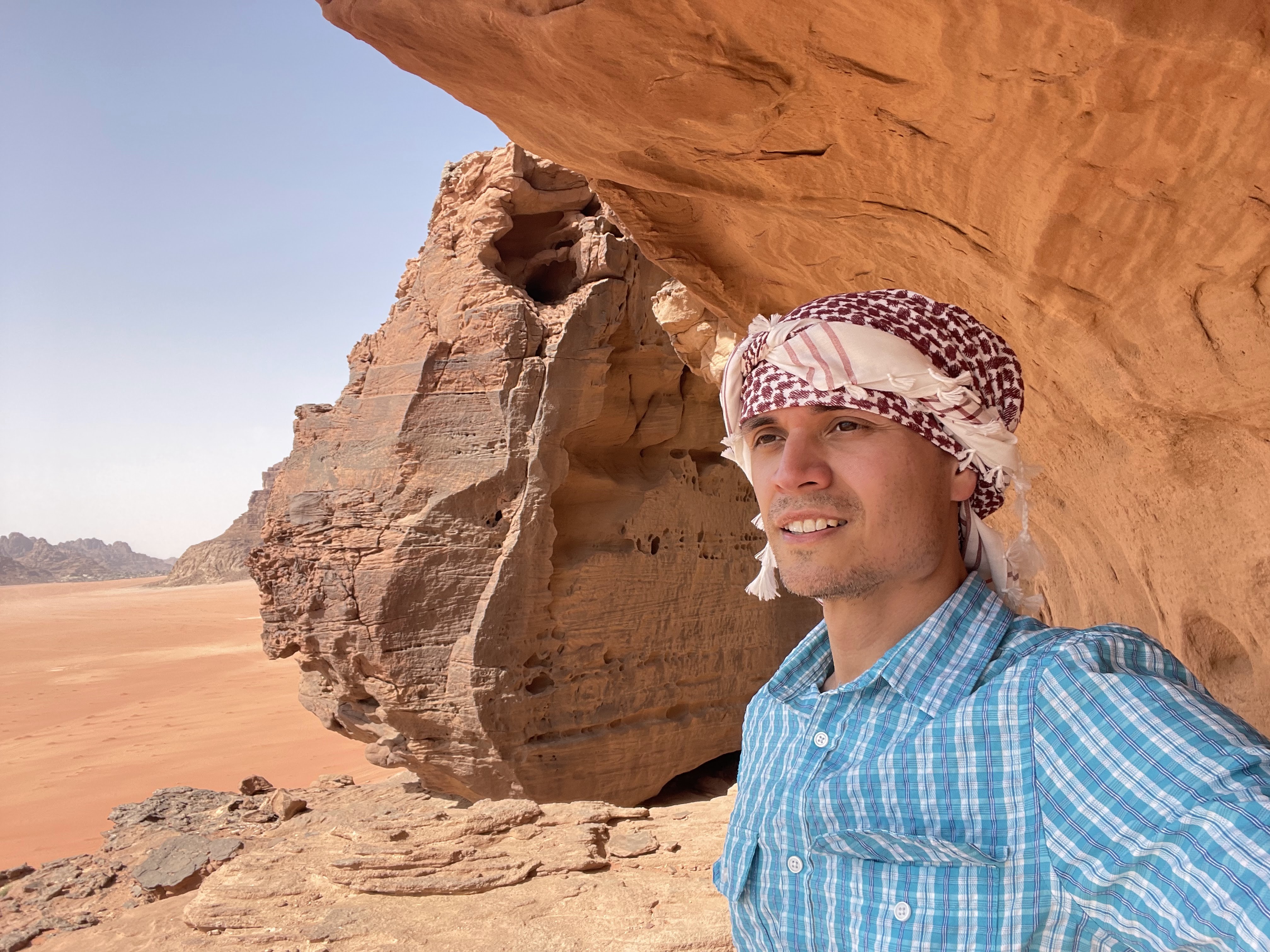
This adventure was fueled by a desire to recharge from a densely packed semester at school during the last week of Ramadan. Grading, parent-teacher conferences and follow-up meetings for curriculum modifications for my students were taking their toll and I felt that nearby Jordan would be a perfect way to regroup. The Saudi Arabian Ministry of Education had decreed that students attend school during Ramadan, for the first time in over 17 years. Because I teach 10th and 11th-grade math, this transition was emotionally turbulent at times for students and the break was very much earned by teachers in my humble opinion. For those who aren’t familiar, Ramadan is a month-long religious period of reflecting and fasting. Muslims don’t eat during the day and their last meal is just before Suhar or sunrise. At dusk or when the sun goes down, people wait for the Iftar prayer before breaking the fast. It’s a wonderful tradition when observed correctly and helps students and adults realize their relative fortune while bringing them closer to the higher powers.
Knowing that the Arab world was still observing Ramadan, I was hoping that would limit the number of tourists to Jordan. The only tourists it limited however were those from surrounding Arab nations. Europeans were galivanting all through the Hashemite kingdom. Because of this same rules apply; wake up early and the rewards of tranquility will greet you at every destination.
Jordan is a country rich with historical monuments, natural reserves, and seaside resorts and one week is just enough time to drive through the major heritage sites while also enjoying the natural scenery. After my journey through Egypt with a tour guide, I decided to see Jordan by relying on my own historical research. For this self-guided tour, I rented a car for 8 days and drove the entire length of the country. Queen Alia International Airport is the main starting point for most tourists and it’s centrally located just south of the capital city of Amman. The flights were smooth and the travel time from Dammam, Saudi Arabia to Amman, Jordan is a mere 2 hours and even with a layover in Bahrain, I had an entire afternoon to explore upon landing. I hurried over to baggage claim, grabbed my suitcase, and ran over to the Hertz car rental office. Along the way, I quickly noticed the military presence at the Airport and realized that Jordanian security is very tight and thorough; something I always appreciate.
The receptionist at the Hertz Car Rental greeted me with a welcoming smile and between his broken English and my broken Arabic, we were able to secure my car rental at the agreed price of د.ا245 Jordanian Dinars or roughly $320 USD for 8 days. This is the best deal one can make during the peak tourist season which runs from March through May. Aside from a brief argument over the Priceline Insurance which wasn’t recognized by this hertz office, everything was going according to plan. At any rate, I walked out to my car, checked all the main engine and electric components to make sure it was in functioning condition, then off I went to my first destination: Madaba.
Madaba is predominantly known for the numerous ancient mosaics within the church ruins that are dispersed throughout the town. Aside from the Greek Orthodox Church of St. George, it’s also known for the Hellenistic, Byzantine, Roman, and Islamic era artifacts that can be found in the excavated archeological sites. This wasn’t a priority location for me so I made a couple quick stops in some church ruins, purchased a few snacks, spoke to a couple locals, and drove back to up north to Jerash before sunset.
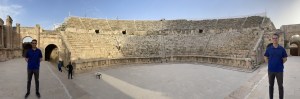

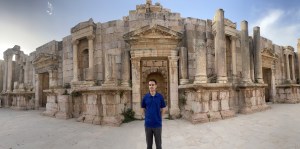

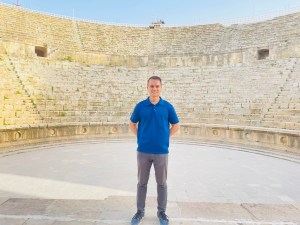


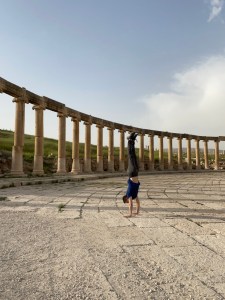
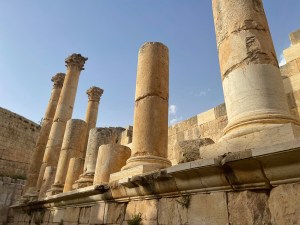

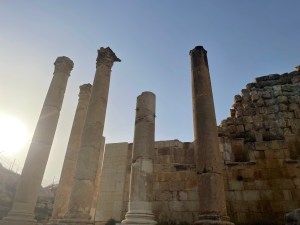

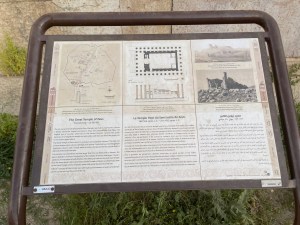


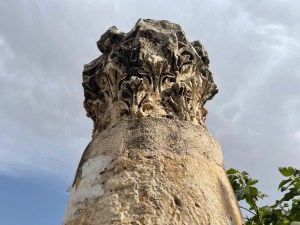


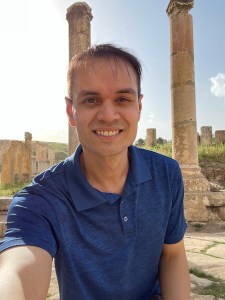
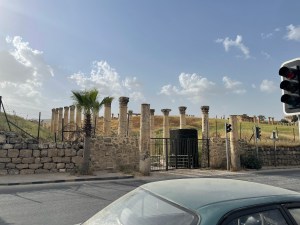
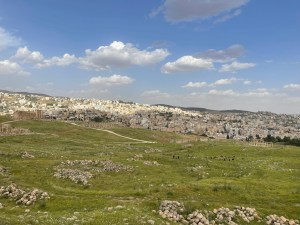
Jerash was an ancient city inhabited since the Bronze Age. Known for being one of the most preserved marble Roman ruins outside of Italy, the view surrounding the roman pillars was as impressive as the ruins themselves. The ancient Roman settlement of Gerasa had many architectural pieces indicative of an advanced society, including a chariot racing Hippodrome, Corinthian columns, Hadrian’s Arch, and the infamous Temple of Artemis. All the pieces were in good condition considering they were mostly built in the 2nd century AD. Romans, Mumlucks, Muslims, and other nomads took up residence in Gerash over the last 2,000 years. Walking through the amphitheater (the first of 3 during this trip), I was in awe at how it was in many ways, more impressive than the stages I’ve been to in the modern day, despite being thousands of years old. Looking back on my trip, Jeresh was the first breathtaking experience of my journey through Jordan. The ruins had a panoramic view of the modern city and were sitting atop a prairie hillside that made it difficult to not run through the fields screaming at the top of my lungs and taking it all in. The awareness that I was the current living, breathing human body running on land that was actively utilized by several civilizations is enthralling.

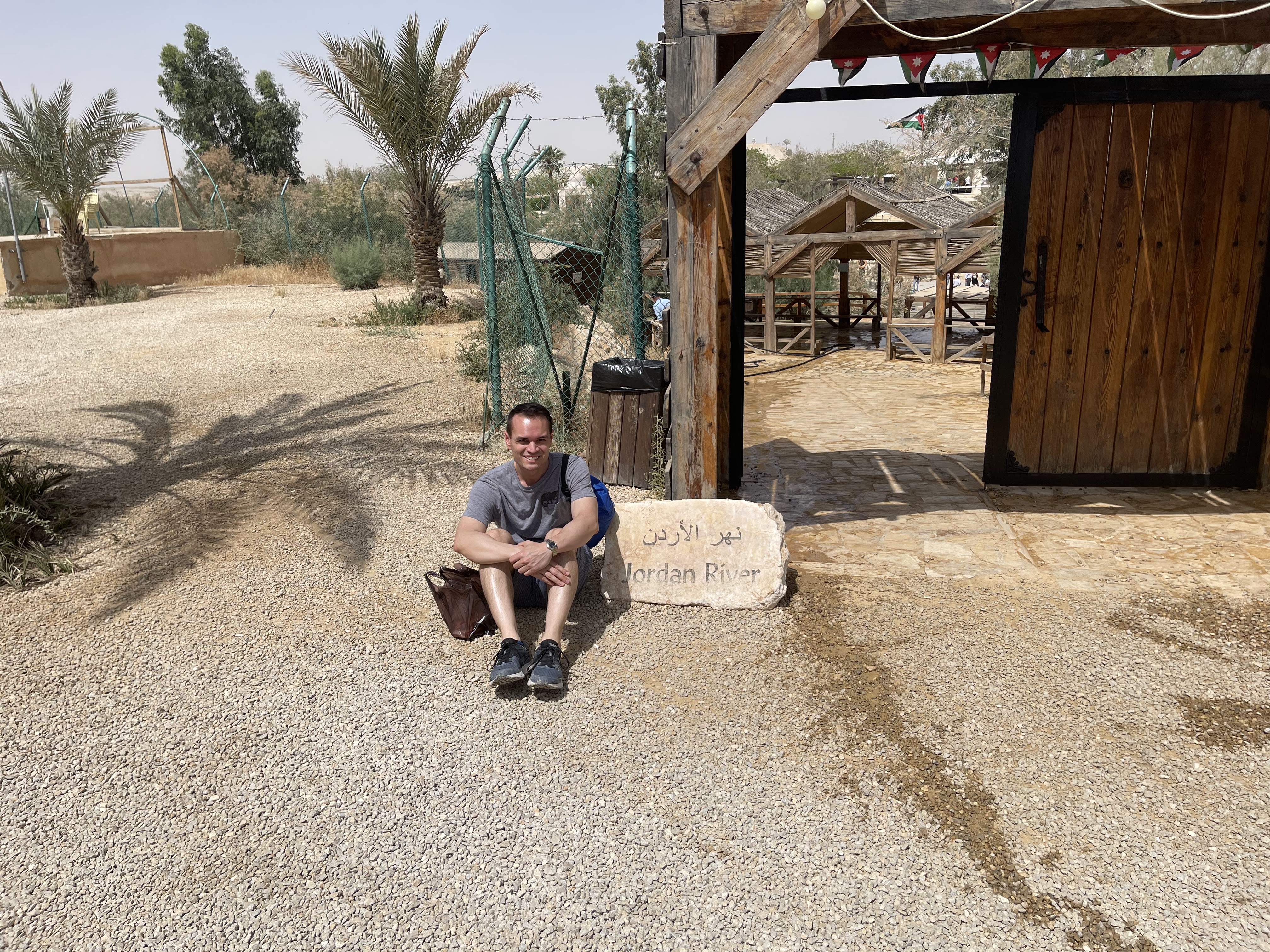

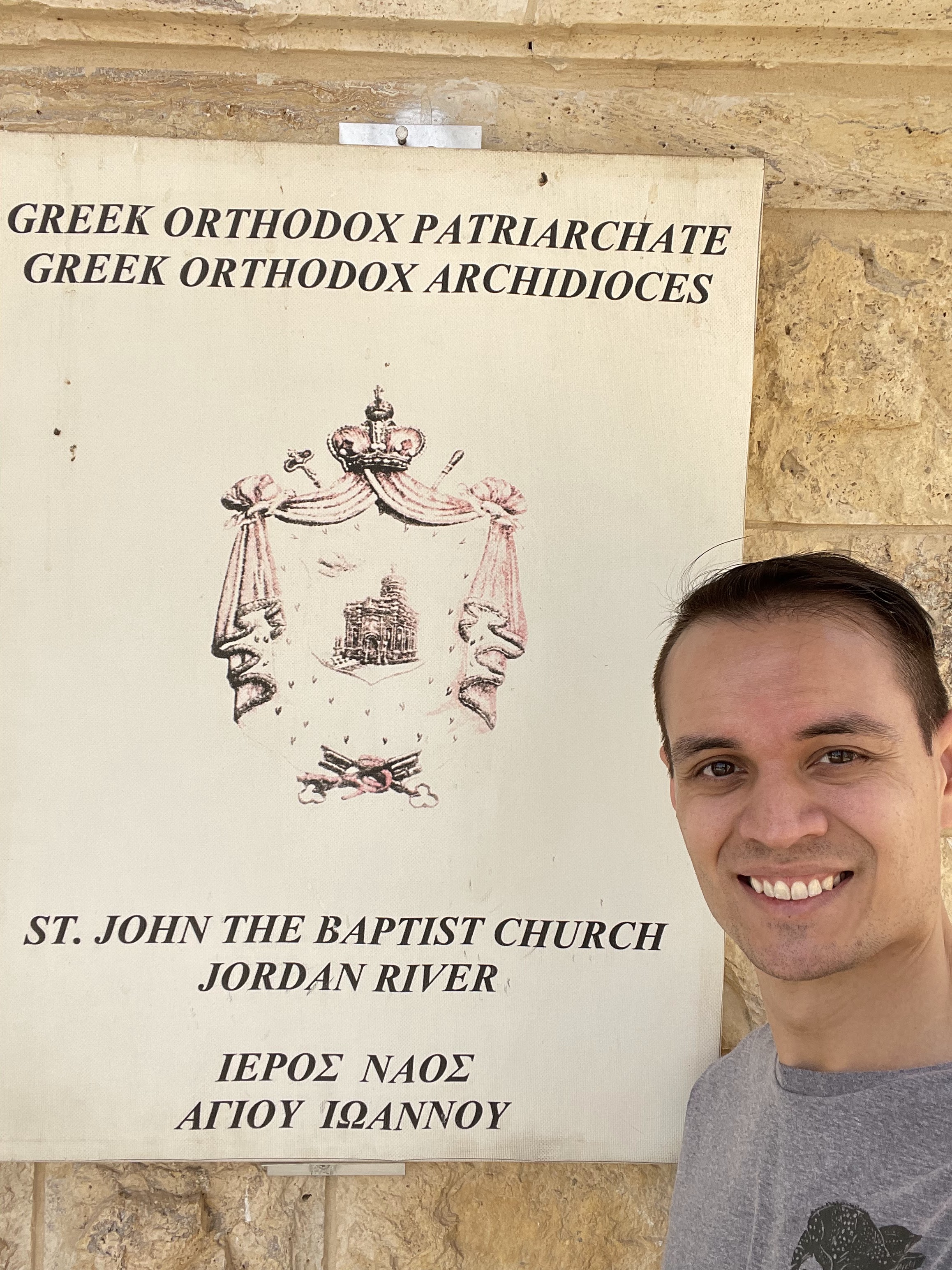
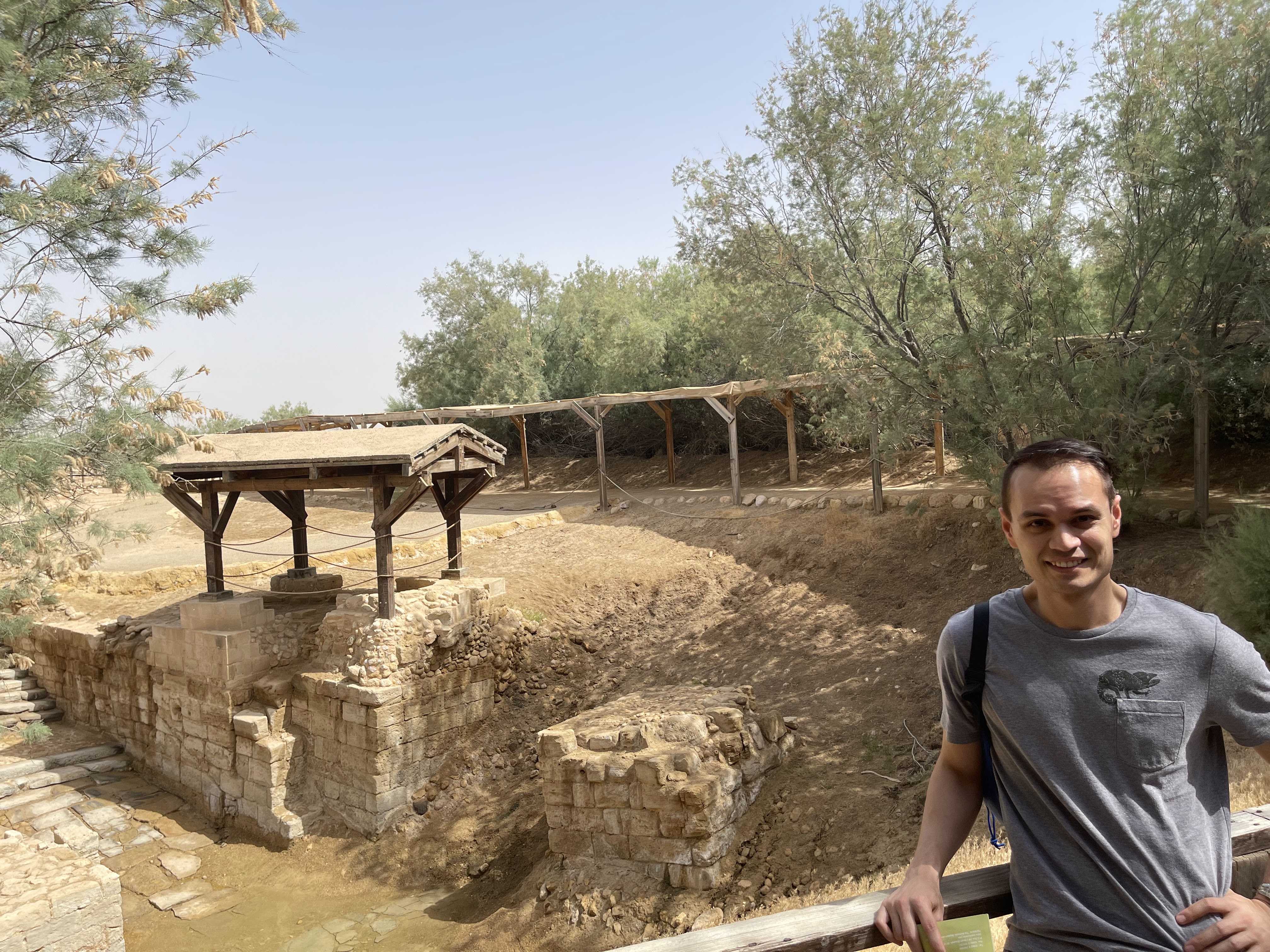
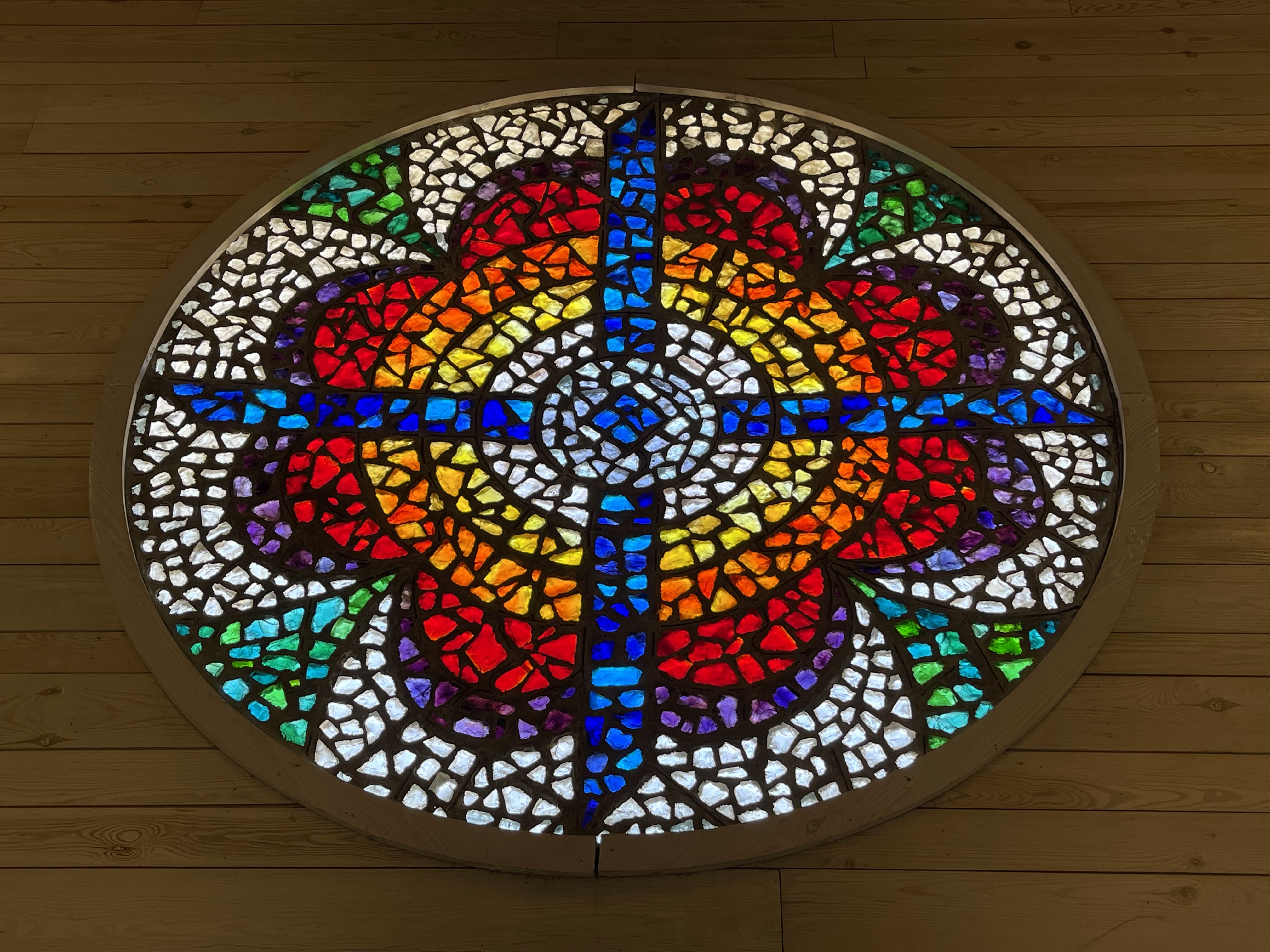
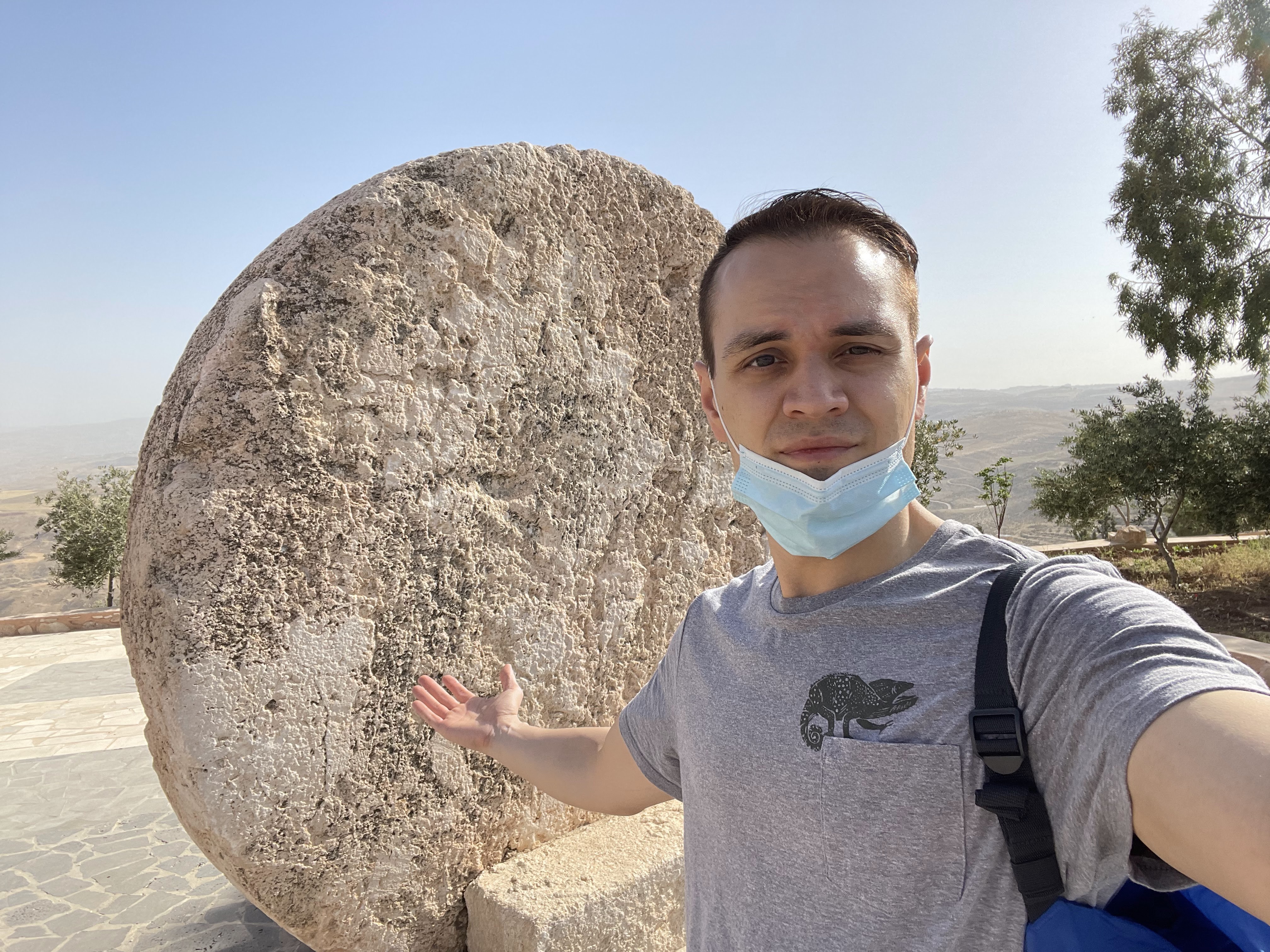
After driving back to Amman, and spending the first night in my air bnb, I woke up early and trekked to the infamous Mt. Nebu where Moses roamed, and the Bethany Baptism site alongside the Jordan River. This was where St. John the Baptist baptized Jesus Christ.
Seeing the Israeli border from the Jordan side of the Jordan river was quite remarkable. The only other time I had experienced looking over a body of water into another country was during my family visit to the Sault Ste Marie Locks in Northern Michigan. The excitement around the multiple baptisms by the Jordan River made this experience more festive, and I couldn’t help but scoop up a few hand fulls of water to pour over my head for good measure. Part of the joy of traveling is to imagine retracing the steps of historical figures and standing on the same riverbed as Jesus himself was something I will never forget. Israelites were chanting and singing in the water and the tourists on the Jordanian side (especially the Italians) were getting back in touch with their religious beliefs by taking the plunge of renewal.





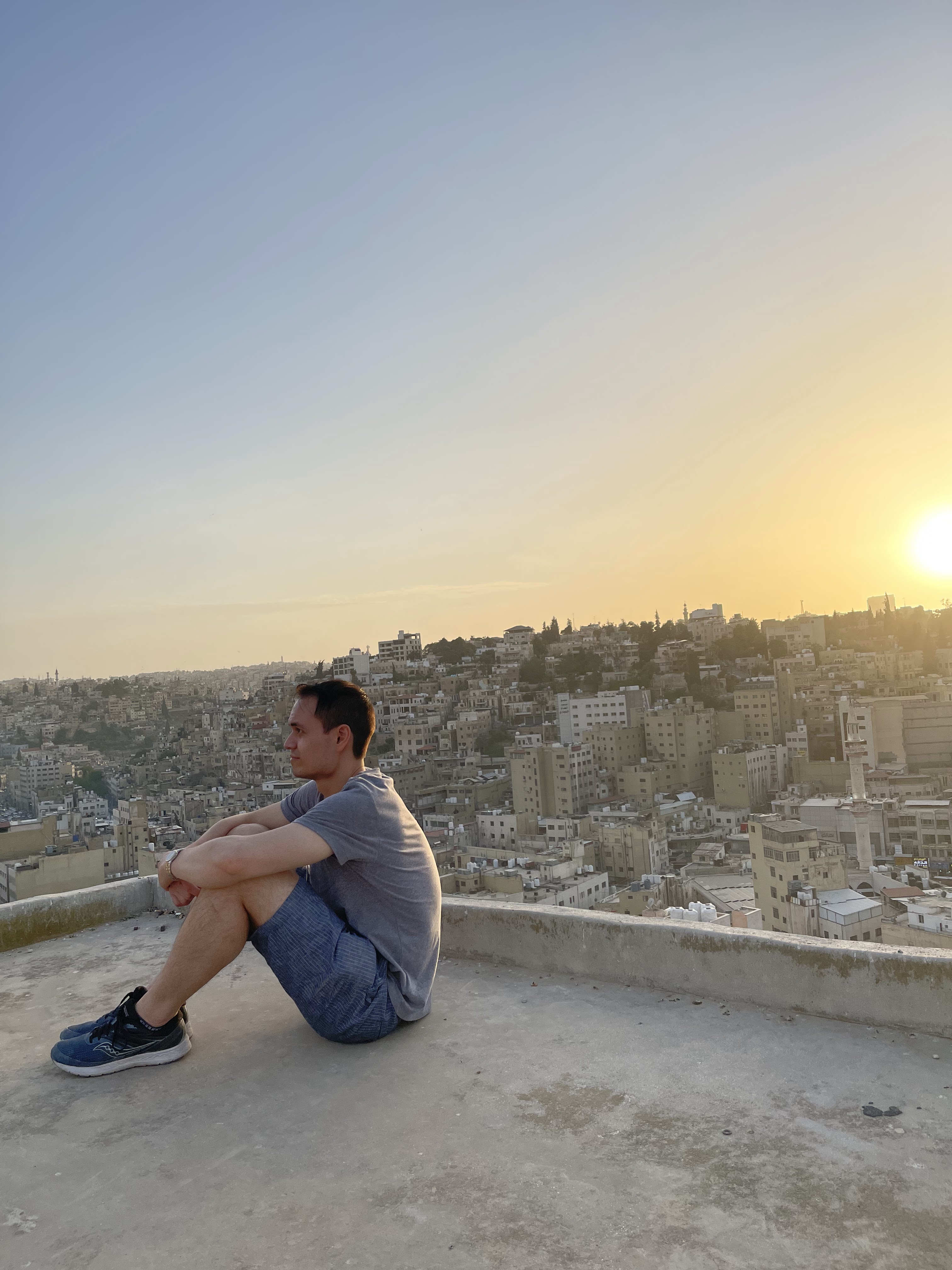
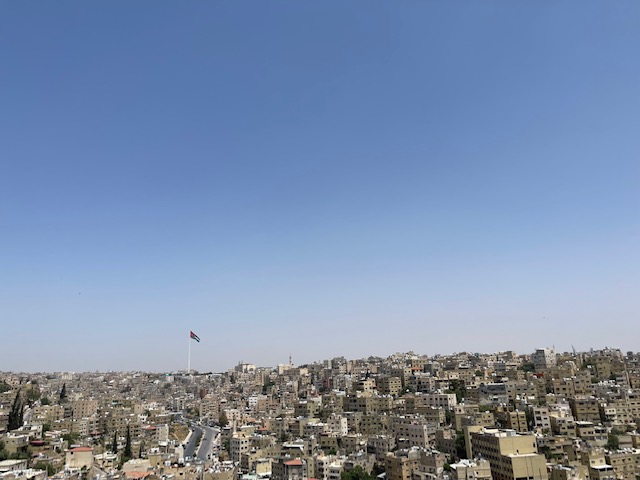
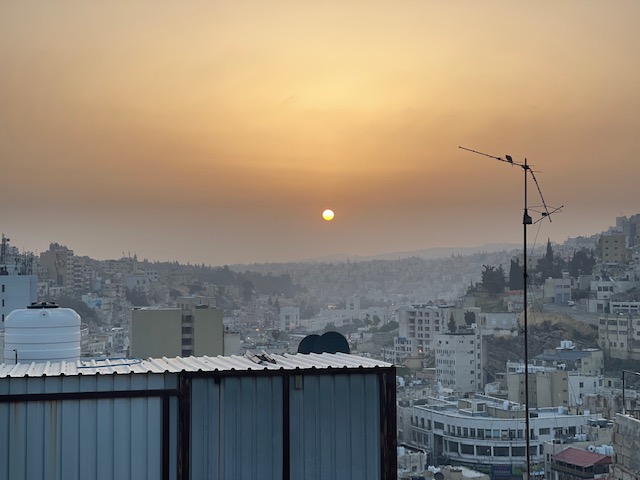
Returning from the site of Jesus’ Baptism, I enjoyed the local culture and ventured out into some cafes with a local tour guide that gave me a political perspective of the cityscape. From the district of Webdeh to the Eastern side where the uncaged doves fly in groups around each block, the city of Amman came alive. Looking out from the rooftop of my new acquaintance and a couple others, I saw a hillside fully developed and bustling with activity. The sun’s rays dripped strands of yellow through the squares of apartments and houses that scattered through the smoky hue, broken only by plumes of feathers as doves traced ellipses around the horizon.
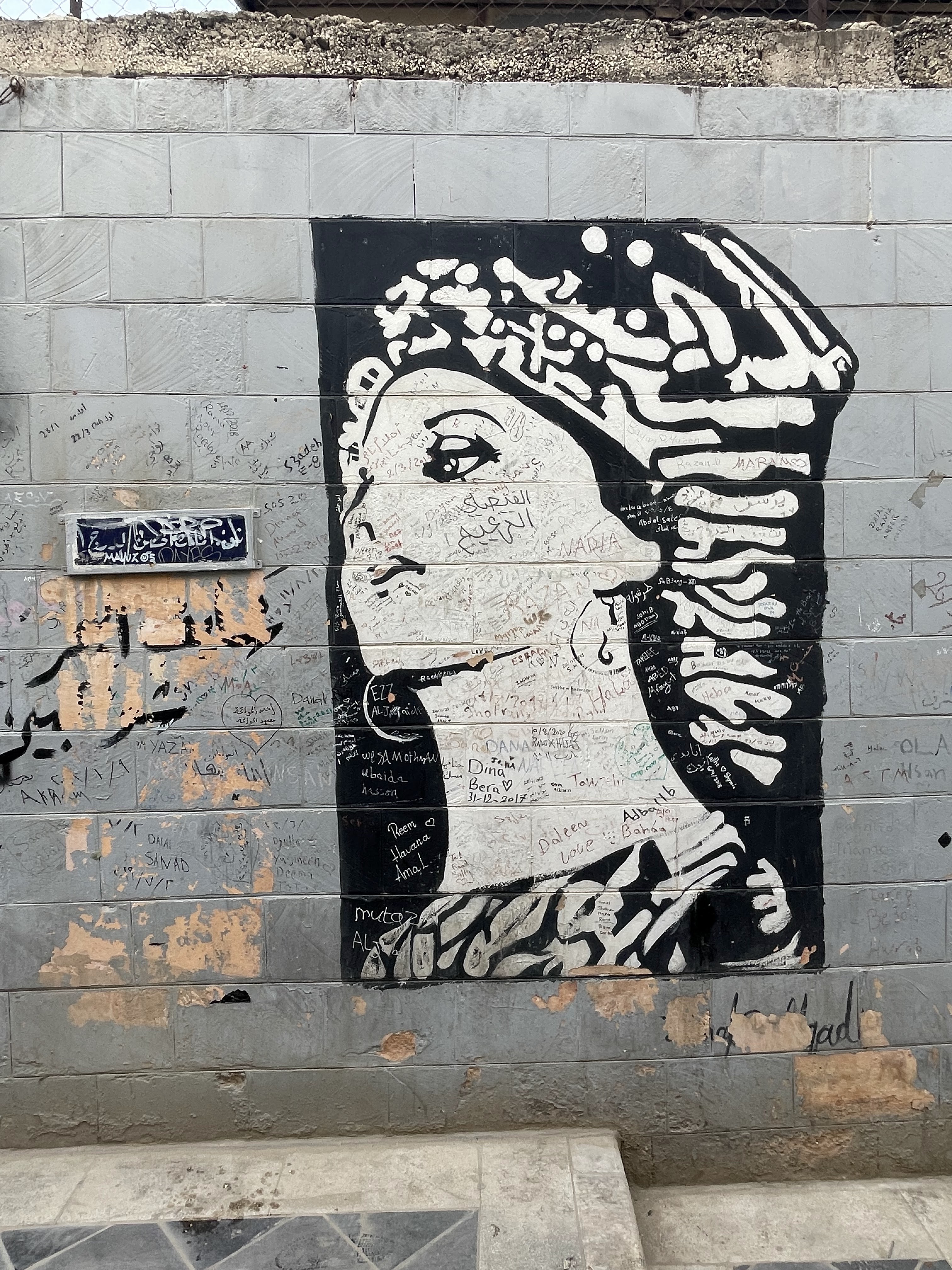
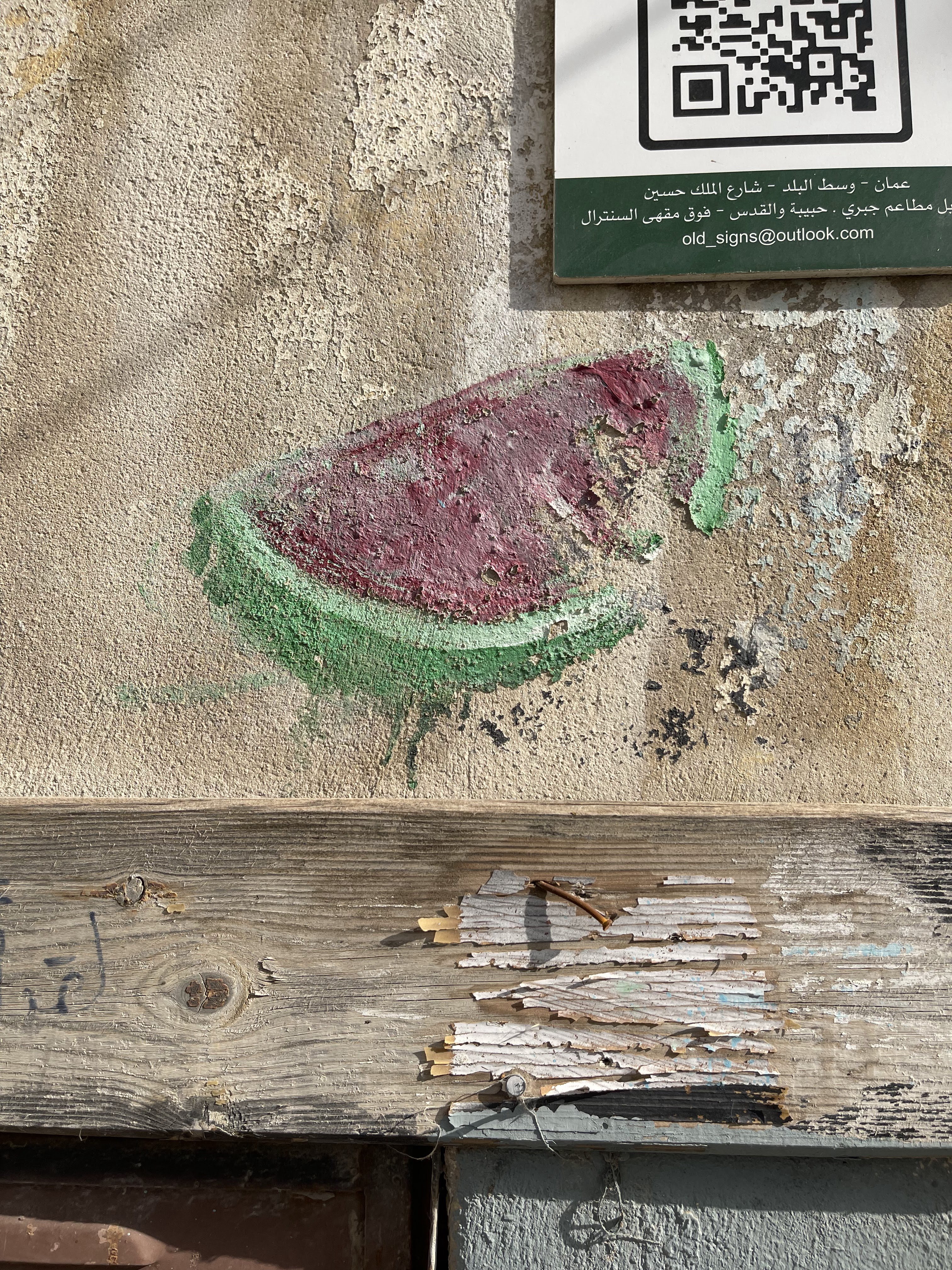
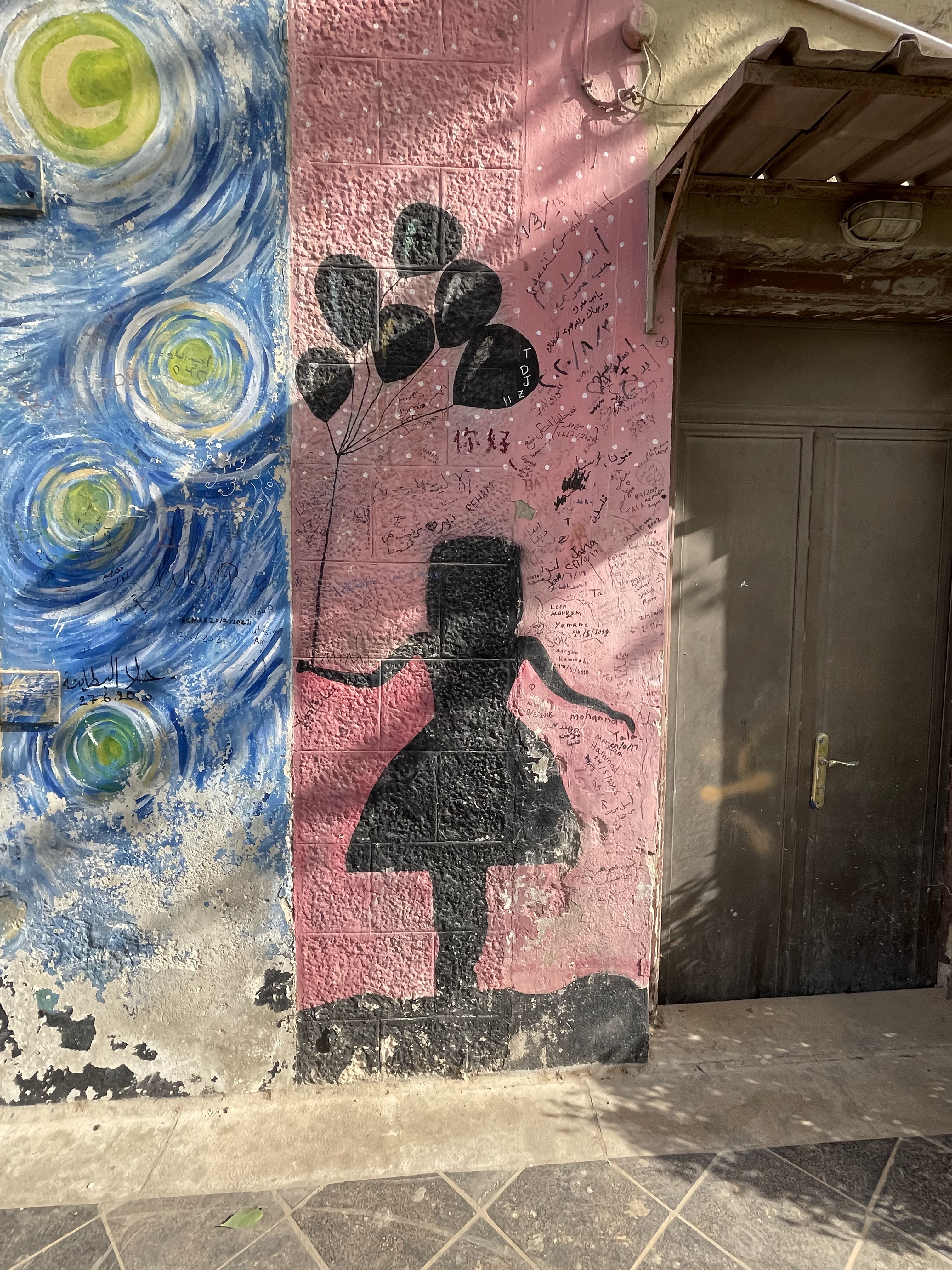
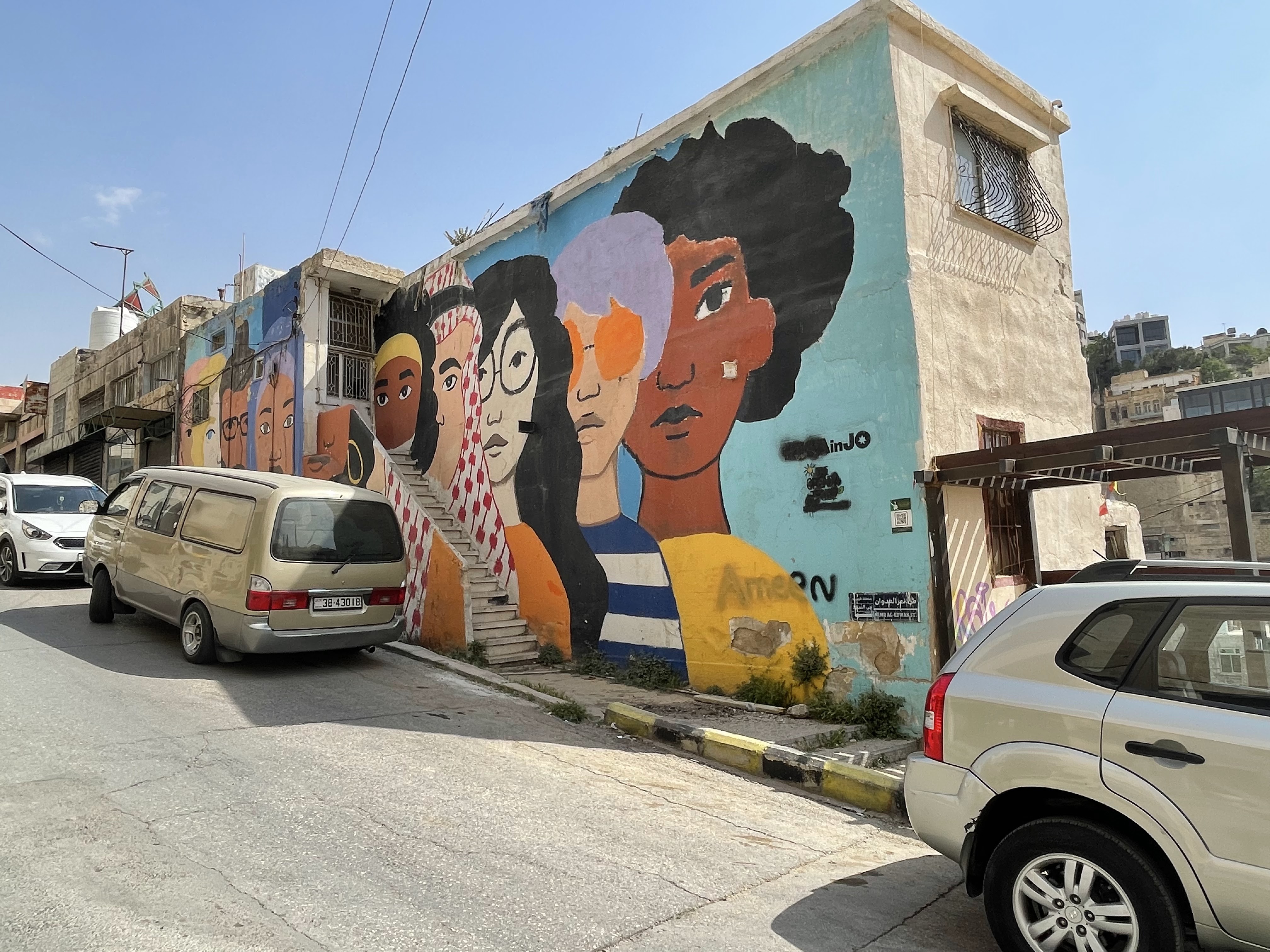
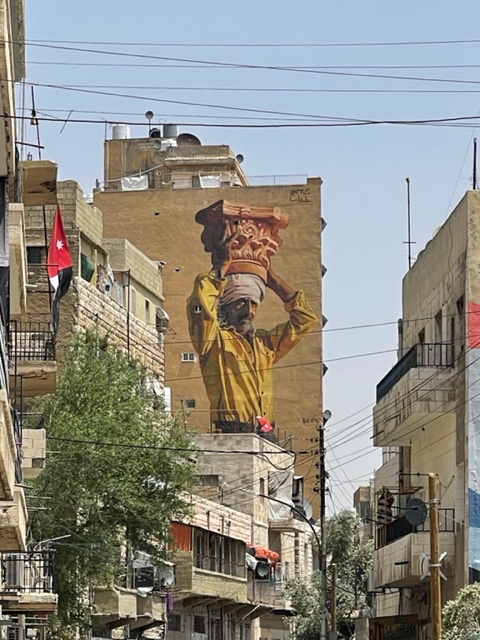
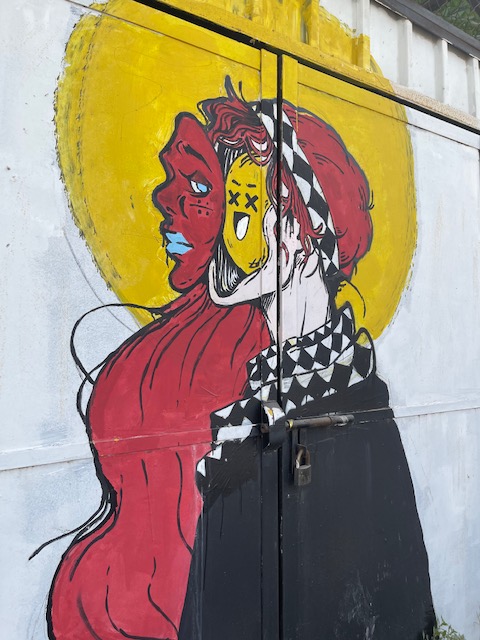
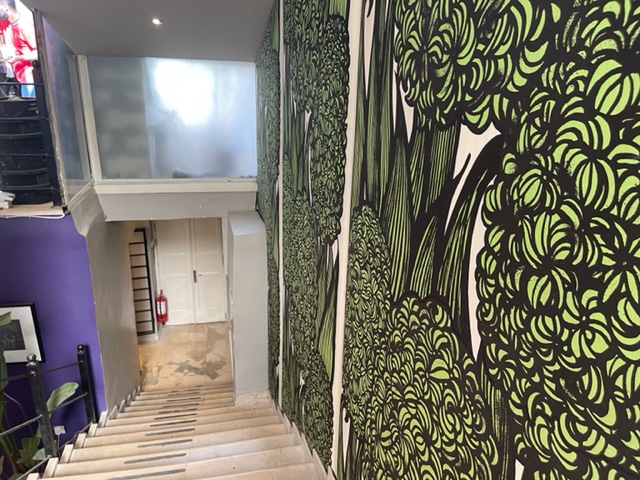
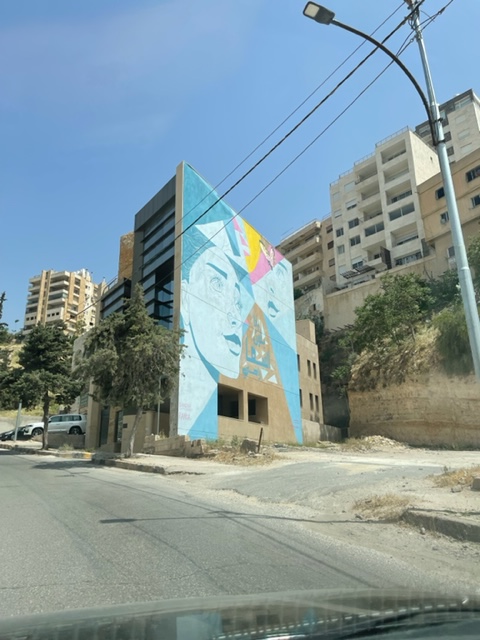
Walking throughout the city, I encountered several murals along the city walls as well, each one significant in its own right. From Fairouz, watermelons (a symbol of resistance in occupied Palestine), and many other cultural and political figures. Some names that might be of interest to the intellectually curious: the cartoon character called Hanthala that lives on after its creator’s untimely death in London, Khalil Gibran جبران خليل جبران, a well-known Lebanese poet, Mahmoud Darwish, a Palestinian poet who wrote Yasser Arafat’s “Gun and Olive Branch Speech” during the UN General Assembly in 1974, and Mustafa Mahmoud. These were the people I learned about on my walk. I’m certain there are many significant souls who contributed to the unique Amman landscape that I didn’t happen upon during my stay. As is common in the art, there were some imitation pieces that captured the essence of Banksy and Monet as well. It is thus quite fitting that one of the major themes of the walk was this: it’s near impossible to escape the west completely.

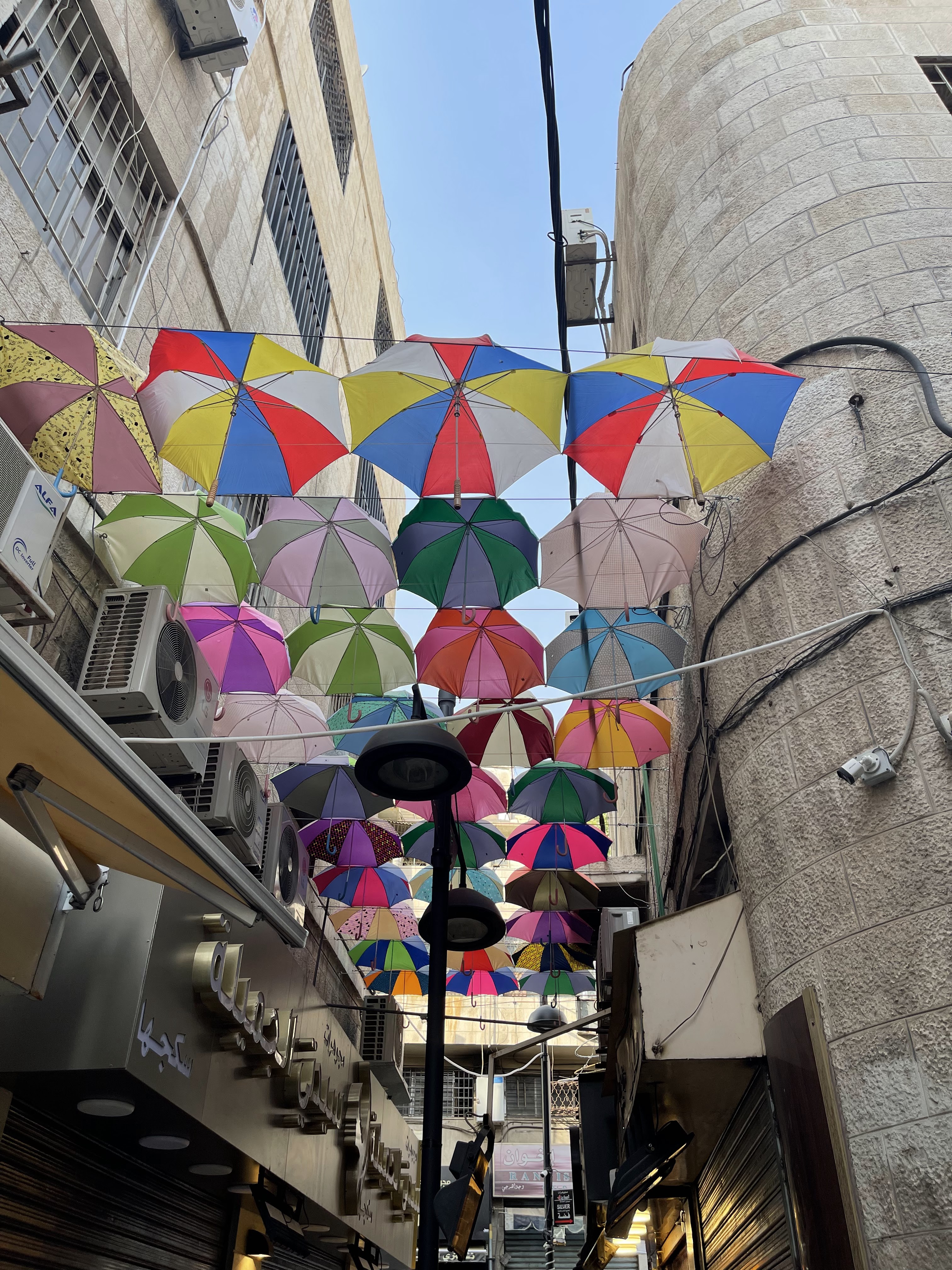
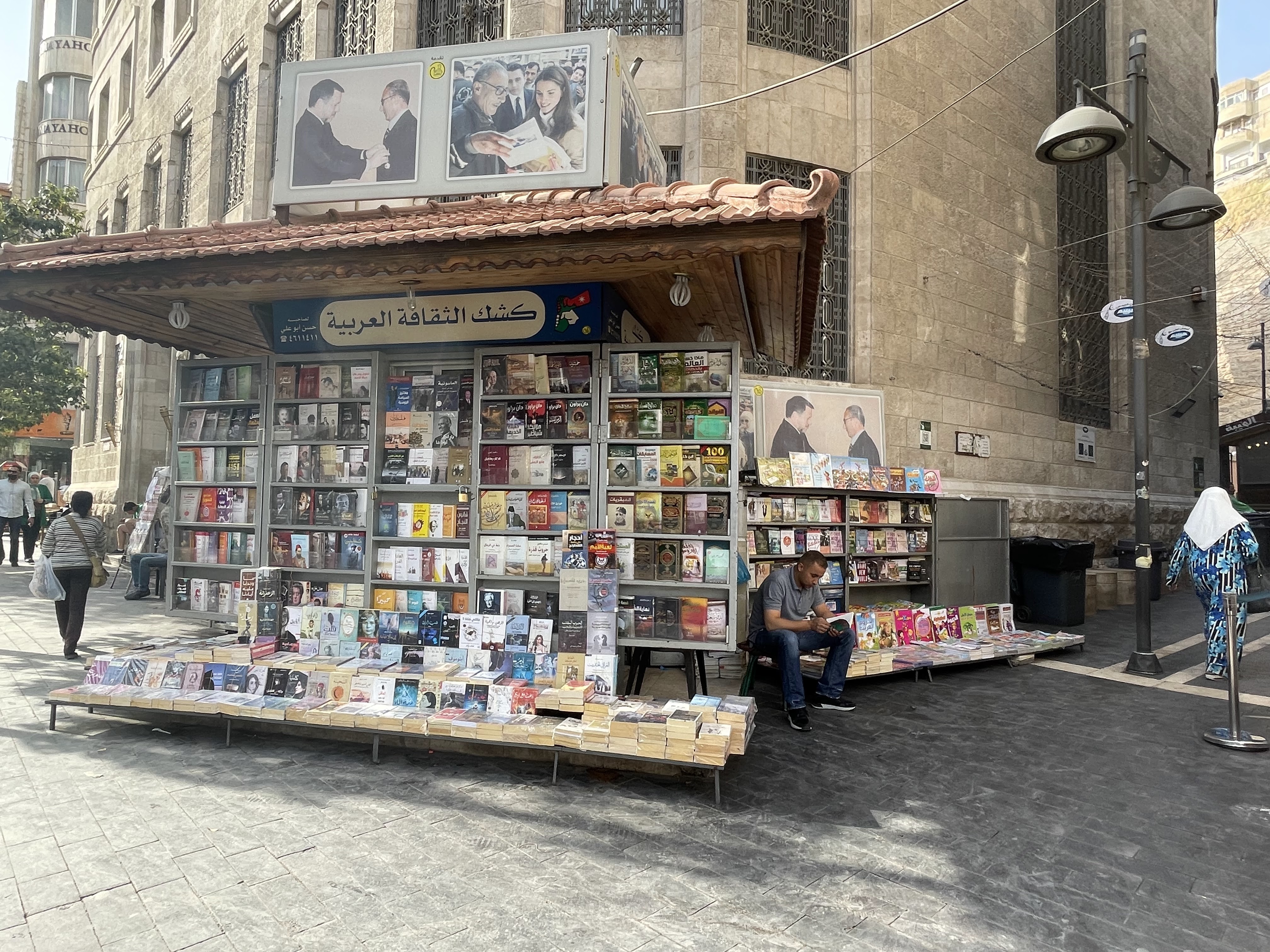

Towards the end of the walk through Amman, I learned that each dove had a certain value attached to it depending on the country of origin. The Palestinian dove had a crown around its head, the Russian dove had large feathers extending out from its feet and the Indian doves were a shiny black with green-tipped wings. It was a great way to end the day. The sun hid behind the hillside for the night and the mosques prepared for the final Ramadan prayer. The doves had bells tied to their feet to mark their ownership and as they rang through the night, I felt powerful; enough to vanquish any stressor that dared interrupt my peace. Amman’s future is bright.
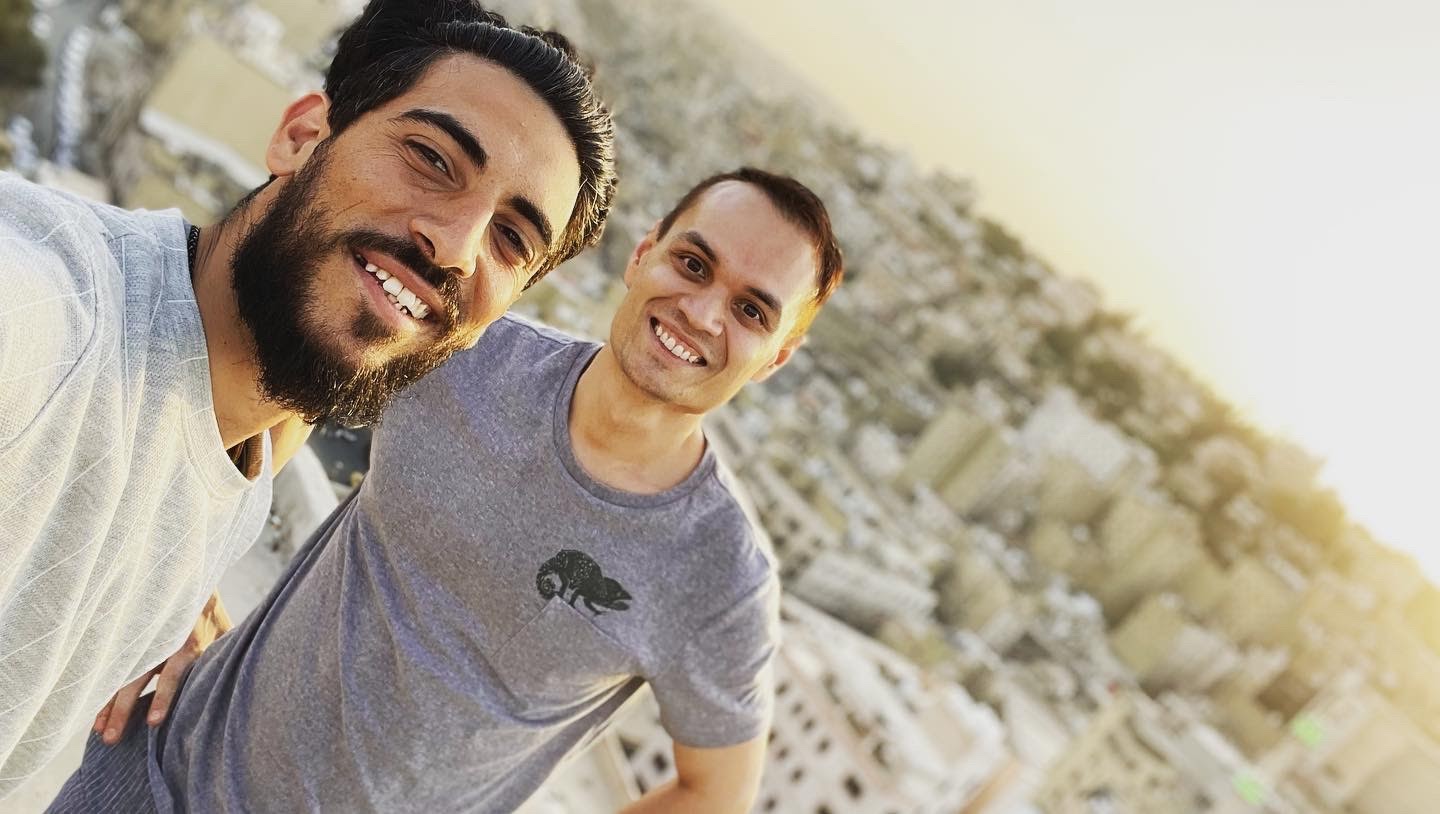


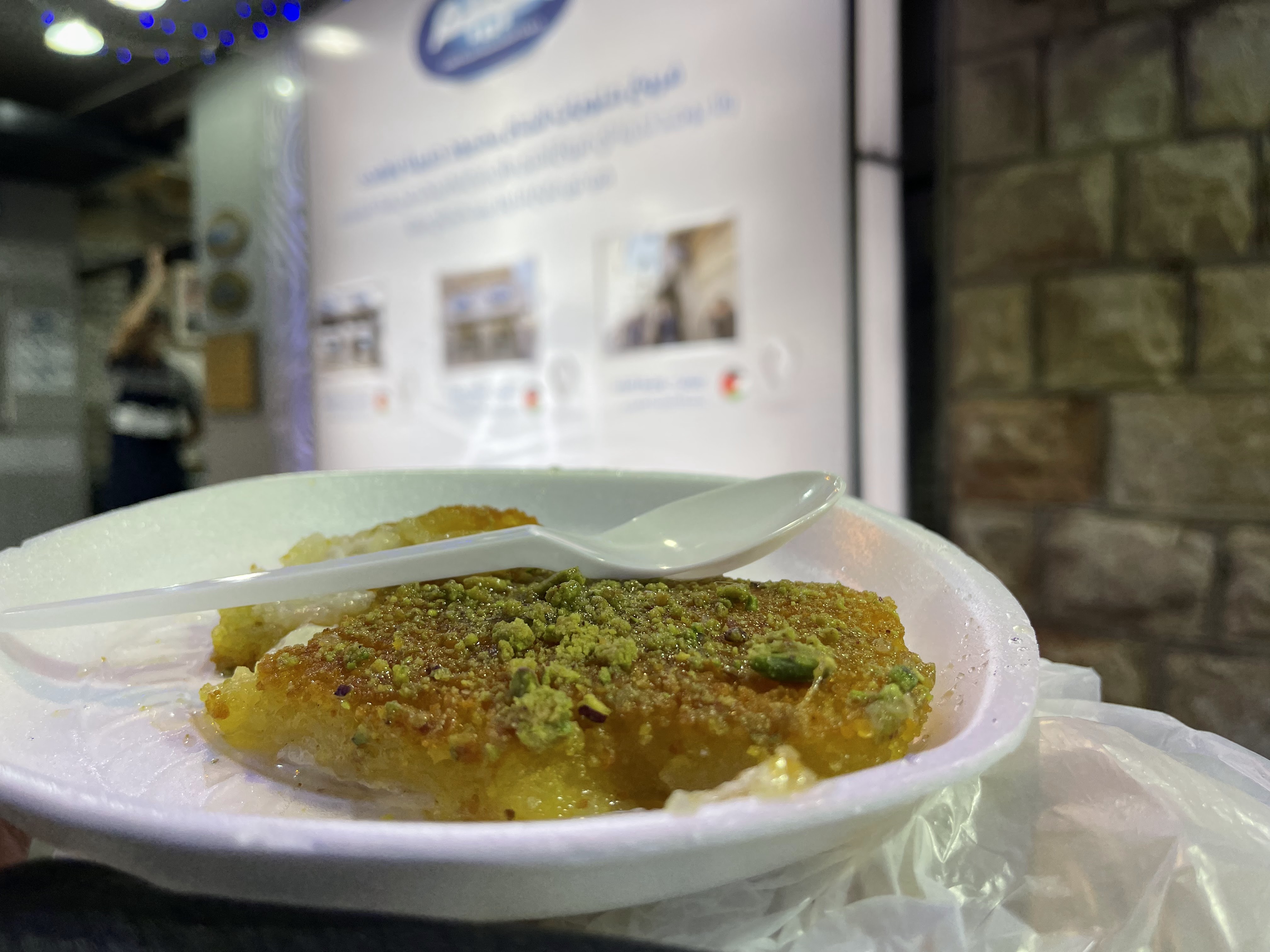
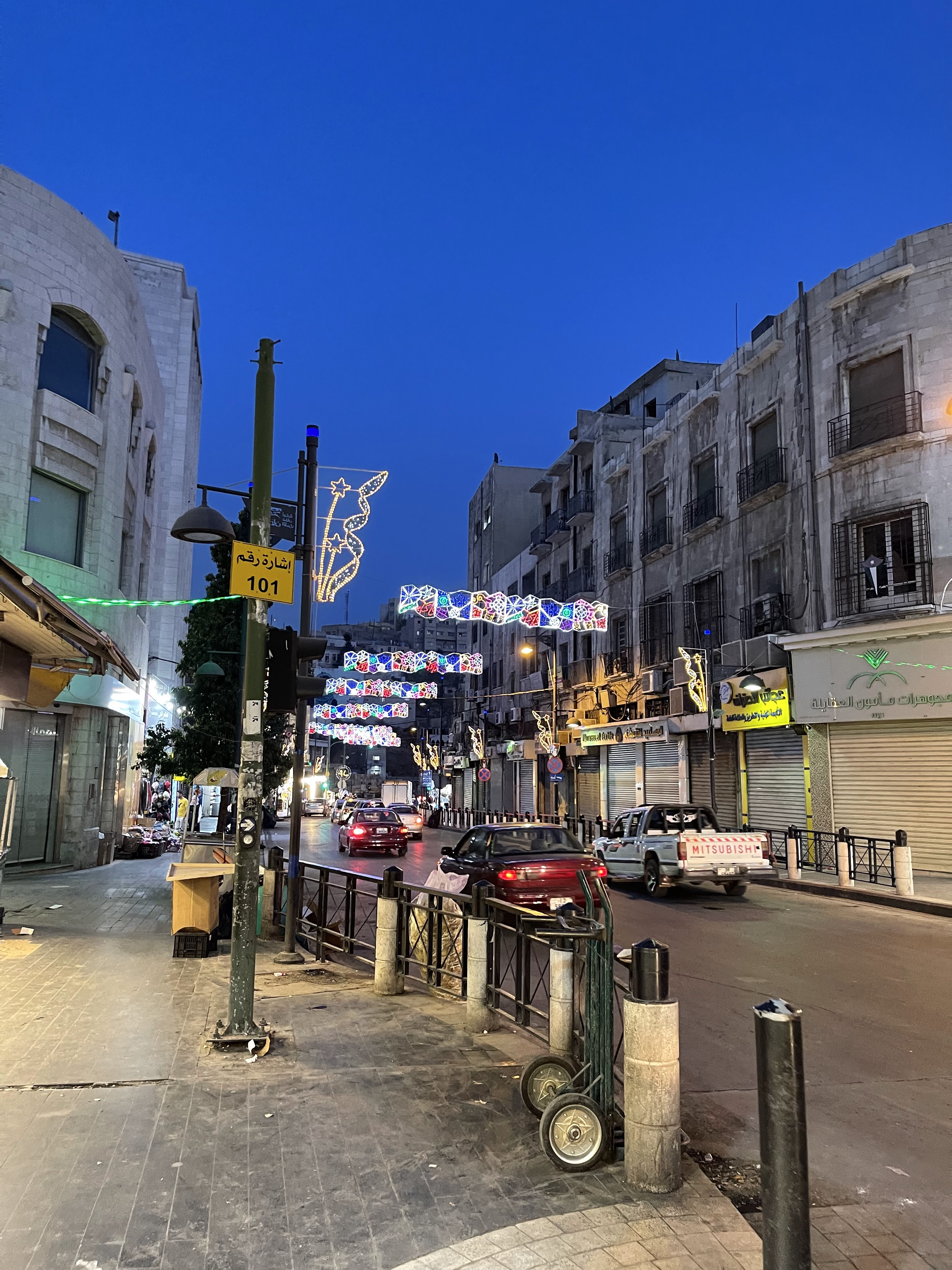
At nightfall, I bid farewell to Anas (which by the way, means “friend, sociable, caring”) paved my own way through the streets before Iftar, and waited to eat a delicious treat named Knafeh with the crowds gathered around streetside tables. Afterward, I walked to the Roman Amphitheater for a night view, then Ubered back to my Air Bnb to rest before starting my 3-hour drive to Petra in the morning.
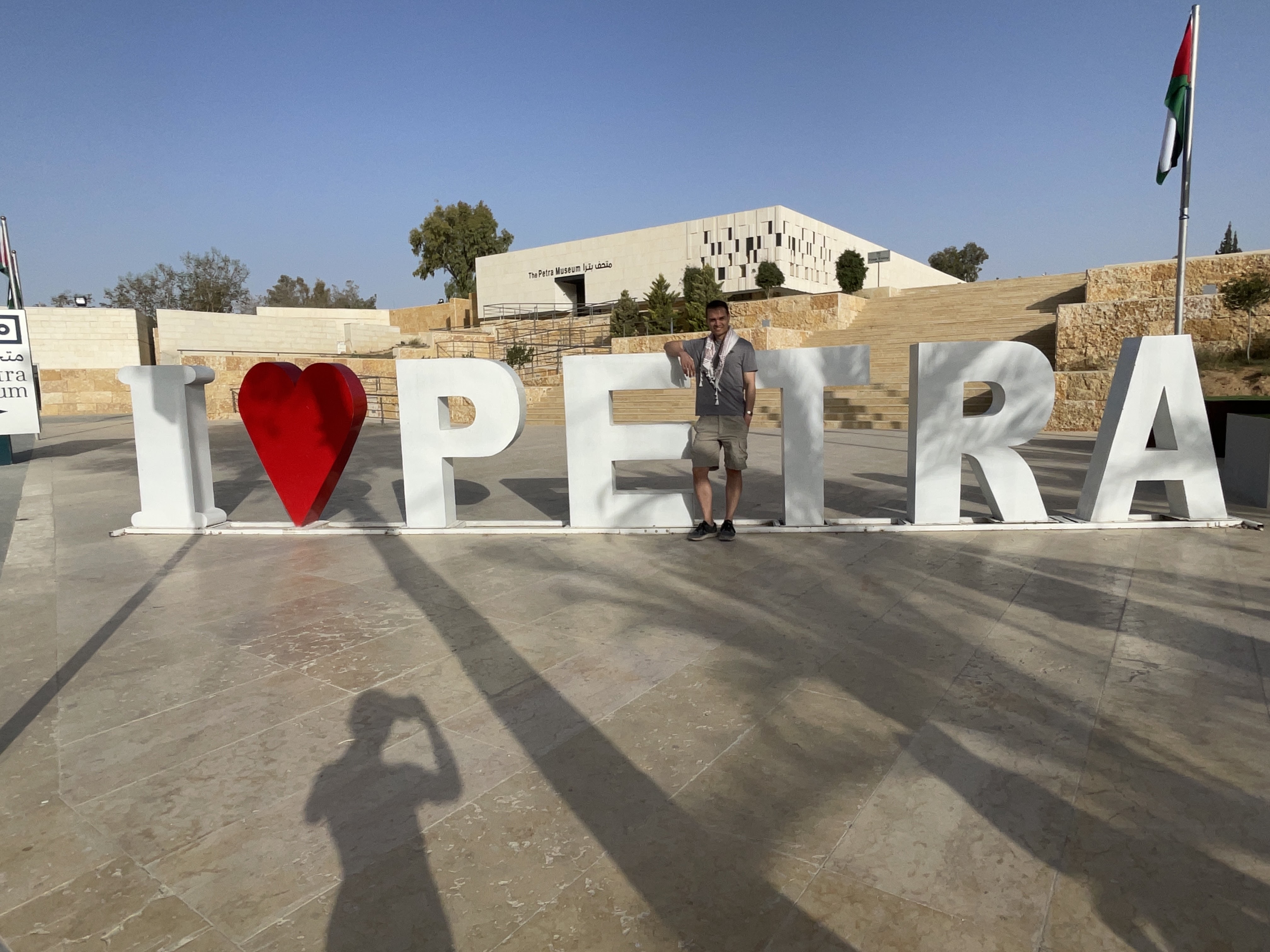
Research indicated that Petra should be given 2 days to explore so I purchased the Jordan Pass with a two-day Petra ticket. After several hours on the I-15, I crossed the 814 (a scary one-lane road) over to Shobak before driving south towards Wadi Musa. I arrived at 10am and parked my car at the parking lot situated to the left of the Petra Entrance. I had been anxiously awaiting this moment for months and the Ancient Nabataean Kingdom of Petra was now within walking distance!
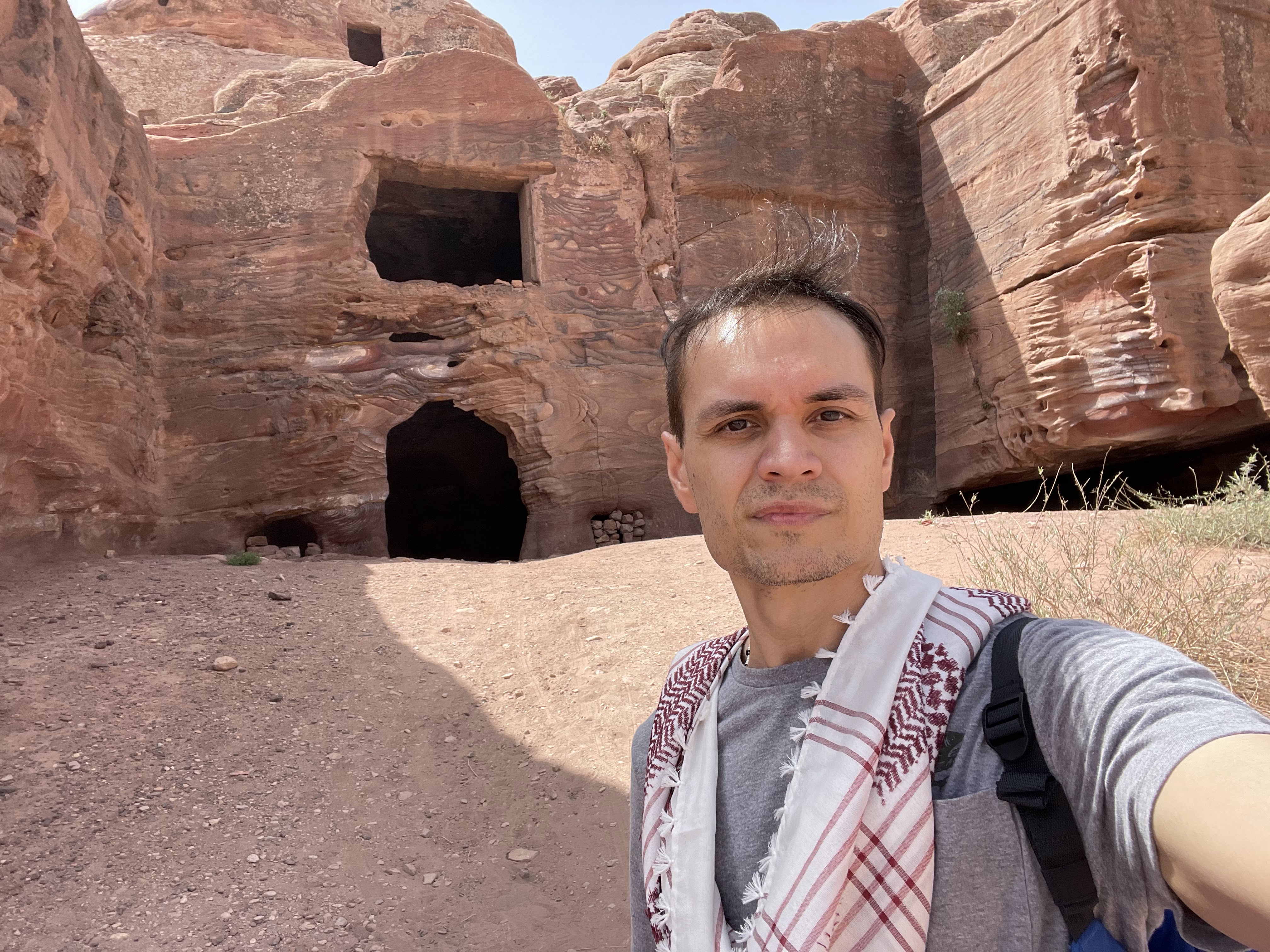
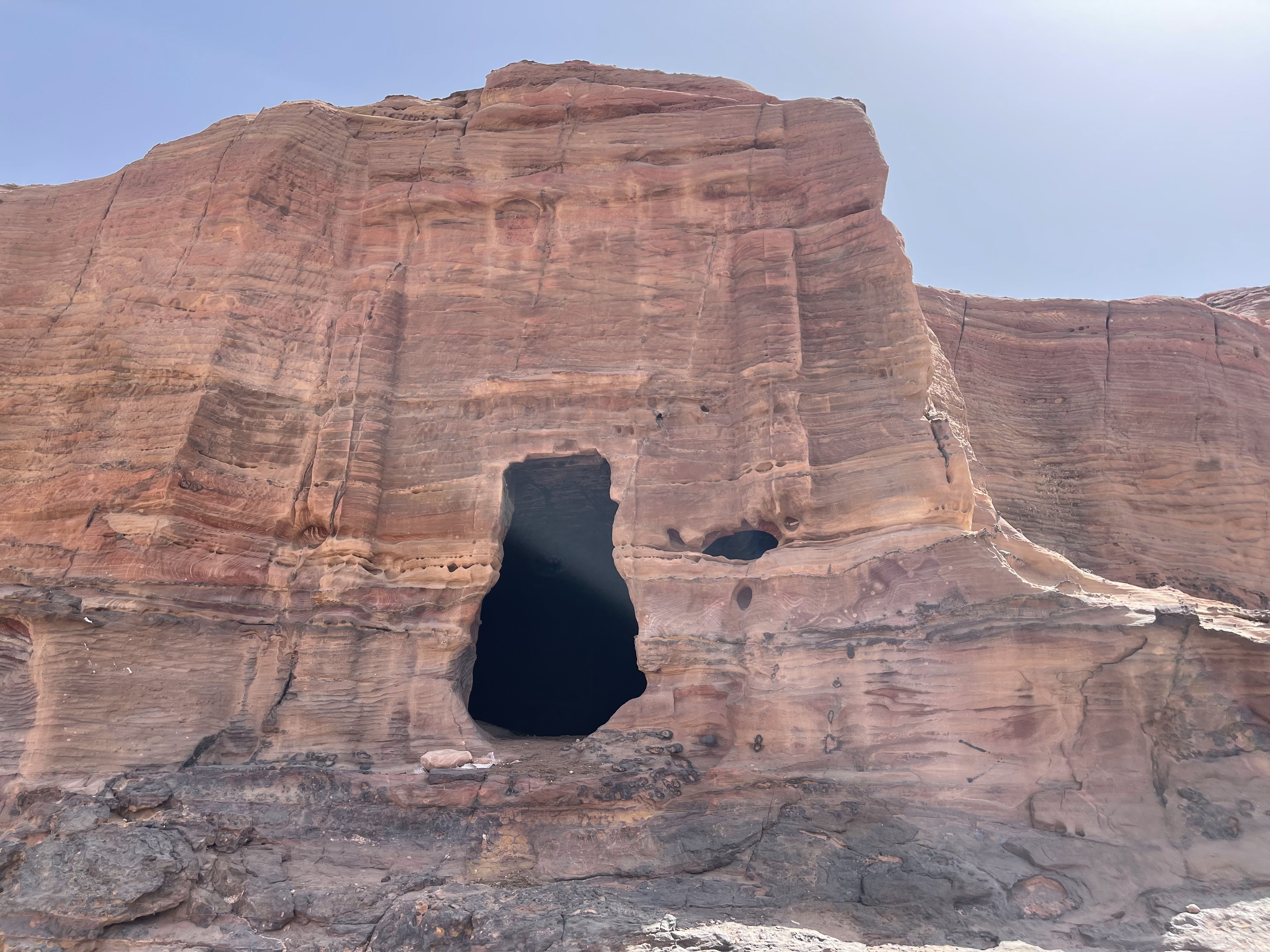
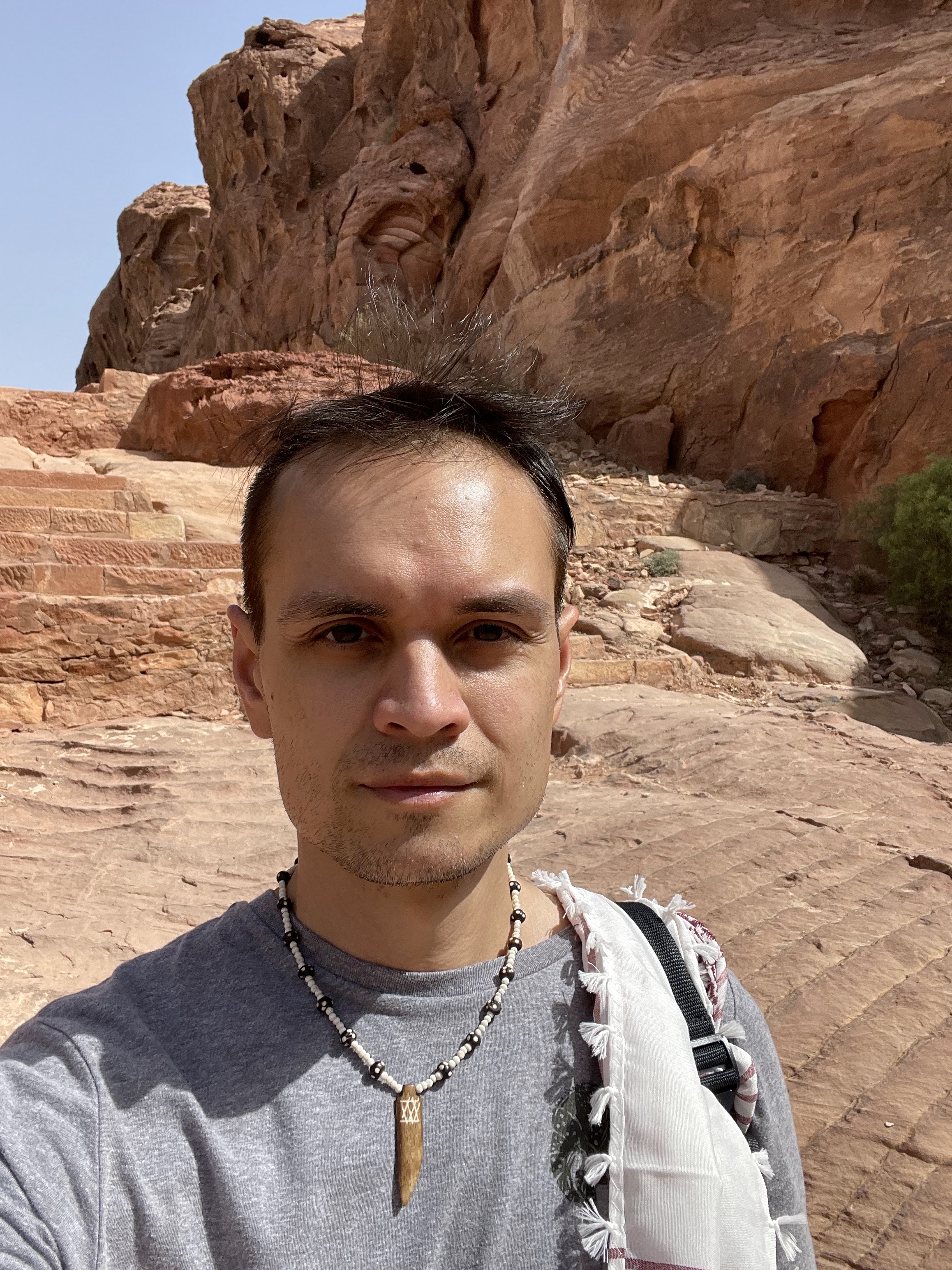
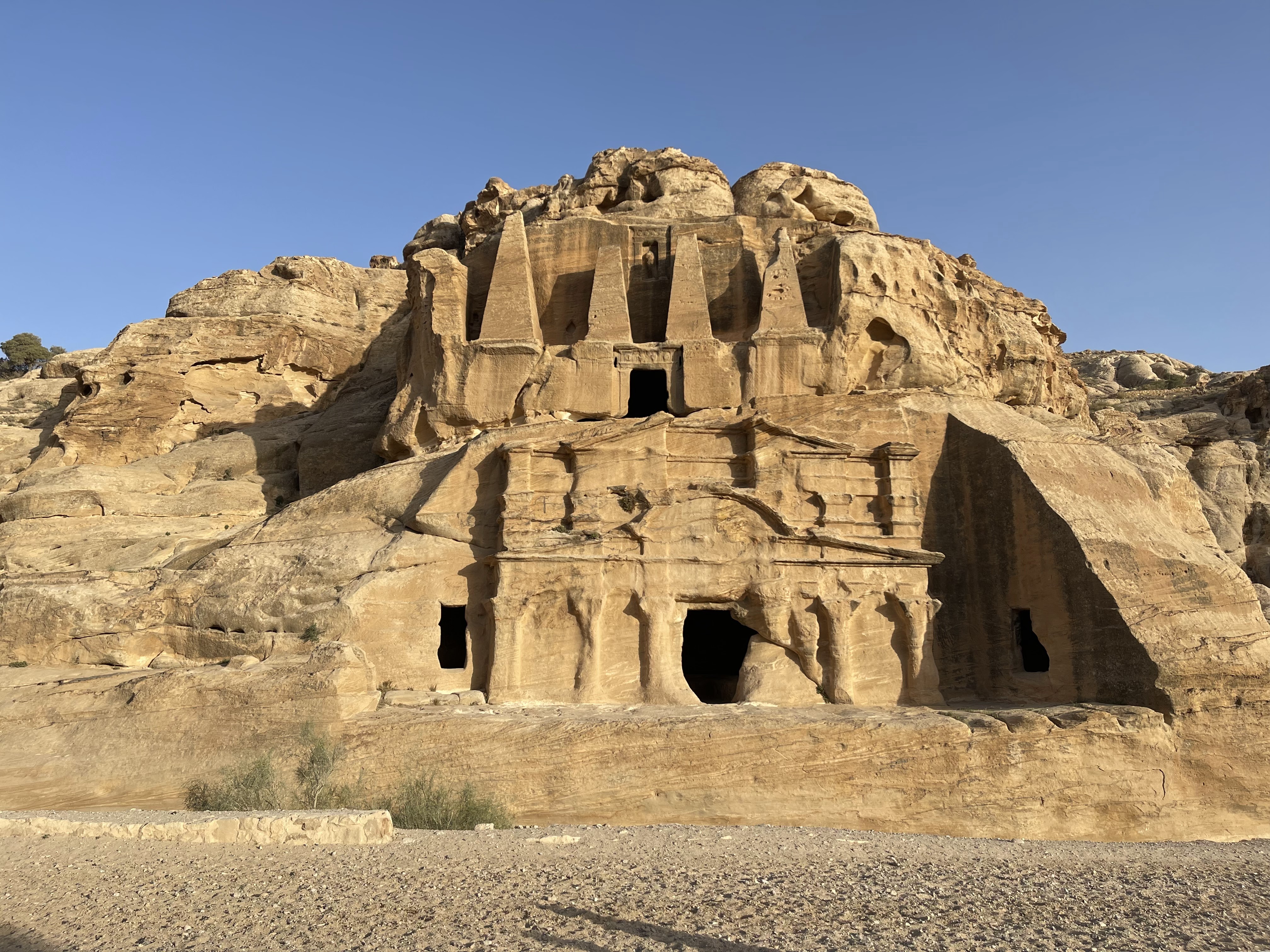
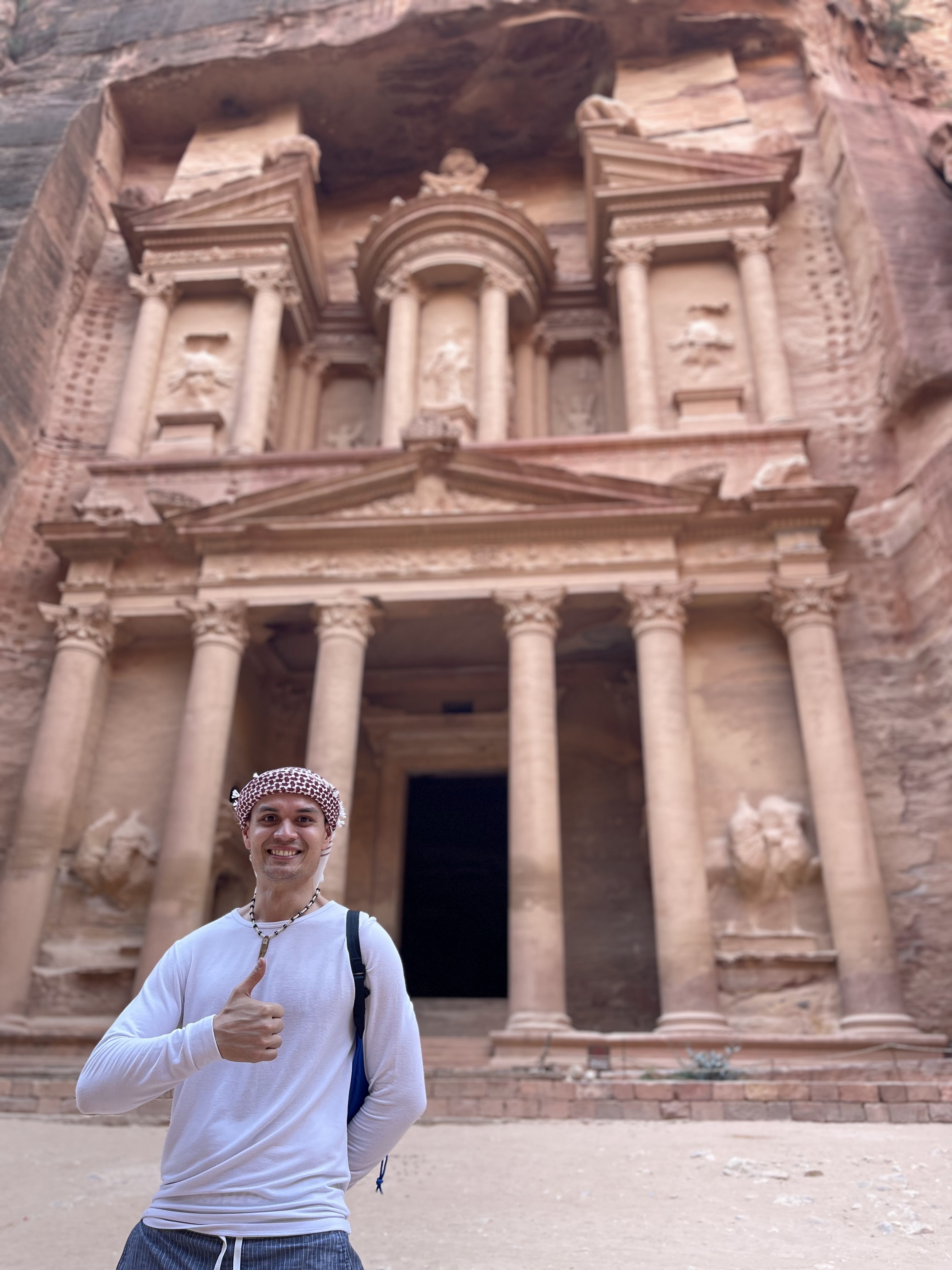
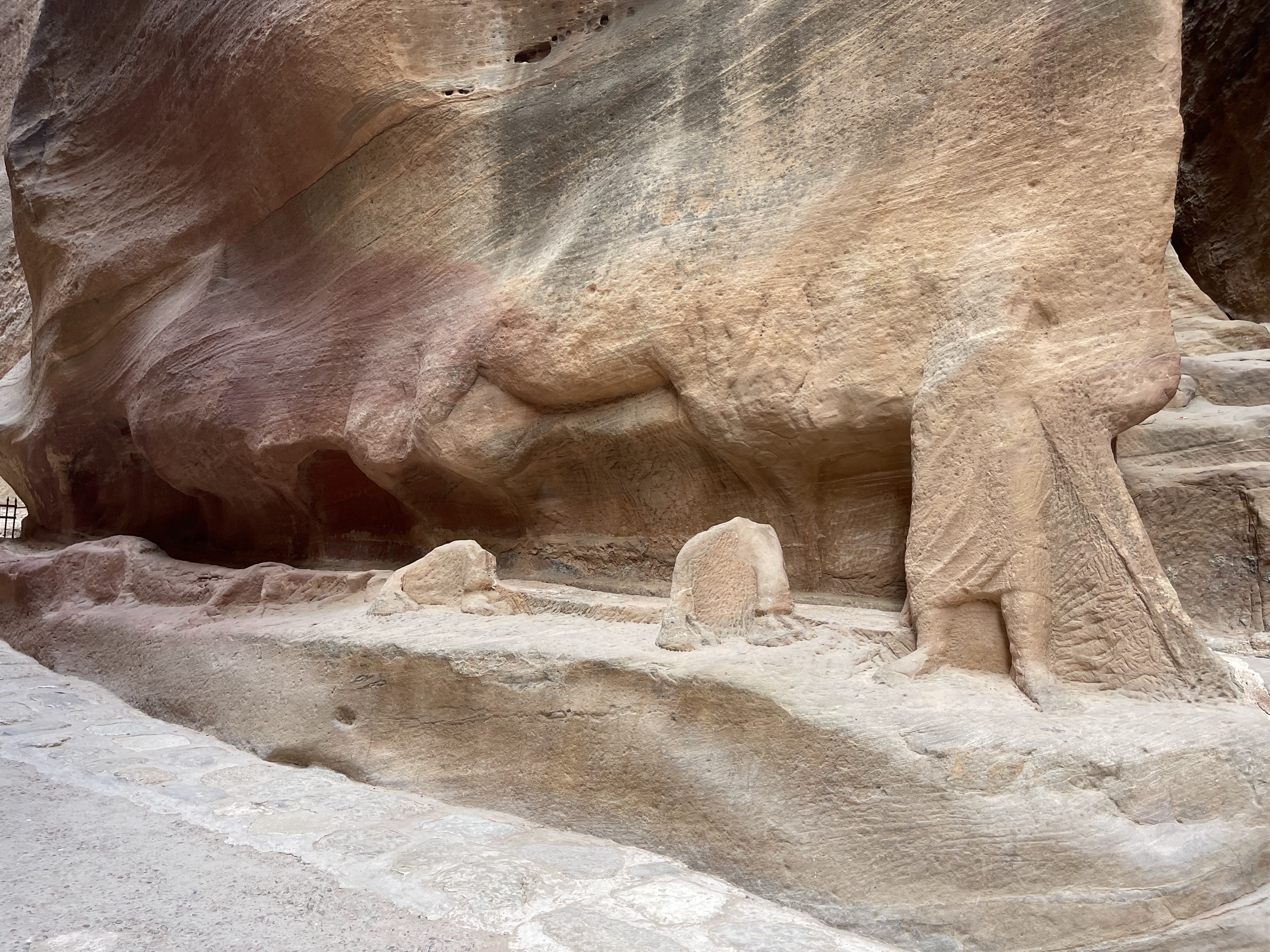
Ticket scanned, I walked through the sun-scorched earth past the Bab El Siq and other tombs towards the Siq: a narrow passage that snaked through beautiful sandstone cliffs before opening up to the Treasury. I imagined hundreds of people parading through the Siq, passing through the two giant statues on either side of the entrance. The statues, along with many carvings along the walls have eroded, but the natural beauty of the gorge aided in my imagination of the community that once thrived in such a monumental location.
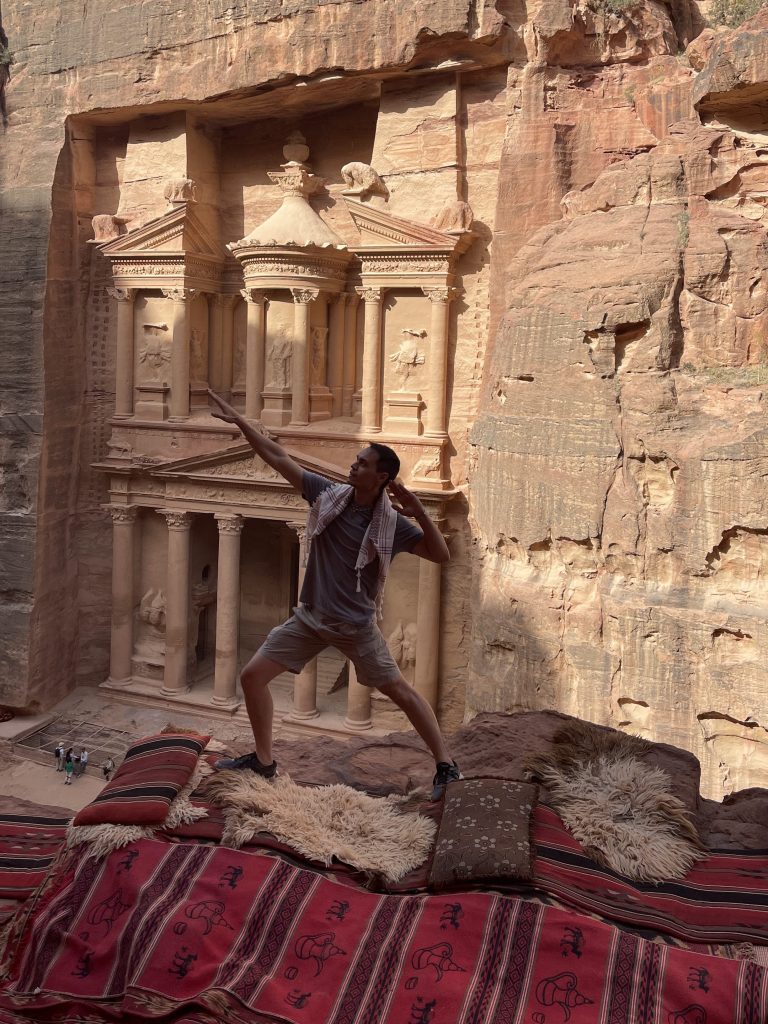
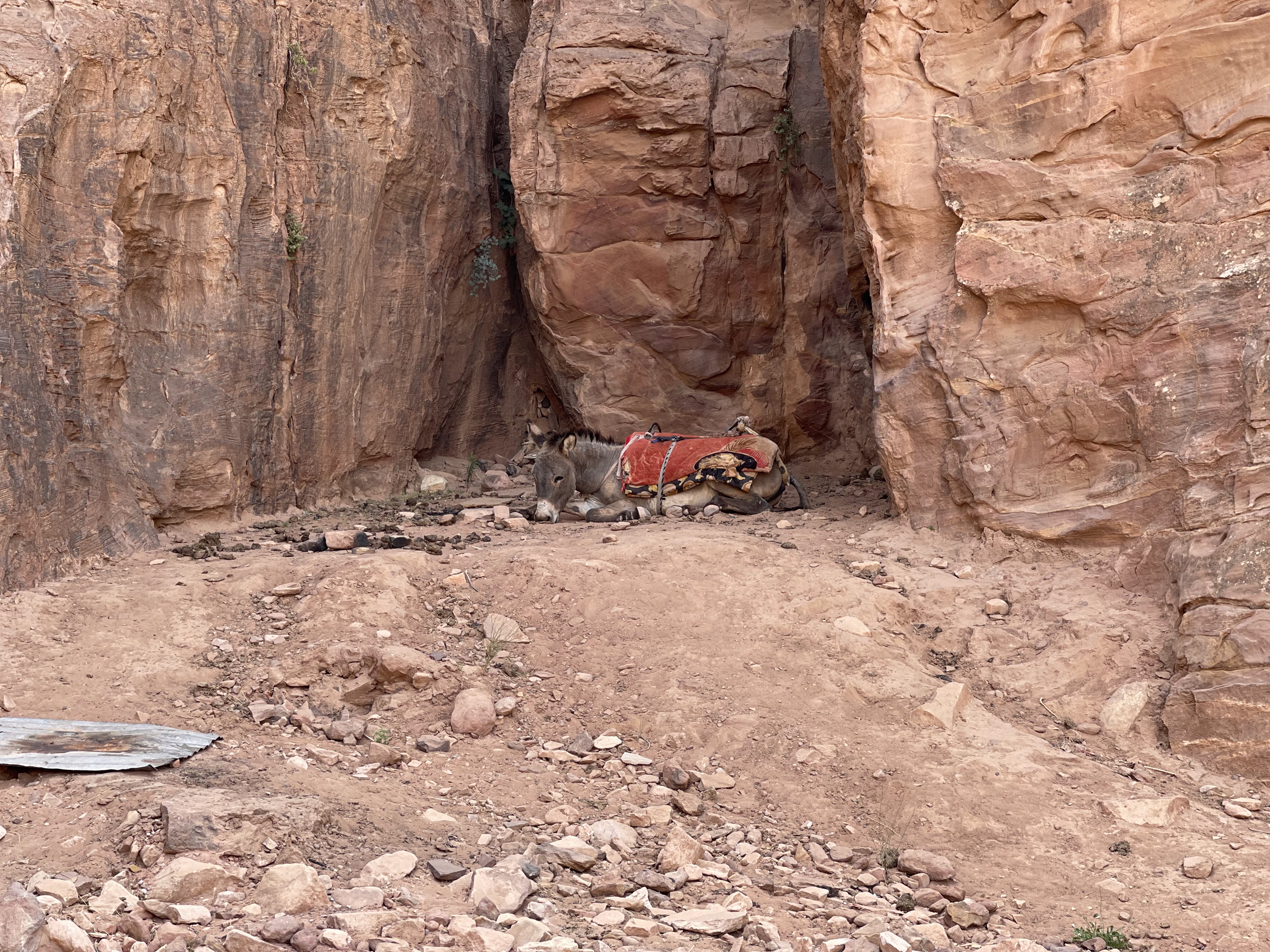
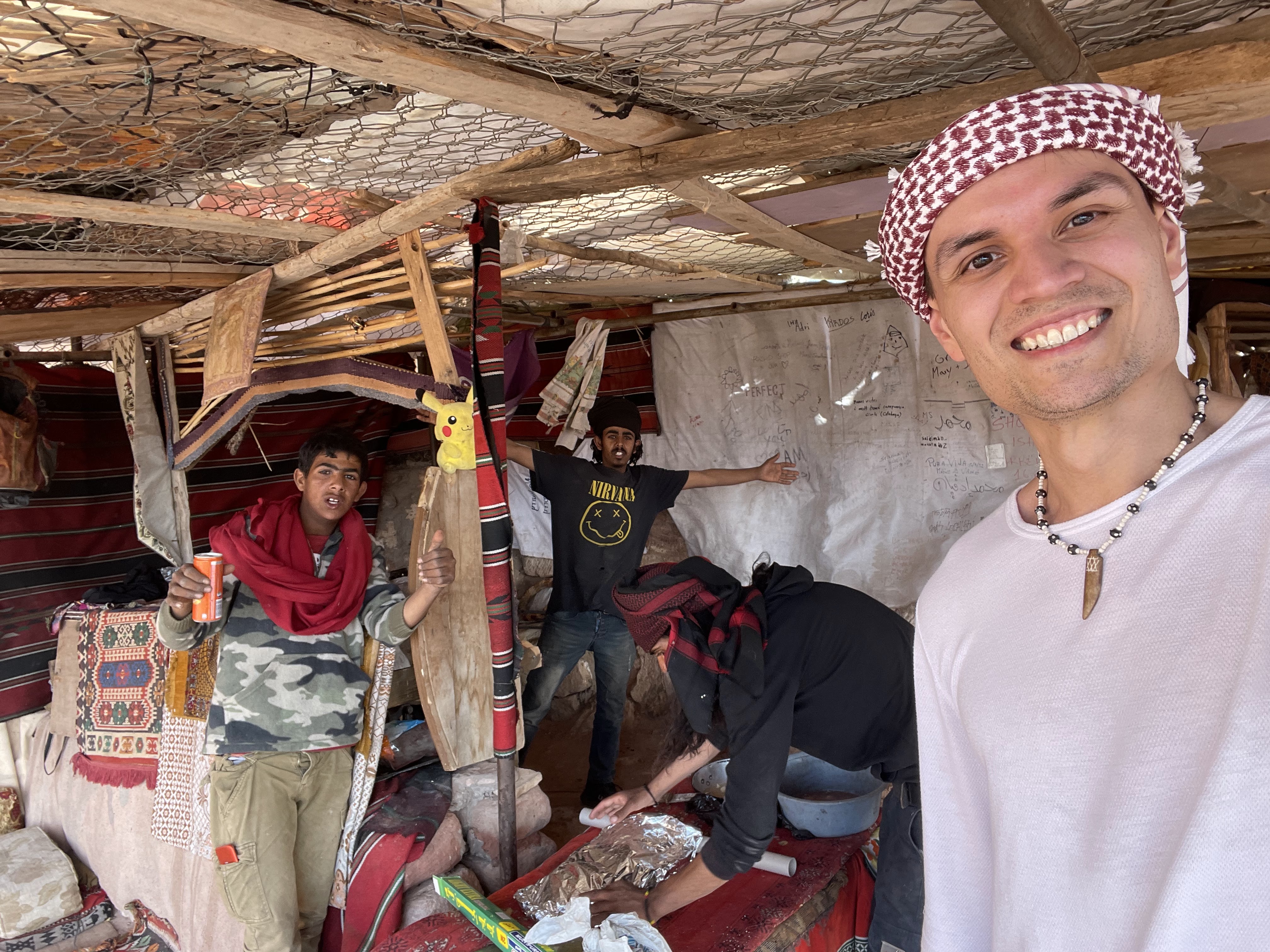
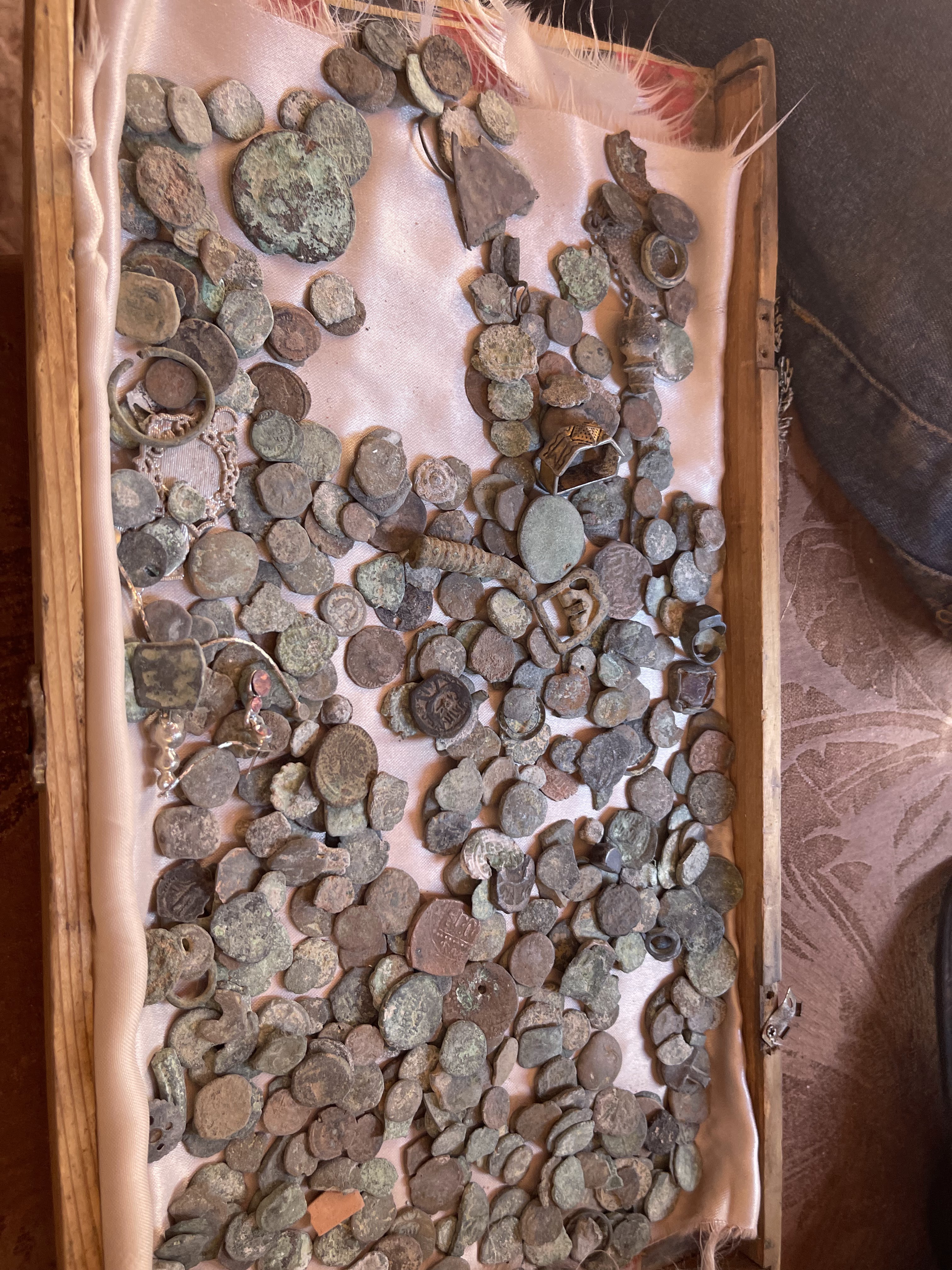
As mentioned previously, walking through Petra generally requires at least two days, and for me, day one was from midday to late afternoon, and day two started in the early morning to beat the high noon heat. I moved quickly so I managed to see everything from the high point of sacrifice, several trails that wound around numerous tombs, eroded lion fountains, and bleating lambs (honestly, there was a loud bleating that made me think a human baby was lost in the mountains, but it was a lamb calling for its mother; lost in Petra). Oftentimes, I was on my own because of the vast expanse of Petra. I purchased some genuine Roman and Nabataean currency from a friendly Bedouin family at the base of one of the Royal tombs and ran into many gregarious Italian during my hikes up and down the trails. Everyone was on their own unique adventure. Reflecting back on my two-day hiking trip, I have to pat myself on the back for being aware and observant of every detail while I was trekking through history. It’s a privilege to be hiking through incredible terrain while being surrounded by timeless, monumental human achievements. Lord only knows if and when I’d ever return to this wondrous place.
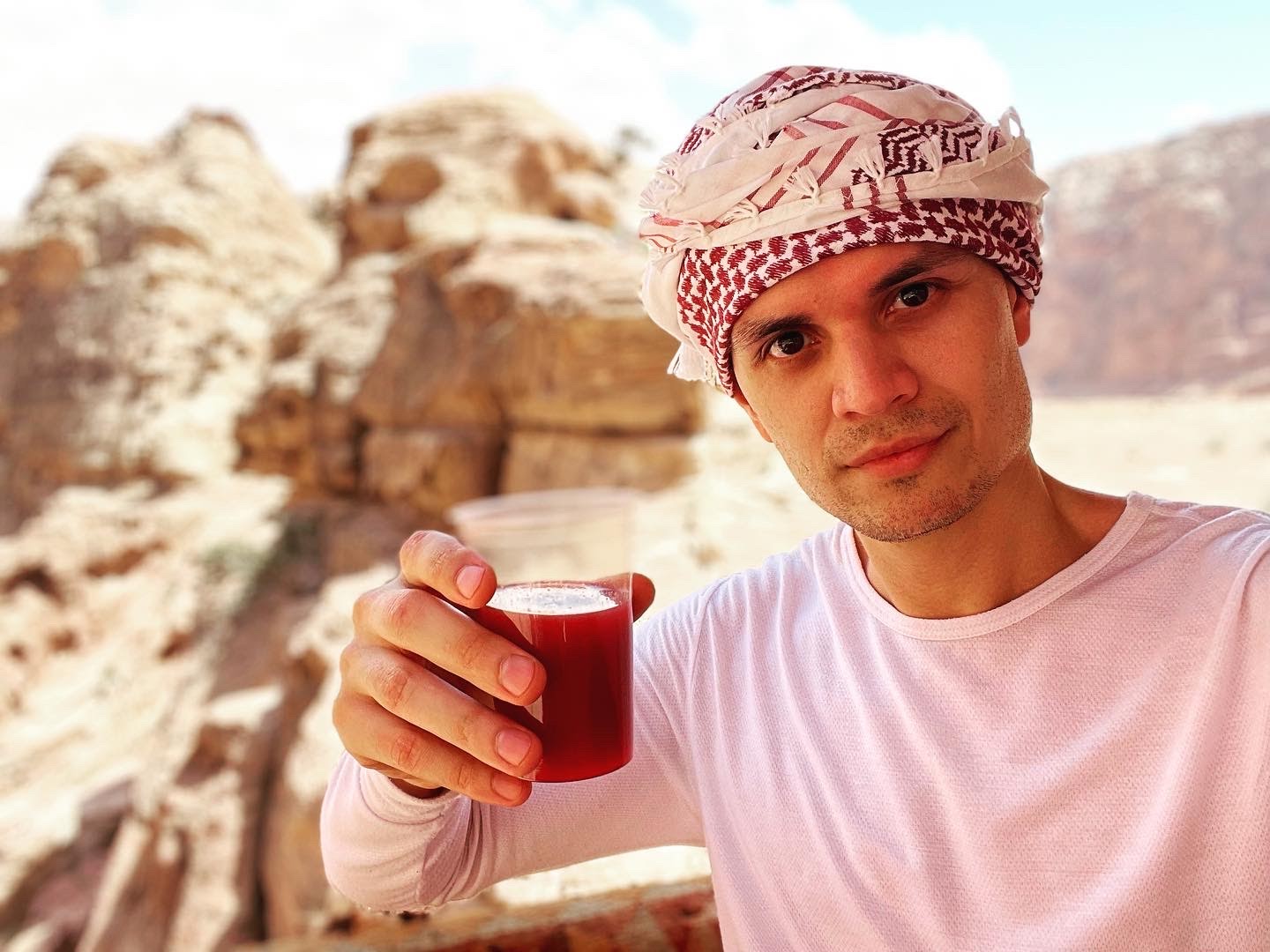



After Petra, I had two more missions before heading back north to Amman and the Dead Sea: Wadi Rum and Aqaba. I decided to wake up early and drive to Aqaba (the southernmost point of Jordan, surrounded by Israel and Egypt). The 45-minute drive was quick, and as I drove around searching for Aqaba Dive Center, my heart started pumping as it does right before first-time experiences. I had read as much about scuba diving as humanly possible and realized that sharks aren’t a typical sighting in the red sea, much less in the Aqaba inlet, but one never really knows what they will encounter when taking the plunge. Needless to say, I’m here, writing about it, so here are some wonderful pictures of my scuba diving experience with a new acquaintance turned friend, Ahmed (aka “William”) who literally kept me alive as my wimpy body shivered in the wetsuit. It was late April, but for some reason, the water always feels cold…therefore, a polar bear swim might be my last should I ever be daring enough to try.

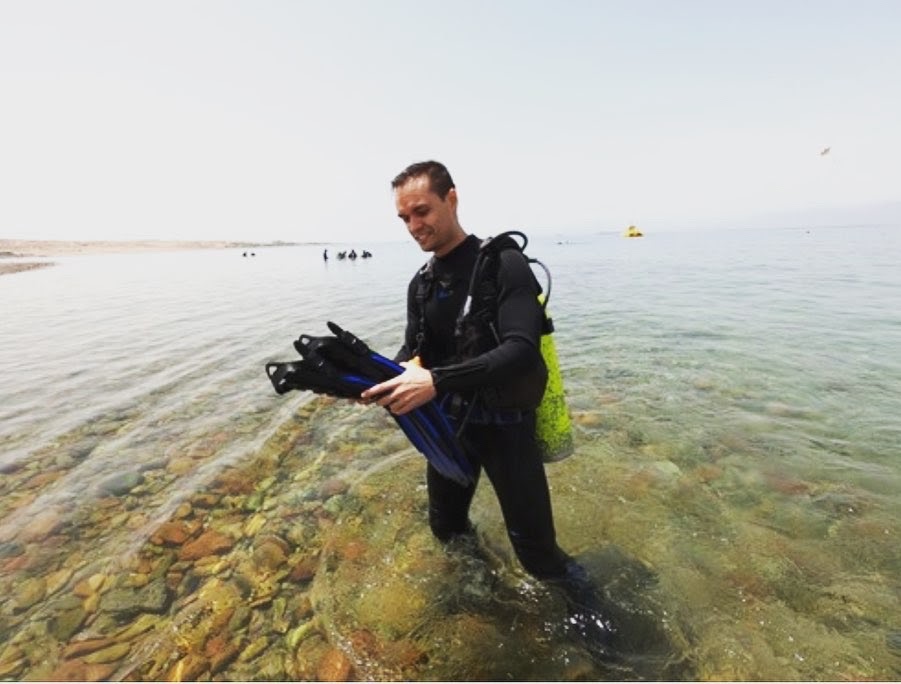
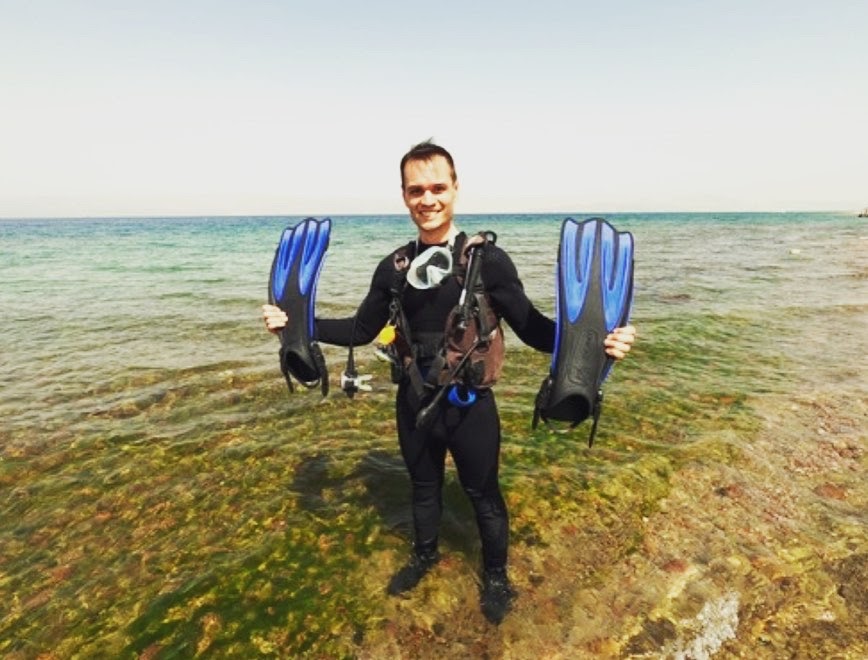


Now for some under-the-sea shots. FYI, I found Nemo, and evidently, my hair wants to mimic the fire coral. See slides below:
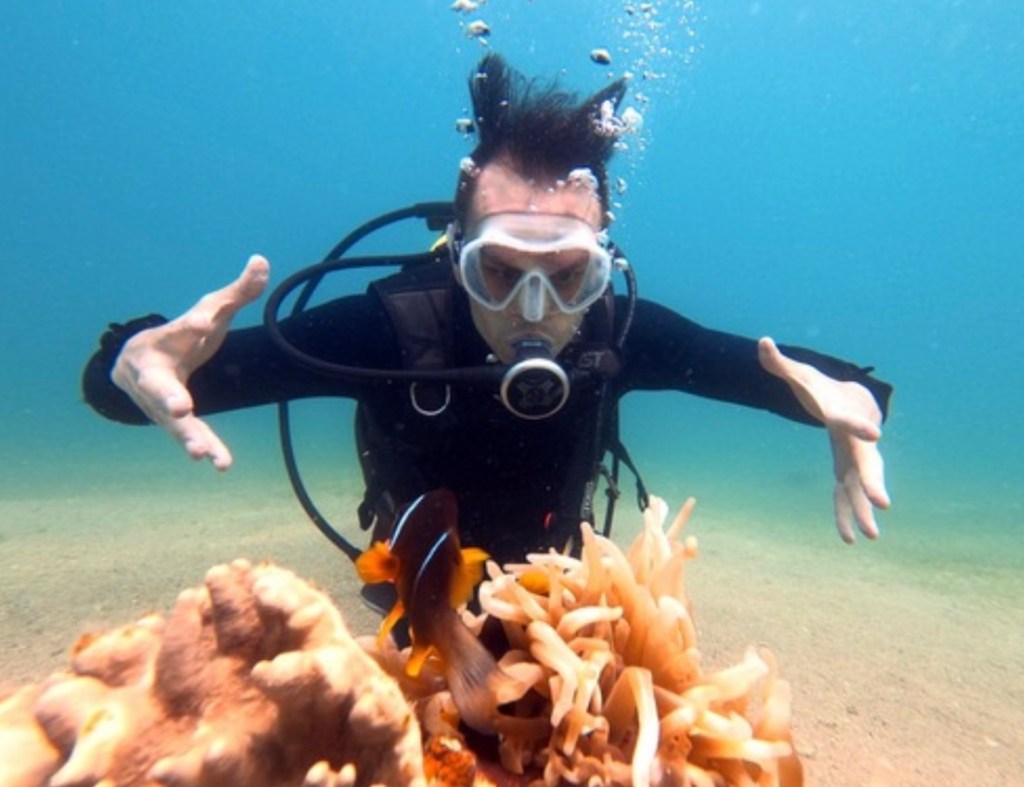

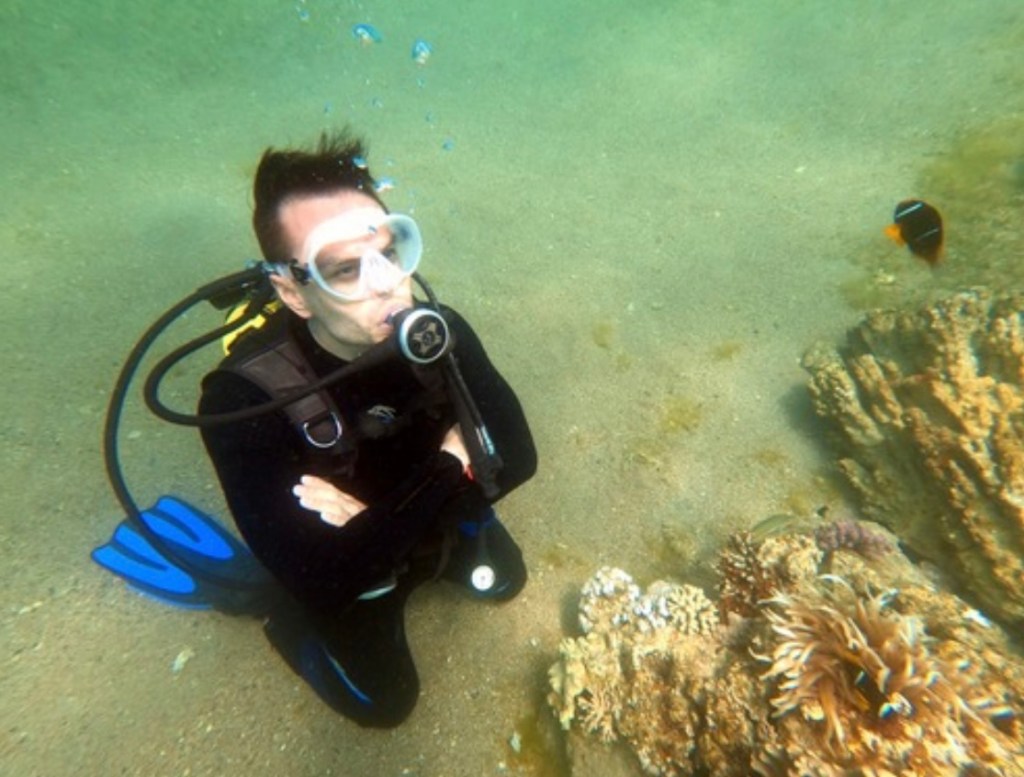
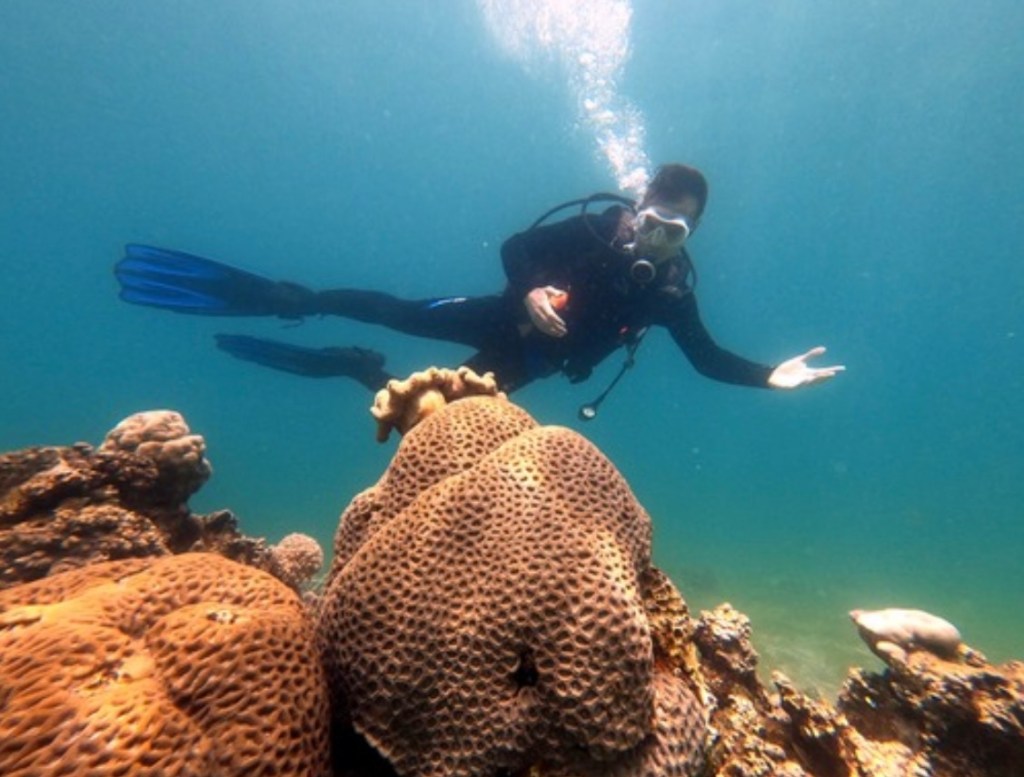
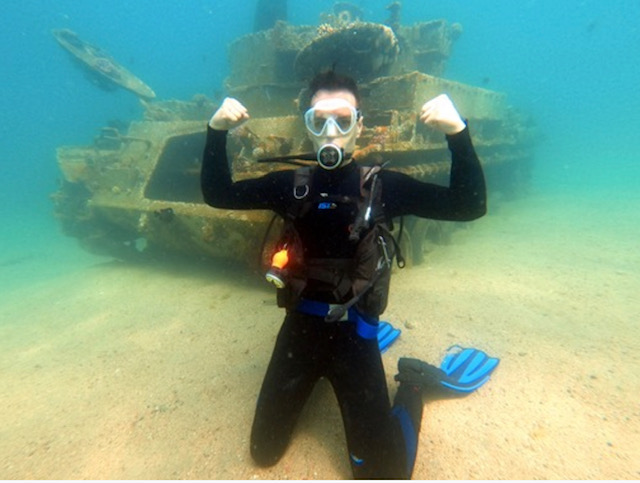

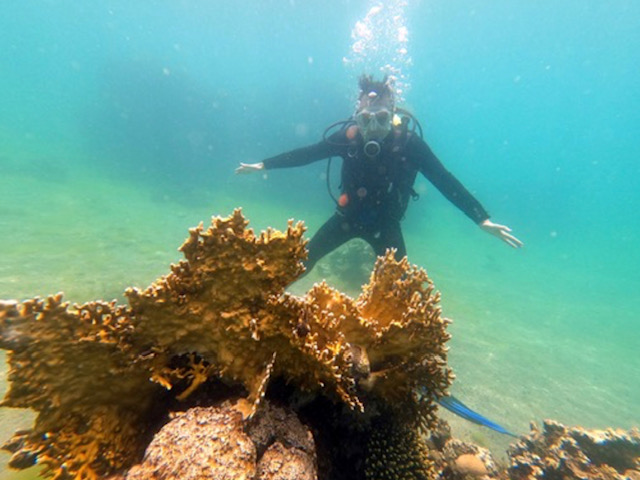
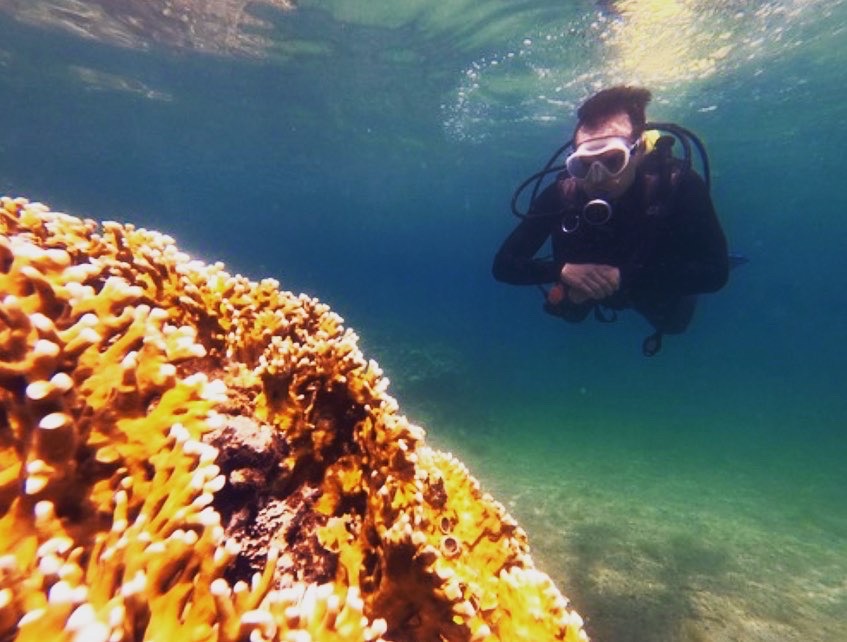
The tank was HEAVY and I had to be weighed down by approximately 20 kg because of the high salinity in the gulf. I couldn’t stop thinking that swimming competitively and scuba diving are two completely different ballgames. One requires stamina, while the other requires trial and error and thinking. Focus is required for both in my opinion. Buoyancy and balance-science, yay! Back at the dive center, William and his boss took down the guitar from their wall and challenged me to play a couple songs since I said I dabbled in guitar. So I played a few pieces for them until the prayer sounds started and gave them my final hugs of gratitude. I survived my first dive! The next item on my list of adventures was Wadi Rum which was back up north, so off I went.
Entering the national reserve, I stopped at the entrance to get my passport and Jordan pass stamped, then headed into the village where Wadi Rum Stars Camp was located. I parked my car, spoke to the receptionist, and then drove into the desert with a Bedouin driver and his son. They took me on a windy tour around the wadi, stopping to see various rock formations, dunes, ravines, and then tea with their bedouin family, before taking me to the campsite, where I ran into several Polish and Italian people that I had met previously in Petra. “You’re following me!” We both exclaimed to one another, snickering. Tourists can be oh so original…


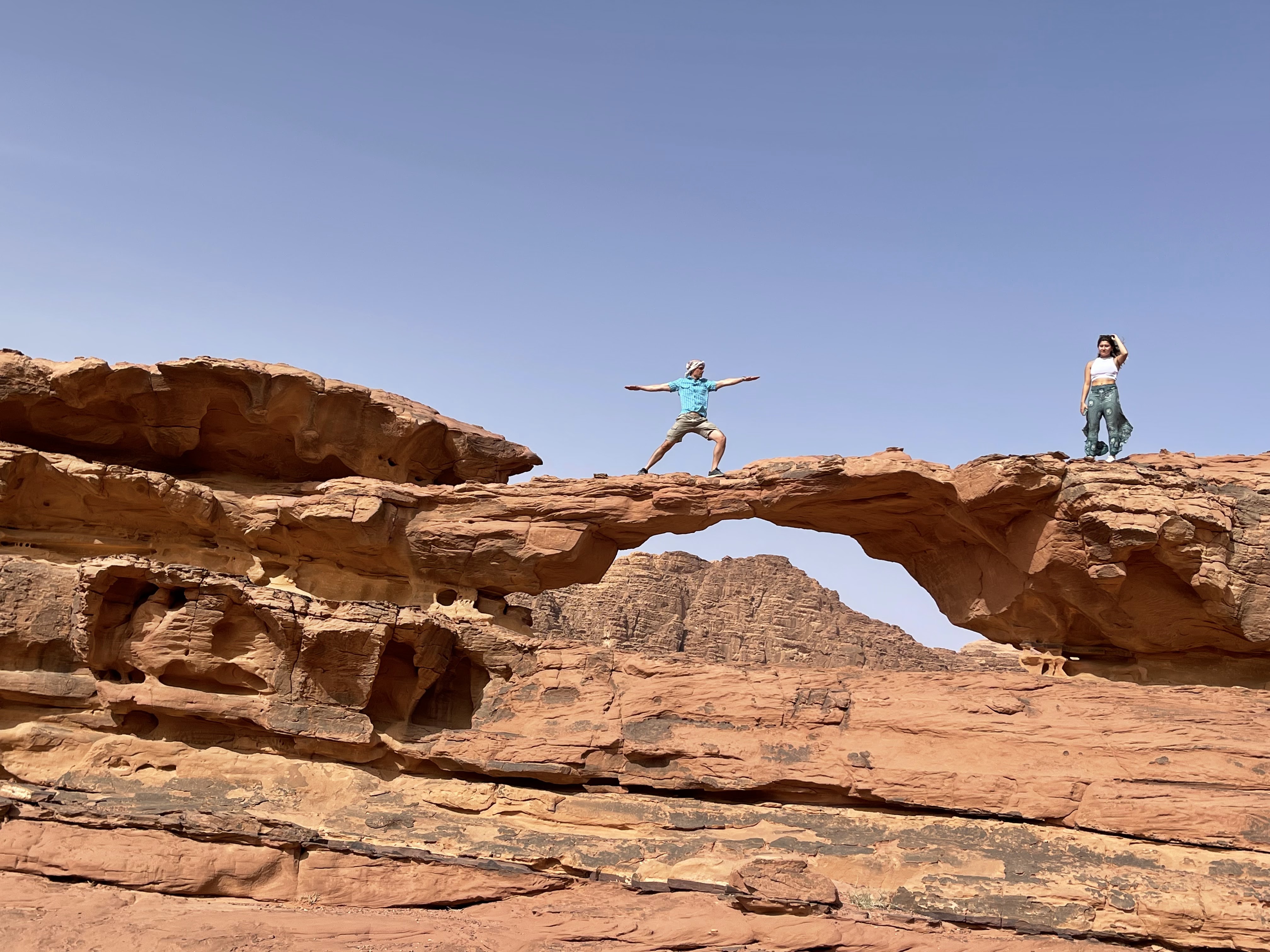
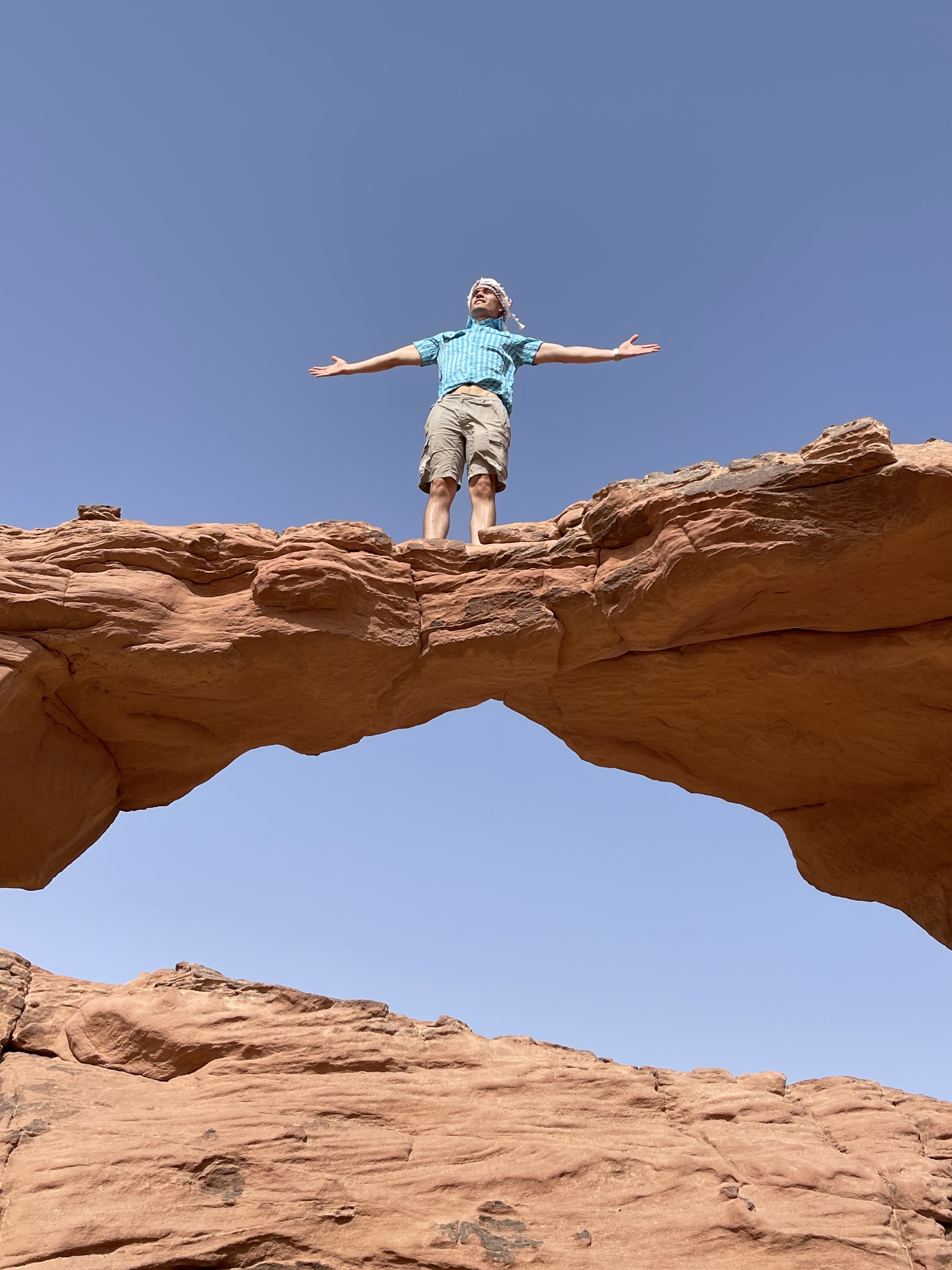
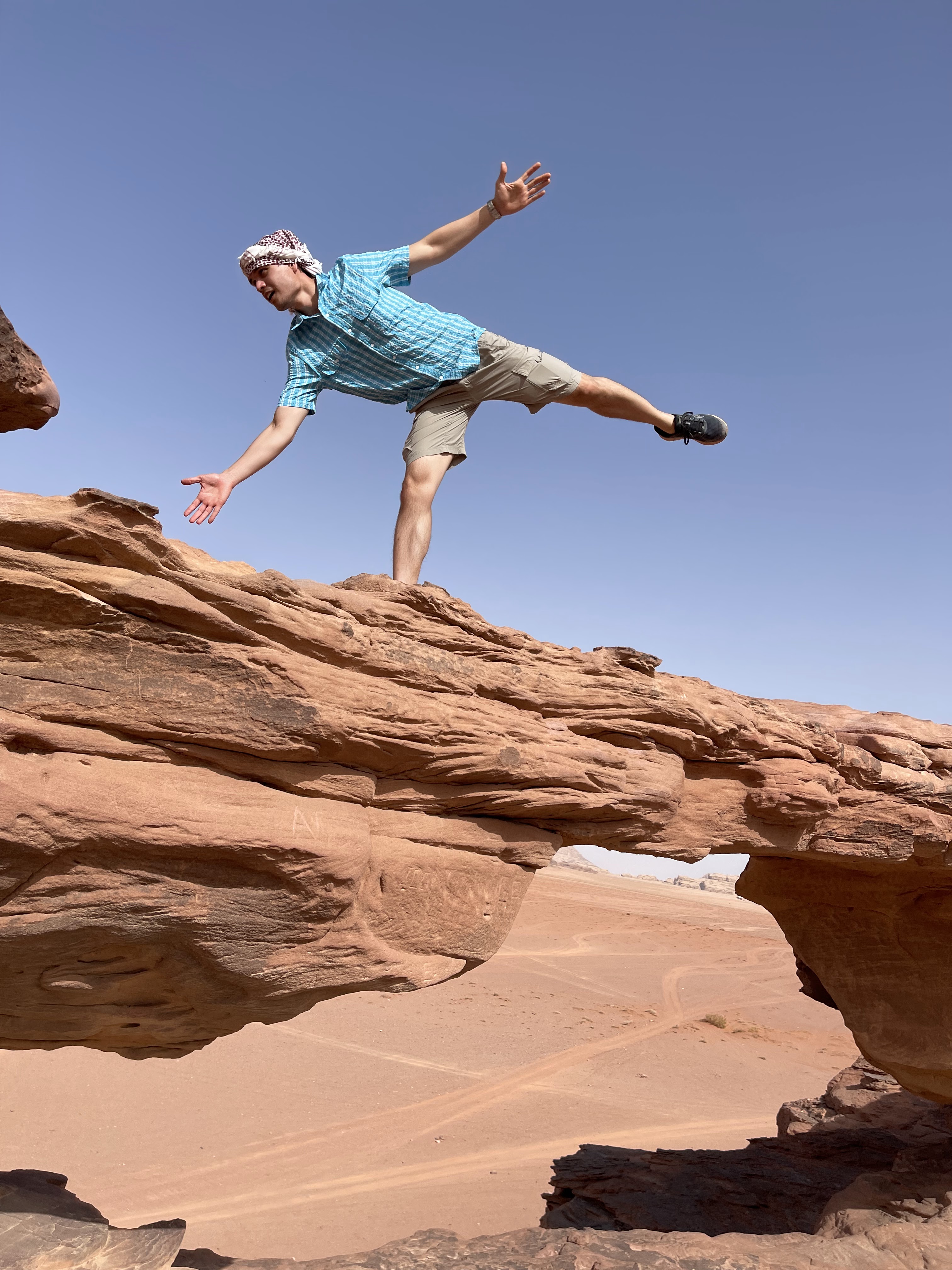
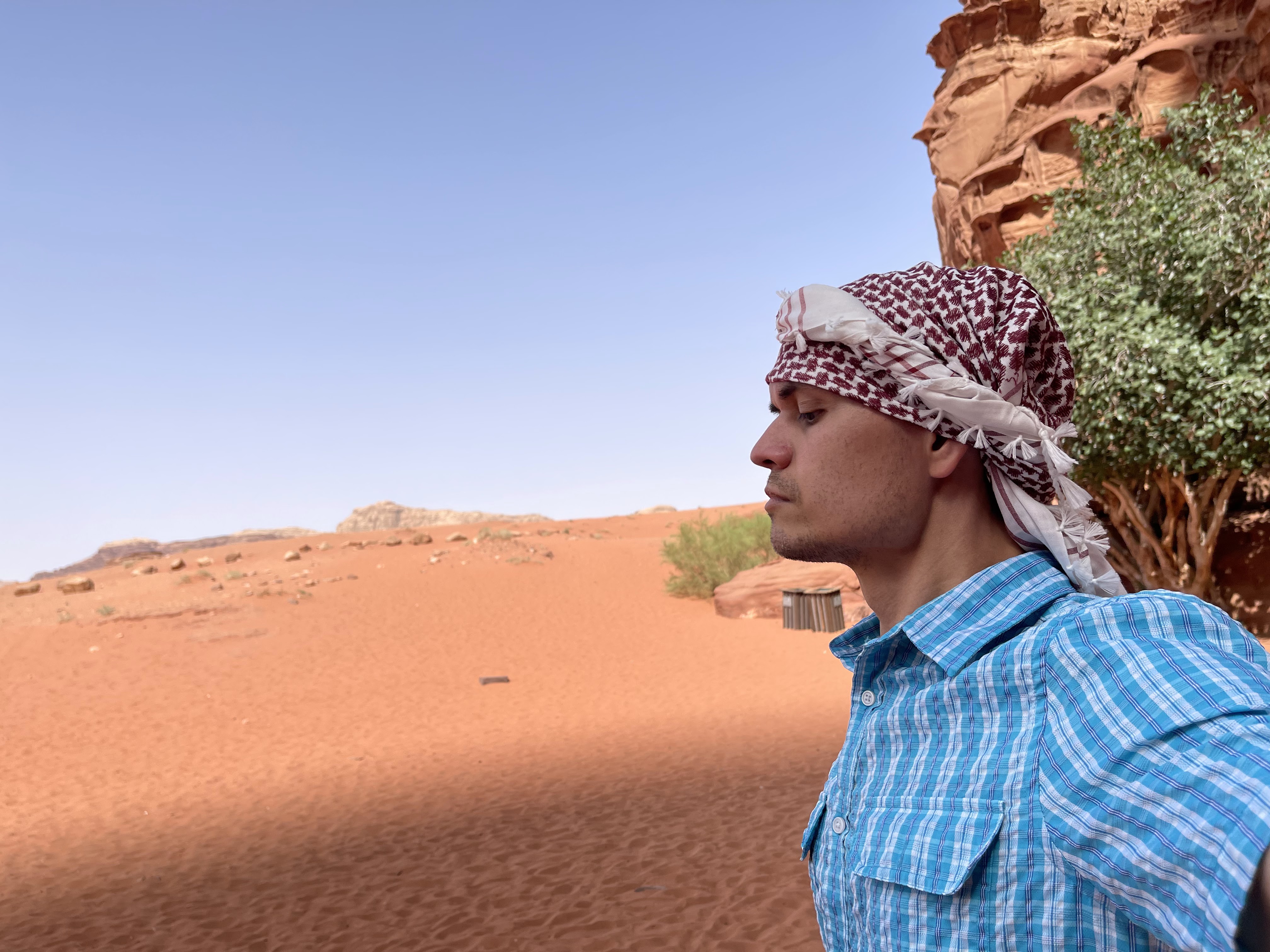
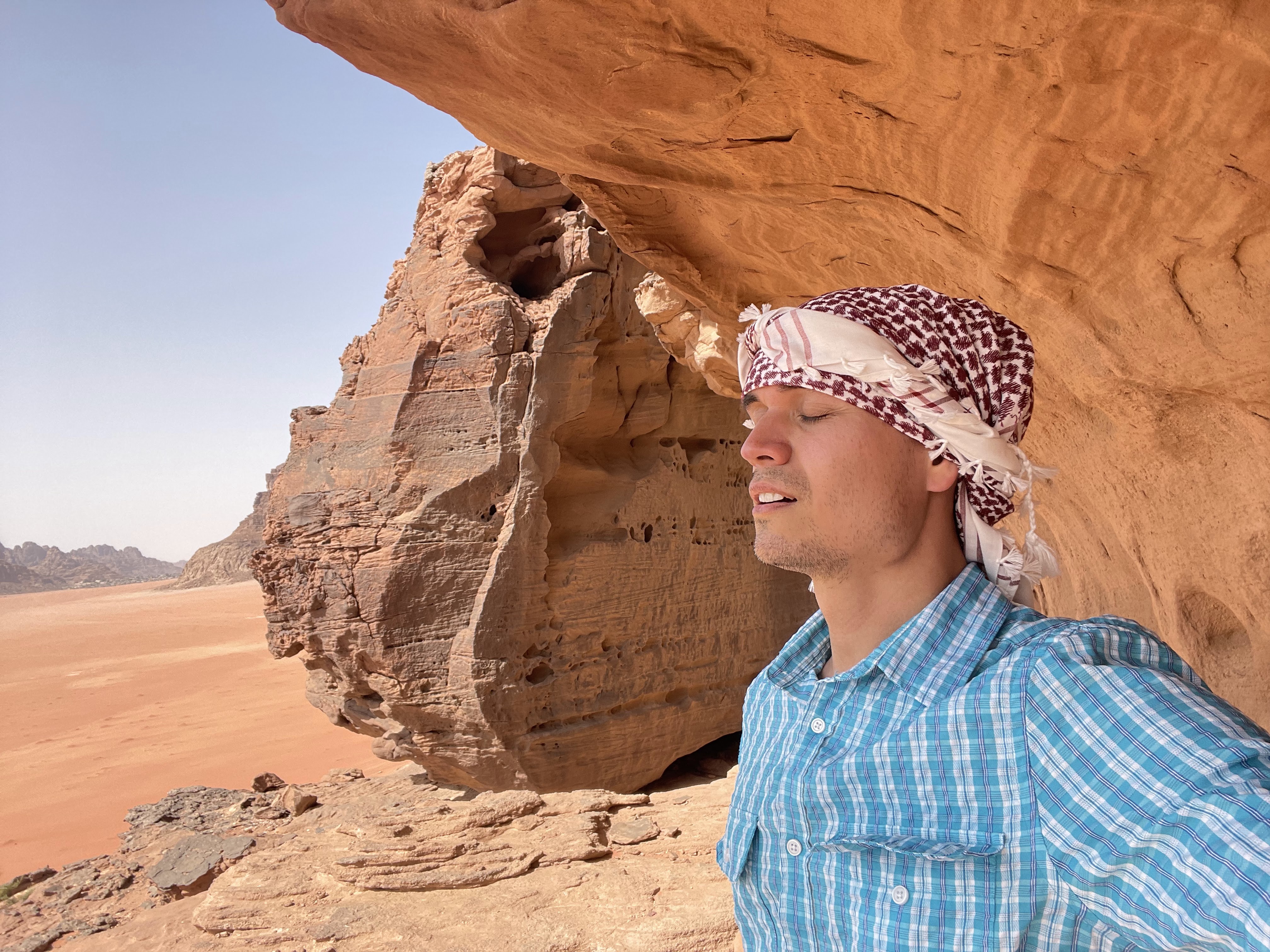
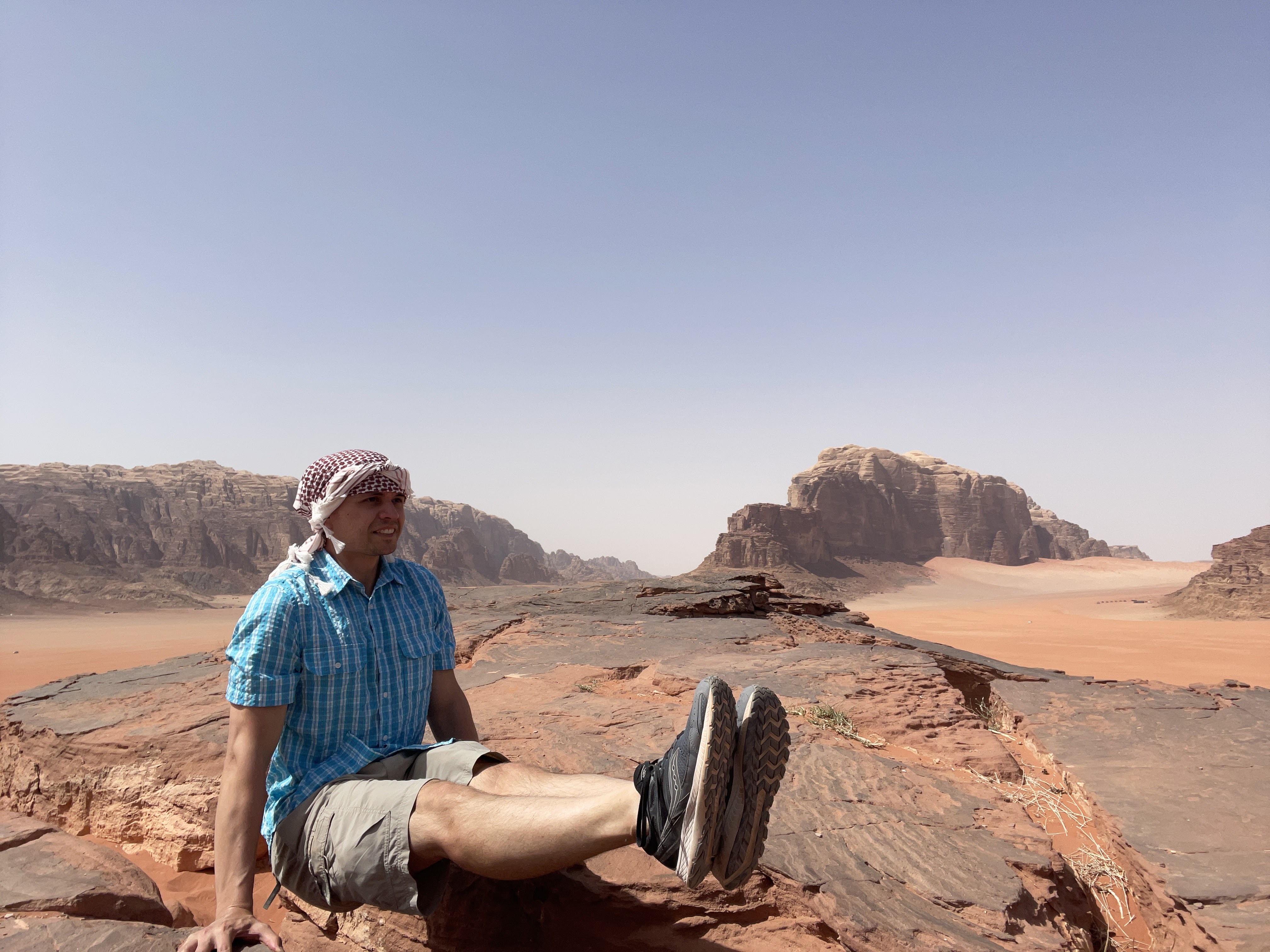
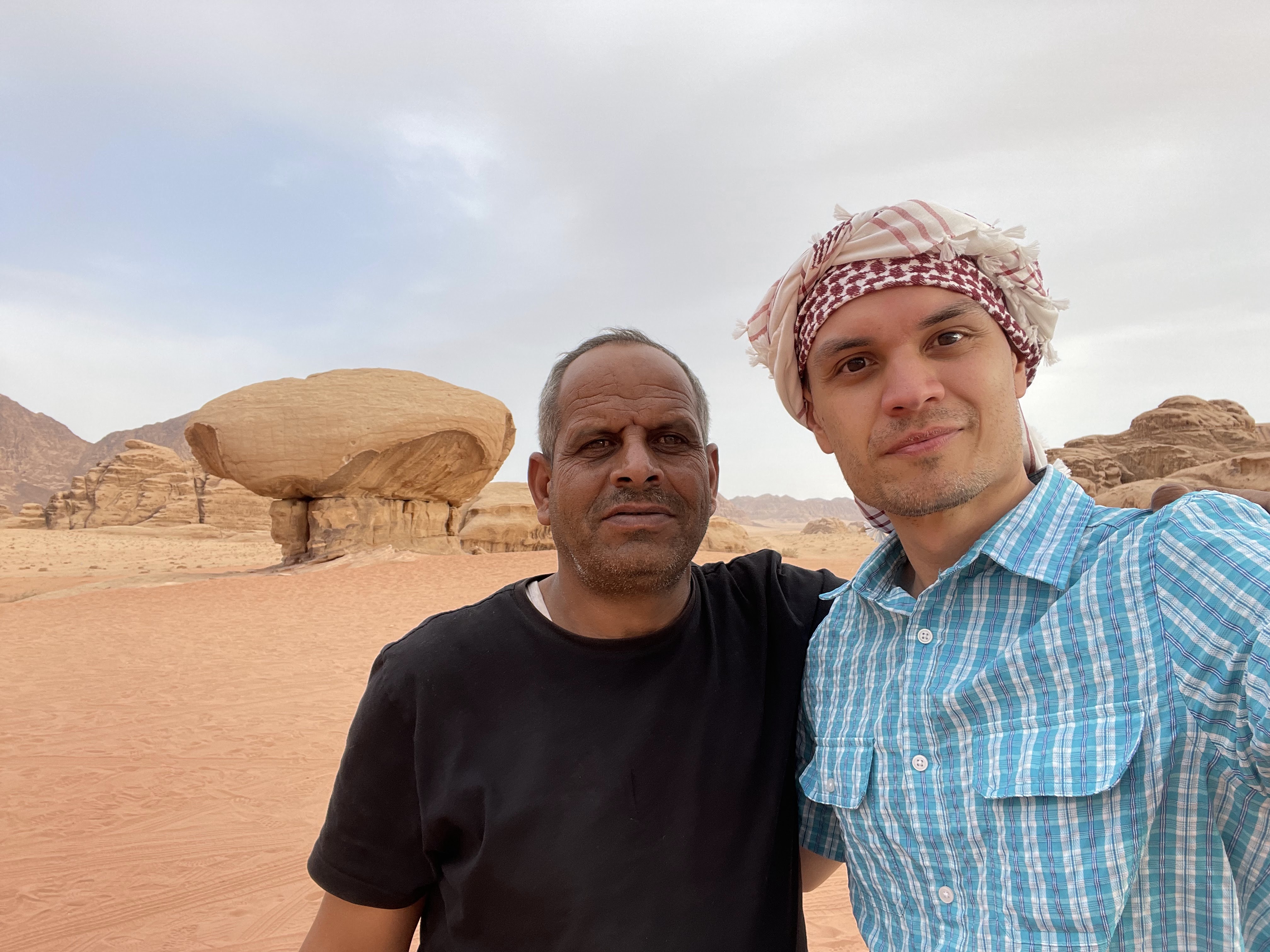
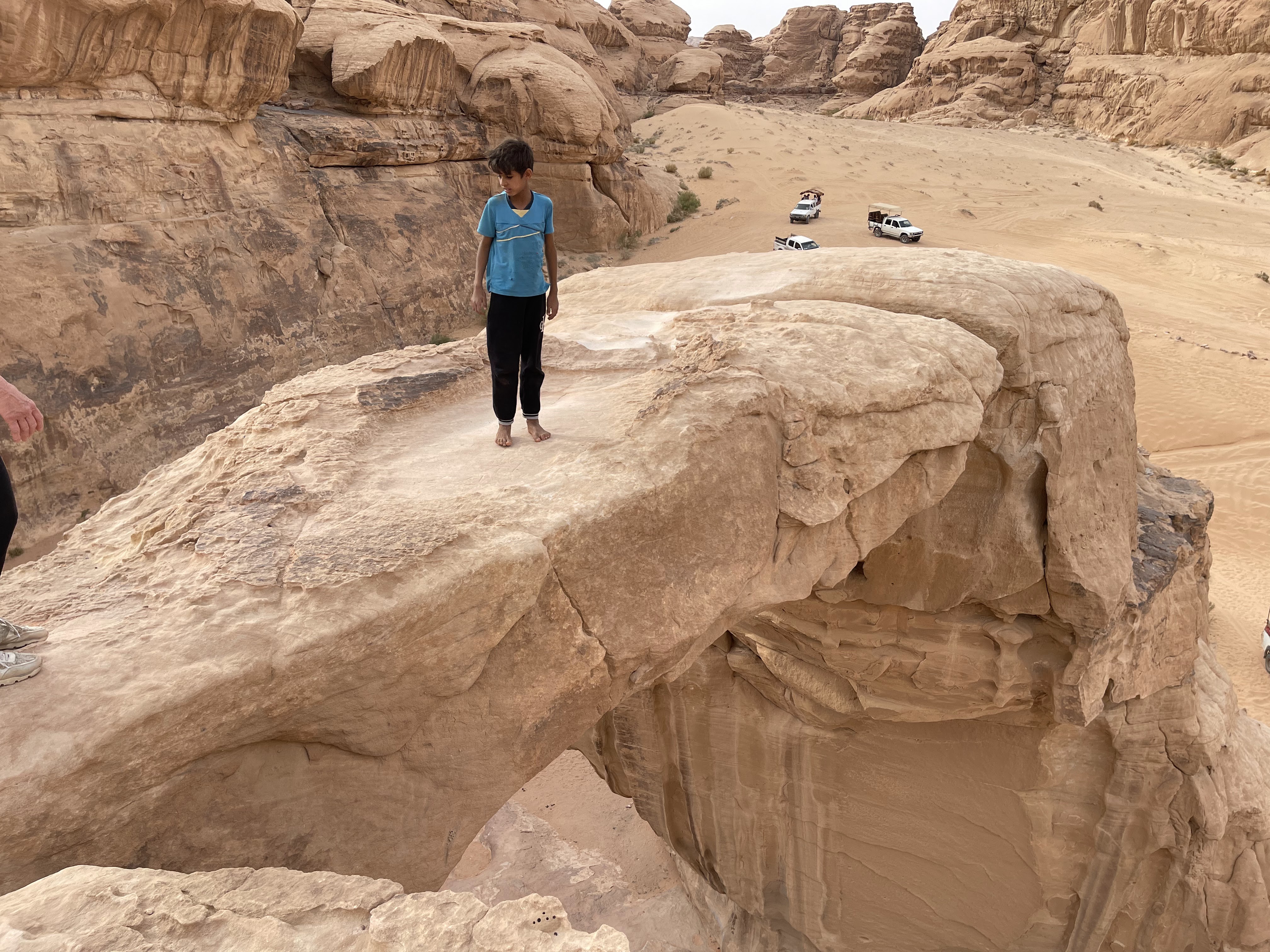
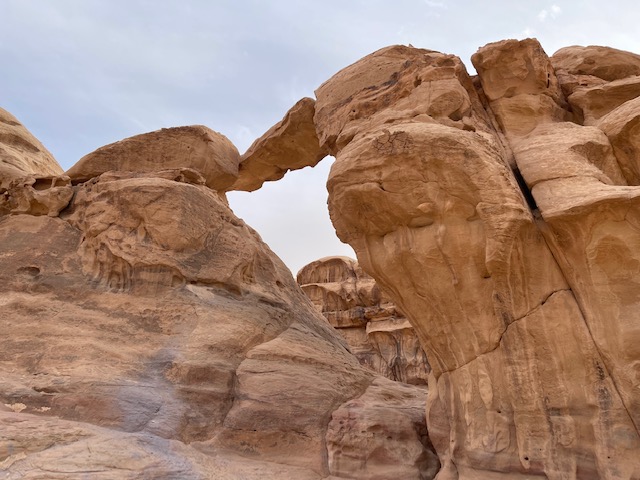
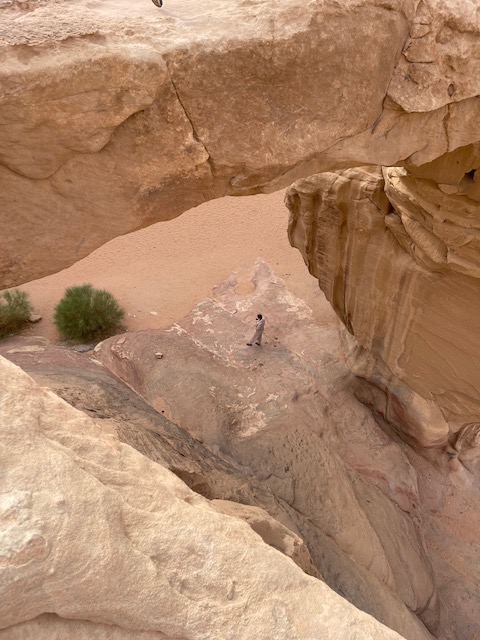
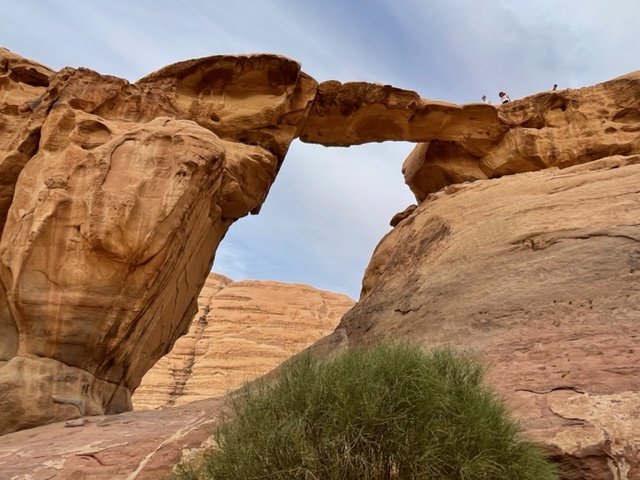
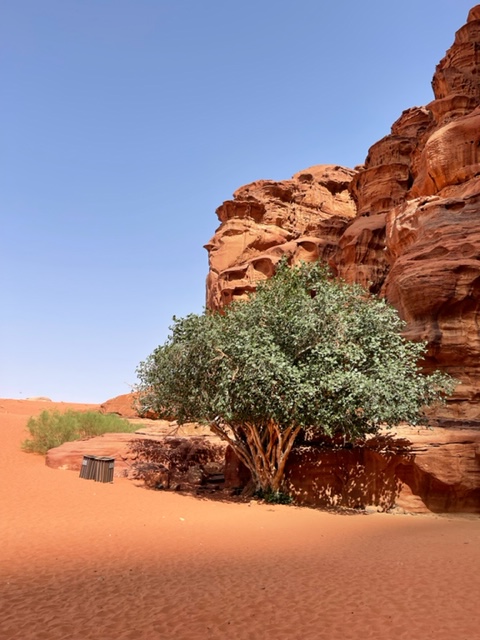
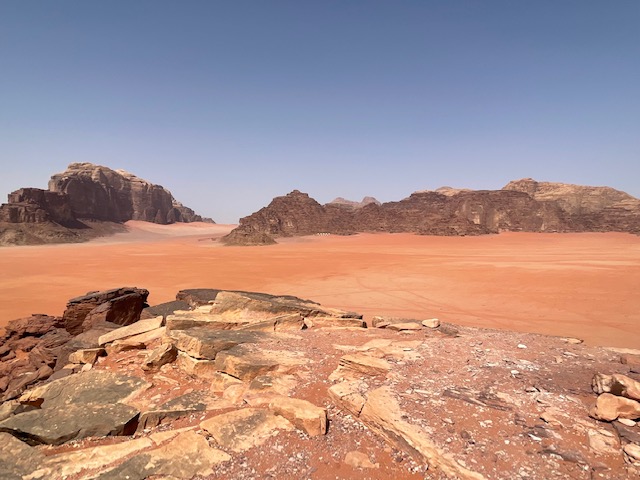
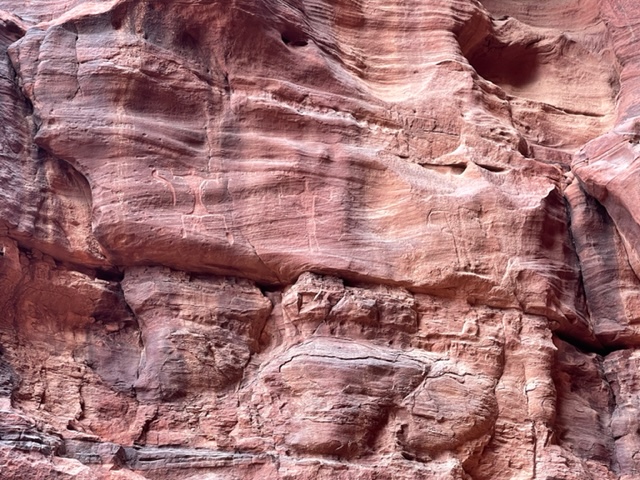
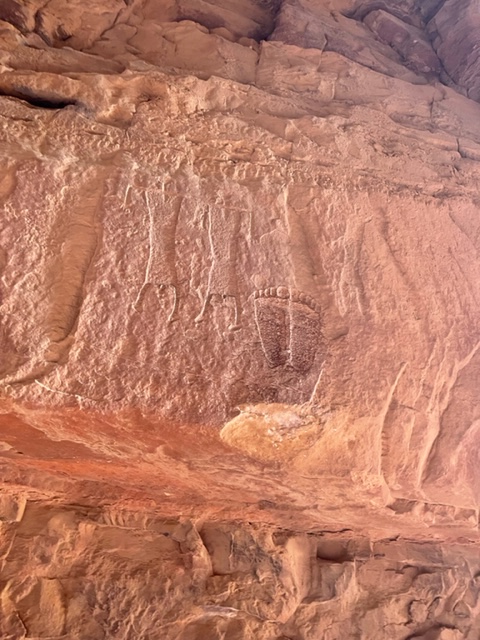
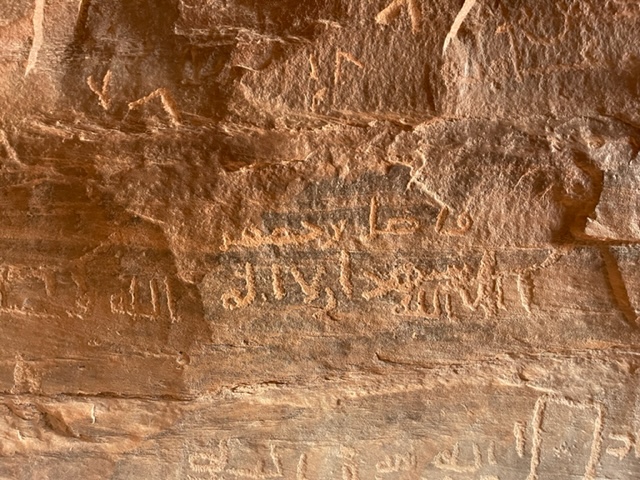
The desert landscape is red, and other worldly. No wonder “The Rise of Skywalker” was filmed here. Wow! From hieroglyphs, dunes, rocks, and camels, the quiet serenity is stunning. There is no cellular data and everything within the wadi is powered by solar panel energy that is turned on at 6pm and then off again at sunrise to store energy; very efficient for the Wadi Rum community. I tried to capture the best angles of this natural masterpiece as humanly possible.



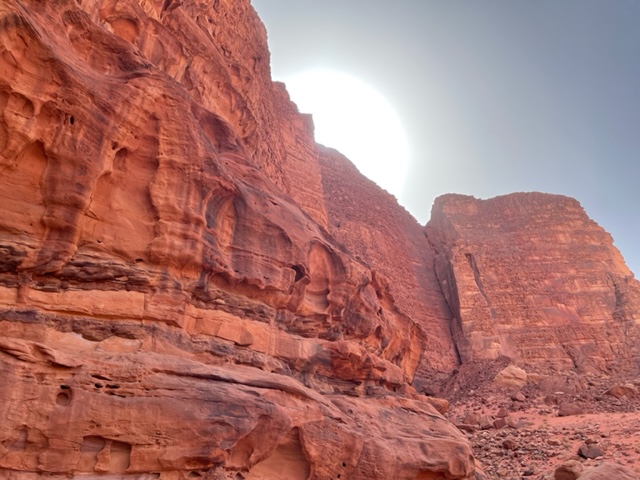


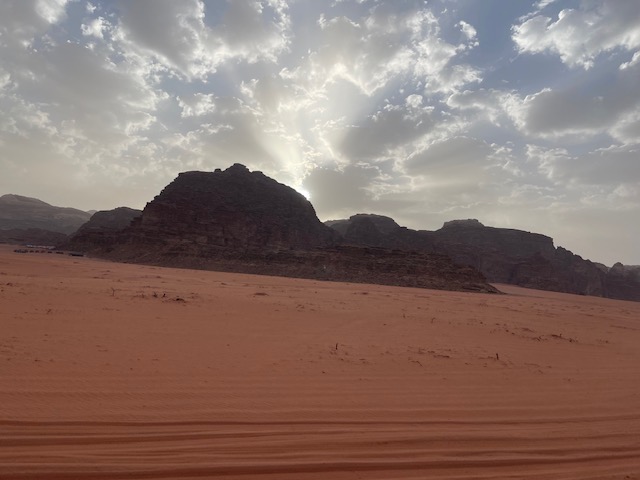

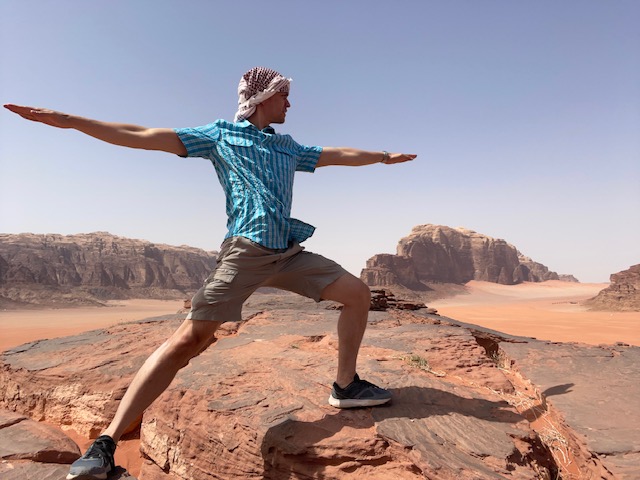
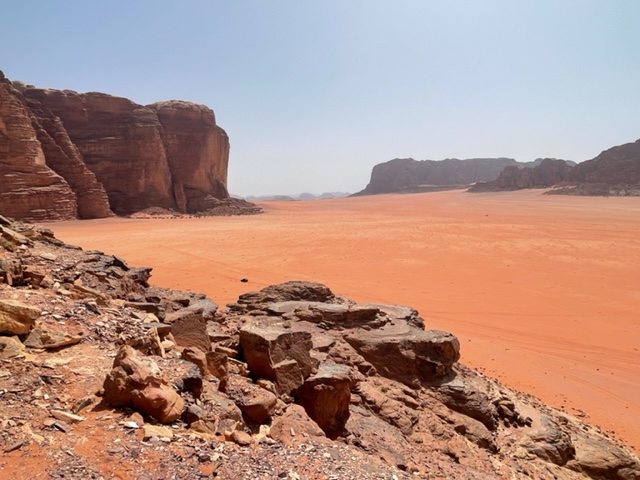




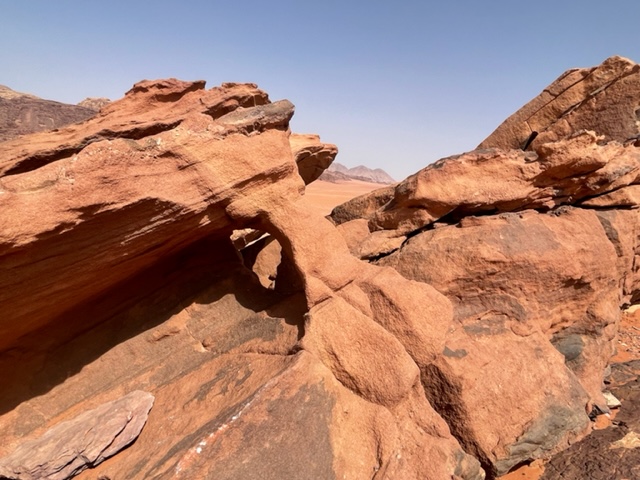
Waking up at 5am, I took one last ride in the jeep through the majestic surroundings towards the village, said farewell to several locals I spoke to when I arrived, hopped back in my car rental, and headed back to Amman. The 4-hour drive was long and my legs usually fall asleep around 2 or 3 hours in so I drove up to a couple produce shops along the side of the highway to grab some fruit and veggies. Jordan has many locally grown crops and if driving through the country like I did, be sure to stop and purchase some delicious produce. Jordan is especially well known for their watermelon, sweet bananas, and beets, but they had everything you could imagine so as long as you paid attention to the speed bumps, you can take melons and oranges back to your accommodation.
For the final two days in Jordan, I stayed in another Air BnB and explored a bit more of the capital. This included a jagged drive up to the Roman Citadel to see the Temple of Hercules:


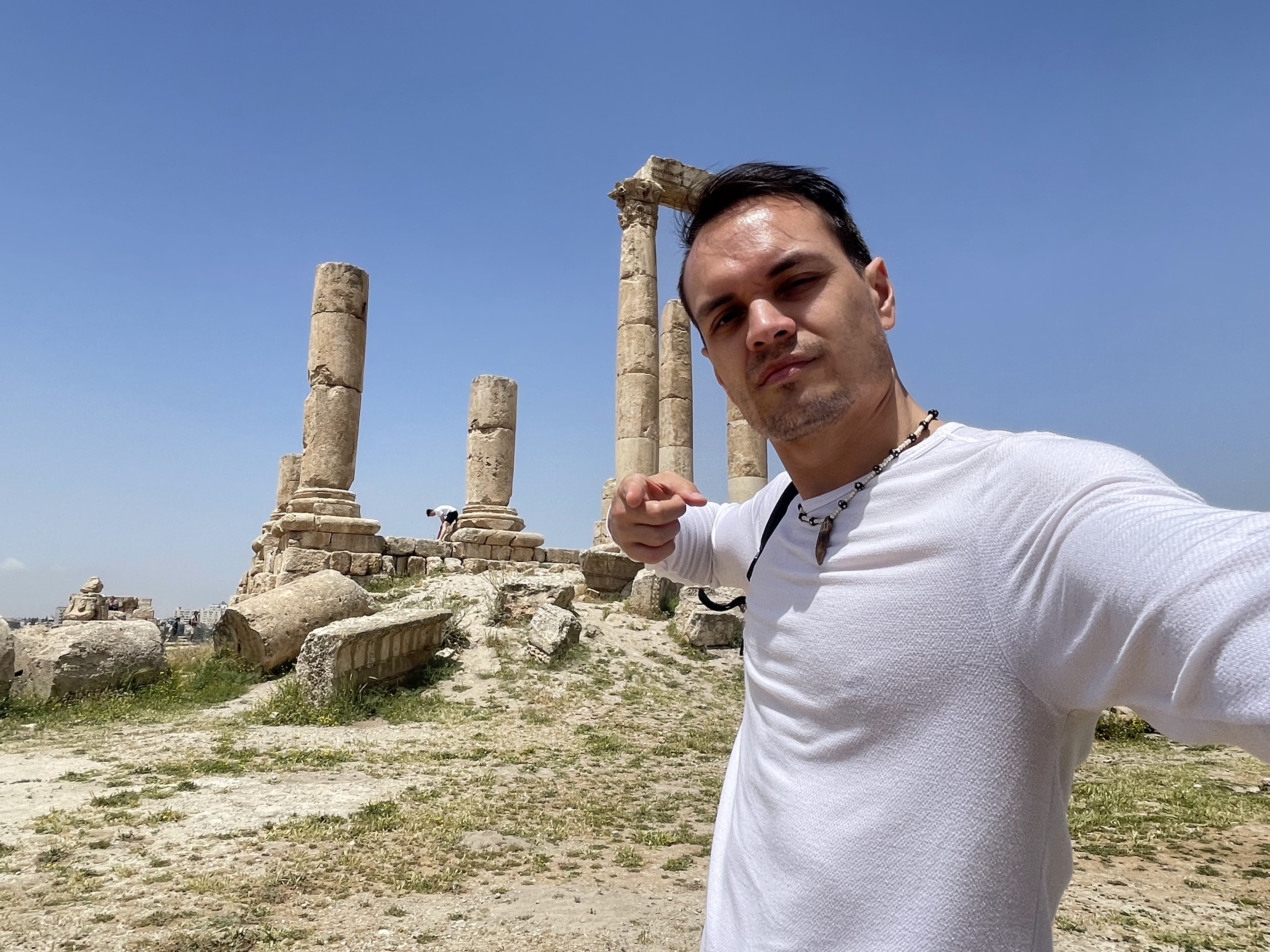

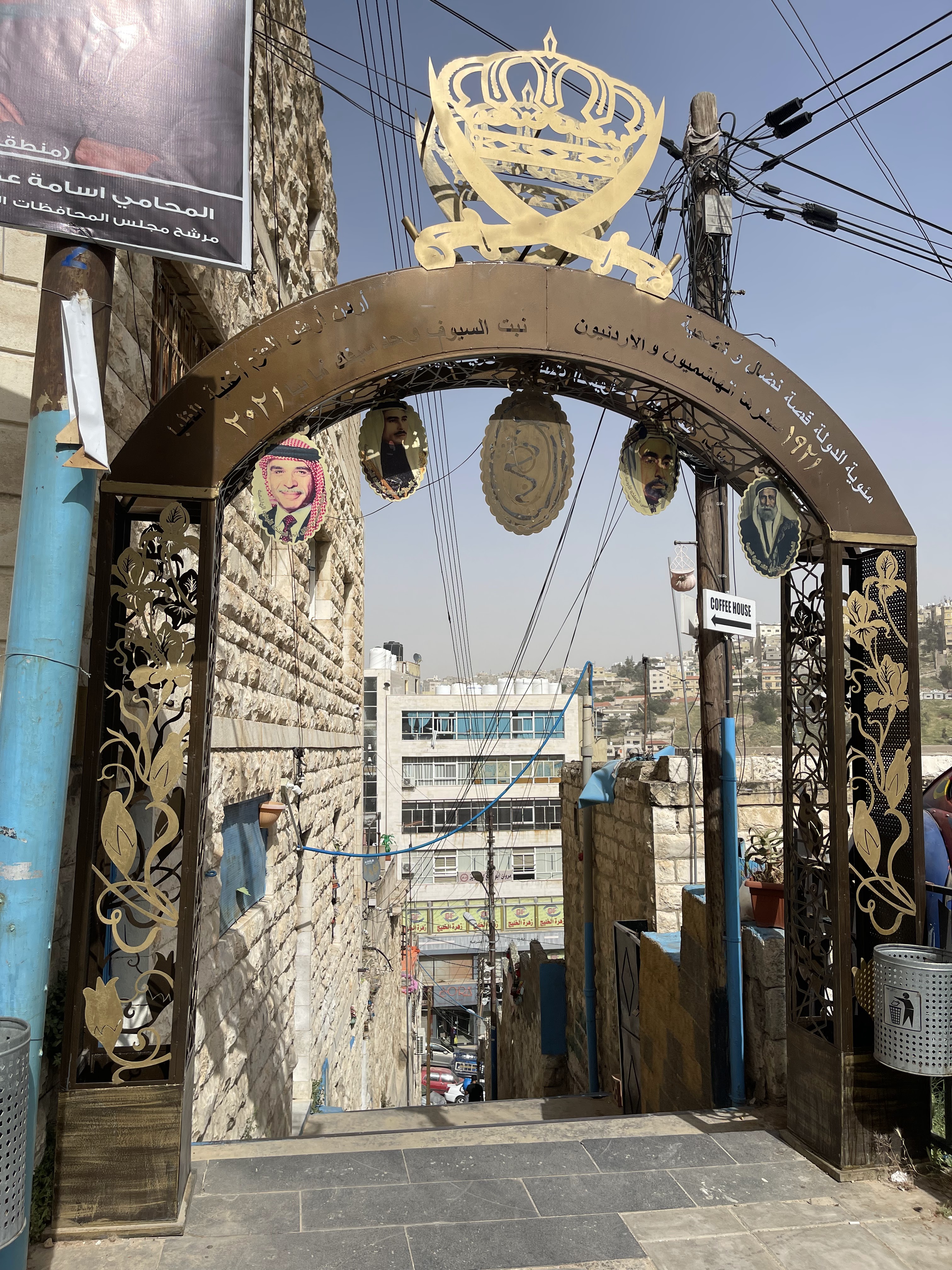
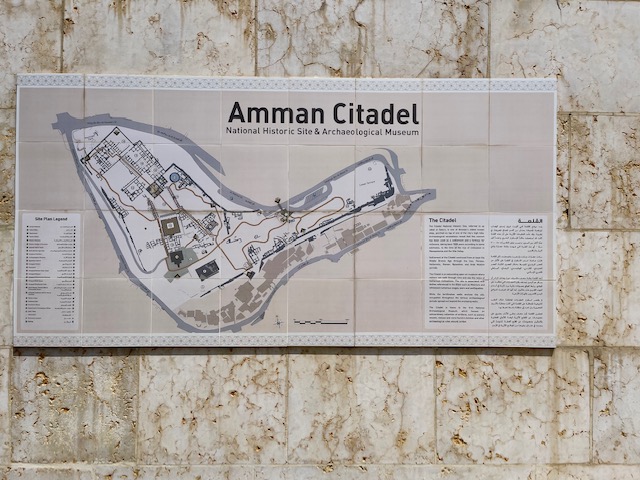


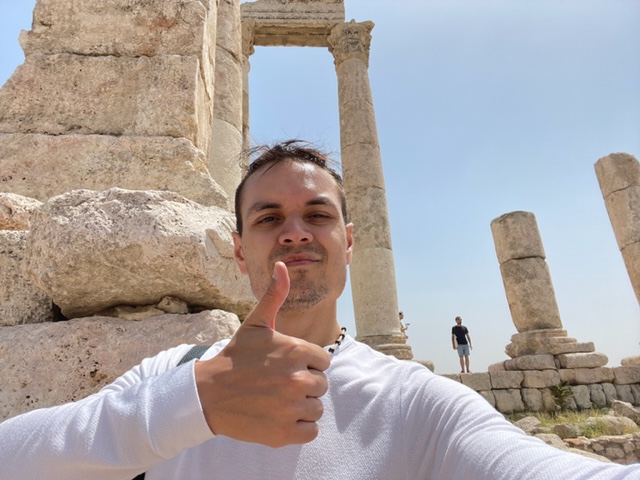


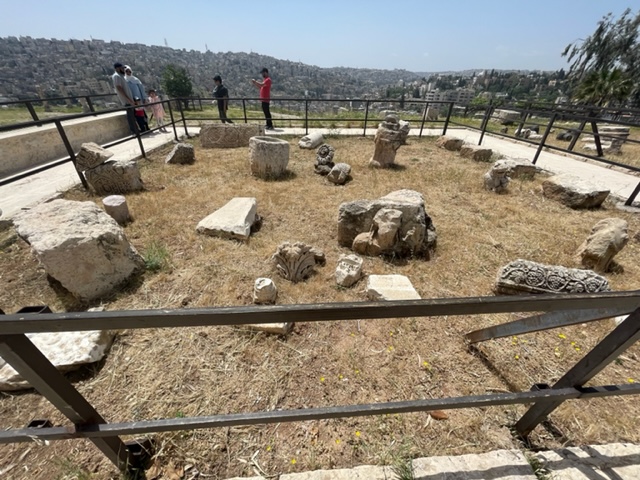

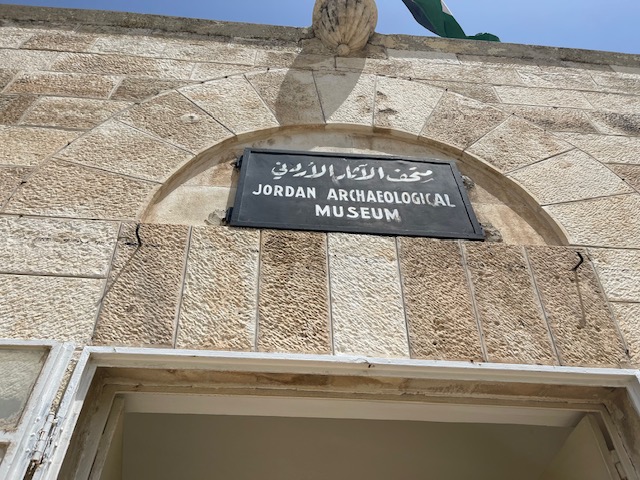
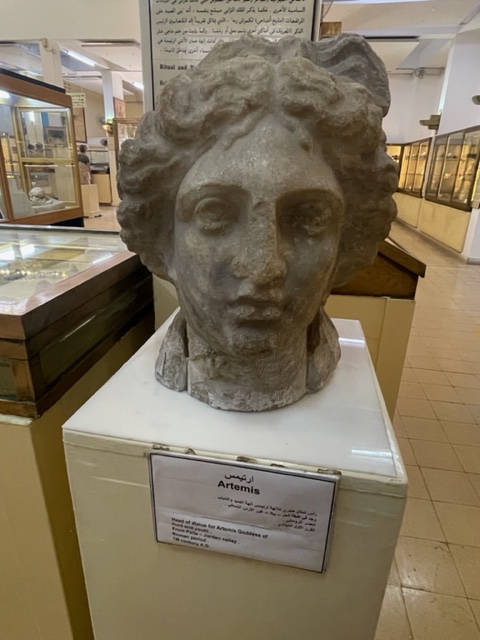
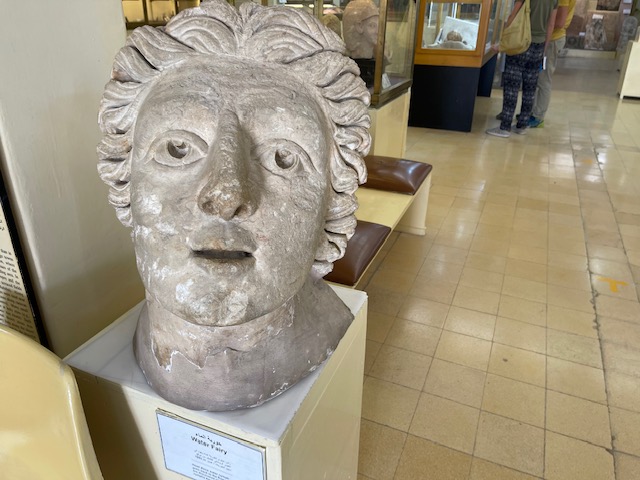


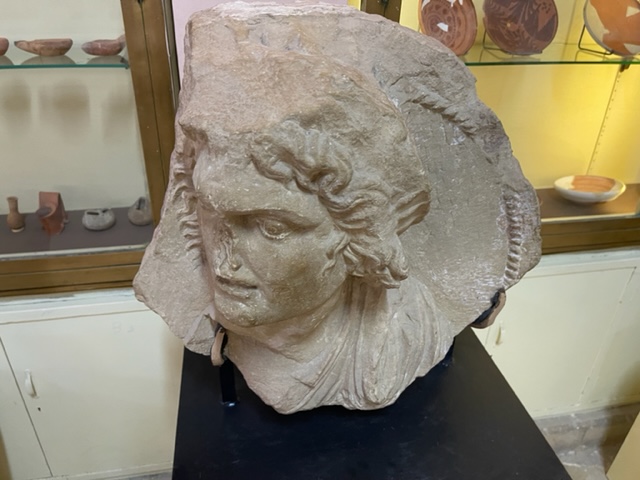


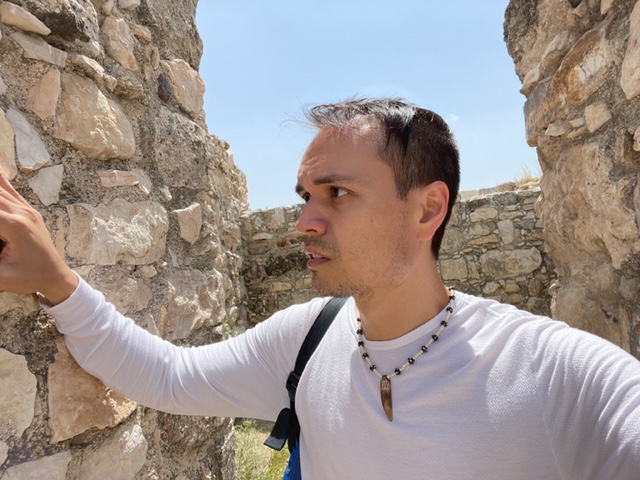

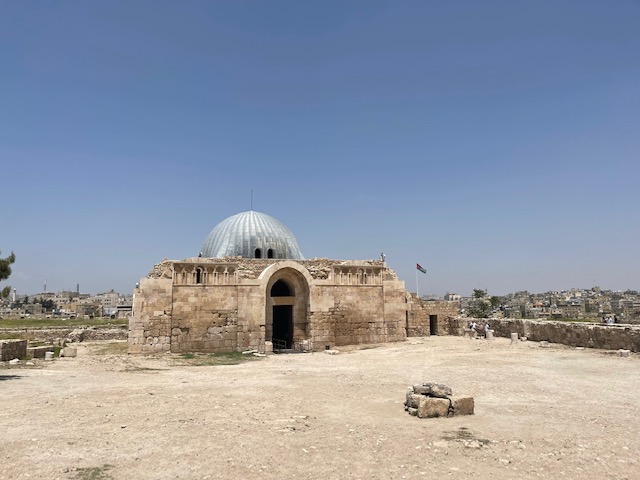
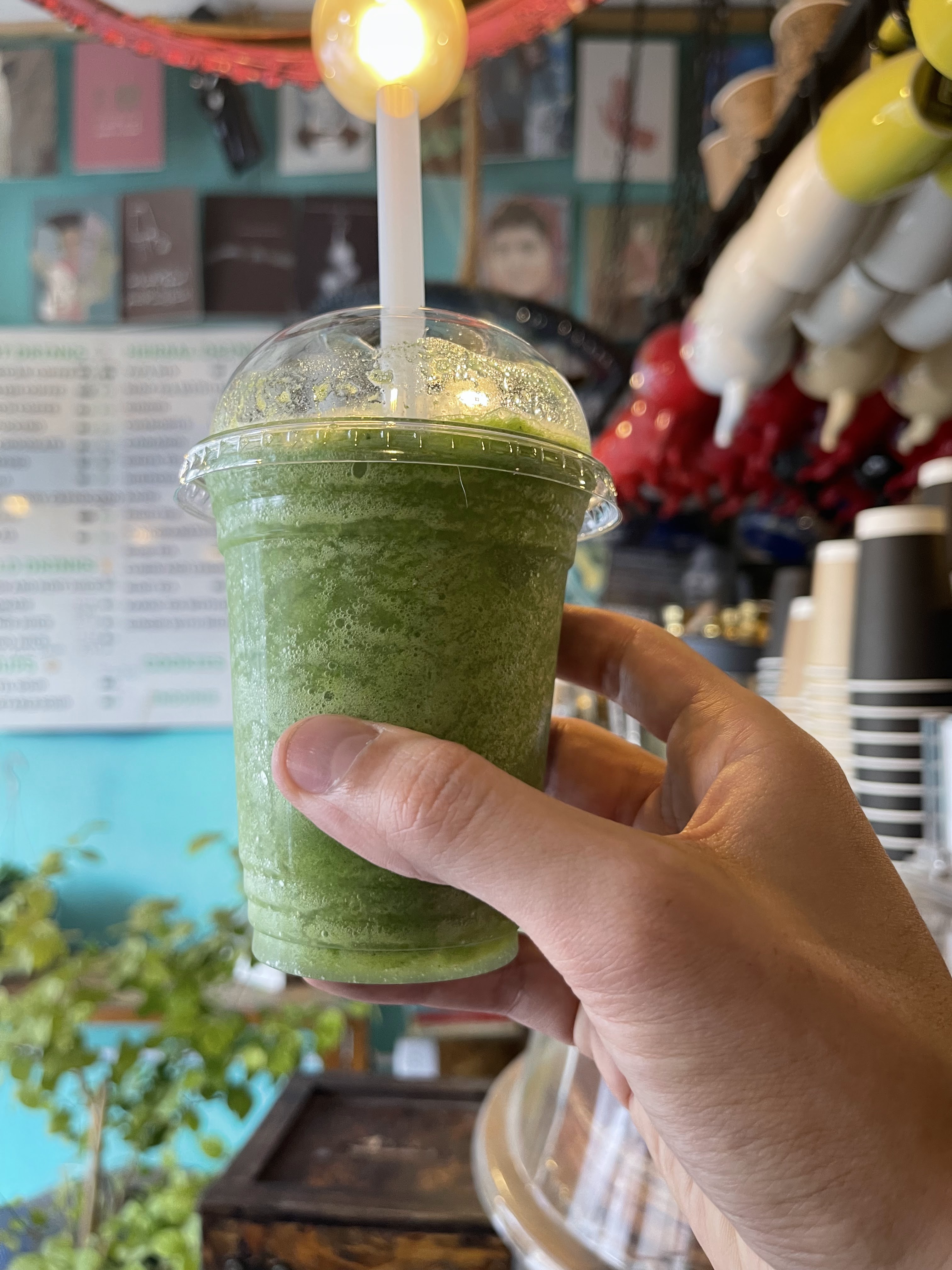
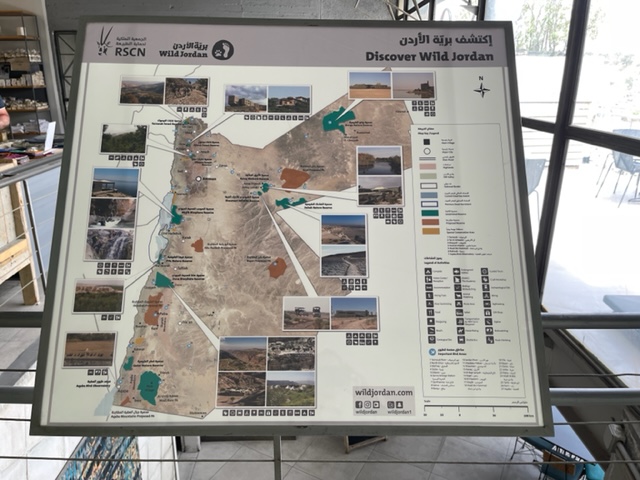
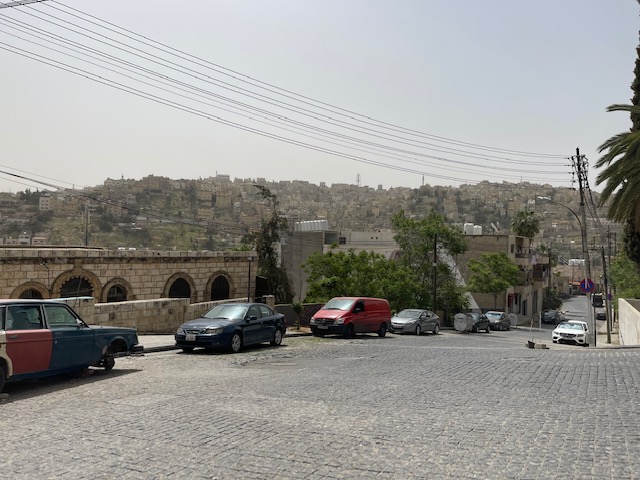
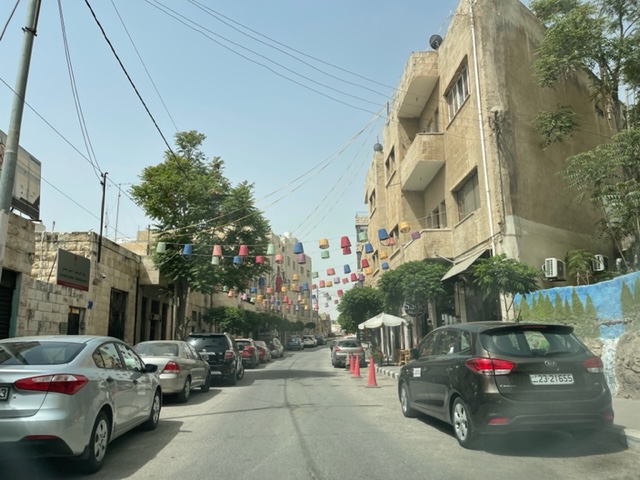
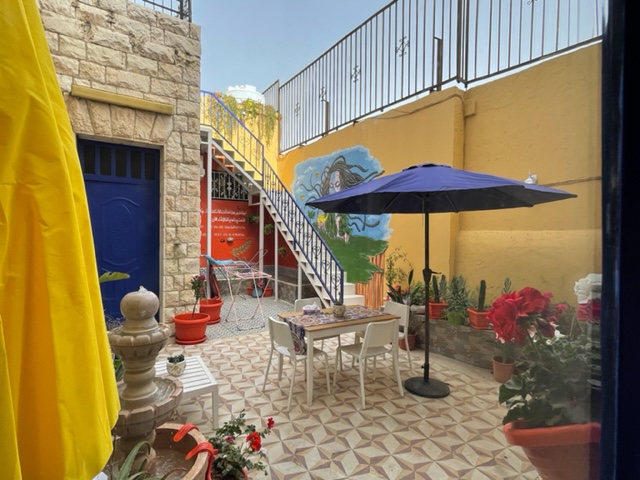
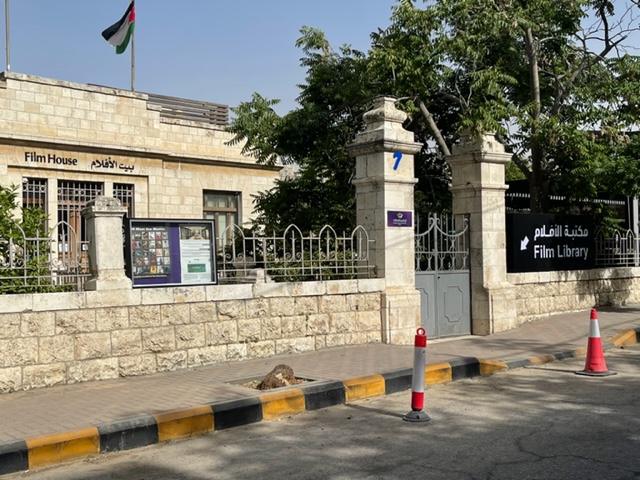
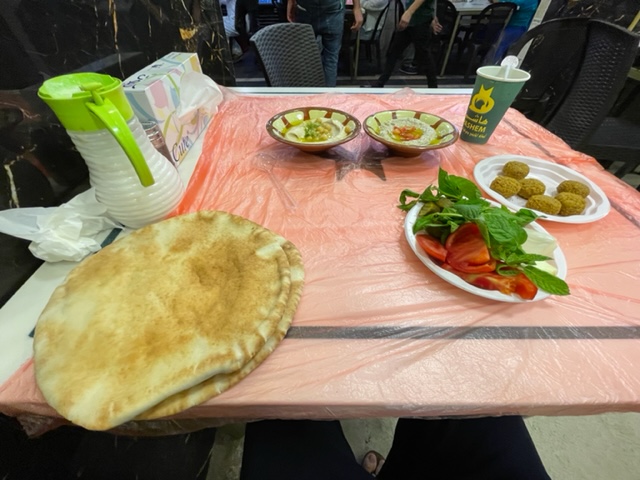
I took a couple more drives and occasional stops in cafes such as the Wild Jordan Center/Cafe which had many educational resources surrounding Jordan’s natural world. It also had some of the best oatmeal pancakes and smoothies I’ve ever had in my life! Sidenote: street-side parking was very accommodating, much more so than US cities like Seattle or LA. Cheers to that! It was also free. There were so many murals, Roman artifacts, and ruins to take in while enjoying food from famous progressive cafes like the Books @Cafe, and the legendary hummus at Hashem Restaurant (seen below in the picture with the large pita bread). All the above are highly recommended!











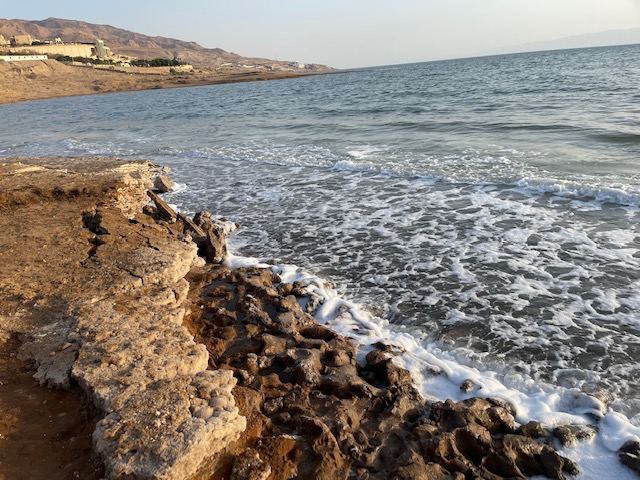
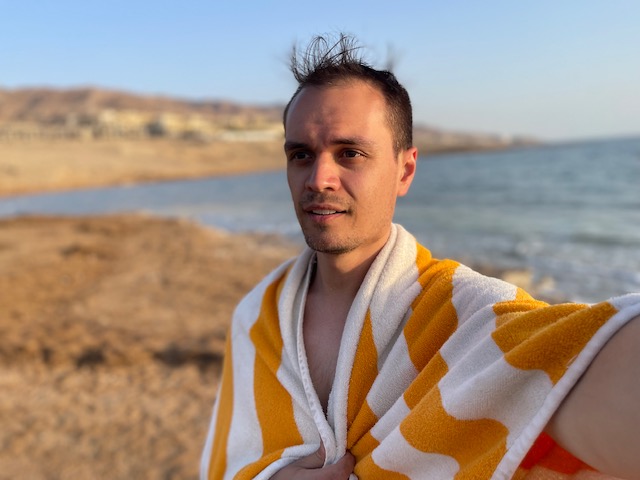
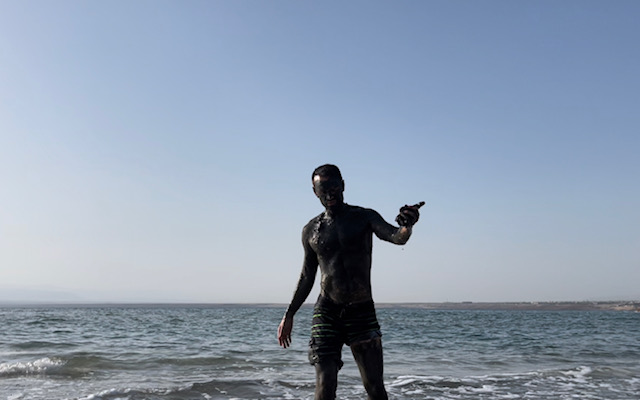
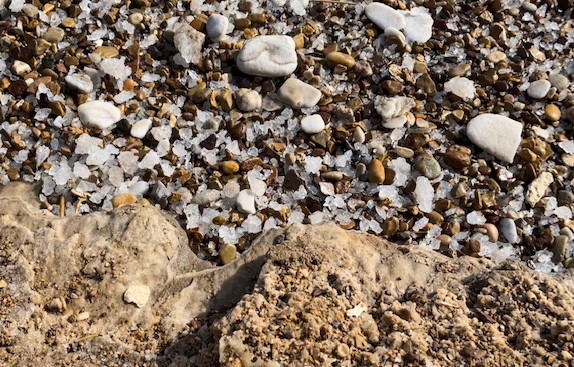
By this time, I was quite exhausted from traveling all across Jordan, and as I predicted, my energy levels dictated that I stay in one place for the last day so wrapping up my stay in Jordan with a trip to the Dead Sea was perfect. Known for its rich potassium, magnesium, and salt minerals, which all formed around 3 million years ago, I checked in to The Dead Sea Spa Resort. It’s the most affordable resort for the full Dead Sea experience and I do not recommend staying anywhere else because it is severely overpriced and a visitor’s ultimate goal is to have good food, a comfortable stay, and a dip in the Dead Sea. To each his own, but every dollar counts, and to me, this Resort is the spot for any traveler(s). This wasn’t as culturally rich an experience as the previous destinations, but I had always wanted to cover myself in Dead Sea mud while floating in the waters of the lowest point on earth. Mission accomplished.


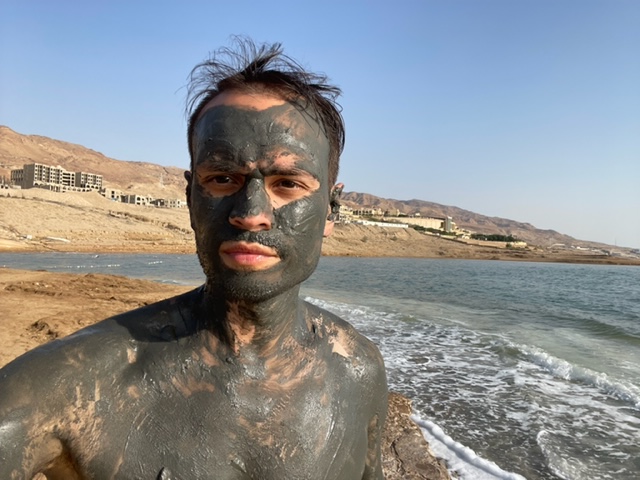

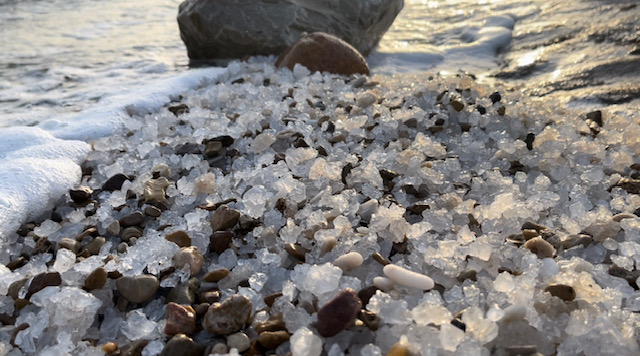
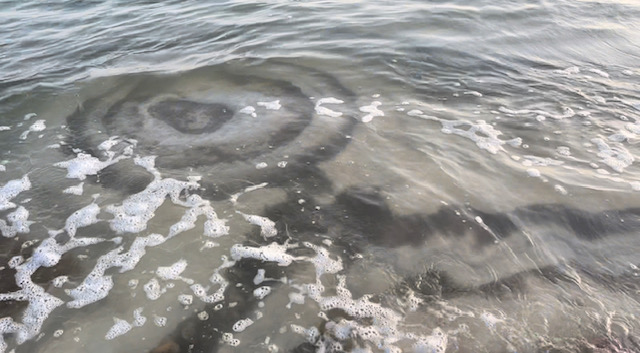


Another educational, historically rich experience in the books and on the blog! Jordan was a destination I hadn’t planned to visit until my move to Saudi Arabia. As always, ever so thankful for the hospitality. I got one speeding ticket for going 14 km over the limit (WHAT!?), but in hindsight, the cop was doing his job and I was momentarily unlucky (it cost me 20 Jordanian dinars, the equivalent of about 30 USD) in an otherwise very fortune-filled experience. Thank you, Jordan. Every sight, turn and interaction was positive, all the way back to the airport Hertz car rental where the office receptionist even helped me send postcards to various friends and family because the postal service was on national lockdown during Ramadan. Blessings to all and happy travels. Hopefully, the pictures help to inspire a trip of your own. Thanks for reading. Ciao.
مع السلامة,
Nattapon Jontom Abbett
 Nattaproblem
Leave a comment