

The wonderful world of coffee conjures up many senses. As part of my last quarter at the University of Washington, I had the privilege of traveling to Costa Rica for a biodiversity travel abroad class. There were 17 of us in this particular cohort of students, and touring several coffee plantations while conducting entomology surveys was part of our adventure. The itinerary for this trip included Rancho Mastatal, Punte Arrenas, San Manuel Antonio Beach, and Monteverde Cloud National Forest. We covered a lot of ground that month, but for the purposes of this post, I’m going to grind it down to coffee. All photos were taken by either myself or one of my talented friends from that trip.
It’s widely agreed upon that caffeine is the most widely used drug in the world. The most popular forms of consumption include coffee, tea, cocoa, and a litany of other beverages with added caffeine. For the most part, caffeine effects the central nervous system as a stimulant. The heart and skeletal muscles are also effected.

The ergogenic (a fancy term for physiological enhancement) of caffeine has been widely studied. It turns out that recreational and professional athletes alike demonstrate an increase in performance after consuming caffeine. This is especially true for endurance exercise (greater than an hour) or high intensity exercise that doesn’t exceed 5 minutes. The interesting thing that experts have found is the ineffectiveness caffeine has on maximum force or sprinting activities lasting 90 seconds or less (Spriet LL., Caffeine and performance International Journal of Sport Nutrition 1995).
The NASM fitness exam, and books such as Louise Burk’s Caffeine for Sports Performance have taught me that there’s a law of diminishing returns when consuming coffee. The adage “everything in moderation” rings true even for that cup of morning Joe. According to the experts, caffeine is most effective for exercise in the amount of 3 to 6 mg per kg of body weight. Furthermore, it’s best if ingested about 1 hour before exercise if the ultimate goal is a truly noticeable ergogenic effect. In other words, for a 75 kg person (approximately 165 lbs), this equals approximately 225 to 435 mg of caffeine.
On the contrary, adverse reactions to caffeine include nausea, rapid heartbeat, insomnia, nervous ticks and more frequent trips to the bathroom. Headache and chest pain are also among overdose symptoms.


A poison dart frog from the Costa Rica trip embodies how the allure of something can trick us into thinking it’s tasty. Alright, maybe a slight dramatization. The Iguana certainly seems to think so.
Nevertheless, research has linked coffee drinking to lower rates of liver disease and even stroke, but no concrete evidence has been brought forth as to the reason. Statistically speaking, this means people who drink coffee have been shown to possibly benefit from coffee, but only if it’s 2 to 3 cups a day max.
It’s clear that the effects are indeed stimulating. People become more alert, aware, active and even focused. The drug is incredibly popular and has been assimilated into a myriad of drinks and beverages for the enjoyment of everybody, athlete or not. It’s a tasty drink with descriptions similar to those made of wine (another contentious beverage). For now, enjoy that morning cup. The paper needs to get written, and the reports have to be sent in on time. Just know that coffee isn’t the only source. Tea, and chocolate are all fair game. There really can’t be a better selection of caffeine sources. All are tasty, and all are legal. In the spirit of giving people a little boost in life, caffeine gets the all clear. Enjoy.
Ciao,
Nattapon Jontom Abbett
Nattaproblem
For more information on the Costa Rica excursion, please visit the following links. They are definite eye openers to another world that matters
Rancho Mastatal (A sustainability initiative that is making a huge difference in Costa Rica)
Wondering what exactly is shade grown or fair trade coffee? What’s the Rainforest Alliance? Truthfully, it’s an imperfect world. Coffee drinkers can purchase coffee from farmers, pay them fairly, yet the coffee bought is not labeled fair trade. There’s a lot of research that goes into growing this ONE crop in the world. From entomology research mapping out the effects of insect population on coffee crops, to the legal aspects and environmentally sound practices of growing the beans. Learn more about that here and start becoming more informed about the exact process of “farm to table” when it comes to the coffee bean. The below website is a start:
Last, but not least, because I had personal experience with this rich chocolate farm please check out La Iguana Chocolate and pass the word along. I personally learned how to pick the cacao from the fruit, taste the fruit, roast the cacao seeds (which is the beginning of the chocolate making process), and grind the cacao to the powder known to us shoppers as chocolate.
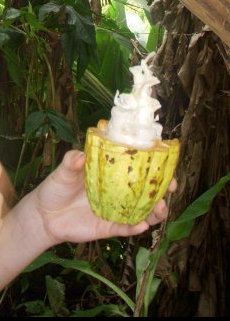

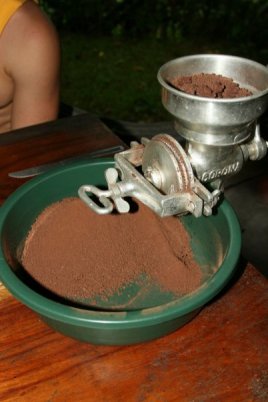
It’s amazing and this farm is well worth the visit for anybody planning a trip to Costa Rica. It’s been 10 years, and I still remember the taste of that truffle!
Mind you, this was 10 years ago! However, I’ve been told I look the same! So, perhaps chocolate and coffee are good for you after all.
Here are some more pictures of that memorable trip to entice you to visit the wonderful country of Costa Rica. Pura Vida!


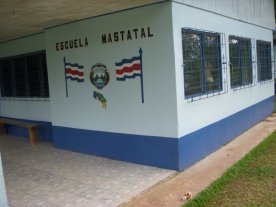

And finally…


 Nattaproblem
Leave a comment